Day 12 was a travel day – a 7-hour flight from Bangkok to Tokyo’s Haneda Airport, the fifth busiest airport in the world. The majority of flying routes I had to choose from, taking me from Thailand back home, had me going through Tokyo, so I decided I’d visit Japan for a few days, a country I’d never been to. Day 12 would have been a full day in Bangkok, but since I’d been there before, I chose to use it for travel, which would also buy me an additional day in Japan.
Over the course of the last few months, I’d been going through and scanning a 2″ thick photo and memorabilia album that my dad had put together, presumably in the late 1940’s, to capture his time in the US Army, part of which he spent in occupied Japan in 1946, after the Second World War. He’d been stationed in Kobe, but the album shows that he’d traveled elsewhere in the country – Kyoto, Nara, and Narita. There didn’t seem to be evidence he’d been to Tokyo, but I thought I’d spend a few days there by myself., while considering where else to go in Japan. After doing some research though, I realized I could spend five days in Tokyo and stay busy the whole time, given its size and how much there is to see and do there, with the one exception of wanting to get outside the city to see, if possible, Mt. Fuji.

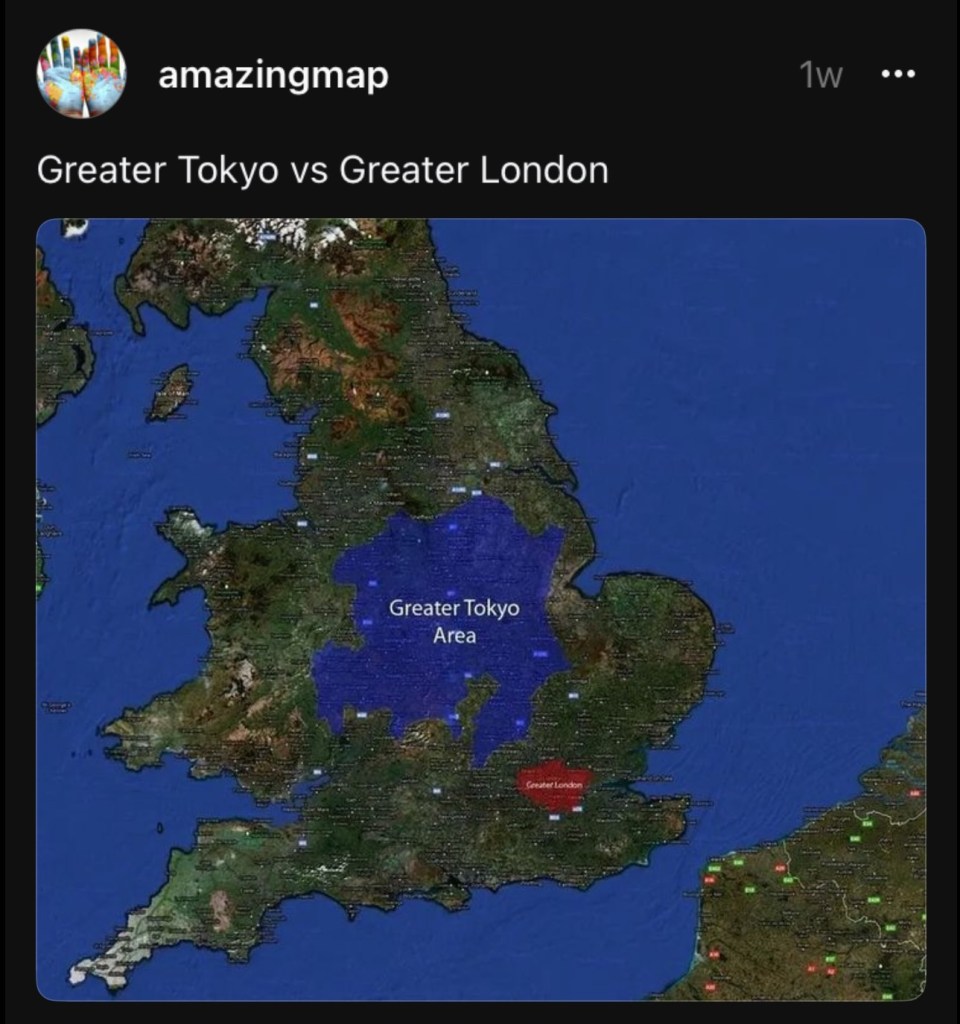
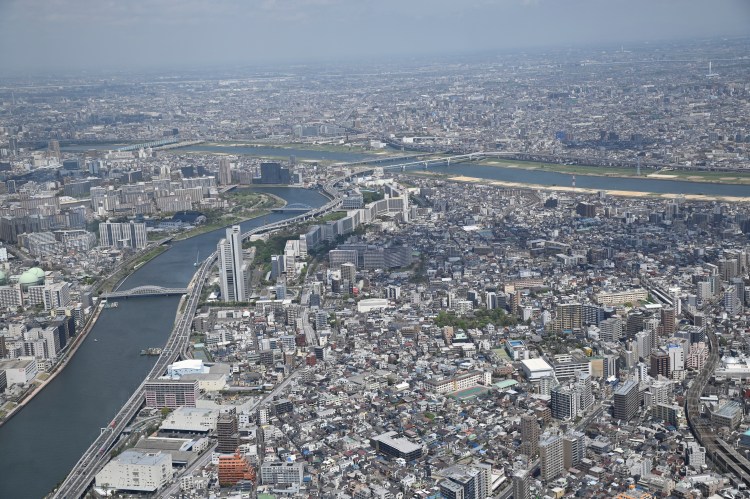
How big is Tokyo? By population it is the largest city in the world, with estimates of it being about 37 million people. Delhi is the next largest, at about 33 million. We New Yorkers always think of our city as “big,” but New York is only about 8 million people – less than a quarter of the size of Tokyo. And geographically, how big is Tokyo? Well – take a look at this map:
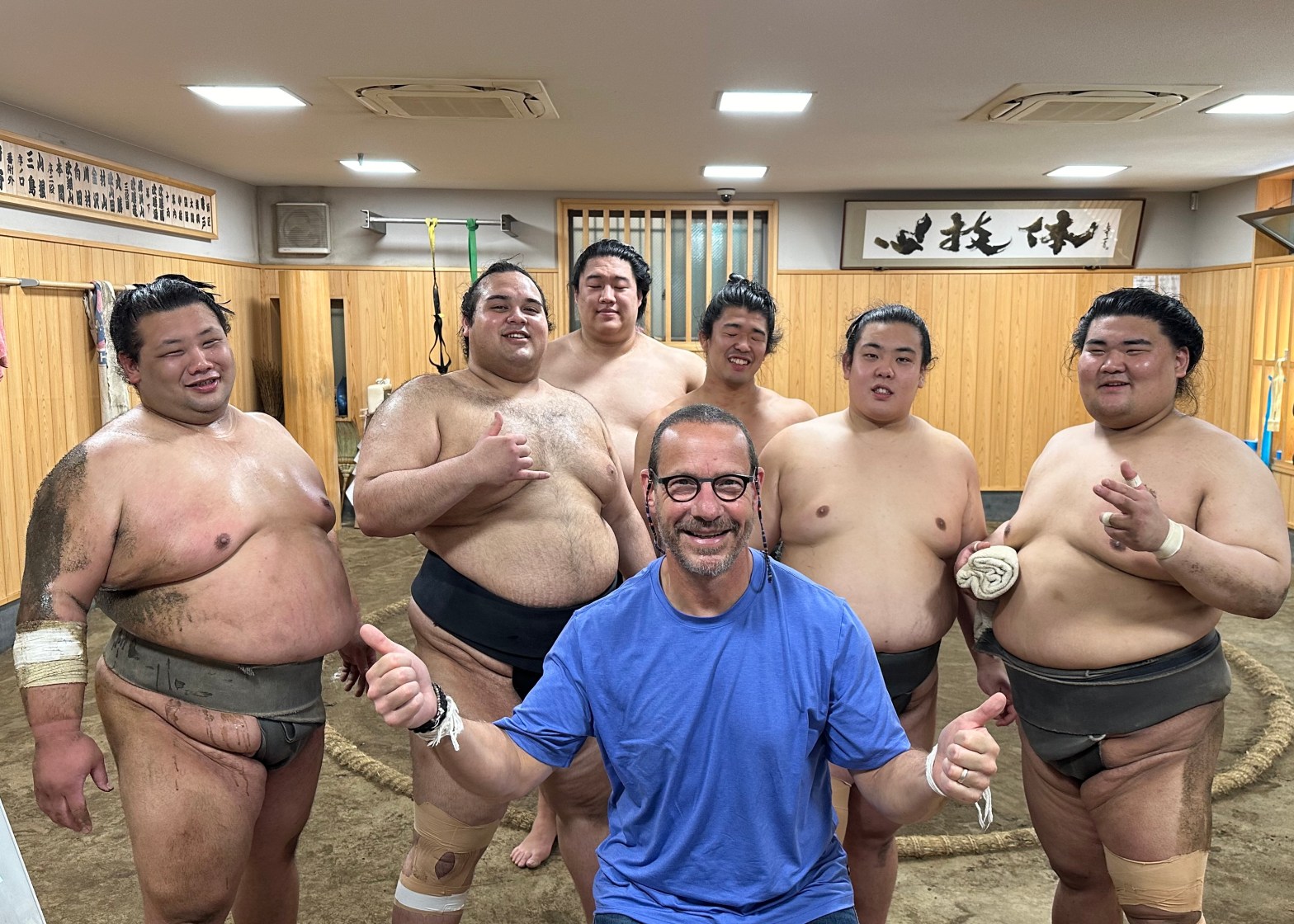
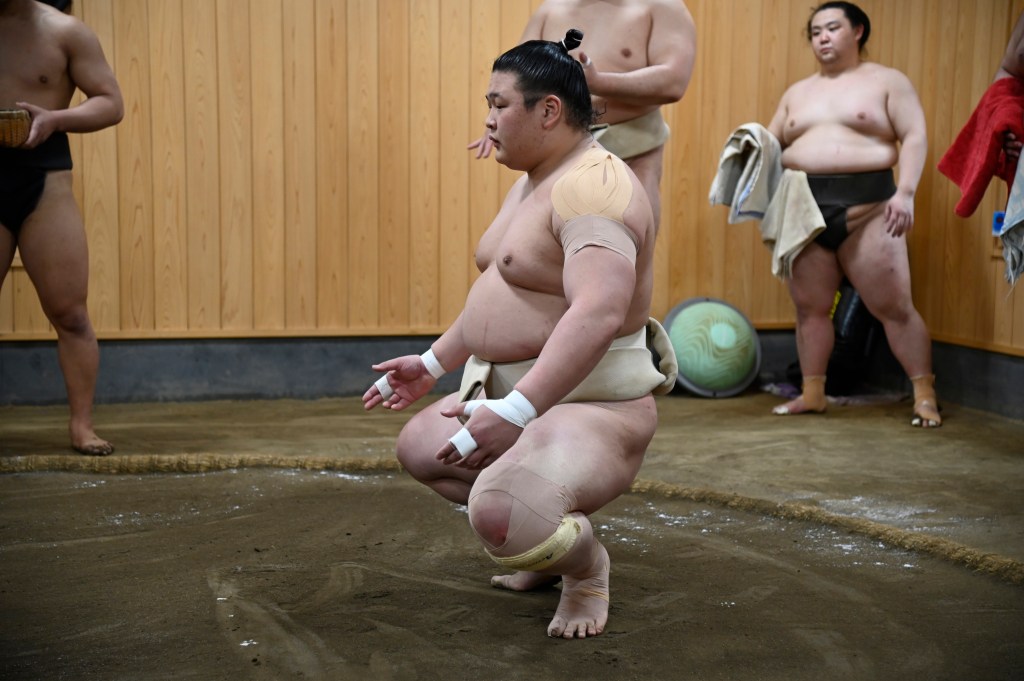
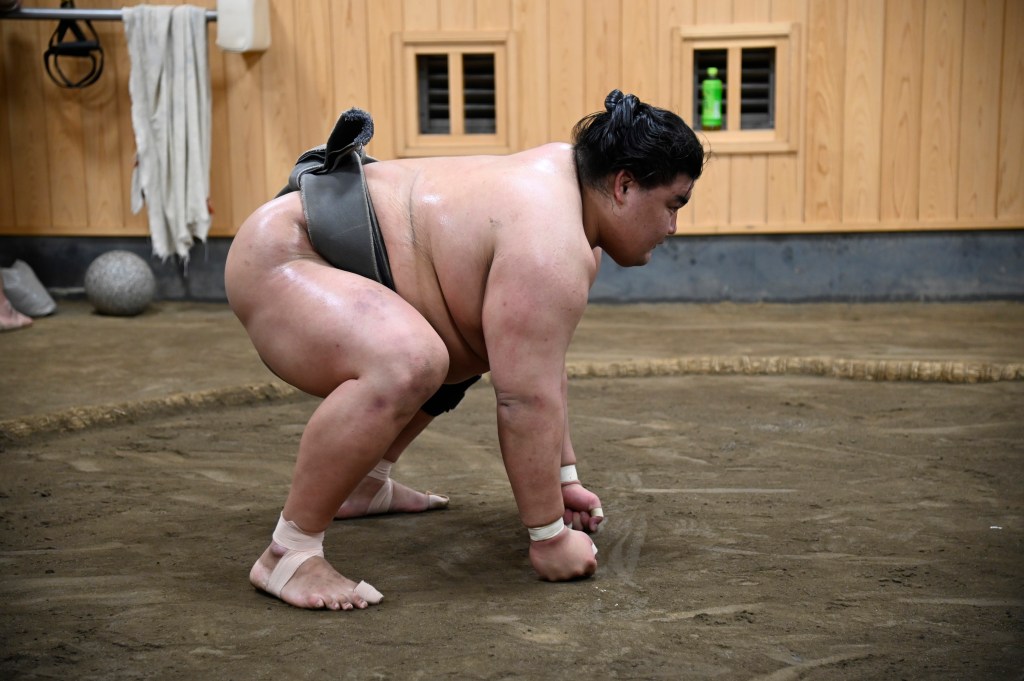
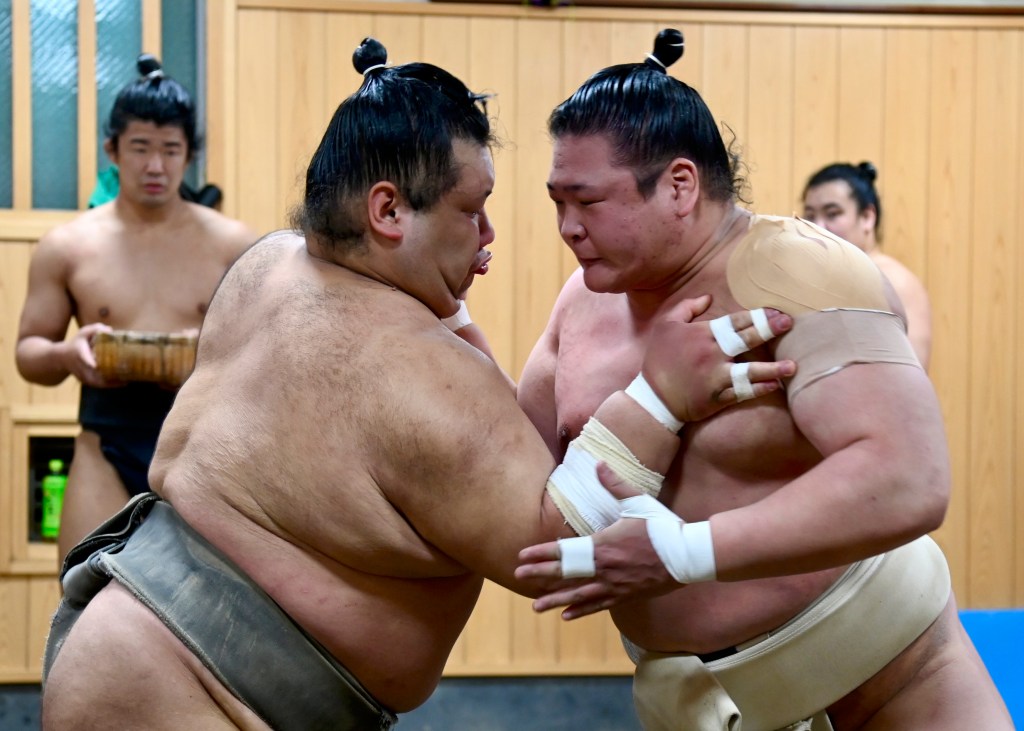
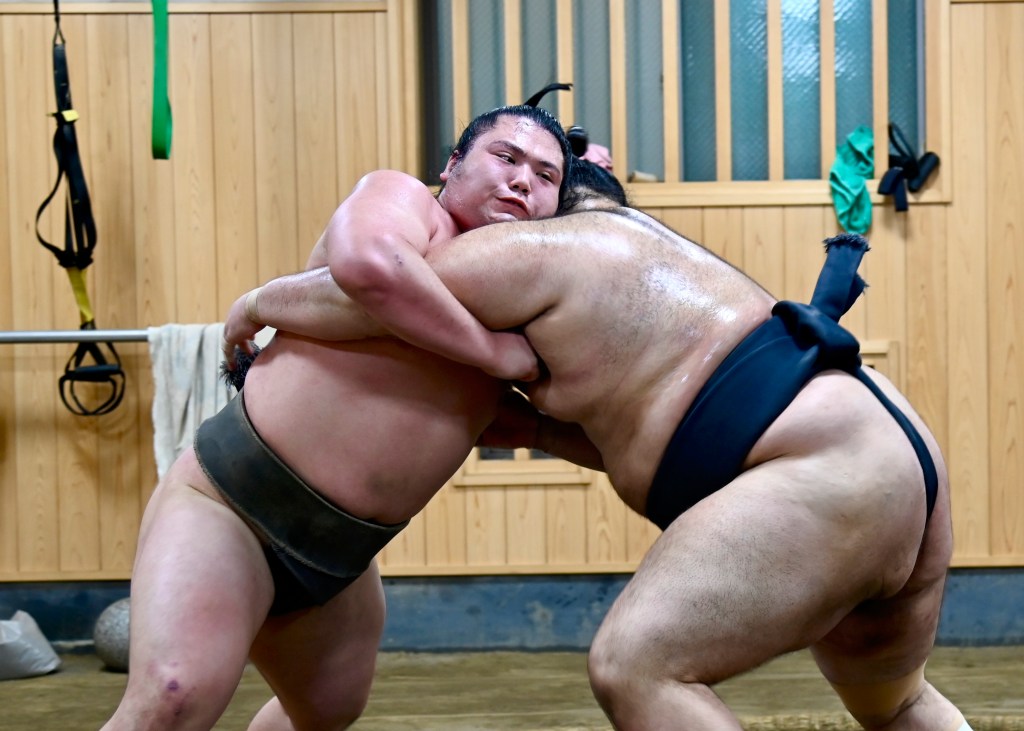
So, Tokyo it was. I was a little too late to see the cherry blossoms – “sakura” – but there were some other “must do” items, including sumo. Unfortunately, there were no tournaments while I’d be in Tokyo, but on my first morning in the city, I got a chance to go to the Naruto Stable to watch a sumo training session, stables being organizations of sumo wrestlers with provided facilities – housing, kitchens, training. There are about 40 such stables in Tokyo, and the one I got to see was led by a Bulgarian – the first European who achieved enough success in sumo to have his own stable; one of the members there, who we saw practice, is Ōshōma Degi, an accomplished Mongolian wrestler. Practice started about six a.m.; I arrived with a small group at about 8:30, and we got a chance to watch 90 minutes of training, seated just 15′-20′ from a group of 10-15 wrestlers, all of whom lived in the building where we watched. We had to sit shoeless and quietly, with photography and video being ok, and without the soles of our feet facing the training area (it is considered sacred). Massive, limber bodies, without weight classes, hurtling themselves at each other, lifting weights, and stretching, sucking wind and gasping for breath as they each went through their training matches. We walked away with a different appreciation for their sport.

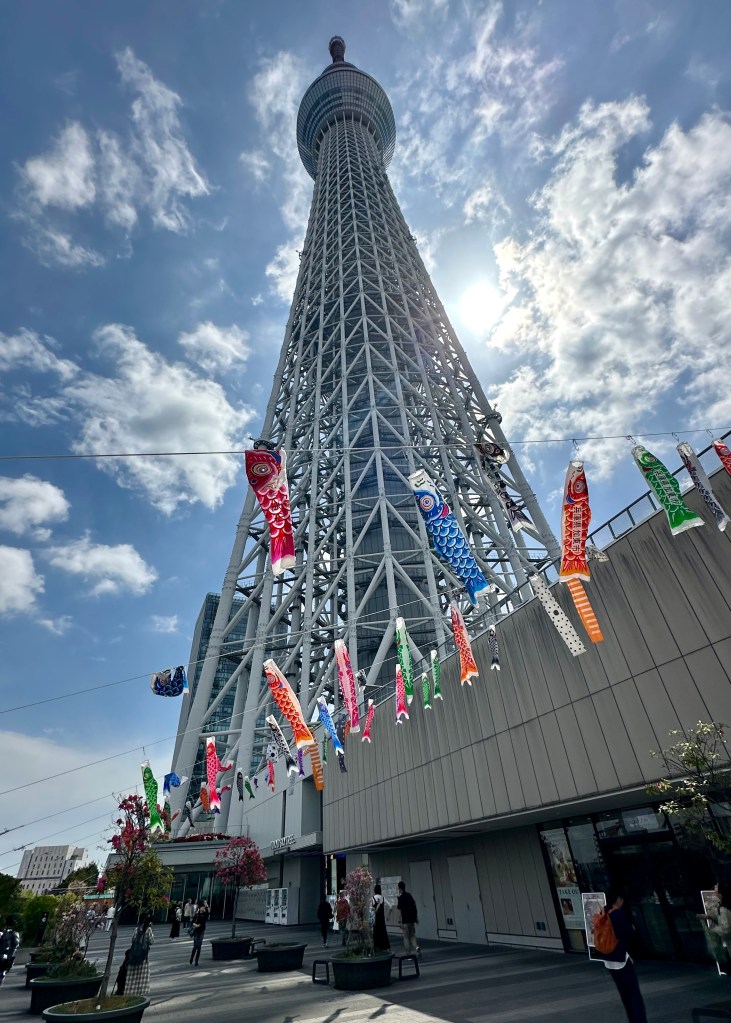
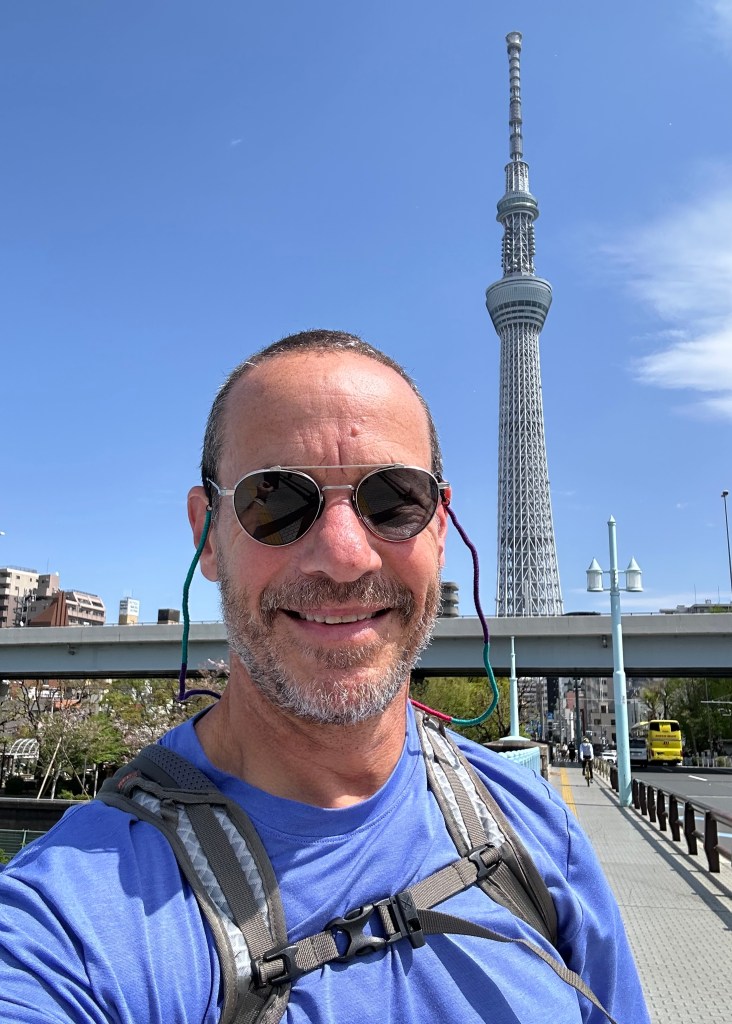
I was close by the Tokyo Skytree, a broadcasting tower that happens to be the tallest tower (as opposed to “structure”) in the world, with observation decks a little shy of 1,500 feet high. It is one of the most recognizable structures on the Tokyo skyline, and it has a cameo in a host of Tokyo-based films and TV series.
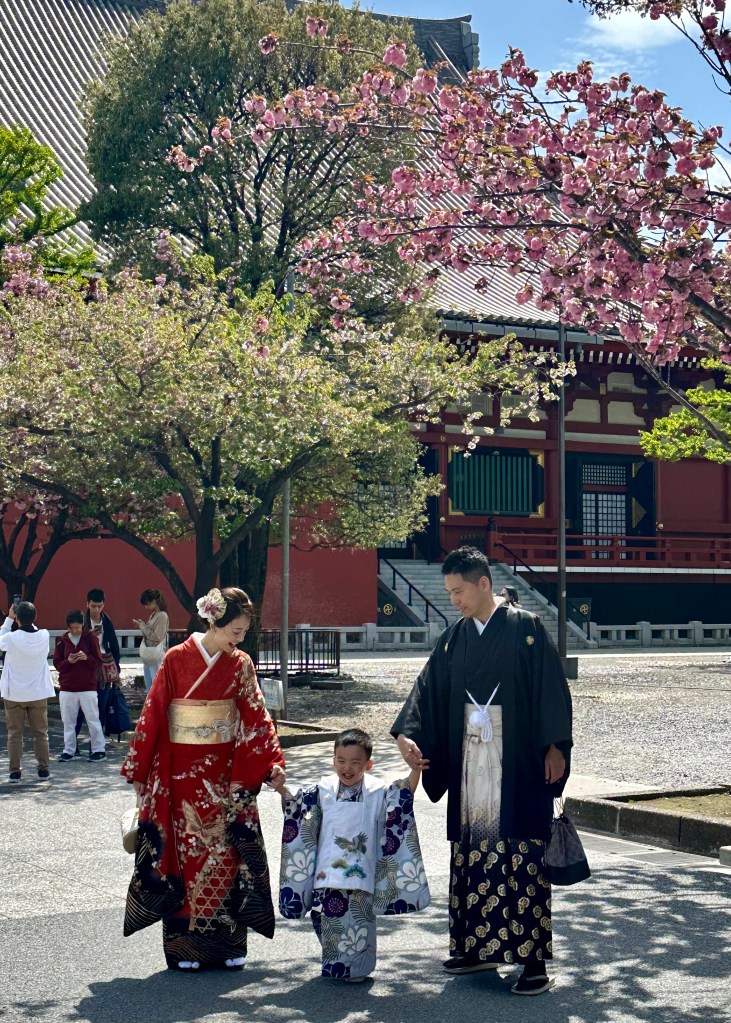
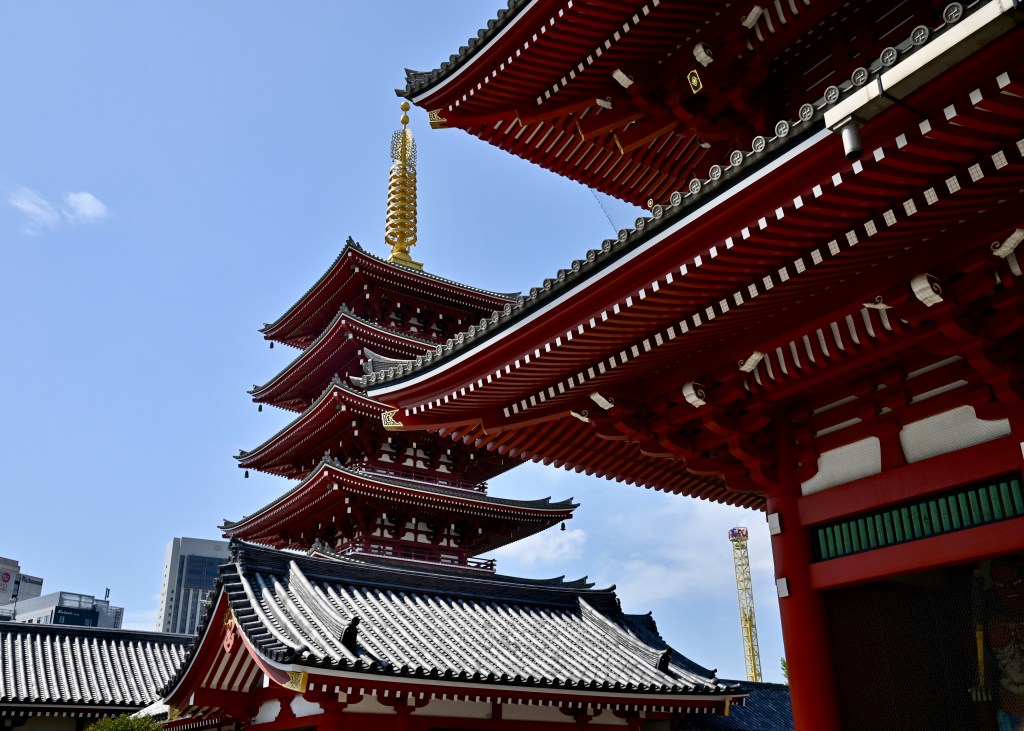
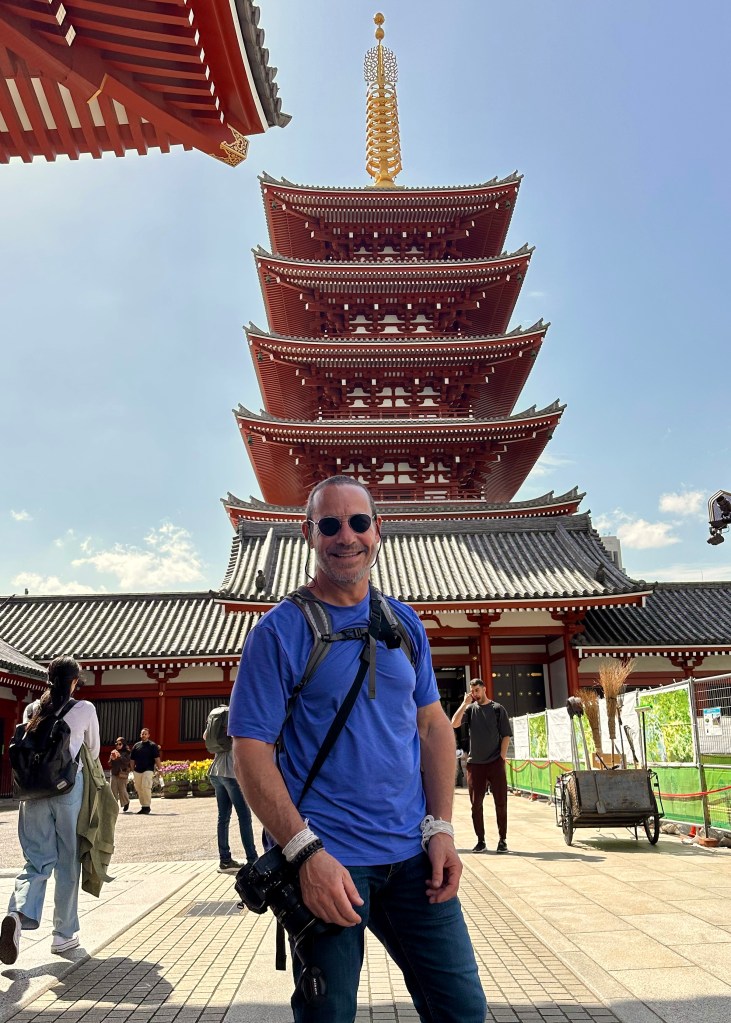
After lunch (more on food another time), I walked to the Senso-Ji, an ancient Buddhist temple and complex that also houses the Asakusa Shrine, a Shinto shrine that is one of the most famous in the city; the Shrine (though not the Temple) apparently is one of only two structures to have survived the bombing of Tokyo during WWII. The first temple dates to 645 AD.
Beautiful. Should be tranquil. But hordes of people. Like an amazing amount of people. This would be my experience at most of the sites I visited in Tokyo as well as while walking on most of the streets, though the temple complex also is one of the most popular tourist spots, both for Japanese and foreigners, while still being a place that worshippers go to. And then there’s the Nakamise-dōri, the long street that approaches the temple that is lined with vendors, a tradition that apparently started in the 18th century. Masks, chopsticks, flags, t-shirts, sweet treats, fruit, tchotchke of all types. And more people. But the people-watching is fantastic, especially given the number of traditionally-dressed women and men as well as the amount of fashion-forward people you see; this, too, was true of everywhere I visited in Tokyo.
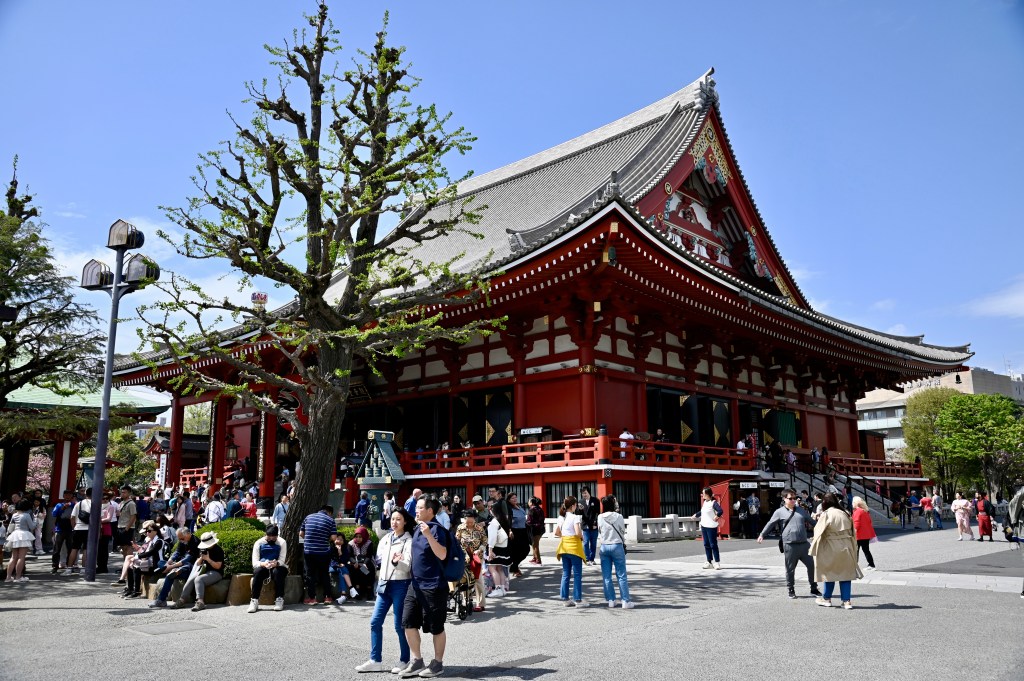
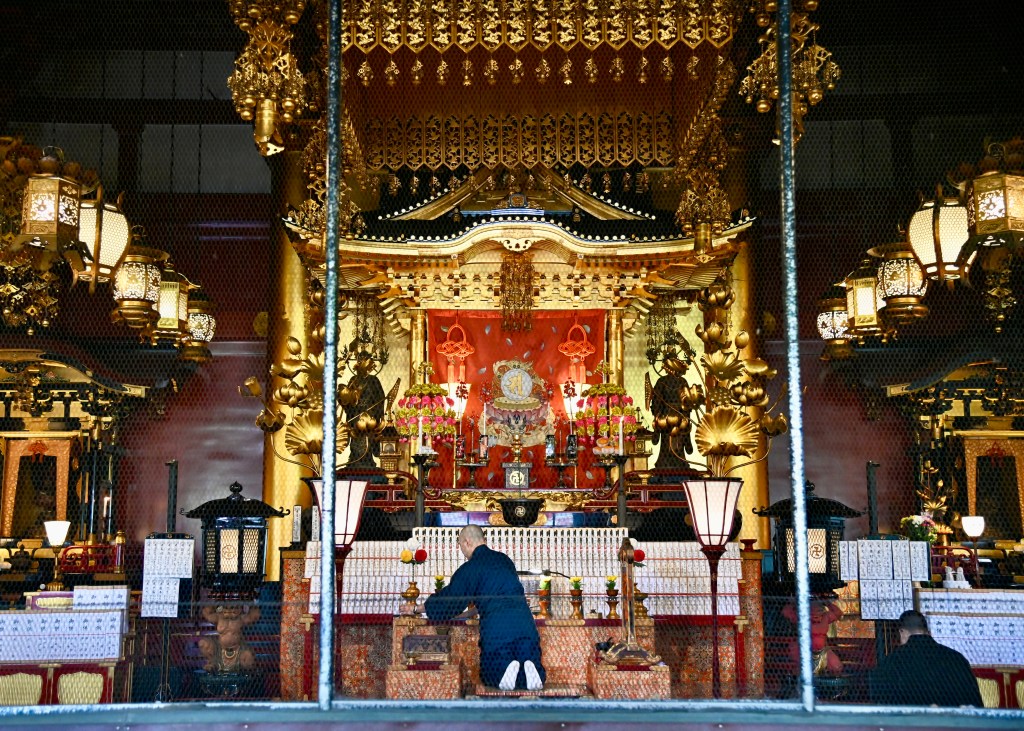
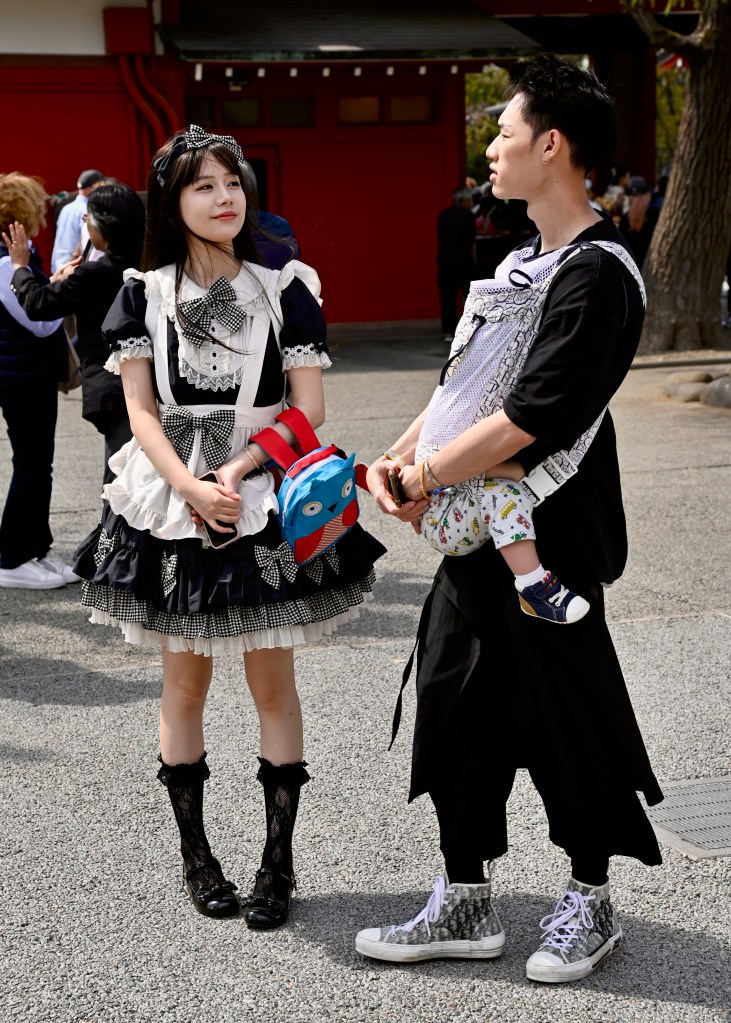
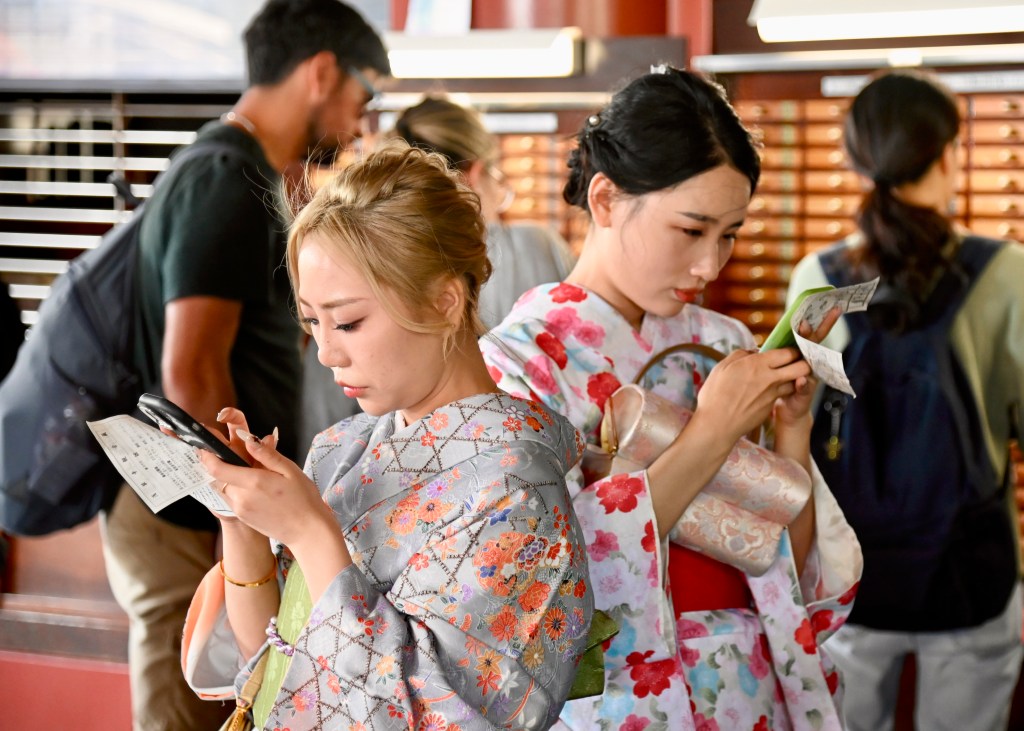
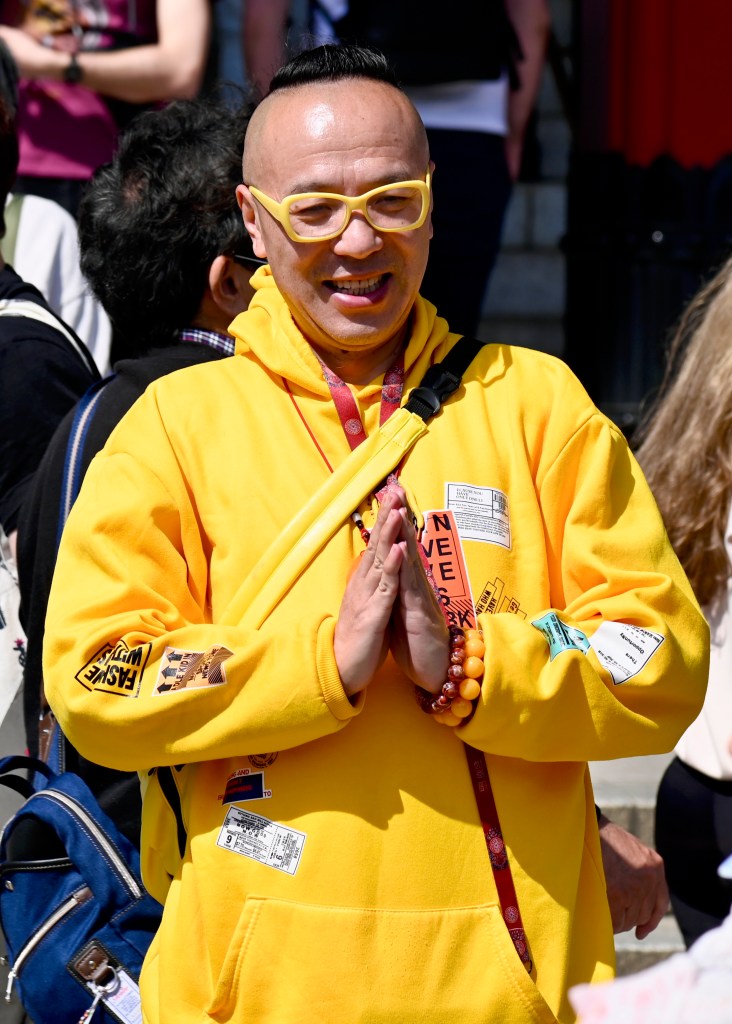
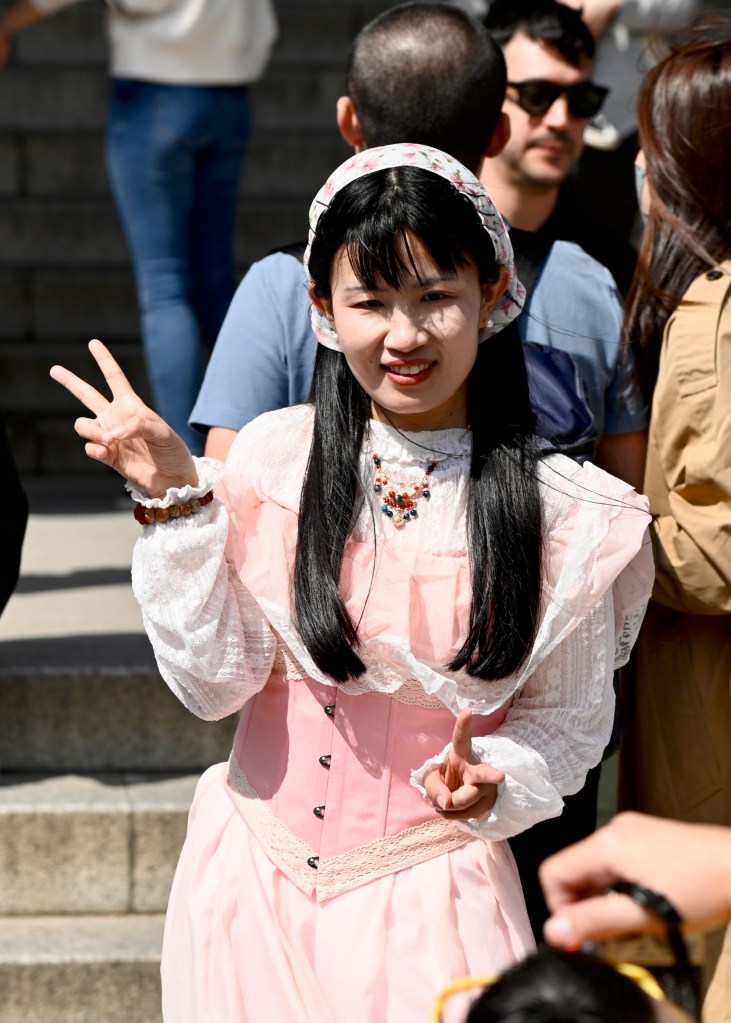
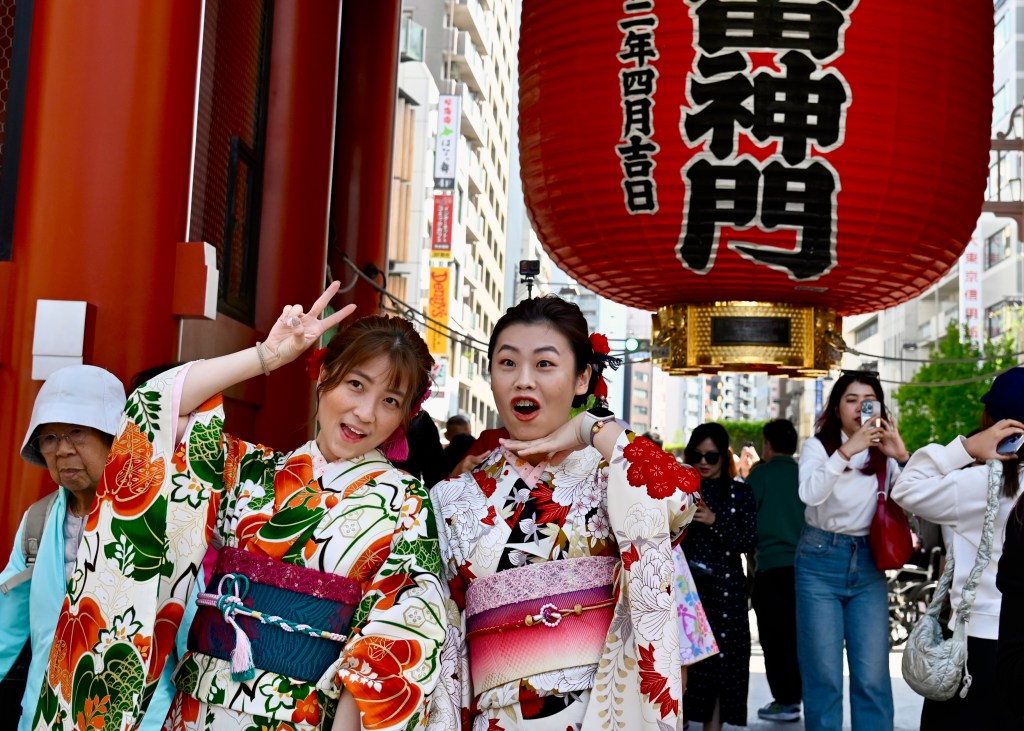

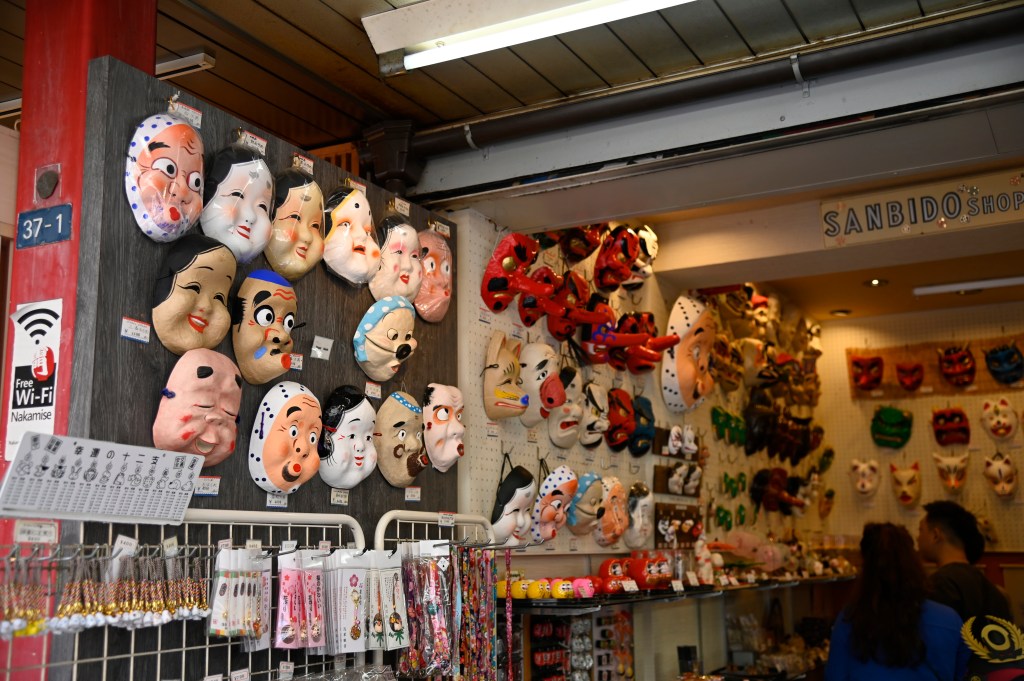
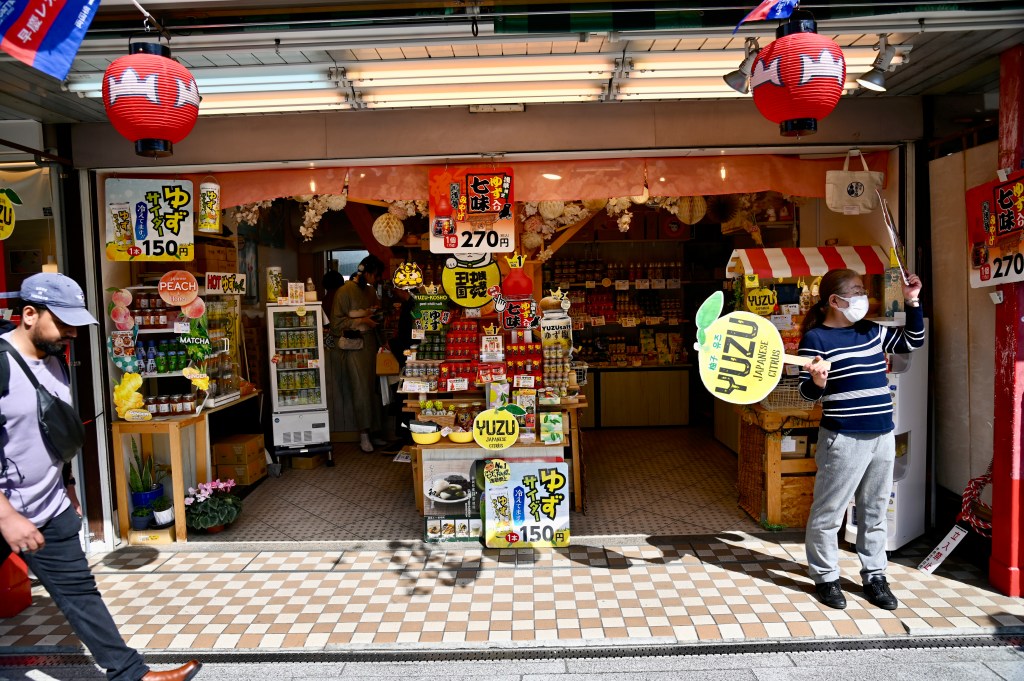
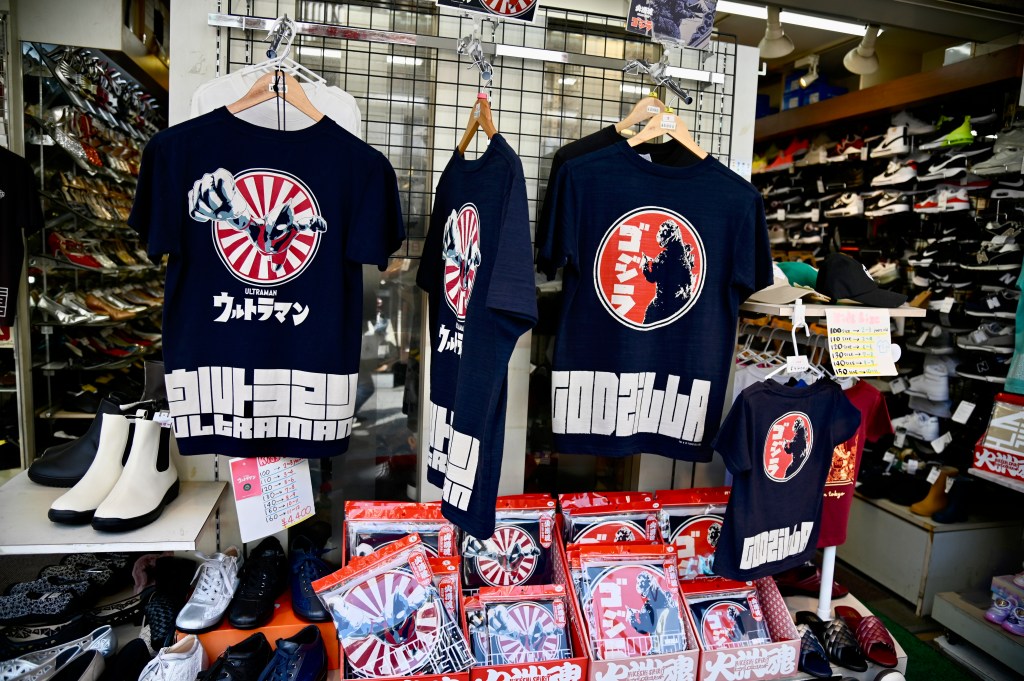
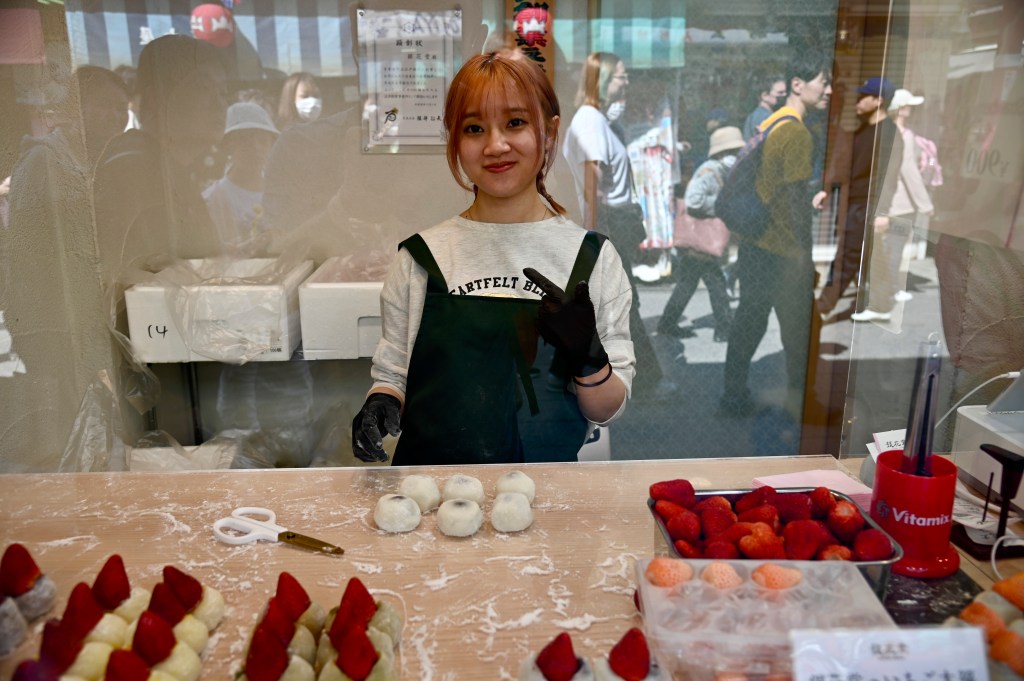
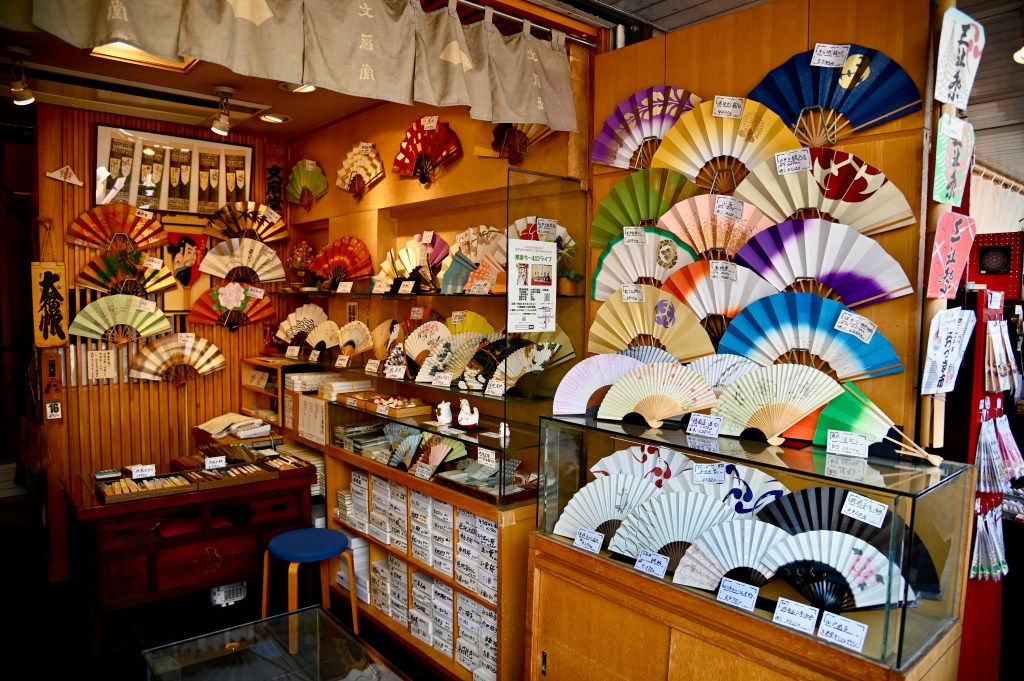

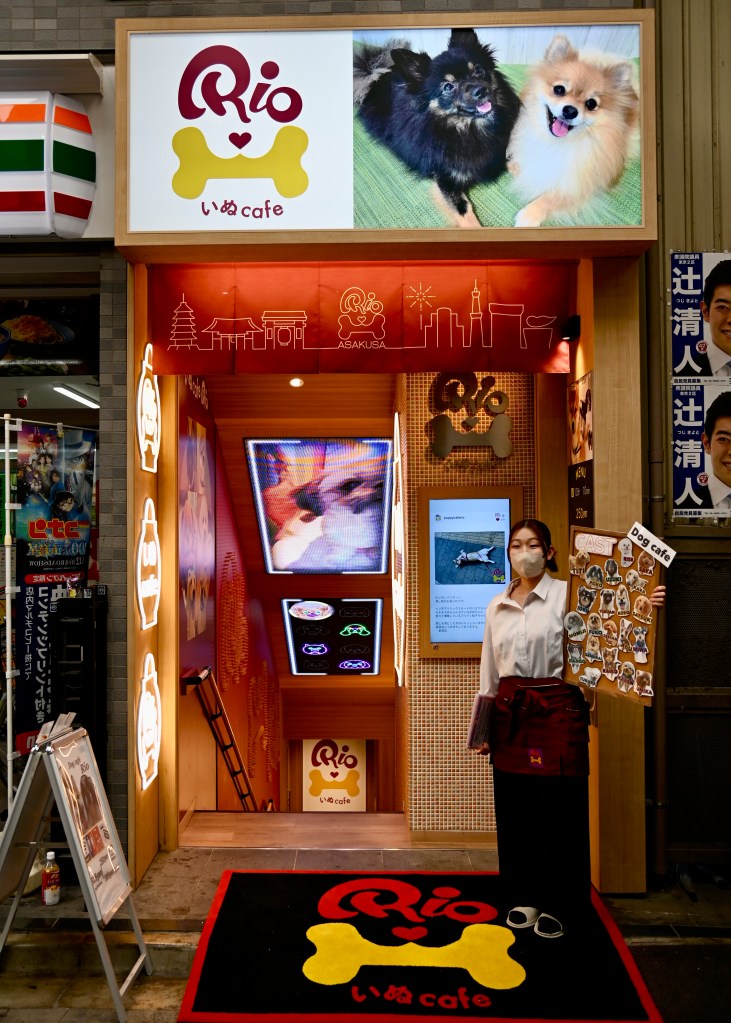
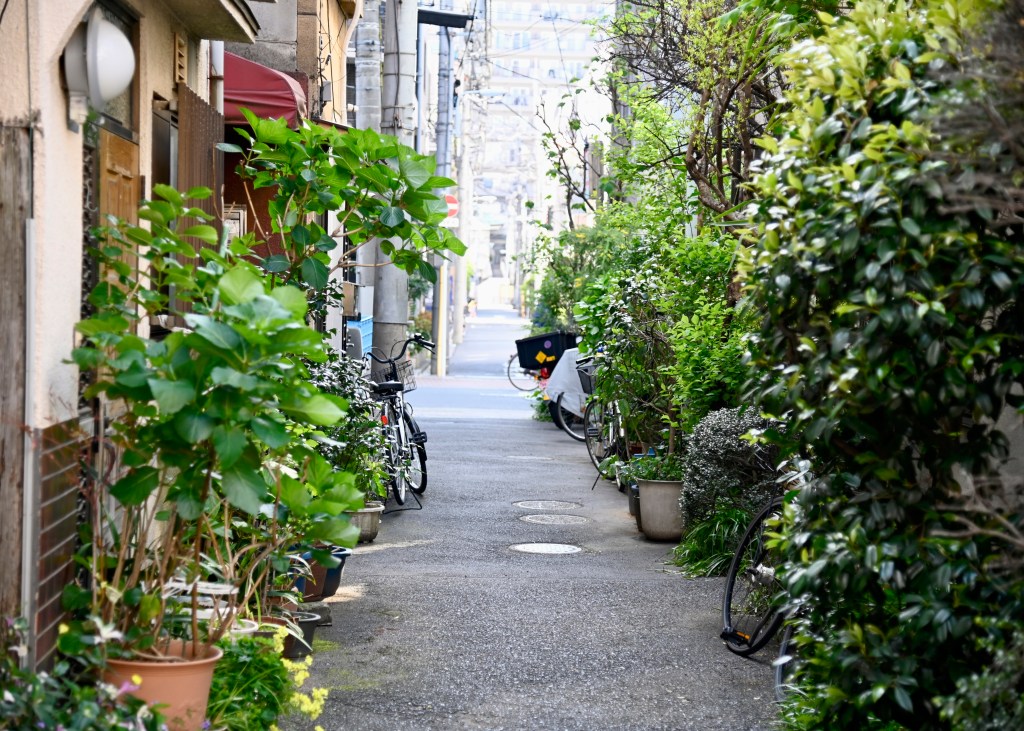
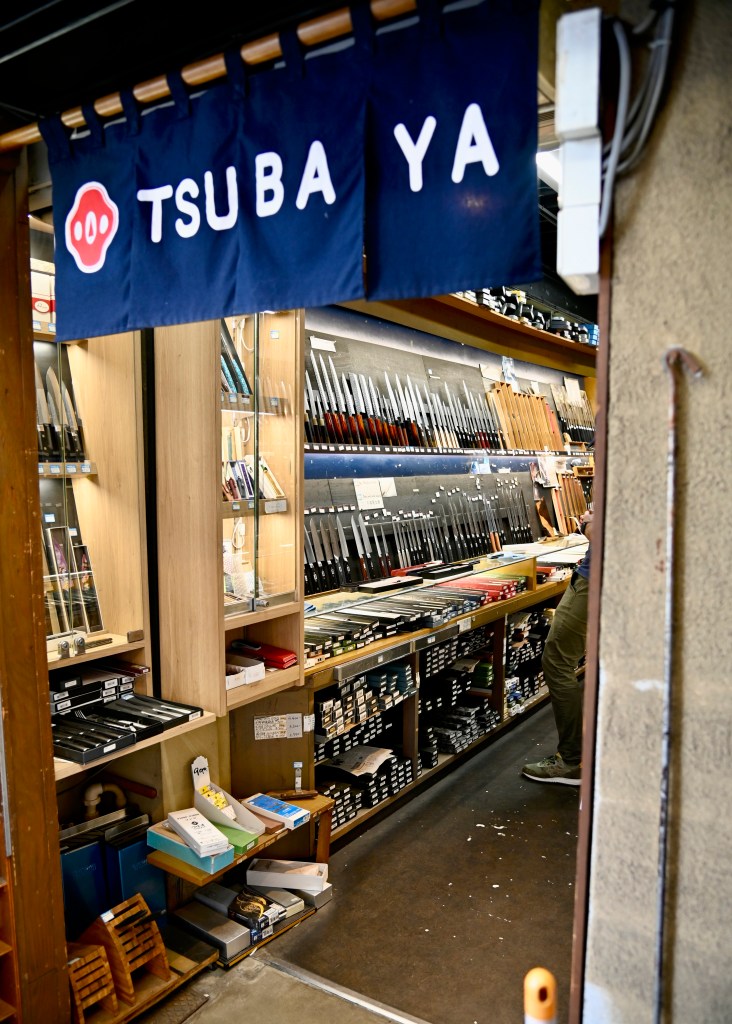
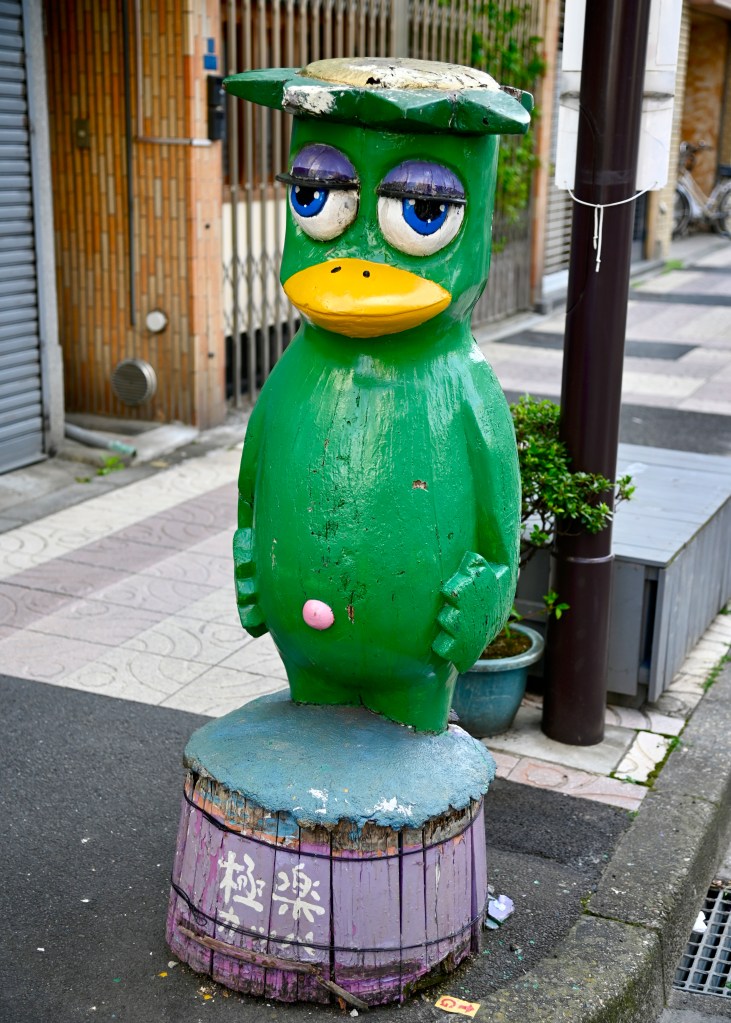
Tokyo is so big that I tried to arrange my days by neighborhood, though I wasn’t always successful, but this day it worked out well. After time at the Temple complex, I walked through a variety of city streets – an outdoor retail mall (clothing, shoes, knives, dog cafes, restaurants, coffee joints) and quiet narrow side streets – almost alleys – to first reach Kappabashi Dougu Street, an area known for its abundance of kitchen supply stores (pots, pans, utensils, chopsticks, knives, flatware, plates/pottery/serving dishes, stainless steel racks, plastic containers/squeeze bottles). My goal was to look at and perhaps purchase some Japanese knives. “Check.”
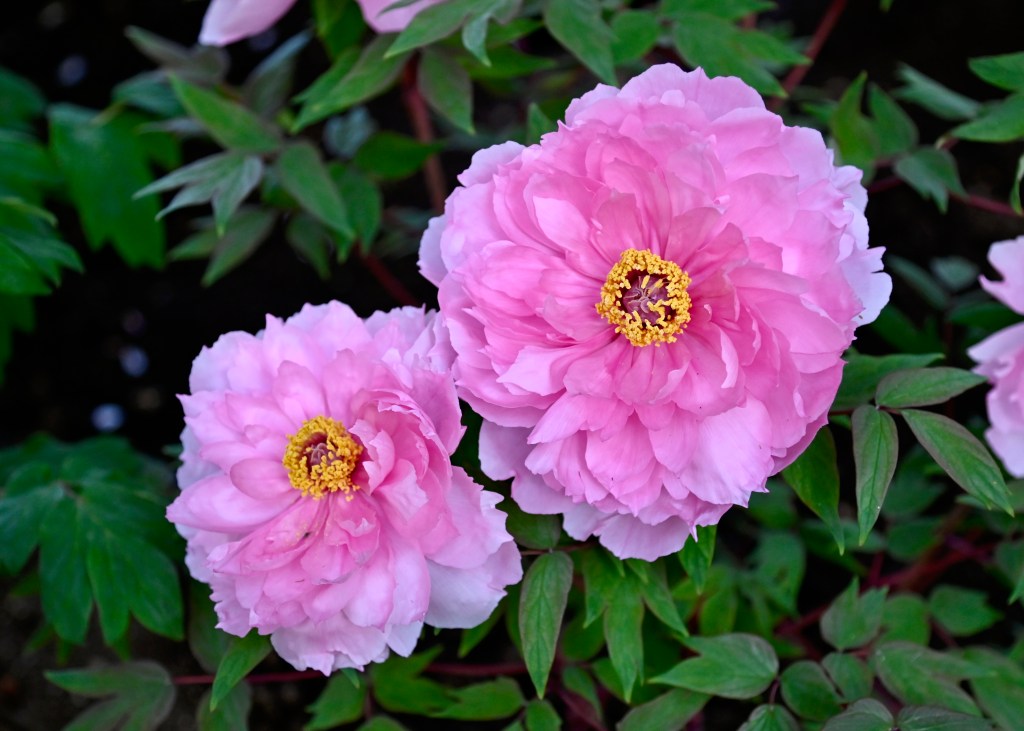
After that it was off to Ueno Park, a large public park in the middle of this part of the city, and home to a number of museums and gardens, including – while I was there – one that specialized in peonies. It was a beautiful sunny day, and there’s no better way to spend it than walking around and enjoying the outdoors.
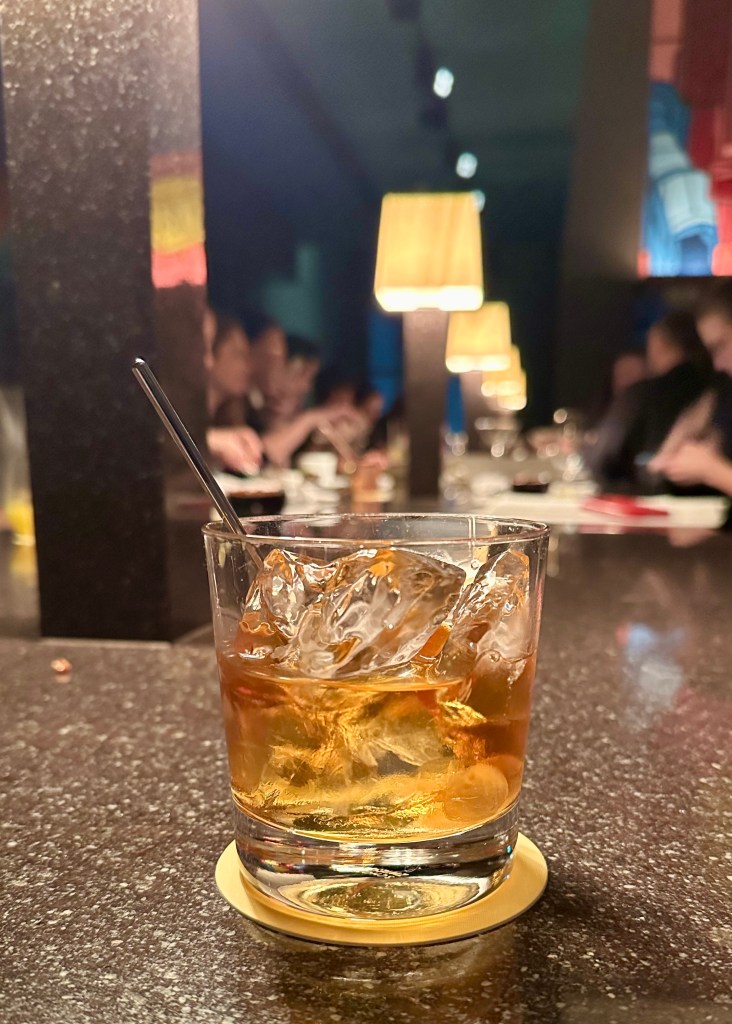
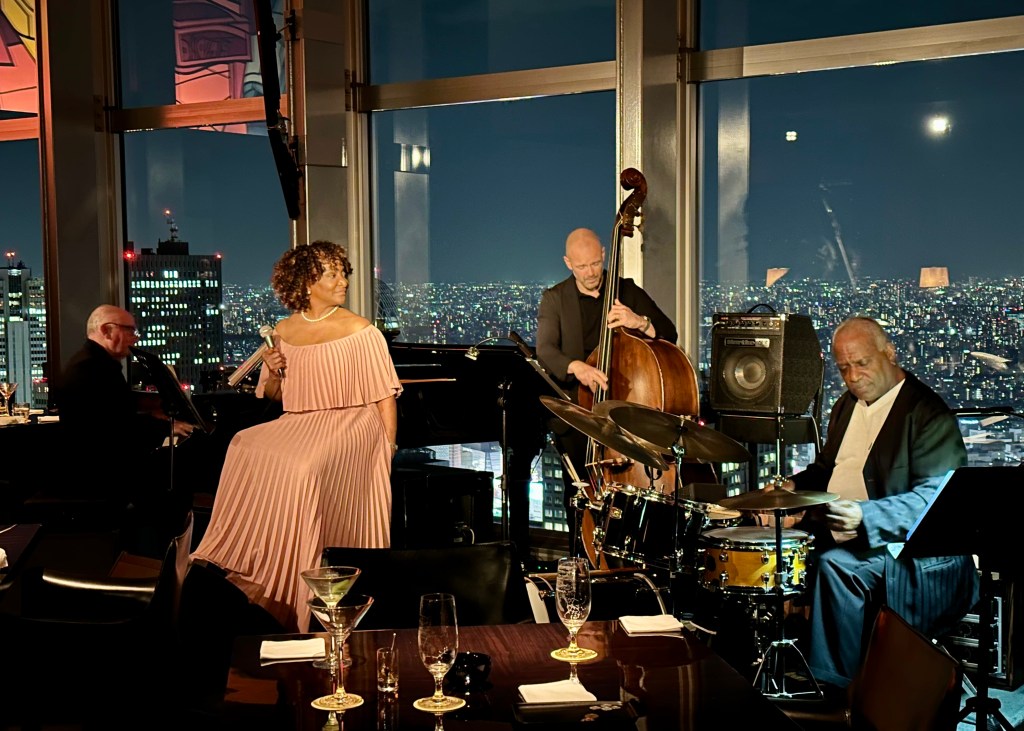
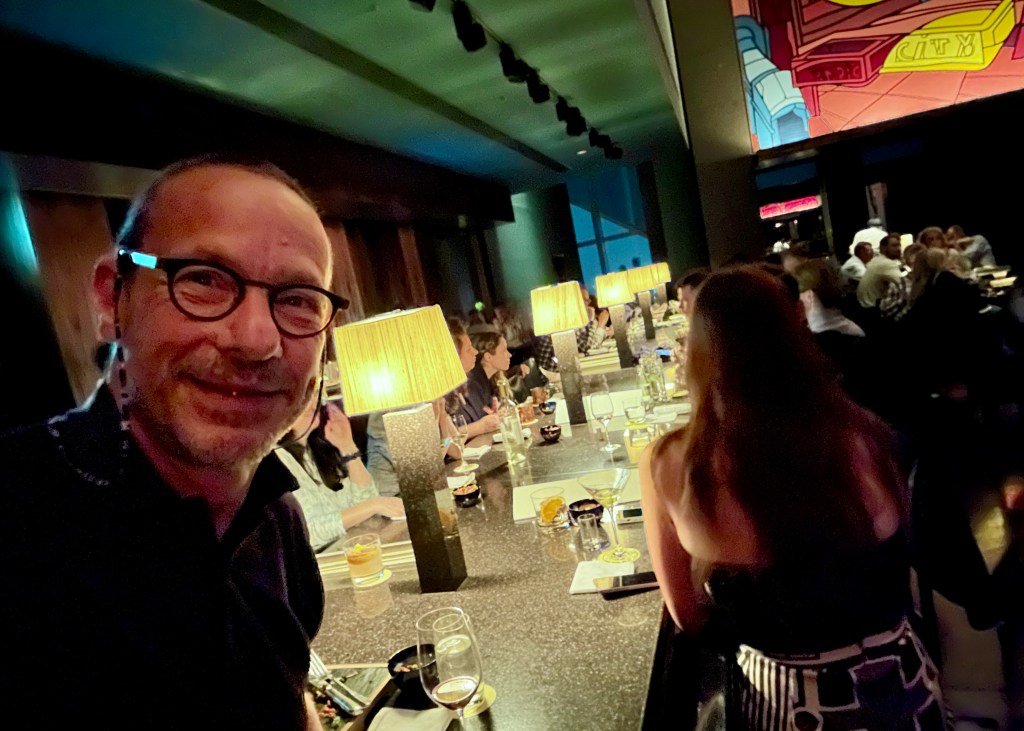
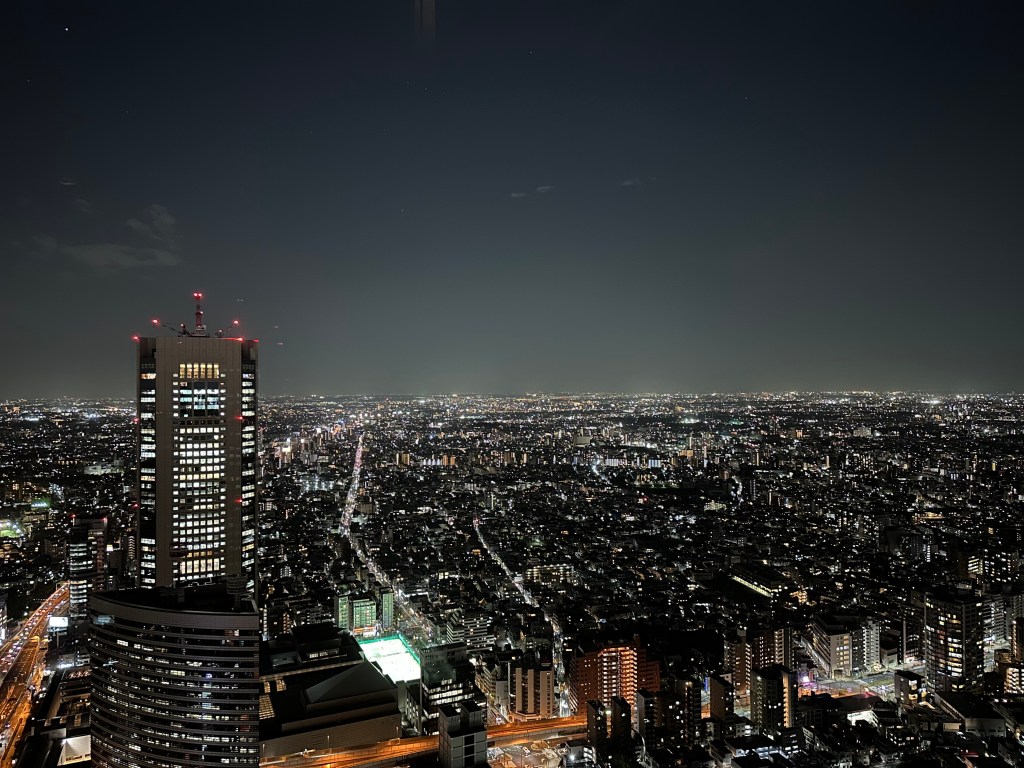
For dinner, the last stop of the day was special. Anyone who has seen the film “Lost in Translation” is familiar with the bar where so many iconic scenes were filmed. The characters played by Bill Murray and Scarlett Johansson stay at the Park Hyatt, a 10-minute walk from where I was staying, and the bar, on the 52nd floor, is the New York Grill and Bar. It looks exactly the same as in the film – the long table where the two protagonists sat, the large windows with spectacular views of Tokyo, even a small combo band (though not “Sausalito”; IYKYK) with a female singer was performing. I had to wait a few minutes to be seated and then was lucky enough to snag a seat at the end of the long table, with perfect views of the small lamps, the band, and the city. A perfect way to end a great day that included covering close to 5 1/2 miles by foot.

 Fred's Travel Blog
Thank you for all that you did for us on our joint trip with A&K. We are thinking about Japan next year. I take it you choose to go without a tour? I looked at the A&K cruise but it’s super pricey! You felt good traveling solo?
LikeLiked by 1 person
Loved, loved Tokyo, which I did do without a tour, and is totally doable with 1) homework and 2) some local tour guides for specific places and things (e.g., Kyoto, Fuji, tasting tour, sumo stable if you like that). I think you can also do lots of other places in and around the country using the same approach – some things on your own, some with tour guides. For example, take a look at https://tokiotours.nl for tours – they do in a whole bunch of Japanese locations, and I’ve heard really good things about them. If you’re interested in going to a professional Japanese baseball game, I also have someone I can refer you to for tickets. I’m happy to chat with you about ideas if you’re interested at some point!
LikeLike