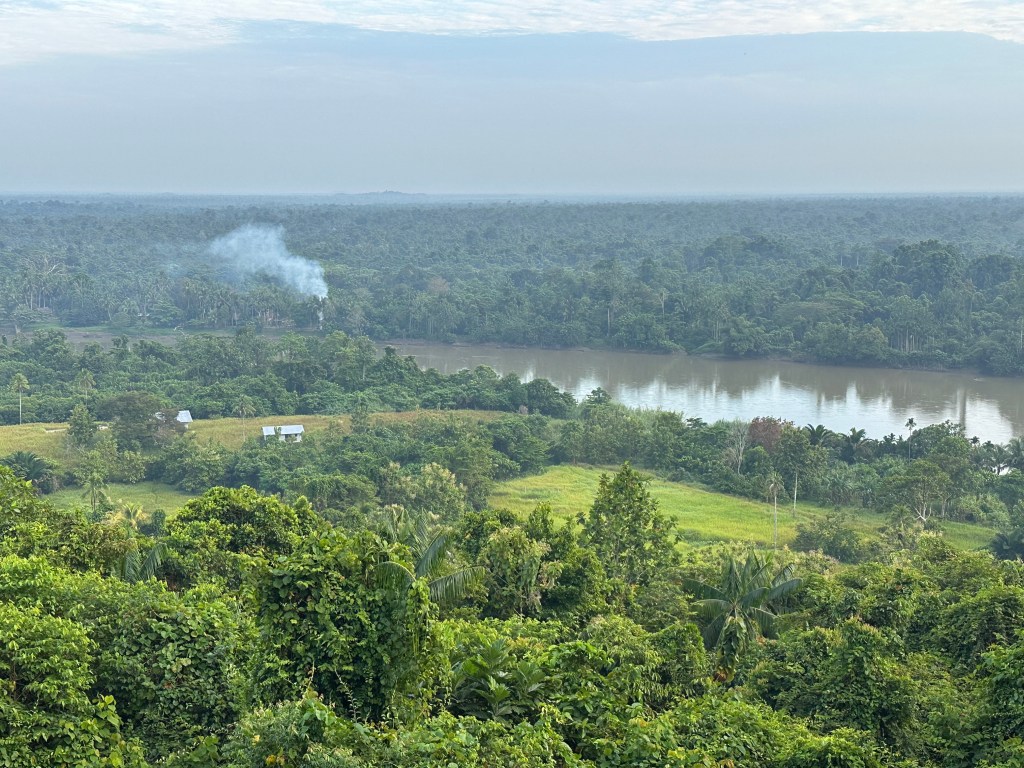
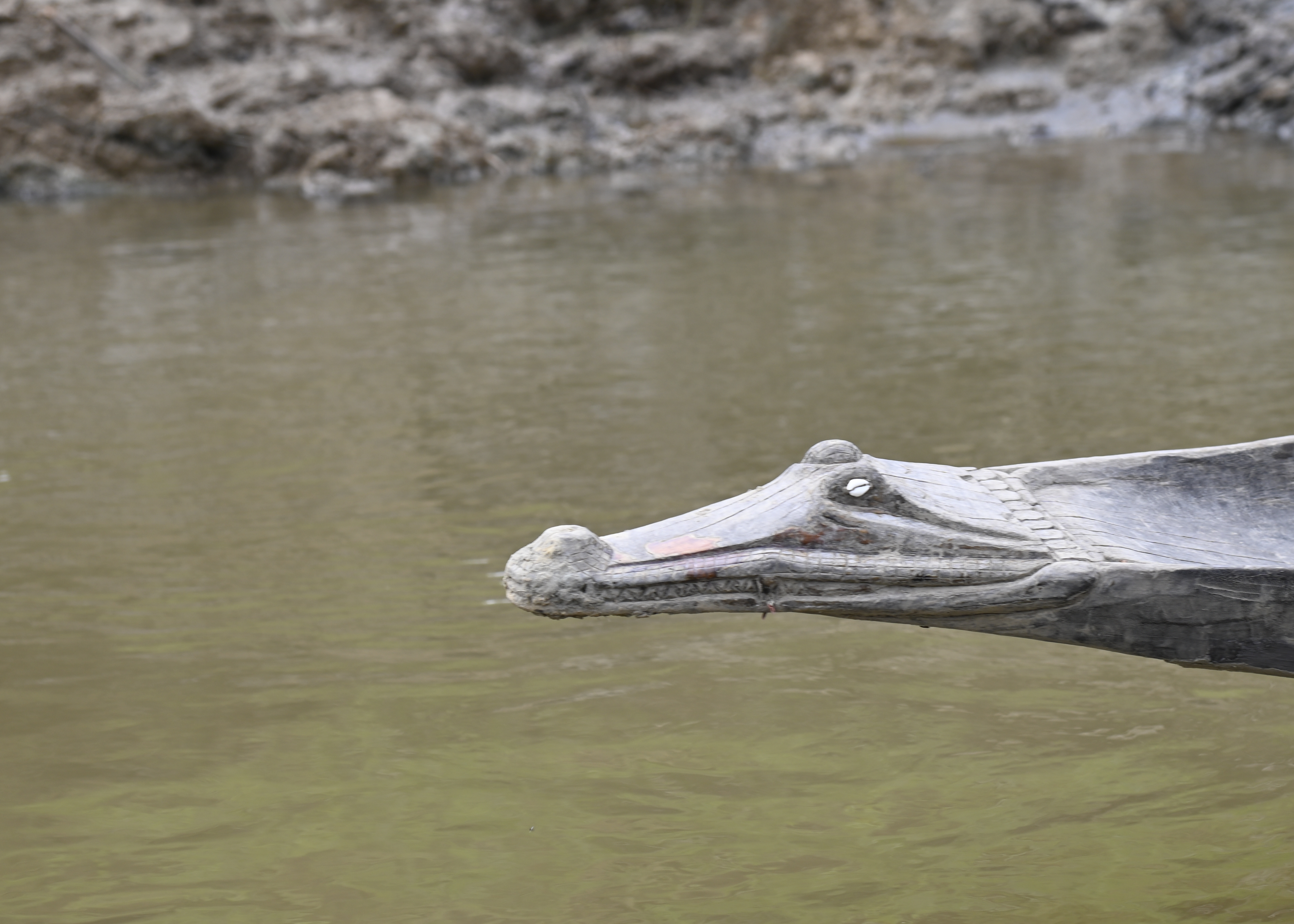
On day eight, the electricity in the Karawari Lodge went back on at six in the morning, starting-up the ceiling fan above my mosquito-net draped bed. There was a beautiful view of the Karawari River from my room, with the sounds of birds and insects and who knows what else. We’d been told, though, that – other than domesticated cats and dogs and the occasional family-farm pig – there weren’t many other mammals around; rats and mice, yes, and wild boars, but no cats, no monkeys, nor predators other than birds of prey and crocodiles. Of these, there are two types – the larger salt water version, which reach 5-6 meters long (they are the largest living reptile), are indigenous, and are caught, sold, and eaten; the fresh water version (which arrived from northern Australia) are smaller – 2-3 meters in length. Regardless, we were unlikely to see either given where we were then located.
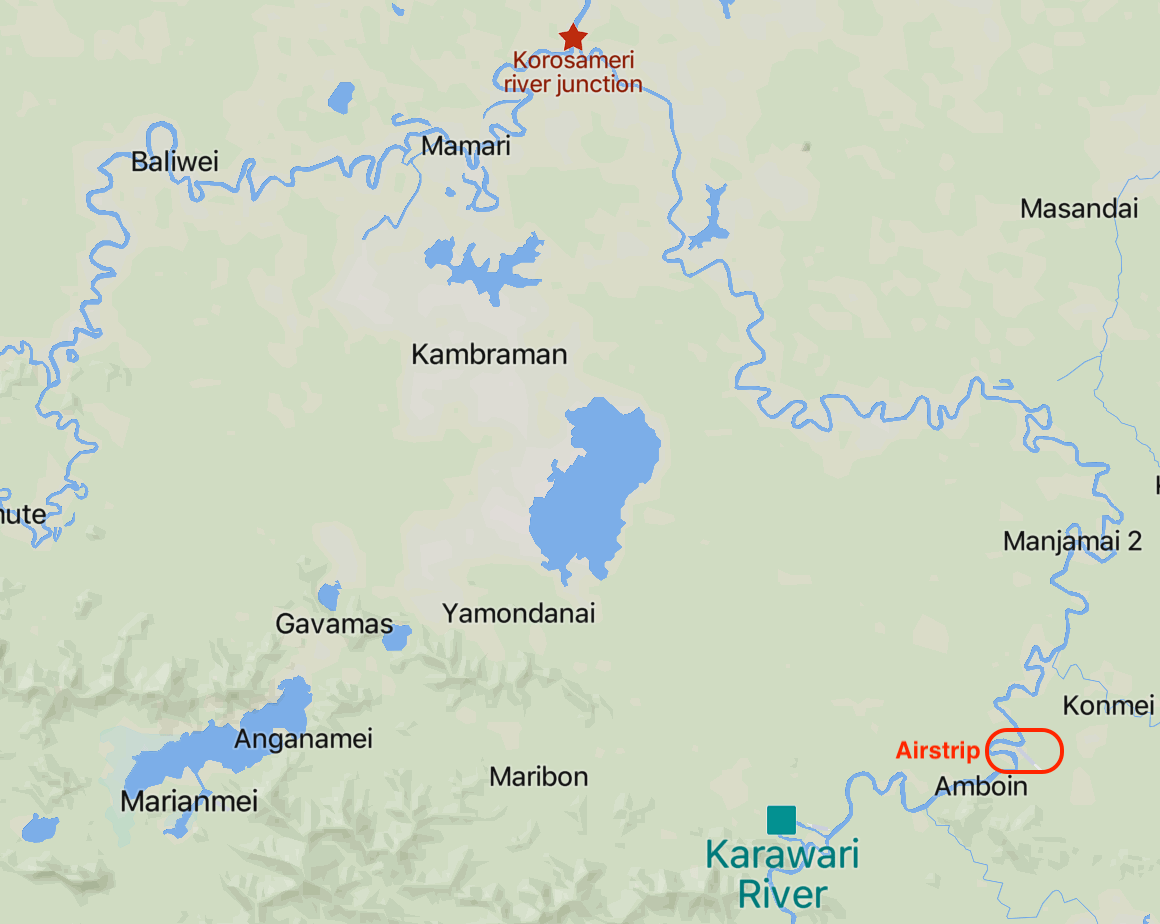
After breakfast, it was time for us to leave the Lodge after only one night. We loaded all of our bags onto the flat-bottomed boat, along with cardboard boxes that contained all of our food for the next three nights/four days. We began our trip headed north on the Karawari, though the river itself twisted and turned as we cruised for three hours. We passed the muddy steps on the river’s edge that led to the airstrip where we’d landed the day before; and, like the day before, Brian – our driver – sped up and slowed down as we moved along the river. Paul, who took over as guide from Chris, pointed out plants along the way – sago palms (which, in addition to food, provide wood for housing and leaves for a wide variety of uses), bananas, tall reeds and grass, tobacco, and more. Apparently the island on which Papua New Guinea sits is the most floristically diverse in the world.
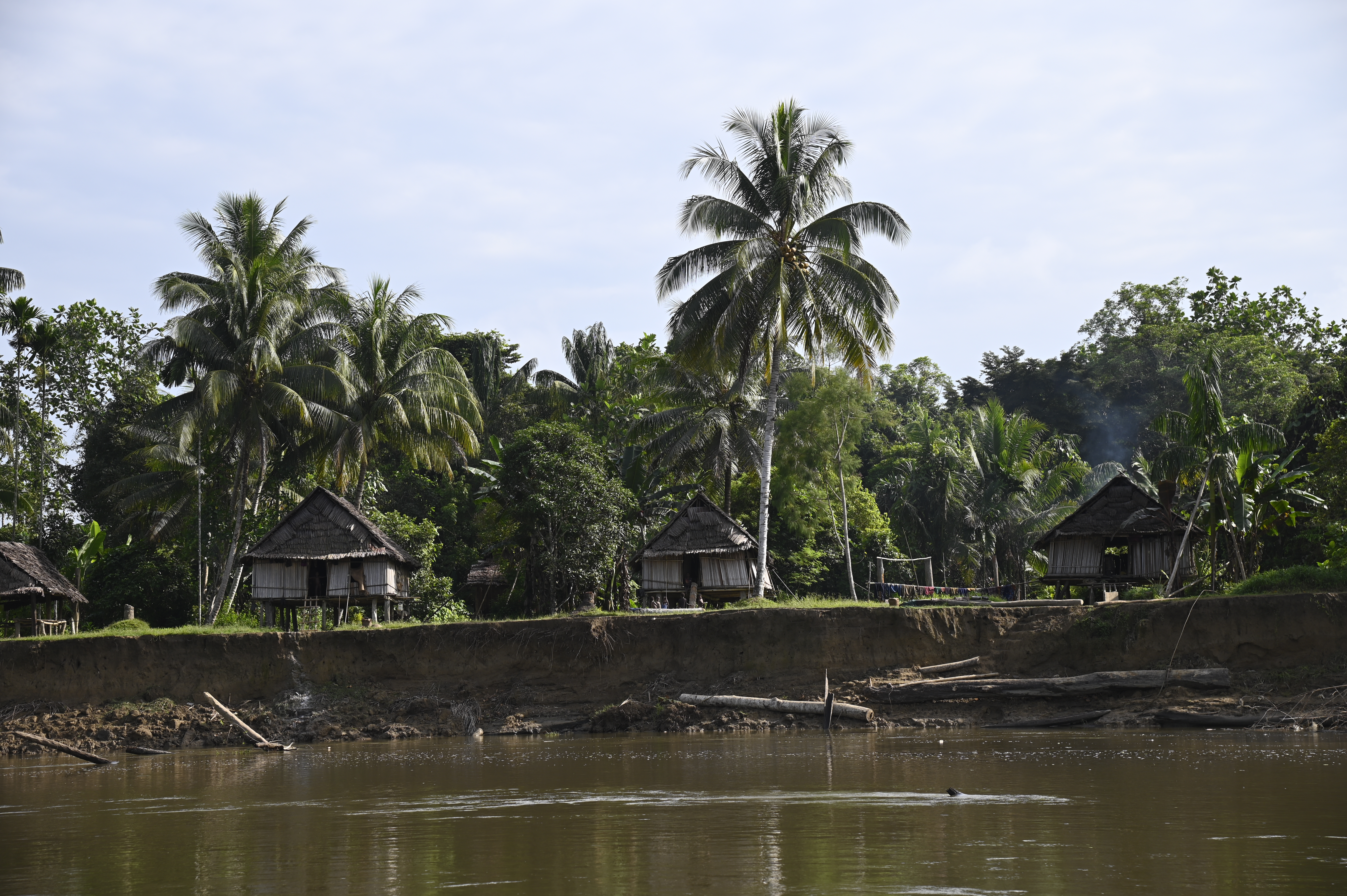
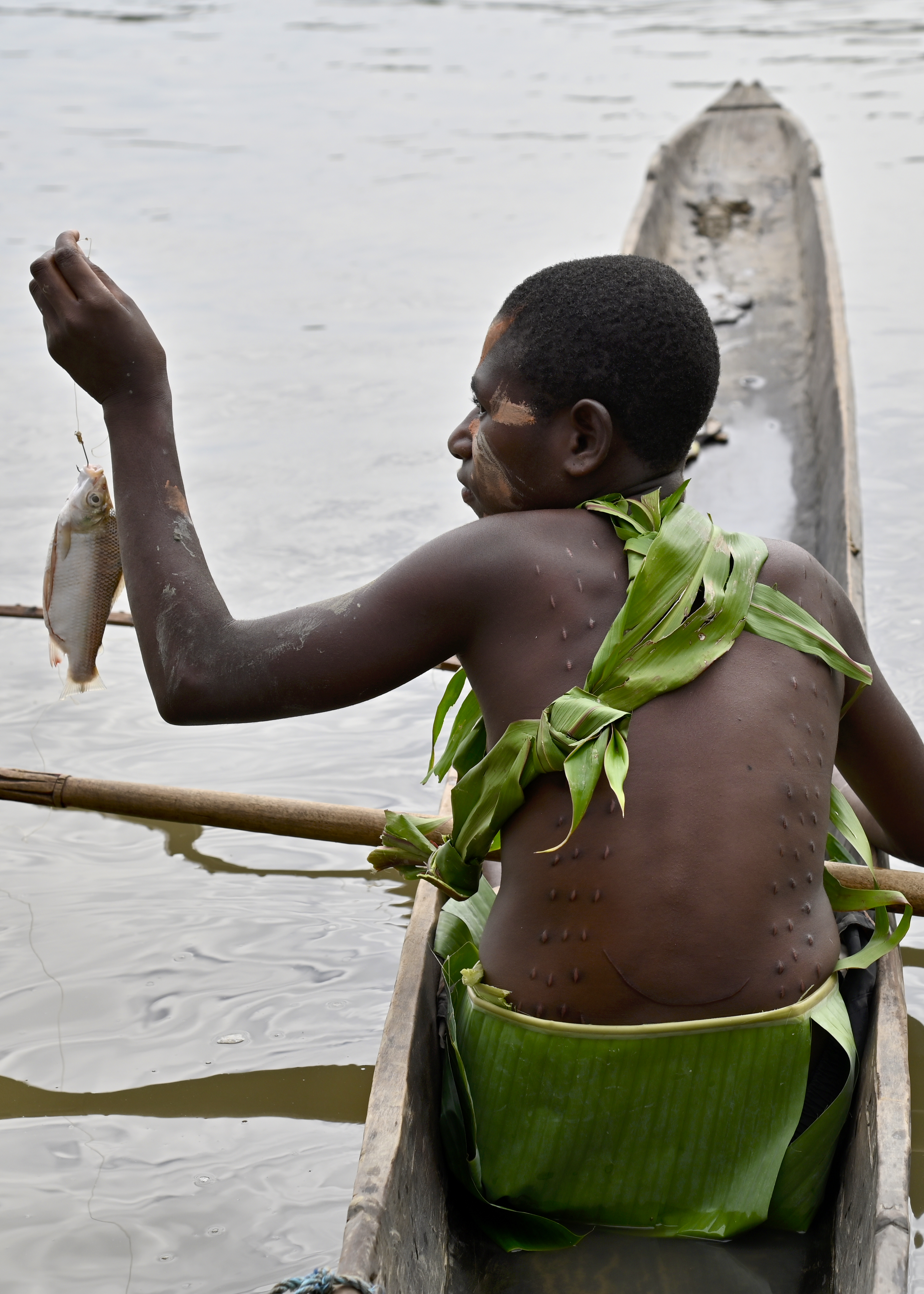
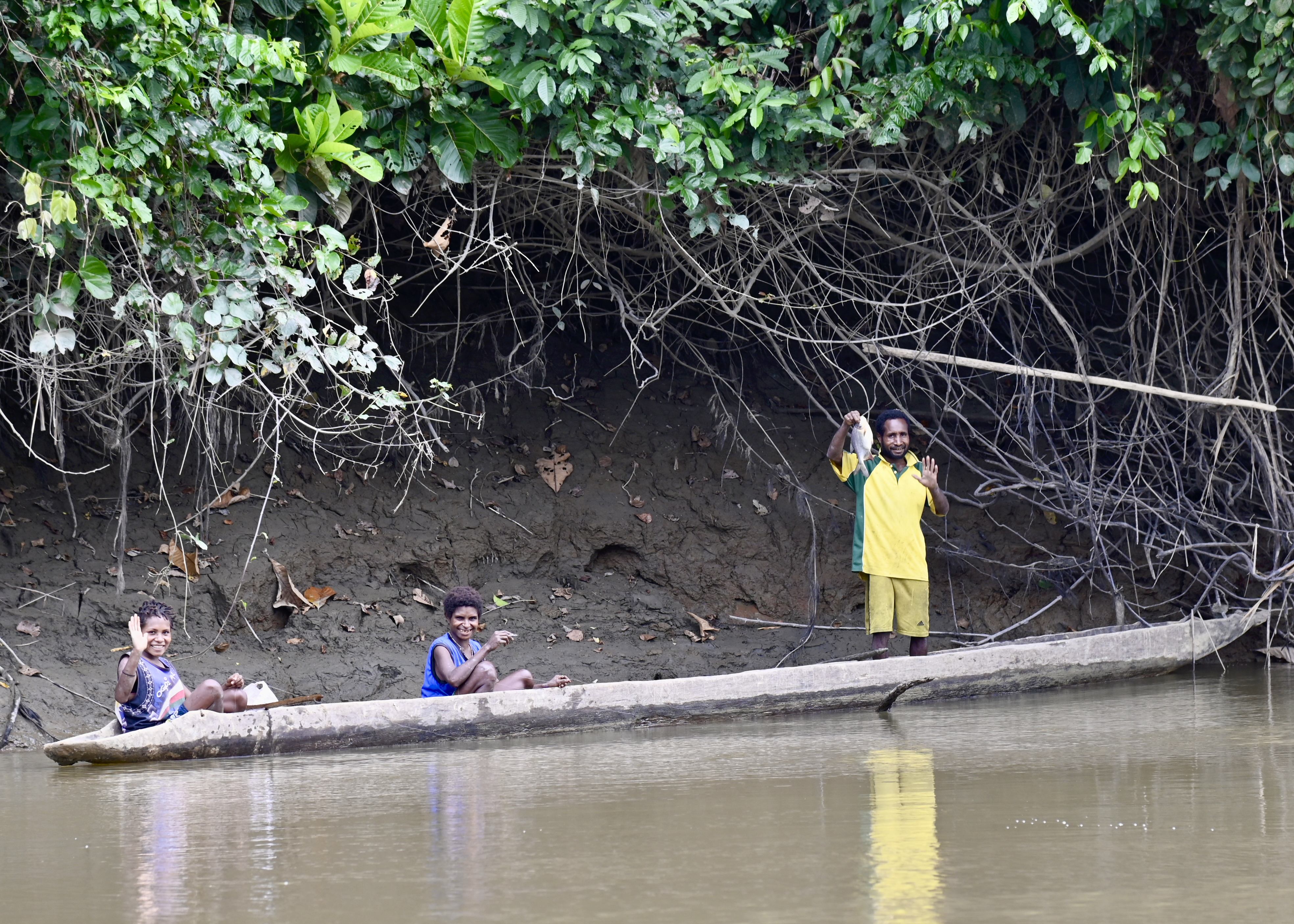
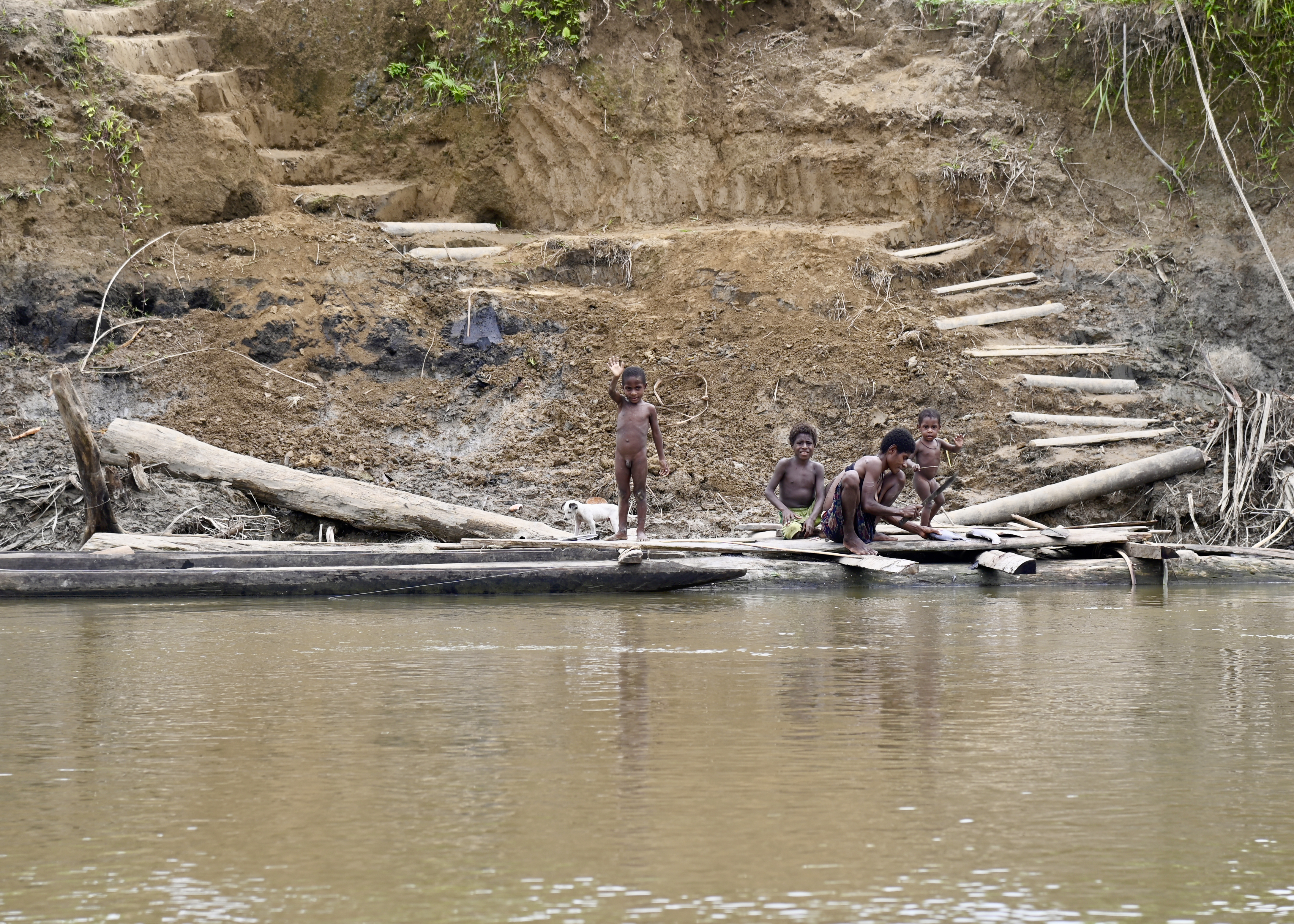
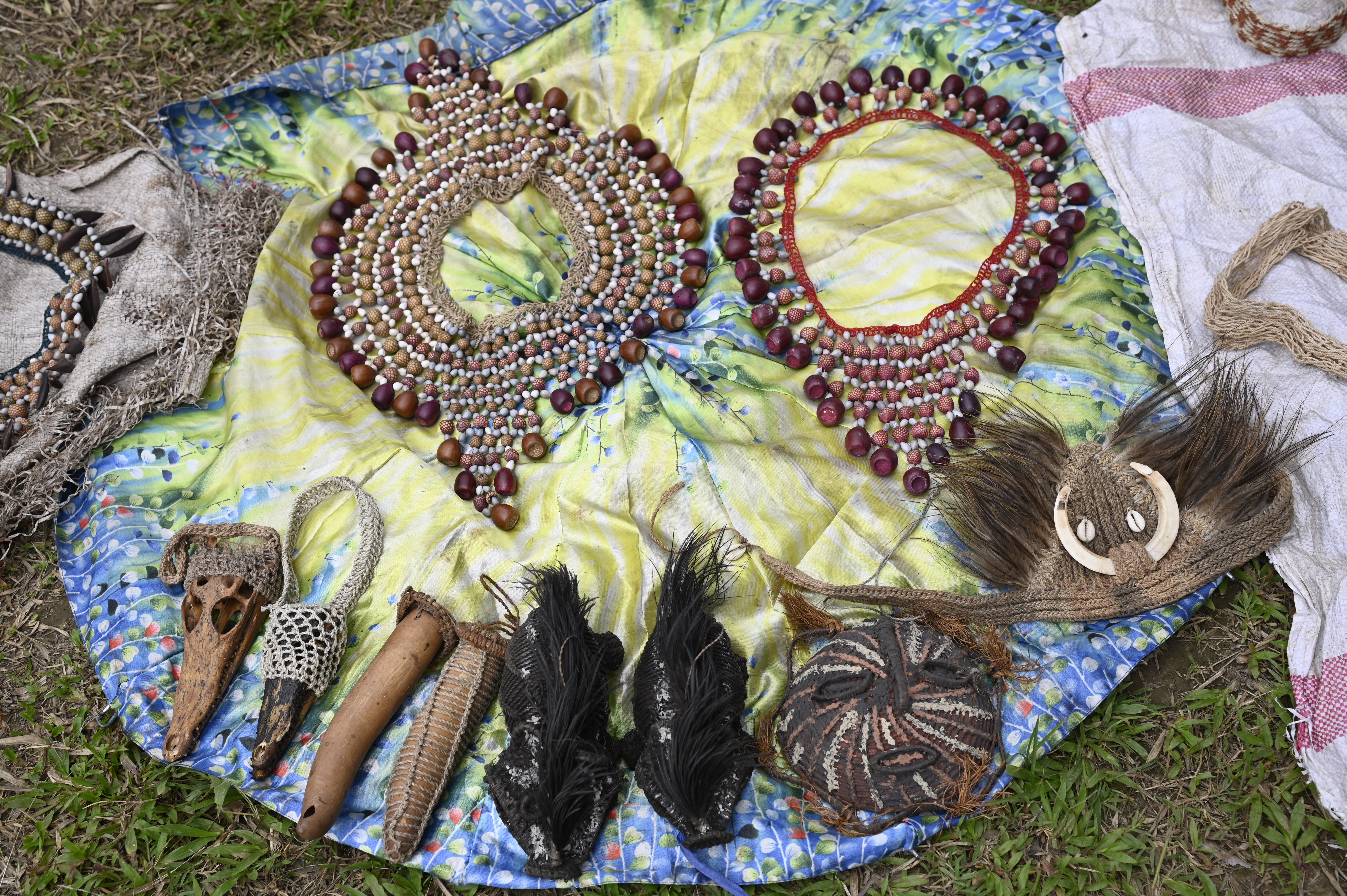
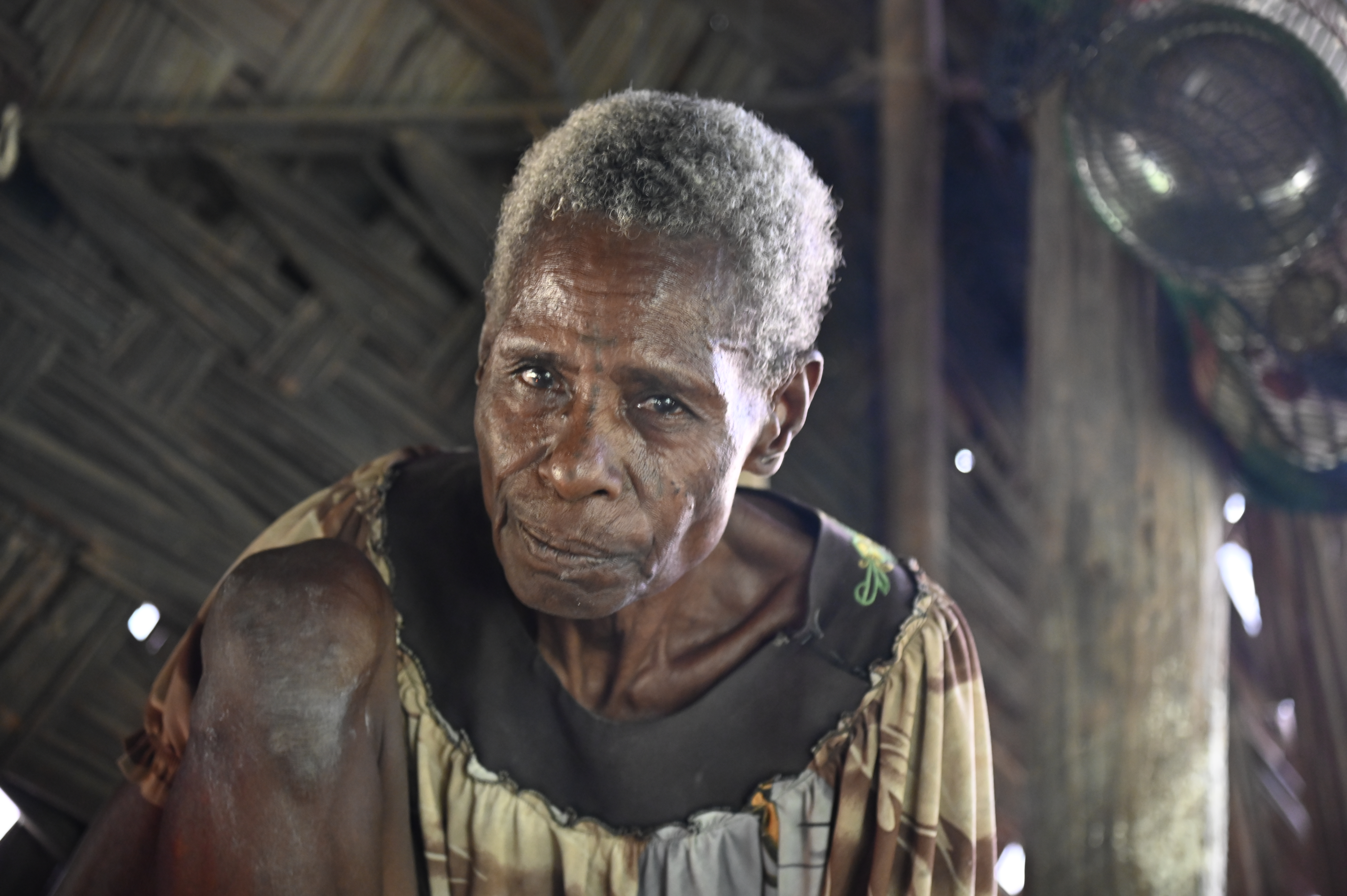
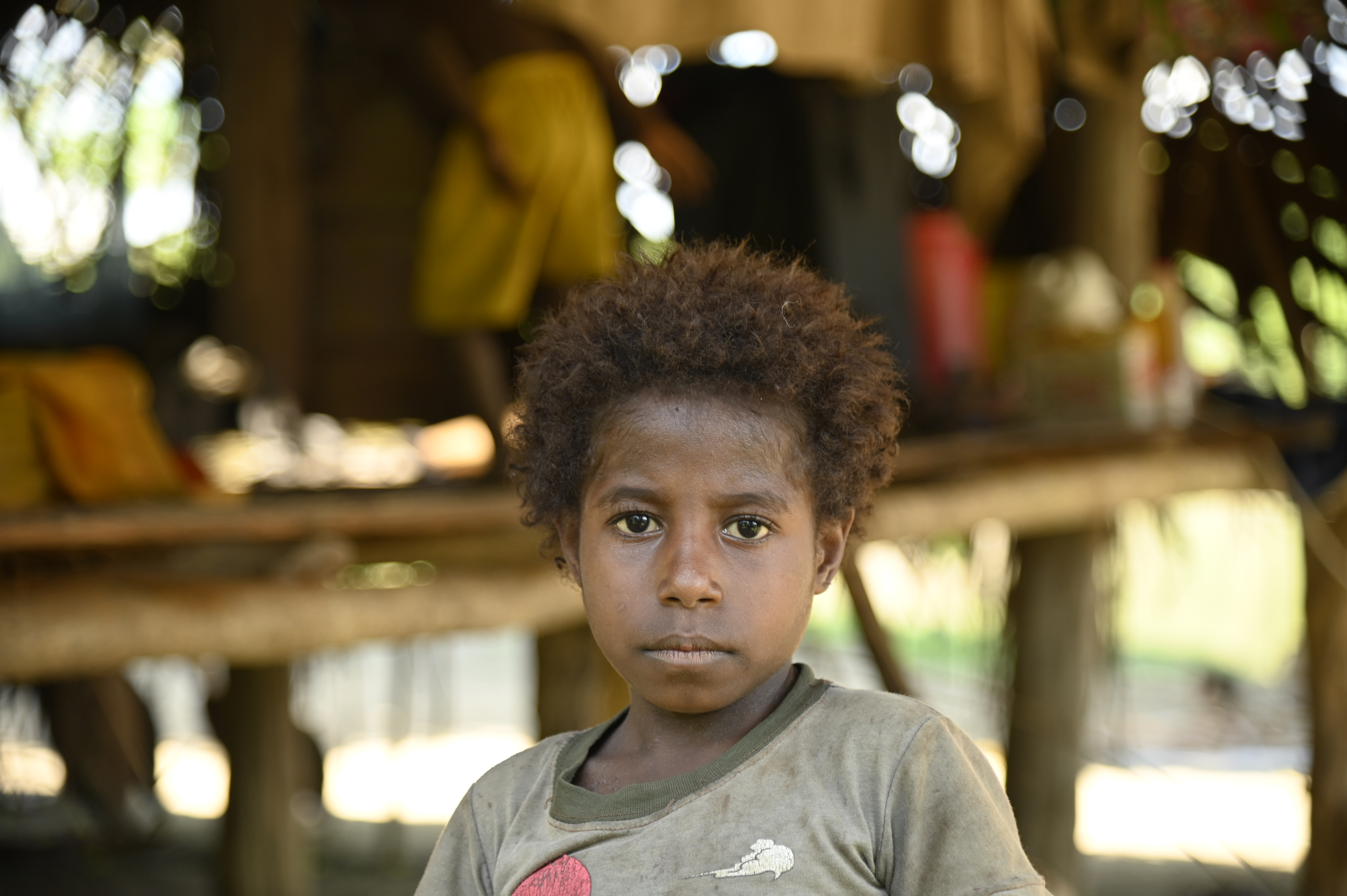
Our first stop along the way was a fishing village named Manjammai, home to about 700 people. They catch a wide-variety of fish – snapper, piranha, perch, catfish, and more – using lines and nets. They eat, cook, and sell the fish, along with other cash crops (the sago palm and betel nuts among them). [Place and tribal names are based upon what our guides told us; I’ve tried to match these up with what info I find on-line, but can’t always – which may have to do with my misunderstandings, spellings, very micro-communities, or local names].
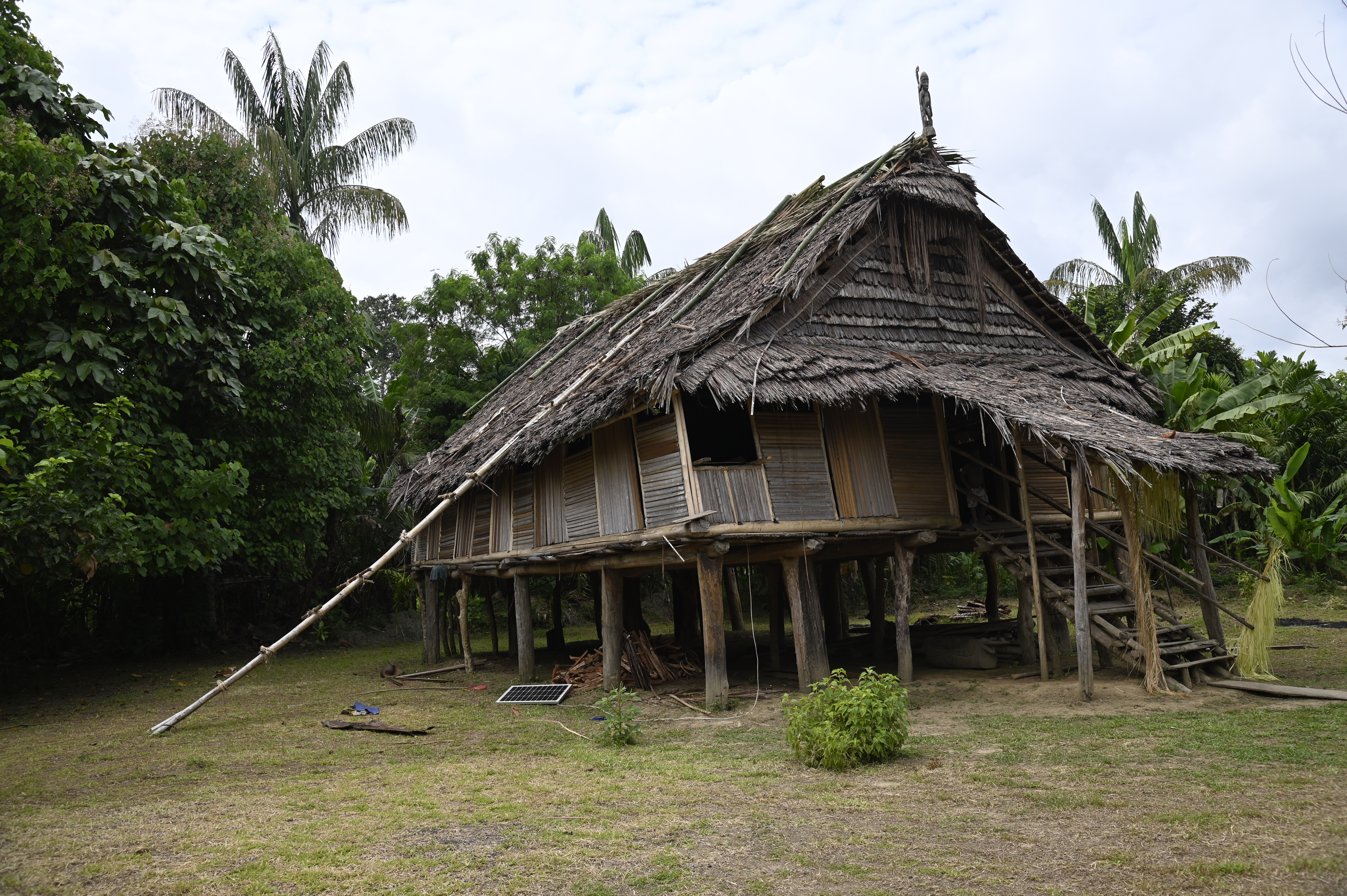
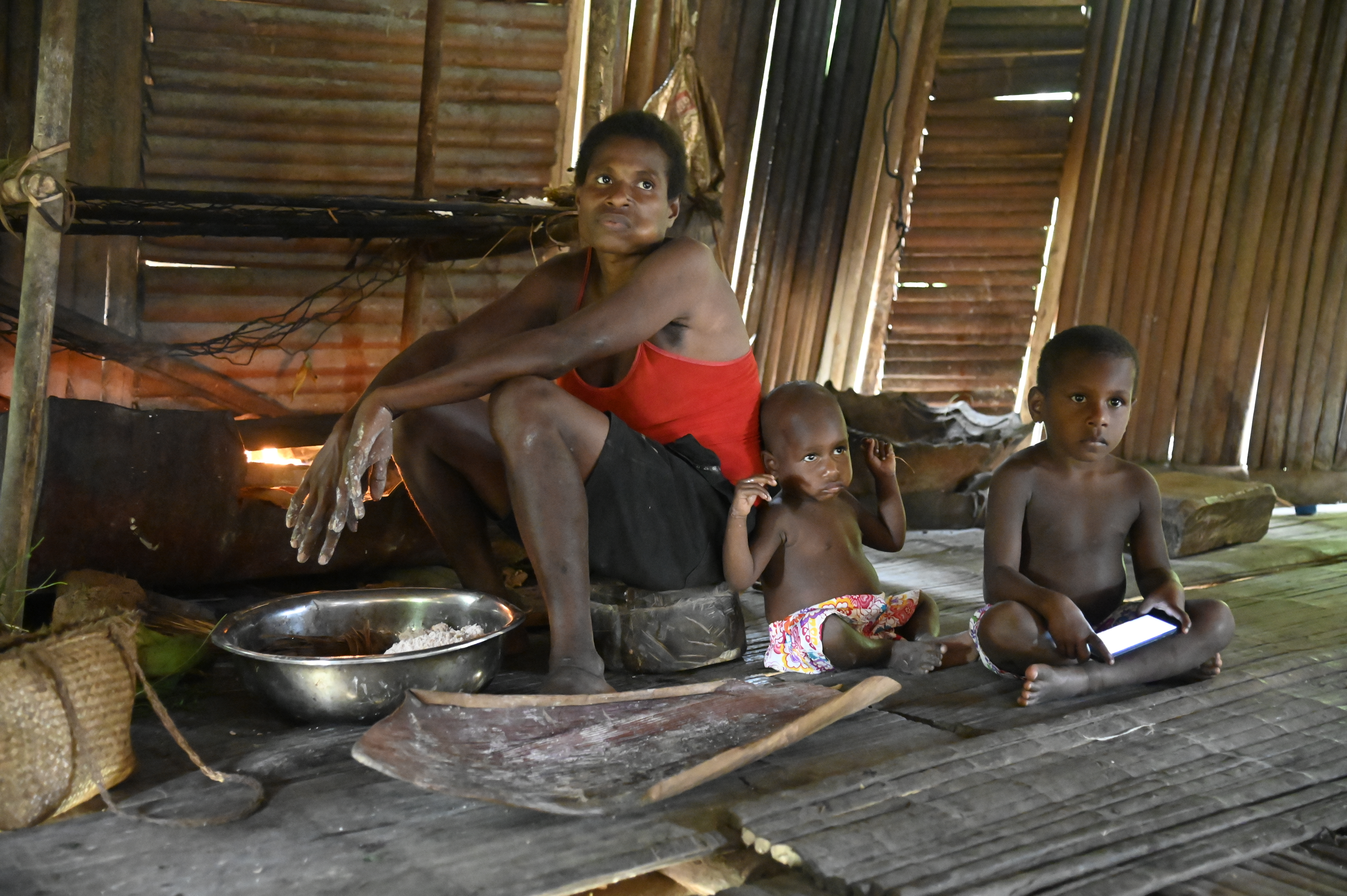
Our second stop gave us a chance to see the inside of a traditional home on stilts; the elevated homes help with air circulation in the warm weather and help prevent flooding during the rainy season. This home was shared by two families, with a cooking area inside. There was a solar panel outside, and a little boy inside holding a cellphone.
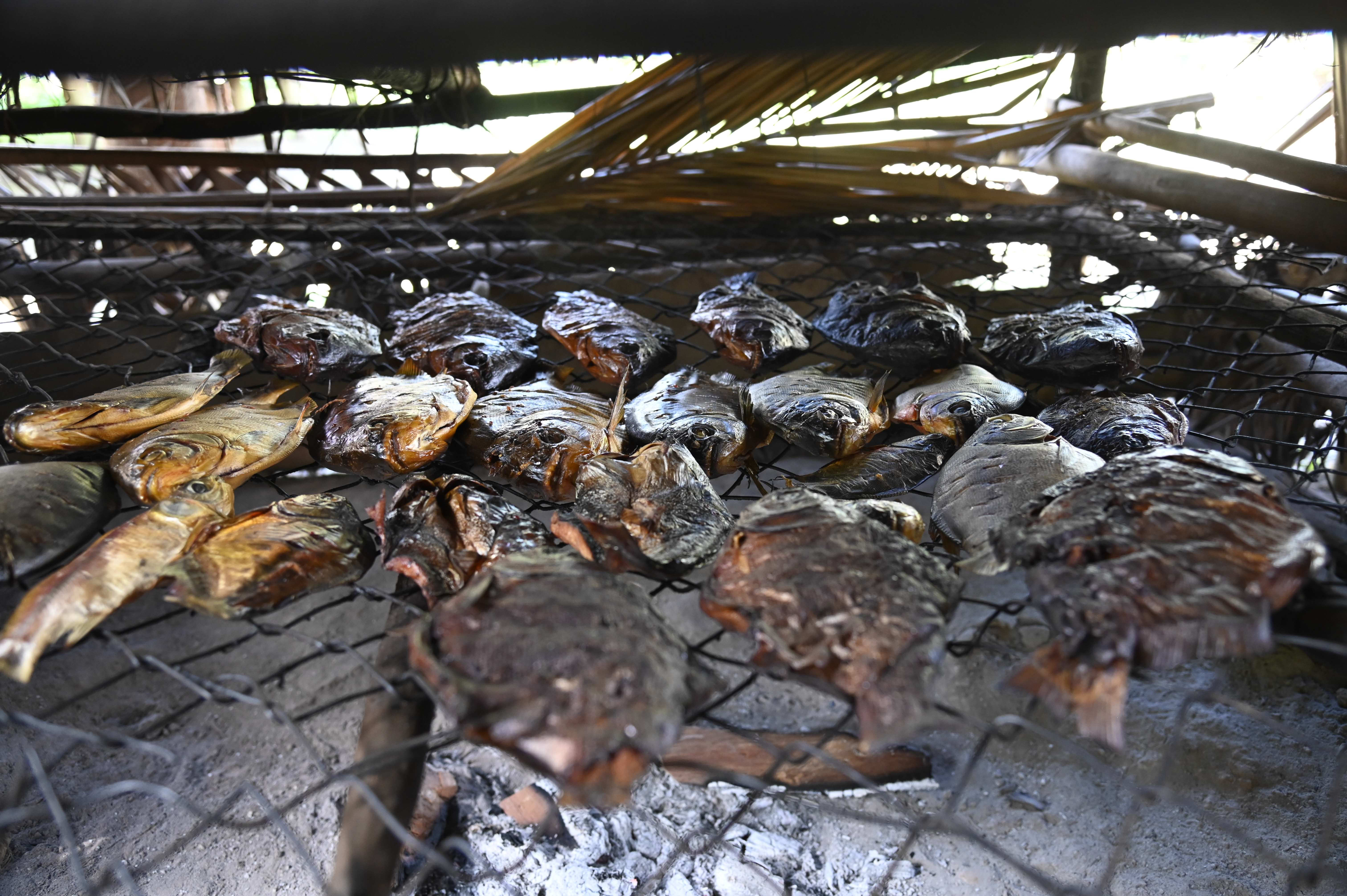
Our third and last stop was the Mikisai Fishing Camp, where we saw fish being smoked, generally done for 2-3 weeks (as we understood) and then either consumed by the villagers or sold to others. At each of the three stops, as we’d experienced the day before, there always was a small collection of local crafts for sale.
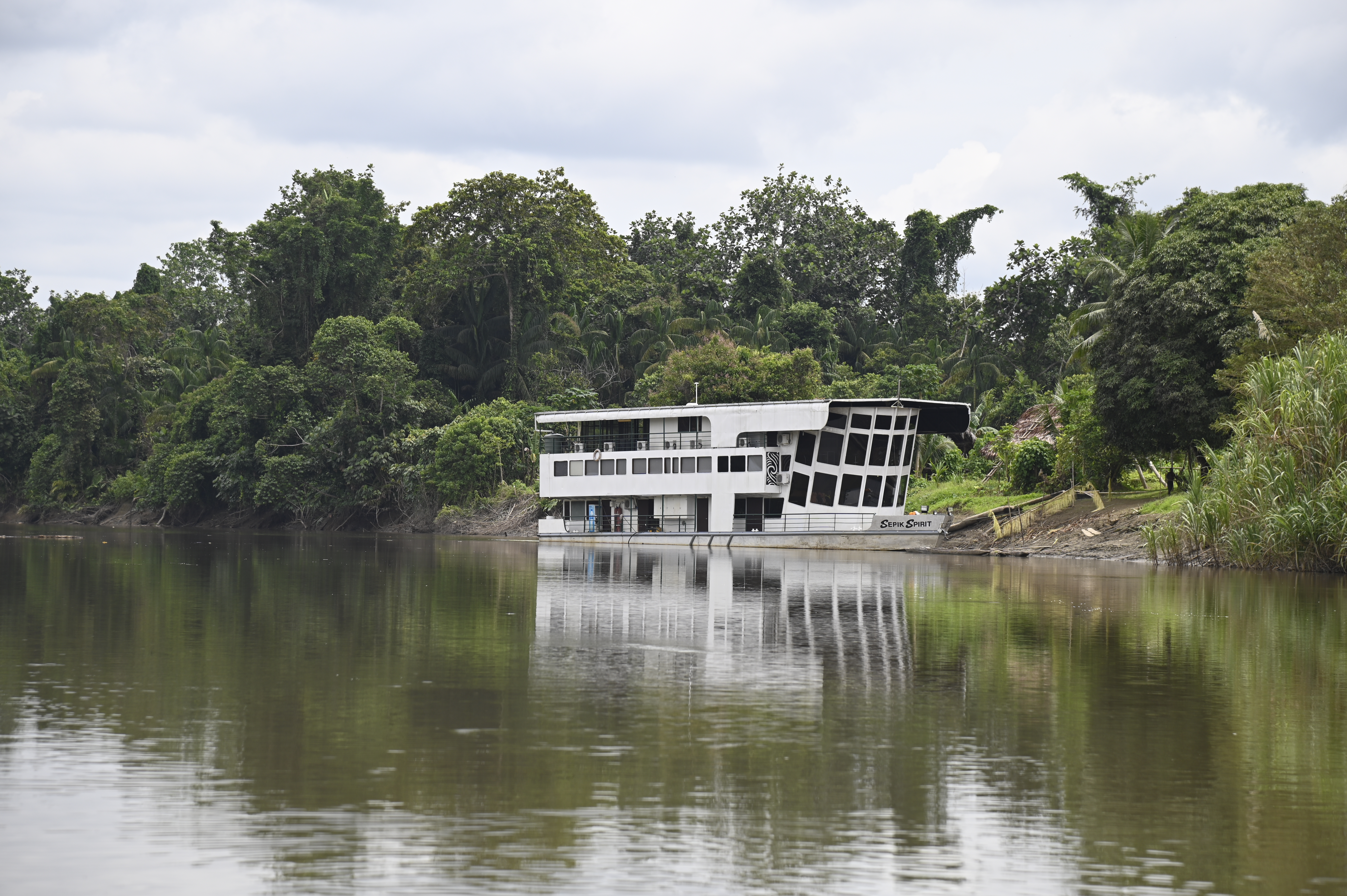
From there we approached and boarded our home for the next three nights – the Sepik Spirit, a 9-room river cruise boat (with air conditioning!), oddly looking, with a lounge, bar, dining room, and kitchen on the lowest deck, rooms on the second, and an observation deck on the upper floor. We’d launch the flat-bottomed boat from the Sepik Spirit for day trips, but first we needed to cruise on the Sepik Spirit to the junction further north of the Karawari River and the Korosameri River (also called the “Cross Mary” and “Angry Woman” River), about another two hours. The boat was staffed by nine local men – sailors, chefs, tour guides, and security – and, because it is almost entirely wood on the inside – we were asked to take our shoes off before entering to help ensure we weren’t bringing any wood-eating insects on-board.
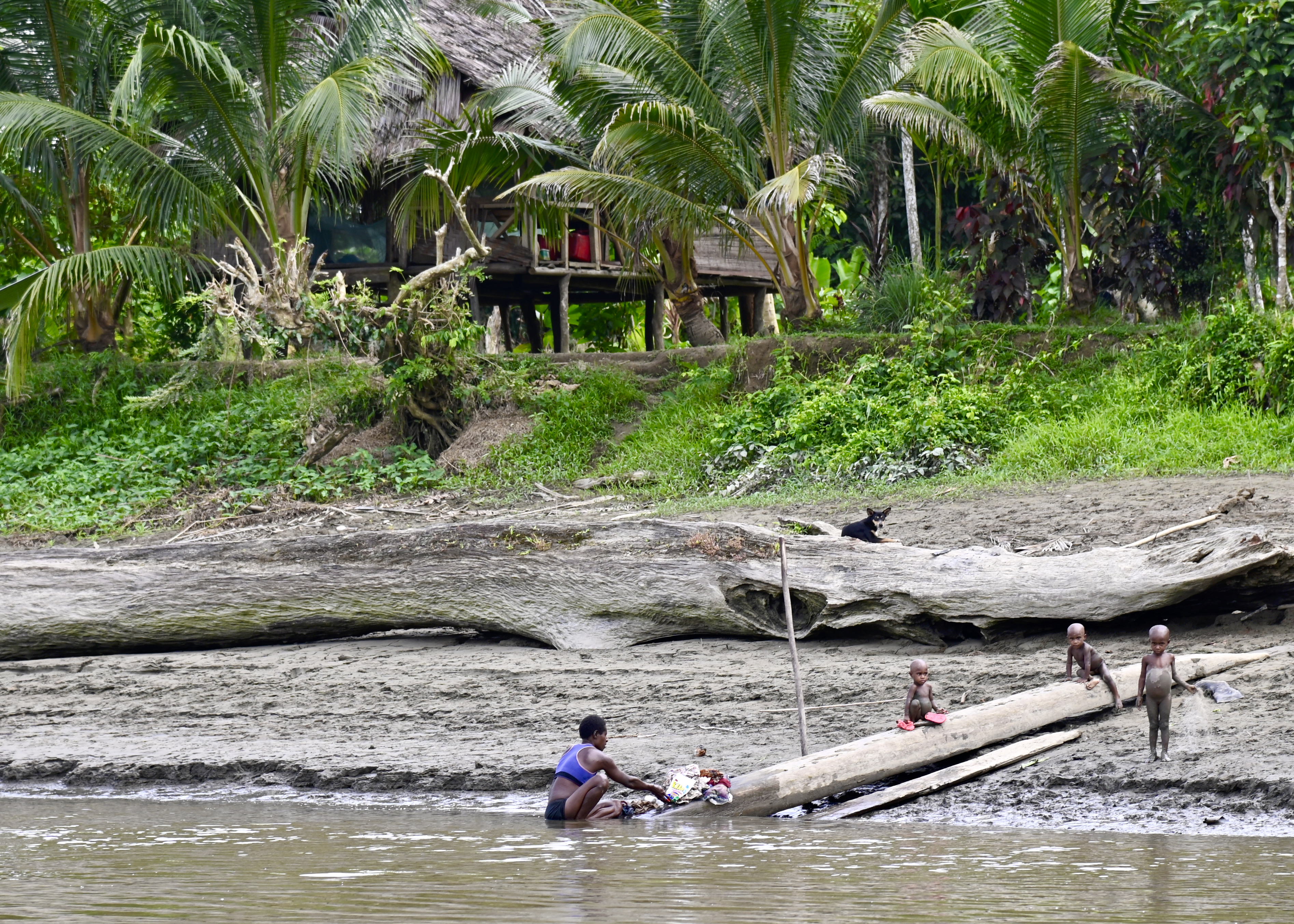
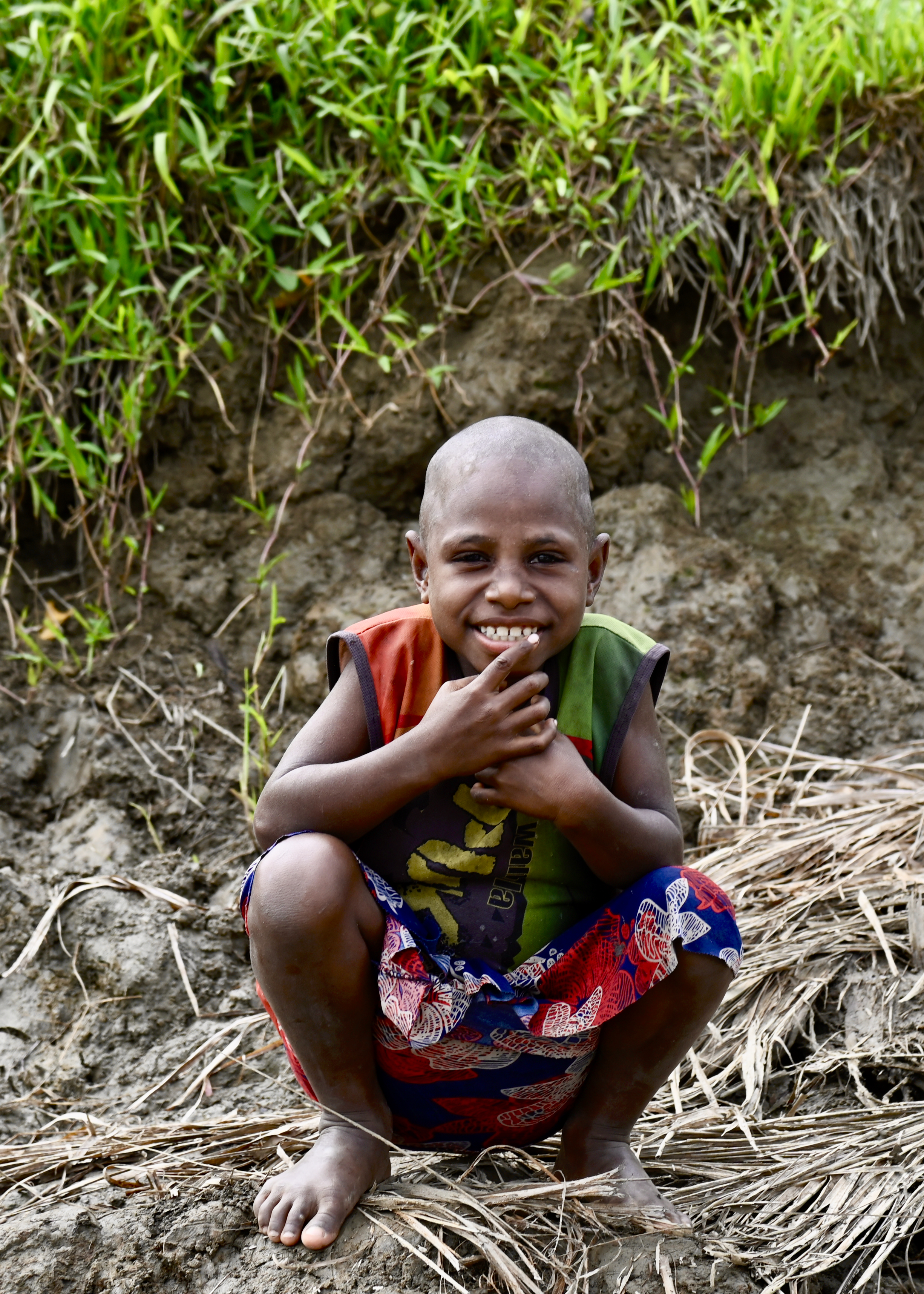
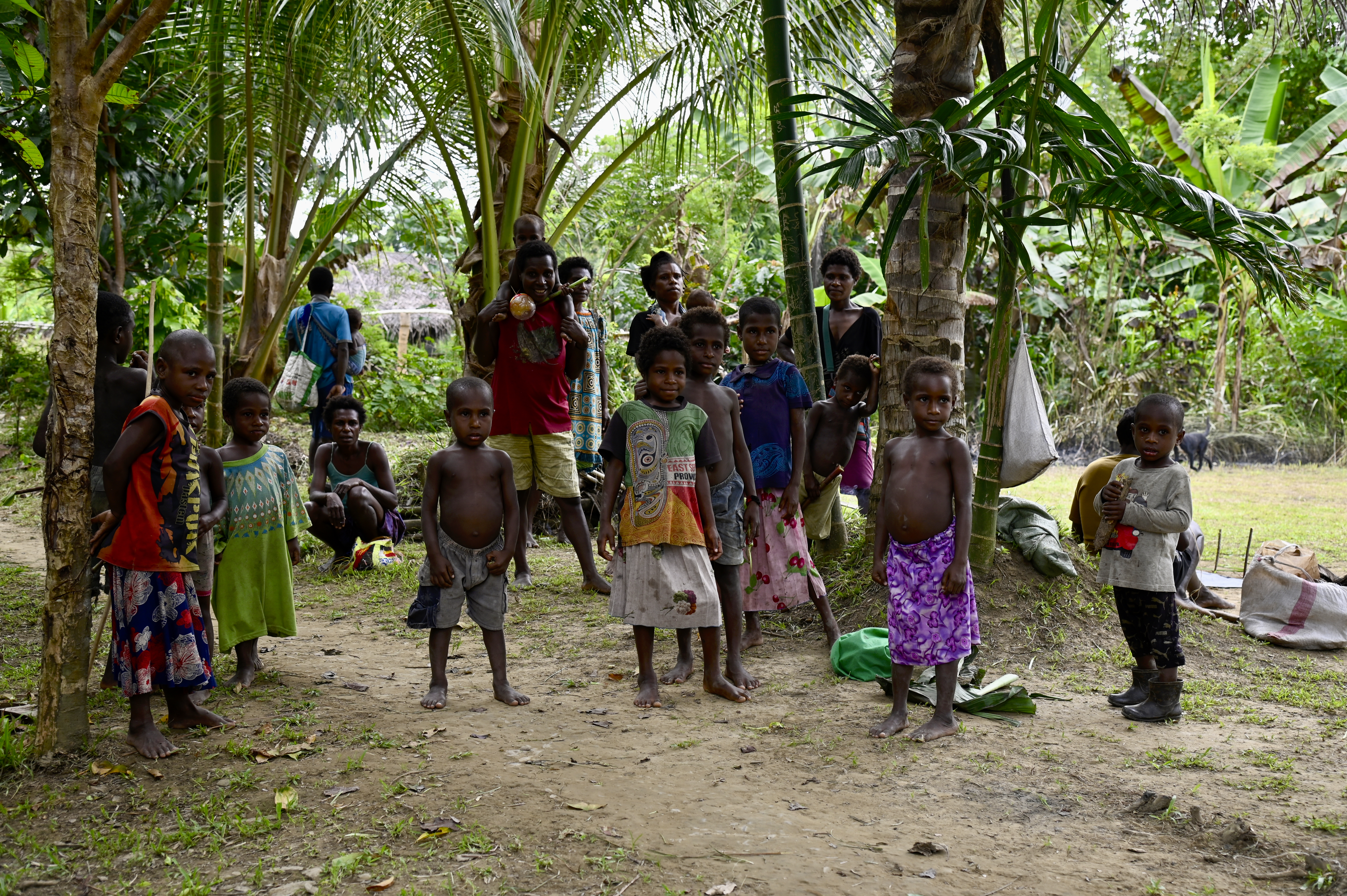
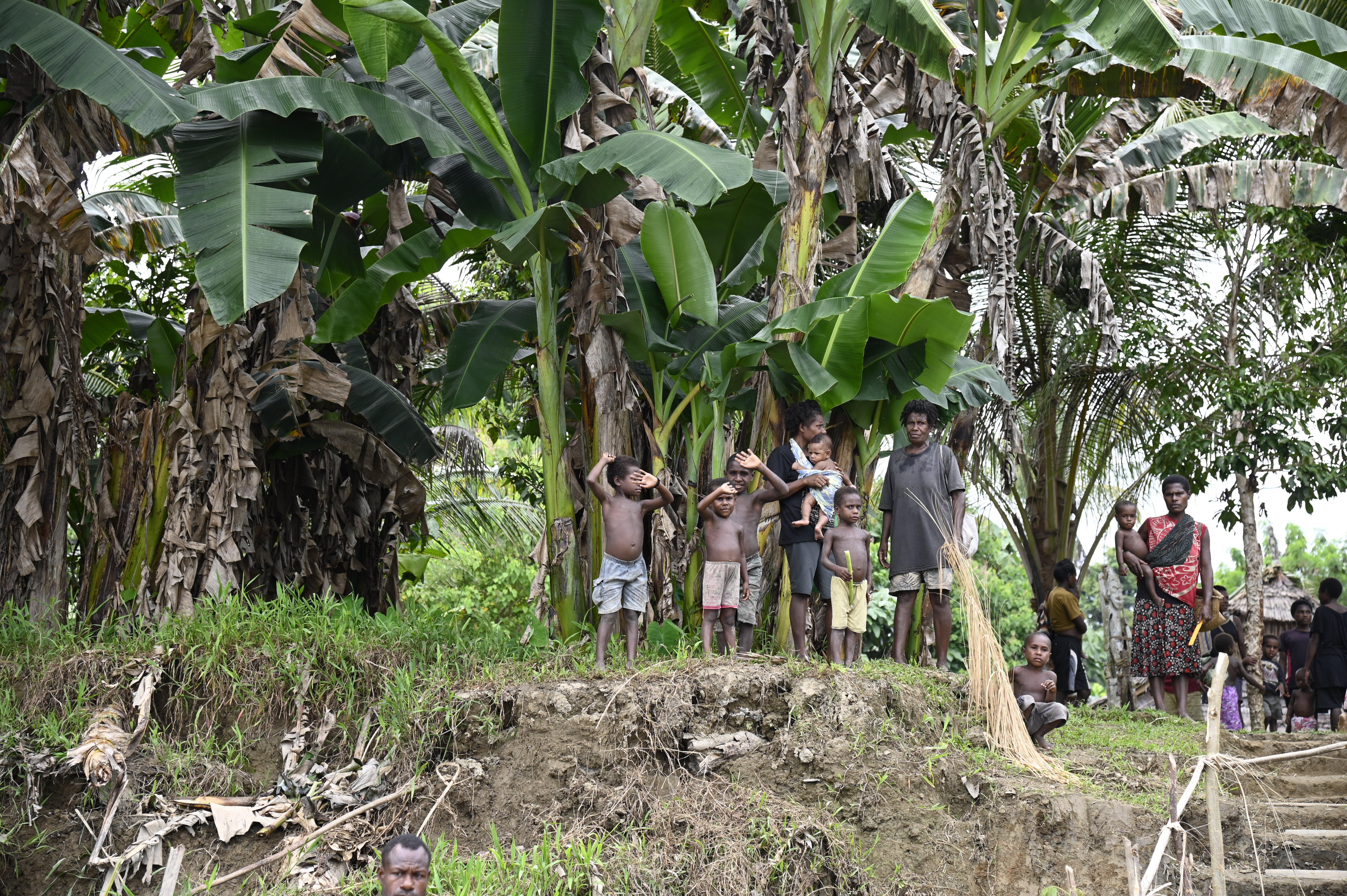
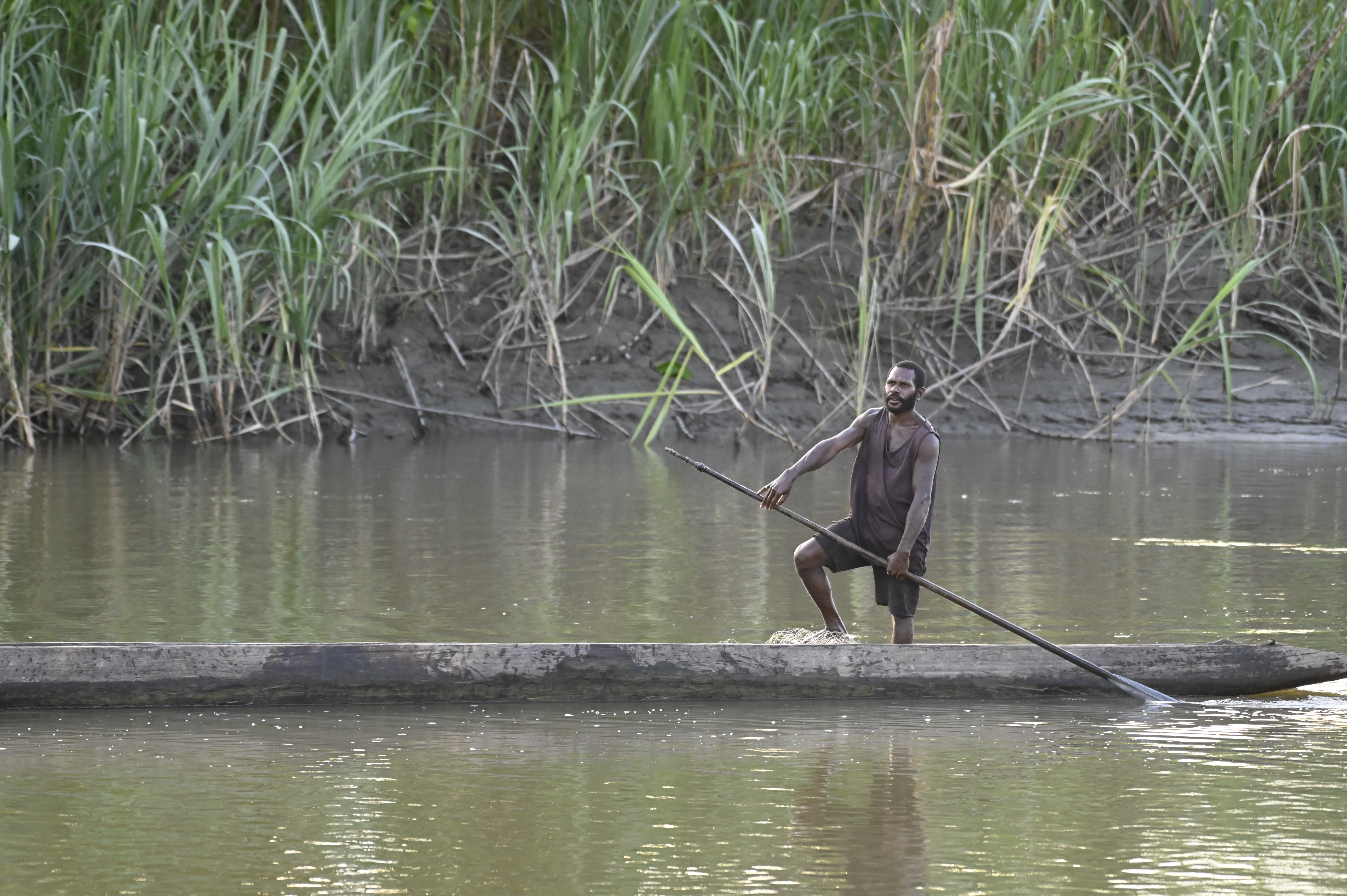
It was an easy easy cruise on the river, and – as was the case the day before and would be the case for the next few days – we periodically saw small structures, and men, women, and children along the banks, and people on the river. We scanned the sky, the tree tops, and the river’s edge for birds, some of which we saw are listed below.
- Crested Tern
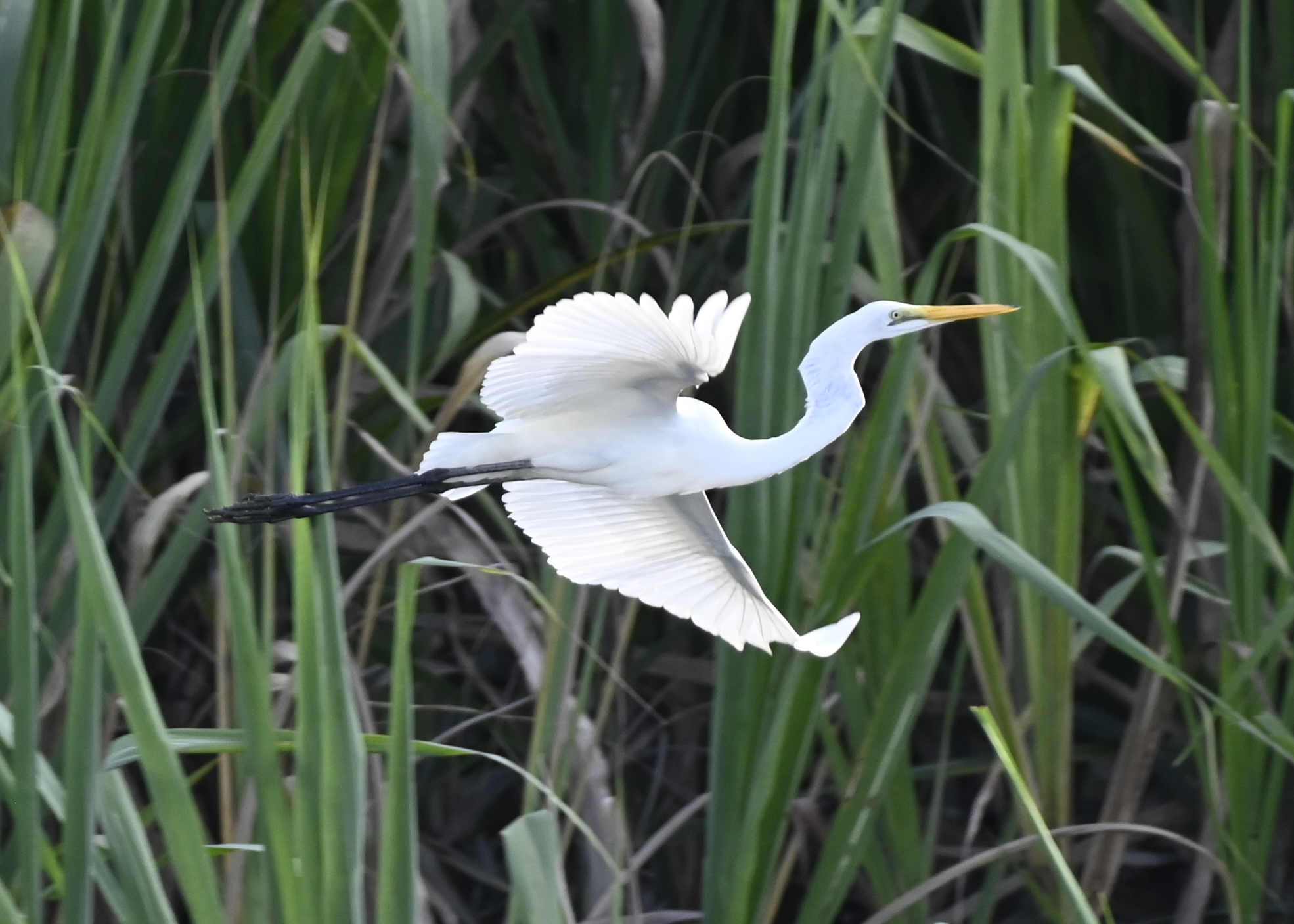
- Intermediate Egret
- Great Egret
- Great Bill Heron
- Rainbow Bee Eater
- Brahminy Kite
- Male Eclectus Parrot
- Black Bittern
- Black Kite
- Silver-breasted Cockatoo
- Whistling Kite
- Night Heron
- Fish Eagle
I’m no bird photographer to begin with – and add that both we and the birds were moving and that my long lens always felt too short – but I tried desperately to capture a few; egrets were most common; I remarked that if reincarnation is real, I’d like to come back as an egret on the Karawari River, as their lives seemed pretty darn good.
We were eager to see a croc or two, but that didn’t happen.
(Clicking on an image below will enlarge it in a new window)


 Fred's Travel Blog
Fred, you should write the travel brochures for that company!
LikeLike
I’d trade a discounted or free trip for the privilege!
LikeLike
Love it!
LikeLiked by 1 person