Papua New Guinea – Day Four (Aug 12)

It was a 5 a.m. wake-up at our Port Moresby hotel to head out to the Varirata National Park, about an hour drive that took us along twisty paved roads, through an assortment of traffic circles, and past small homes on stilts, market stands, power plants, gorgeous views of the low mountains and valleys with rivers at the bottom, a couple of waterfalls, morning mist at the top of the mountains, and the Pacific Beer Brewery.  The stilted homes are designed to help air circulation around the buildings, critical in warm and humid summer months, but that space below also is used to dry laundry and store an assortment of things.

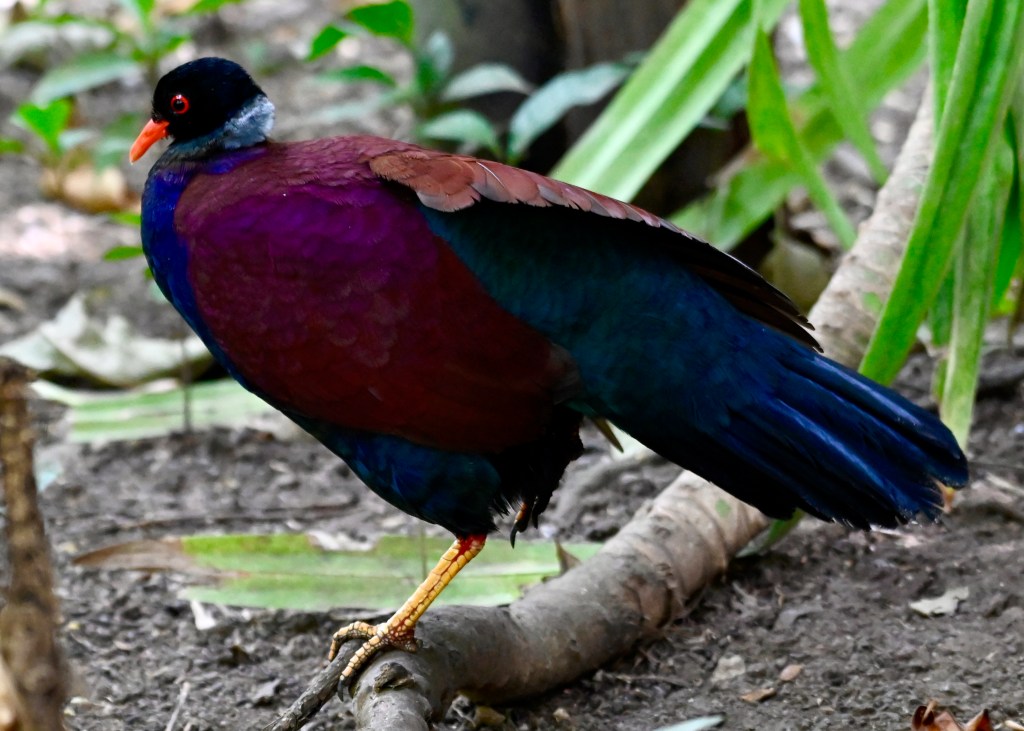
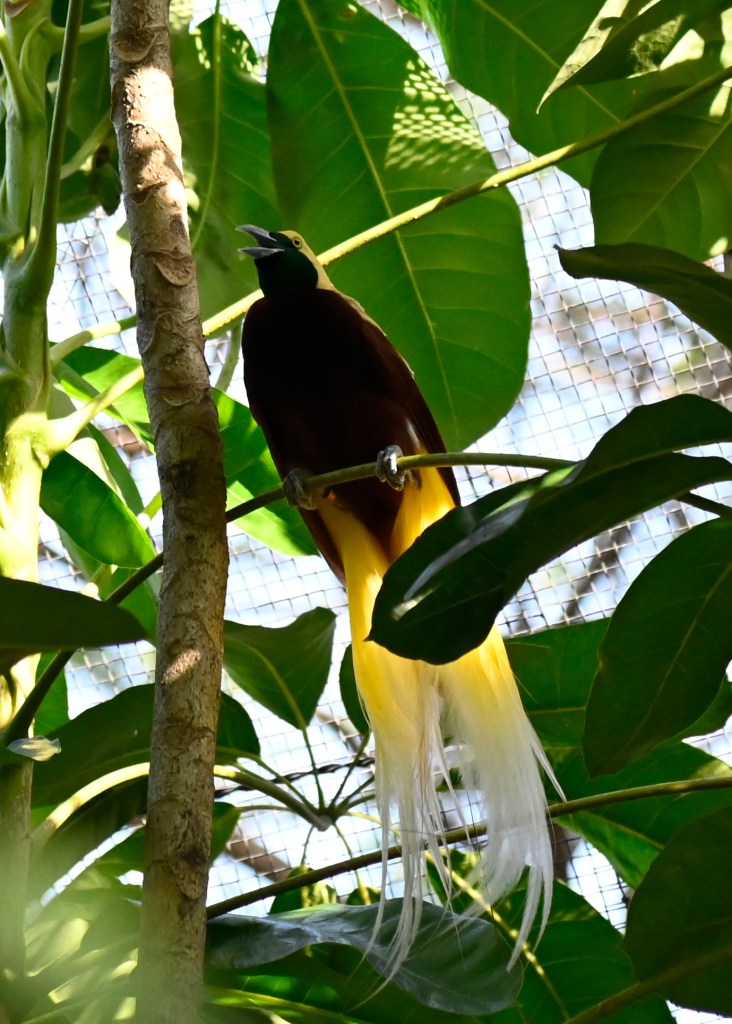
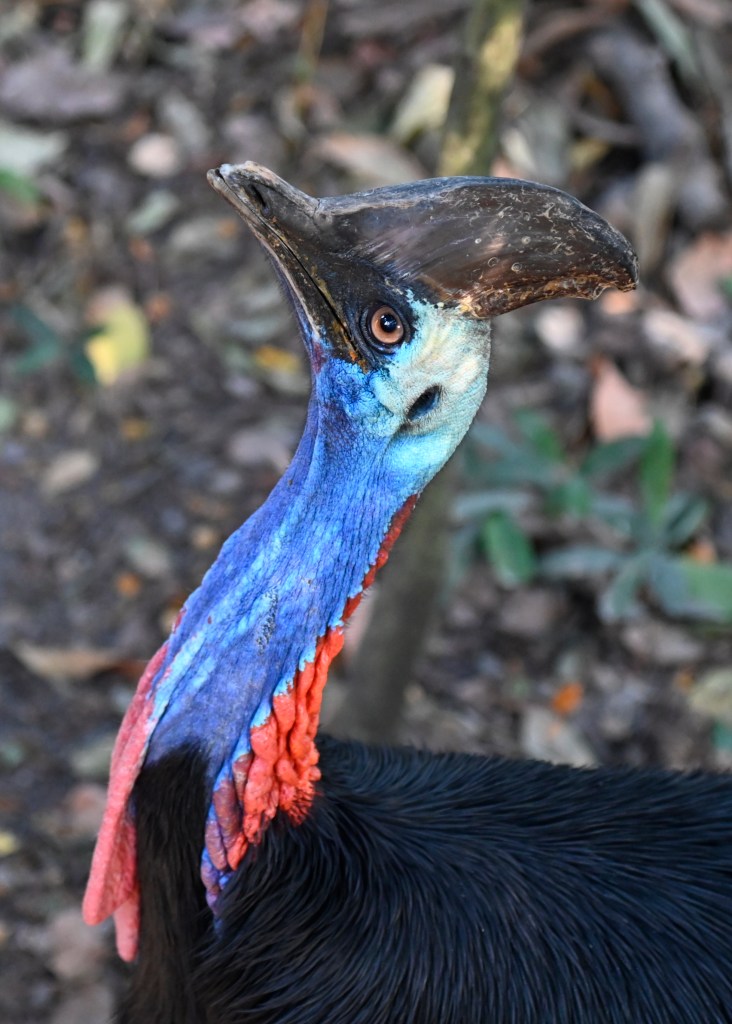
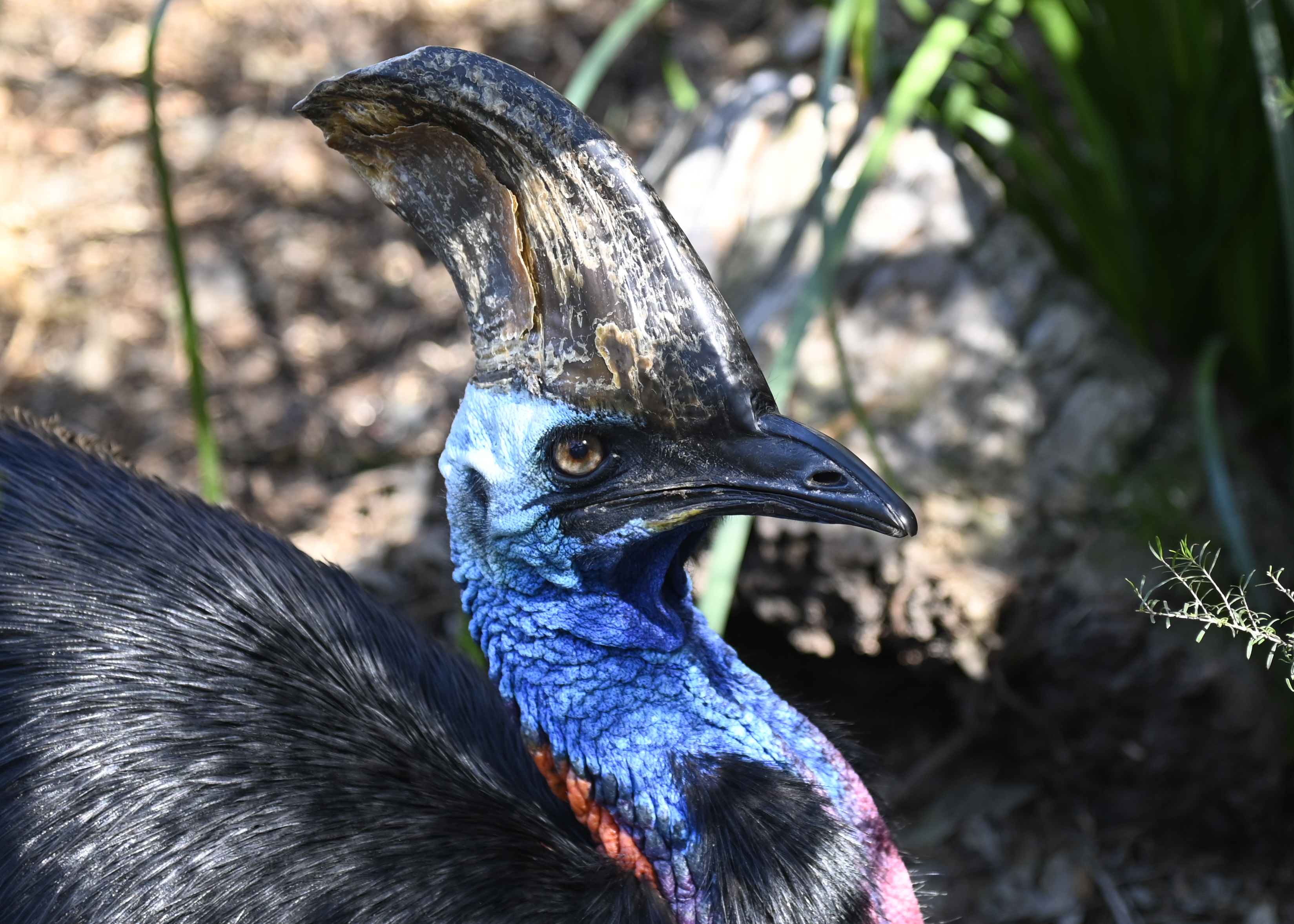
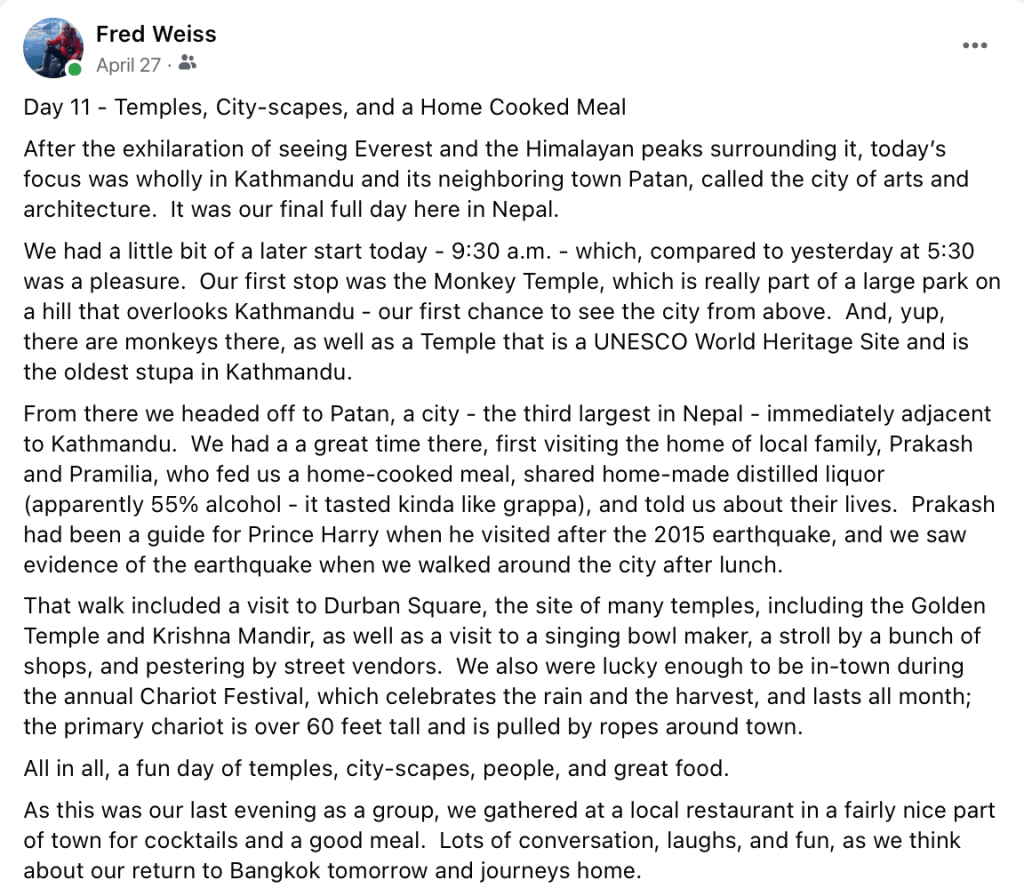
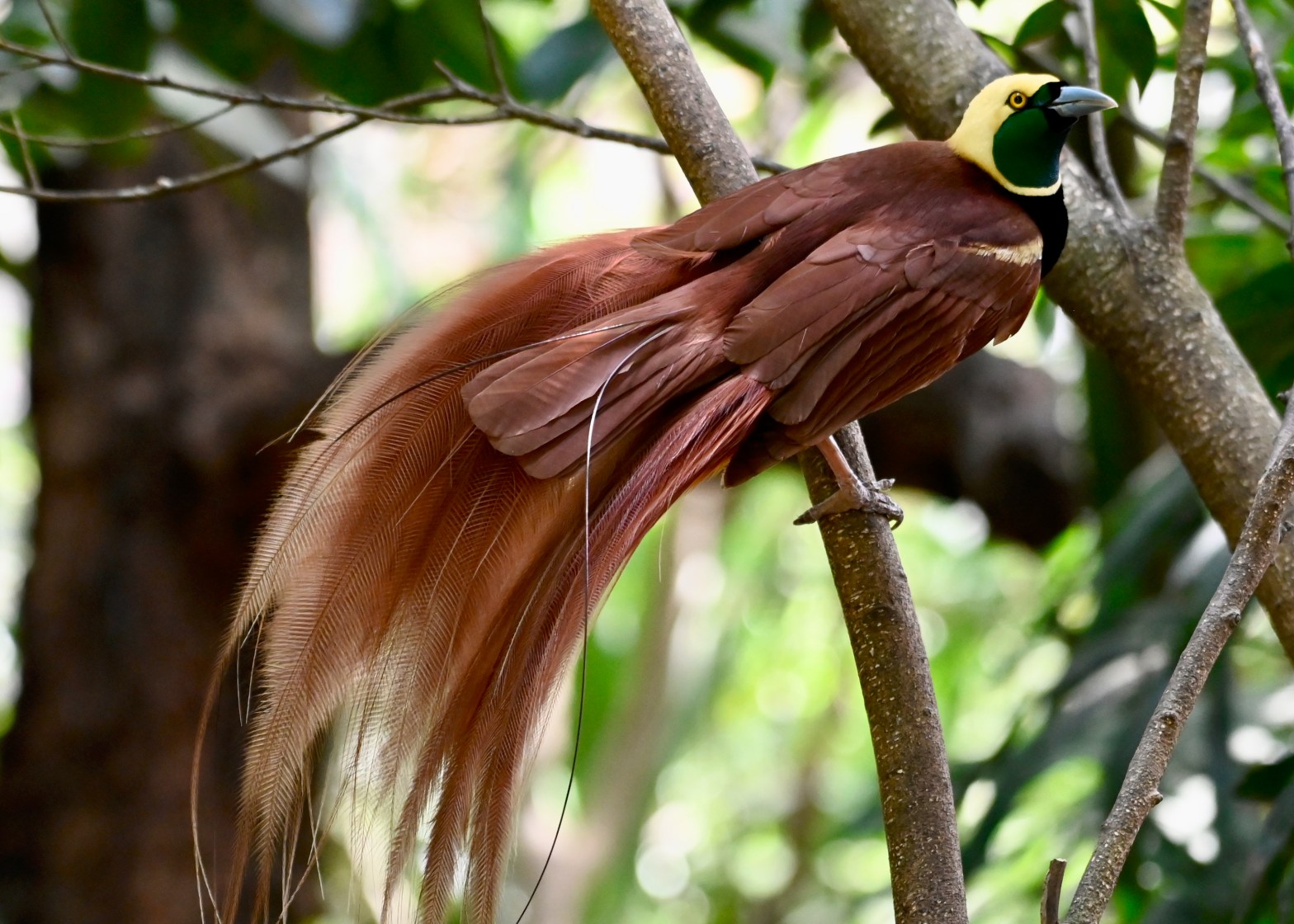
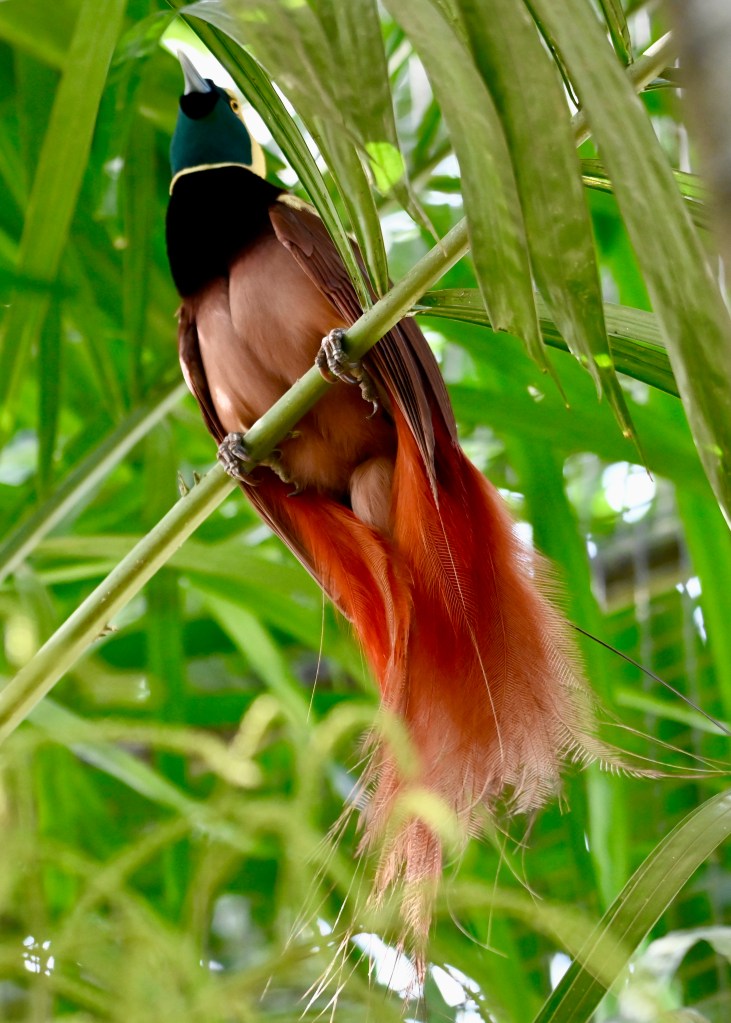
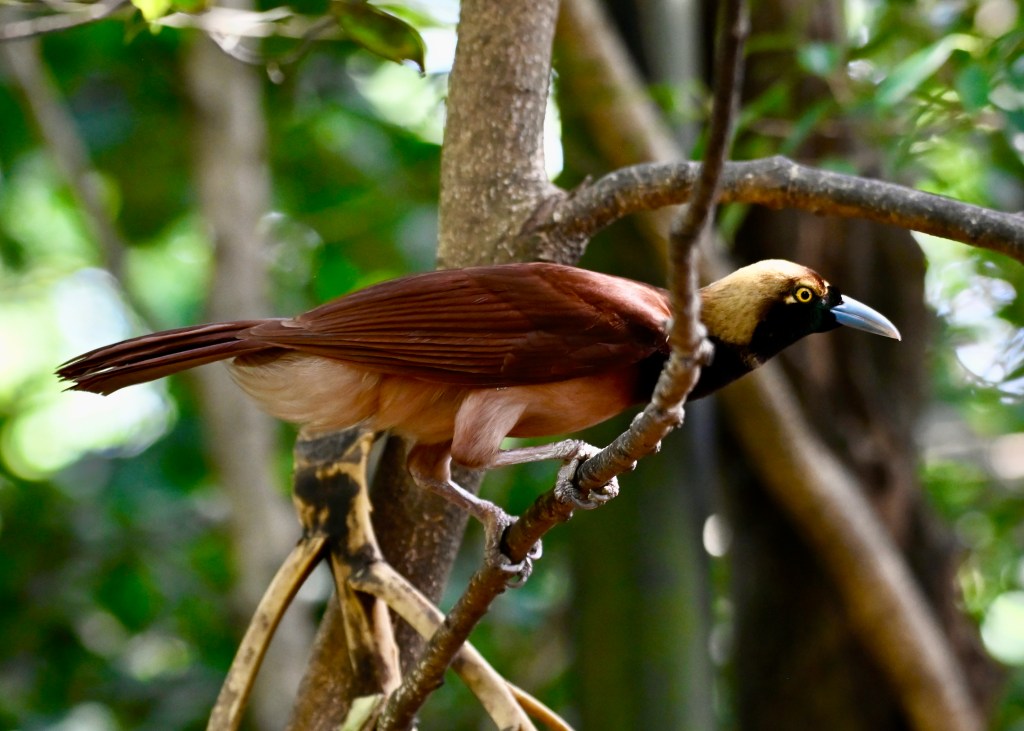
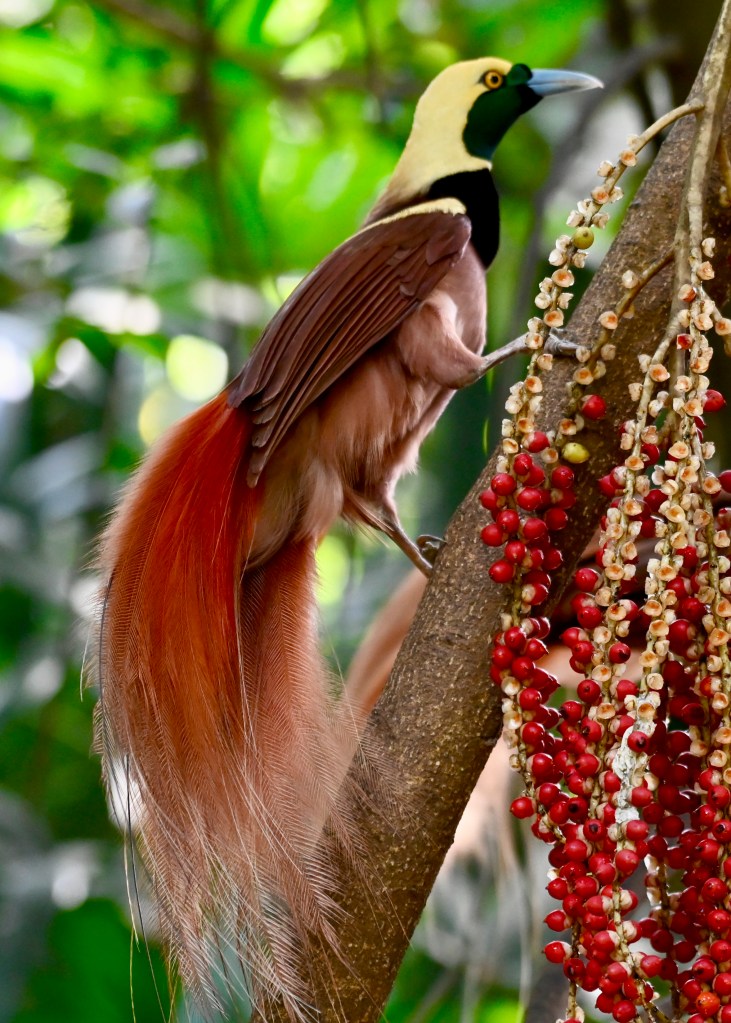
The Park goes up to about 2,500 feet, and our purpose for being there was to see birds-of-paradise in the wild.  Birds-of-paradise are best known for the amazing plumage on the males, as well as for the mating dances they perform to attract females.  While we saw a couple of them the prior day, this was a chance to see more.  PNG is home to over 850 species of bird, with just a few over 100 of them being only found here.  I’m no bird photographer, but I had to try.

We lucked out.  Our tour director told us she’s been there a number of times when she saw nothing, but for whatever reason we were lucky to see three, four, five of them flitting about in the trees.  And, frankly, the flitting and the trees are part of the problem in photographing them, as well as the fact that the group we saw chose to stay high-up in the canopy, meaning we were snapping away while our necks cramped.  But boy was it fun.

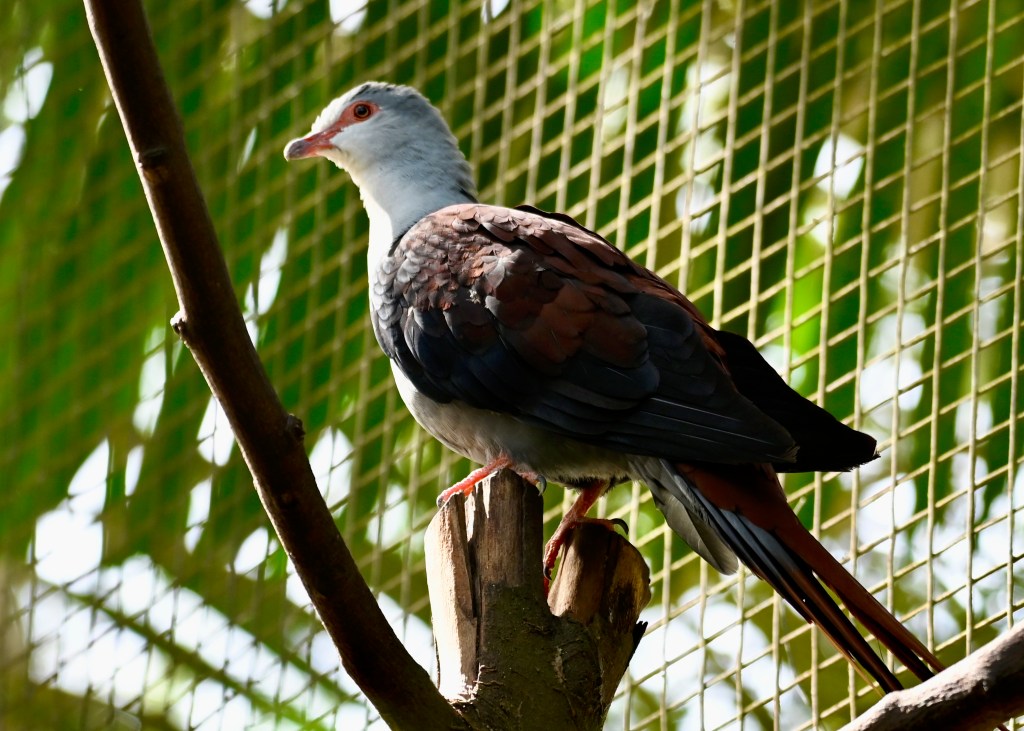
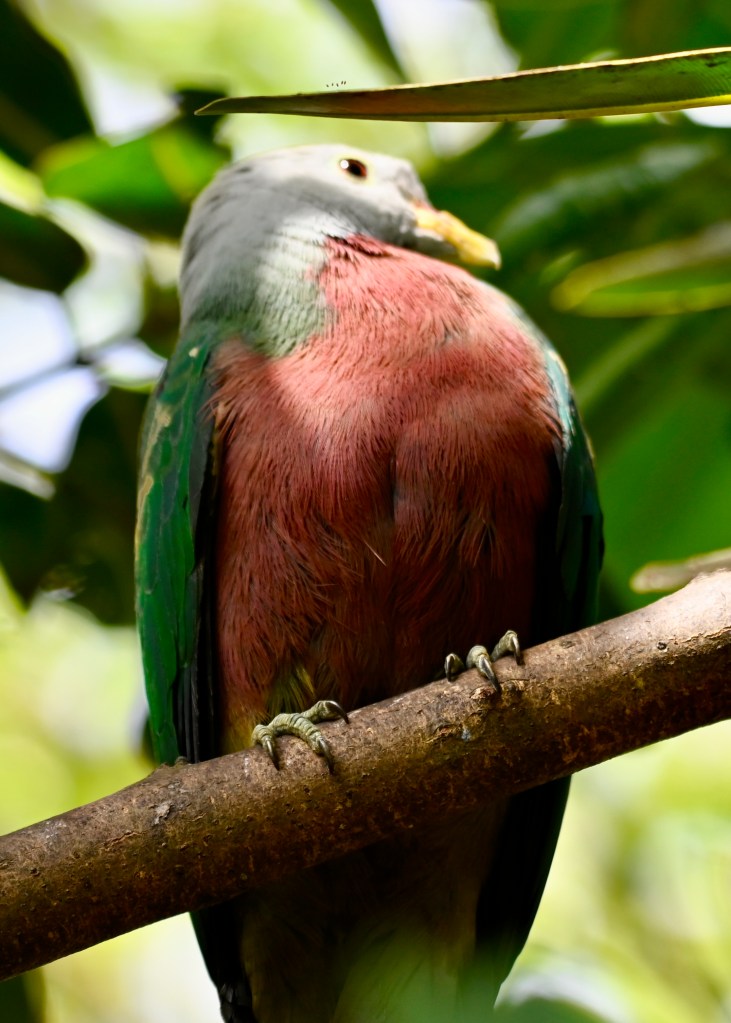
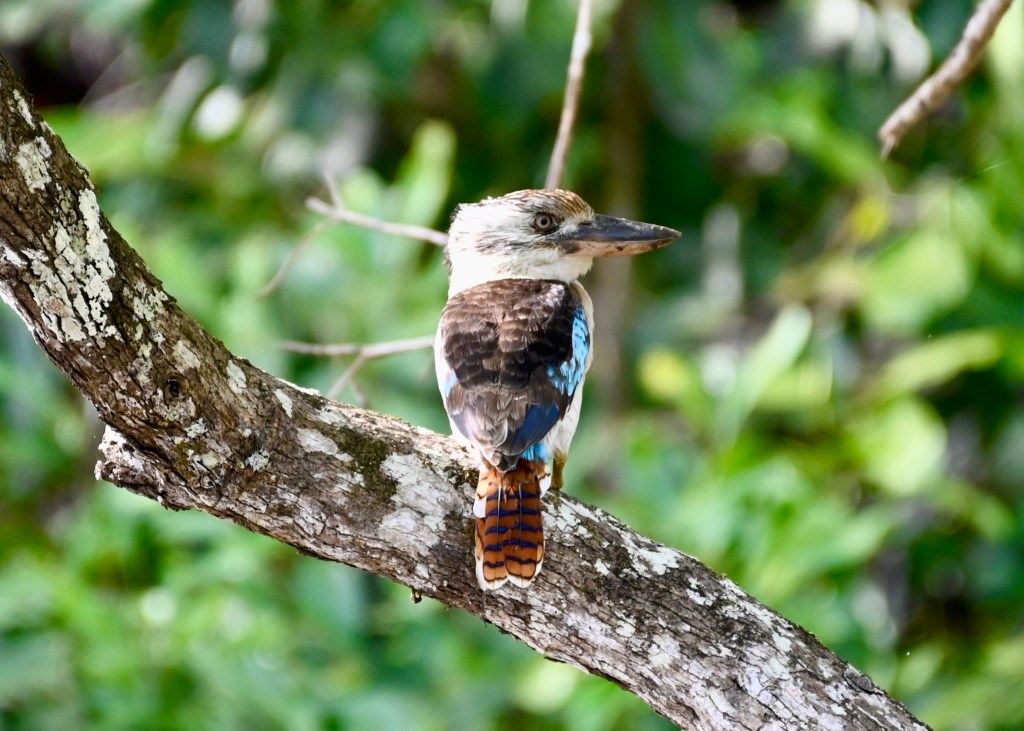
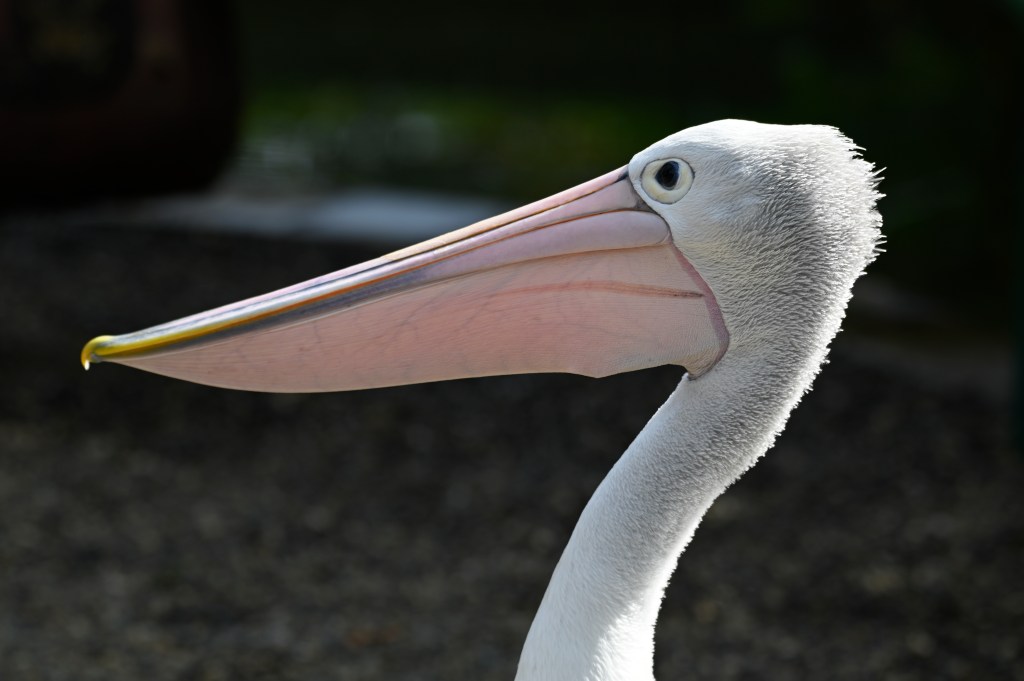
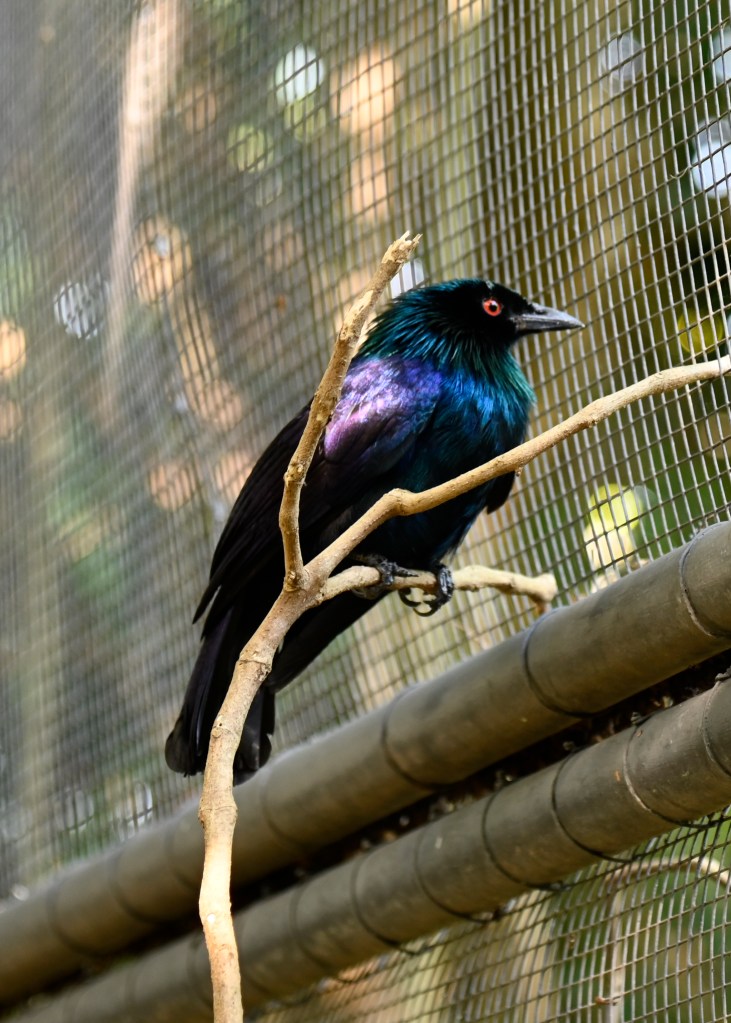
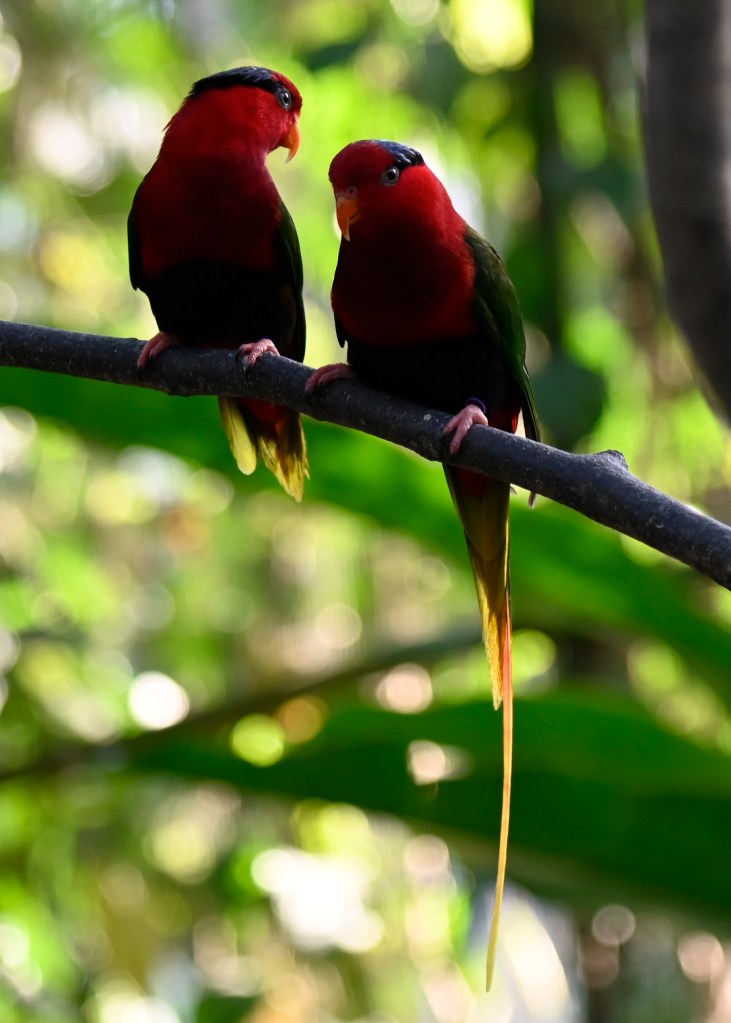
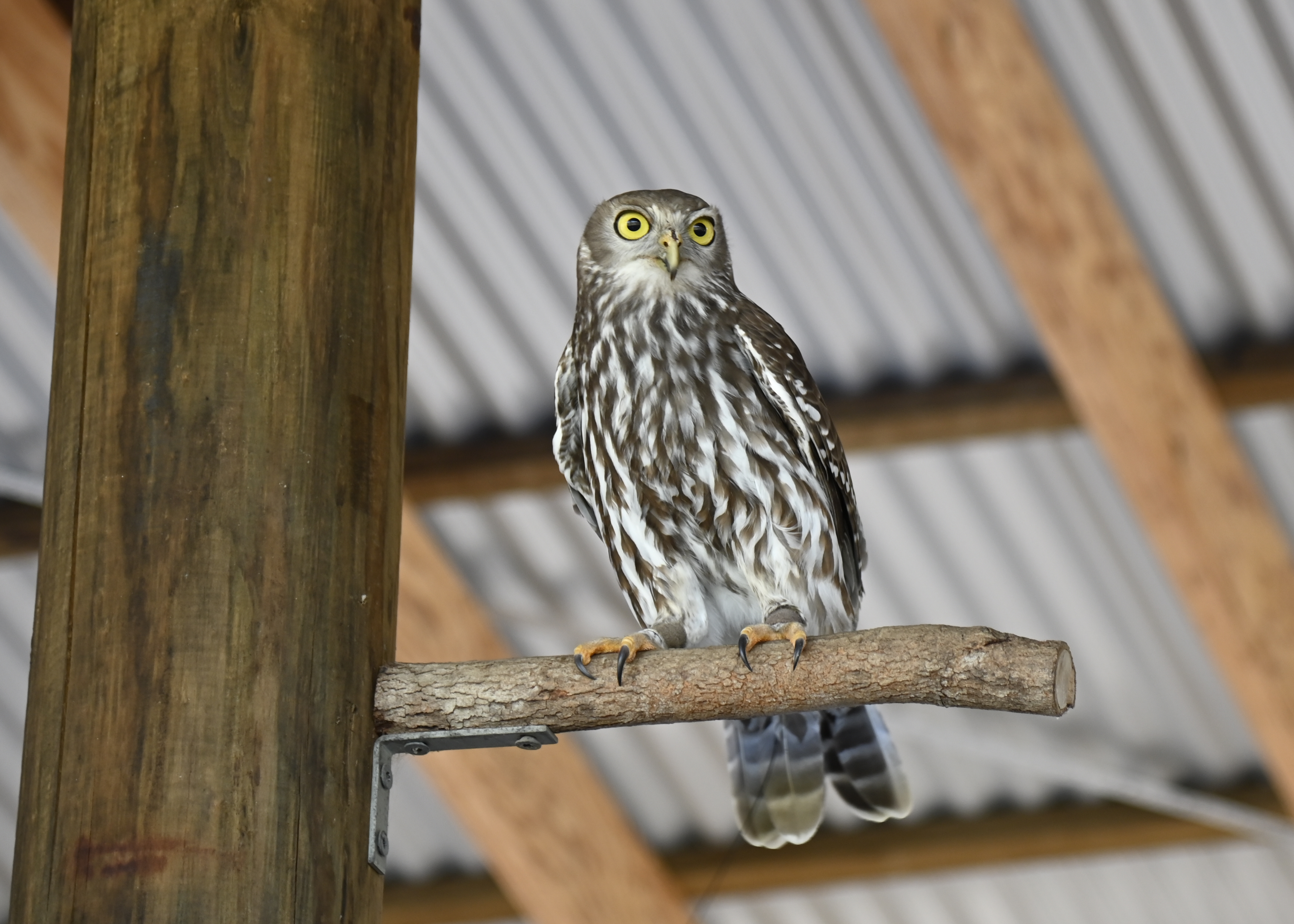
From there we headed off to an amusement park that also has on its grounds the National Orchid Garden and Bird Sanctuary.  Here was a chance to ride a ferris wheel (which we didn’t do), take a spin on the carousel (again, a “no”), and fly down the water slide (nope).  Instead, we spent our time admiring the flowers and seeing a wide variety of birds.

When we first entered the park, our local guide disappeared on us.  About 10 minutes later he re-appeared, this time carrying a small set of branches with fresh berries hanging off of it. He explained that he went off to climb a tree and grab what we saw him return with so that, when we entered the enclosure where the birds of paradise were, he’d hang it to attract them and other birds.  It worked.

We probably hung there for an hour, looking at the birds, looking for the best photo opps and, once again, continuously stymied by restless birds, lots of leaves and branches, and a high canopy.  But it was a blast nevertheless.

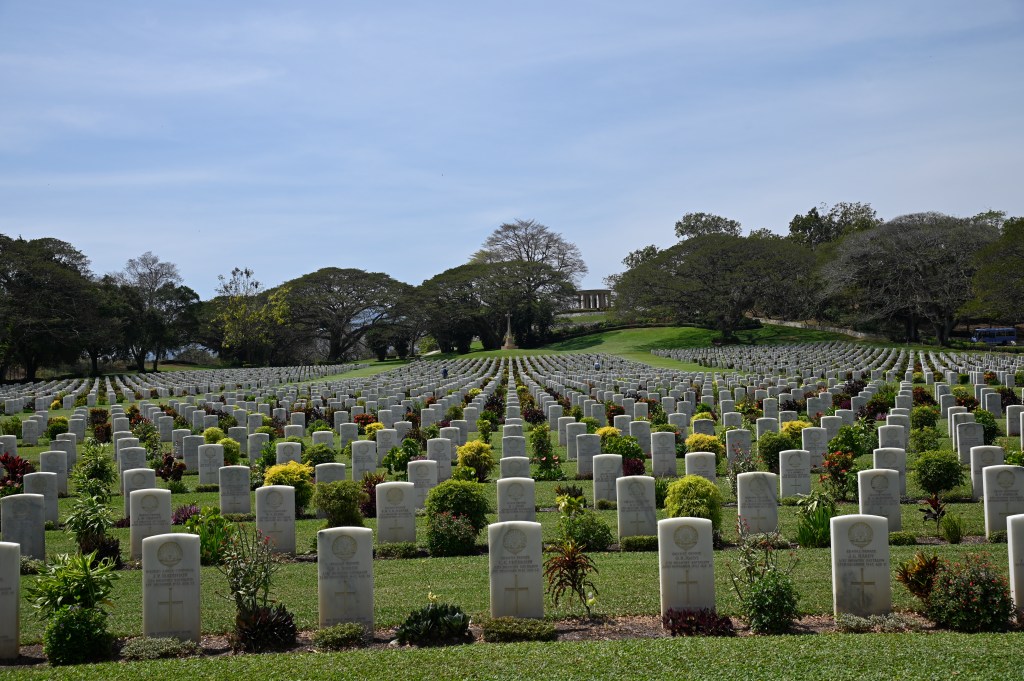
As all good things must come to an end, we left the Sanctuary to head on to the Bomana War Cemetery, where more than 3,800 soldiers from World War II are buried.  The vast majority are from the Kokoda Campaign in 1942, and of those the vast majority are Australians, with a handful of British and Americans, and close to 700 graves for unknown soldiers.  There’s a ceremony each year on Anzac Day (in April) to commemorate those lost.  The cemetery is beautifully maintained, and the gravestones marked with soldiers who died at 18, 19, 20, and older is a reminder of the stark realities and sadness of war.

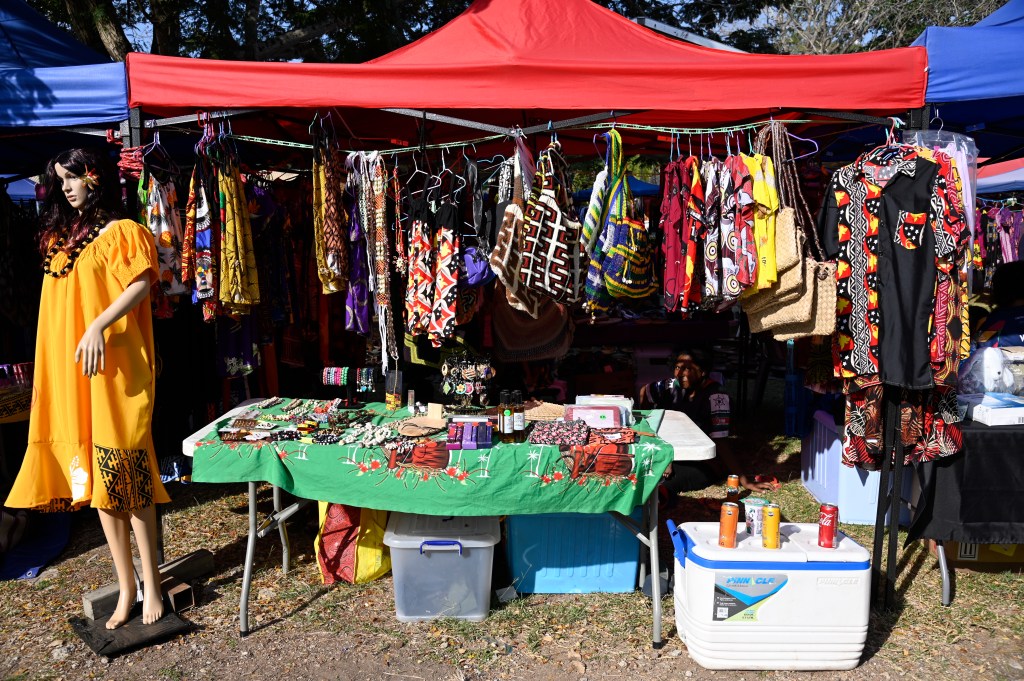
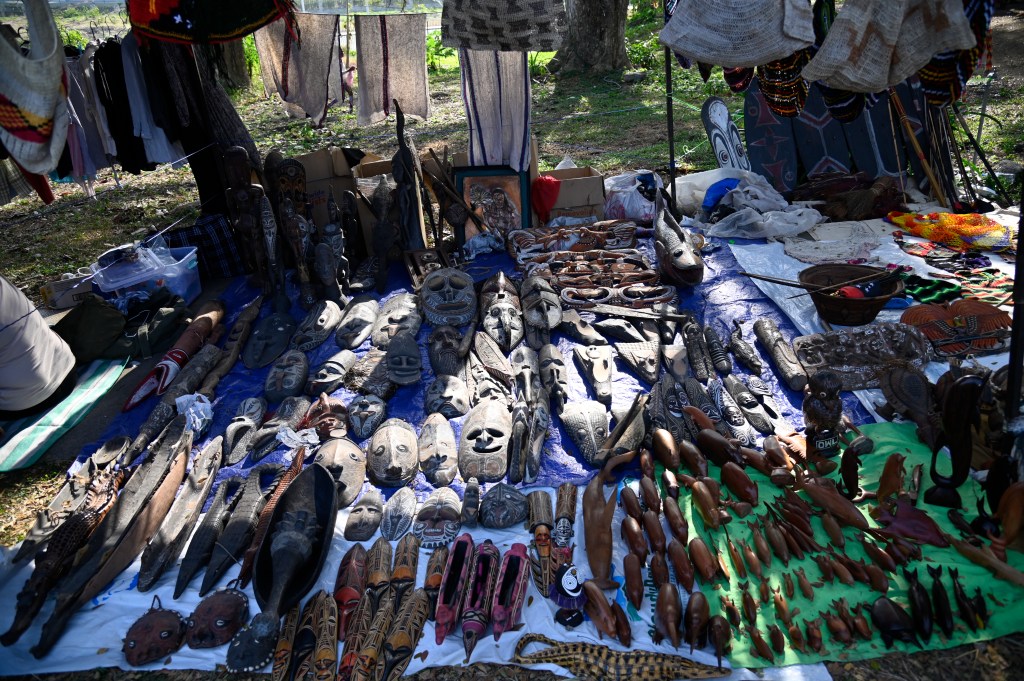
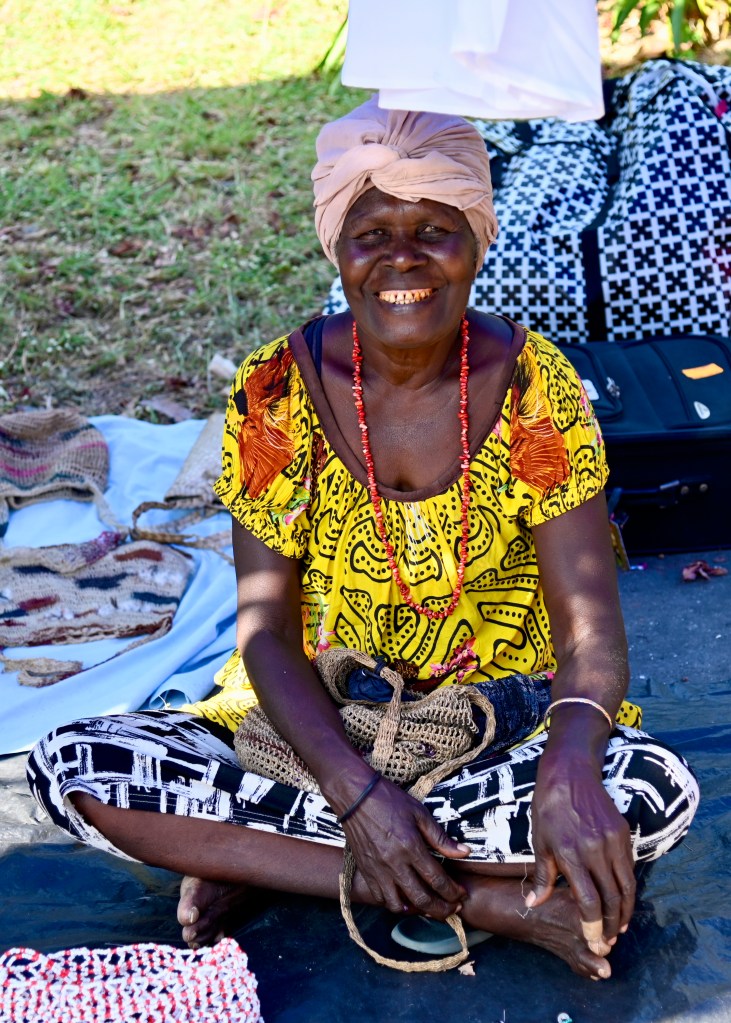
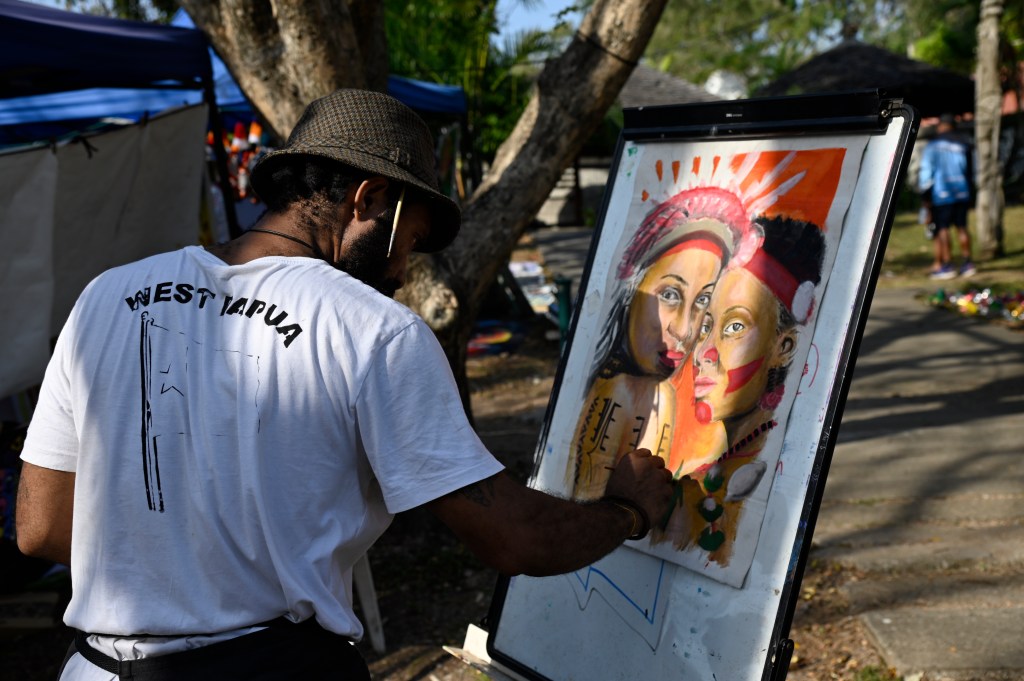
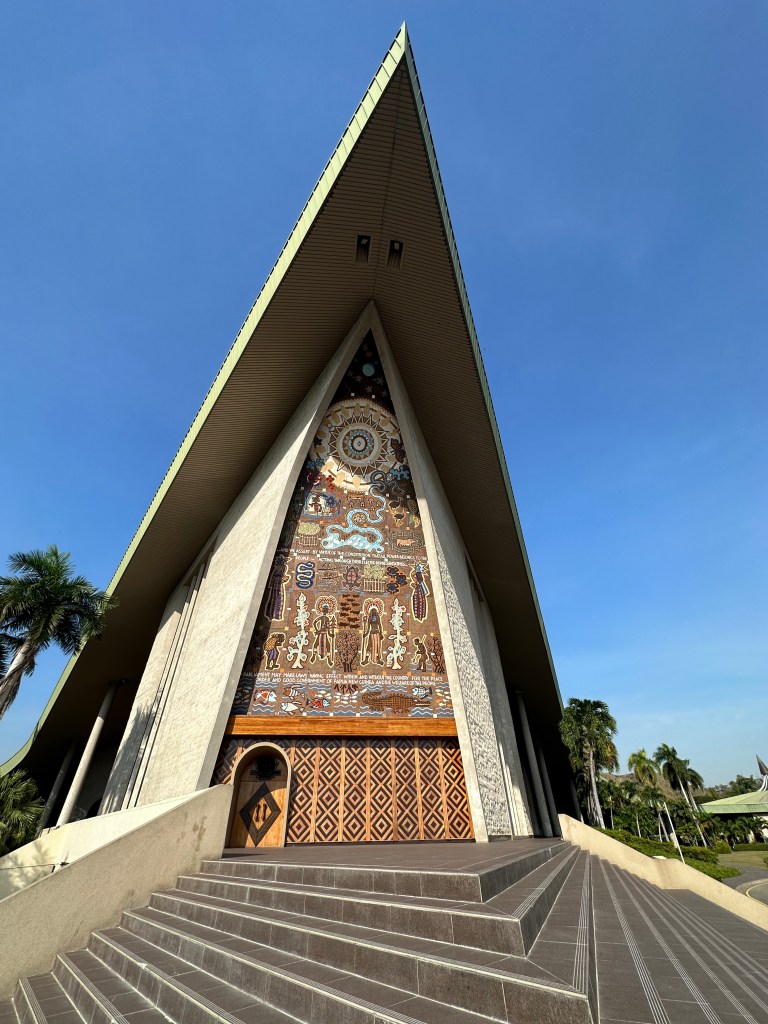
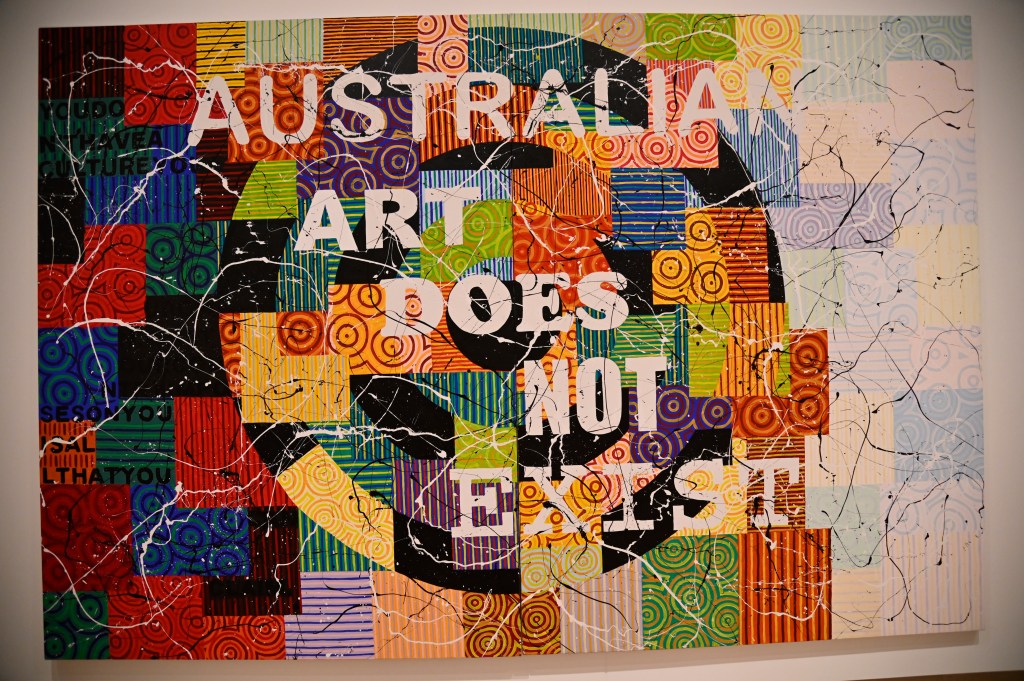
After lunch, we headed to the PNG Parliament building where we had a private tour by the Principal Attendant and had a chance to sit in the viewer’s gallery (though Parliament was not in session) .  He told us about the building itself (opened in 1984), the make-up of parliament, and a variety of traditions and current issues.  Our last stop for the day was a Saturday market outside of the PNG National Gallery – paintings, carving, food, clothing, jewelery, trinkets, and lots of locals socializing while they listened to music from the US played on a large sound system.  We walked in while Los Lobos’ version of “La Bamba” was playing.

And, in a great way to end the day, we watched the Australian women beat France in a shoot-out to decide who would go to the FIFA Women’s World Cup Semi-finals. And while that was going on, I got some made-to-order cotton candy.

(Clicking on an image below will enlarge it in a new window).
Papua New Guinea – Day Three (Aug 11)

The first half of yesterday was taken up by the flight from Brisbane to Port Moresby, the capital of PNG. We had a 9:30 a.m. departure, but needed to arrive at the Brisbane airport by about 7:00 a.m. since our tour director knew that things were going to take a while there. And. They. Did.

But – regardless – we made it here, arriving about 12:45; the plane was totally full, which surprised me a bit, as I just didn’t think – for whatever reason – that there’d be this many folks going. We had plenty of tourists, a few folks going to hike the Kokoda Track, an entire rugby team coming to play a match, and a handful of residents/locals returning home or to visit family.

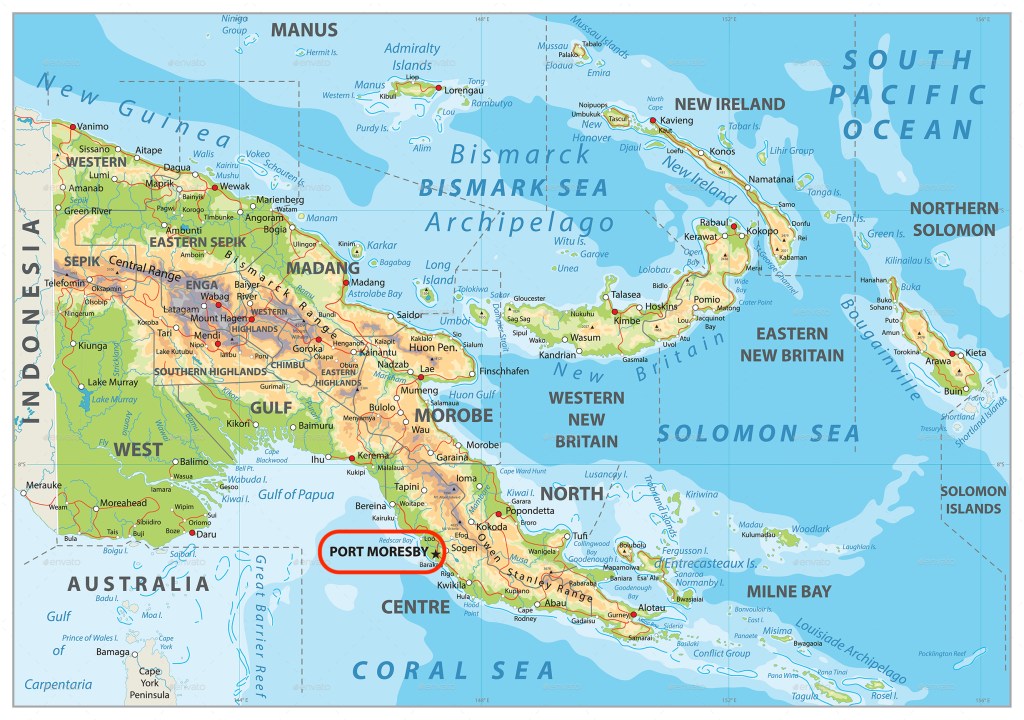
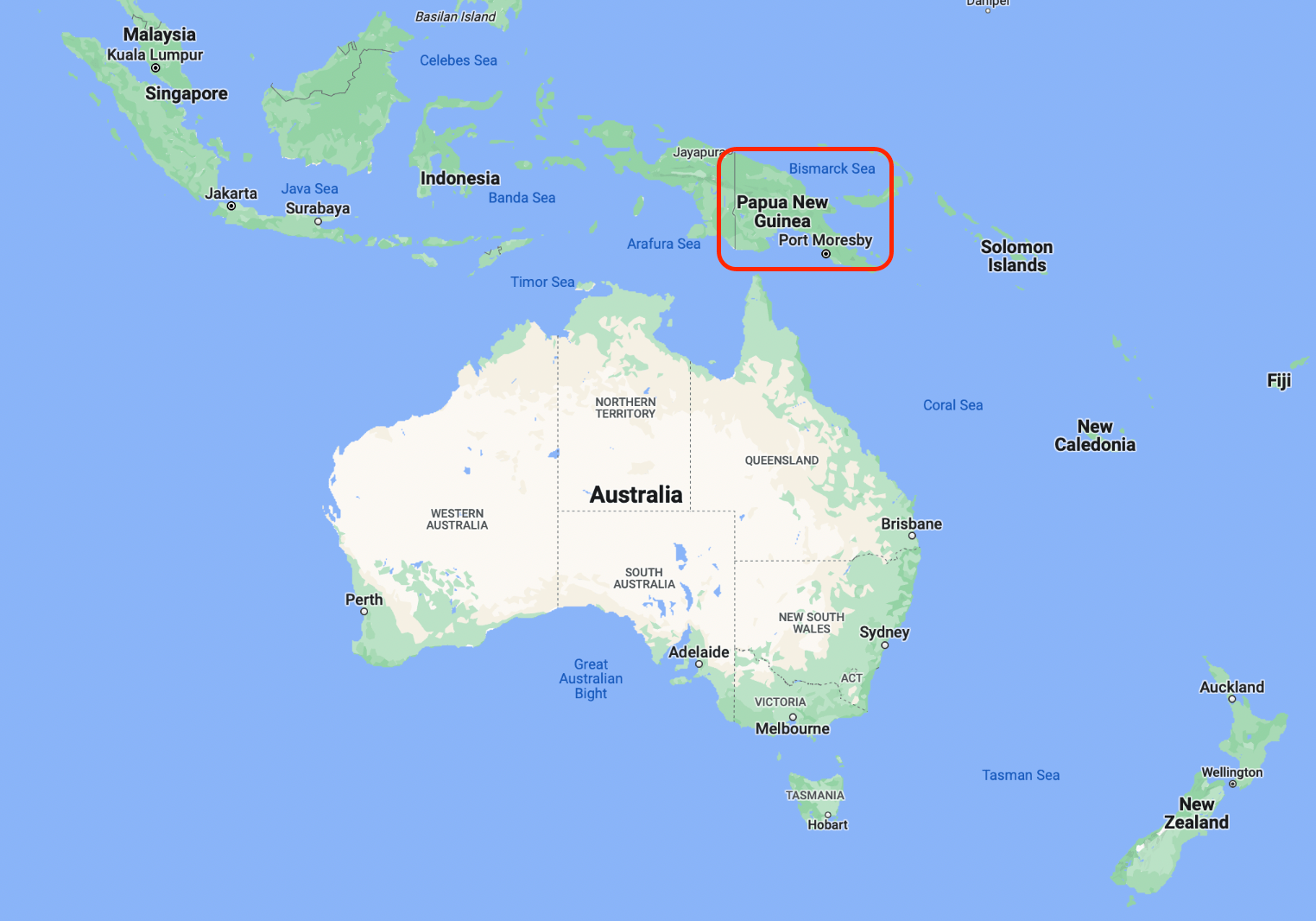
PNG is located on the second largest island (New Guinea) in the world (Greenland is the largest). The island also is considered the largest jungle covered island in the world. It’s divided east and west – the west part being part of Indonesia, while the eastern part – and some smaller islands further east – make up Papua New Guinea. Overall, it’s slightly larger than California, with a population of about 9m; that’s 0.11% (eleven hundredths of one percent) of the world’s population. But – amazingly enough – it has about 840-850 distinct indigenous languages, representing 12% of the total languages worldwide. It gained its independence in 1975 and is part of the Commonwealth of Nations. And – it has the second lowest urban population in the world (Burundi is first), while 40% of the population are subsistence farmers. The island’s hilly and mountainous jungle terrain, as well as its location on the Ring of Fire (resulting in earthquake and volcanic activity) means there is little infrastructure given the cost of implementing it. To that point, Port Moresby – where we arrived today – is almost always rated as one of the “top 10 most unlivable cities in the world” due to poor infrastructure, healthcare, and education. But – strategically – the island was a key battle ground during World War II, with Japan viewing it as the gateway to isolating Australia. As a result, in 1942, there was a protracted battle between the Japanese on one side, and the locals and Aussies on the other, known as the Kokoda Track Campaign.

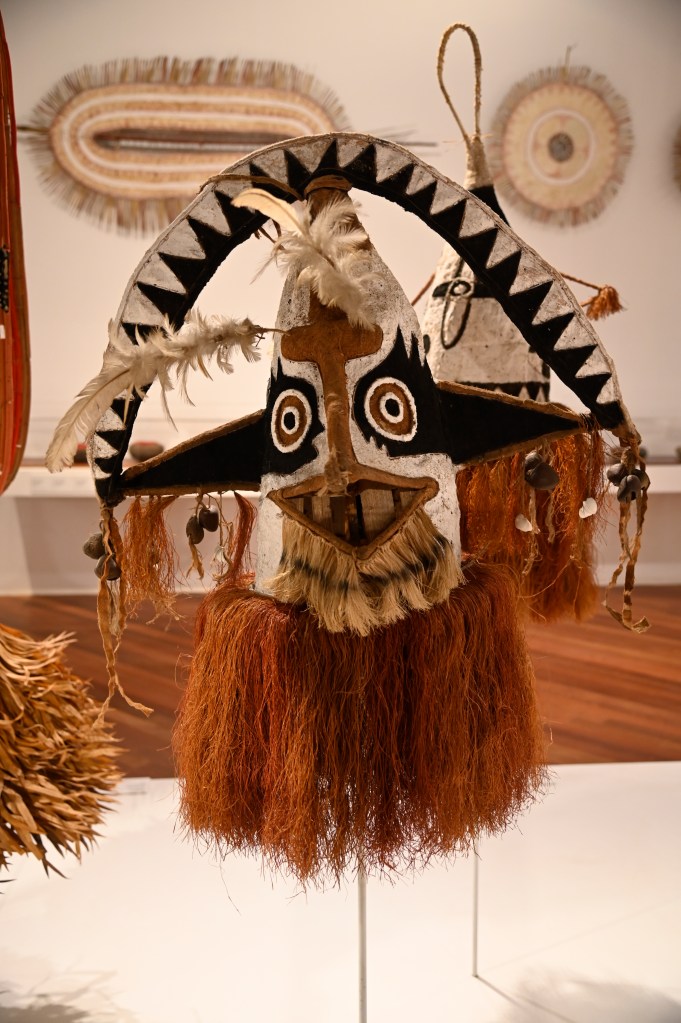
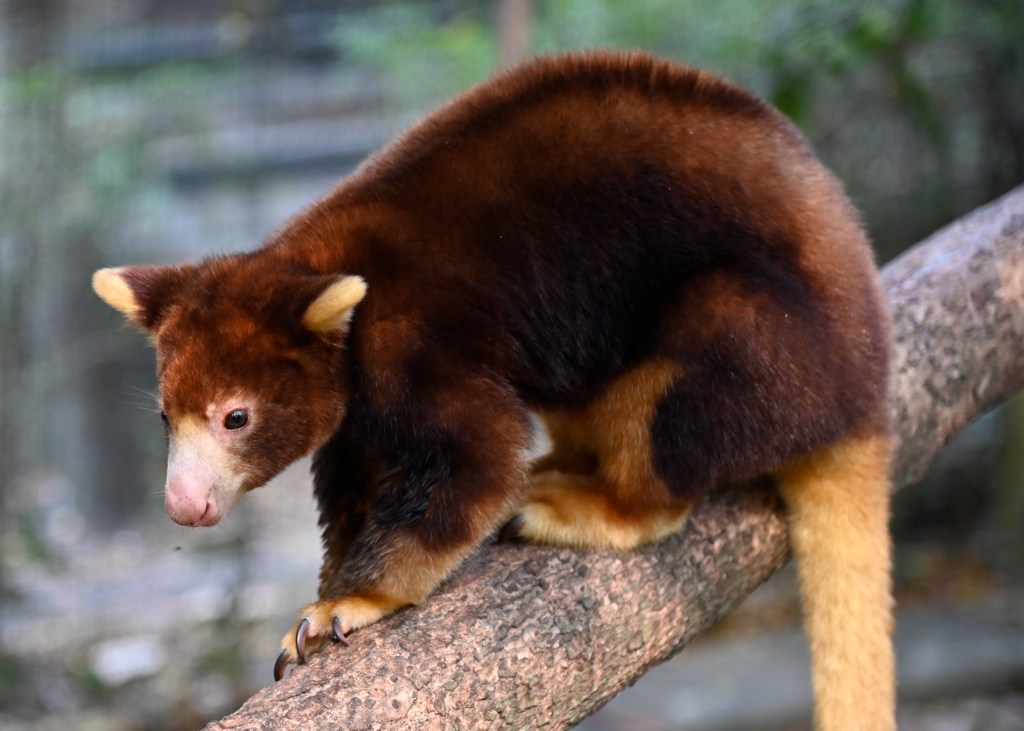
Yesterday, after arrival, we headed first to the National Museum & Art Gallery, where we saw quite a bit of traditional tools, headdresses, clothing, artwork, tools, and totems, followed by a visit to the Port Moresby Nature Park, where we had a chance to see part of their collection of more than 35 indigenous animal, bird, and reptilian species.

It was a long day – so we had a relatively early dinner in time for a good night’s rest before the next day’s 6 a.m. departure to go birdwatching in the wild.

(Clicking on an image below will enlarge it in a new window).
Papua New Guinea Physical Map – highly detailed vector illustration. Image contains layers with shaded contours, land names, city names, water objects and it’s names, highways.
A male bird of paradise doing part of its mating dance

Papua New Guinea – Day Two (Aug 10)

Seriously though, tomorrow’s post WILL be about Papua New Guinea. Yesterday, though, was another day spent in Brisbane.

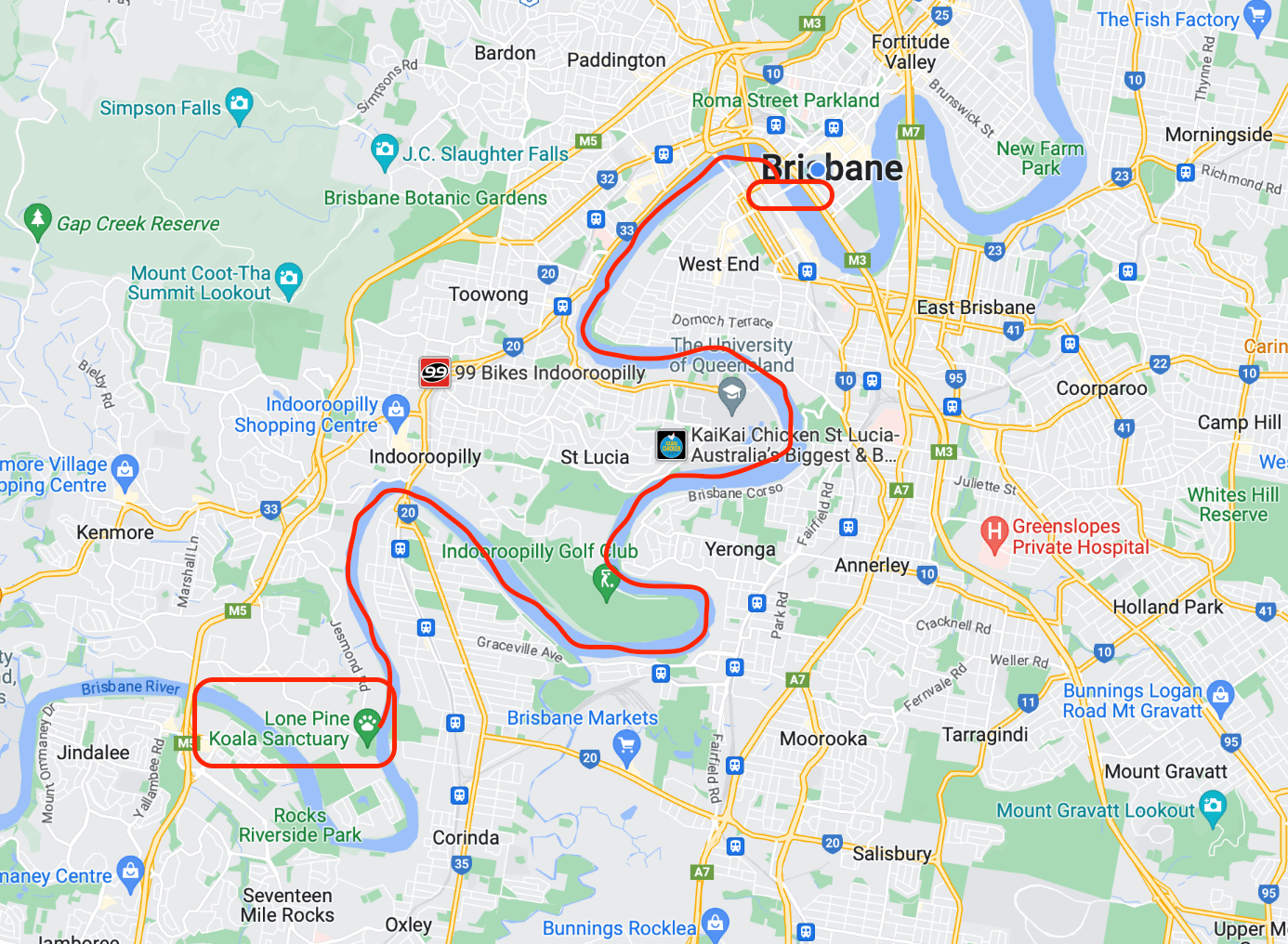
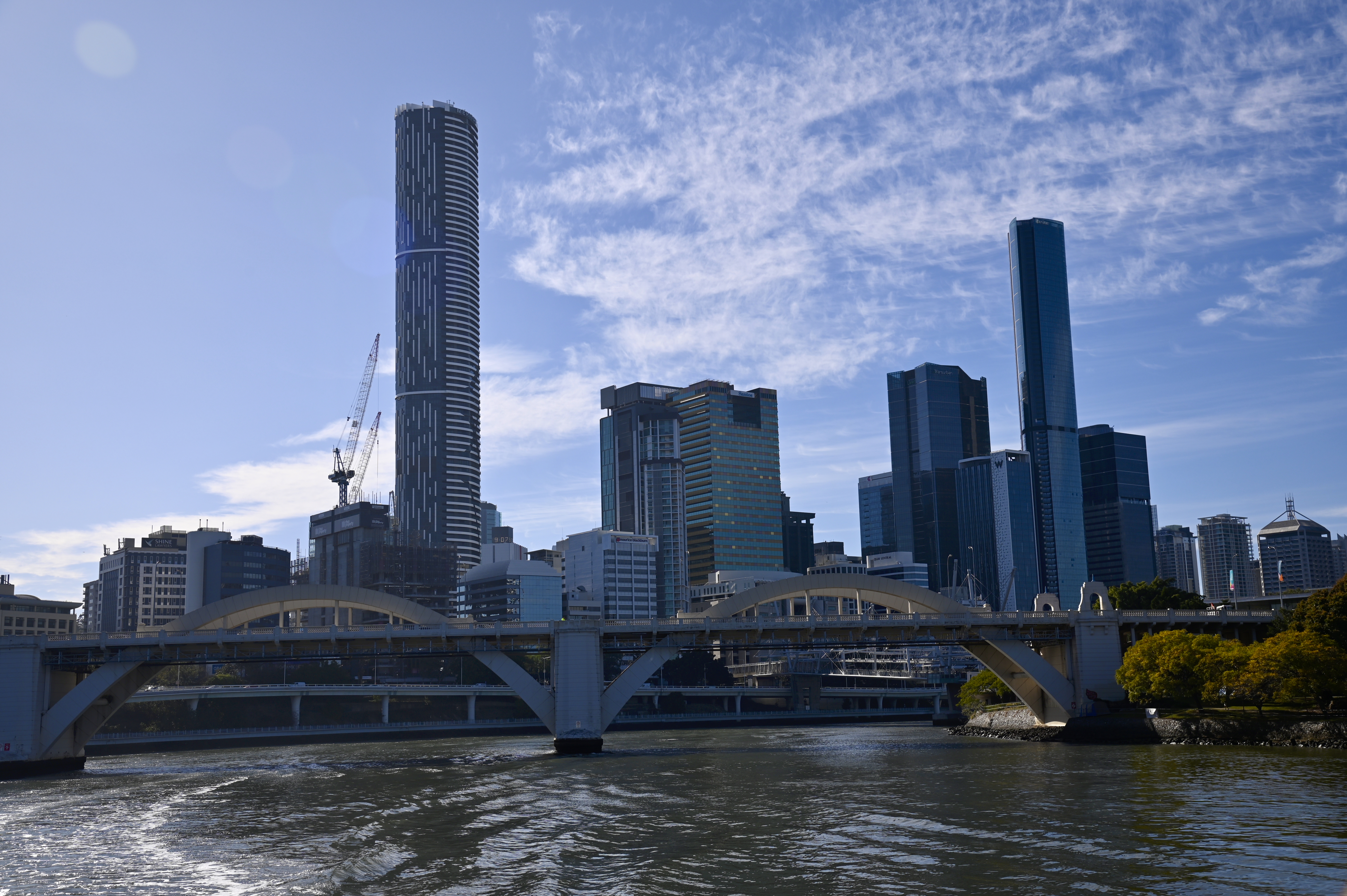
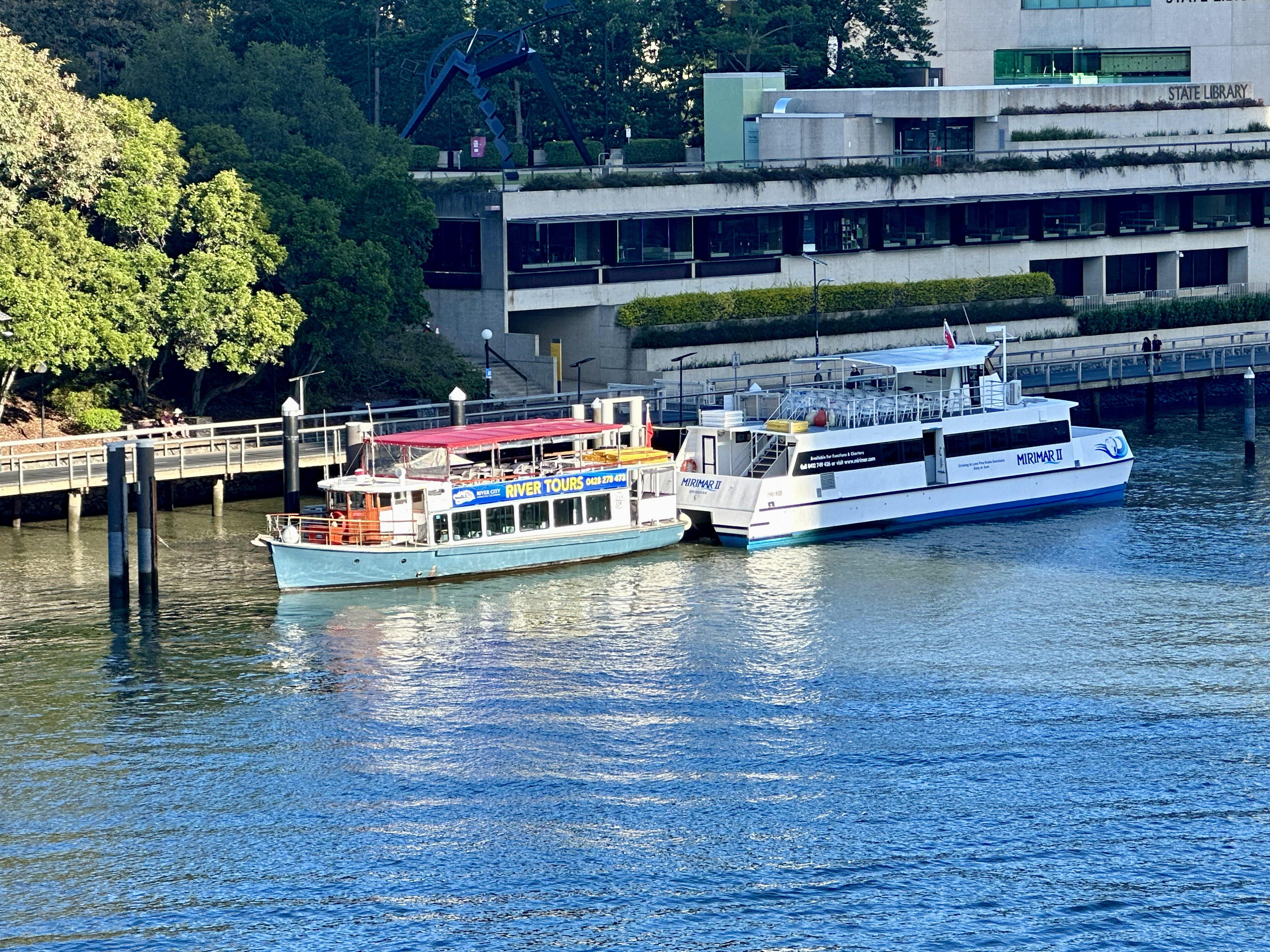
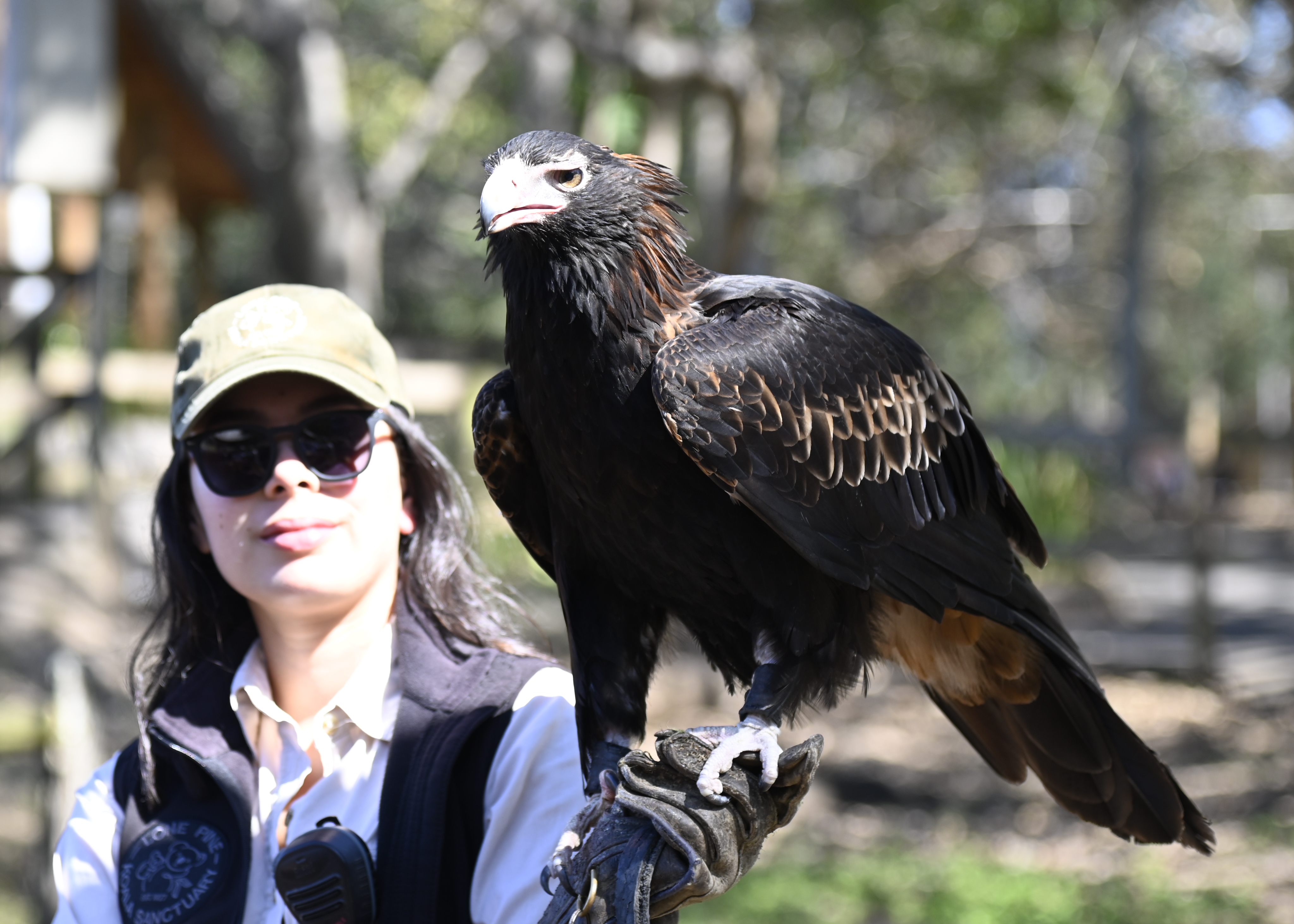
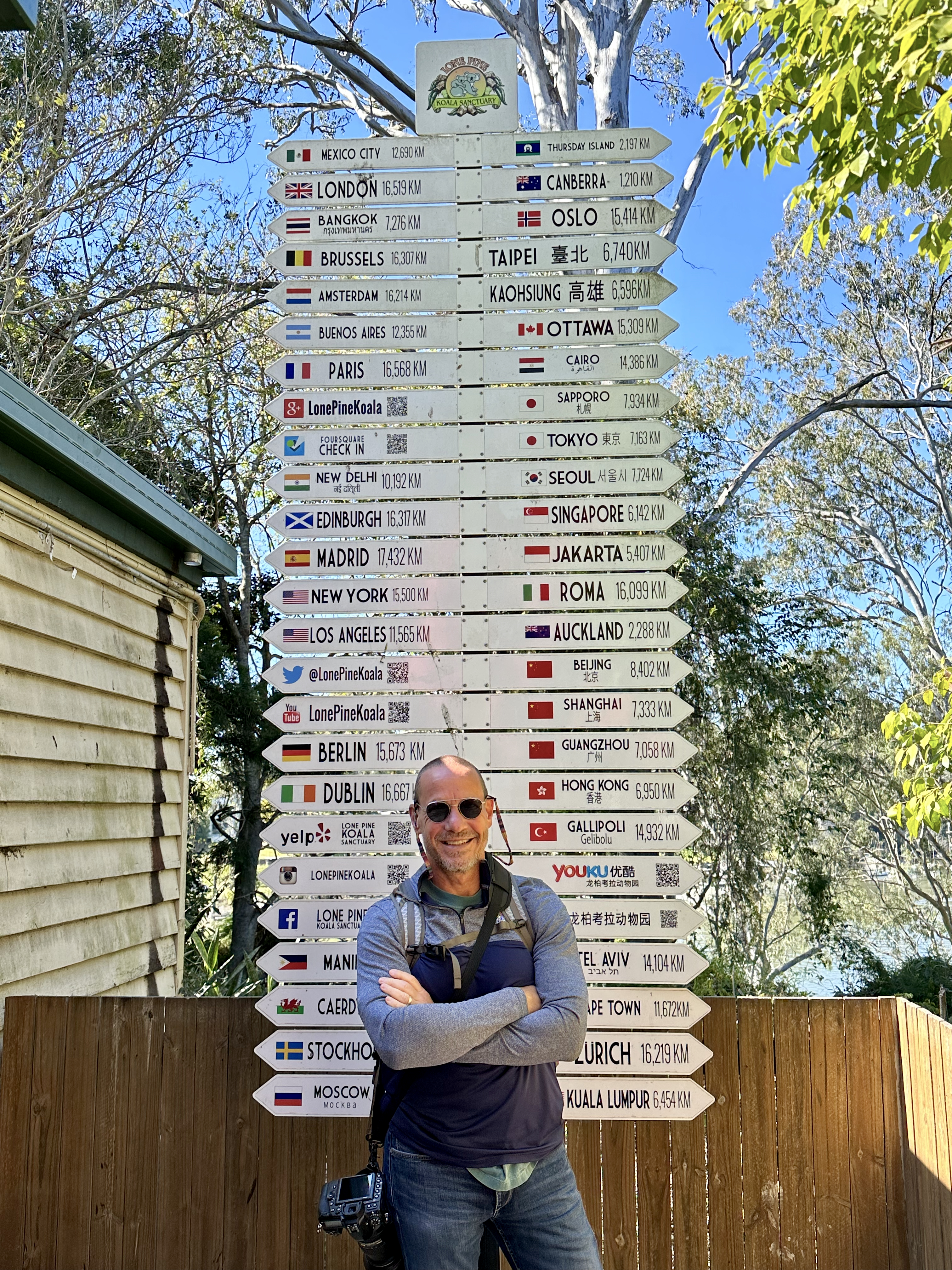
The last time I was in Brisbane was back in 2019 for work, and we had an evening event that included a cruise on the Brisbane River. This trip I decided I wanted to take a cruise during the day, with the added benefit of cruising to the Lone Pine Koala Sanctuary, just south of the city.

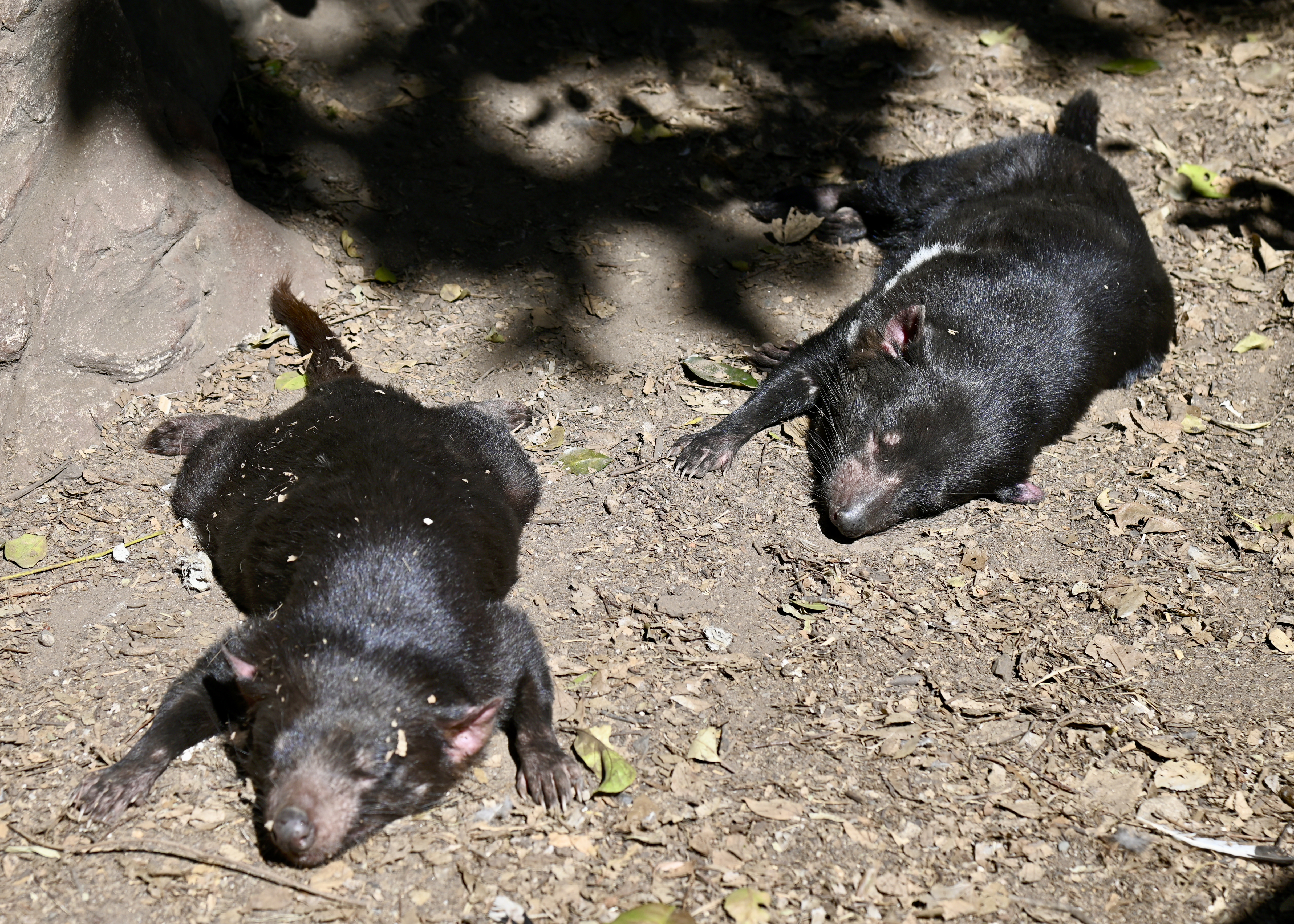
The Sanctuary, opened in 1927, is the oldest and largest koala sanctuary in the world, and it houses about 100 koalas, as well as dingoes, Tasmanian devils, saltwater crocodiles, a variety of birds, reptiles, kangaroos, sheep – all told, about 80 different Australian species.

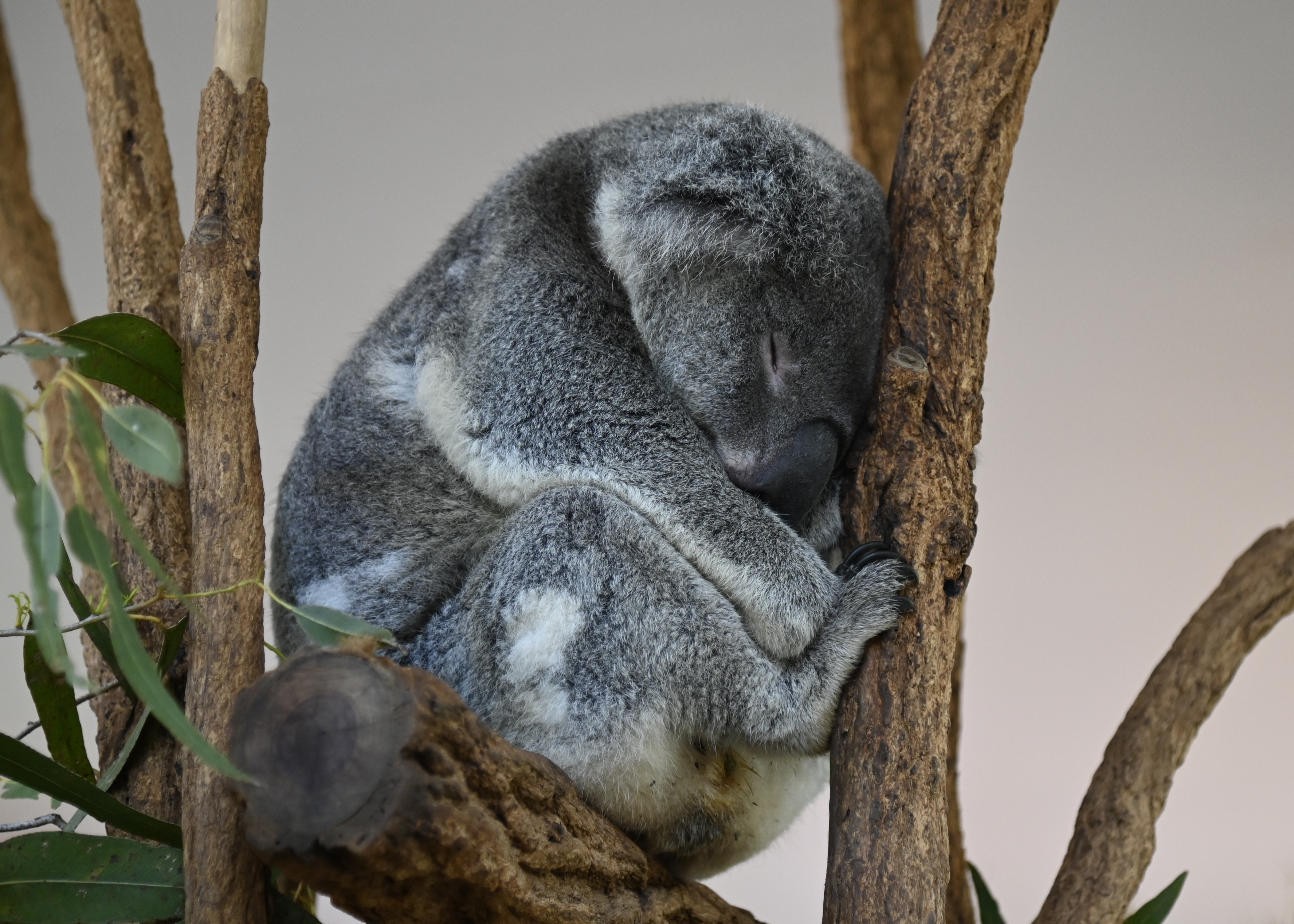
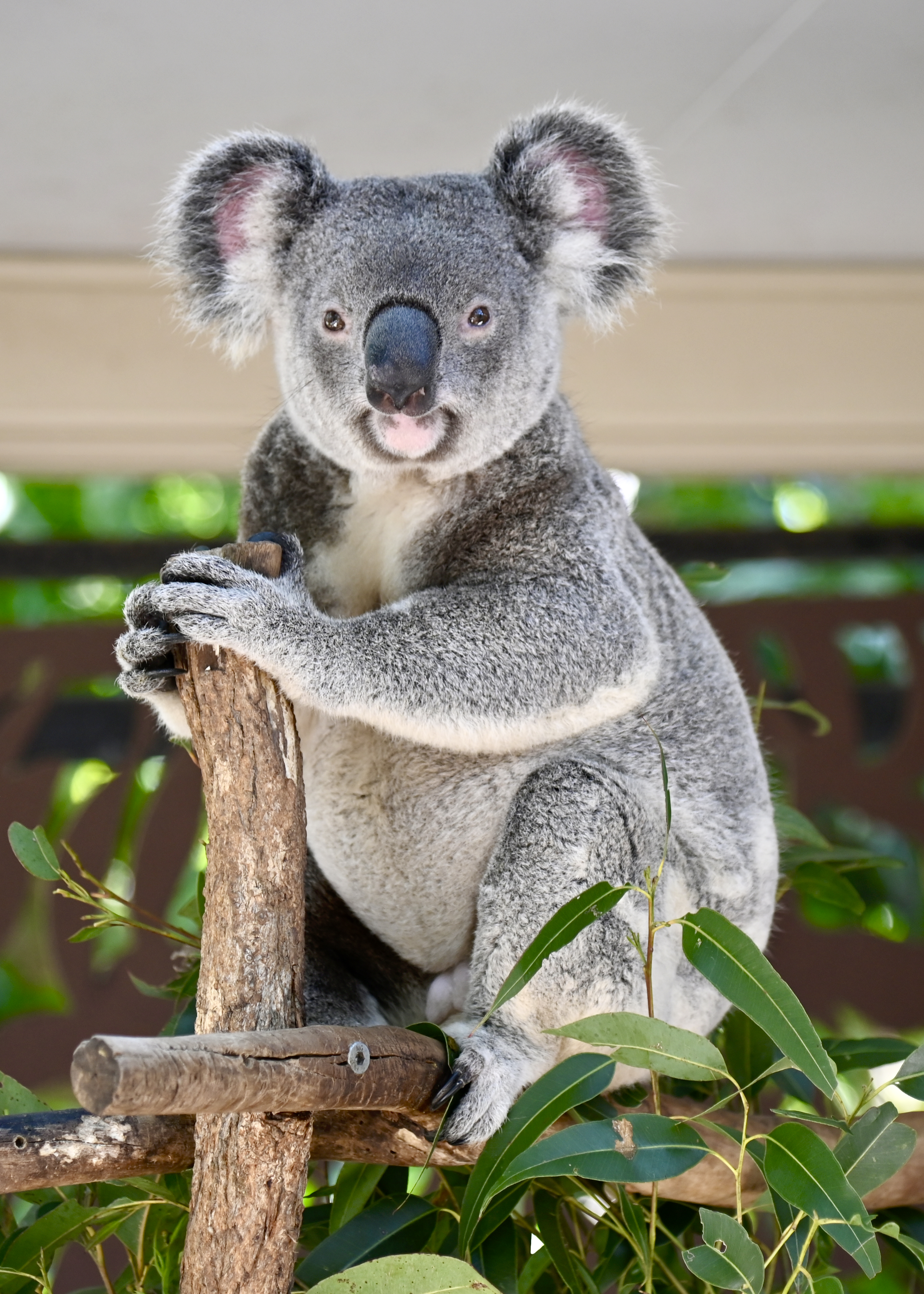
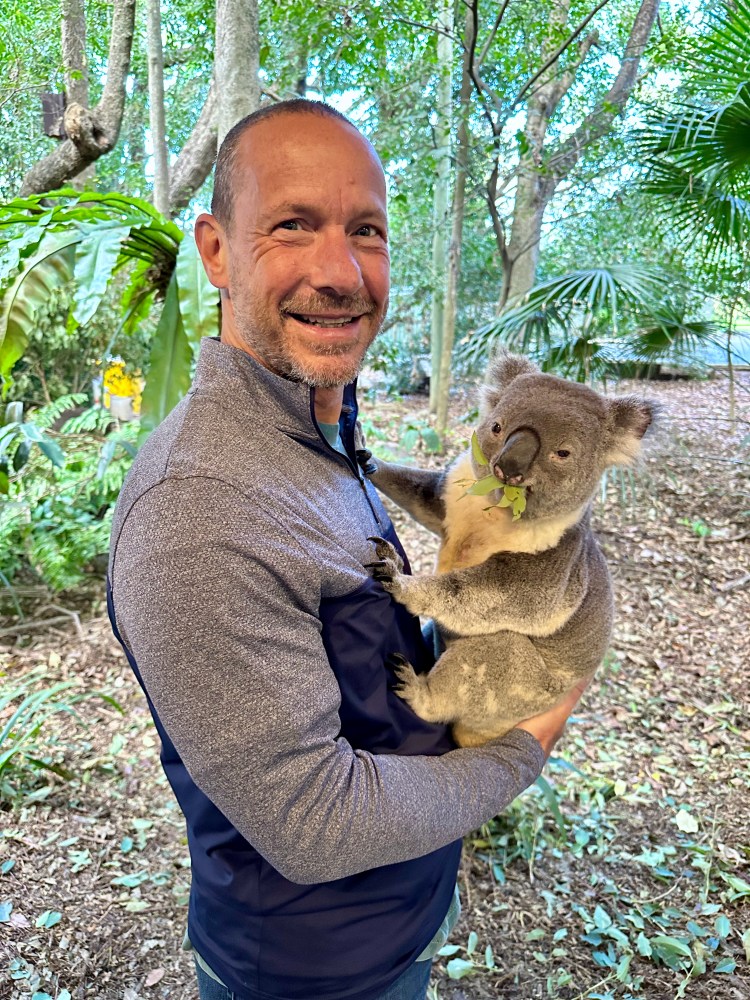
Some fun facts I learned today – koalas aren’t bears (so it’s a mistake to call them “koala bears“), but are marsupials and have pockets like kangaroos. They eat eucalyptus almost entirely, and their digestive systems are specially adapted to allow them to do so. The word “koala” derives from an old indigenous language (Dharug) and essentially means “no drink” – they get so much water from eucalyptus leaves, that they don’t have to separately drink water. But – eucalyptus doesn’t provide much else and, as such, koalas pretty much spend 3-4 hours per day eating and sleeping the rest of the time. Kinda the good life.

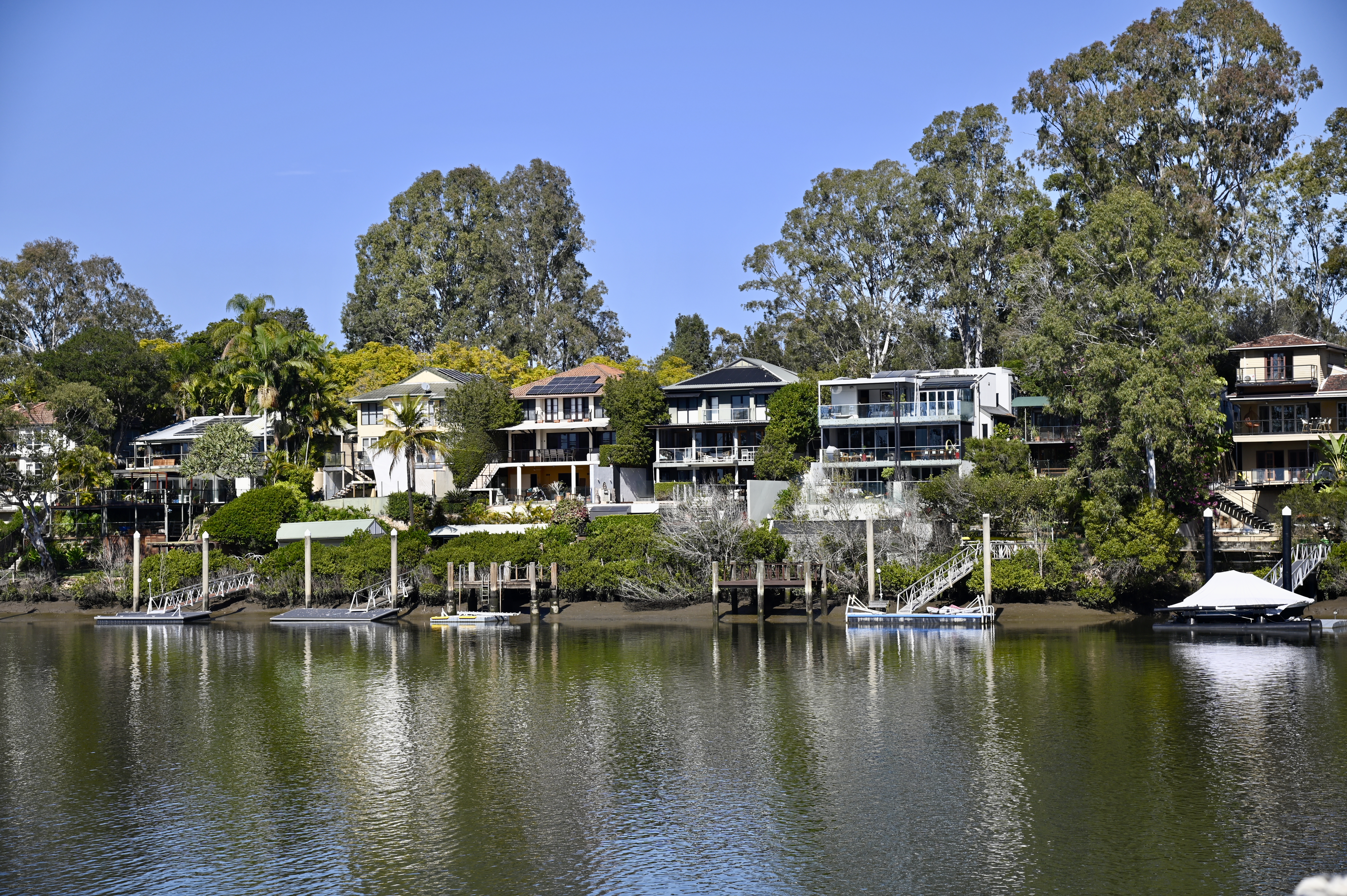
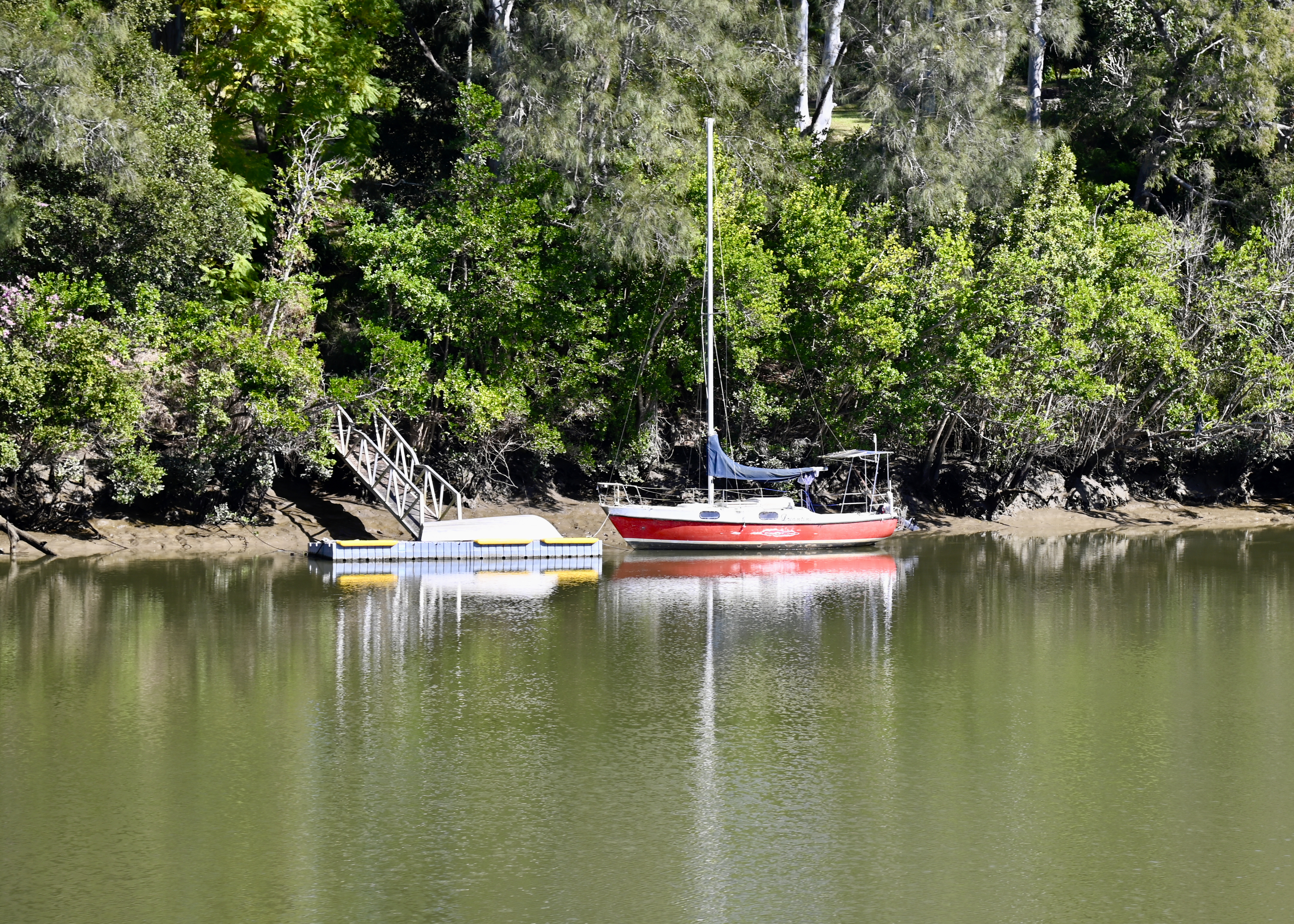
Anyway – it was another gorgeous day here in Brisbane with only partly cloudy skies and temps in the high-60-‘s and low-70’s again, so it was a glorious day for a river cruise. Twisting and turning, we edged out of central business district into the western and southern suburbs, past beautiful homes that lined the river, as well as The University of Queensland, some apartment buildings nearby, and parkland. Brisbane has suffered its share of devastating floods from the river, the most recent of which was in 2022, resulting in more than 23,000 homes being inundated and with power outages impacting over 51,000 homes. There’s still some evidence of that flood along the path we took.

The cruise back-and-forth to the Sanctuary was about 70-75 minutes; the dock in Brisbane is a 10-minute walk from my hotel, while the dock at the Sanctuary is at a the bottom of a set of steps that leads directly to the entrance; in fact, when first opened the only way to get there was by boat.

It was a great three hours at the Sanctuary – a chance to learn about the species being cared for there while walking around in fresh air and sun and continuing to get over my jet-lag.

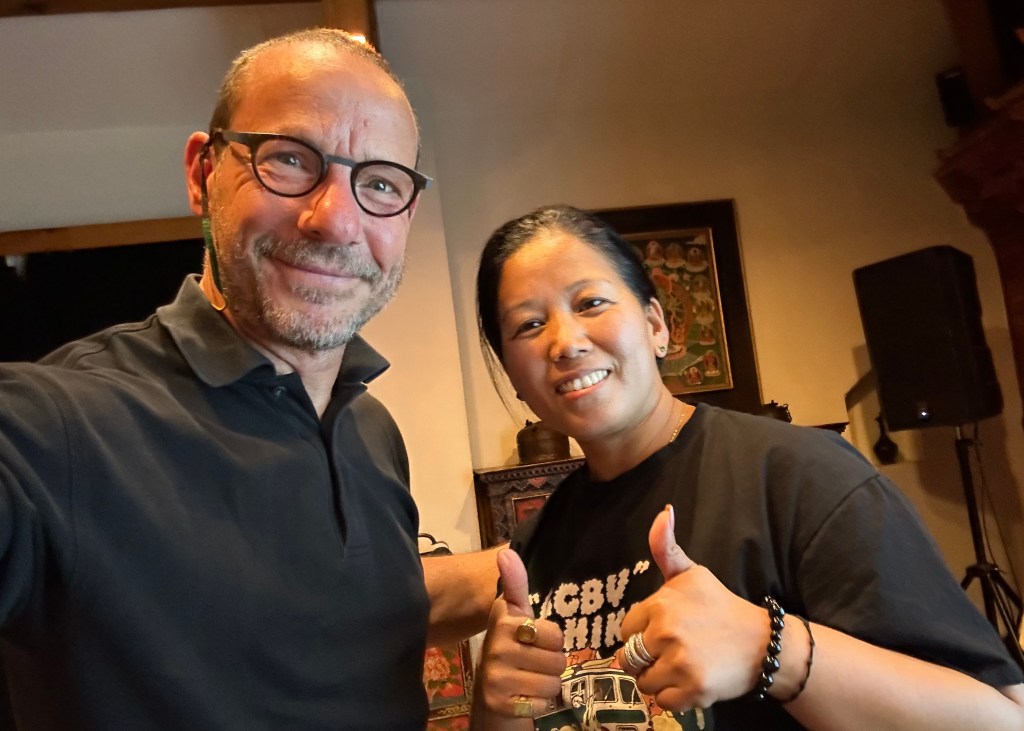
After the cruise back to the city, it was a lazy afternoon and dinner where I met the tour director and my travel companions for the next eleven days.

(Clicking on an image below will enlarge it in a new window).
Papua New Guinea – Day One (Aug 9)

Admittedly, the title of this post isn’t accurate. Yesterday wasn’t about PNG, it was, instead. a day spent in Brisbane after 24 hours or so of travel, from DC to Charlotte to LAX to Brisbane (that last leg was 17 1/2 hours gate-to-gate).

I did grab about six hours of sleep on the last long leg and that made all the difference. The jet lag didn’t really hit me until bout 5:30 pm, a day spent mostly outdoors.

Brisbane is on the east coast of Australia (you’ll see it on the map from my first post of this trip), is the capital of Queensland, was established in 1825, has a population of about 2.6m people, and will be hosting the 2032 Summer Olympic and Paralympic Games. It’s also where some of the FIFA Women’s World Cup games are being held though, unfortunately, I’m missing the last two matches being played here – the quarterfinals (Australia vs. France) this coming Saturday and the consolation game on August 19th. It’s the third time I’ve been to Brisbane (the first was in 1996 – the late 20th century!, during the Atlanta Olympics – though that’s a story for another day) and – as best memory serves – I’ve done different things each time I’ve been here.

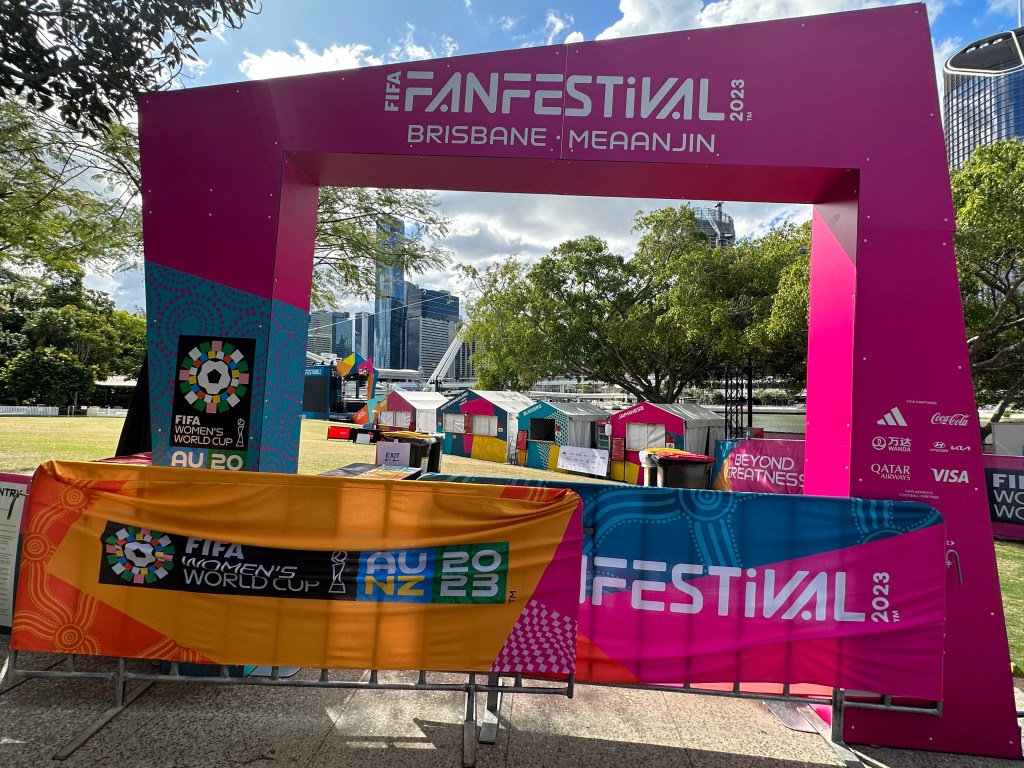
Yesterday was about trying to take it easy. Brisbane seems to be designed to take advantage of the Brisbane River, which twists through the city (an Uber driver said it’s known as the Brown Snake River, both for its silt-tinged color and its pathway). So, after settling in at my hotel, I took a walk – down to and across the river, from the north bank to the south, then into two museums that sit on the river bank – the Queensland Museum and the Queensland Art Gallery. After that, it was a walk along a river-side bike and pedestrian promenade, leading to the site of the FIFA Fan Festival (closed today, as there were no matches), restaurants, and parks.

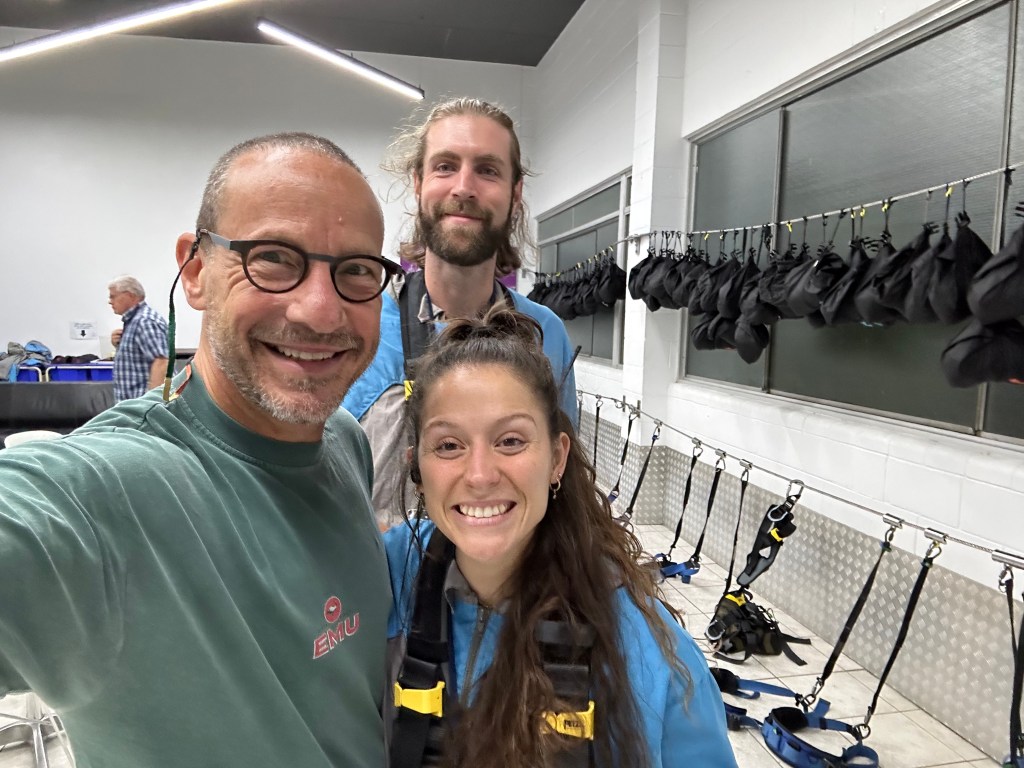
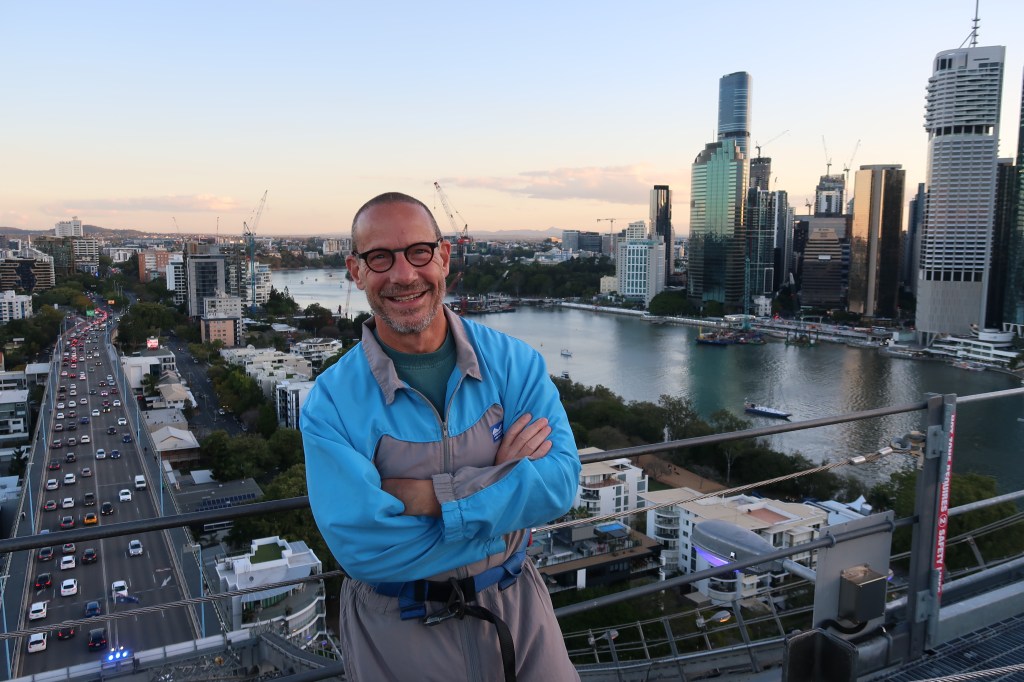
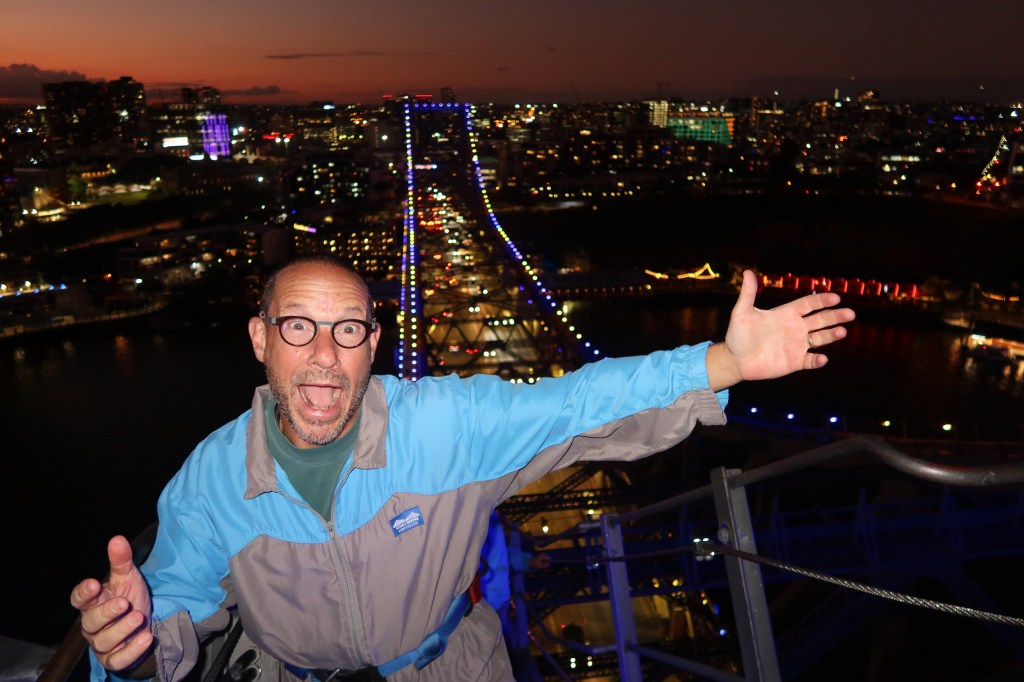
The highlight of the day, though, was a twilight climb to the top of the Story Bridge. This bridge, completed in 1940, spans the Brisbane River and is the longest cantilevered bridge in Australia. It stands about 245 feet high, and the climb (really a hike up steps high – like waaaayyyyy high – above the roadway) is made in small groups, everyone in matching jumpsuits, with harnesses wrapped around our waists and attached to cables lining the path. The only company that manages the climbs requires each customer to take a breathalyzer test before going and to empty their pockets and person of everything – wallets, phones, cameras, bracelets – pretty much everything except eyeglasses (which are then attached to the jumpsuits) and wedding bands. Other interesting facts: the climb itself is comprised of over 1,000 steps, and the bridge was built with about 1.25m rivets (yes, million). My climb went at twilight, which mean we got to see the sunlight and lights changing spectacularly over the city while taking in the amazing 360-degree views over the course of the two hours it took to complete it.

It was a good first day to adjust to the time change – fresh air and temps in the high 60’s to low 70’s with mostly clear skies.

(Clicking on an image below will enlarge it in a new window).
Papua New Guinea – Intro (Aug 9 – 21)

Headed off to Papua New Guinea, with an initial stop in Brisbane, Australia for a couple of days. I’ll write more about both Brisbane and Papua New Guinea (I’ll be calling it “PNG” going forward) in the days ahead, though I’ll say that my primary reason for visiting PNG is the Mt Hagen Sing Sing Festival (and more on that later too). Back in 2019, when I went to Antarctica, I met someone on the ship who told me how wonderful this Festival is. So – it’s been on my list since, and now I’m on my way.
Bangkok, Bhutan, and Nepal – Day Ten

April 26, 2023 – Everest and More

First off, I guess I should forewarn about a longer than usual entry and photos . . .

How do you write about the experience of flying by helicopter, on a sunny and misty-to-clear morning to get unparalleled views of Mt Everest and the Himalayan peaks that surround it?

Five of us had reserved a chopper journey to see Everest up close. We had a 5:30 a.m. gathering, with the risk that, if the weather didn’t allow for it, the trip wouldn’t happen. This is the peak, though, of climbing season; as Maya Sherpa told us last evening they were expecting 500 people at base camp who would be attempting the summit (those 500, by the way, are supported by any number of cooks, sherpas, doctors, expedition leaders, and more). And, because it was peak climbing season, it was also possible that our flight would be delayed due to rescue missions, which would take priority over our tourist jaunt.

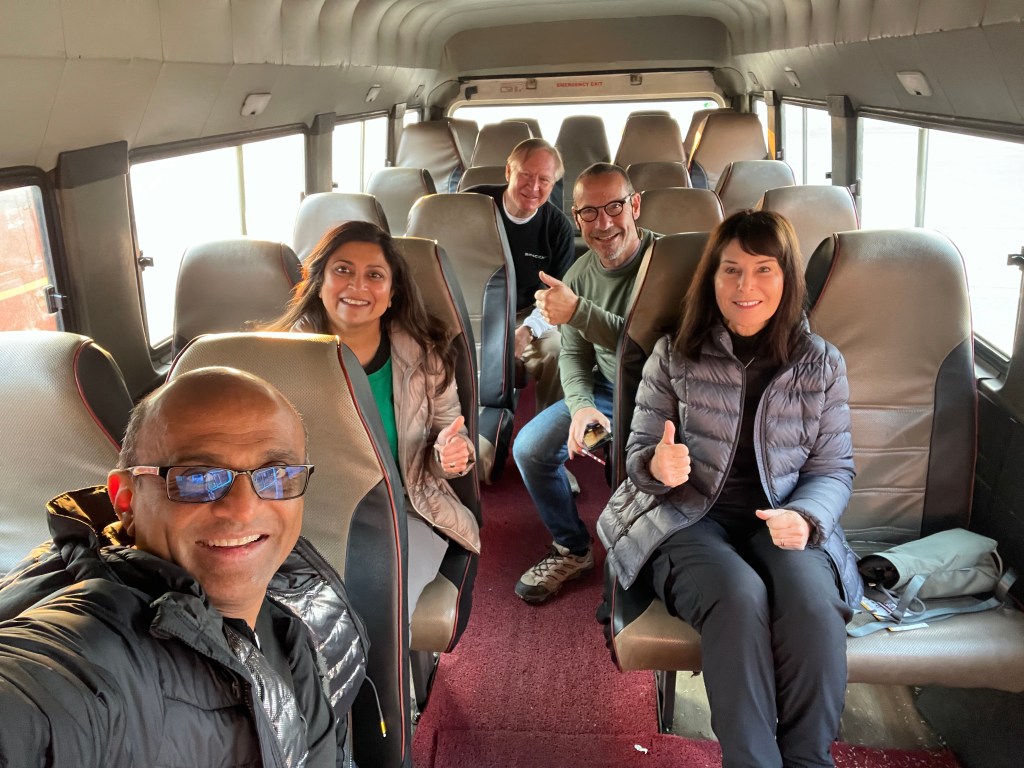
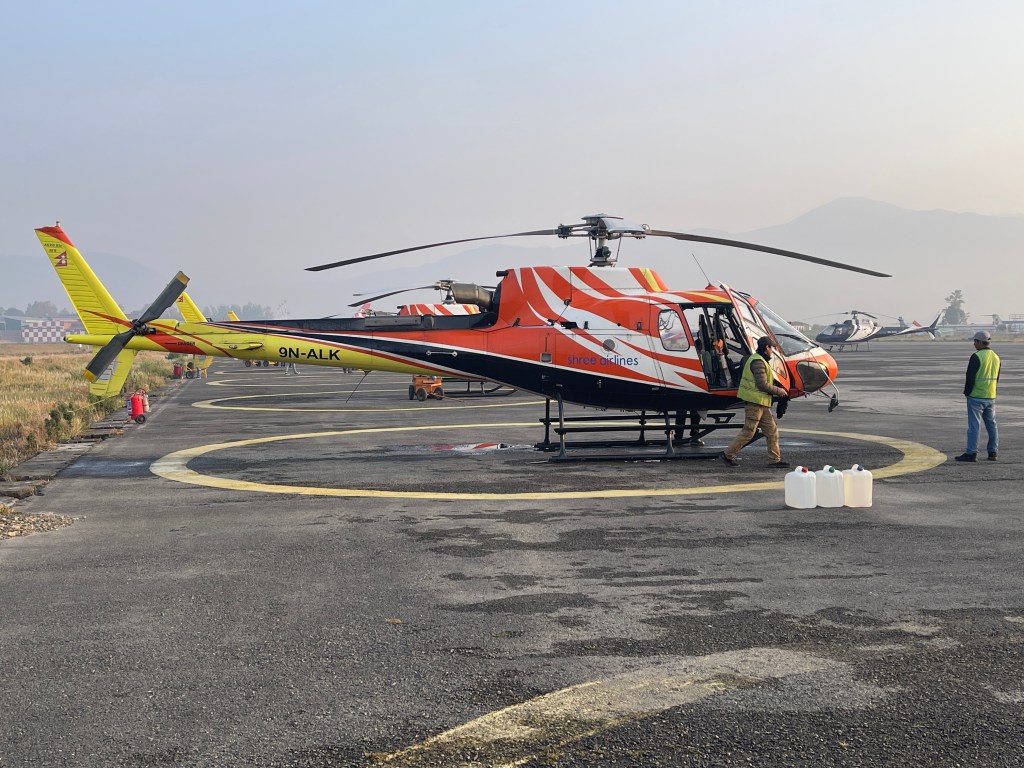
Bleary-eyed, we had some coffee, awaiting the call to go to the airport to see if our helicopter would be ready. That call came at about 5:45. After a 10-minute drive, we made it through airport security and were escorted out to a van that would take us to the domestic helipad from the terminal. Joining us on the van were five other folks – two couples and a single traveler. Everyone had eager excitement, but when the two couples had told us that this was their third day in a row trying – the prior two days had been cancelled due to weather – admittedly the nerves kicked-in. We drove to the helipad; they spied the pilot who had to deliver the bad news the prior two days. This time though, luck held and we five boarded our own helicopter while the other five watched us take off; we felt bad about leaving first, but we did see them later in the day.

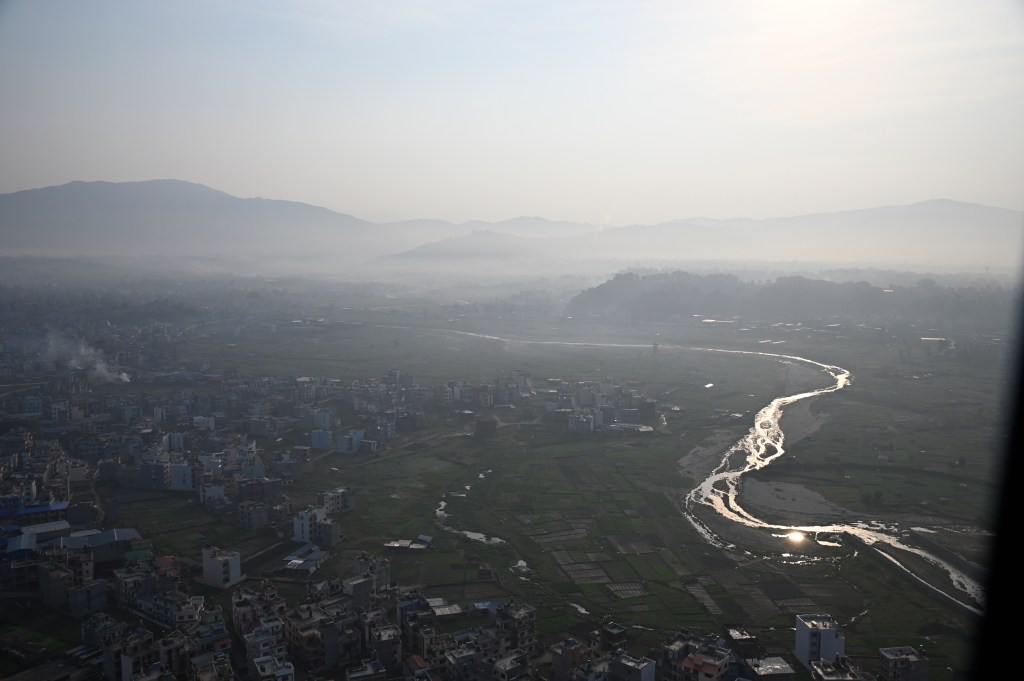
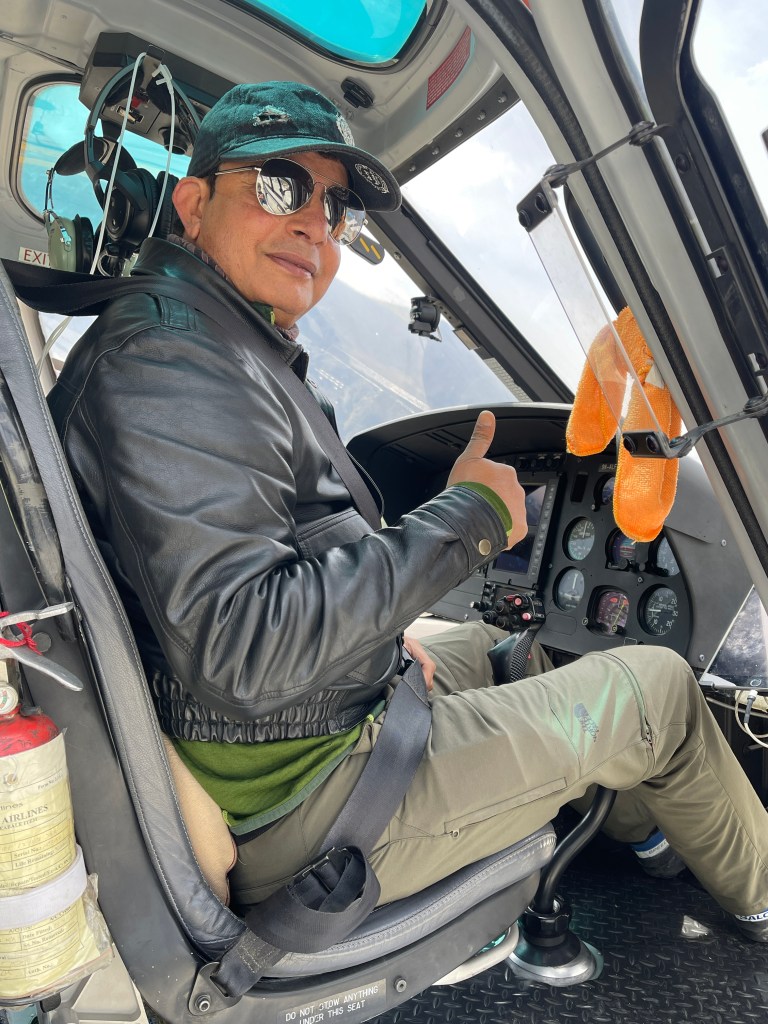
One of us sat in front, while the rest sat in the back. We put on seatbelts and headsets; as the only one who had a regular camera, I got the window seat on the left hand-side (the pilot was front-right, attached to an oxygen tank, which is required for flying over a certain altitude). The morning was misty and low 80’s as we left the Kathmandu airport.

Maybe it’s best to describe it this way:

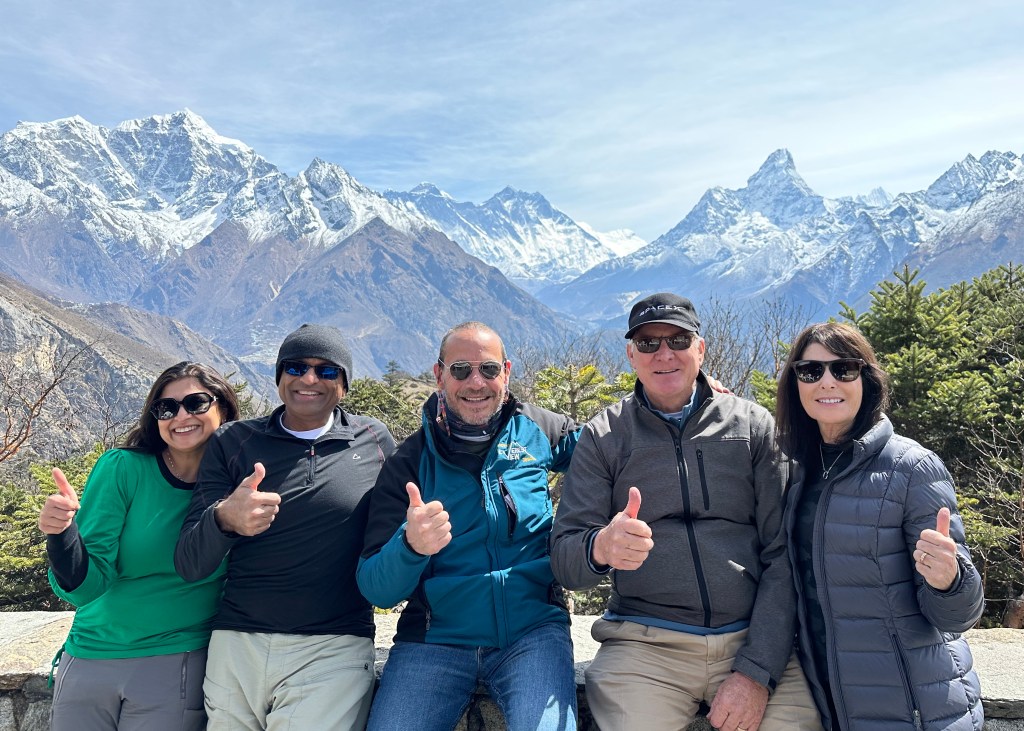
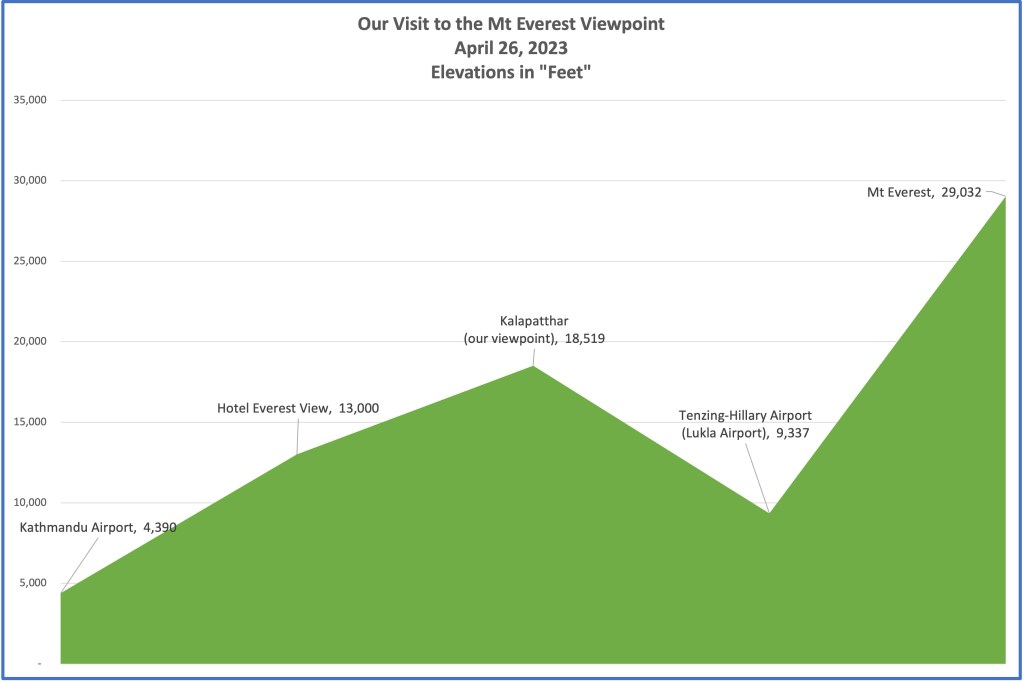
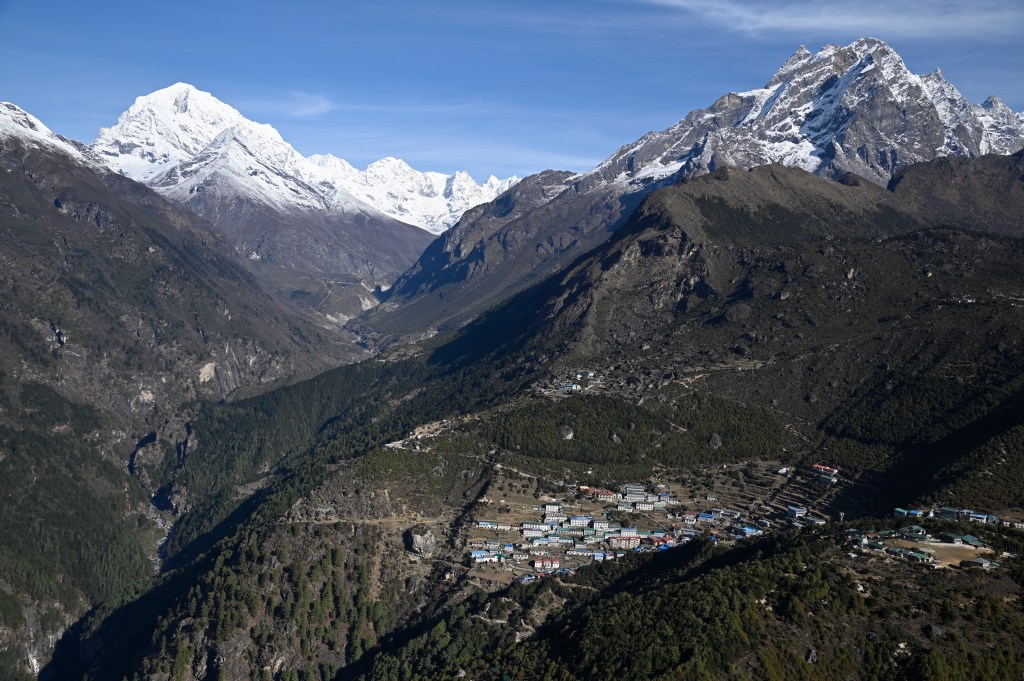
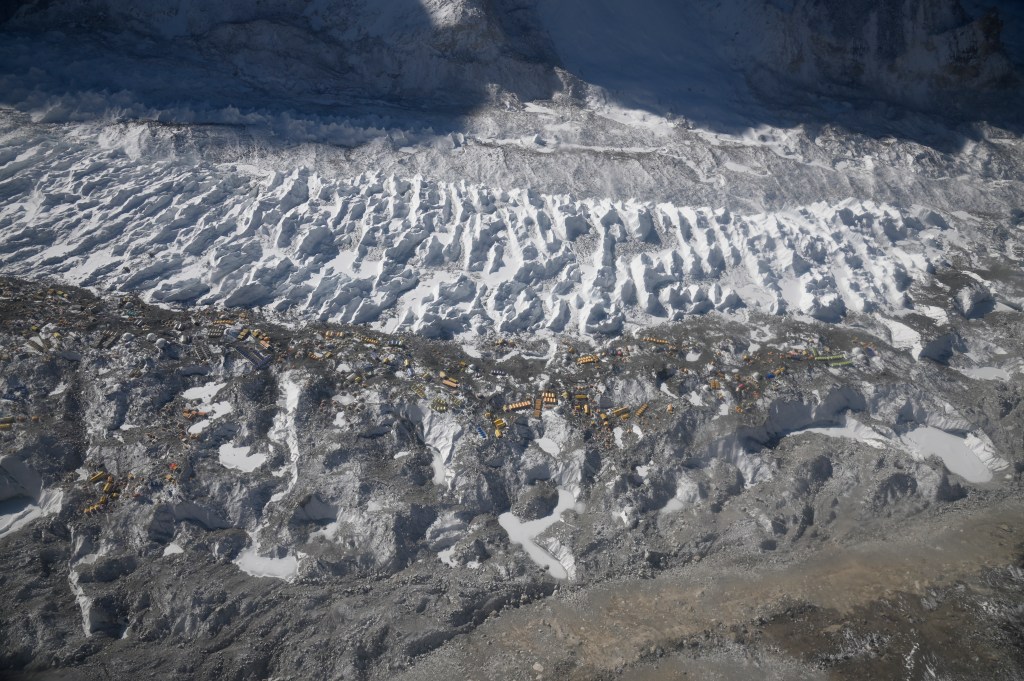
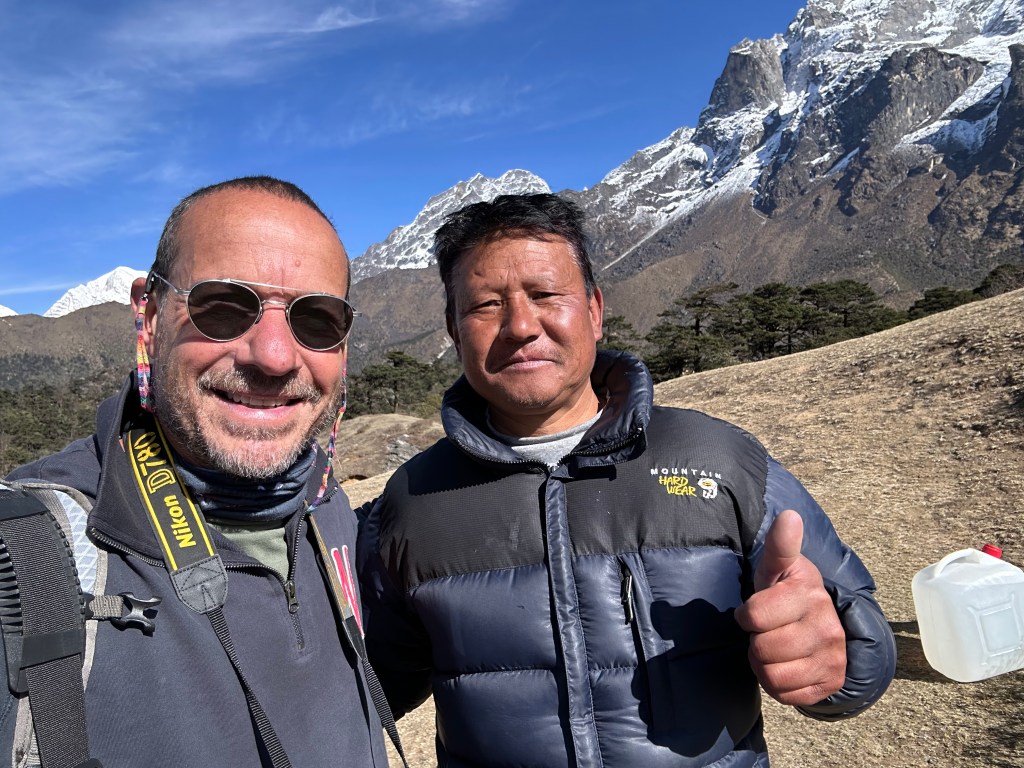
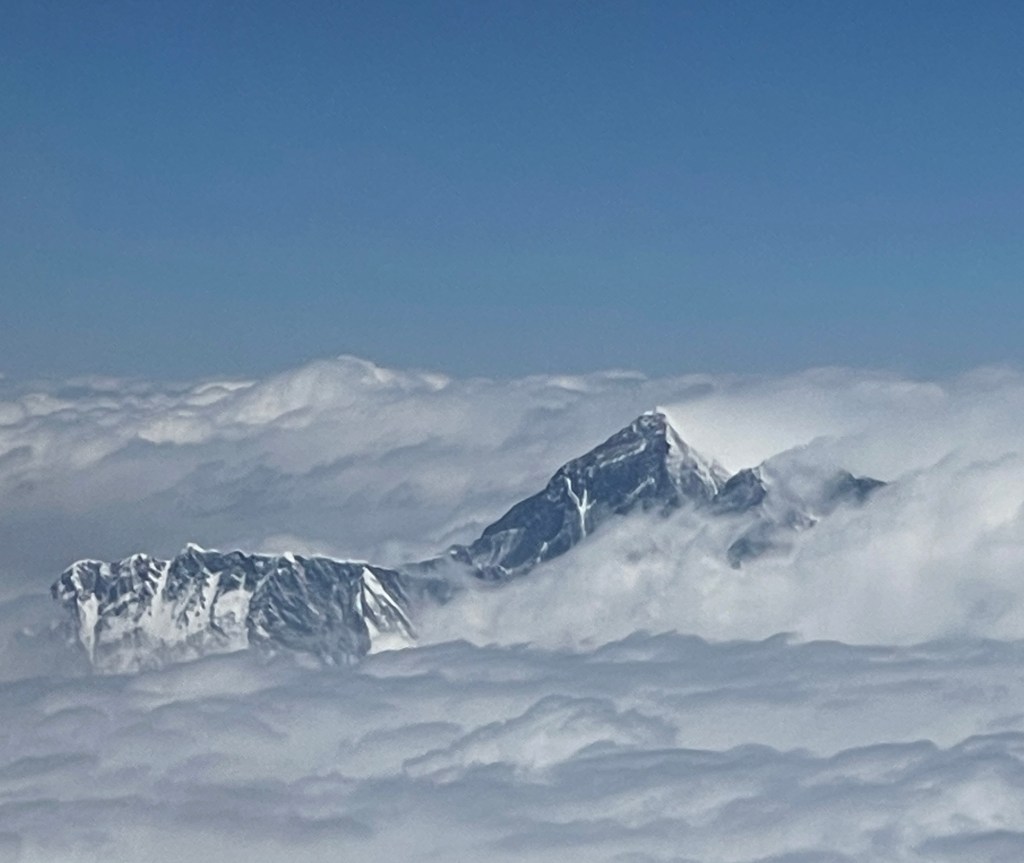
  • We first flew from the airport, at 4,300 feet, for about 30-45 minutes, to the Hotel Everest View, the highest hotel in the world at 13,000 feet, situated in the middle of Sagarmartha National Park, a UNESCO World Heritage Site, still in Nepal. We landed on a marked patch of grass and were greeted by a handful of staff who worked either for the chopper company or the hotel or both. Along the way we flew over ridges, past the Everest base camp, and gradually gained altitude that two of us tracked on our phones.
  • There, we dropped off three passengers so that me and one other could make the next leg alone. Due to weight restrictions to go higher still, the pilot divided us into those two groups.
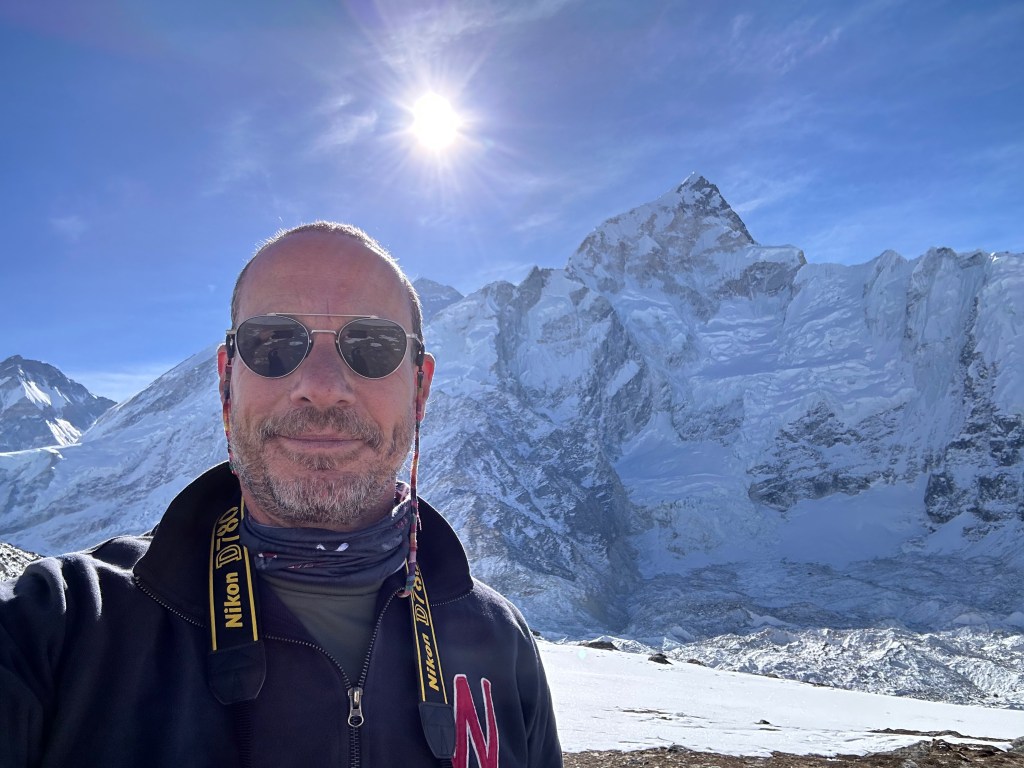
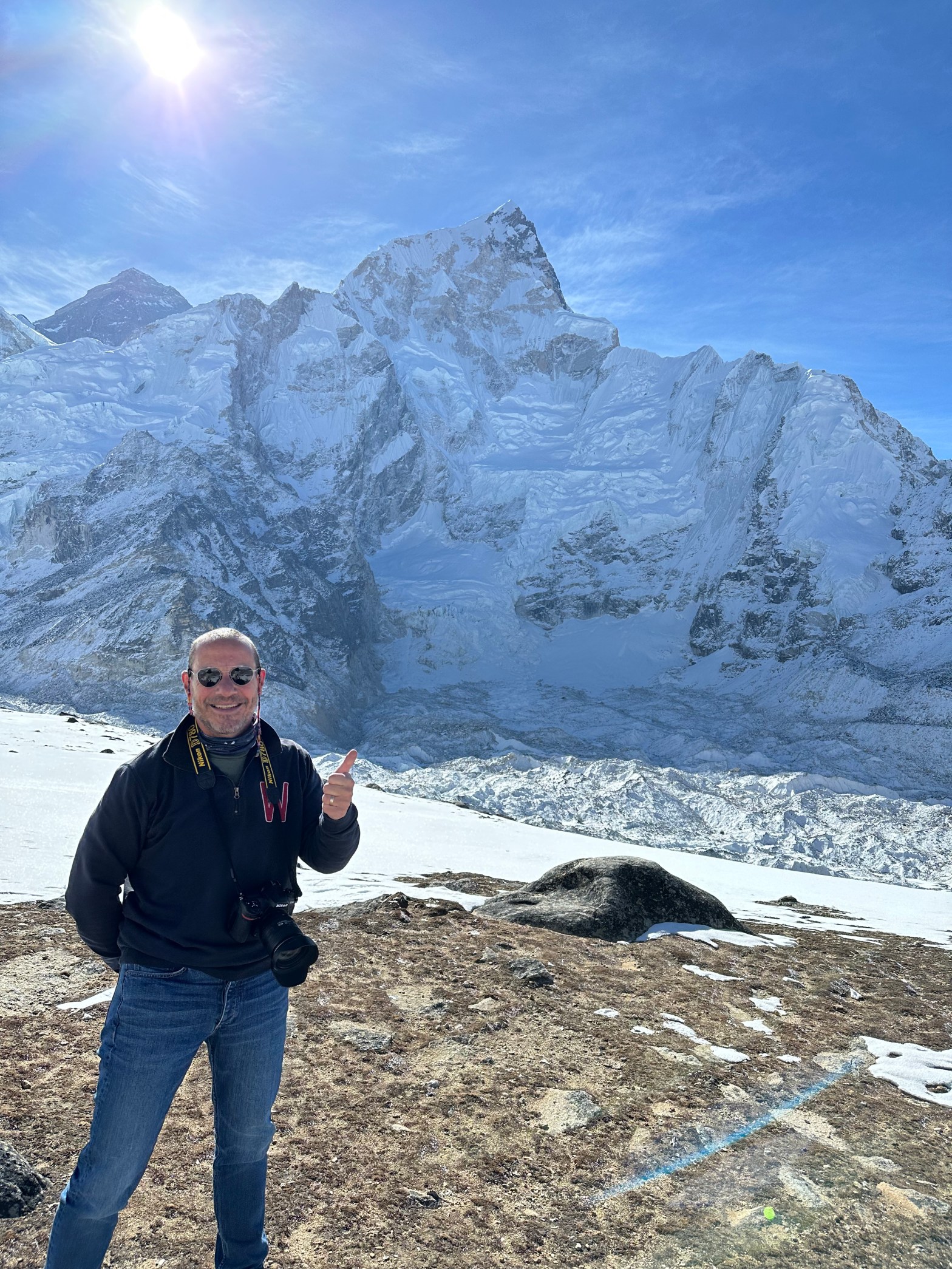
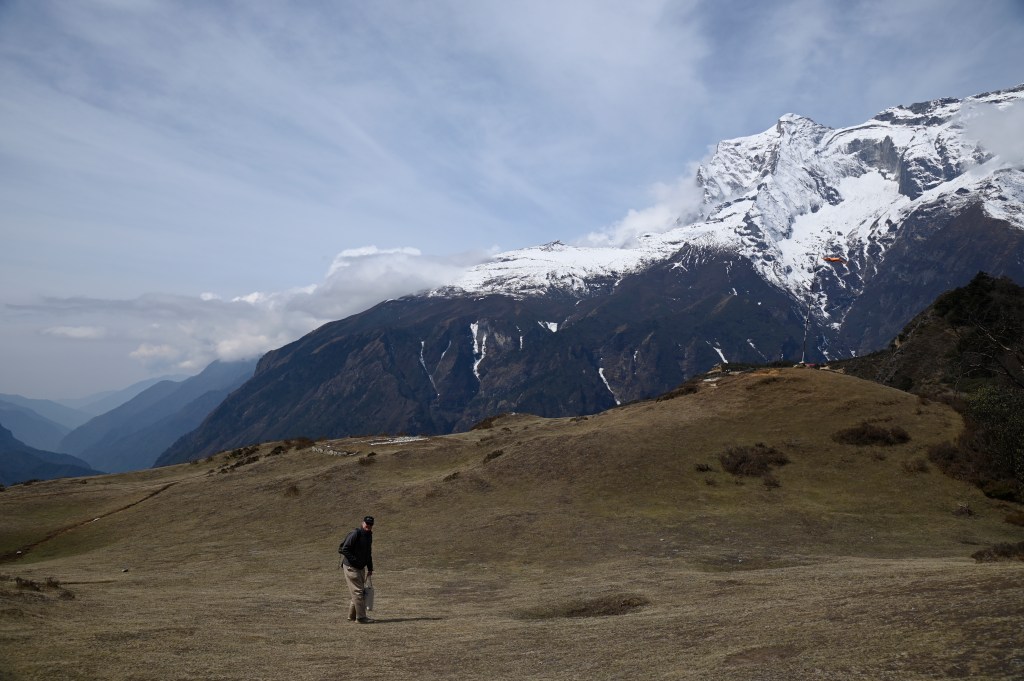
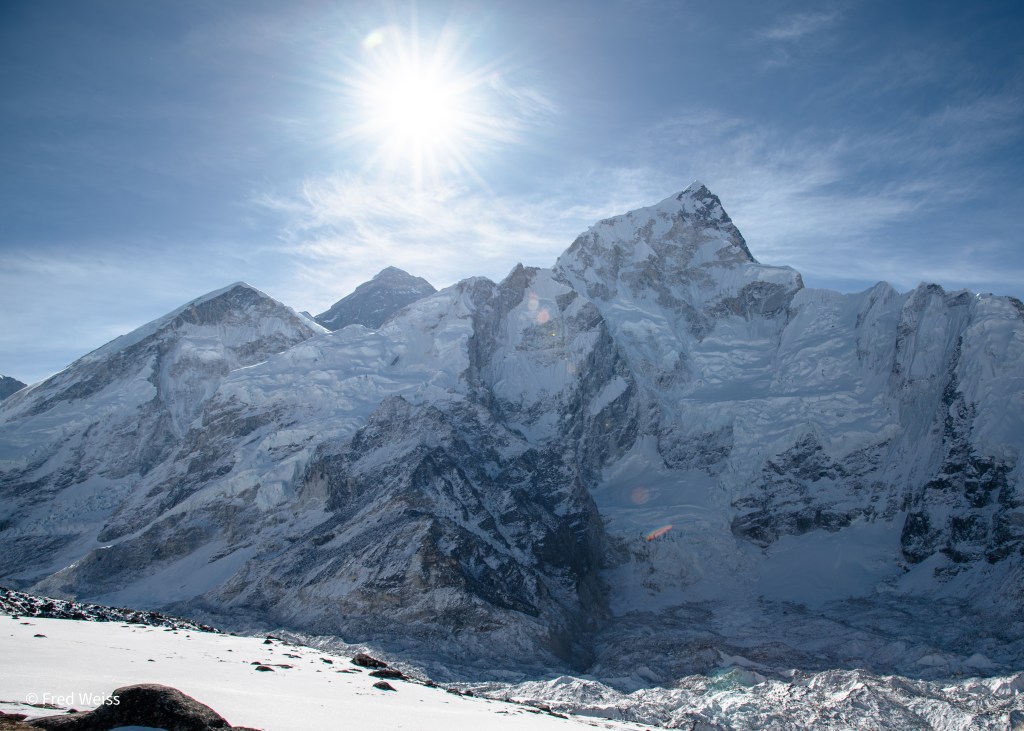
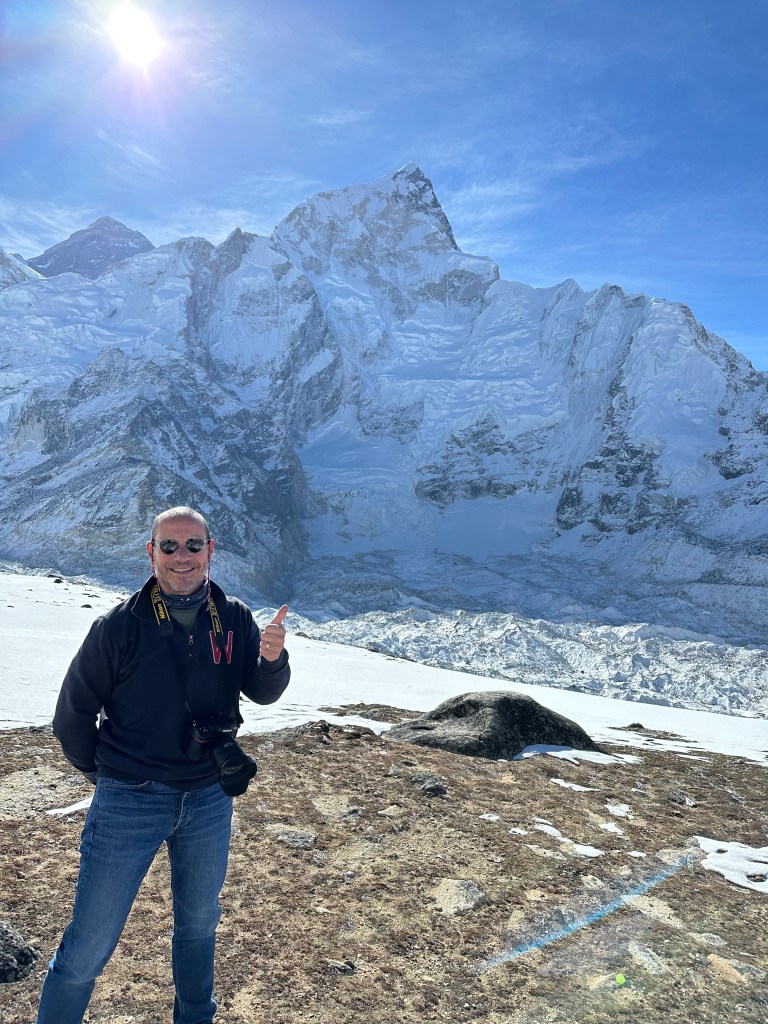
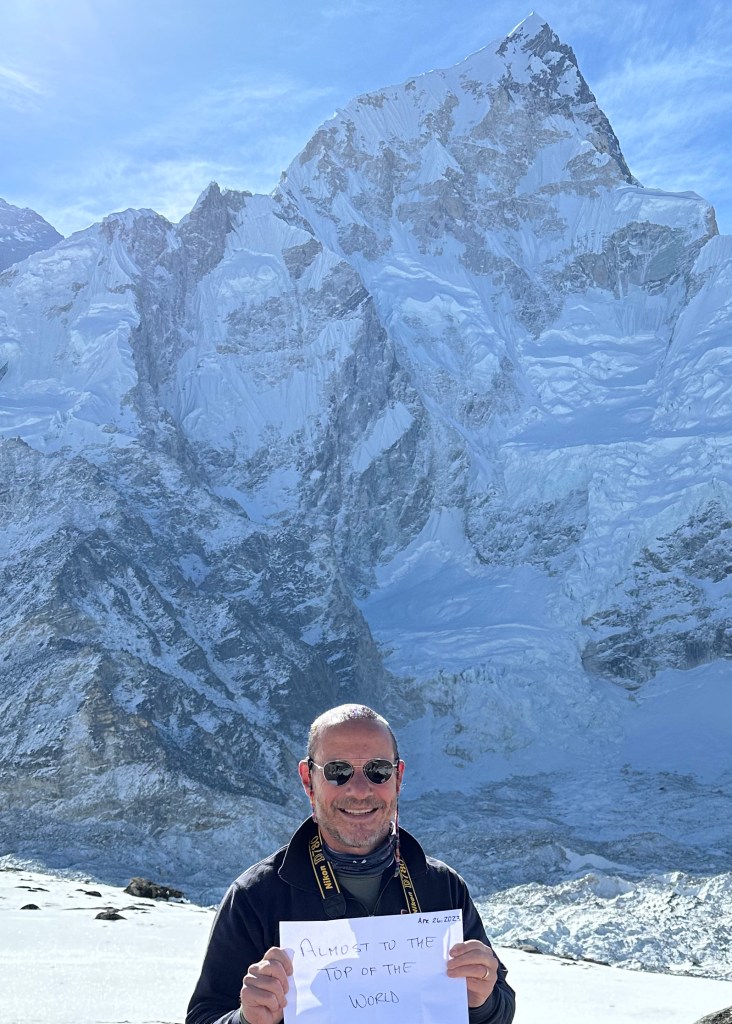
  • From there, we flew for about 15 minutes to Kalapatthar – at 17,881 feet; it is a small patch of dirt surrounded by, well, nothing, that gives unbridled views of Everest – at 29,000 feet – and its surrounding peaks. We were allowed to exit the chopper for what the pilot said would be 2 minutes, take pics and videos and then get on-board. It was sunny and about 30 degrees, with no significant wind other than what the chopper’s blades were creating. I had a slight shortness of breath.
  • We re-boarded and returned to Hotel Everest View; we got off, and the other three got on, and we watched them take-off to the same place we had been.
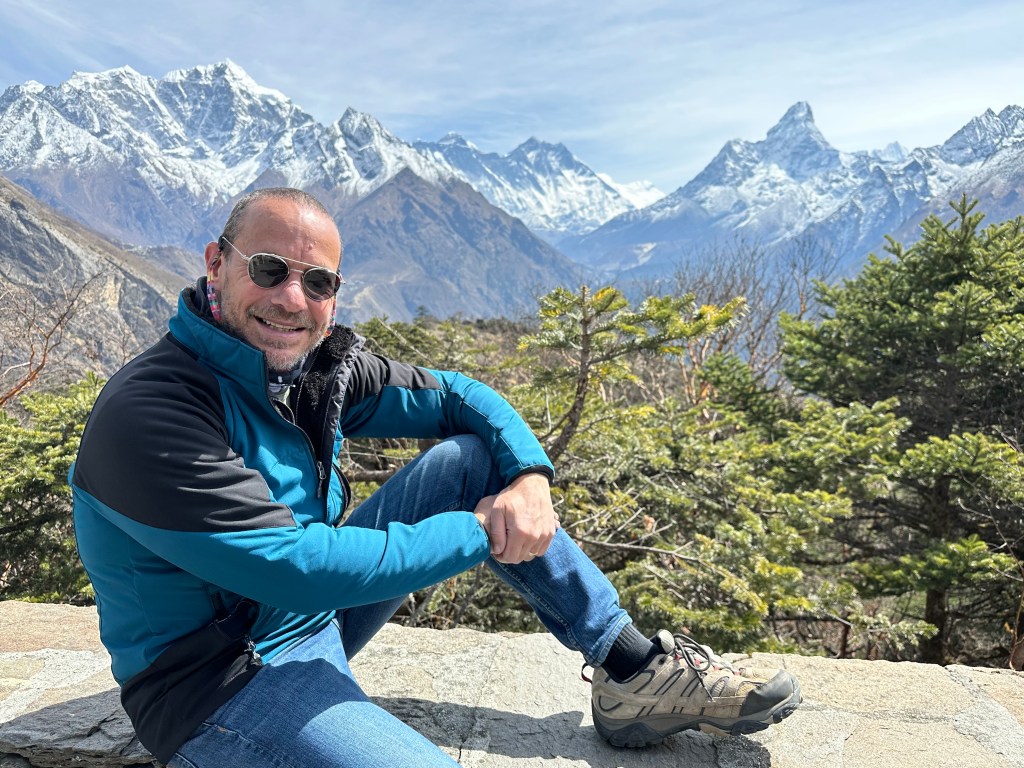
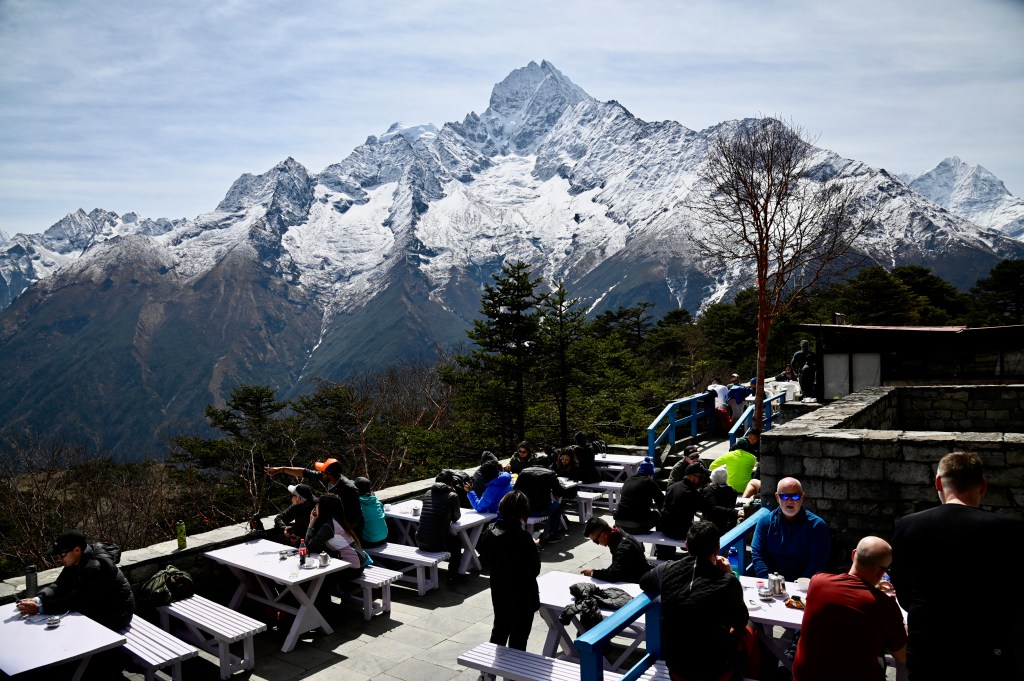
  • Meanwhile, we hung at the hotel. It has an outdoor deck that gives unbelievable unobstructed views of Everest and its surrounding peaks. After a bit, we went back outside to wait for our travel companions.
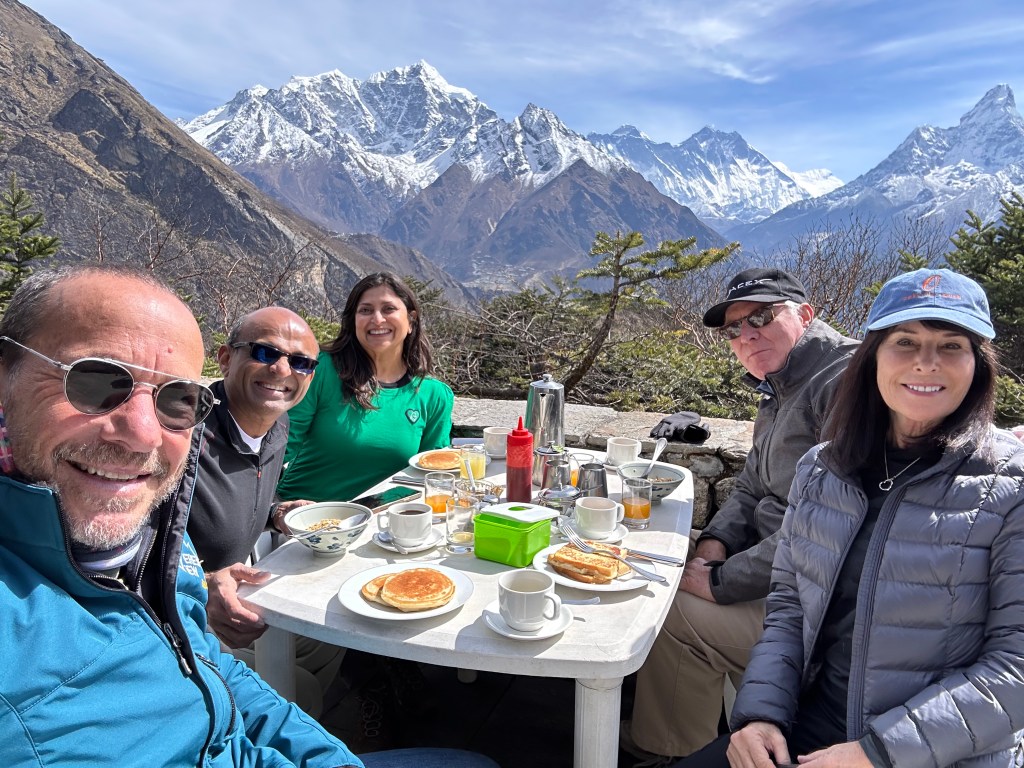
  • They returned, and we five then had breakfast on the deck – coffee, pancakes, omelets, juice – just overwhelmed by the landscape in front of us. Some of us visited a rooftop observation deck as well.
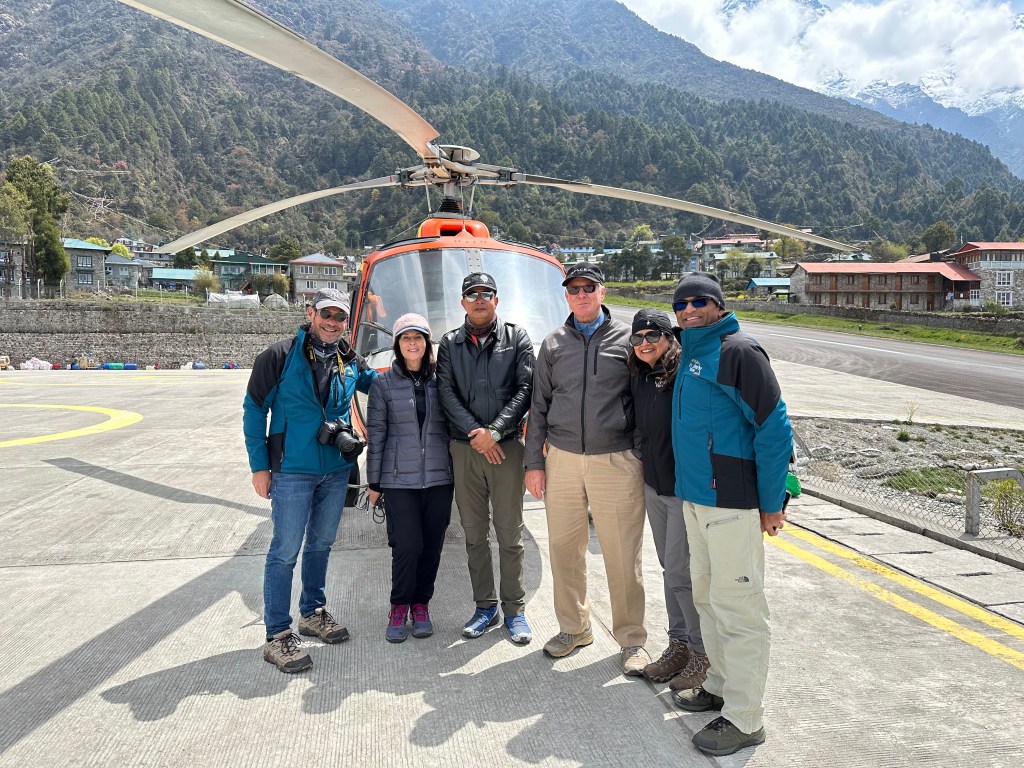
  • We re-boarded the chopper after an hour or so, and then went to Tenzing-Hillary Airport (commonly referred to as Lukla Airport, as that is the town where it is located) at 9,400 feet. This is the airport for those attempting to summit Everest, and at one time – when the landing strip was dirt – was considered the most dangerous airport in the world for airplanes. The strip is now paved and is pretty busy, given how many people and how much gear is flown in there. The airport was originally founded by Sir Edmund Hilary.
  • After about 30 minutes, we left Lukla and returned to Kathmandu.

    Oh my god. Stunning landscapes, unbelievable mountains, beautiful weather. The type of experience where the back of your head hurts from smiling so much. We were all surprised by the number of villages and buildings we saw high-up in the mountains and on the outskirts of Kathmandu. We completely lucked out on the weather – and the two couples on the van with us, whom we later saw, finally got to take the trip.

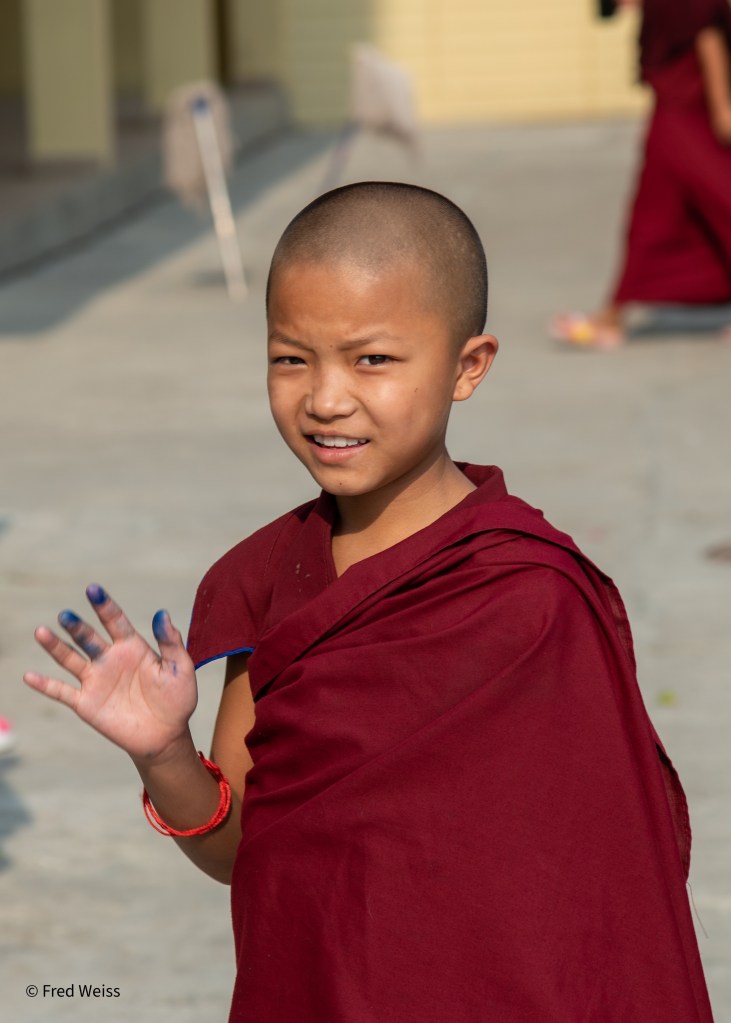
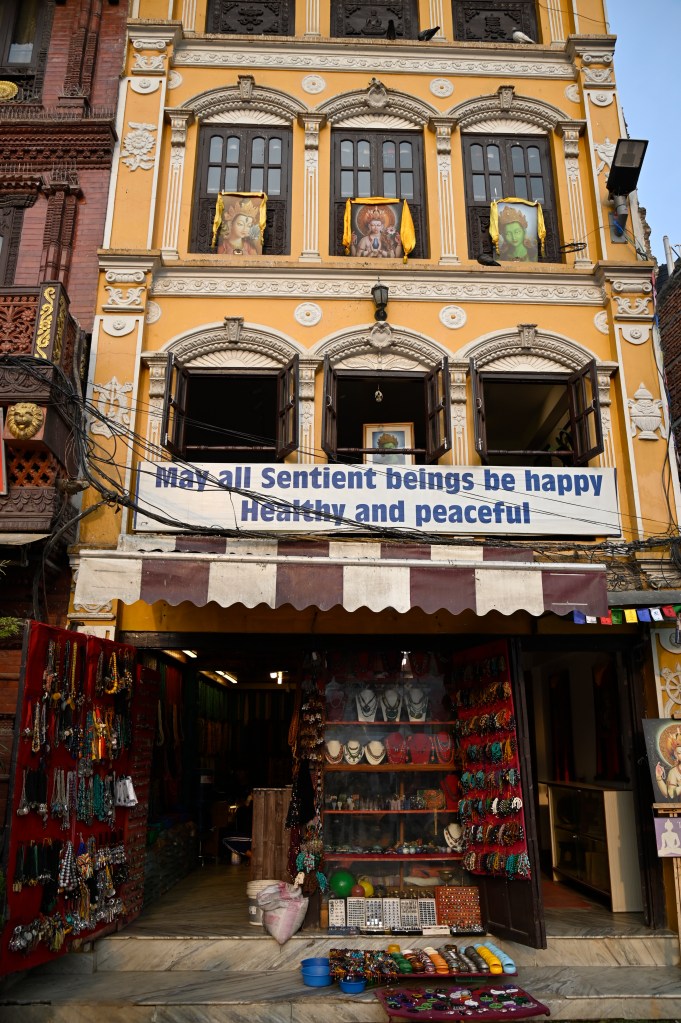
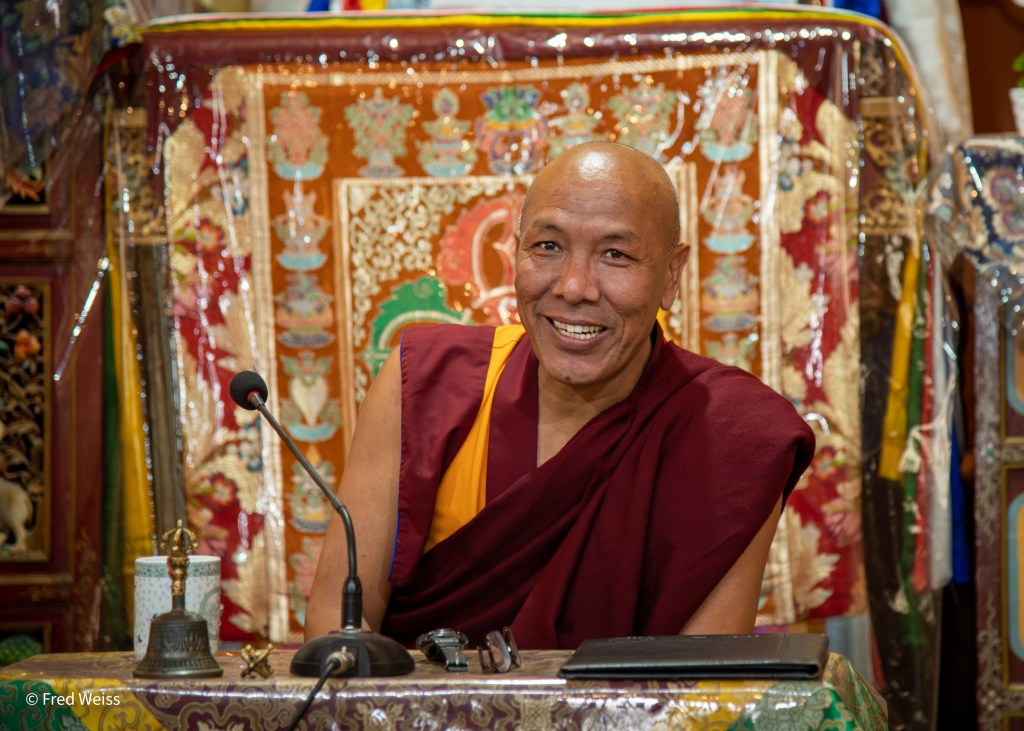
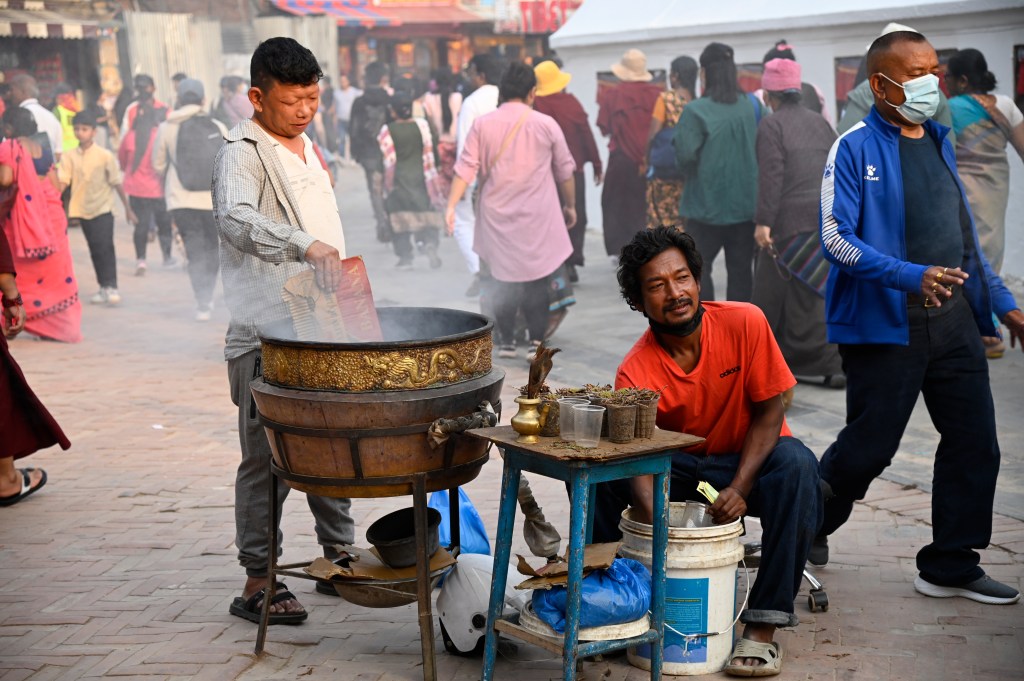
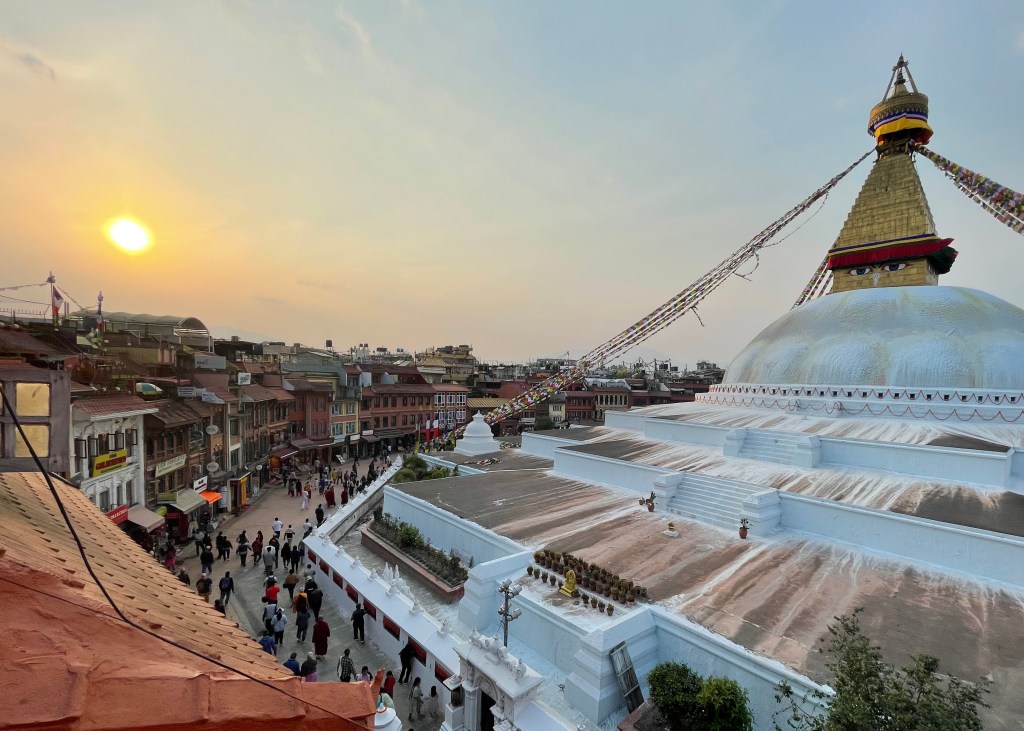
    We got back to the hotel, and after lunch did some sight-seeing: a Buddhist nunnery (Kopan), where we had a presentation about Buddhism by a wonderfully engaging monk who also led a short meditation. We visited Boudhanath, the second largest Buddhist stupa (think of it as a conical tower that serves as a worship or meditation site) in the world, the chance to see the shops that surround it, and lastly drinks and pizza on an outdoor roof-top patio overlooking the stupa in glorious 70-degree weather as the sunset. After returning to the hotel, several of us had a few cocktails and dessert.

    But we got to see Everest and other Himalayan peaks today. It. Was. Incredible.