Swedish Lapland – Days Six and Seven

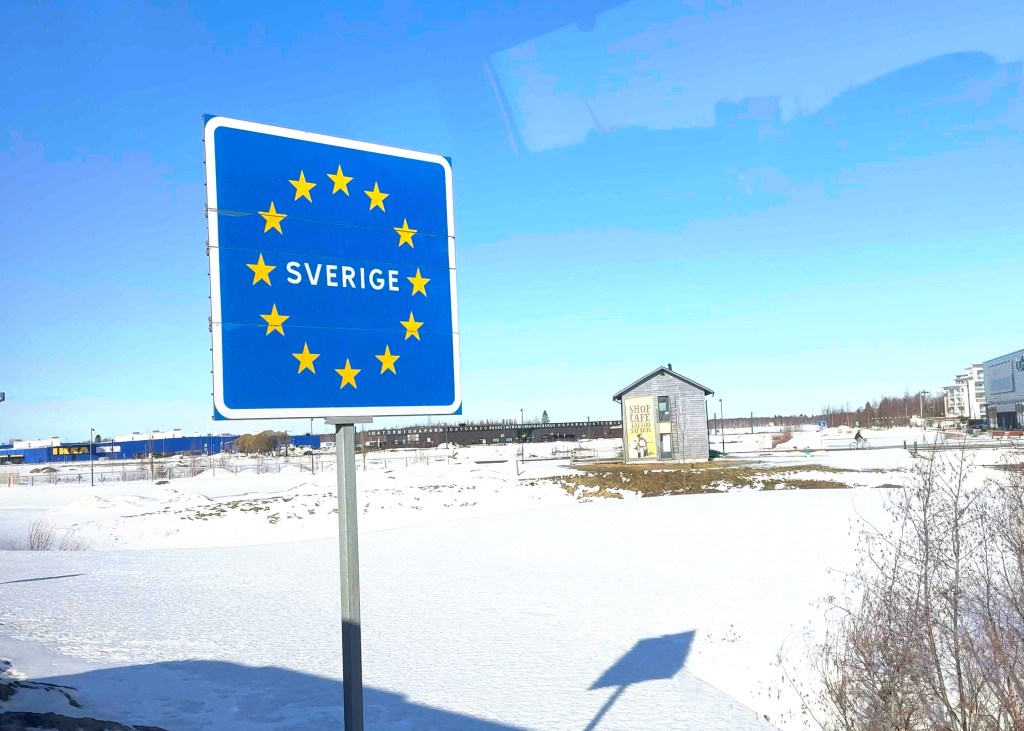
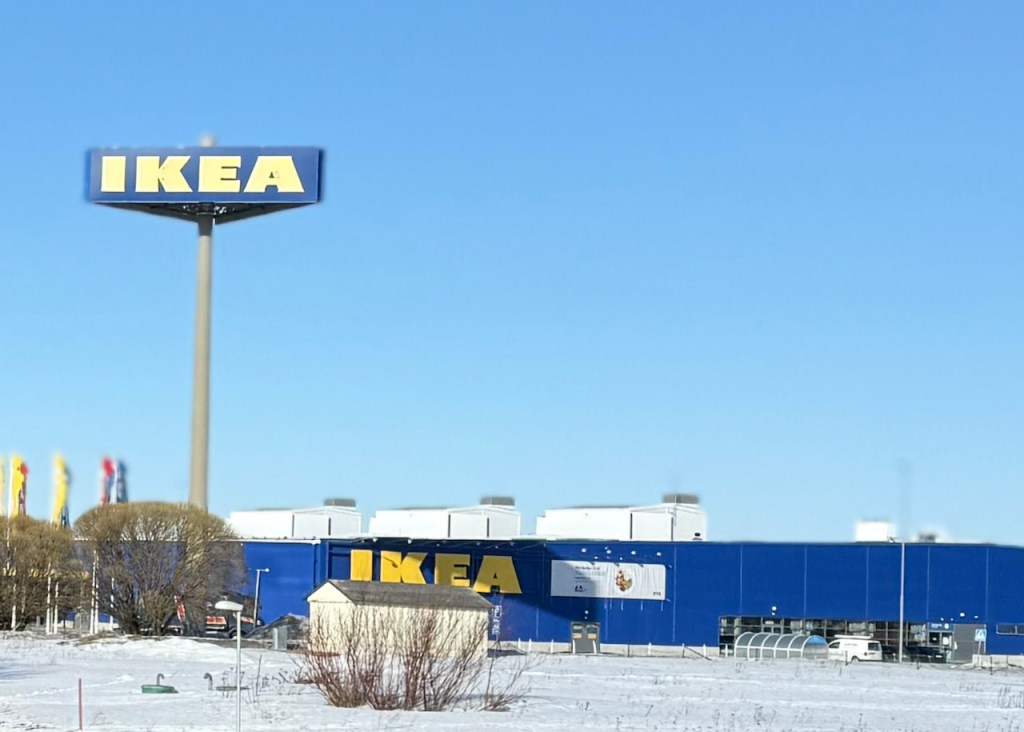
We made the drive from Finnish Lapland into Swedish Lapland on the morning of day six. There’s no immigration nor customs as you cross the border, so no passport stamp either, just a sign with the European Union symbol on it, easily missed if your guide hadn’t pointed out that it was coming-up on the right. And, just as we crossed the border, there also was an Ikea. And the time changed as well – we were now an hour earlier than in Finland.
We stopped at an old historic hotel (the Haparanda Stadshotell, Haparanda being the town’s name), originally built in 1900; it sits just a few minutes from the border. The owner of the hotel served refreshments – including the first of my many cinnamon buns (a Swedish treat, known locally as “kanelbullar”) while telling us a bit about the hotel’s history, which – because of the one hour time-change between Sweden and Finland – celebrates New Year’s twice each year. As well, she told the story about how concerned she was when COVID hit and the border closed, which meant little traffic between the two countries, impacting her business. But – as luck would have it – the Swedish government needed a place to put up the soldiers it used to guard the border, so the hotel ended-up being busy the whole time. We got a brief tour, which included the big dining room where images of ghosts that might haunt the place were embedded in the walls.
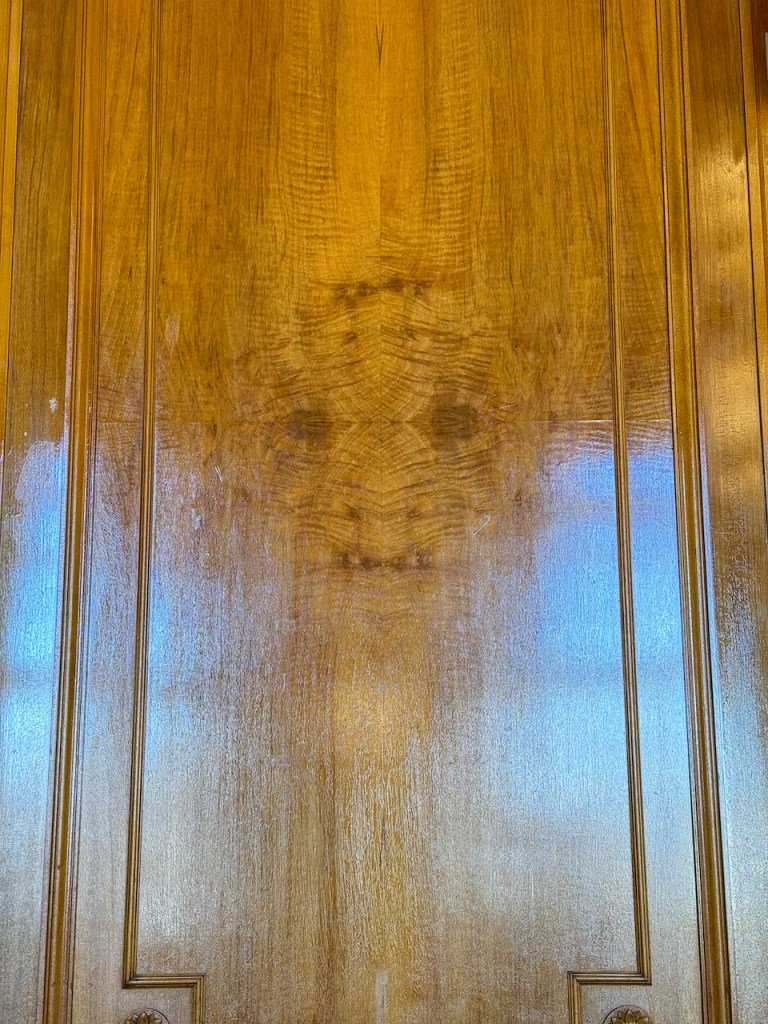
Close-up of a wooden door with a swirl pattern that creates a face-like illusion.
The ghost in the wall!

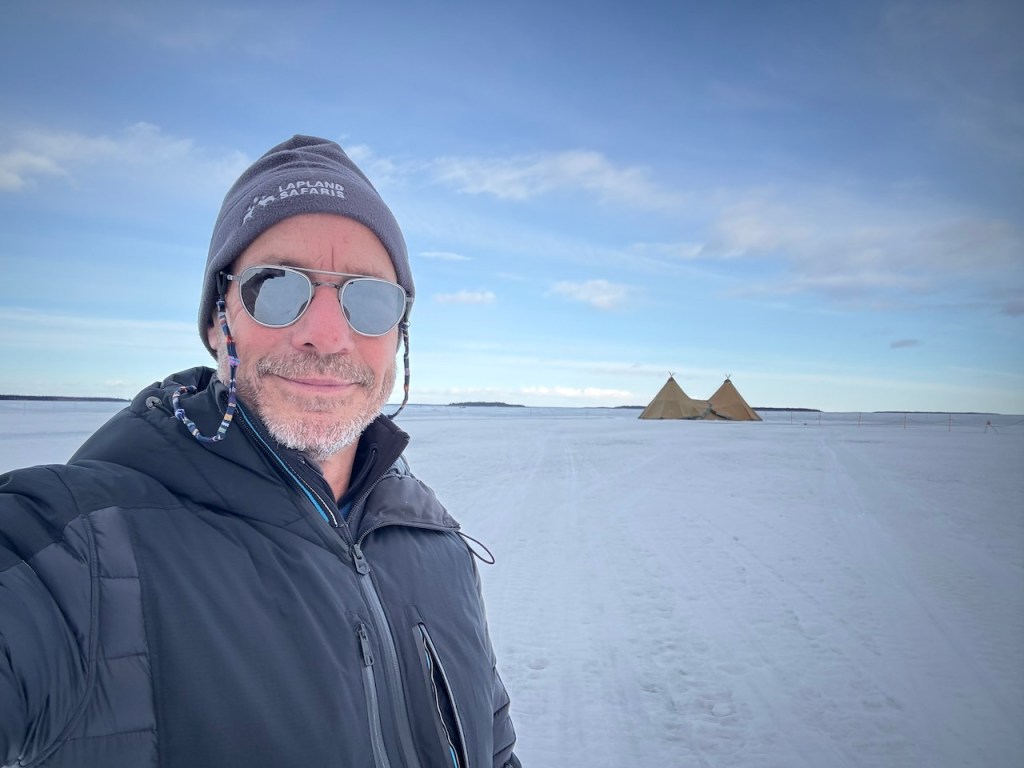
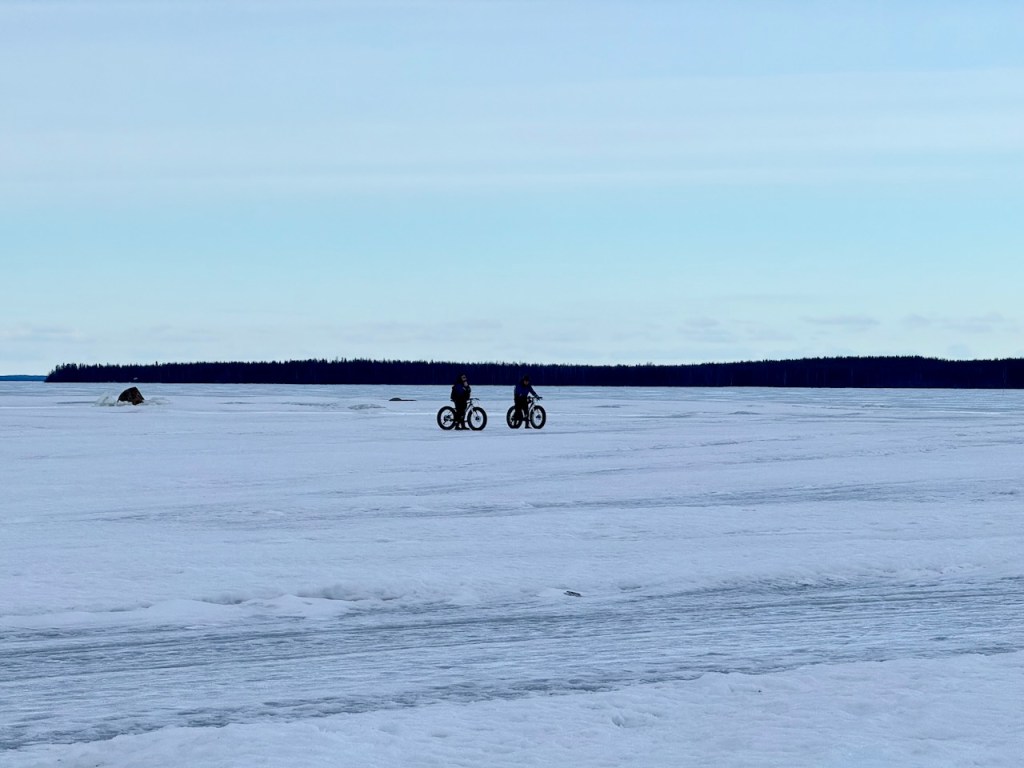
The Baltic Sea reaches its furthest point north as the Gulf of Bothnia, nearby where we were at the border between Finland and Sweden; our stop for lunch was at a rustic restaurant that sits on the Baltic; even though this was late March, this far north the Sea was frozen – so frozen that we could walk out onto it and watch people on bicycles cycling across it.
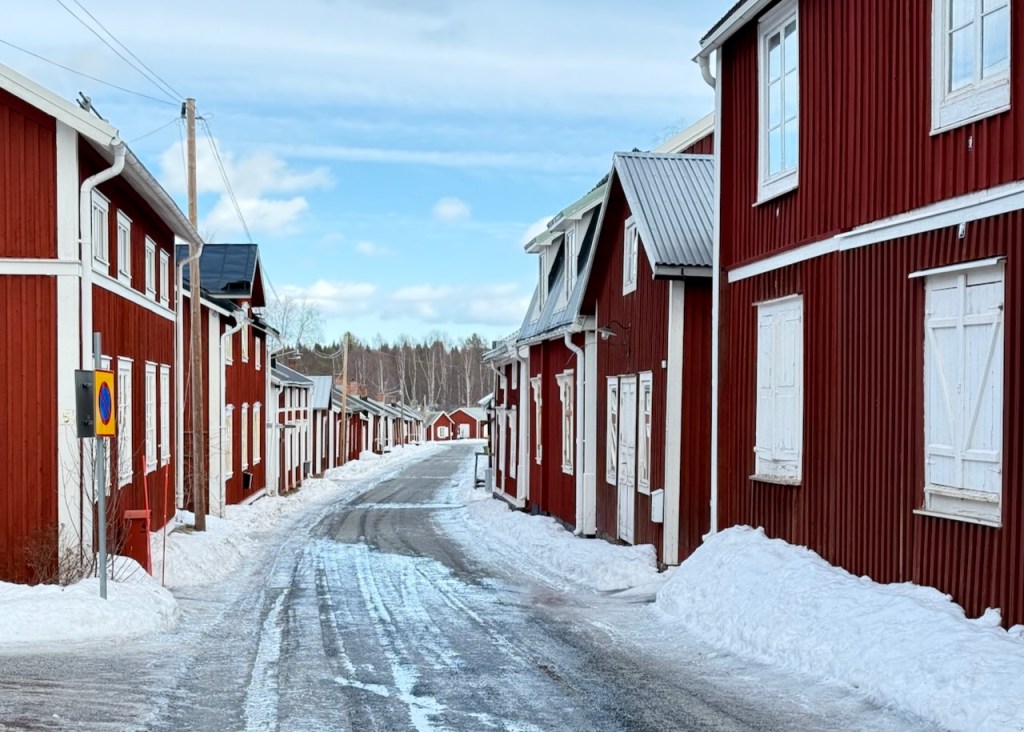
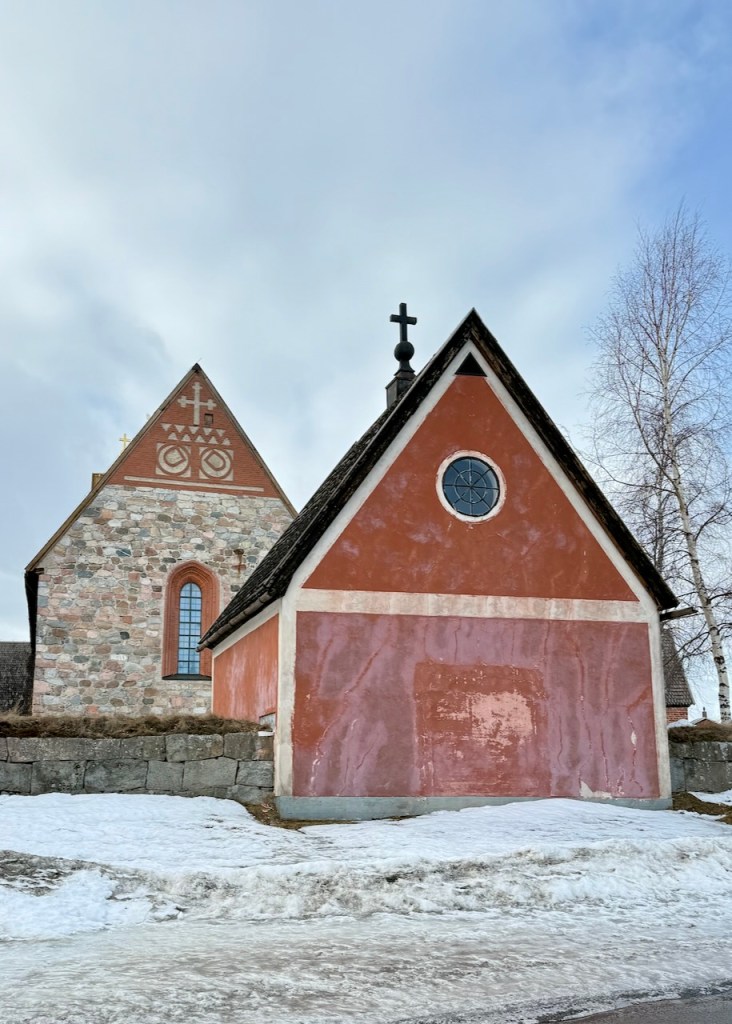
The last stop before arriving at our hotel was in the town of Gammelstad kyrkstad, a UNESCO World Heritage Site. Back in the day, people had to travel many miles to go to church on Sundays; towns like Gammelstad started as markets then became a place for religious observances for the agricultural communities through Scandinavia. But because the distances traveled were so long, the towns began to offer small wooden homes for attendees to stay in for a night or two before they returned home. Today, Gammelstad is the best preserved of these types of towns, in its original layout, with a church at its center that dates to the 15th century, and many of its 420 homes renovated and maintained and all painted a deep red – and available for purchase.
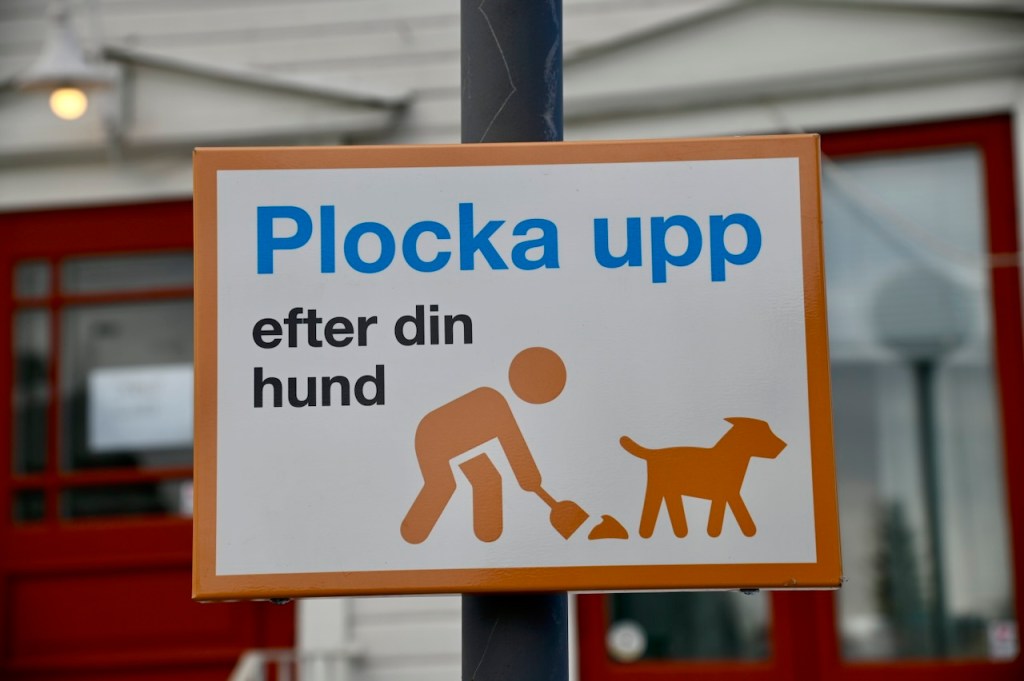
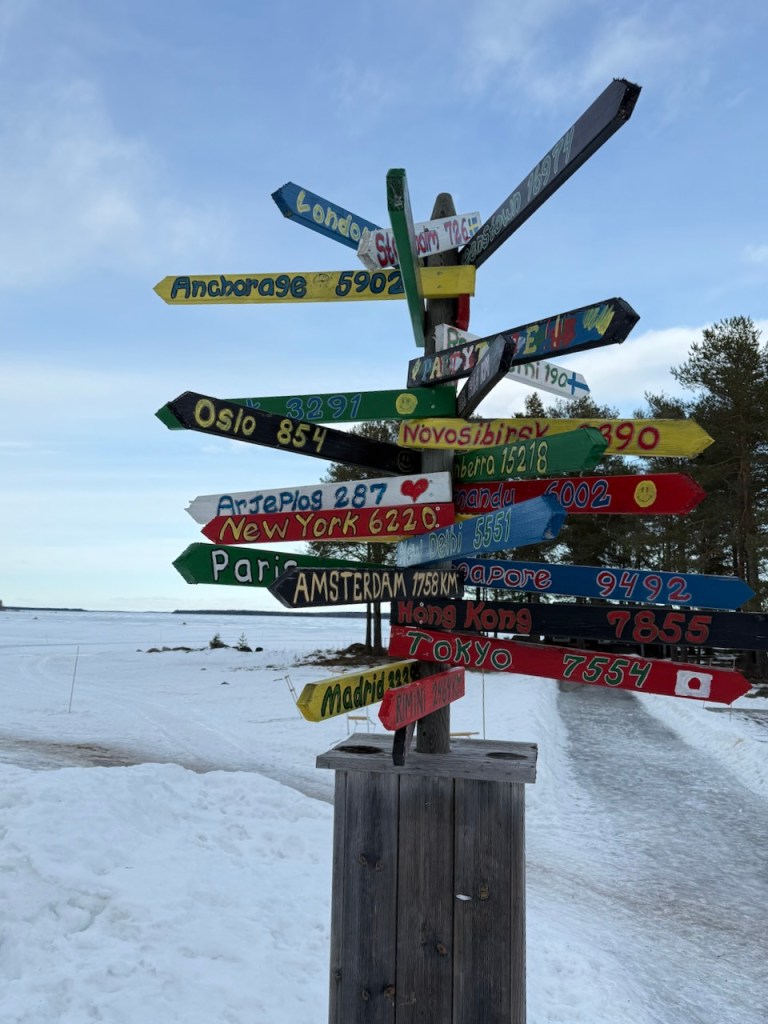
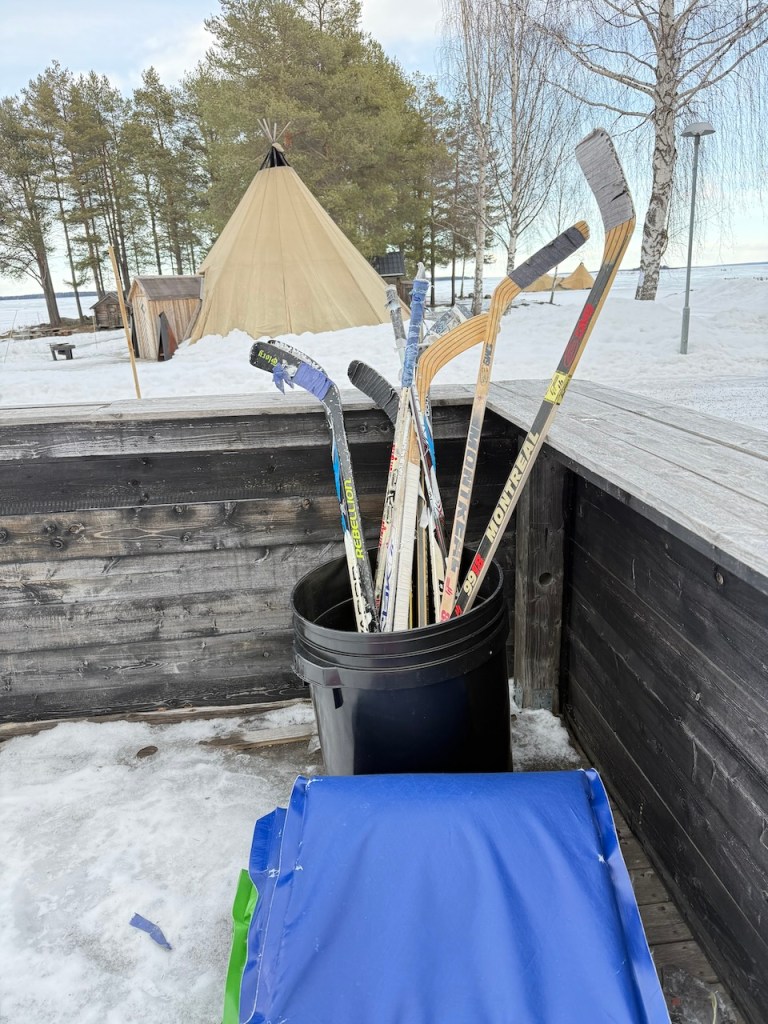
Sweden is a country of about 10.5m people and is considered the most developed in Scandinavia and is the fifth most populous country in Europe. It remained “neutral” during the Second World War, so didn’t suffer the extreme destruction that its neighbor Finland experienced. It has universal healthcare, free tertiary education, has more than 96,000 lakes, and is ranked fifth globally on the “Human Development Index,” which balances life expectancy, education, and income per capita. Ice hockey is its national sport and – waddaya know – I saw a hockey rink, a bunch of hockey sticks and a hockey goal sitting nearby the frozen Baltic.
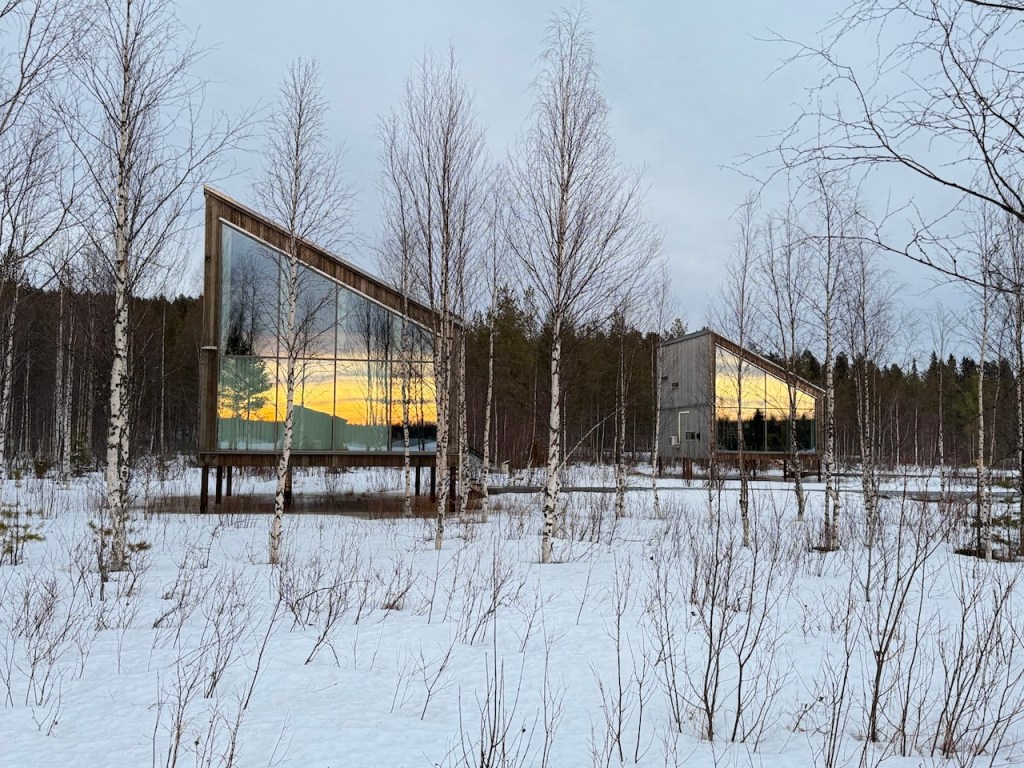
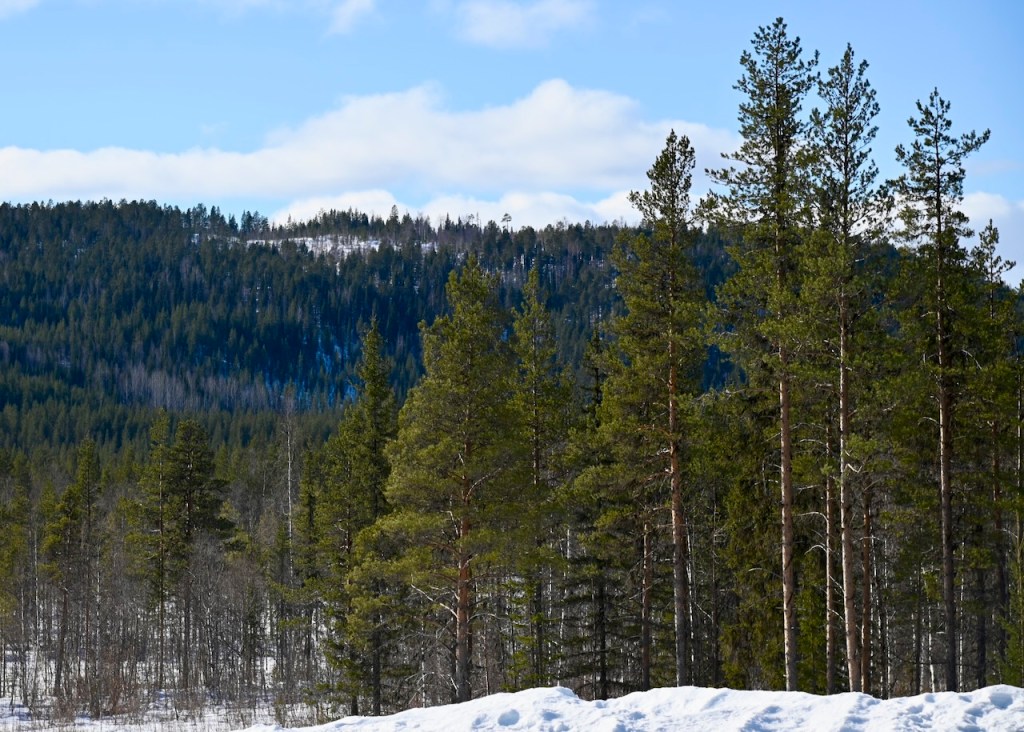
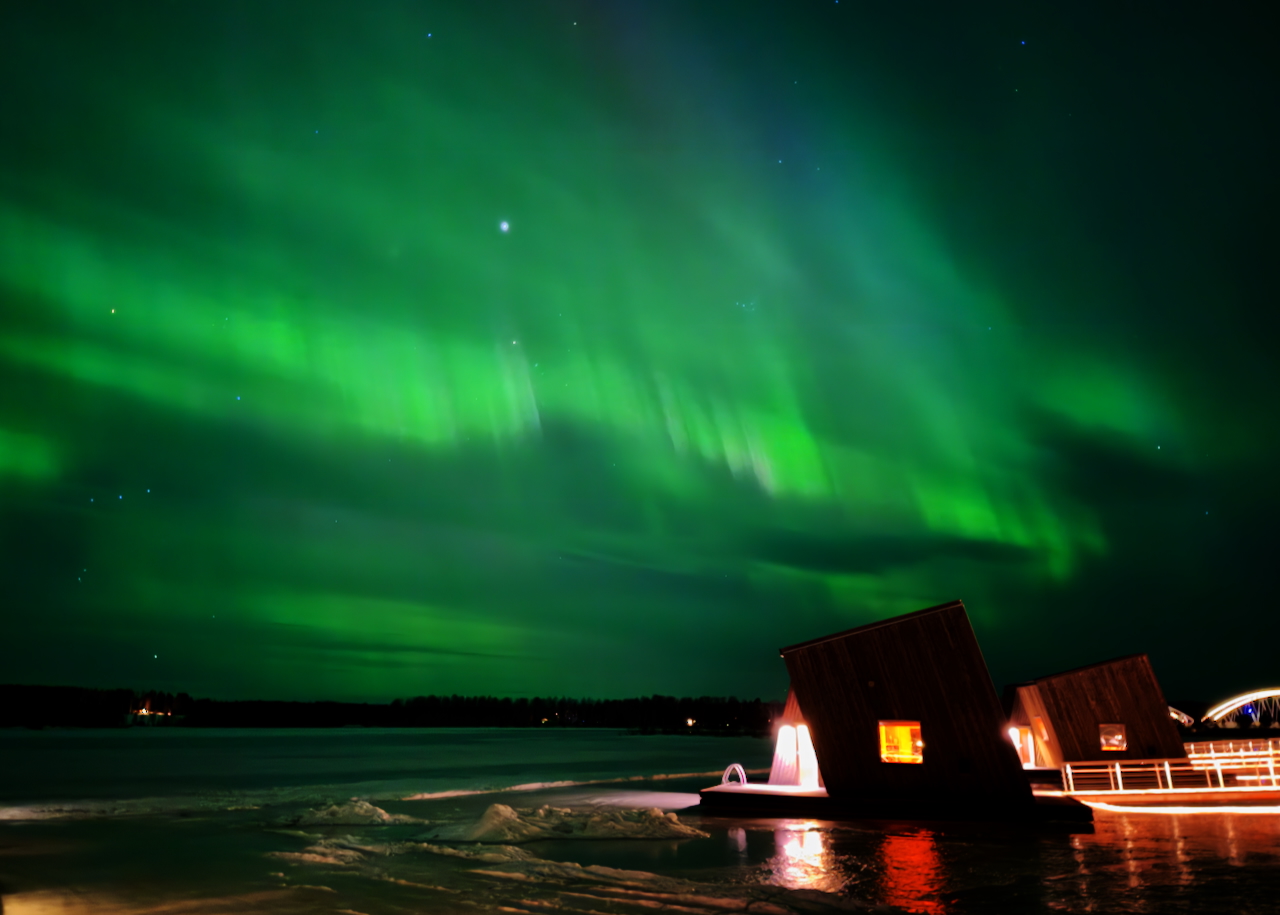
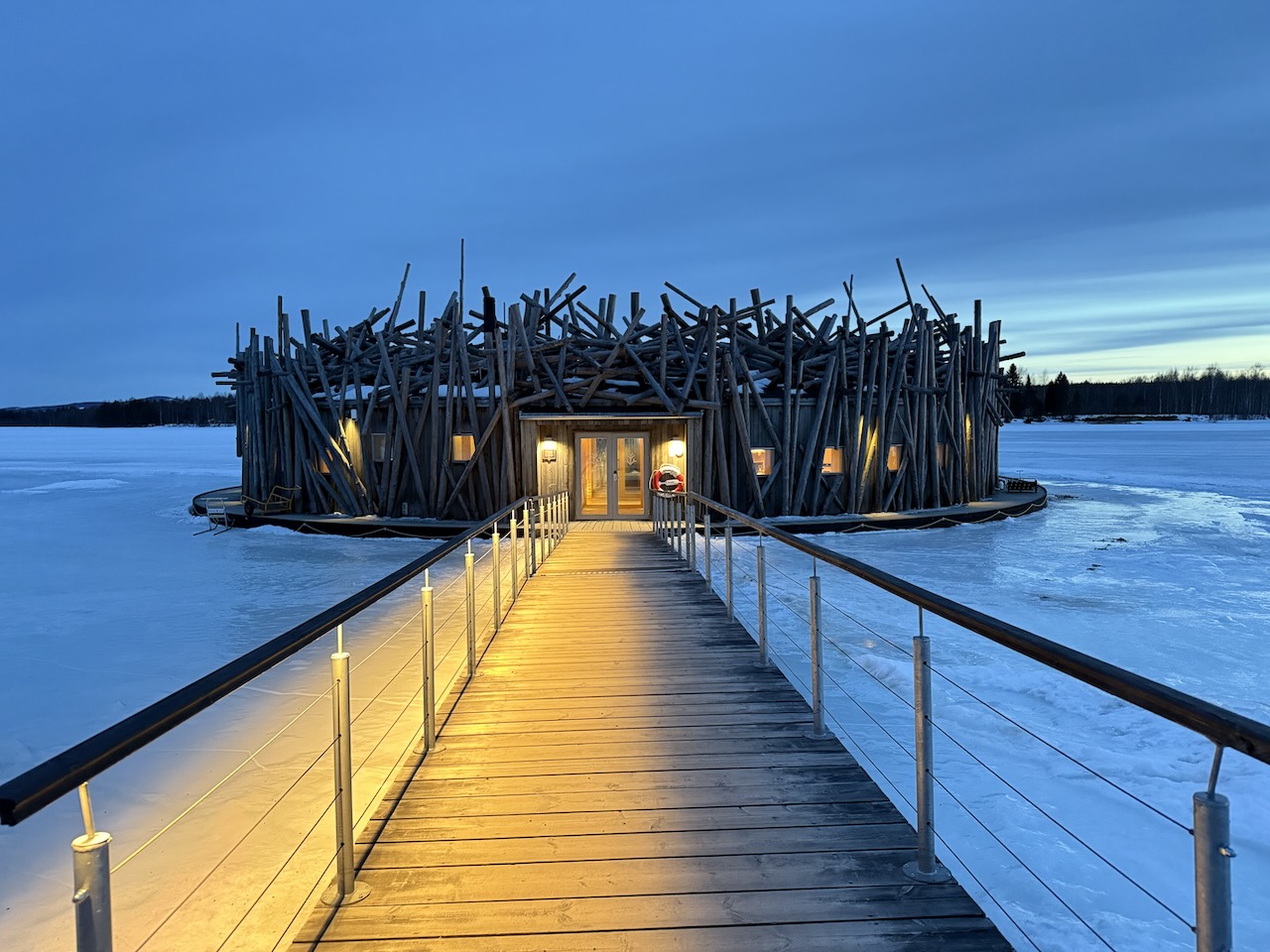
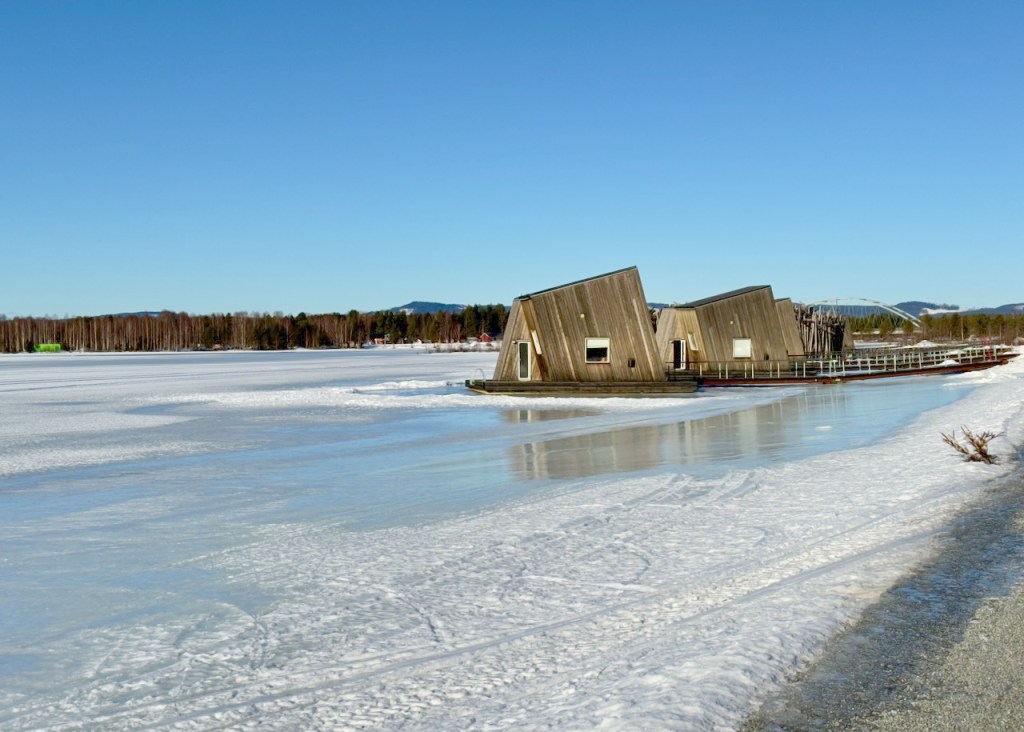
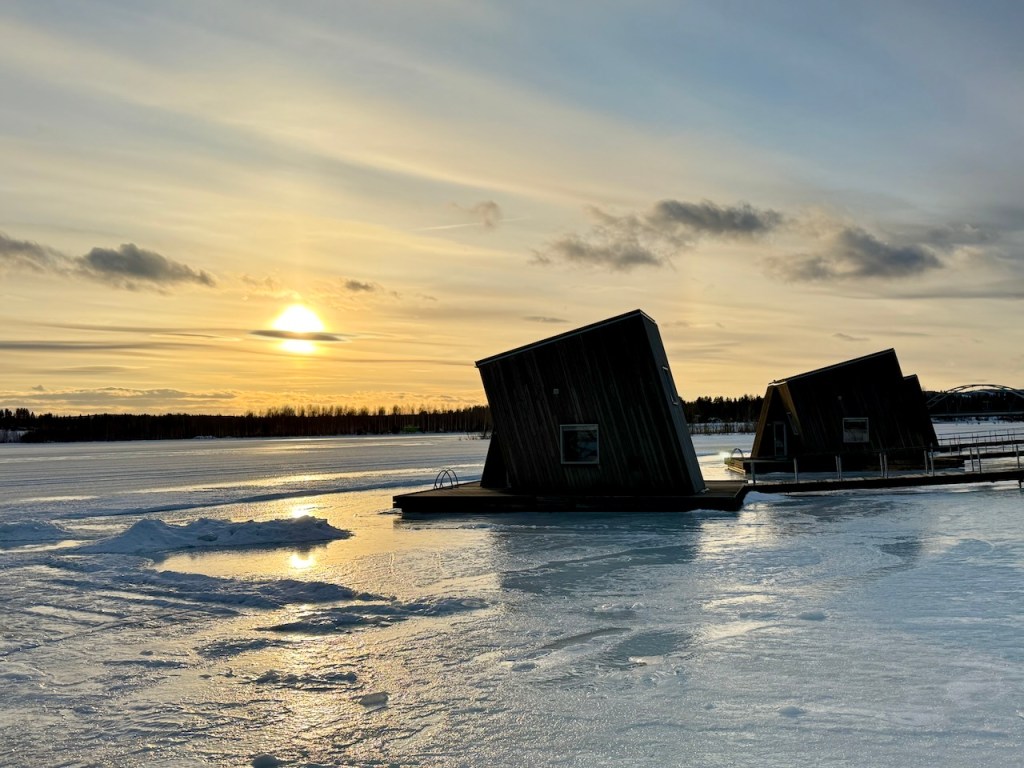
Our hotel for the next two nights was the beautiful Arctic Bath Hotel which sits on the edge of – and some buildings literally atop – the Lule River. The main building (the picture at the top of this post; reception, dining room, bar, sauna) – circular and covered with what look like tree trunks (honoring the Swedish timber tradition) – sits floating on the river in the warm weather and atop the river ice during the cold months. Two sets of rooms – each individual cabins – exist; some, like the main building, sit on the river; others are on the land by the river’s edge, surrounded by frost- and snow-covered trees. I had one of those rooms, which belongs among the most beautiful places I’ve ever stayed.
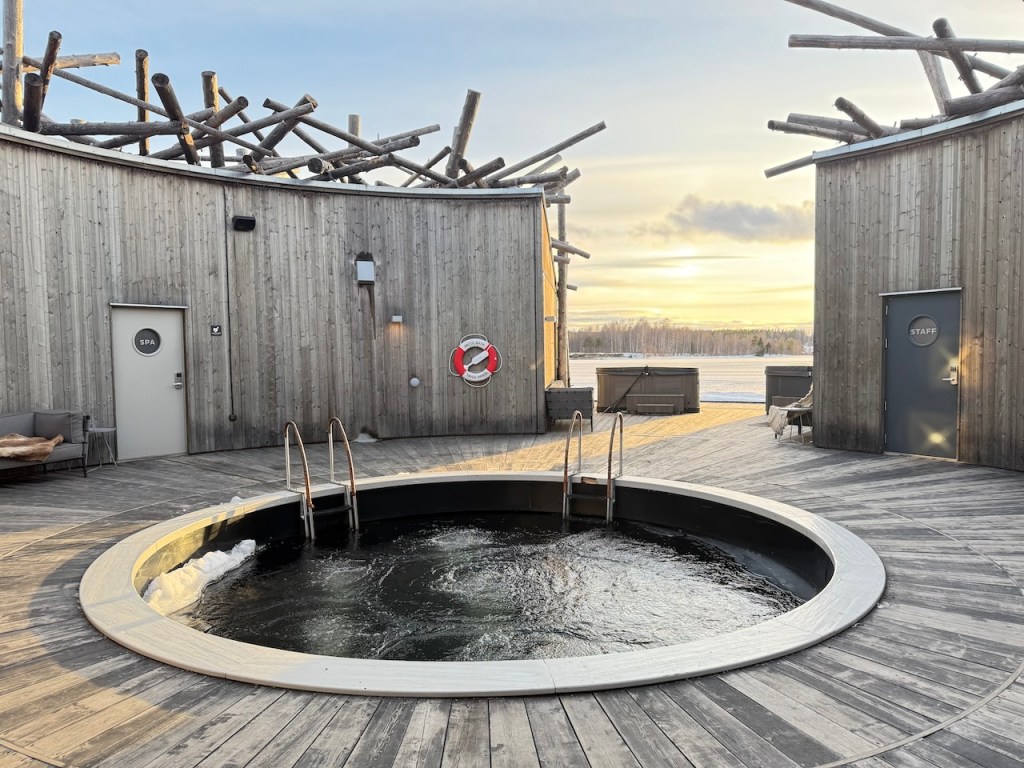
We arrived at the hotel, checked-in, and I made a bee-line for the saunas and the bath, setting up my iPhone on a small tripod to capture my arctic plunge. The “bath” sits in the middle of the main building’s circular platform, open to the air, with the “bath” actually the frozen river (in the pictures below you can see ice at the bath’s edge). I’d been advised – after getting into a bathing suit, start in the sauna for a few minutes to warm up, then plunge, then repeat three times. Yup – I followed the directions. The steps down the letter into the water were – for lack of a better set of words – fucking freezing, and I lasted all of ten seconds in the water each time, didn’t dare put my head under, the surface and could barely release my hands from the ladder before grabbing it again. But an amazing – amazing! – experience.
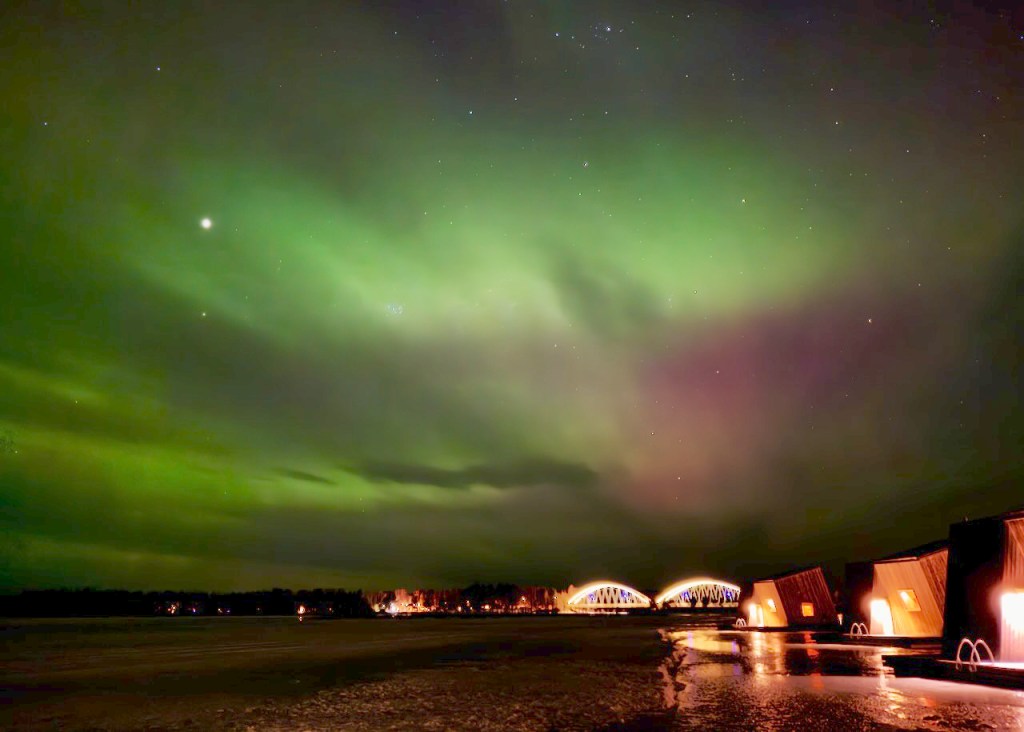
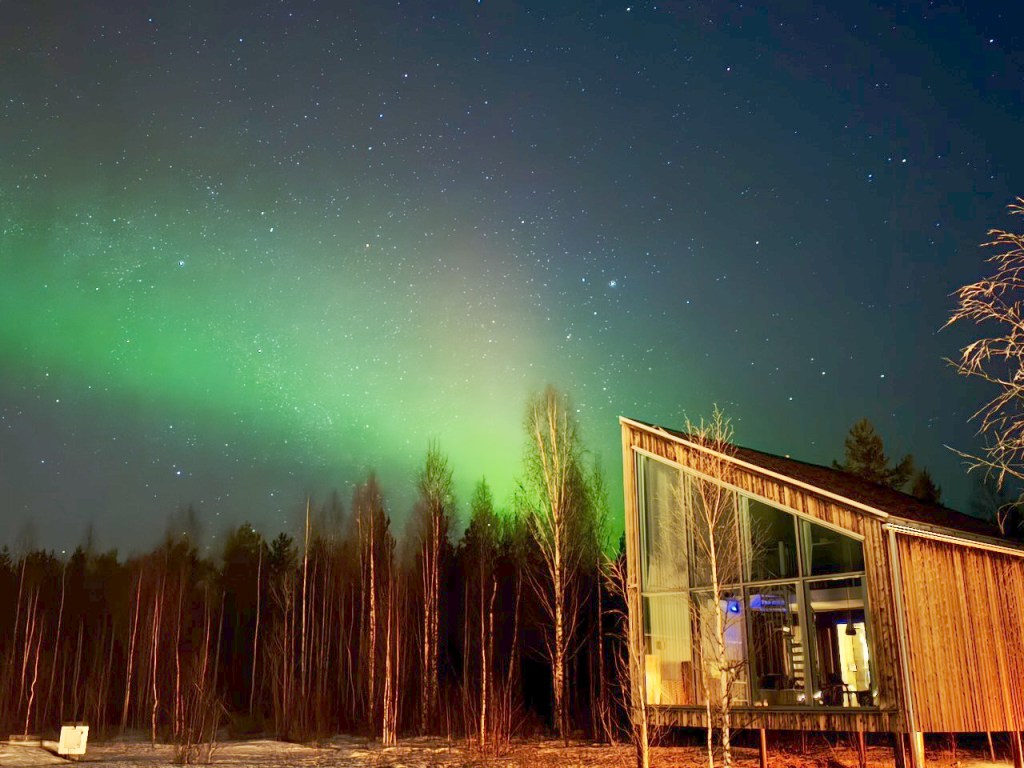
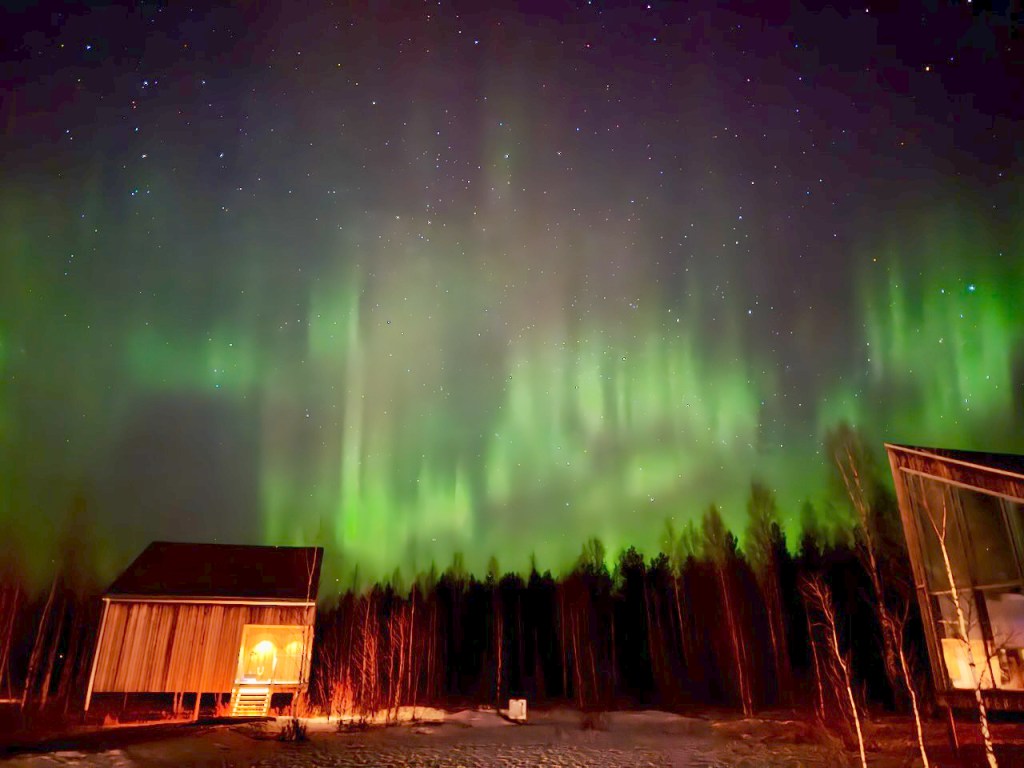
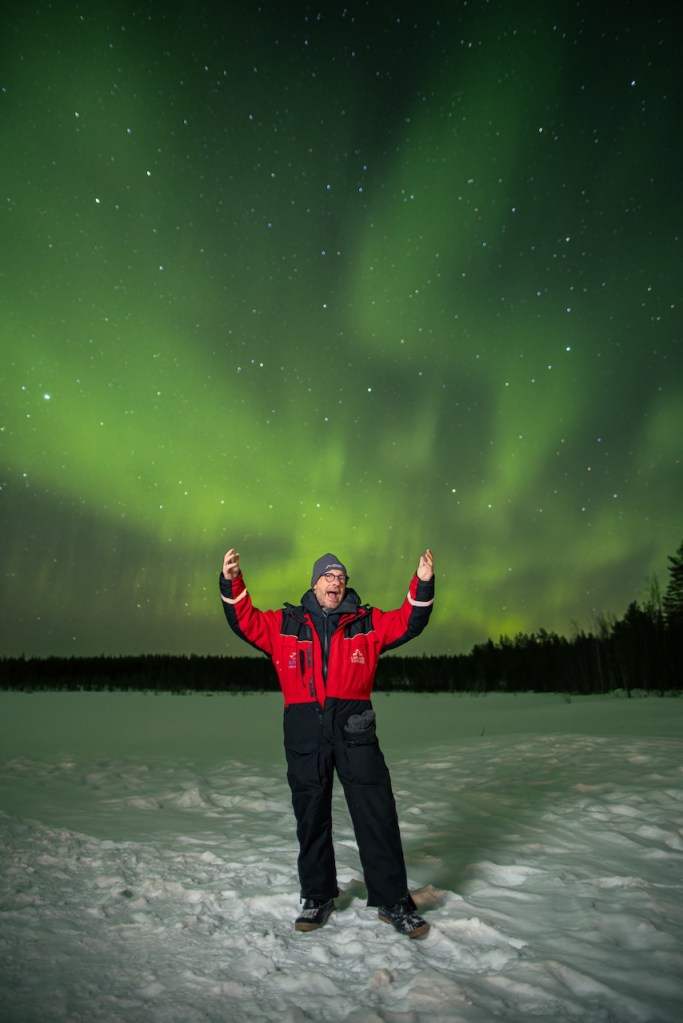
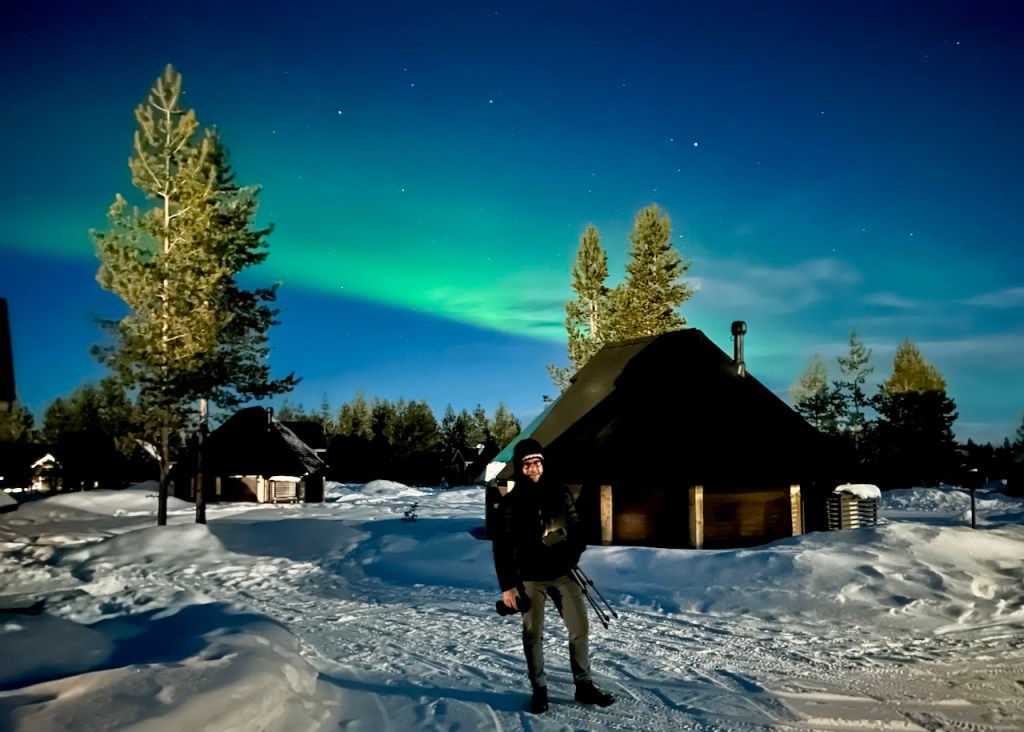
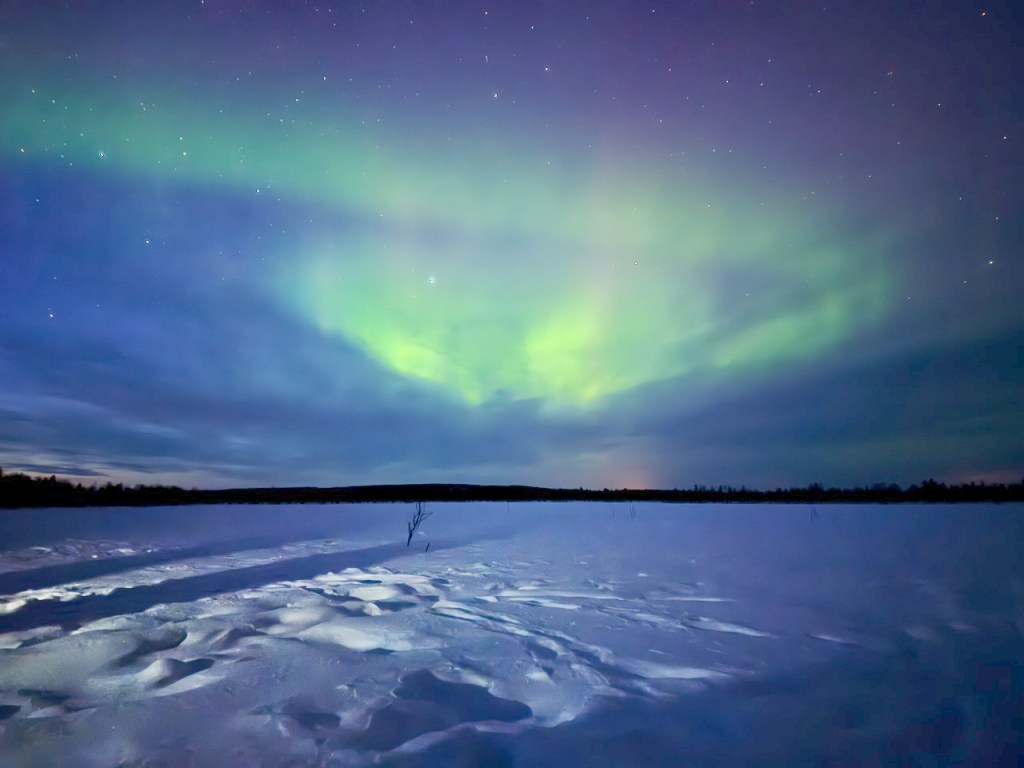
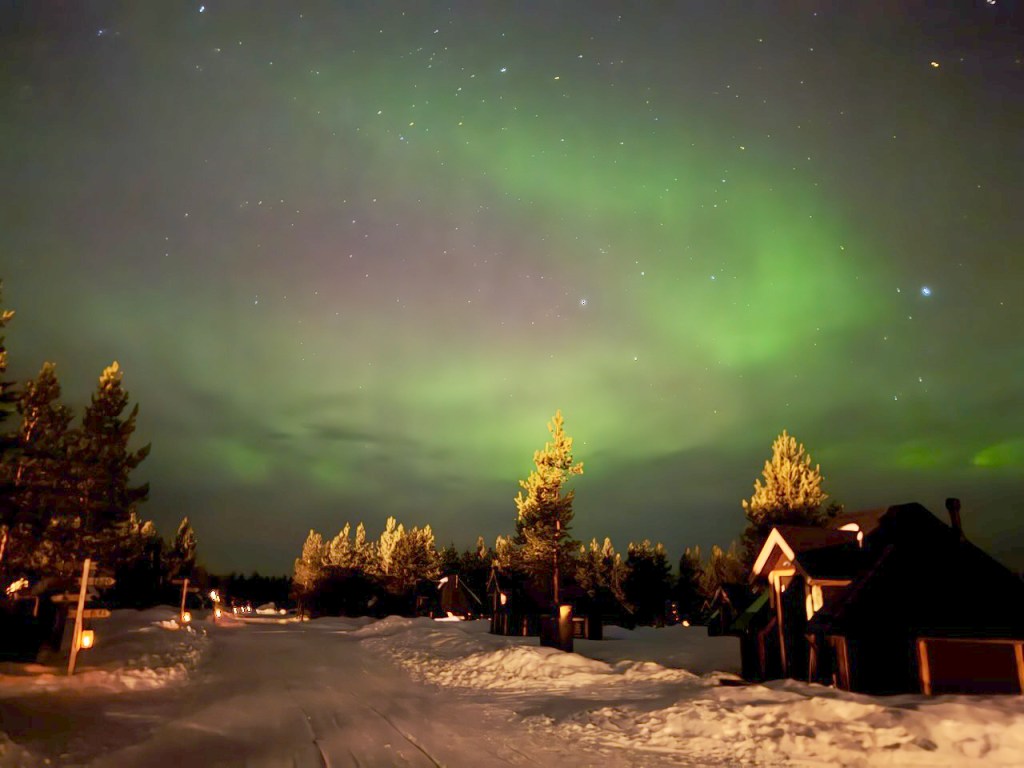
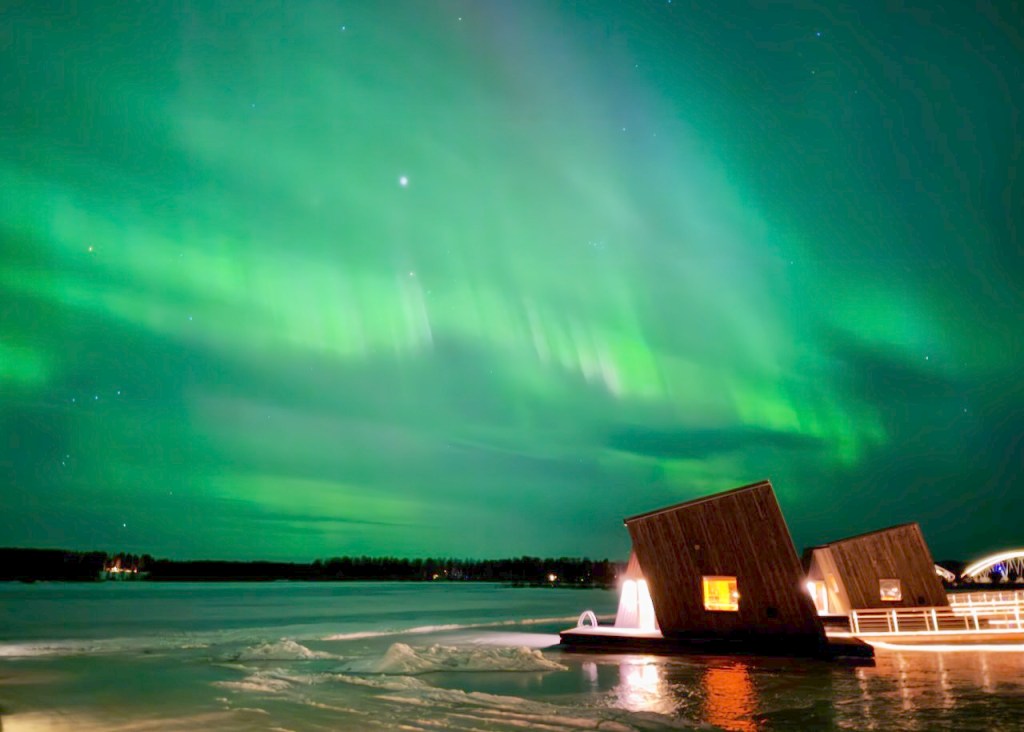
And that evening we saw just about the best Northern Lights we’d experience on the entire trip.
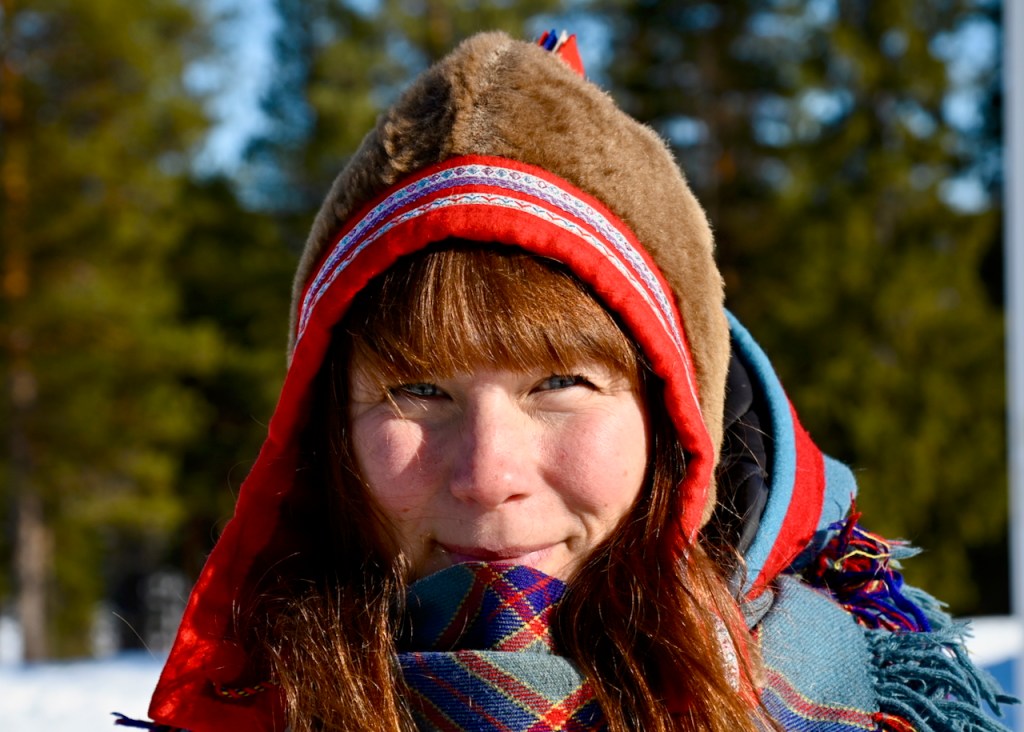
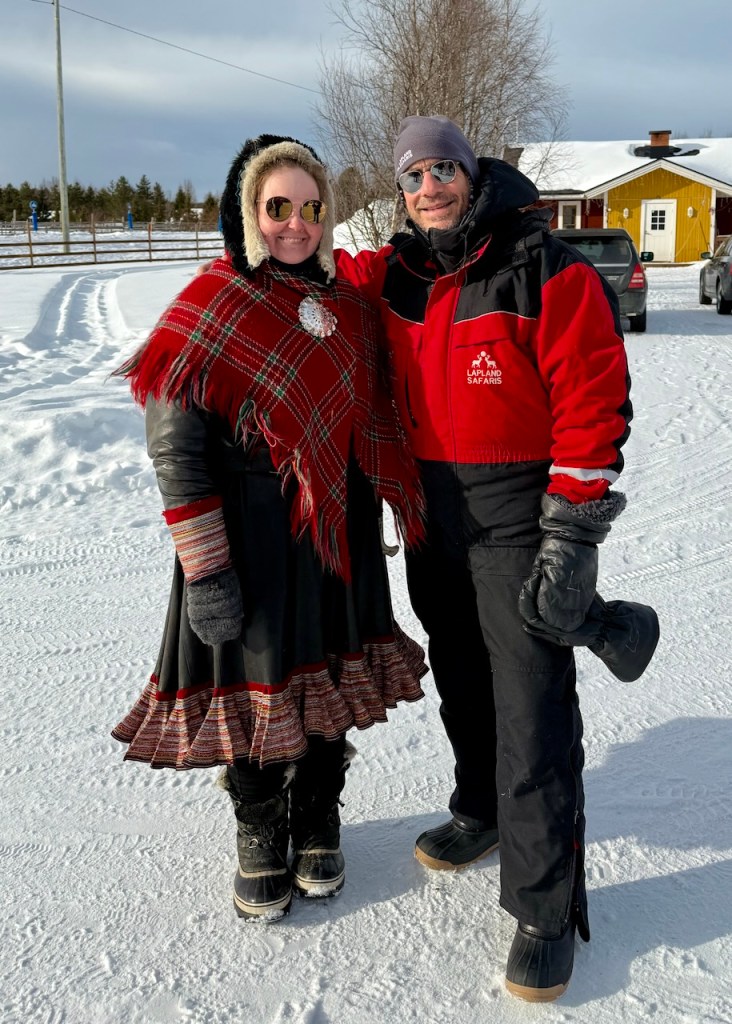
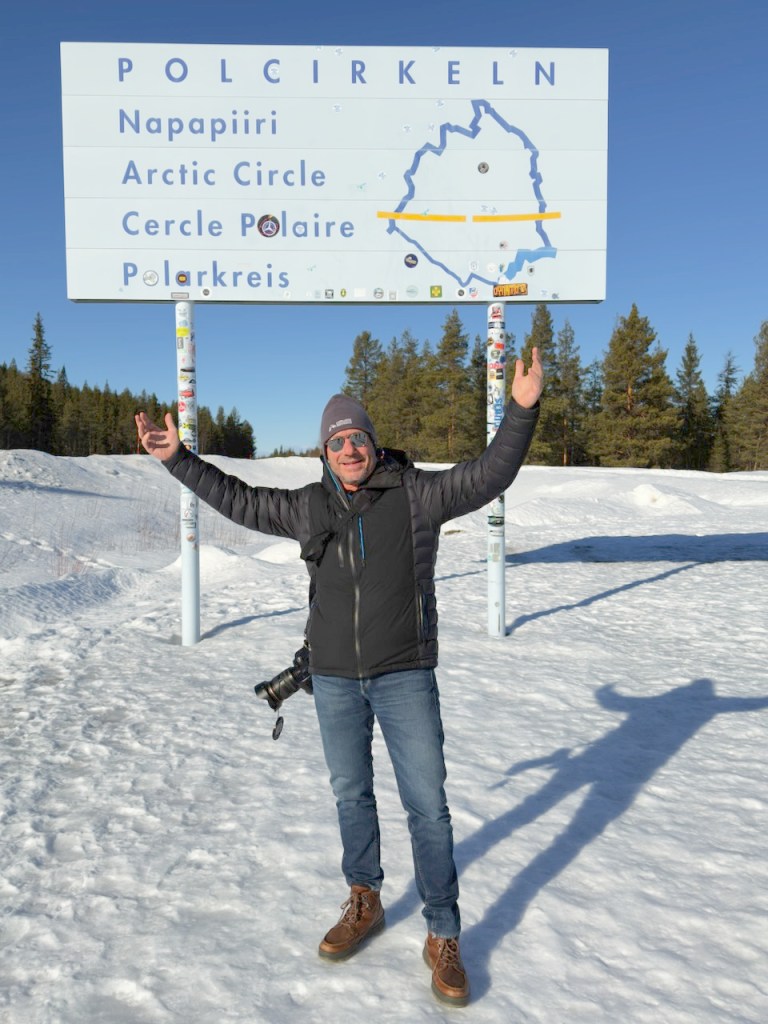
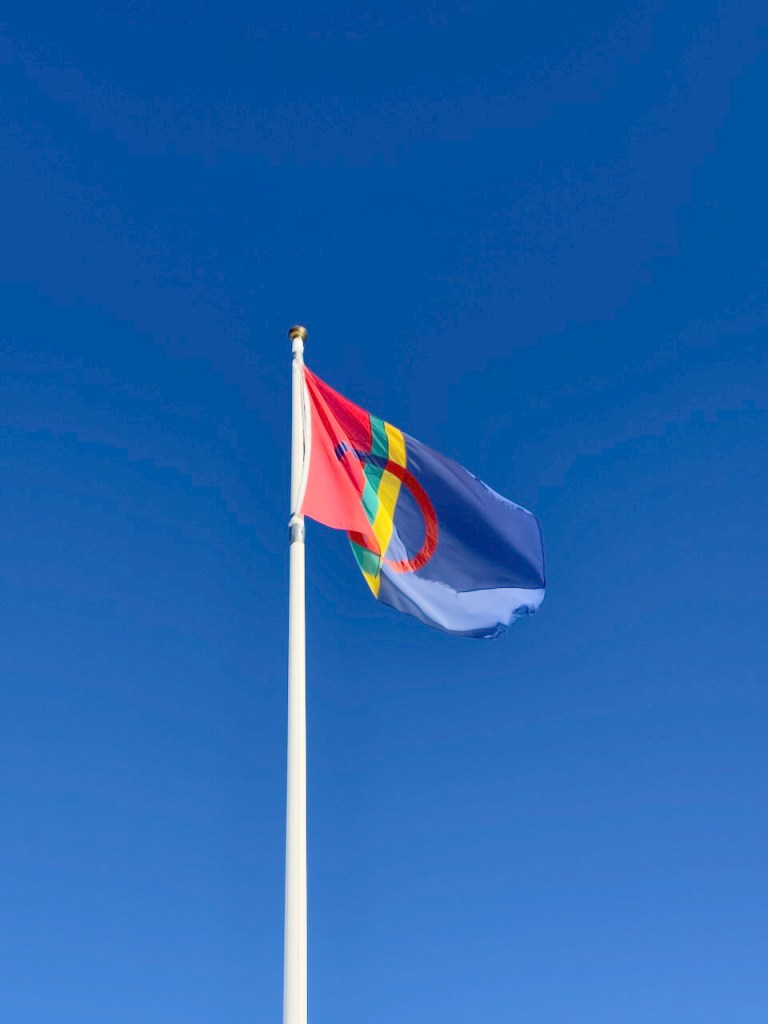
On day seven we returned to the Arctic Circle, driving about 1 1/4 hours, where we met Anna, a member of the indigenous Sami people, apparently the only indigenous community in Europe, of which only about 80,000 survive. They’ve been here for 3,600 years. We took a few pictures, then drove to her winter home.
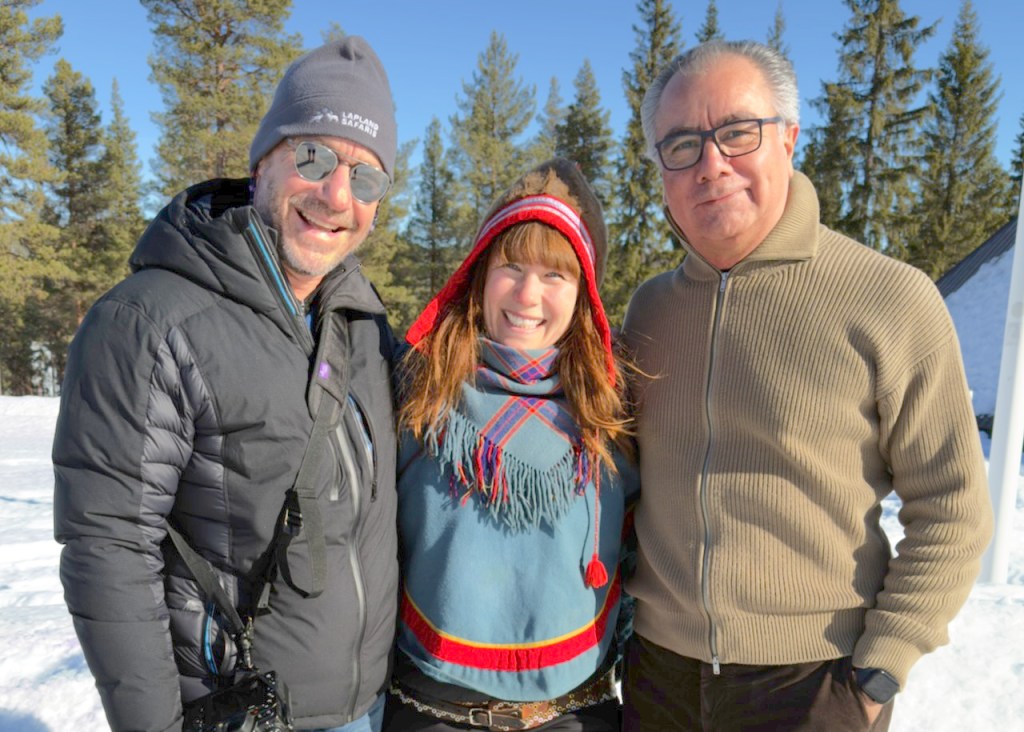
She and her husband are reindeer herders, living with their children near the small town of Jokkmok in the winter, and he goes with their herd to the mountains – where it is colder – for the summer.

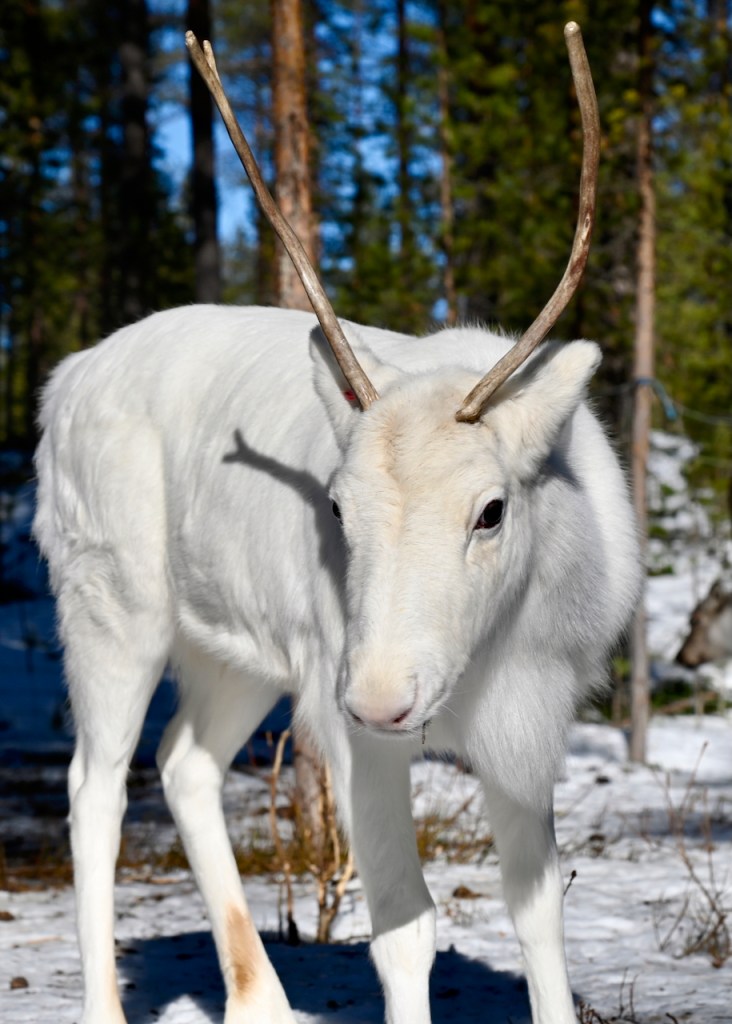
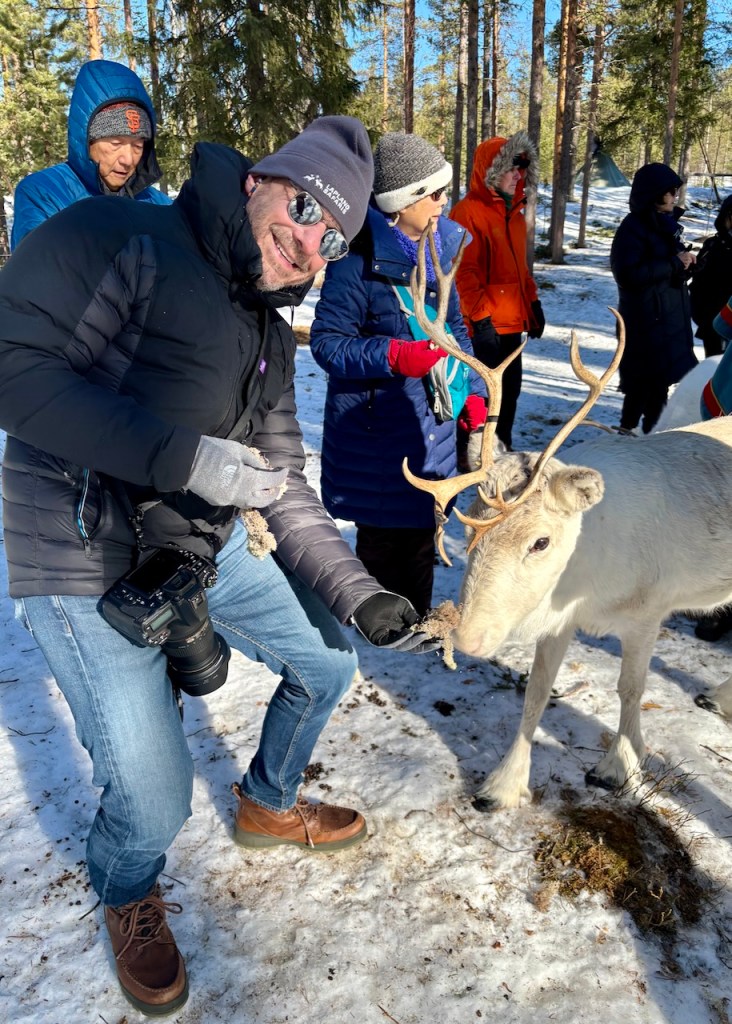
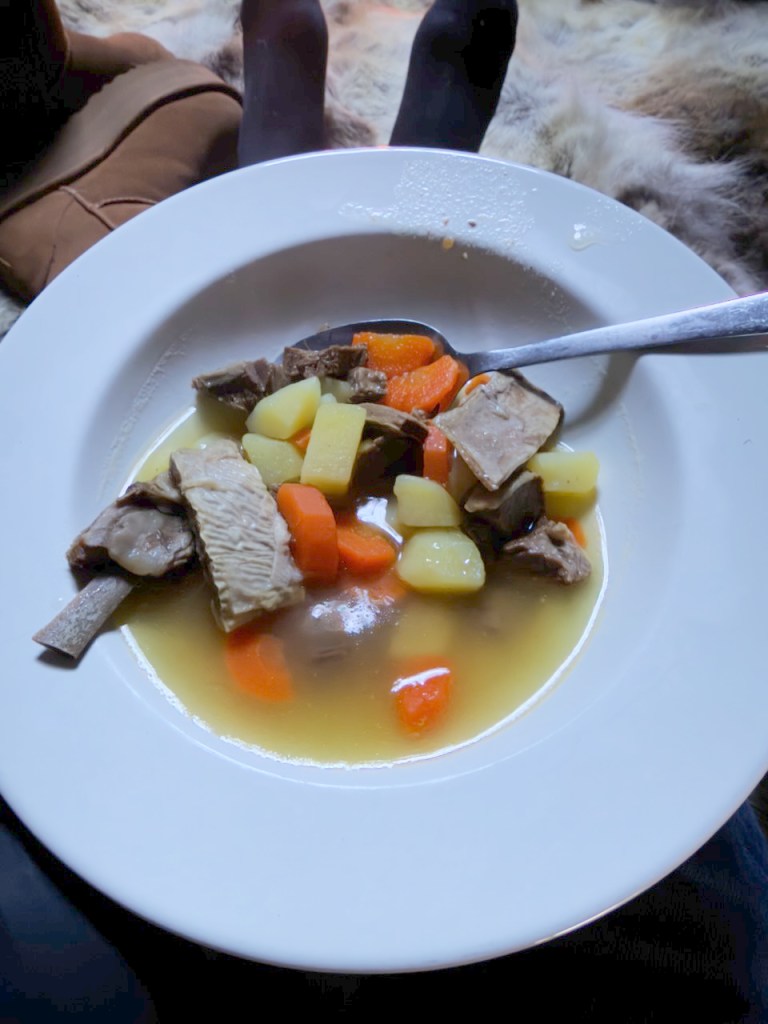
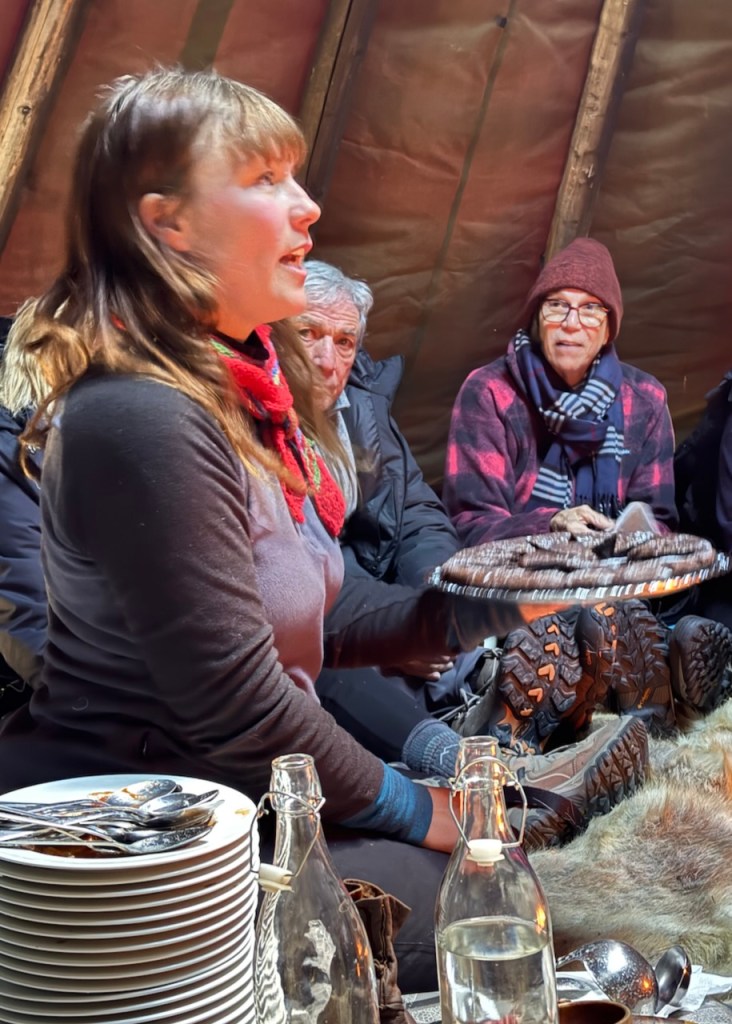
We spent a wonderful three hours with her, as she told stories of her people, explained her and her husband’s lives with their children, the challenges they face as indigenous peoples, the challenges they face as reindeer herders in a changing environment, allowing us to meet and give food to some of their reindeer, and cooking and serving us a warm lunch while we all squeezed into her lavvo (a large tepee, the same type of structure as where we had lunch earlier in our journey). She served us reindeer stew made from one of her own animals; local tradition holds that only salt can be used in the stew, otherwise it’d be like saying your reindeer don’t taste good on their own.

She also sang one of their traditional songs – a joik – this one a tribute to her daughter (which we were not permitted to film or record). She was a delight – laughed easily, warm, engaging, informative; the whole experience was enlightening and touching, and – when she finished singing – a number of us had to wipe the tears out of our eyes.
And the Northern Lights that evening – our last of this trip – did not disappoint.
Finnish Lapland – Days Four and Five

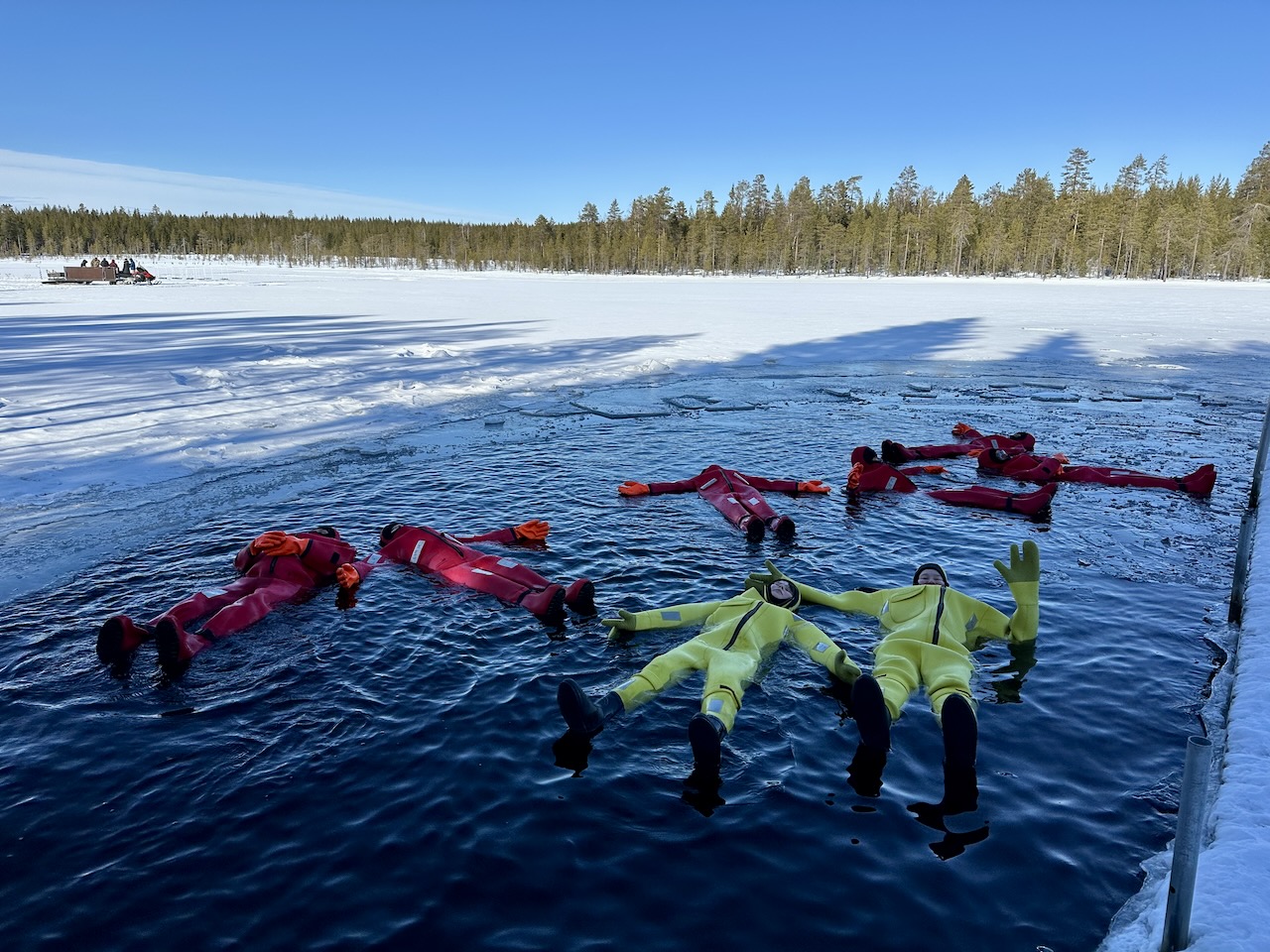
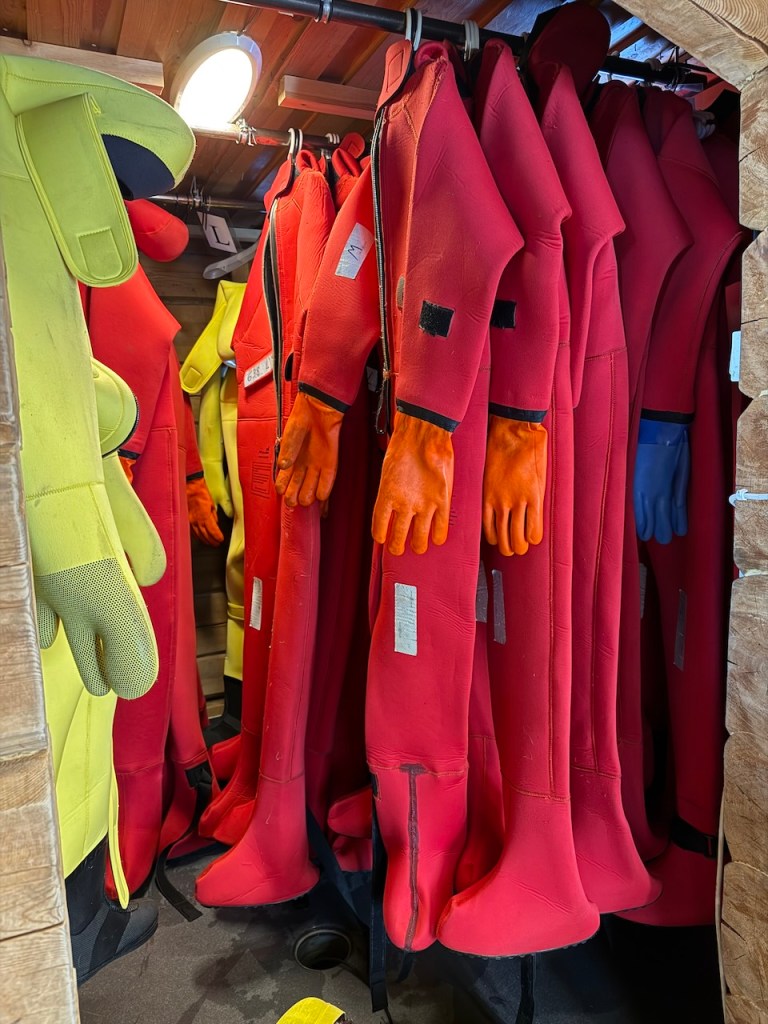
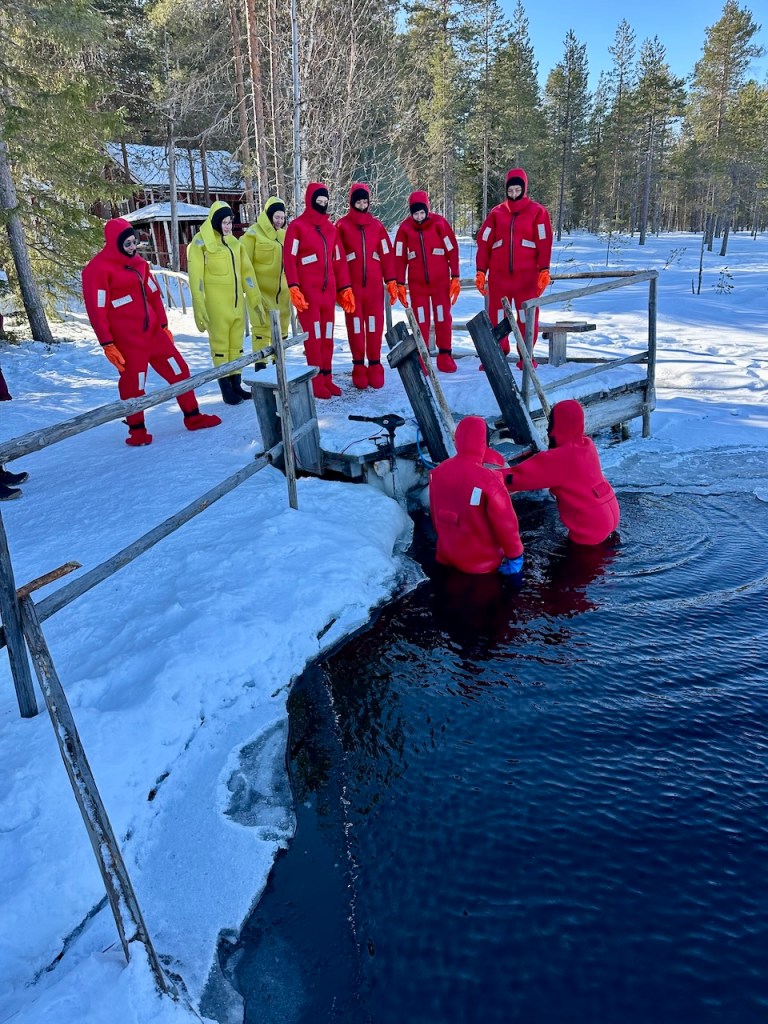
We had about a 2 1/2 hour drive on the morning of day four from our hotel in Levi, Finland, down to the town of Rovaniemi, the capital of Finnish Lapland which sits just below the Arctic Circle (which apparently moves a little continuously).  We stopped along the way for coffee and donuts, but the real goal was to get to our outdoor activities for the next 2-3 hours.  We had a choice of floating in an insulated wet-suit in the waters of a frozen lake, ice-fishing, or snow-shoeing, followed by lunch.  All the activities were around the same lake, so we really could do all three, but I opted for the float exclusively.  We pulled off most of our outerwear, but kept on our long underwear, pants, and three layers on top (I had long underwear, a sweater, and a fleece).

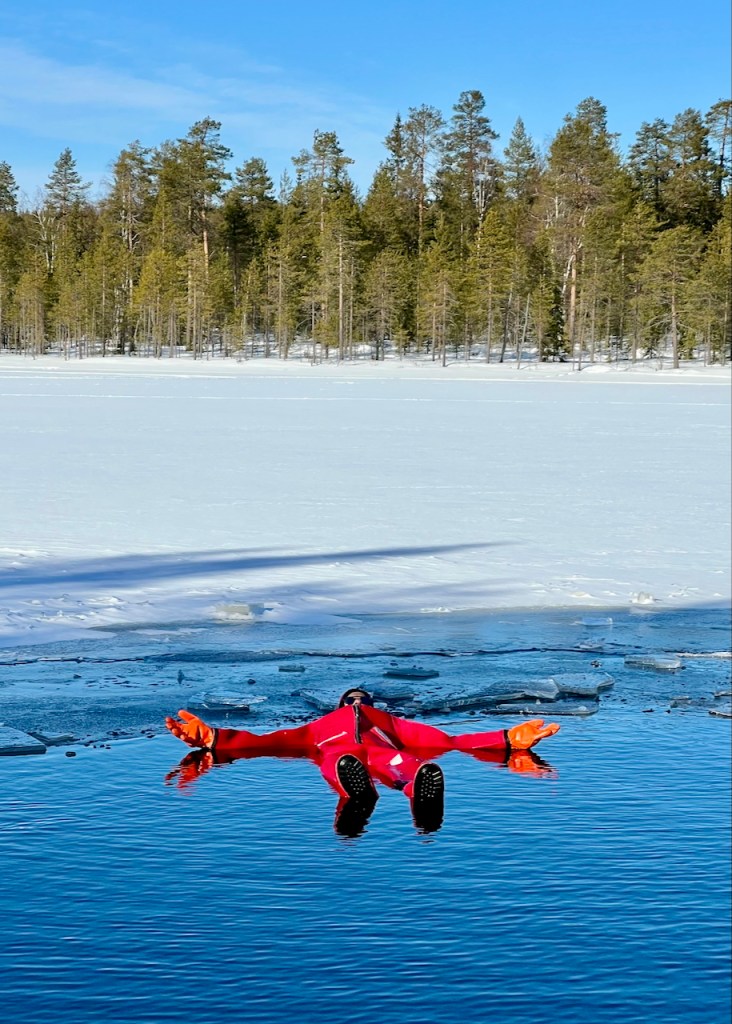
We used their woolen socks and glove inserts, but no shoes, and a baclava around our heads, then donned either red or yellow suits and waddled down to the water, where the staff had cut a decent sized hole through the ice to create a little float pond for us (which was slightly below freezing in temp); they had a small little propeller at the far end of the hole to keep the water moving so as to prevent re-freezing.  We went down a little ladder and . . . you just float.  No effort required. You move by flapping your arms a little.  About nine folks gave it a whirl, some stayed in 15 minutes, others about 35 minutes. I’d asked our guide how long the longest float had been that he knew of; 55 minutes he said, so I set it as a goal to last more than an hour, which I did along with one woman. I could feel the cold in my hands and feet mostly, though my feet stayed pretty warm, and I had to pull my fingers into a fist and flex them around to keep them warm enough.

The sun was shining, the sky was blue, you could see the tops of trees that surrounded the lake. I was hoping for a peaceful, blissful, quiet float as the others left, but – unfortunately – that wasn’t to happen; there was too much other noise nearby. After staying in for a bit more than an hour, I’d enjoyed myself and had enough.

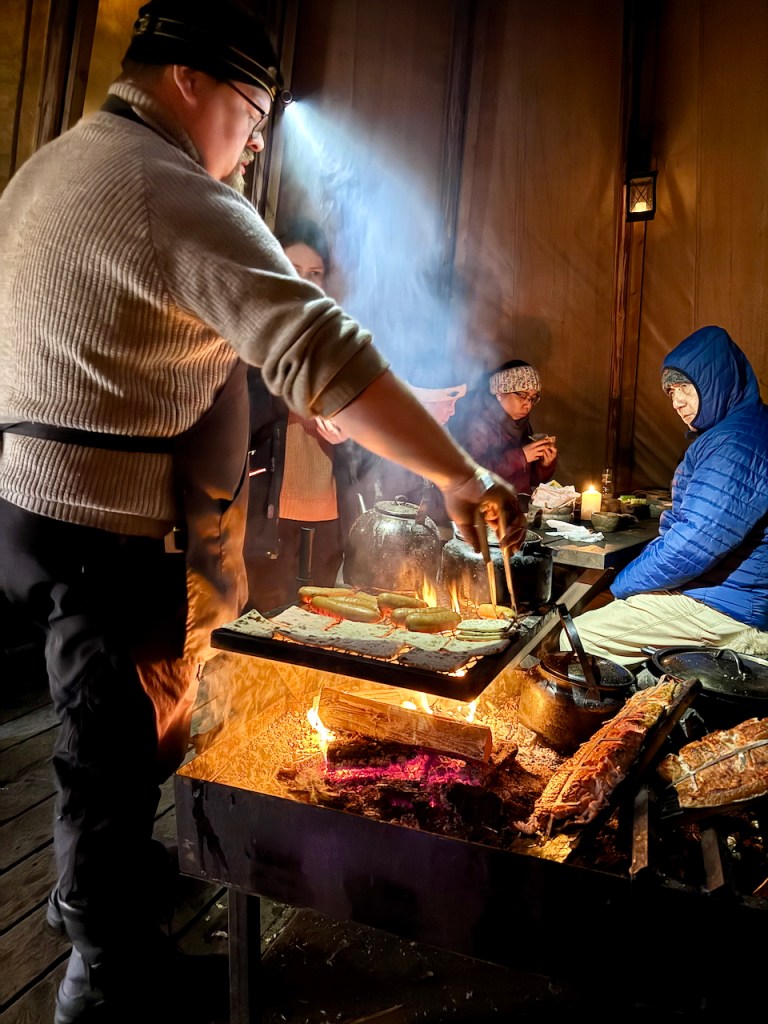
While I didn’t have time for ice-fishing or snow-shoeing, the next best thing was . . . lunch! The staff had set-up a large teepee – called a “lavvu” or “lavvo” in the local culture – into which we could all fit along with a chef, two servers, and a roaring wood-burning fire on which lunch had been prepared. It was just about the best meal we ended-up eating the whole trip: homemade potato soup with grilled fresh salmon added to it, sausages, bread, and warm berry juice. After an hour float I needed to be warmed from the inside, and this definitely did the trick!

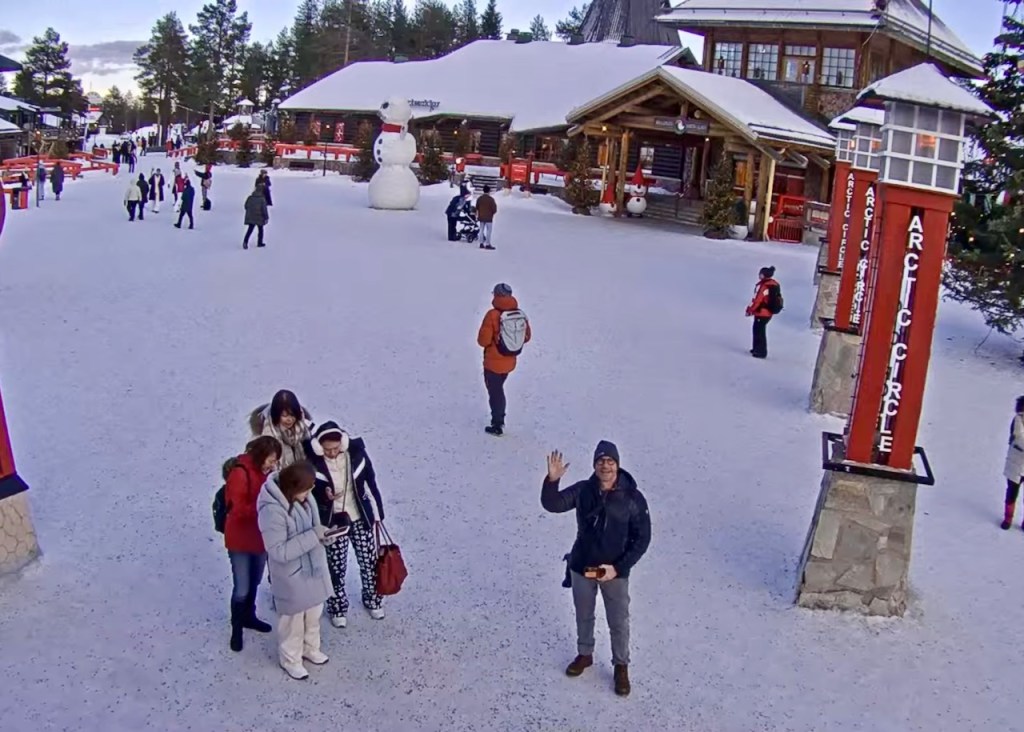
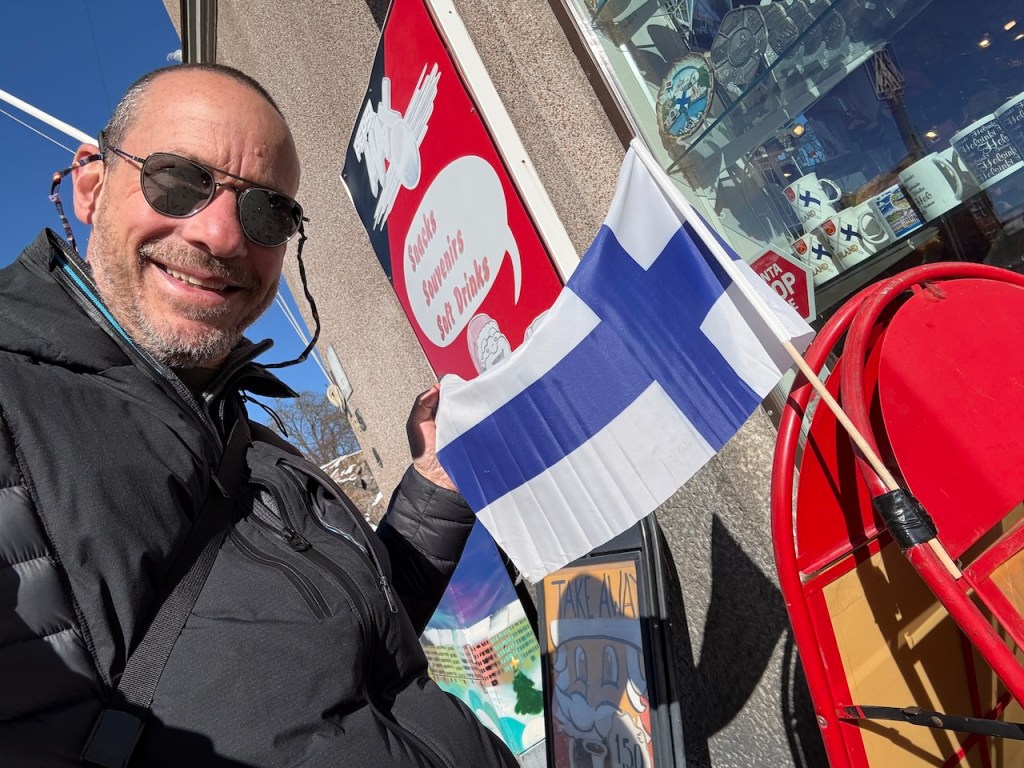
Finland has laid claim to being the home of Santa Clause – which has its upsides and downsides (see this article in The NY Times from April 2025), and when you’re in Rovaniemi apparently one of the “must visits” is Santa’s village. Yeah, we went. Fun for some folks but what I liked most was the “Santa Village cam” that you could see yourself on while you stand on or near the Arctic Circle. You can buy tchotchke, mail a letter, and have your picture taken with him which you can purchase for $40. There’s a restaurant nearby named “Santa’s,” and I couldn’t help but wonder if they served reindeer there.
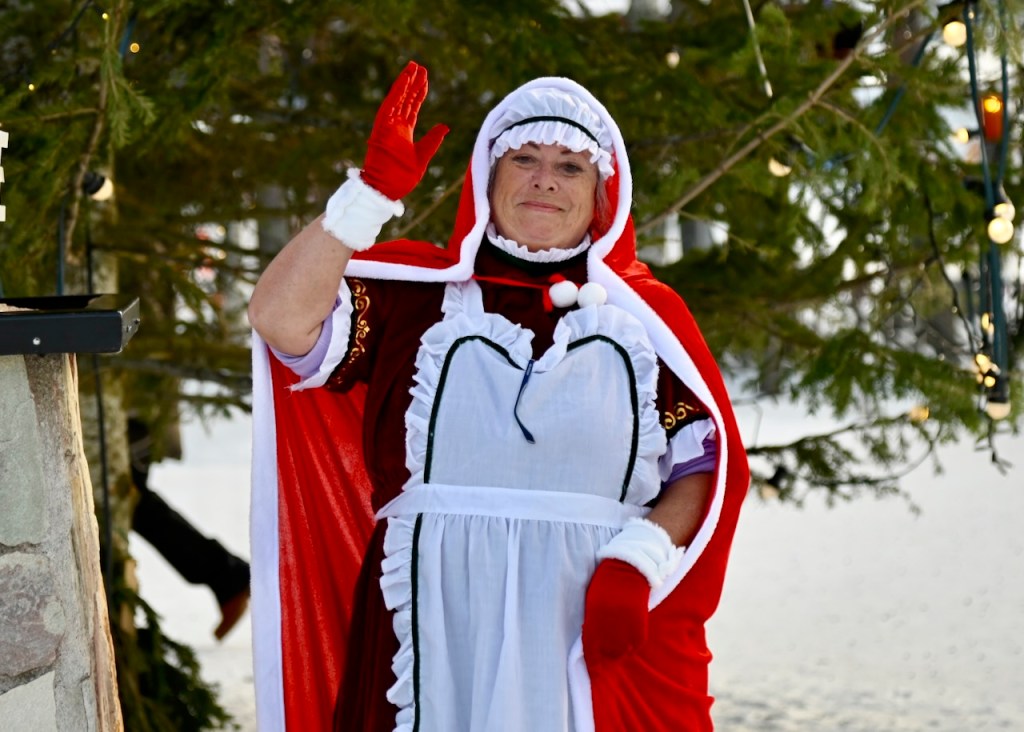
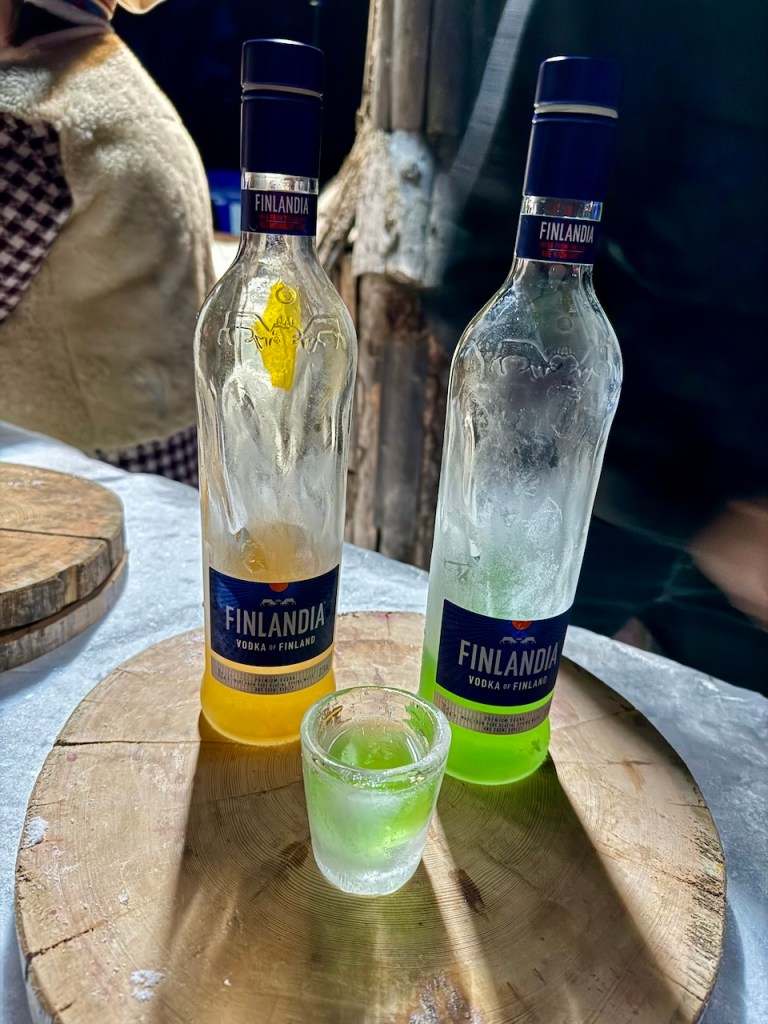
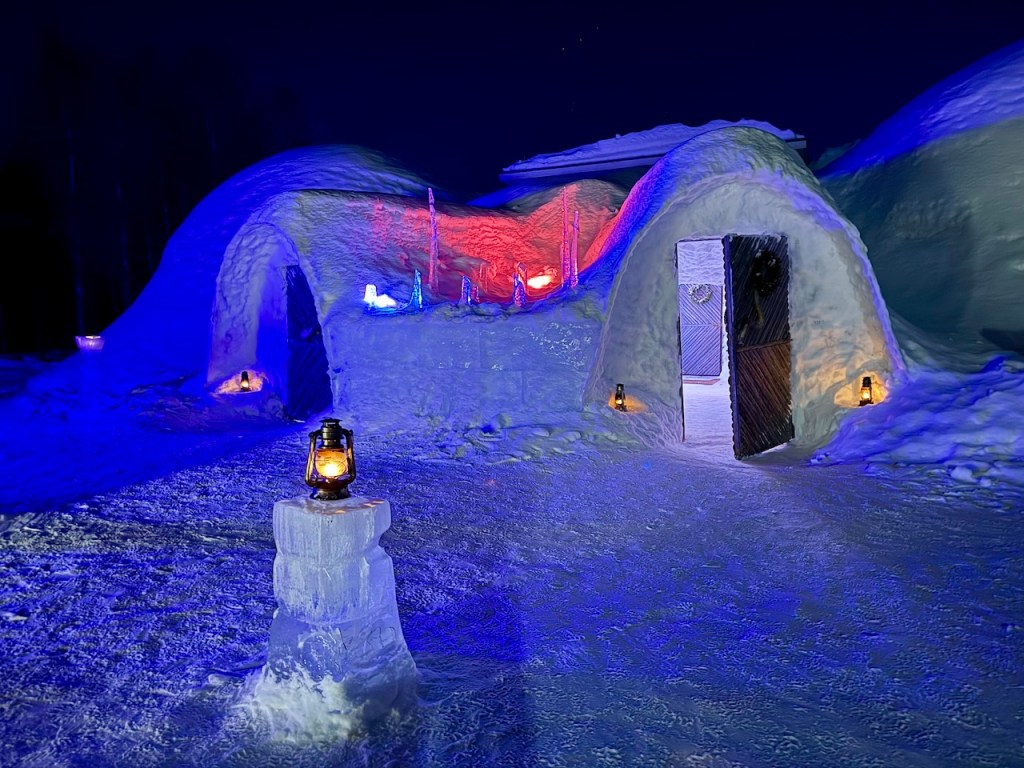
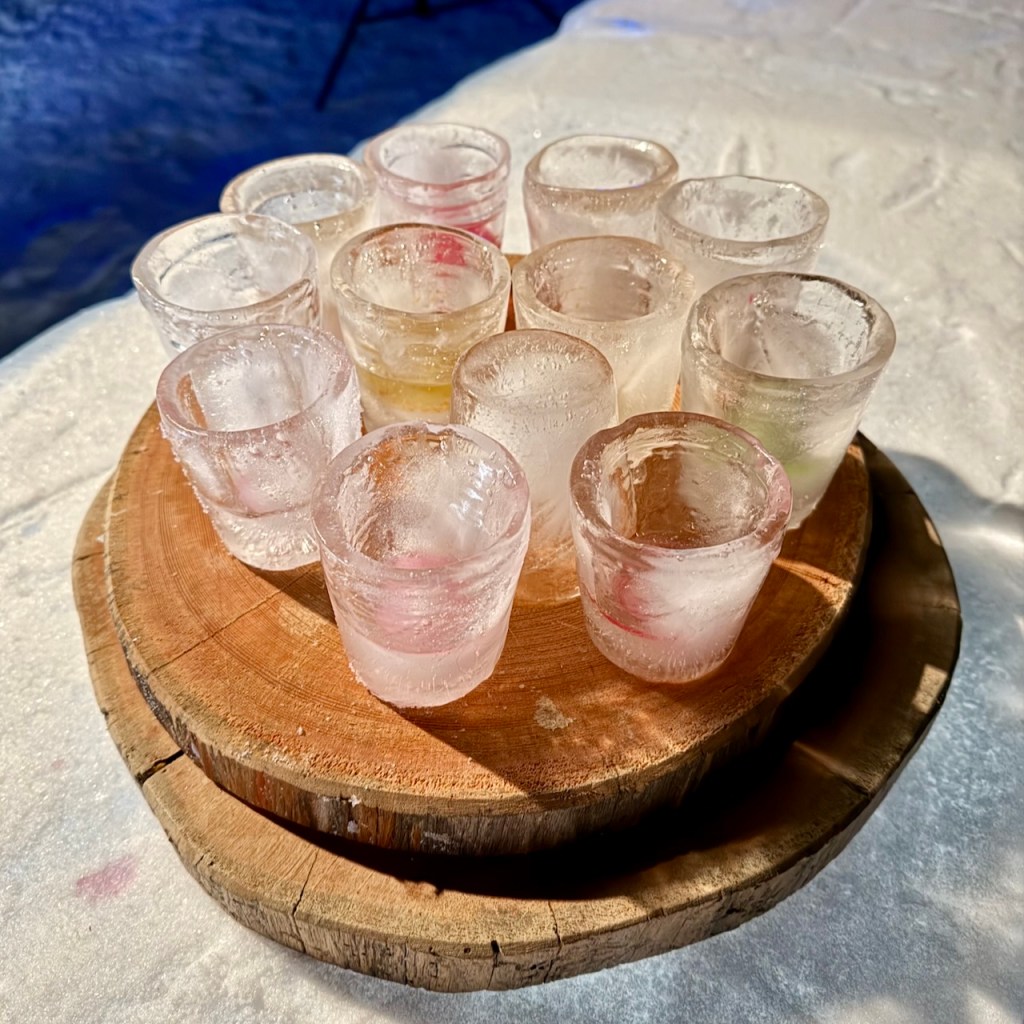
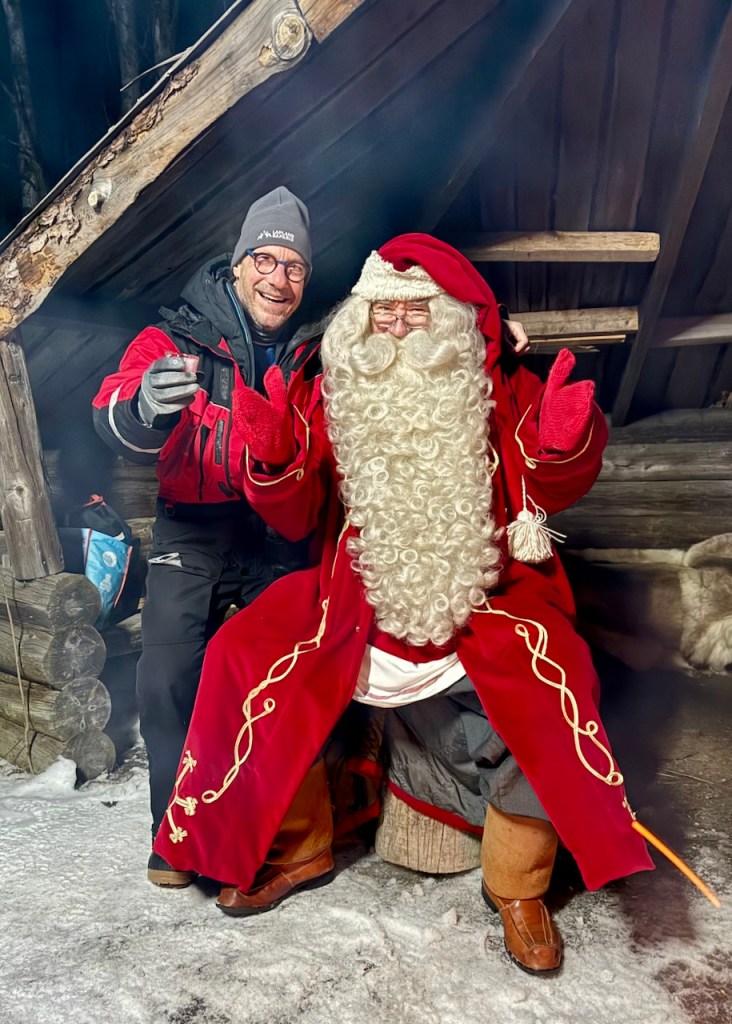
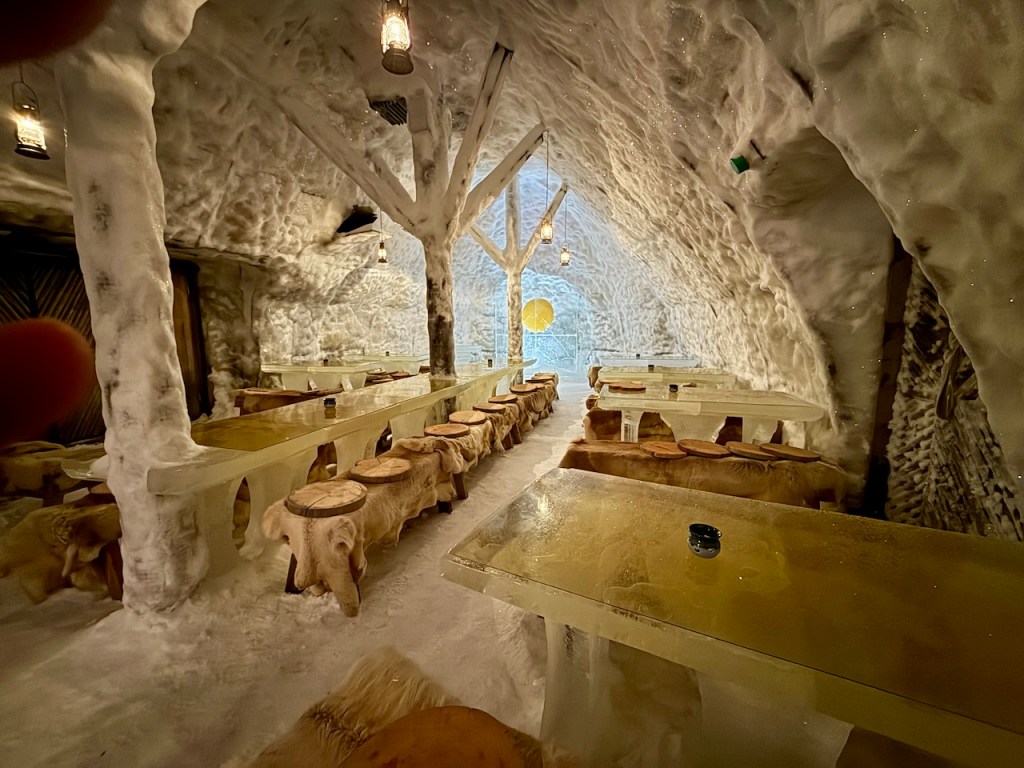
But dinner that night was at an igloo restaurant. Wicked cool (LOL). It gets rebuilt every year and has several large rooms since it specializes in groups, it has a separate bar and lounge, and when we arrived we were served iced (Finlandia) vodka in shot-glasses made out of ice. Slippery suckers! And, yup Santa was there so we could have our pictures taken and get copies of them for no charge. I showed him a picture I had of me and Santa from 1966, telling him we’d met before!
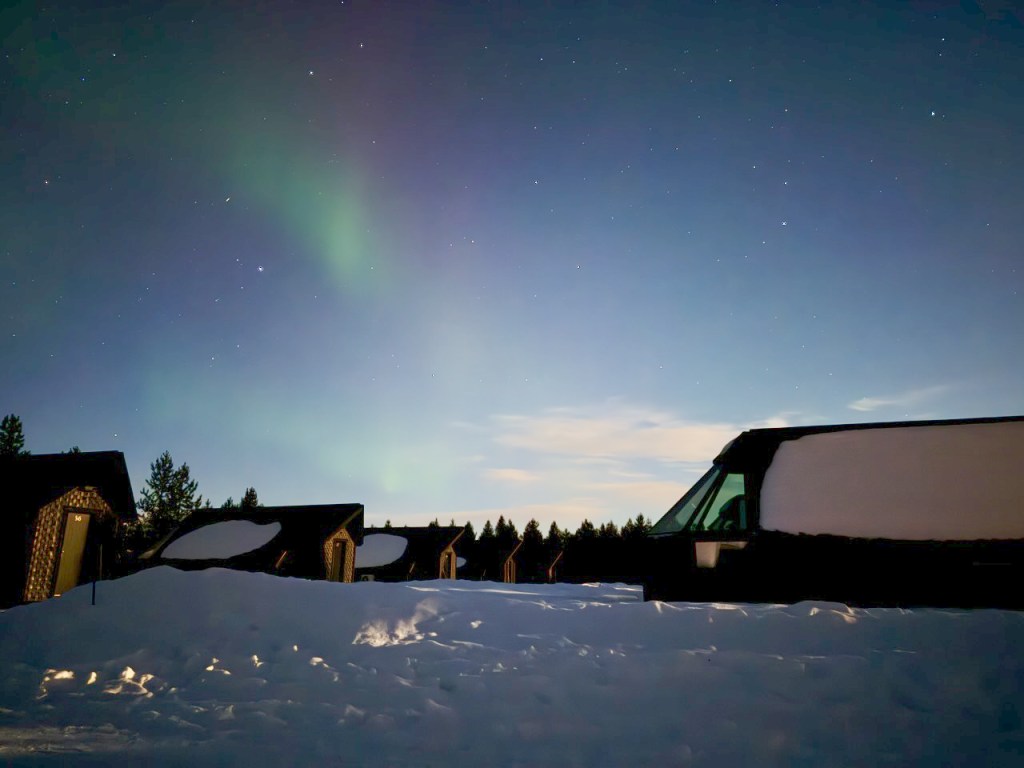
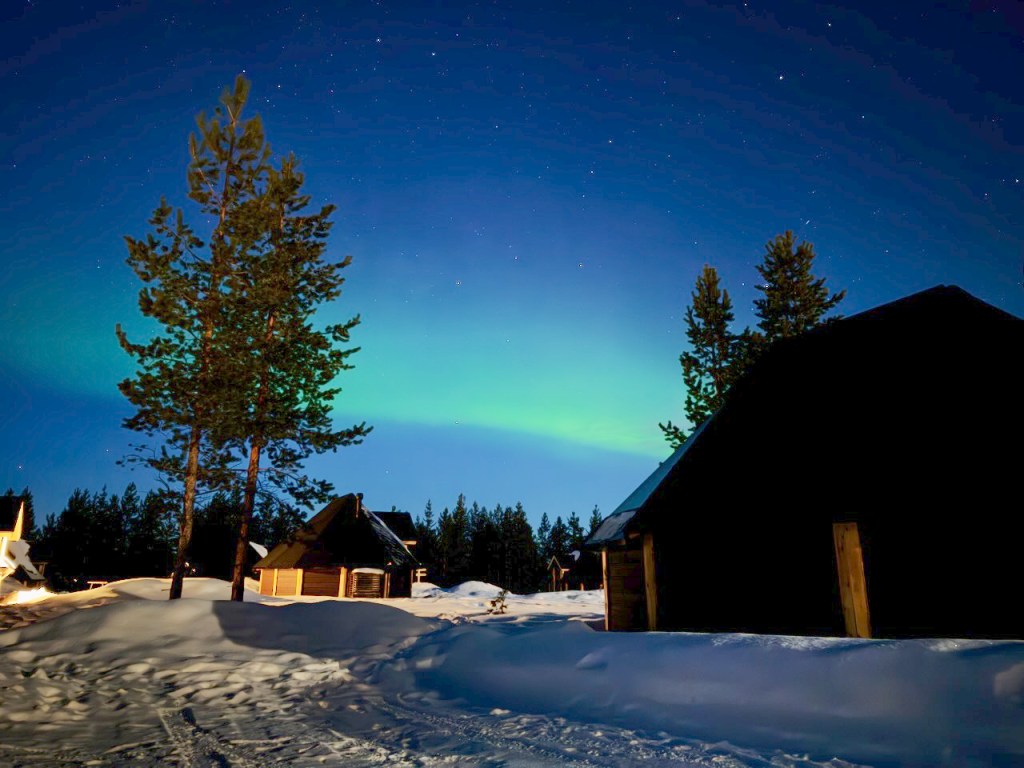
After dinner we headed out to a frozen lake for more Northern Lights – not as good as the prior evening, but – hey – it’s the Northern Lights!

Day five info is after the pics below.

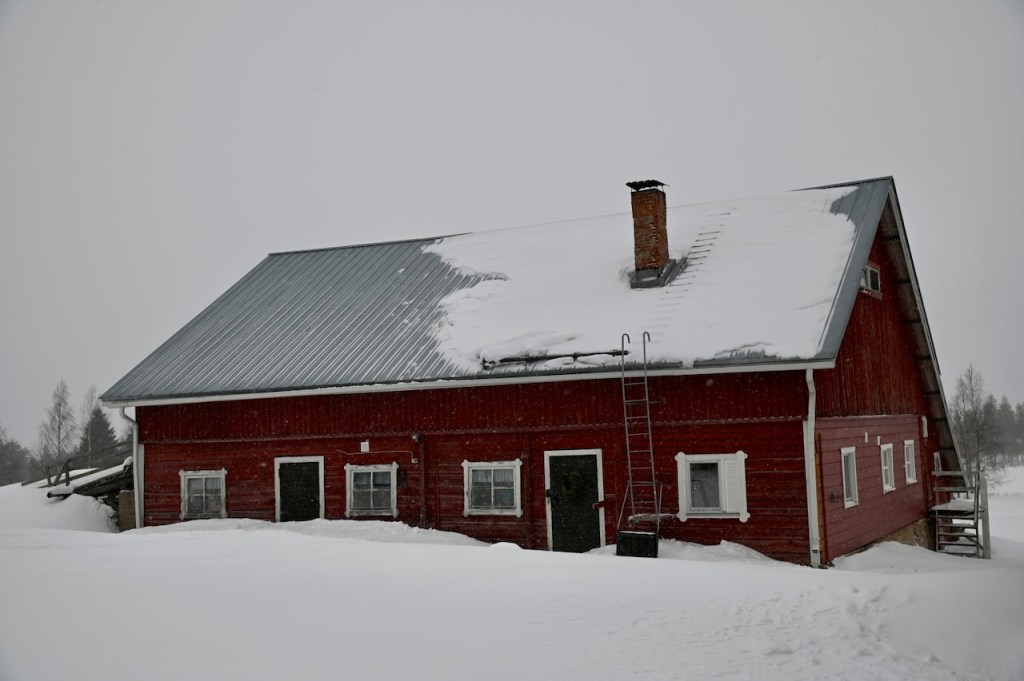
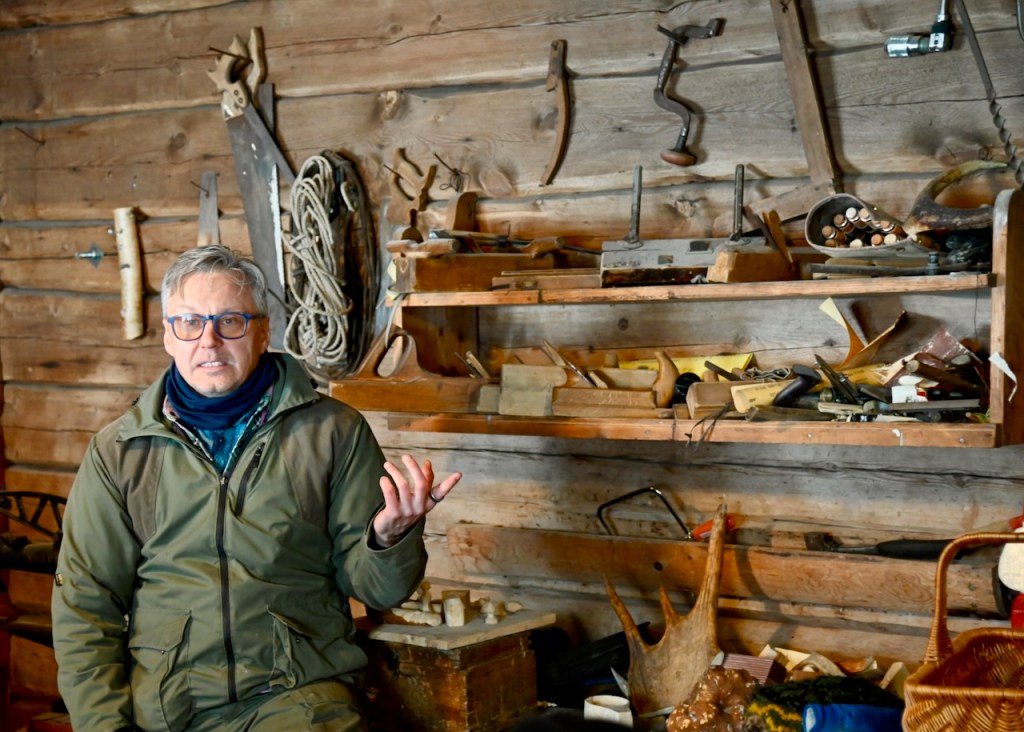
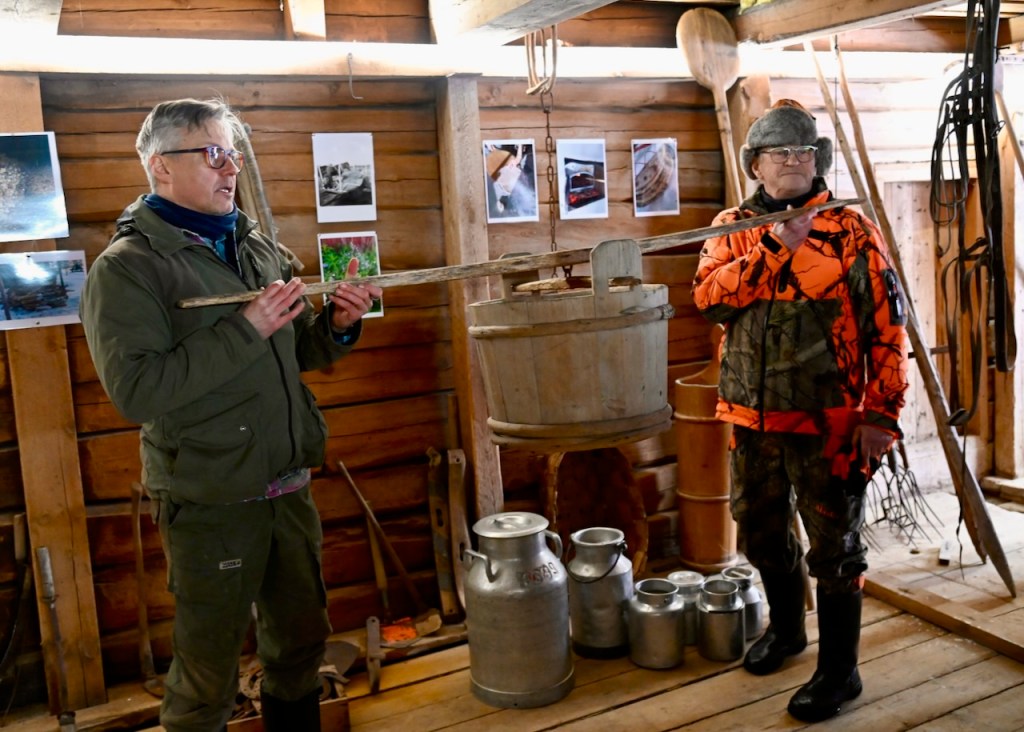
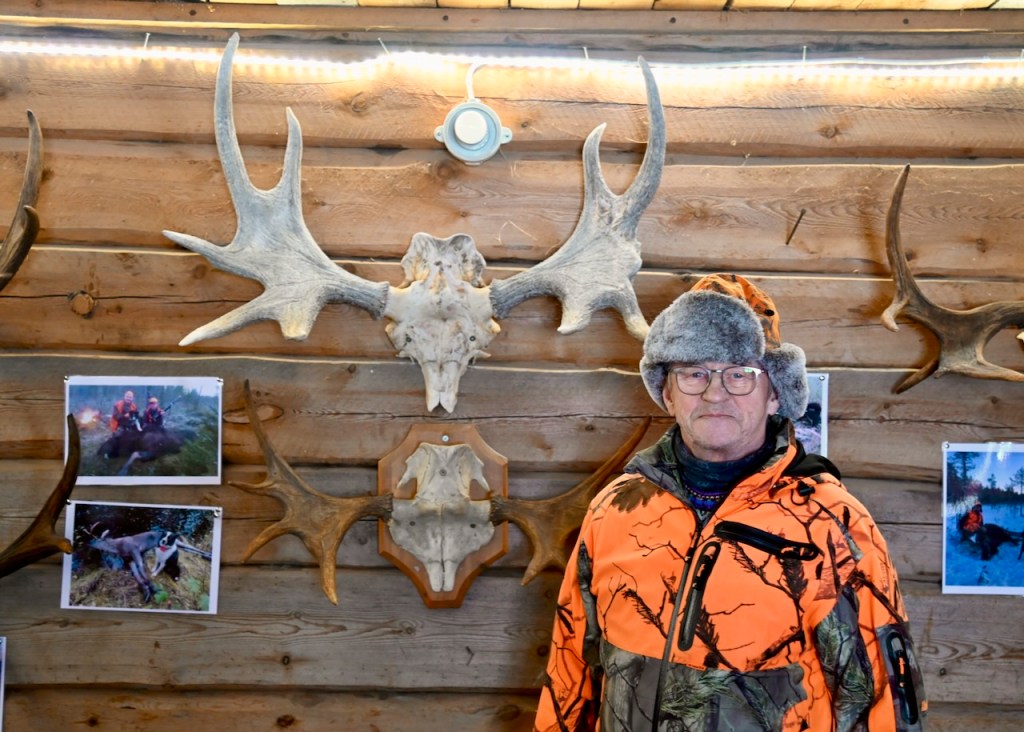
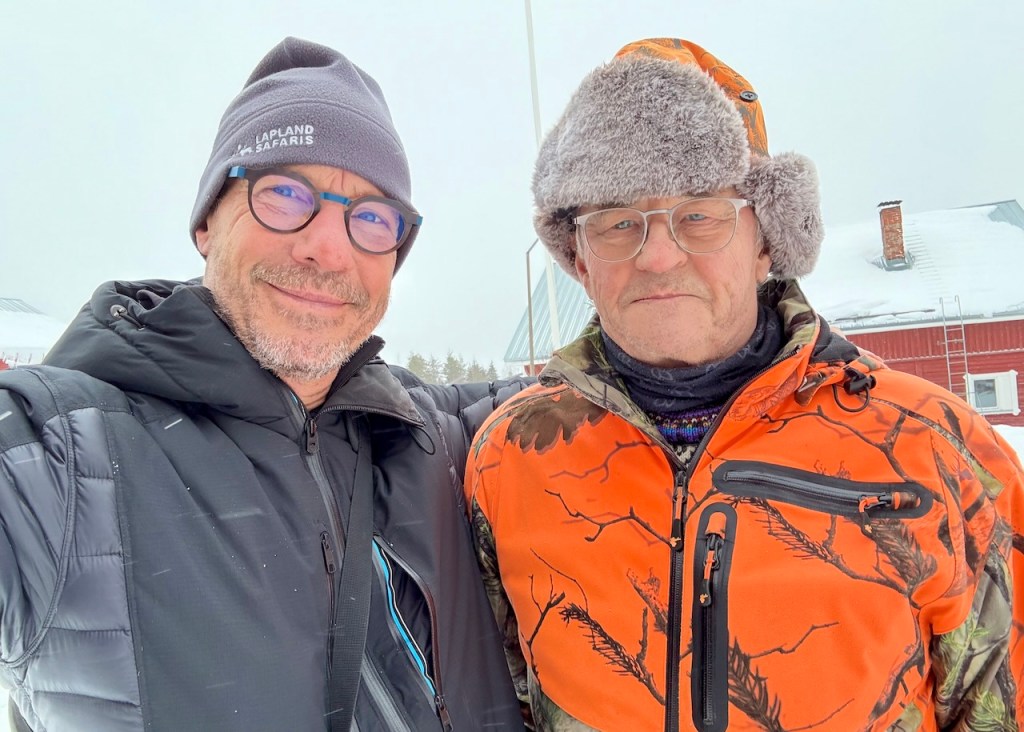
A mellow fifth day compared to the prior few days. We had a later start and went to visit a local family – grandfather, father, father’s sister, and the father’s son – who have a working farm (though the father is a consultant who also has an apartment in Rovaniemi). The land has been in the family since the 1700’s but the Germans forced the family to evacuate and destroyed all the buildings. They were raised in a culture of “make it yourself” and “kill only to eat”. We learned about how many of the tools in the toolshed were handmade, the furniture was handmade, the main house had been built by the grandfather and his father, and how they hunted and fished – both back in the day and today. Great dynamic among the three generations, and a lunch of reindeer stew on mashed potatoes with homemade lingonberry jam.

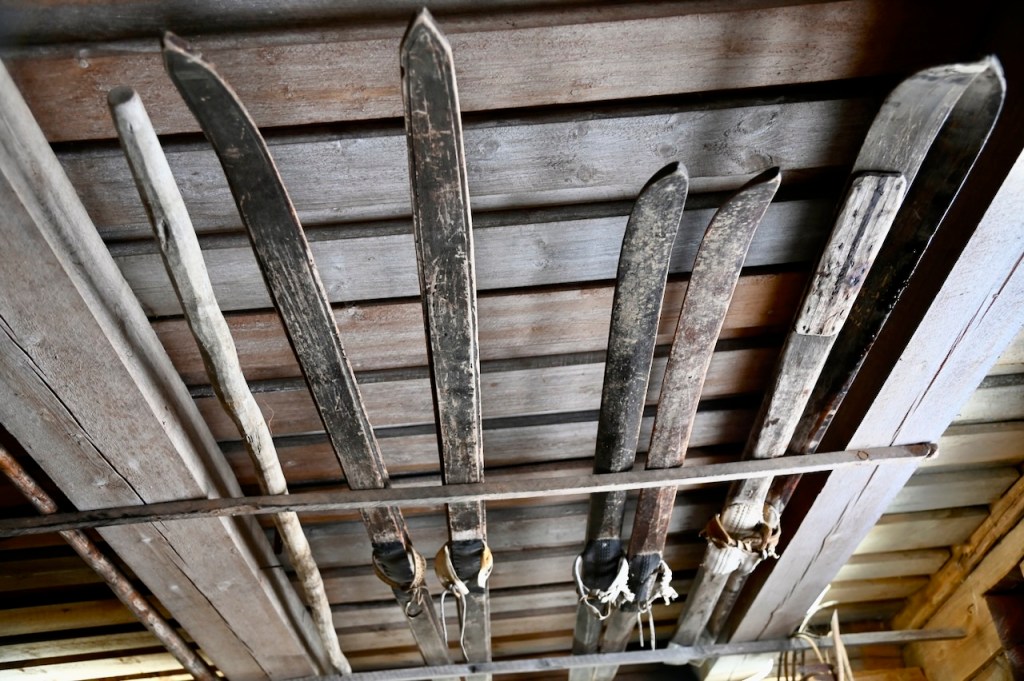
The skis in the picture below were handmade, probably about 60 years ago. The grandfather, when he was a little boy, had to ski about 12 miles each way to go to school. 

We visited a local artist afterwards, whose gallery showed off work by herself and some of her friends. For dinner, I went into town to a local joint; I’d asked our guide for a recommendation that would allow me to be a bit adventuresome with some local food; the place was rustic, and I’d say about half of the guests were locals. As for the Northern Lights – well, nothing rated a picture to be posted here.

Finnish Lapland – Days Two and Three

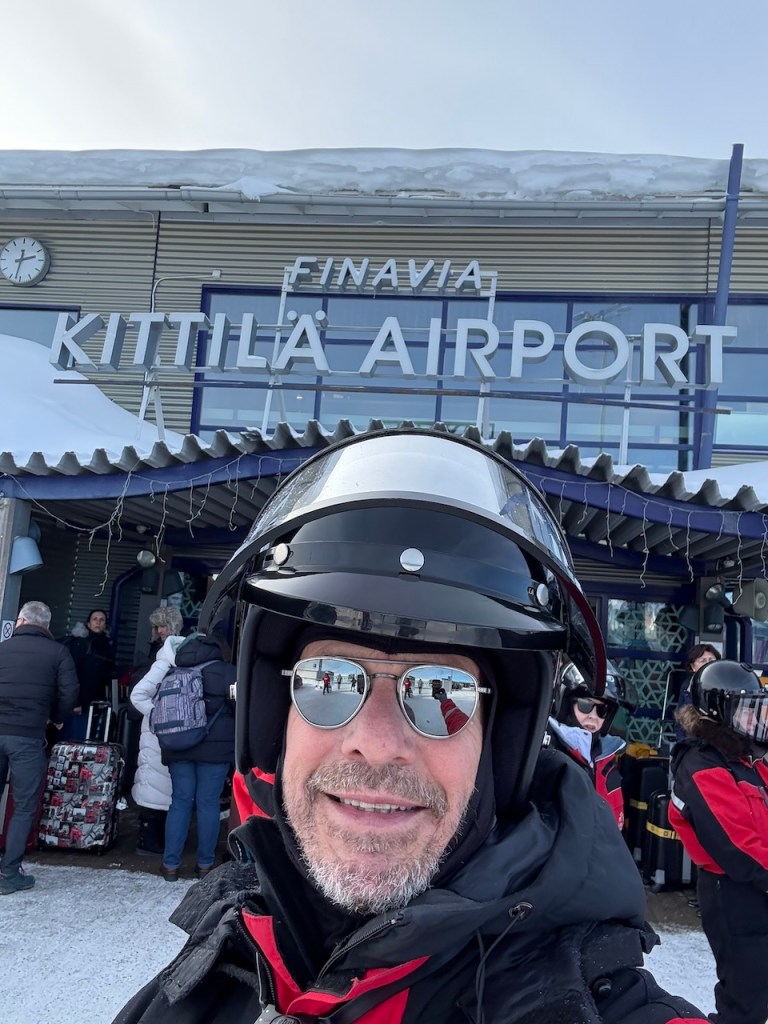
On the morning of day two we flew from the airport in Helsinki to the town of Kittila in Finnish Lapland, the town with a population of about 7,000.  The temperature was “feels like 19” when we landed.

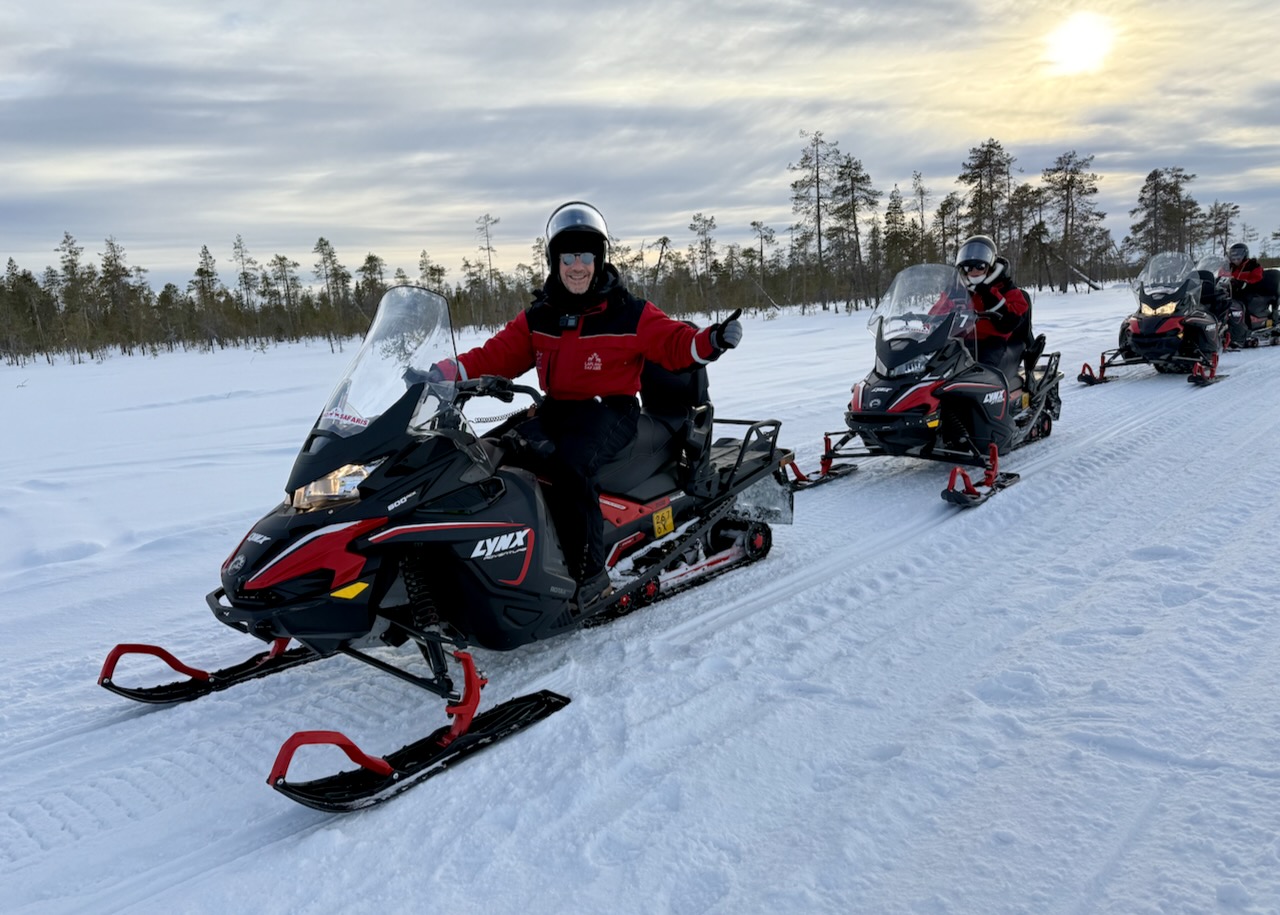
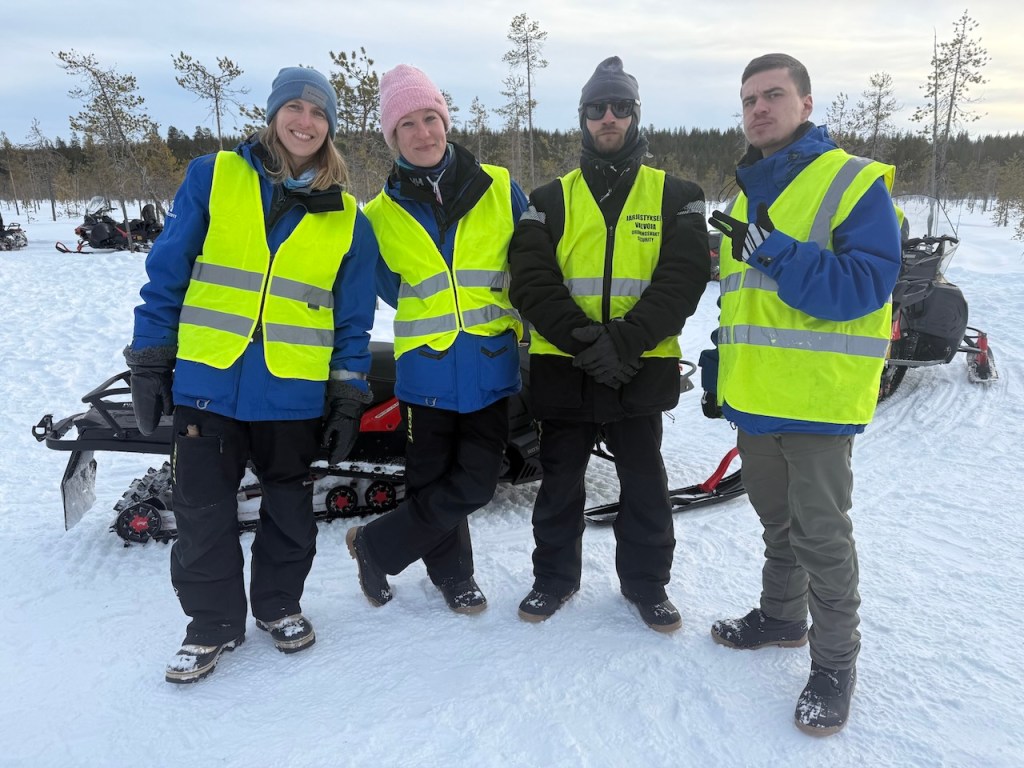
At the airport, we were met by a crew from “Lapland Safaris,” who took us into a private room where the leader, Vicky, explained what we’d be doing.  First, we’d change into snowmobiling suits, wool socks, boots, gloves, baclava, helmet, and gloves they’d provide. After taking some advice on how many layers to wear, I went with long underwear and jeans on the bottom, two pairs of wool socks, a thermal top, wool sweater, and my puffy coat, all underneath the snowmobiling suit and other gear they provided.  It took us a good 60-90 minutes for everyone to figure out what to wear and get changed.

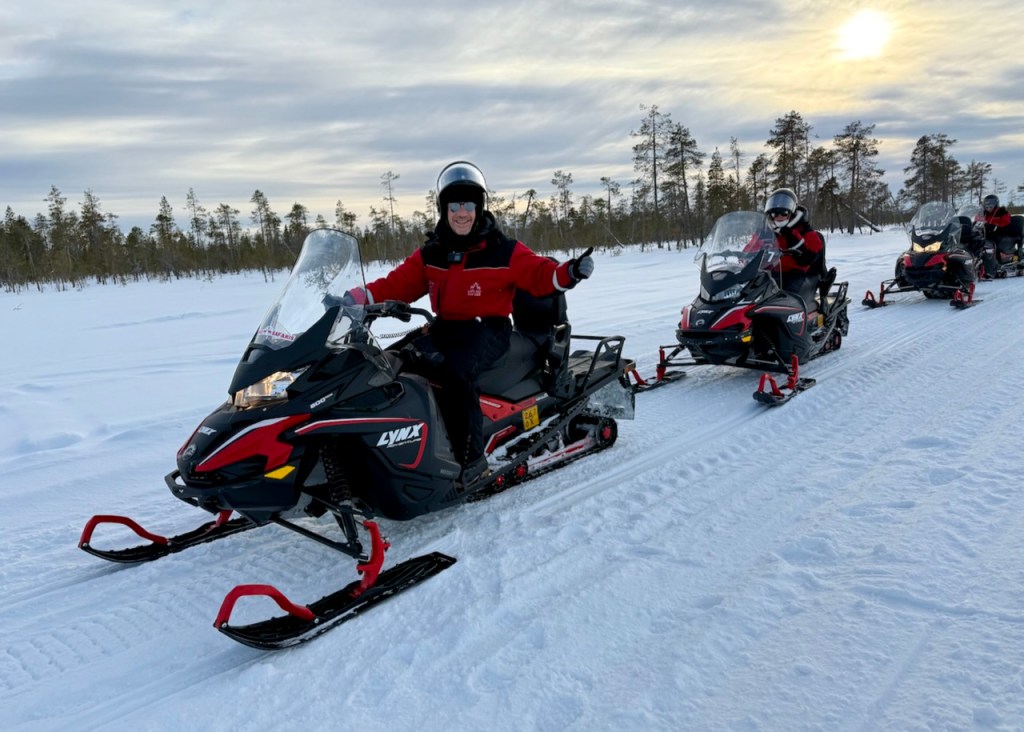
From there we headed out to the snow-mobiles, where we got a quick lesson in how to drive them (really easy – gas on one-hand, brake on the other, steer with both, and that’s about it) and some safety tips. Some folks – like me – drove solo, while others drove with whomever they were traveling with. 

After that – off and running.  About a 90 minute ride, with one longer stop for a snack.  We were in three groups, all following each other, all led by a guide, on a snowmobile track cut through the landscape, sometimes along a road or some power lines, sometimes across a frozen lake or through the woods.  Mostly flat, with some bumps and divots along the way.  At first, we probably averaged only about 10 mph, but during the longer stop I swapped with a woman in a different group, putting me in the “fast” group; our guide (who I was right behind) would stop and let the other two groups get ahead a bit, then we’d take off and catch-up – maxing out at around 25-27 mph.  At one point, when we were stopped, I thanked our guide for the speedy take-offs – and she replied that she wasn’t just doing it for us! Across the frozen landscape of Finnish Lapland, the occasional cross-country skier and other snowmobilers, under a beautiful sky.  The slow parts were too slow, but the fast parts were a panic!

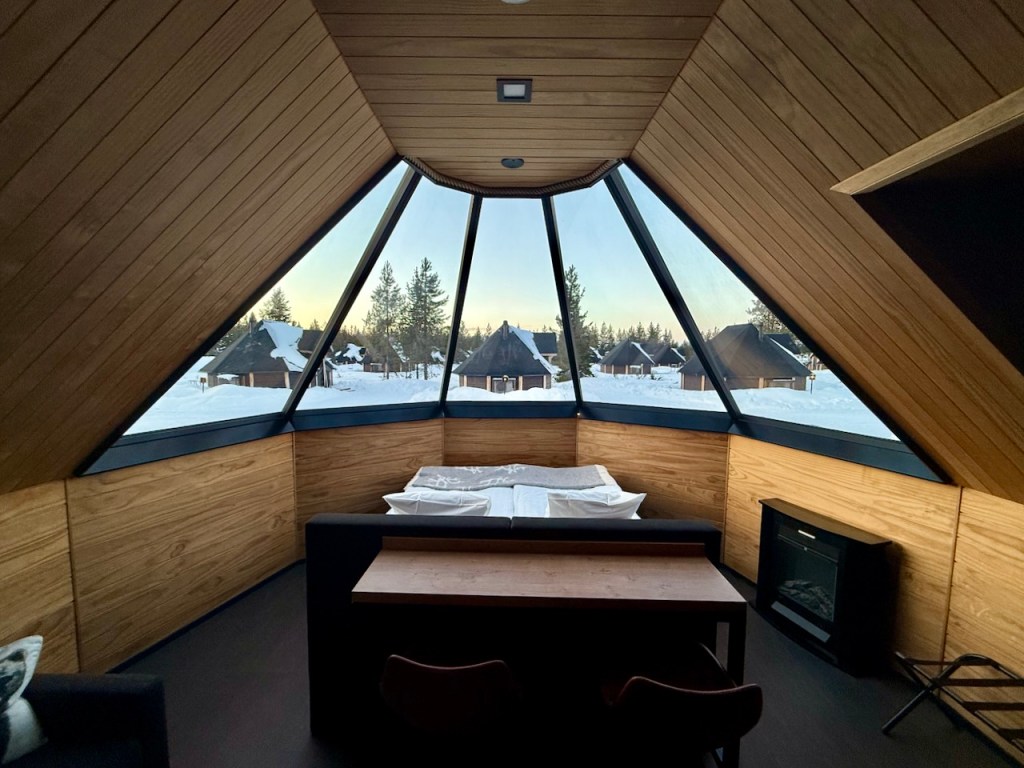
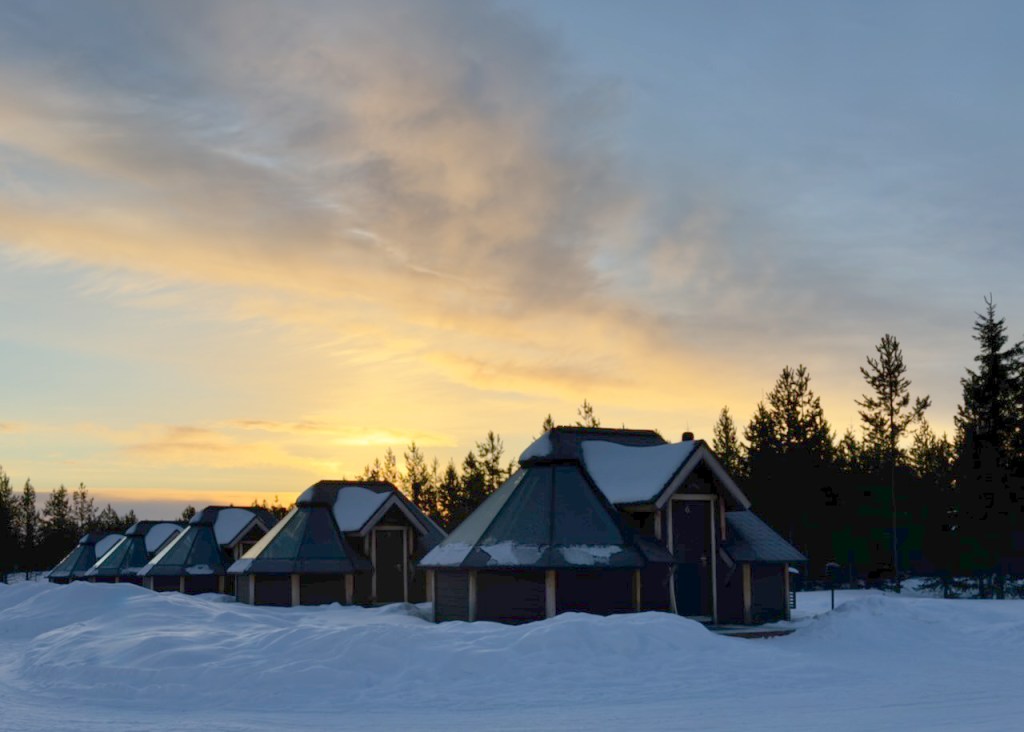
Our hotel had individual cabins – what they called “Aurora Cabins” – each with laser-heated glass “roofs” to facilitate seeing the aurora borealis (aka northern lights). A bunch of us, though, kept wandering outside our cabins to watch the sky and – waddaya know – we were rewarded. Even if we didn’t see them again the rest of the trip, we’d at least seen them the first night we were here! Day three adventures follow these pics and videos from day two.

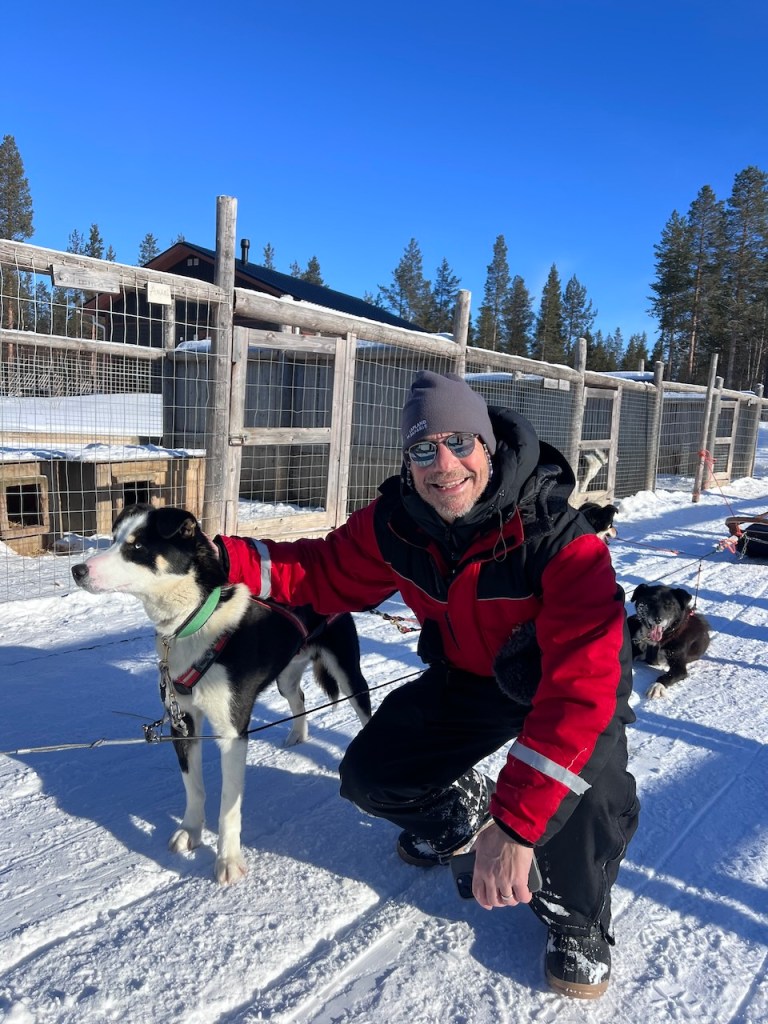
Day three was pretty much all outdoors with temps in the teens the whole time.  We started with a short ride to a dog-sledder, who owns about 160 Alaskan Huskies, aged 13 years all the way down to puppies born last summer.  We hooked-up sleds, two people per sled (no “staff” – just us guests in each sled, tho led overall by someone on a snow mobile), each sled led by five dogs. I paired up with someone else and I “drove” the whole time, while some pairs swapped about midway through.  You stand in the rear, each foot on a wooden slat and each hand on a sled handle; the only thing you can really control is breaking (with your foot, pushing a set of metal teeth into the ground) and – when you hit the break – it’s cute, as the dogs look back as if to say “hey, what you doing?”  They pee and poop while running, so I was glad to be the one standing and not my fellow-sledder who was seated in front of me and right behind the dogs.  More fun than the snow-mobiles on day two – not the noise of the engines nor the smell of exhaust, even tho we didn’t go as fast, covering about five miles.

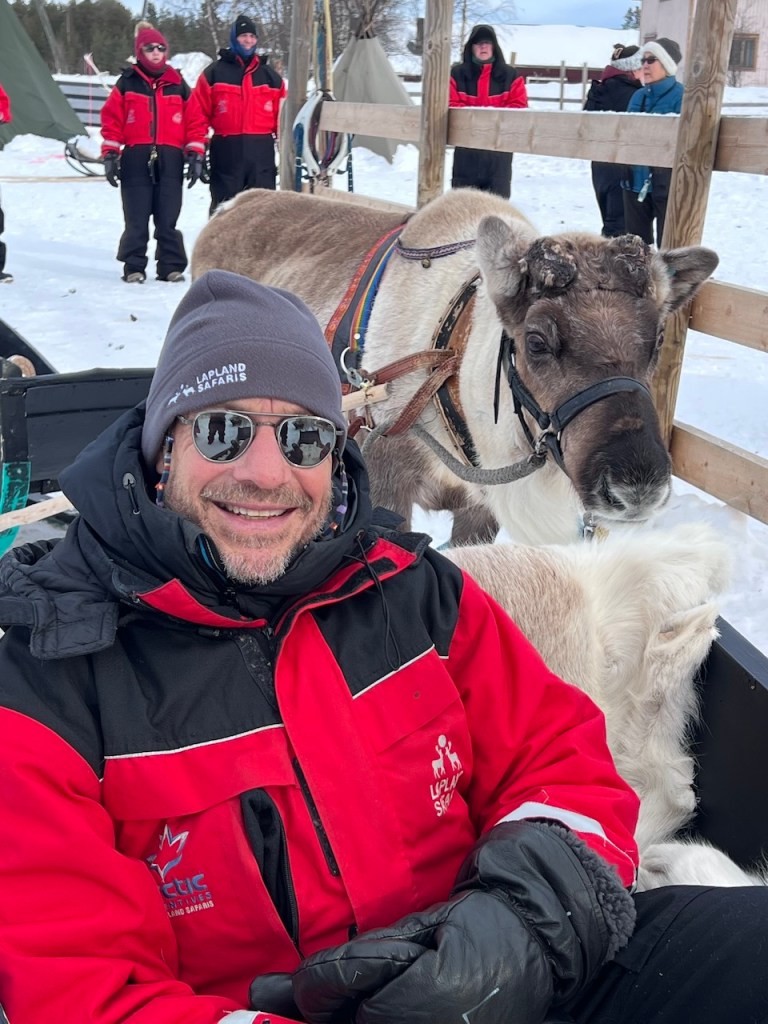
After that, it was a drive to a local reindeer herder, a long-time traditional role for both the indigenous population (Samis) and Finns.  This family lived in a home built 100 years ago, and they served us lunch (reindeer stew, mushroom soup made from locally-foraged mushrooms) before leading us on a reindeer ride; again, two people per sled, but the reindeer go a lot slower than the huskies.  The herders let their reindeer go into the forest during the summer, then gather them up (earmarkings denote which reindeer belong to which herders) for the winter months.  The family we visited owned about 170 reindeer.

From there we headed to the home of a local artist, whose wife told us about their home and his work; he sat playing the mandolin while she talked with us.

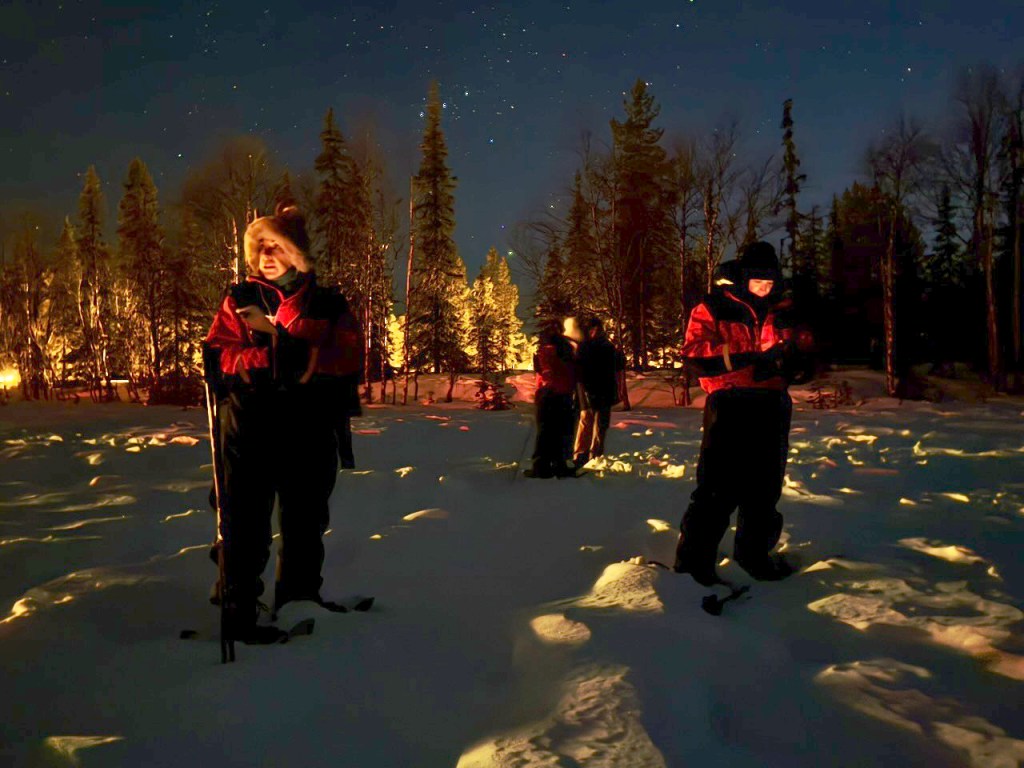
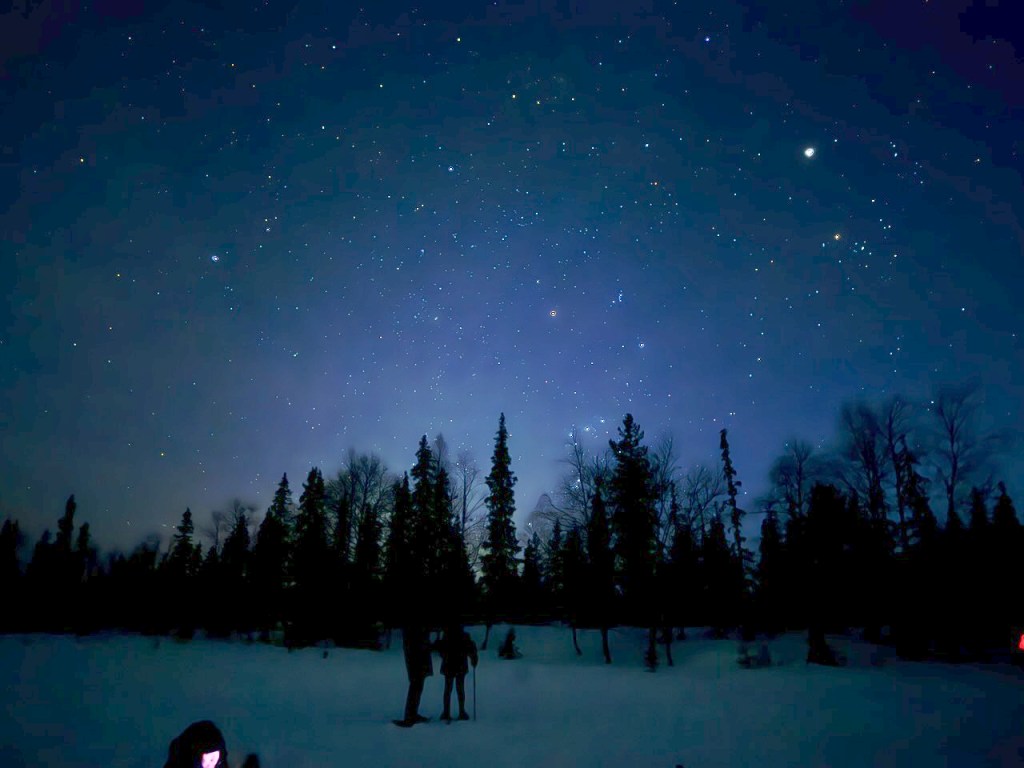
From there, back to the hotel before dinner; after dinner, about half of our group took a walk in the complete and utter dark on snow shoes down to a frozen lake, where we had an amazing – amazing- northern lights display.

Finnish and Swedish Lapland, and Norway – March 2025 – Intro & Day One in Helsinki

I’ll have to admit that these countries weren’t even really on my radar as places to visit. But whenever you travel you meet folks who also have traveled and you swap travel stories as well as the obligatory “what’s one of your favorite destinations?” In the answer to this question, not one but two of the folks I recently traveled with named a trip they’d independently taken to Lapland in northern Finland and Sweden. Dog-sledding! Snow-mobiling! Reindeer! Ice plunges! Ice-floating! The Northern Lights!!!!! So – that went on my list and I decided I better go sooner rather than later.
I booked a tour that was to start with a few days in Helsinki, then travel about 110 miles north of the Arctic Circle for a few days in Finnish Lapland, then head west and across the border into Swedish Lapland for a few days, before heading south and ending in Stockholm. Taking a look at the map, I decided that since Norway was immediately to the west, I’d head there for a few days by myself, taking the train from Stockholm to Oslo, try to figure out a day trip from Oslo to the western Fjords, and then return to Oslo for the flight back home.

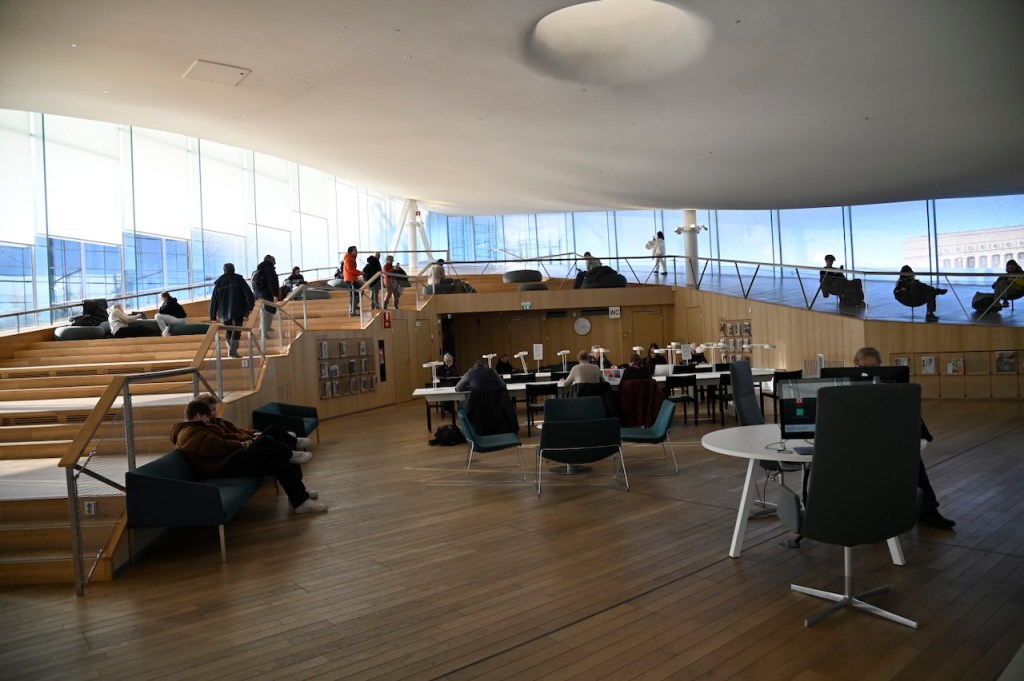
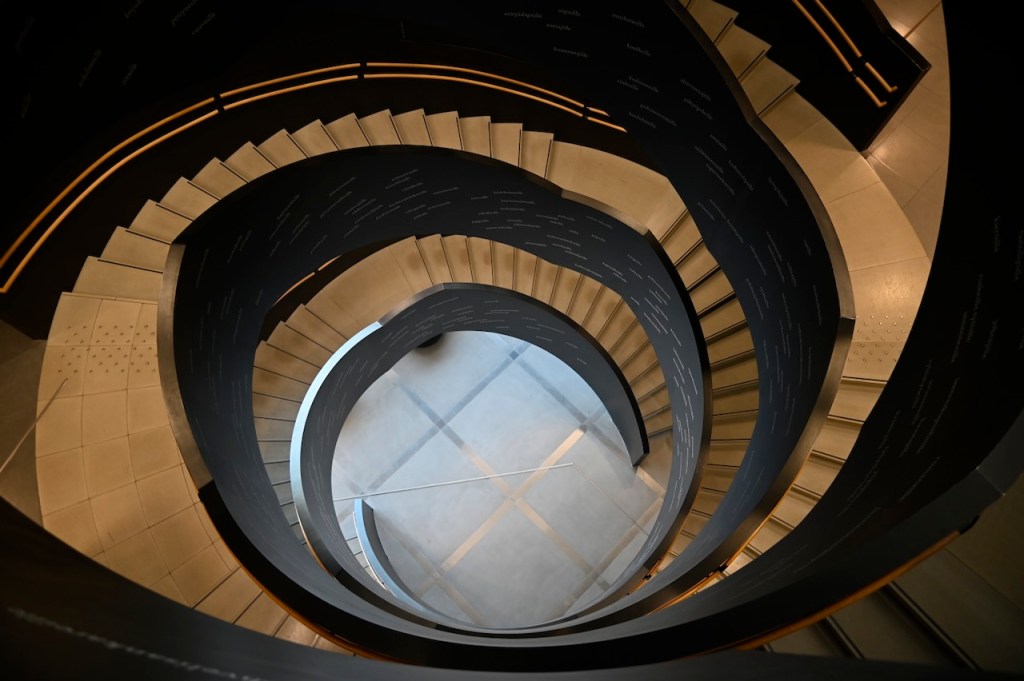
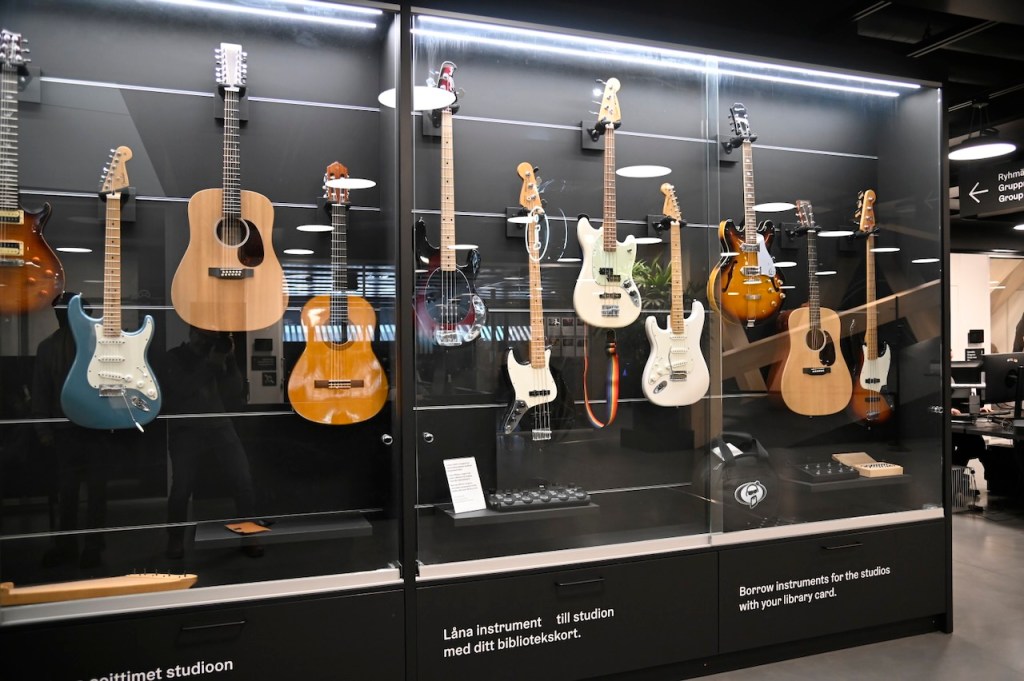
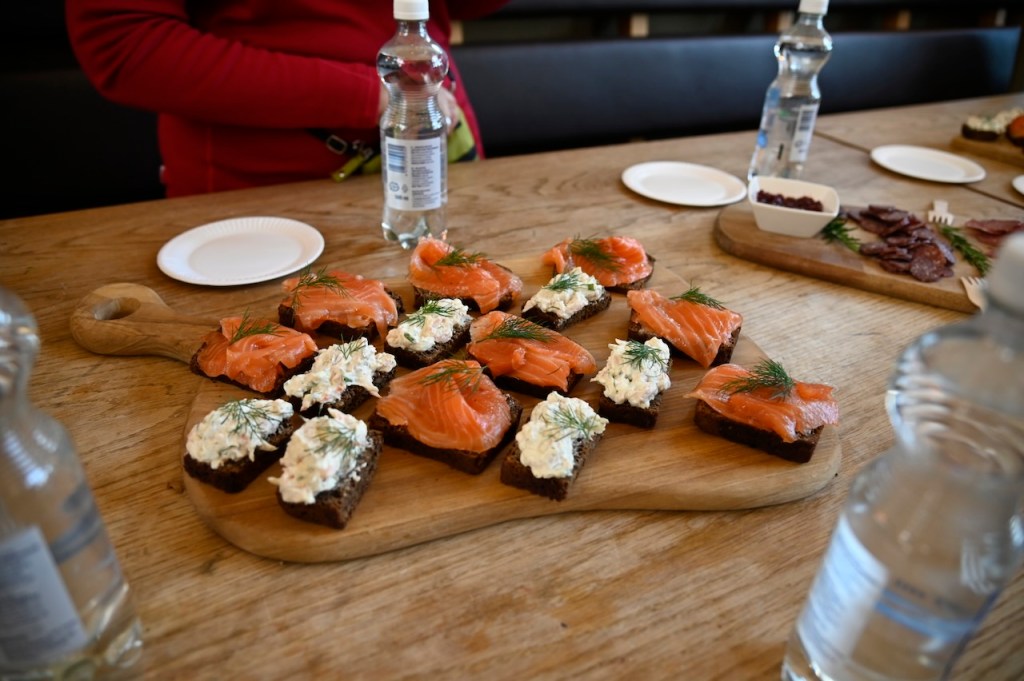
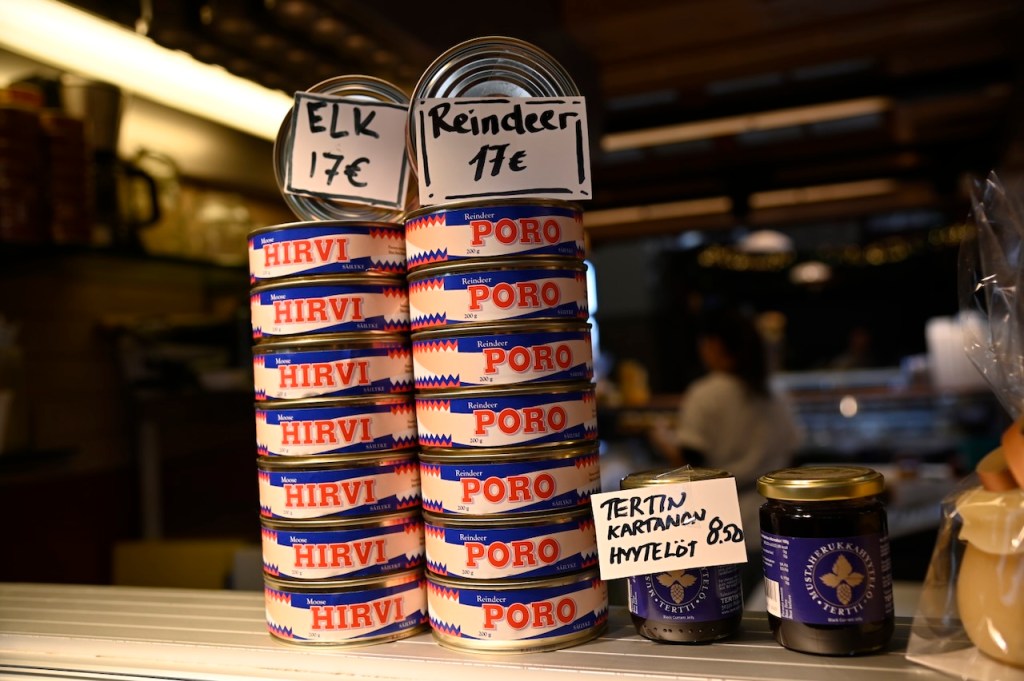
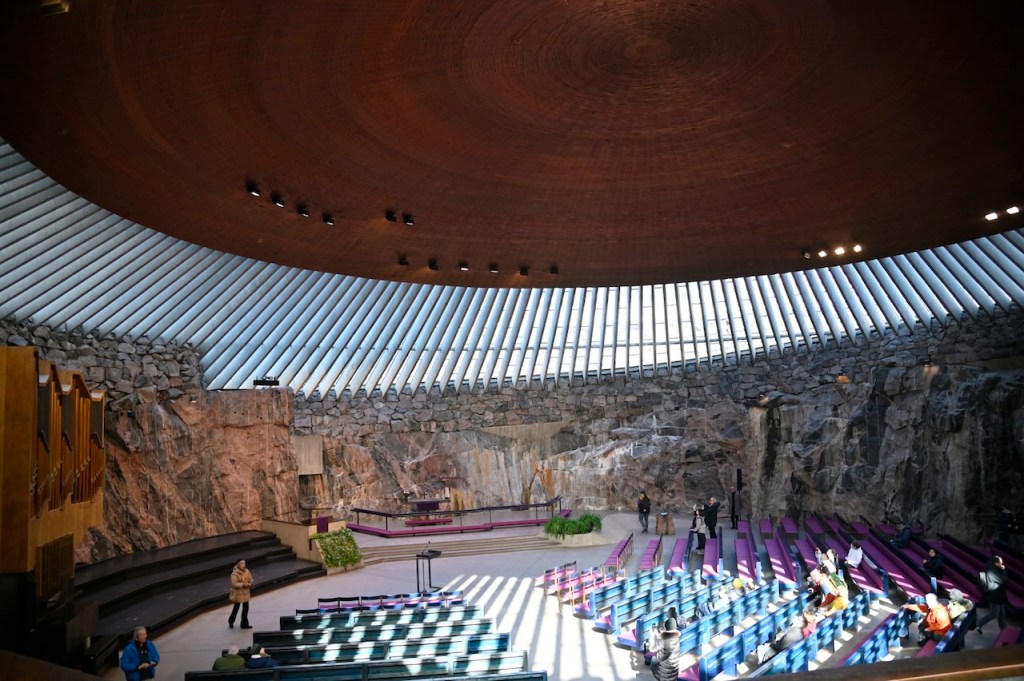
After arriving in Helsinki late in the day and having dinner with my group, we spent the morning in the city on a tour that included the gorgeous 4-year old central library/community center, the famous “rock church” carved into and out-of stone, and a visit to a small food market where we got to taste reindeer sausage, elk sausage, bear sausage (they all tasted like salami), as well as smoked salmon (unbelievably good) and a shrimp salad.

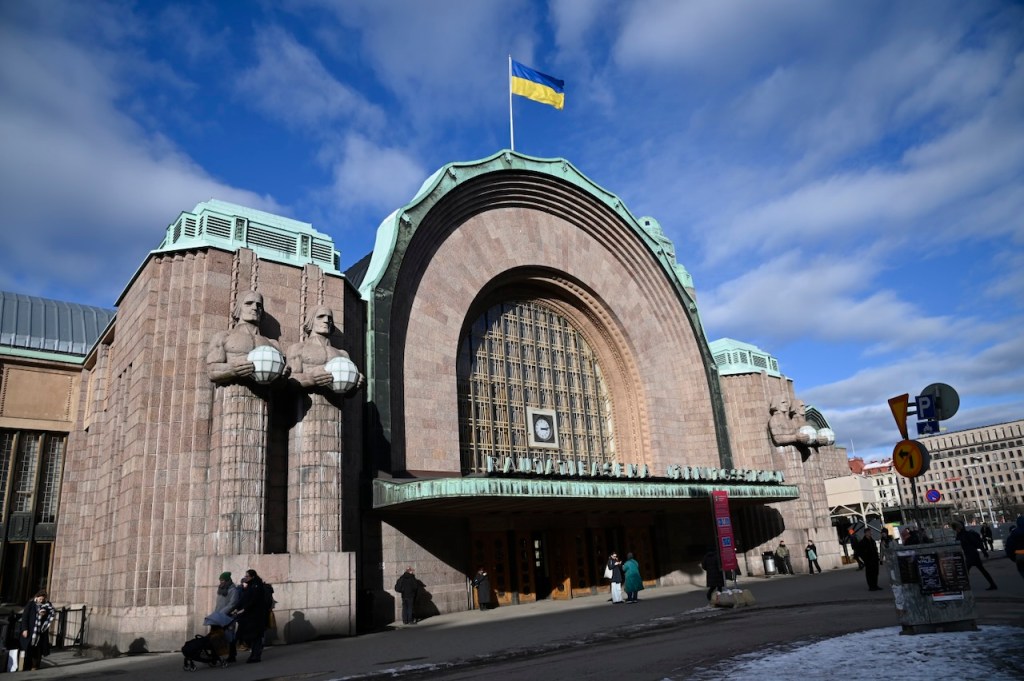
As we drove by the city’s central train station, our local guide pointed out the Ukraine flag flying above it.  Finns are not fans of Russia (who ruled them for about 100 years).  Tour guides usually don’t talk about politics at all or – if they do – keep their comments even-keeled.  Not our’s today; as she said, the war in Ukraine, started by Russia, can end easily without any negotiations:  Russia should just withdraw.  Wow.  Fist pump.

Helsinki is clean, beautiful, and small.  The whole country is only 5.6m people and Helsinki – the largest city – has about 685,000.  The country has universal healthcare and free education, is ranked in the top 5 of “happiest countries” since 2012, is rated as the world’s “least corrupt” country, and its higher ed system has been ranked the best in the world.  Now if only they could do something about the cold!!

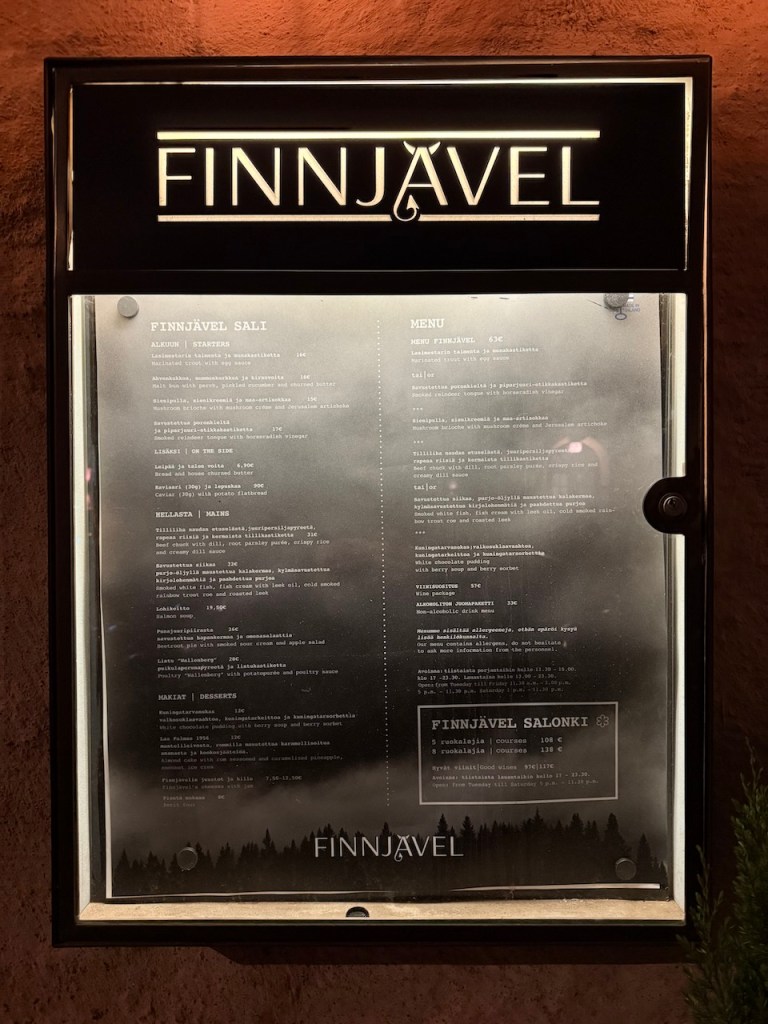
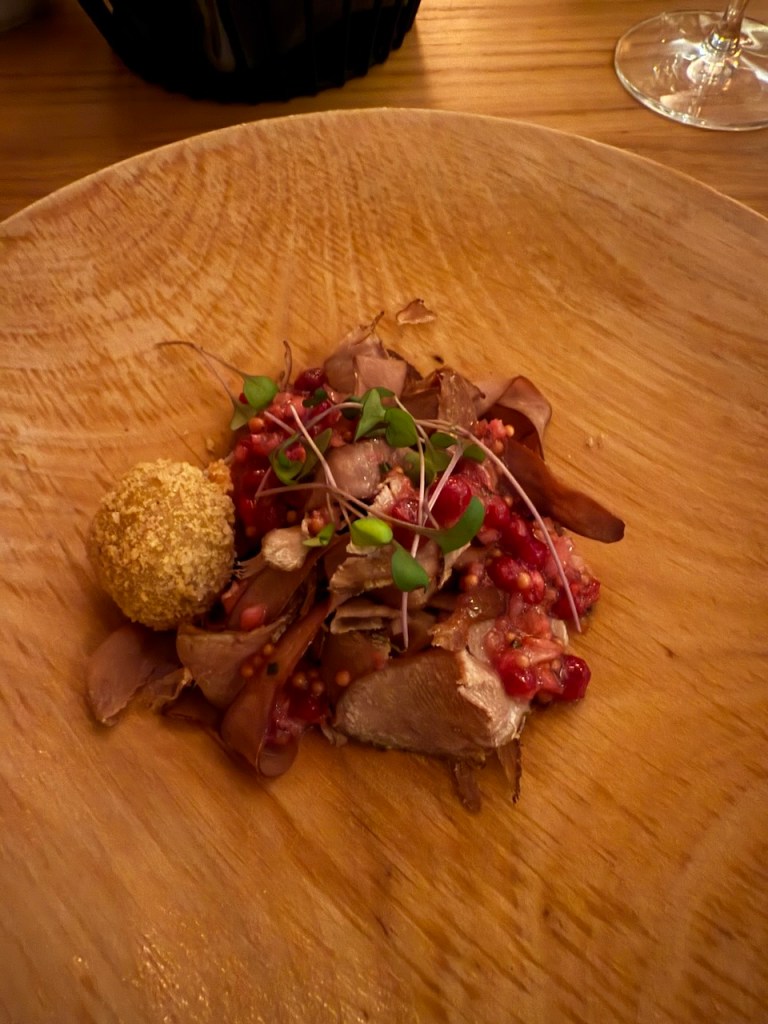
A few pictures below, along with one video. One thing I’ve done before going on a few recent trips is to watch food-related TV series about where I’m headed, in order to find local foods and good joints at which to eat. Favorite shows are Anthony Bourdain and “Somebody Feed Phil“; the latter turned me on to “Finnjavel” in Helsinki, a Michelin-starred restaurant, where the food and service were just great.

Tanzania – July 2011

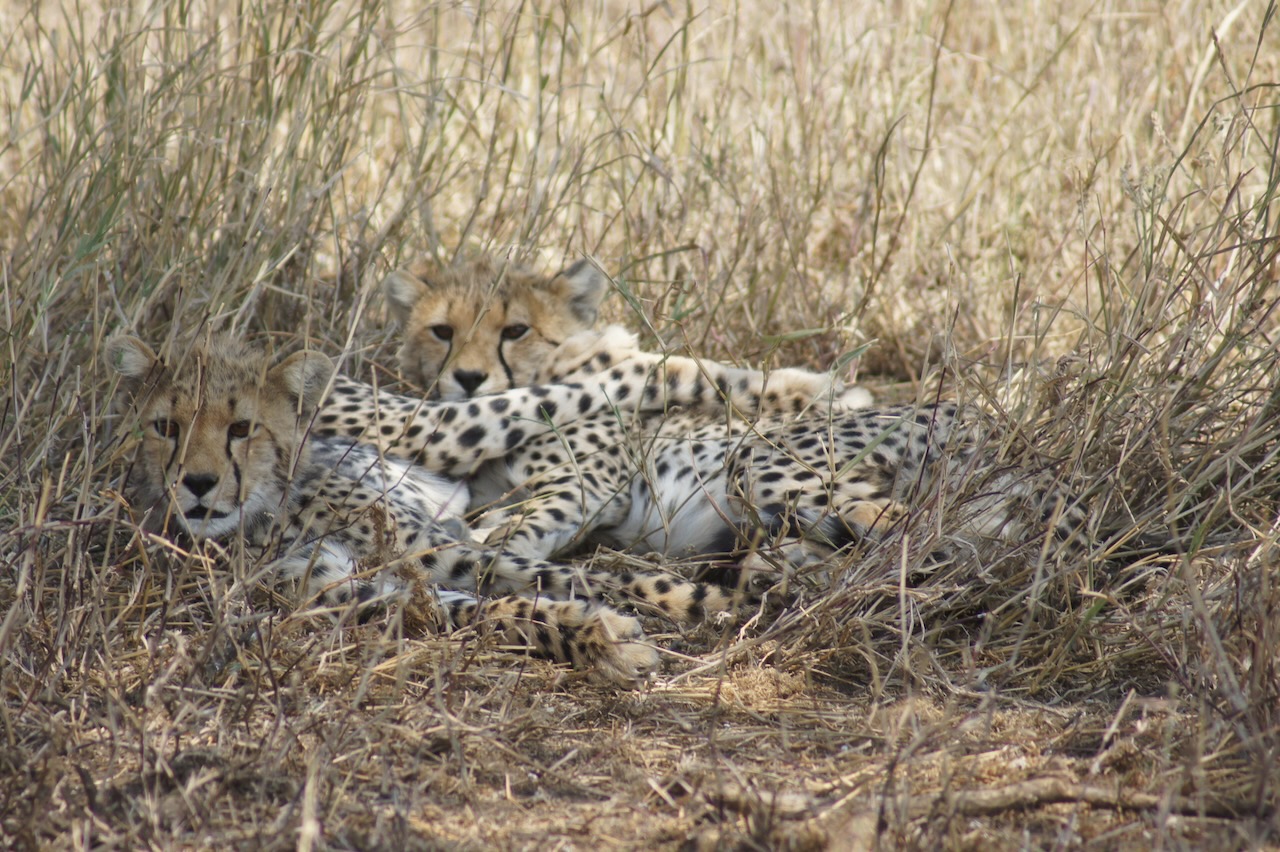
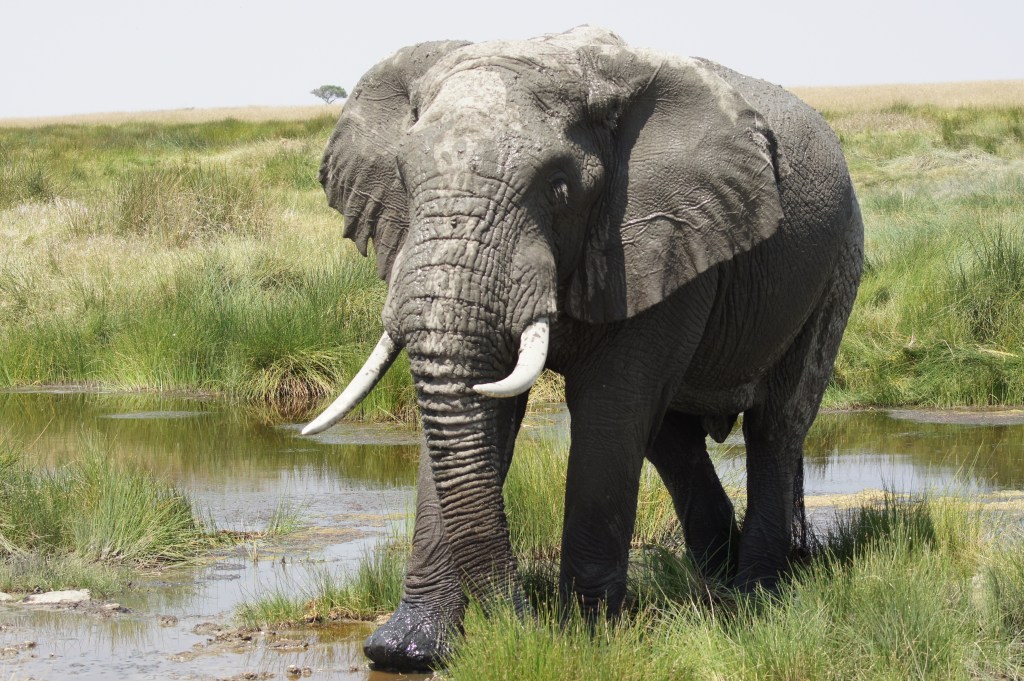
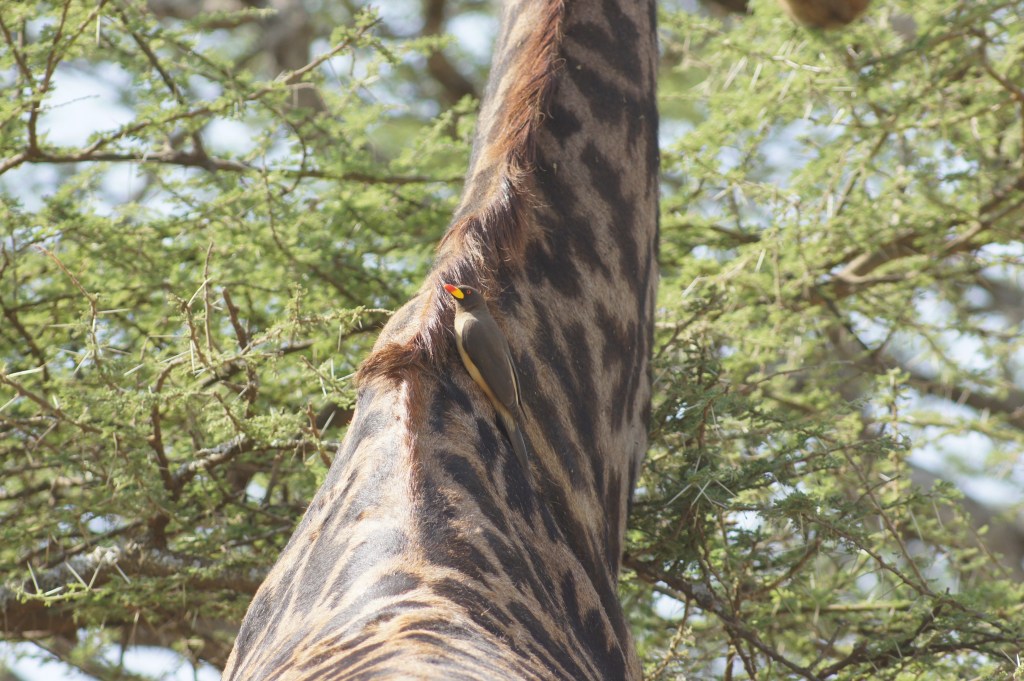
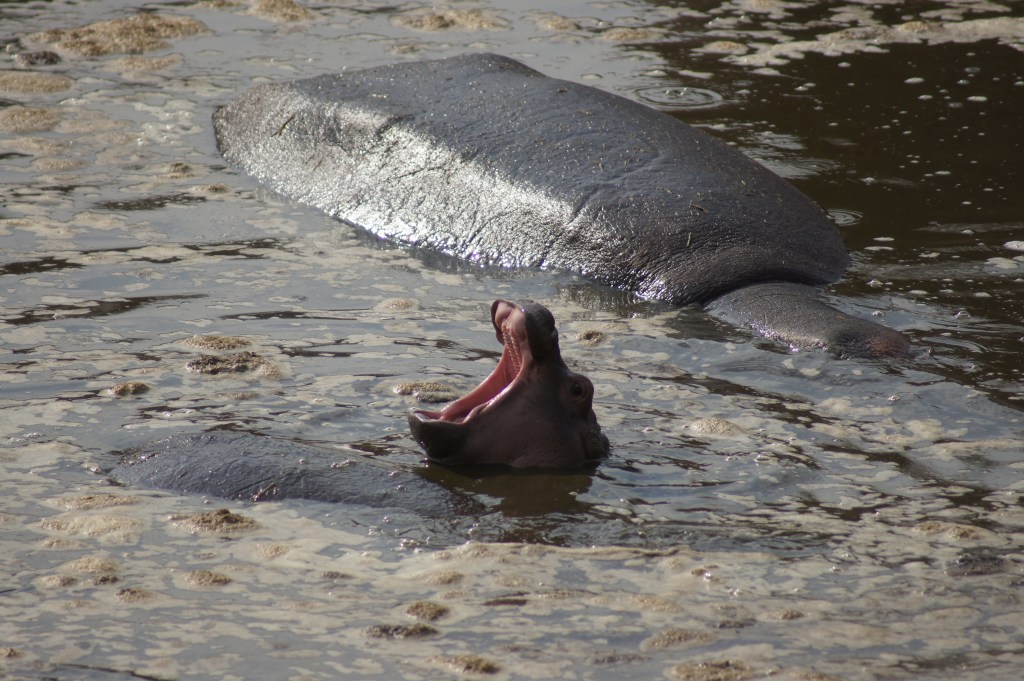
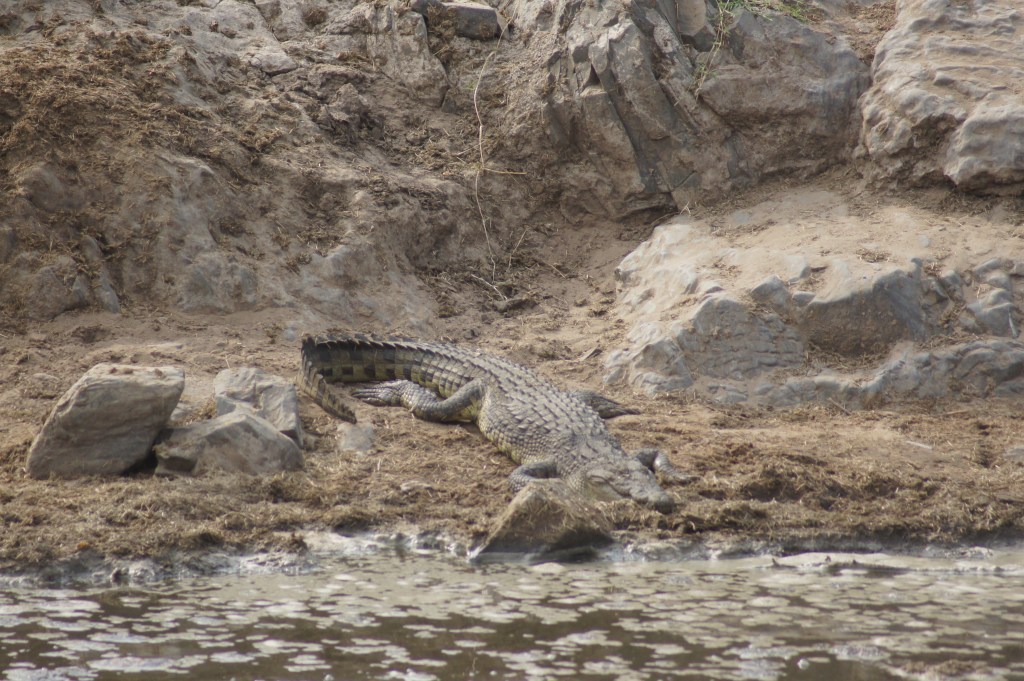
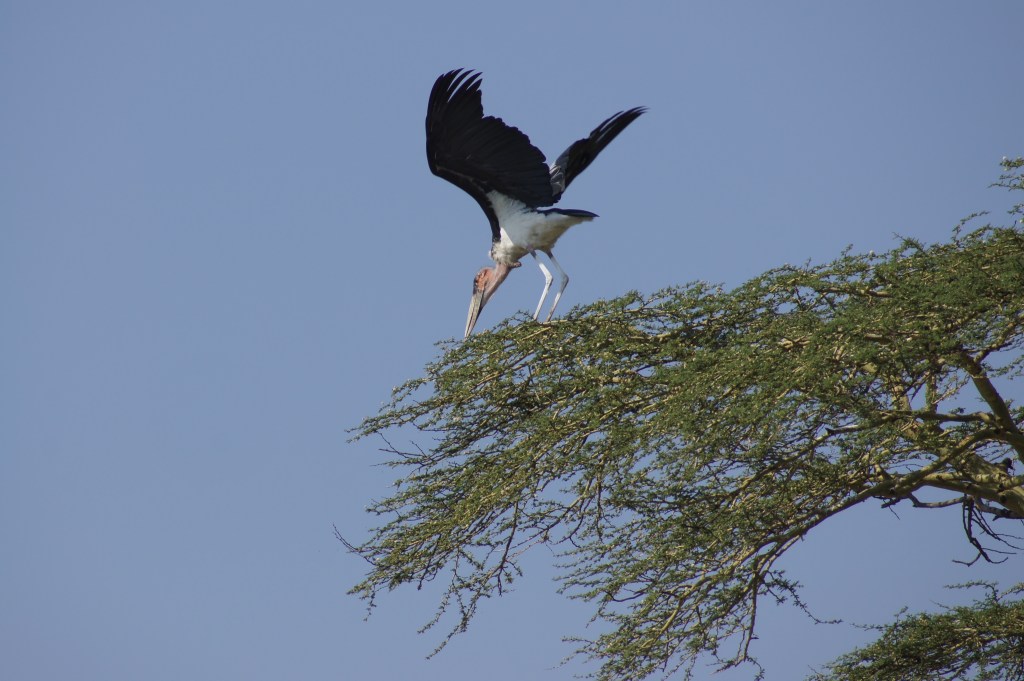
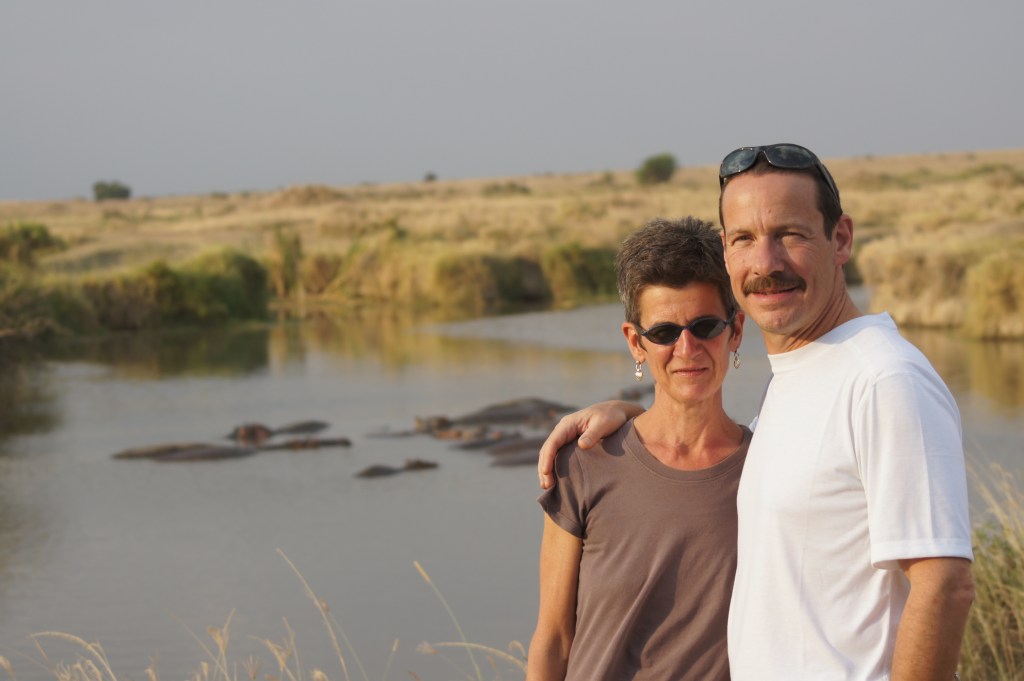
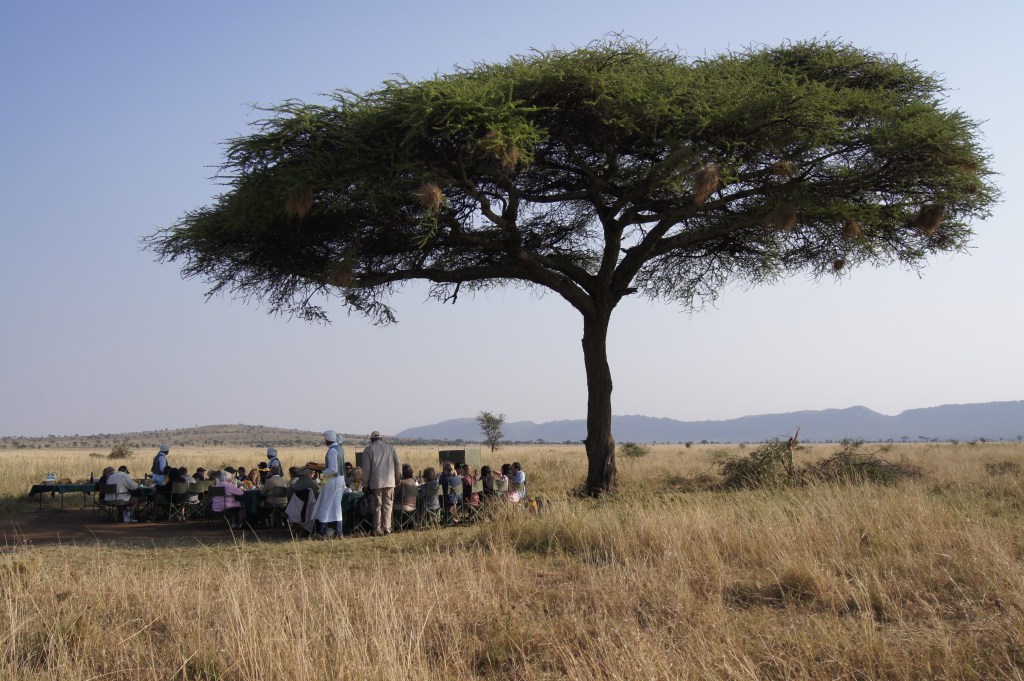
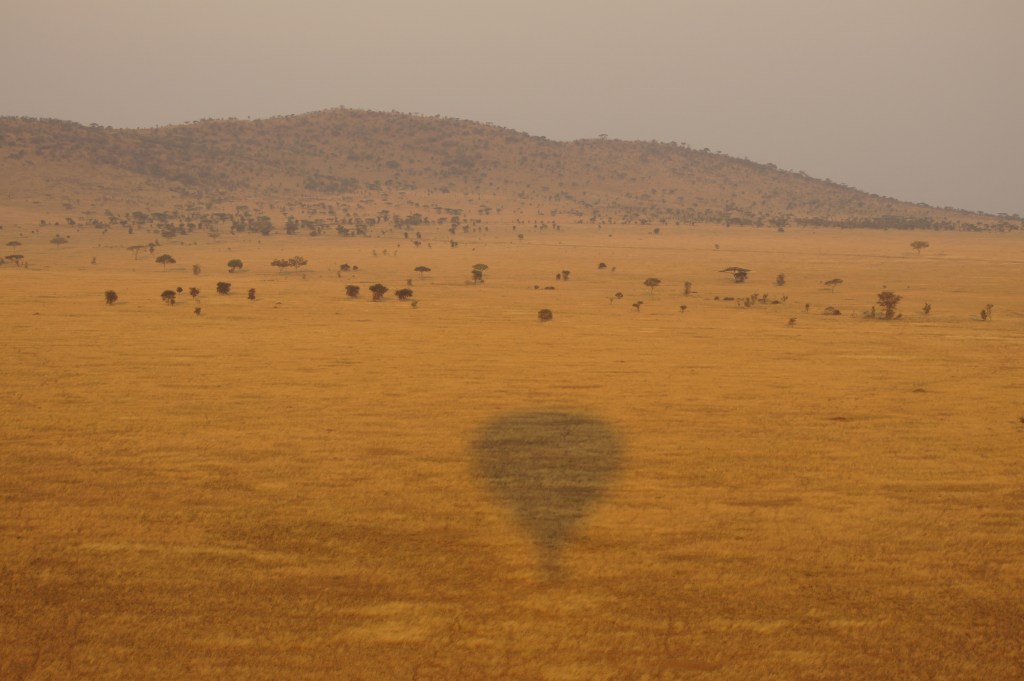
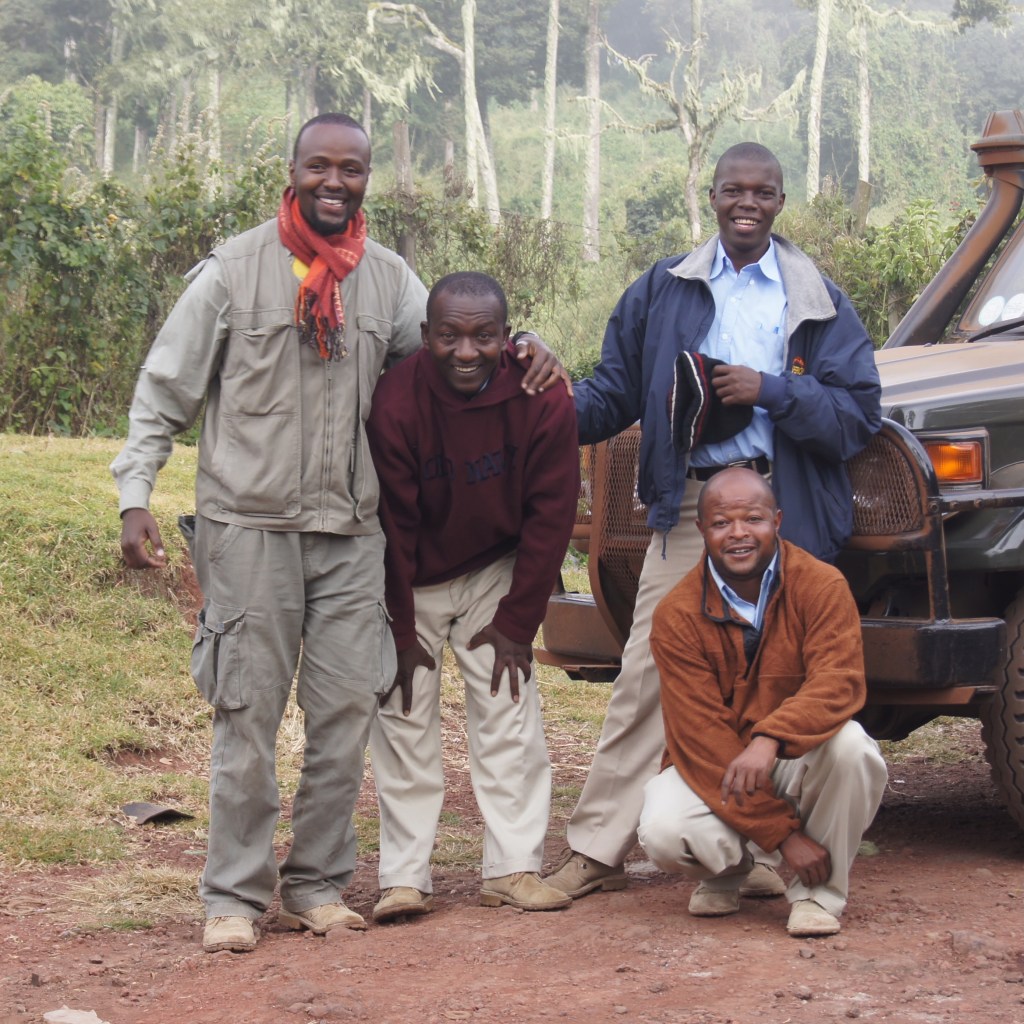
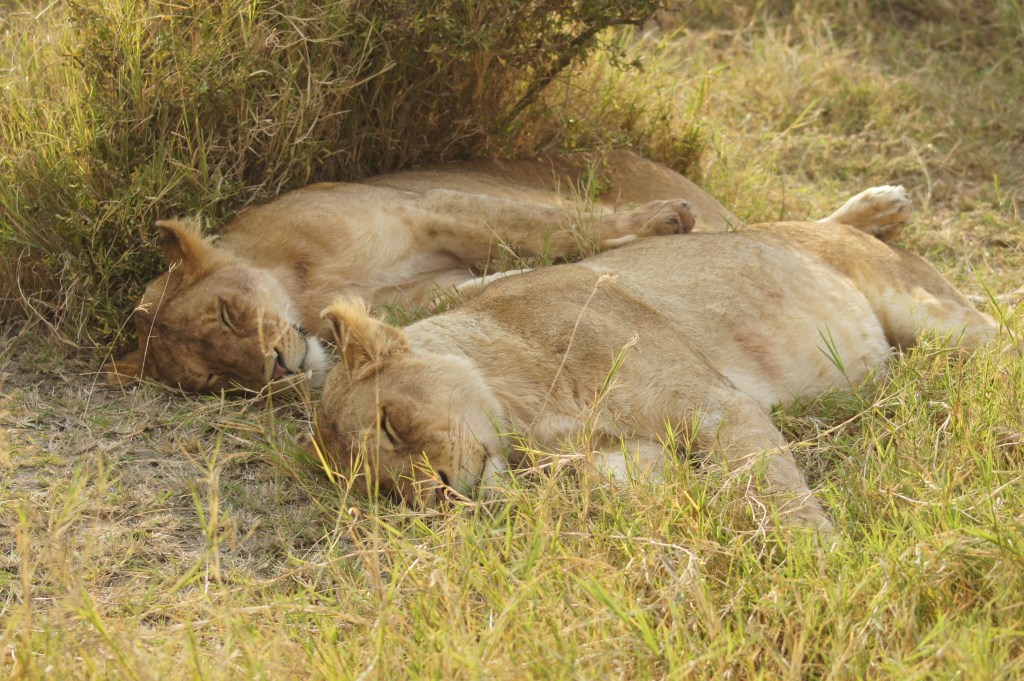
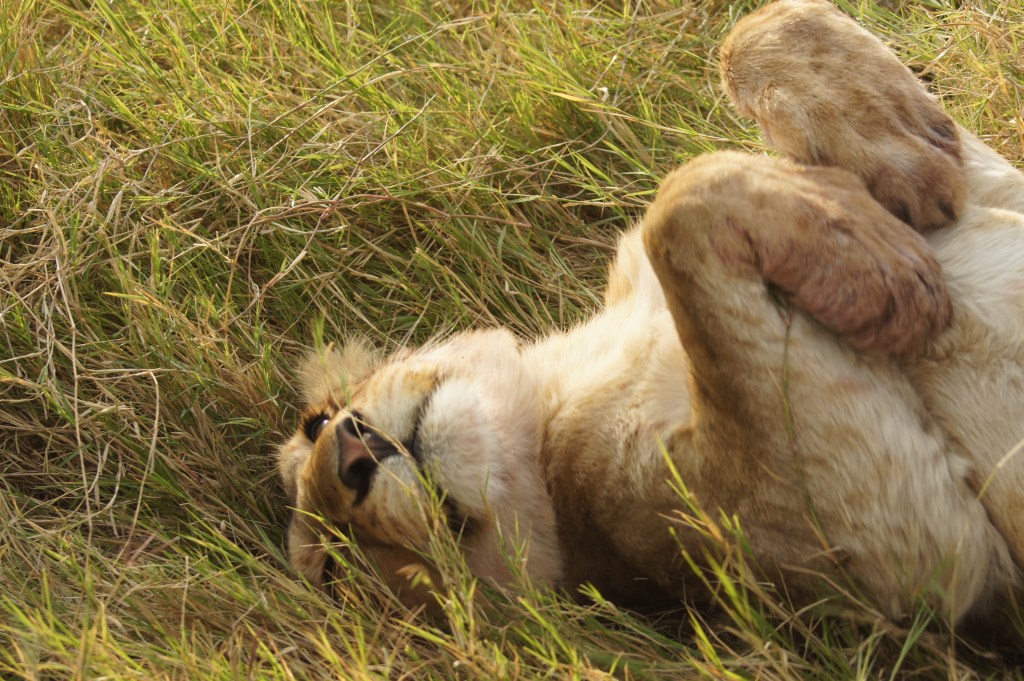
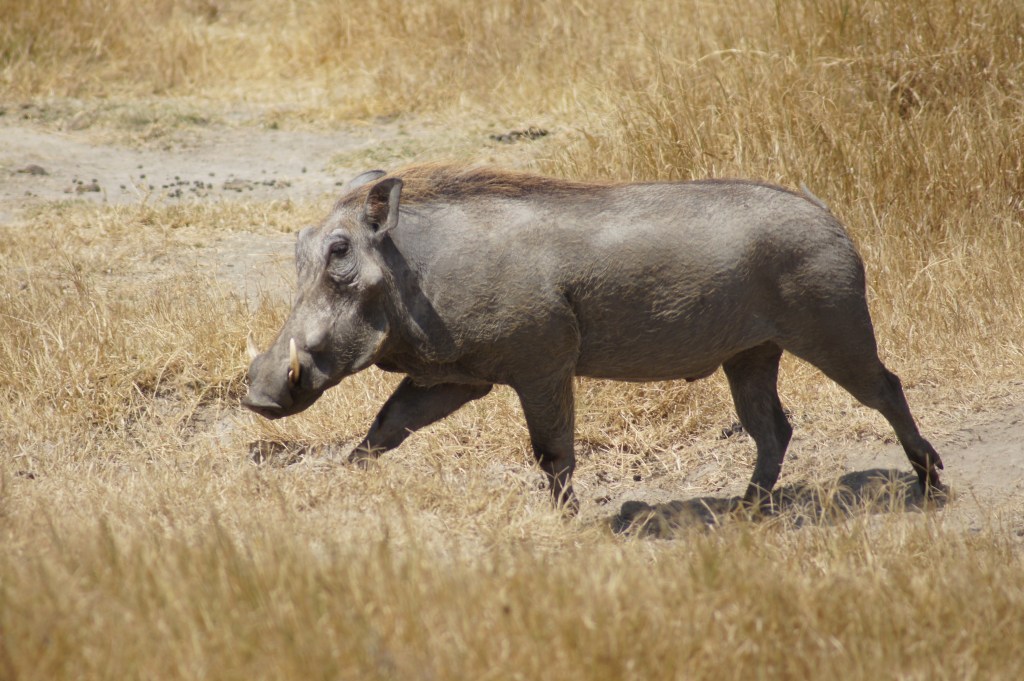
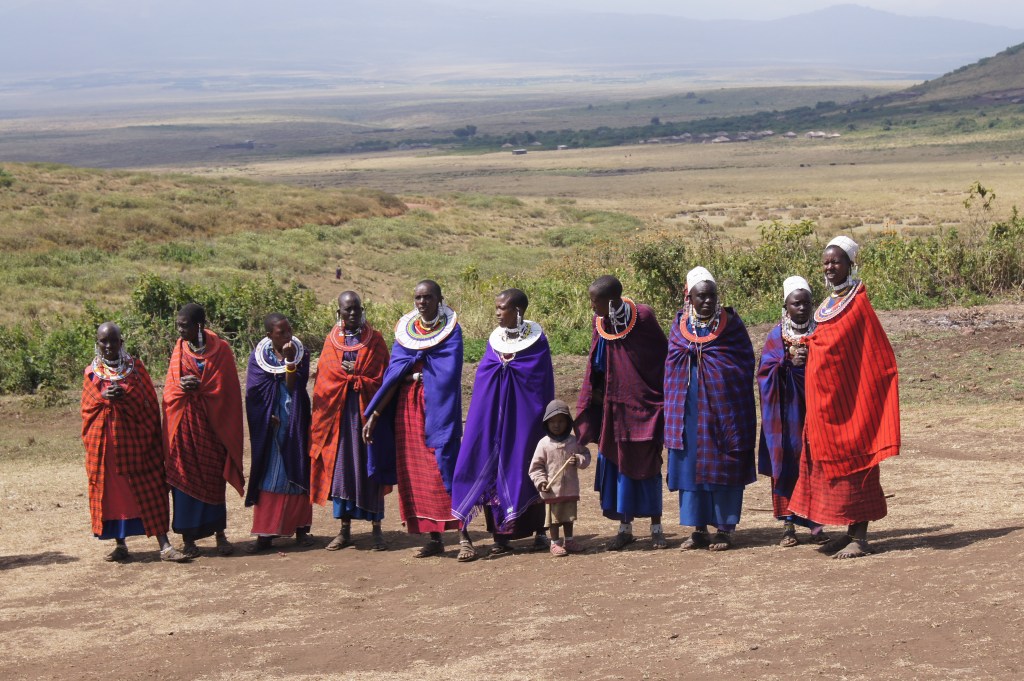
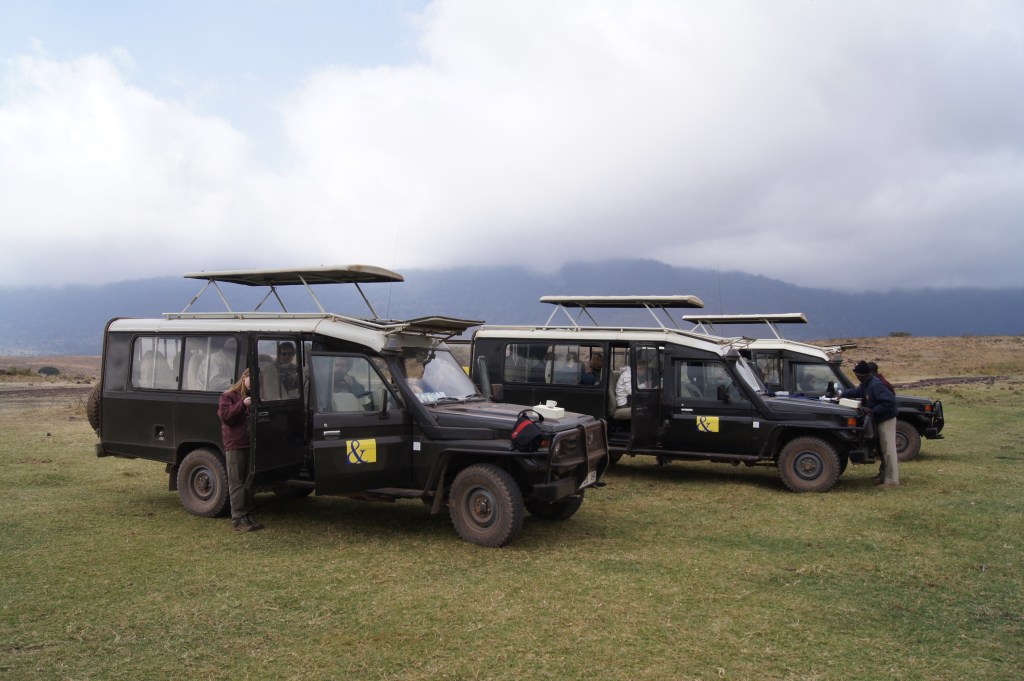
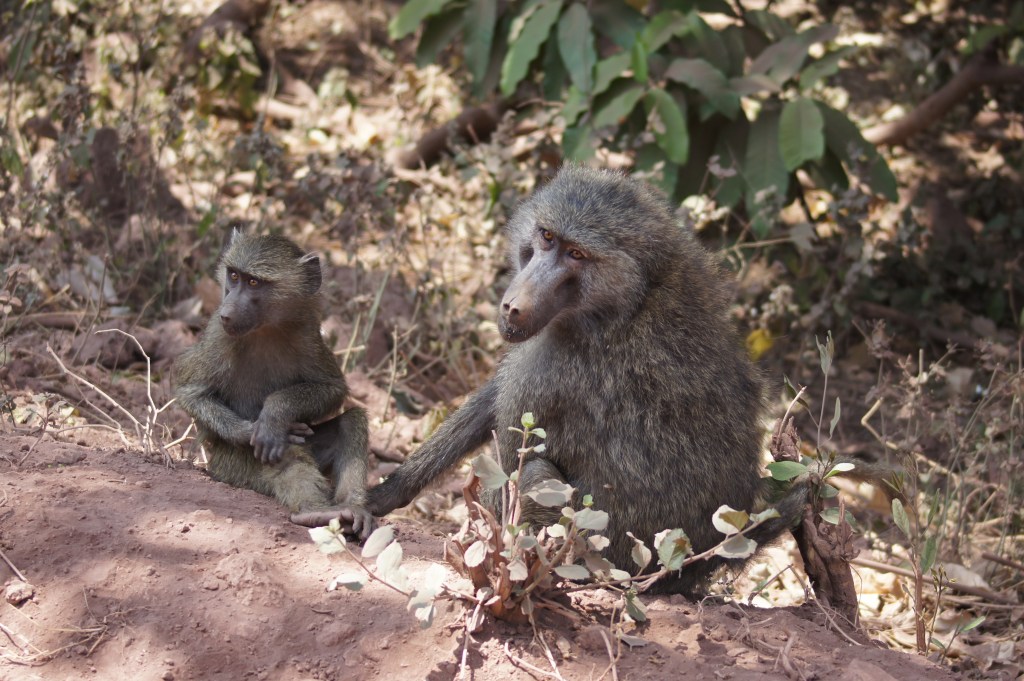
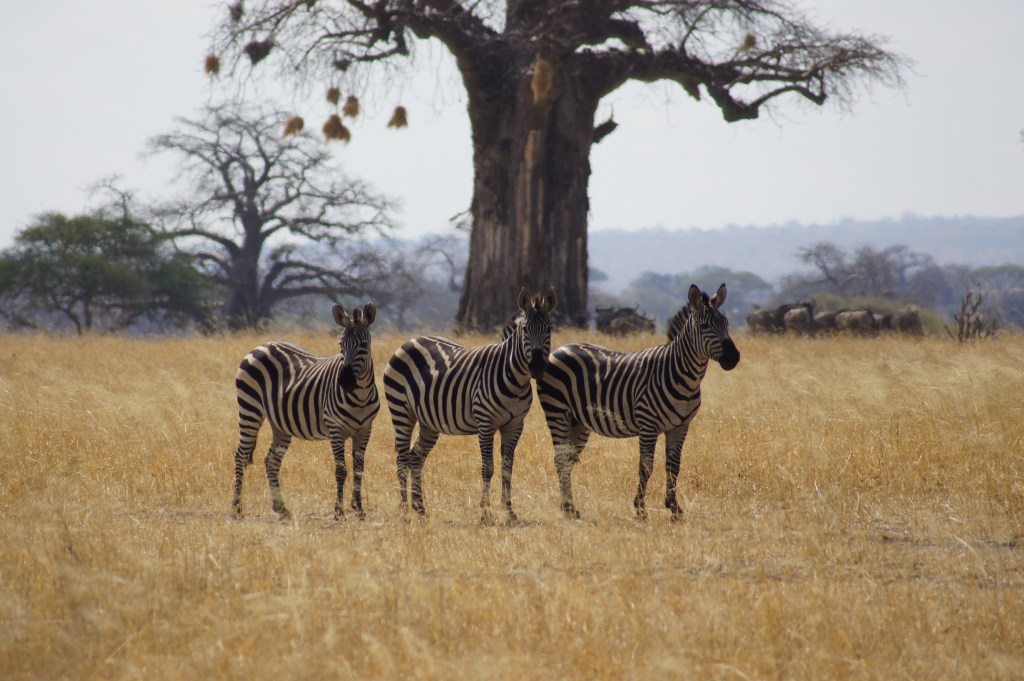
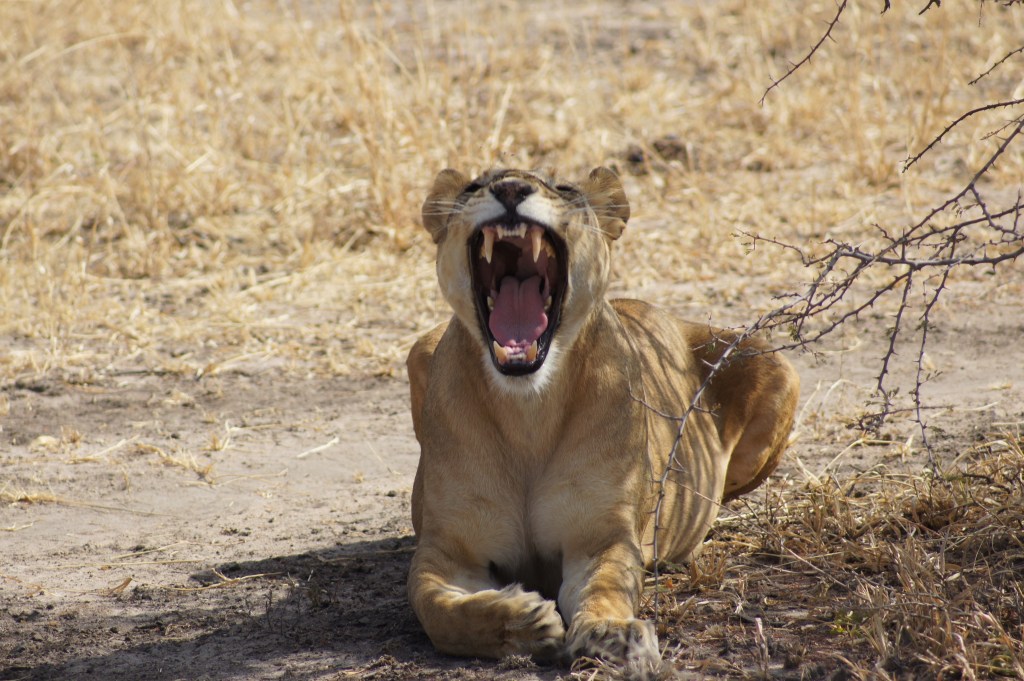
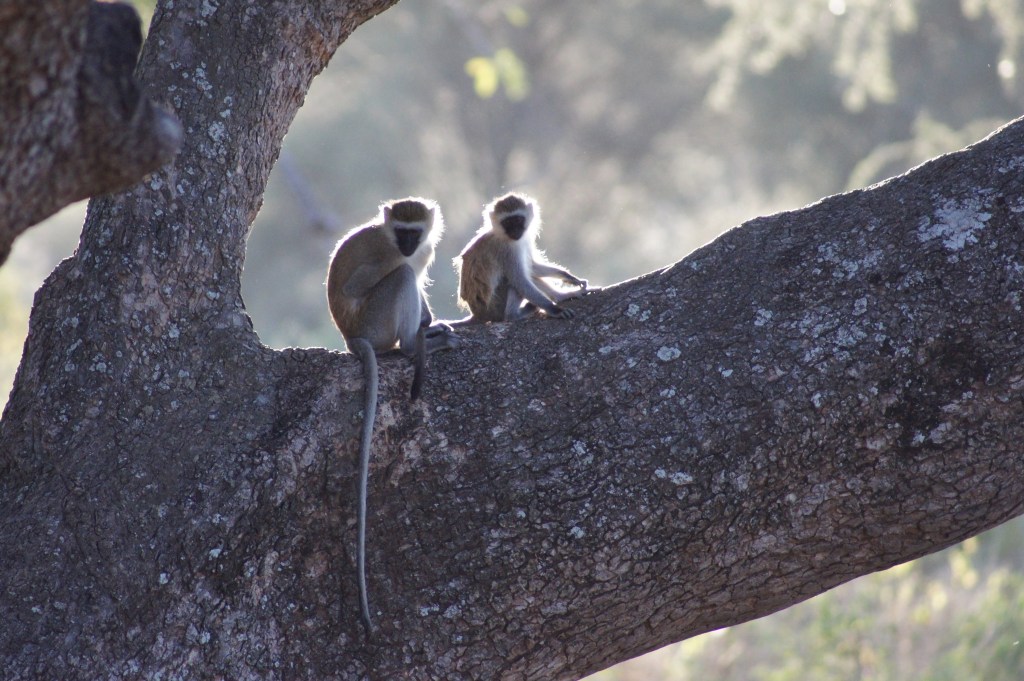
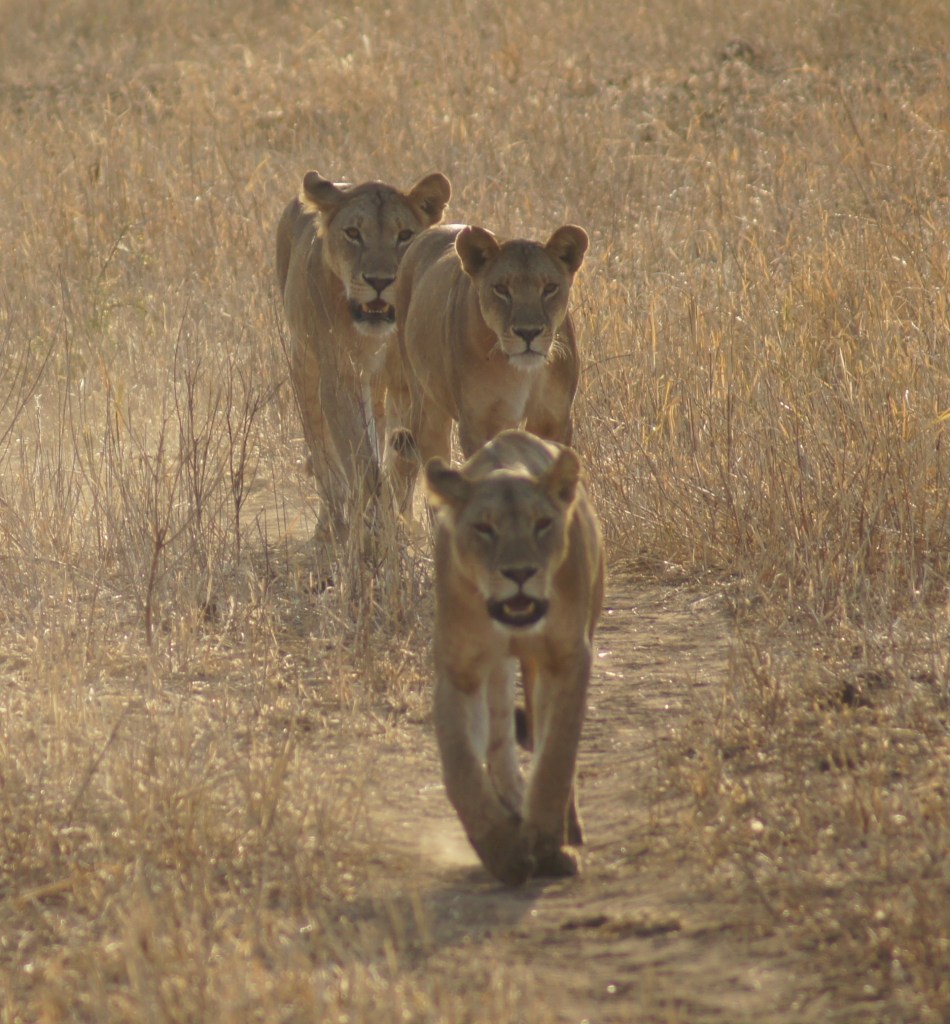
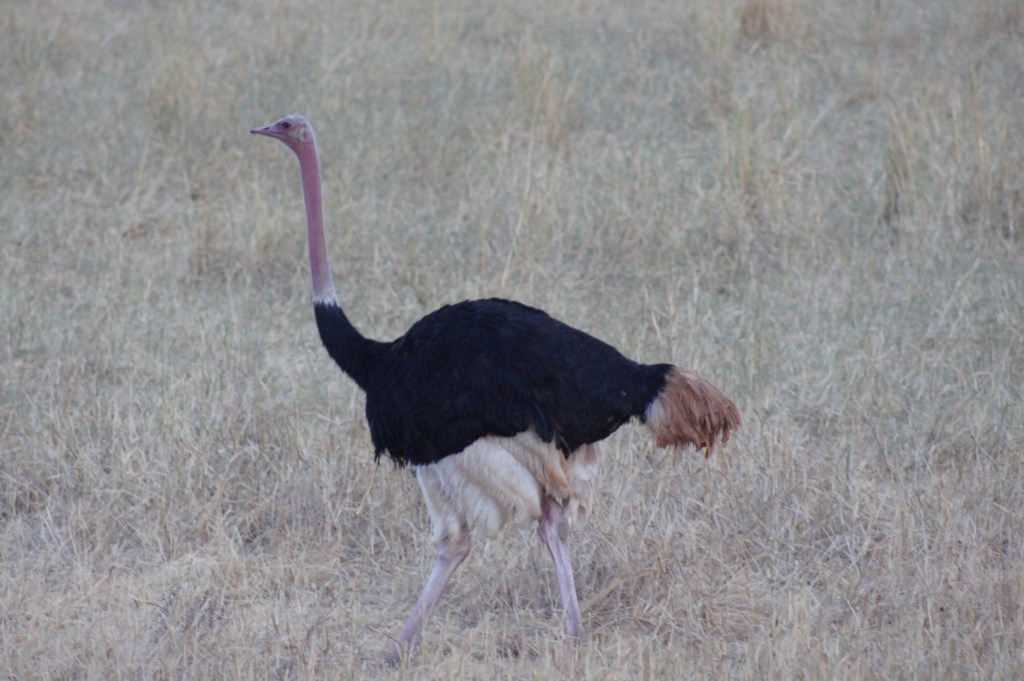
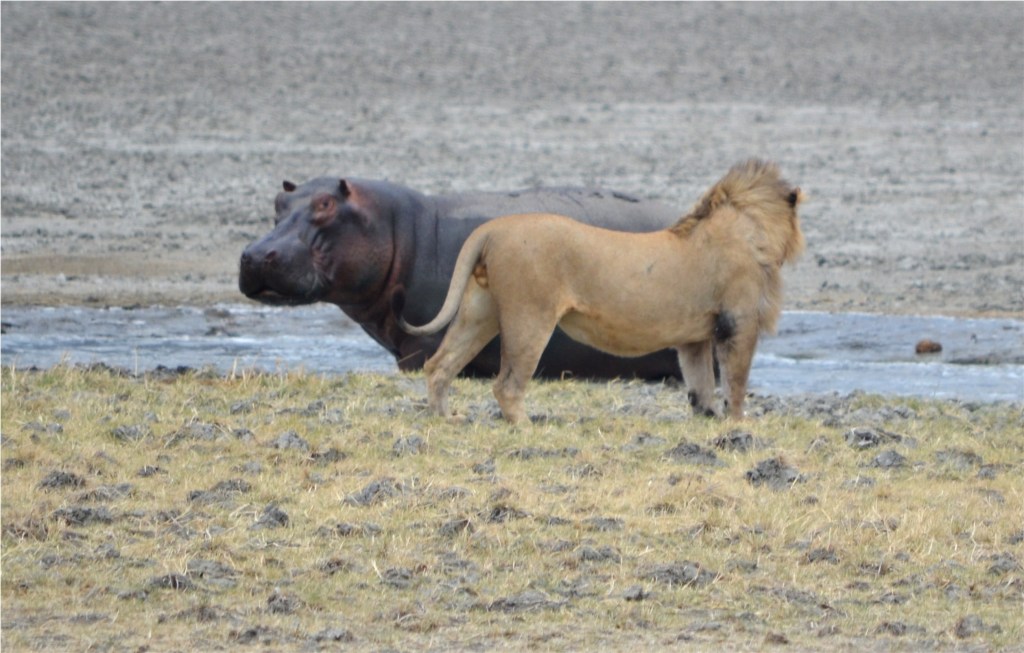
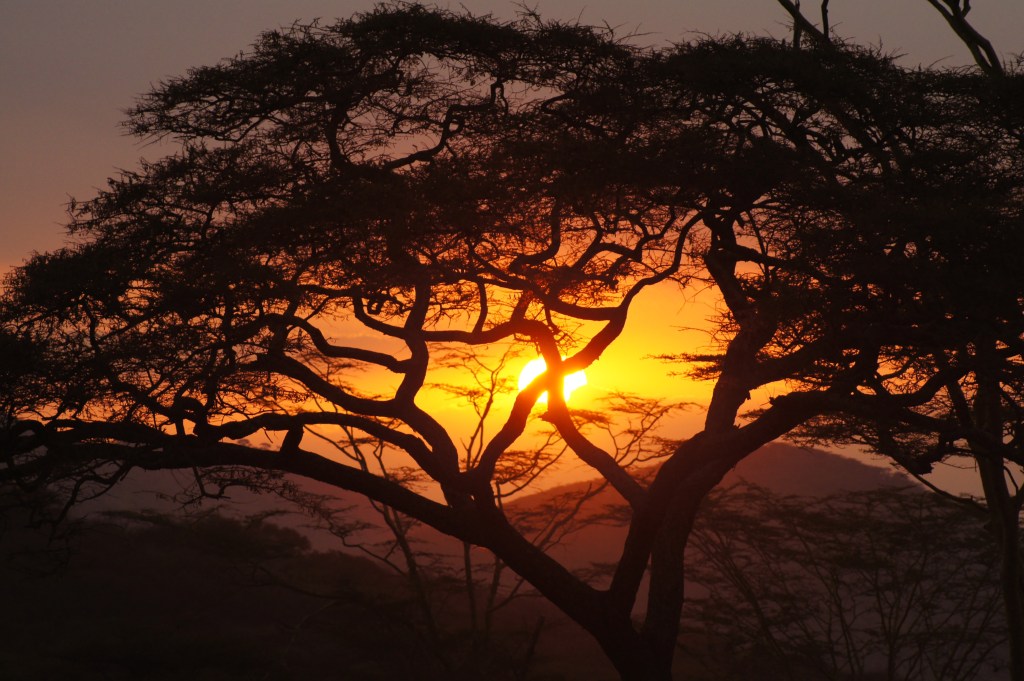
My first trip to sub-saharan Africa was a safari my wife and I took in July 2011, in part to celebrate my fiftieth birthday. On the way we stopped in Amsterdam for a couple of days, and then went on to Arusha. From there we visited Tarangire National Park, Lake Manyara National Park, the Ngorongoro Crater, and, finally, Serengeti National Park. We saw a lot of animals and, by the end, the back of my head hurt from smiling so much.

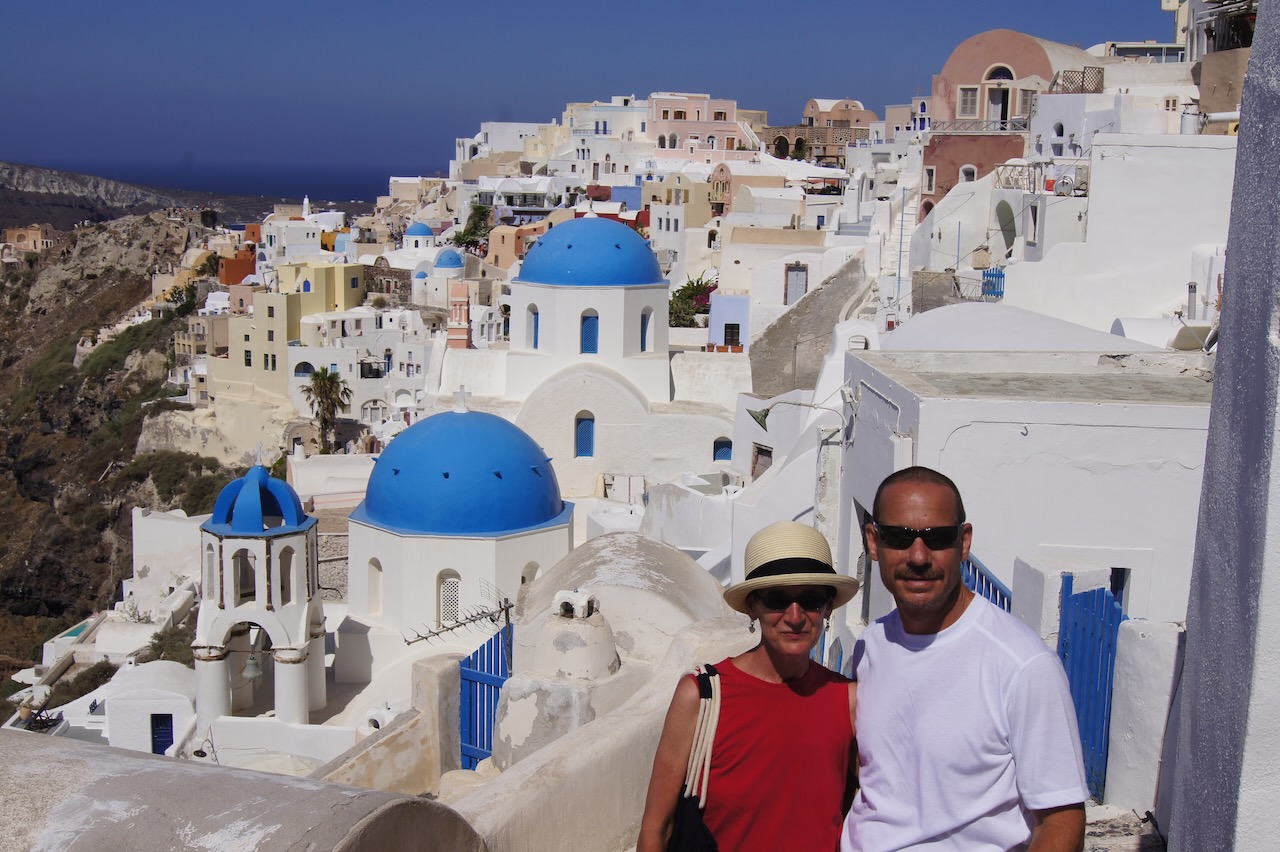
Sailboat Cruise from Athens to Istanbul – July 2012

My wife’s and my first cruise together (and my first cruise overall) had been an Atlantic Ocean crossing from New York City to Southampton, England on the Queen Mary in 2005. When we finally got around to our second cruise, we decided we’d low-key it a bit more. Our choice was a cruise on a four-masted sailboat with about 125 passengers from Athens to Istanbul with a handful of island stops along the way.

More to come . . .

Cape Town – December 2022

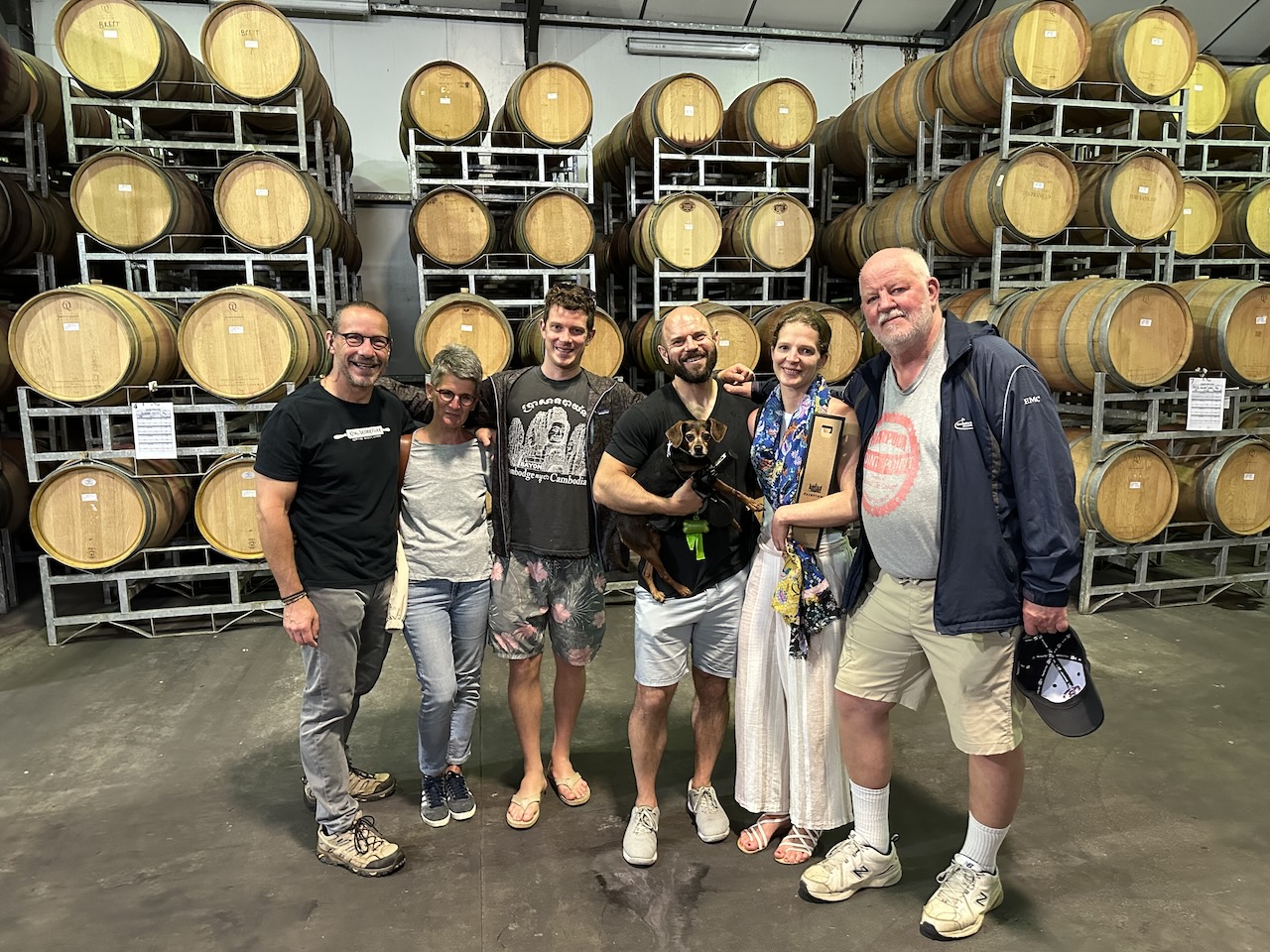
Our niece and her husband moved to Cape Town from Washington DC in January 2020 – right before the global COVID pandemic began, and while my wife and I had always planned to visit, those plans, for obvious reasons, got delayed. When we finally did go, it coincided with visits by that same niece’s father and one of her brothers. It was a great family affair.

More to come . . .

Portugal – Sept 2024

My wife and I wanted to pick a spot that neither of has had been to, with a relatively short plane ride to get there, and of course great food and drink mixed with some super spots to see. And we wanted to go with some friends.

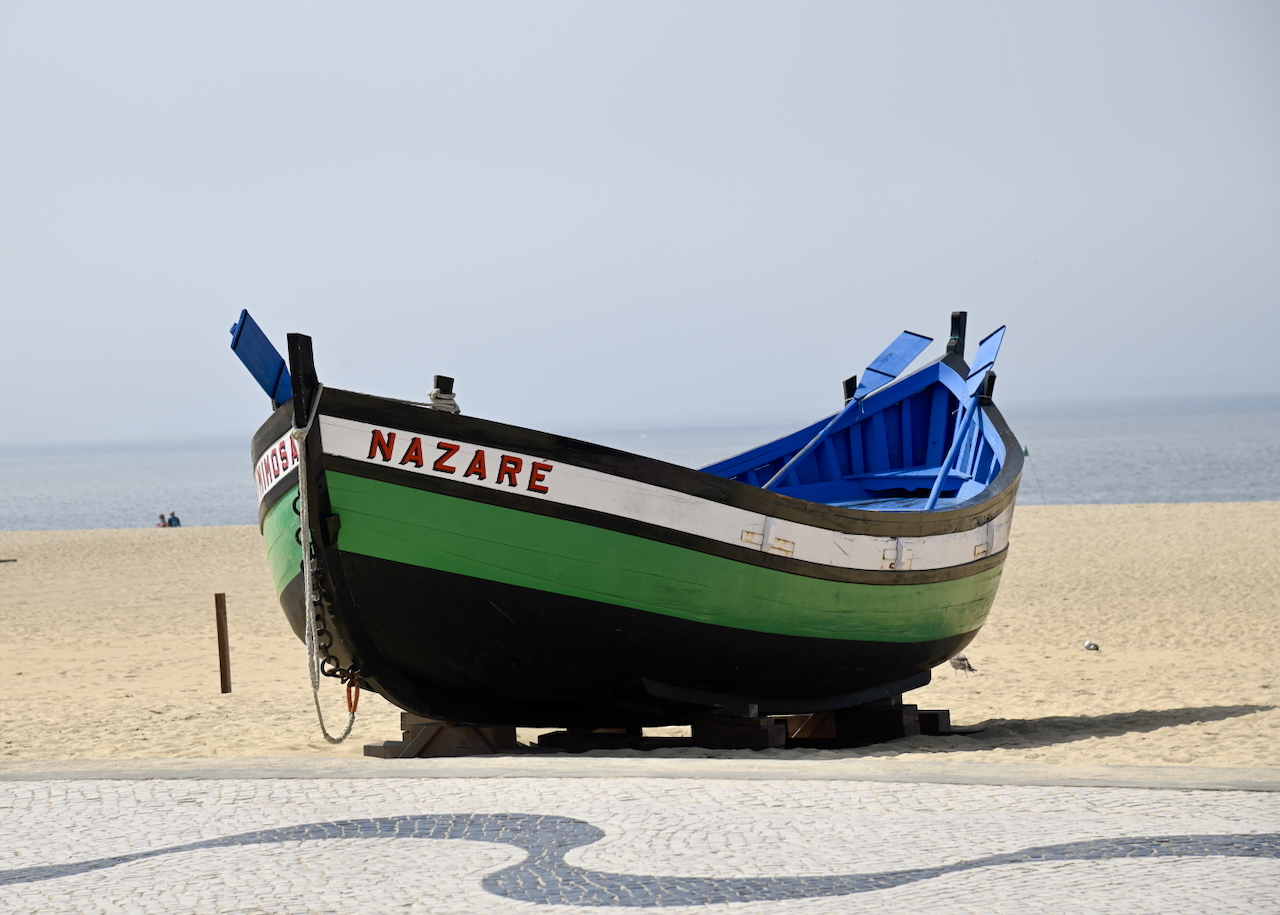
So – our choice was Portugal. Traditionally, it’s hasn’t been the most popular of European tourist spots, but we’d heard of a lot of folks who’d been there recently, including having some friends from our neighborhood move there a couple of years ago. We chose a 10-day trip that would take us to Lisbon, Nazare, Coimbra, the Douro Valley, and Porto, with some group touring but sufficient time to ourselves, including multiple meals.

There’s much more to come . . .

Australia – My Third Continent

In 1996 I was a sales guy for a 25-person Boston-based software company that had made a reputation for itself in a small slice of the higher education market.  All our customers at the time were either in the US or Canada, but somehow someway a consultant in Melbourne had heard about us and kept on asking me to make a trip there to visit with the university for which she was working.

Remarkably I convinced my boss and the company president that if I could get appointments with six Australian higher ed institutions, I could make the (long) trip over there.  And – whaddaya know – that actually happened.  I think I ended-up with appointments with six or eight institutions and went ahead and scheduled the trip.  I also figured that if I was going to travel that far for work, I’d combine it with vacation in order to really travel around Australia. It would be my third continent, after North America and Europe.

So – off I went, departing July 9th and not returning until August 2nd.  Back then my personal email was via AOL (as were so many others’!), and I sent seven emails (some quite lengthy) to my soon-to-be-wife, parents, brothers, and a handful of other family, and I also sent four very long emails to my work colleagues – for such a small company to be venturing to Australia was pretty remarkable, and there was a lot of interest in (and probably some eye-rolls at) my trip.

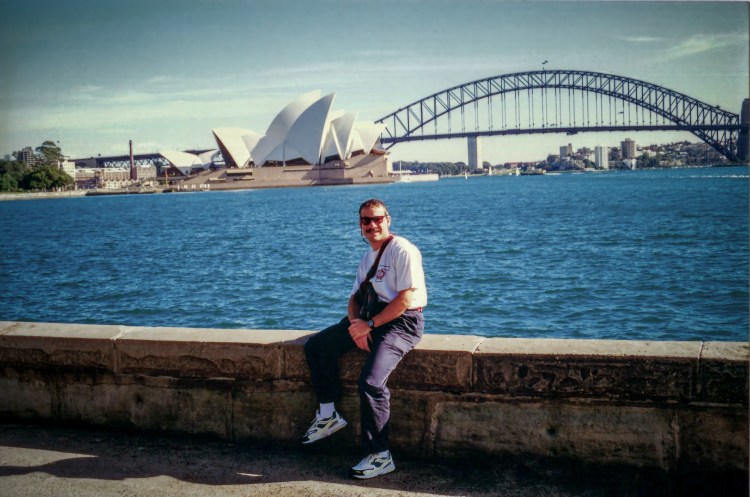
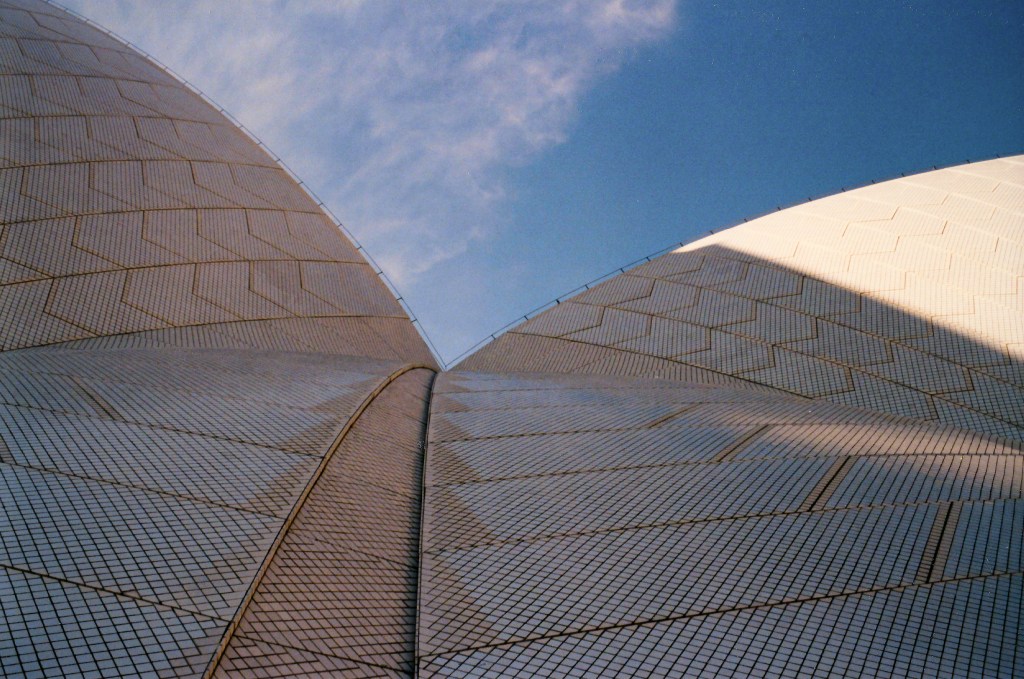
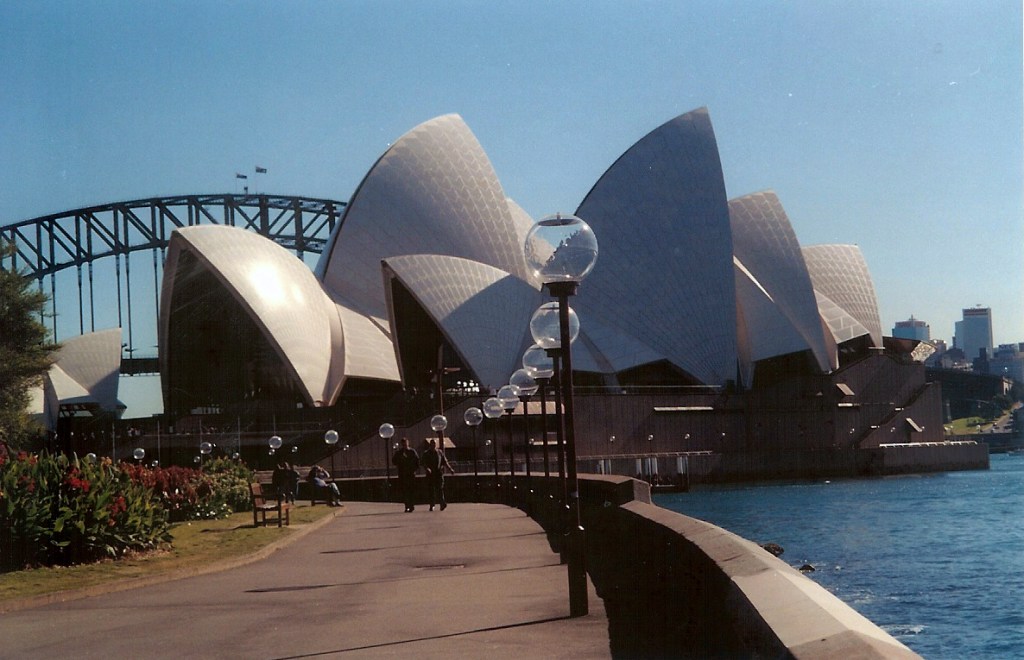
The only picture from my 1996 trip to Australia that I’m in. And, yup, that’s Sydney Harbor and the Sydney Opera House in the background.

For whatever reason, I was smart enough to have held onto all those emails.  Collectively, they comprise, for all intents-and-purposes, my journal of that journey.

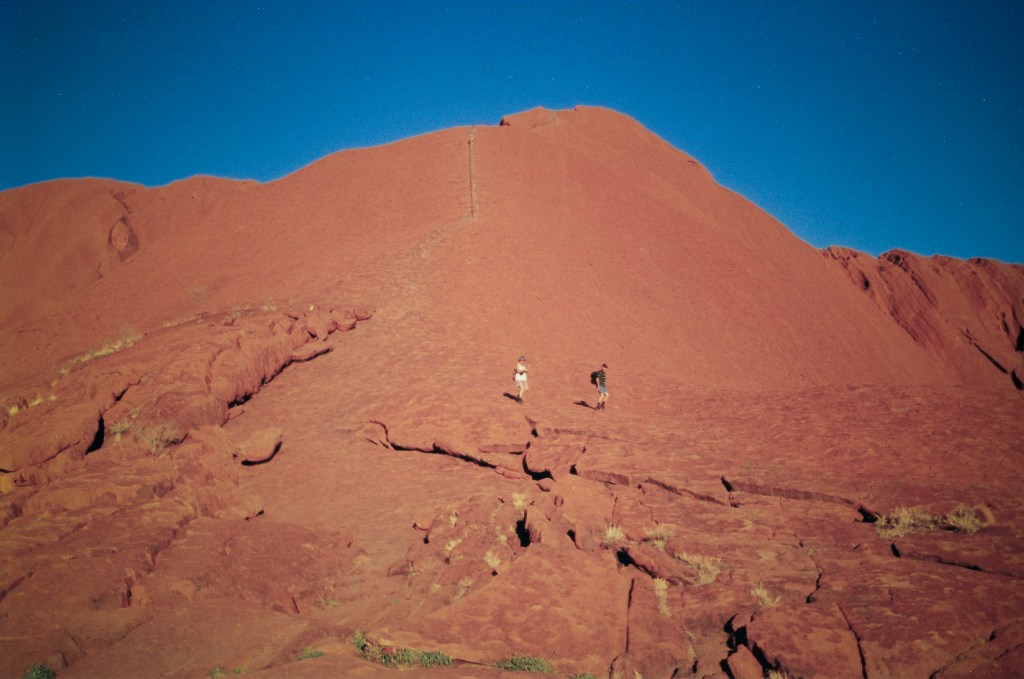
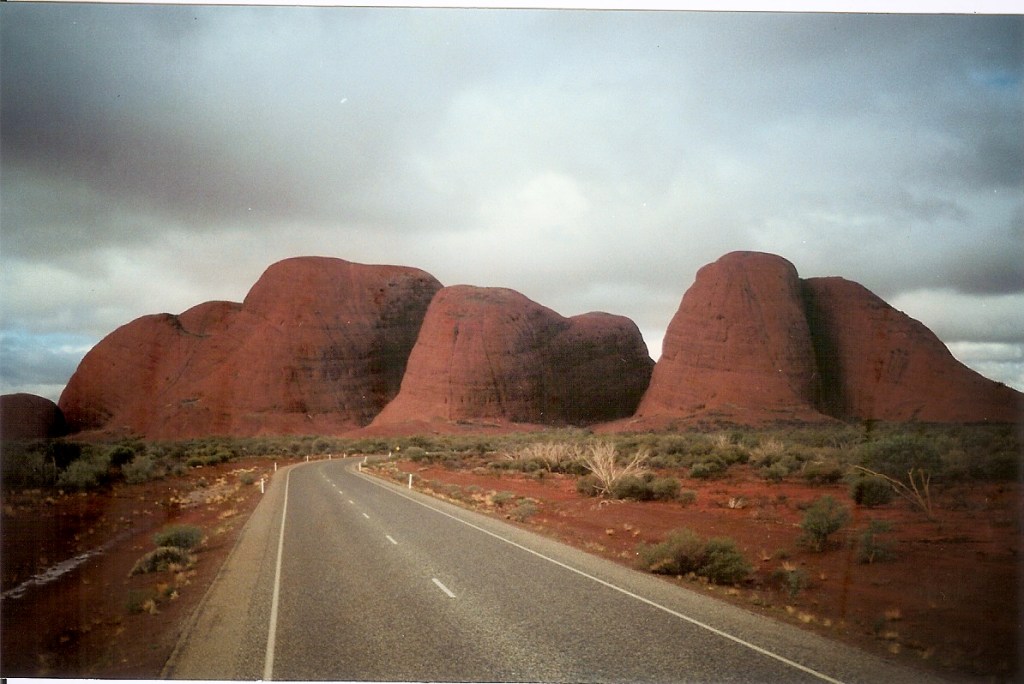
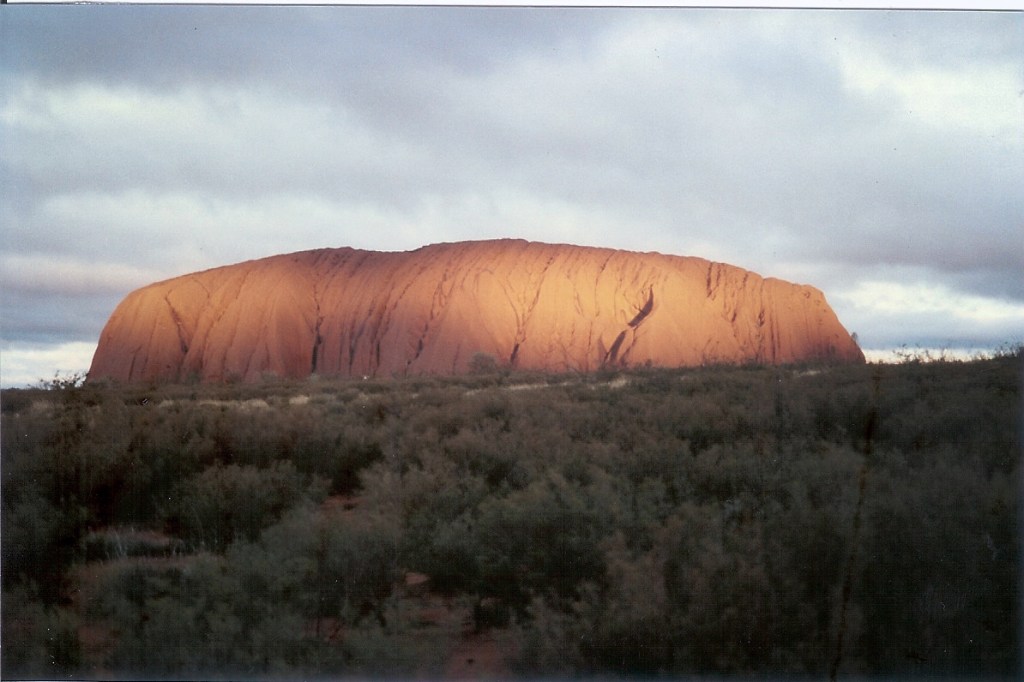
That work/vacation combo got me to the south-eastern part of Australia (Sydney, Melbourne), the western part (Perth, Fremantle), Adelaide, the center (Alice Springs, Uluru – once known as “Ayer’s Rock,” and Kata Tjuṯa – once known as “The Olga’s”), the north-east (Cairns), the east coast (Brisbane), and back to Melbourne.  The map at the top of this post has each location I visited marked with a little blue pin-drop.

[just a reminder that if you click on any image it enlarges]

It was a fantastic experience and re-reading those emails brings back lots of memories.  One short story:

On my 15th night in Australia, I arrived in Cairns and immediately booked a tour for the next day to the Great Barrier Reef – an 8 a.m. pick-up at my hotel, drive to the boat, then a day of exploring the reef, including snorkeling and scuba diving.  On that evening in Cairns, I had dinner at the hotel bar, chatted with some locals, and returned to my room to watch – on Australian TV – the 1996 Summer Olympics then taking place in Atlanta.  Given the 15-hour time difference between Cairns and Atlanta, I was watching daytime events in Atlanta and ended-up staying-up late (it was fascinating listening to Australian sports-casters broadcasting the Olympics).  As I later wrote in an email about the next morning:

“Alarm went off. I lay in bed thinking ‘hmmm, another day of, for all intents and purposes, touring. Bummer. But it’s the Great Barrier Reef. But you’ve been touring since you got here. But it’s the Great Barrier Reef. But it’s been here for millions of years and isn’t going anywhere and you want to come back. But it’s the Great Barrier Reef. But you’ve been doing all this stuff by yourself and this is just another solo activity. But it’s the Great Barrier Reef. But you’re only here two nights, then Brisbane for one night, then three days of [work] in a row, then back to the US.’ Decision made. Alarm shut-off. Called [the tour company] to cancel my reservation. Back to bed. No regrets about the decision (though some second thoughts that day, which faded quickly), as I do suspect I’ll be back someday.”


Overall, that Australia trip was successful enough from a business perspective that my company ultimately signed contracts with four of the universities I visited, which meant I got to return to Australia several times over the years, as I worked for that company (and it’s successors) for all but one year between that first trip to Australia in 1996 and 2011.  Those trips got me back to some of those same cities and a brief excursion to New Zealand in 2011.  Unfortunately, among all those trips, I only have pictures from the first one in 1996 and that last work-related trip in 2011.

After that, I wouldn’t return to Australia until 2019, when another job gave me the chance to return to Brisbane for a conference (a handful of photos).  And – in 2023 – I’d return once more – strictly on vacation – as I had to travel through Brisbane on my way to and from Papua New Guinea.

And I’ve still never been to the Great Barrier Reef.

All of the pictures above this are from that original trip in 1996; I don’t even remember what type of camera I used back then, but it most definitely wasn’t an iPhone!

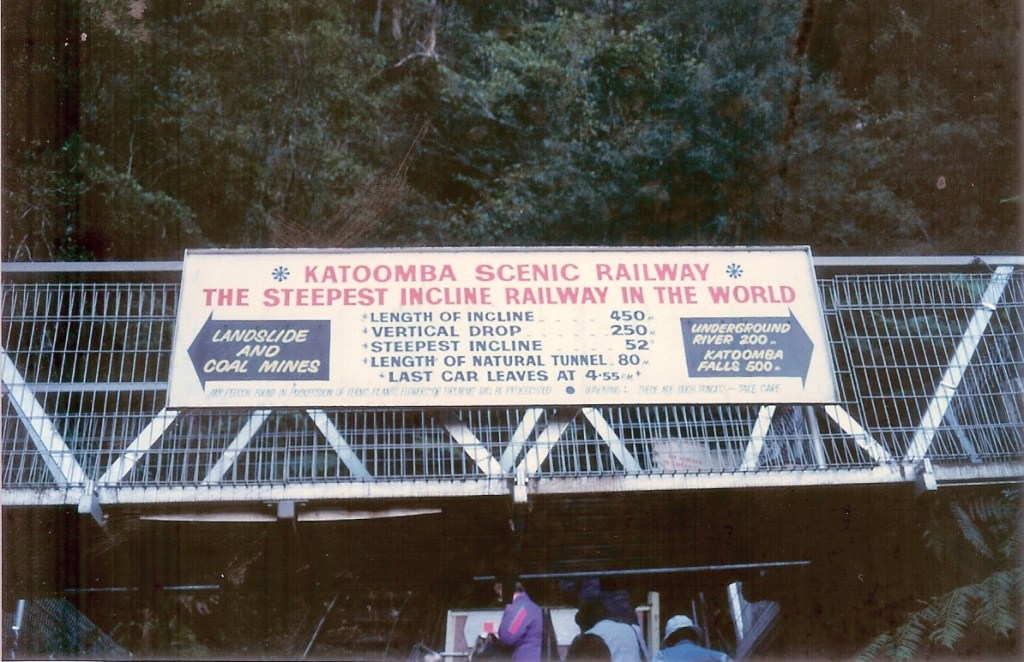
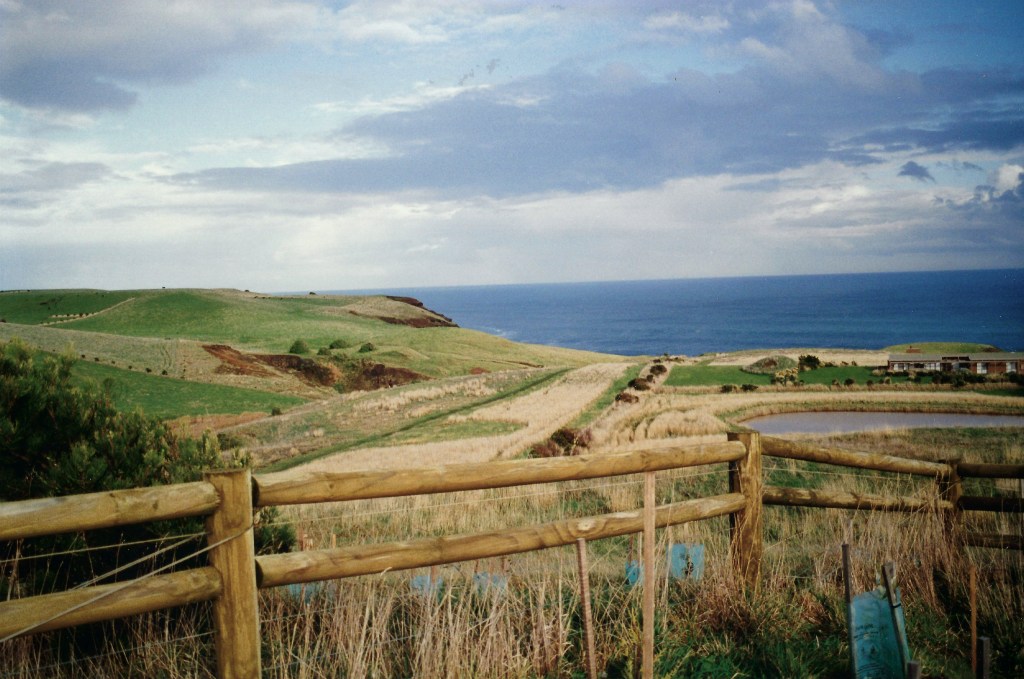
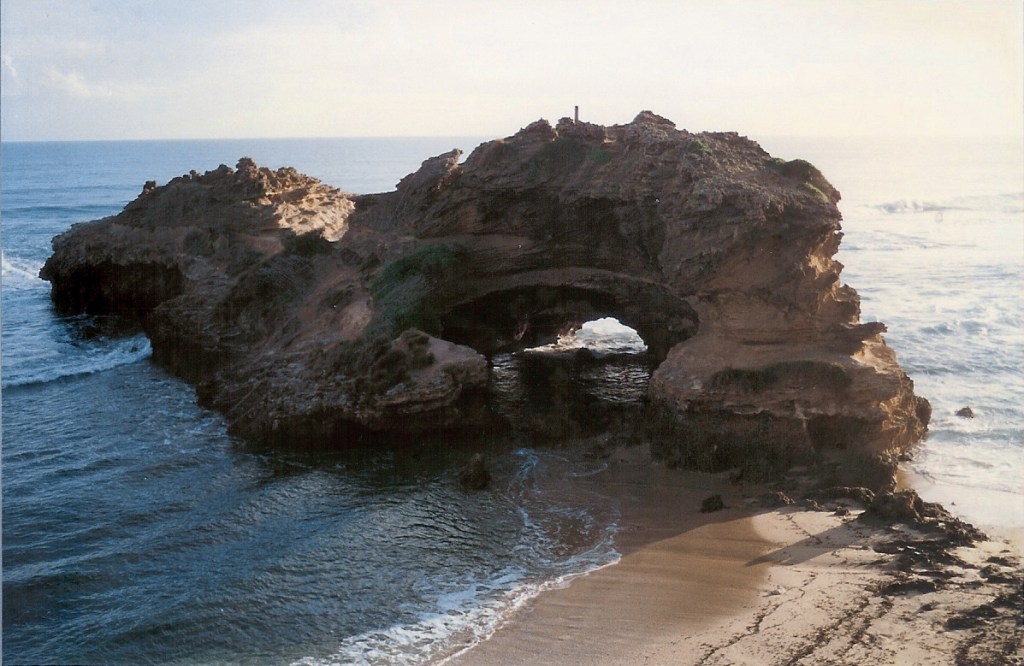
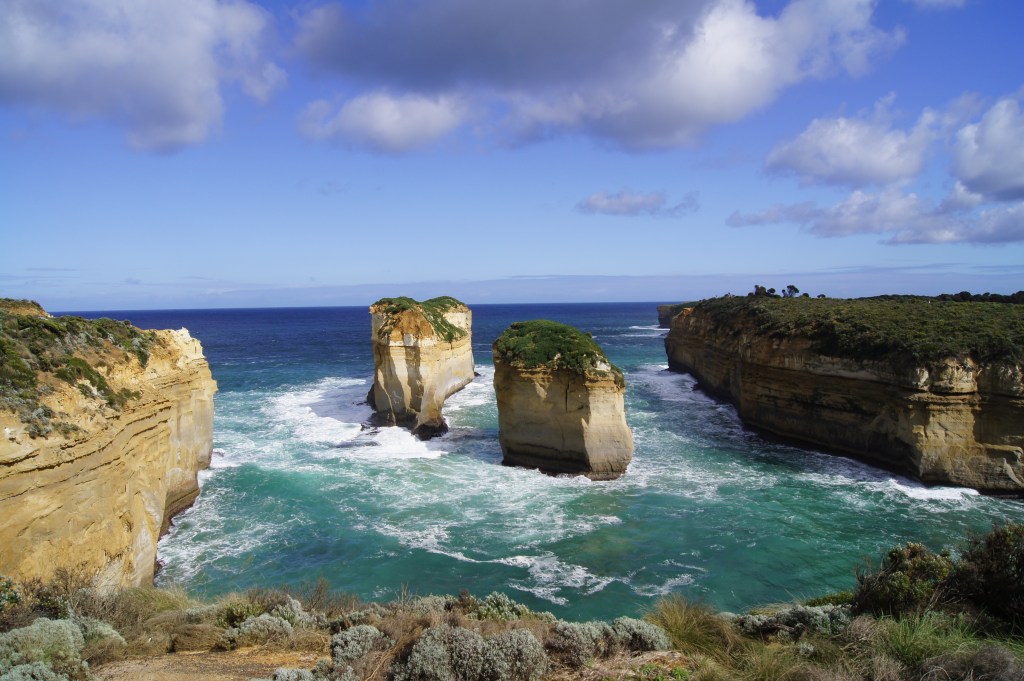
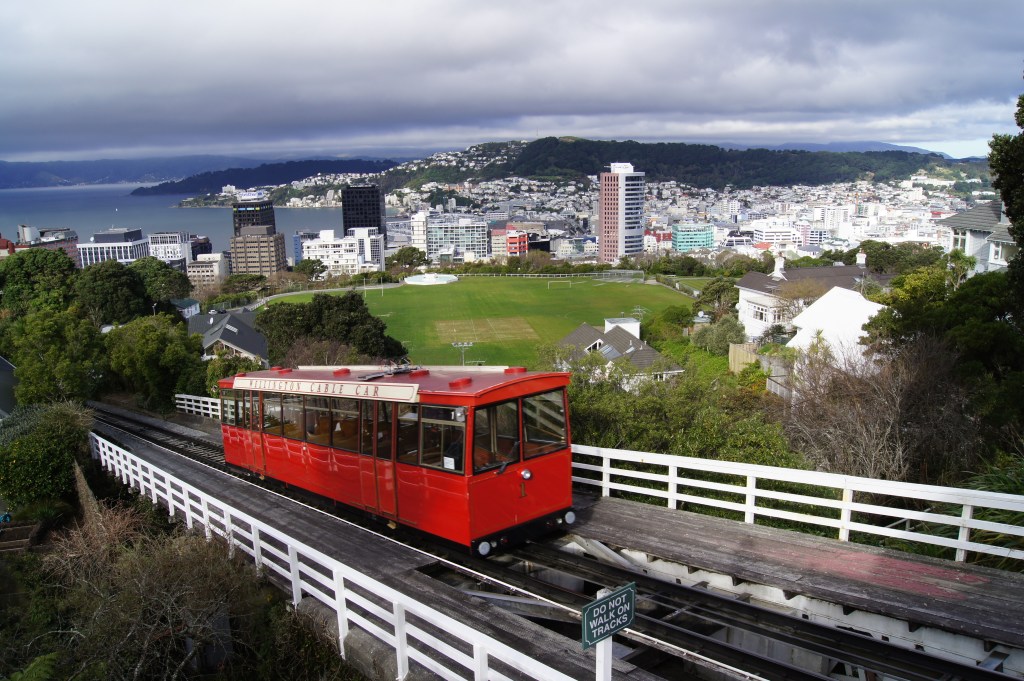
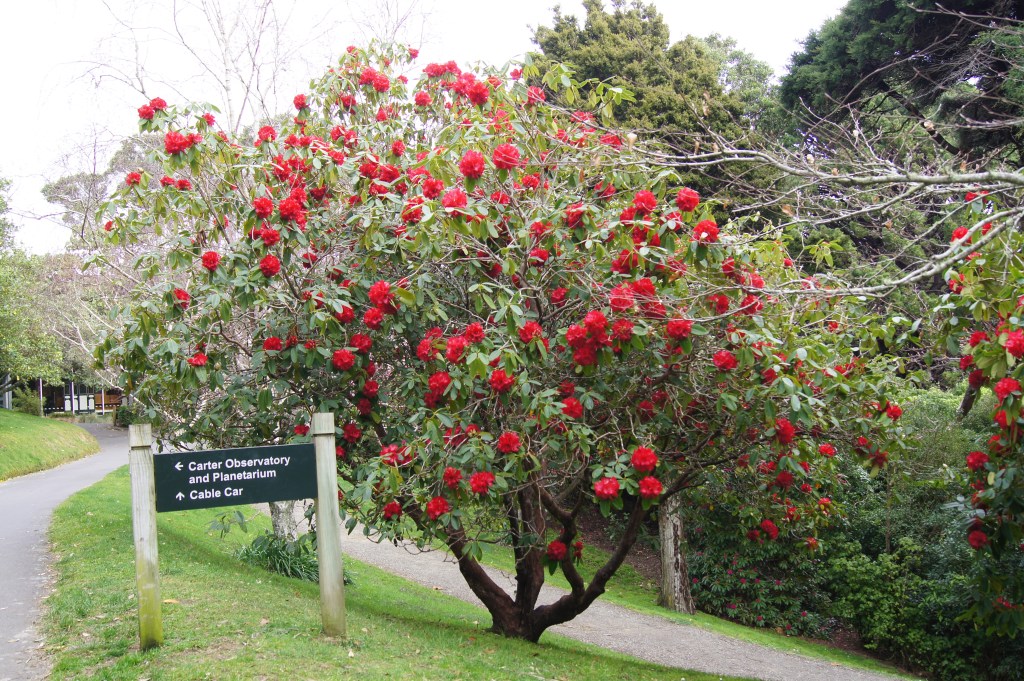
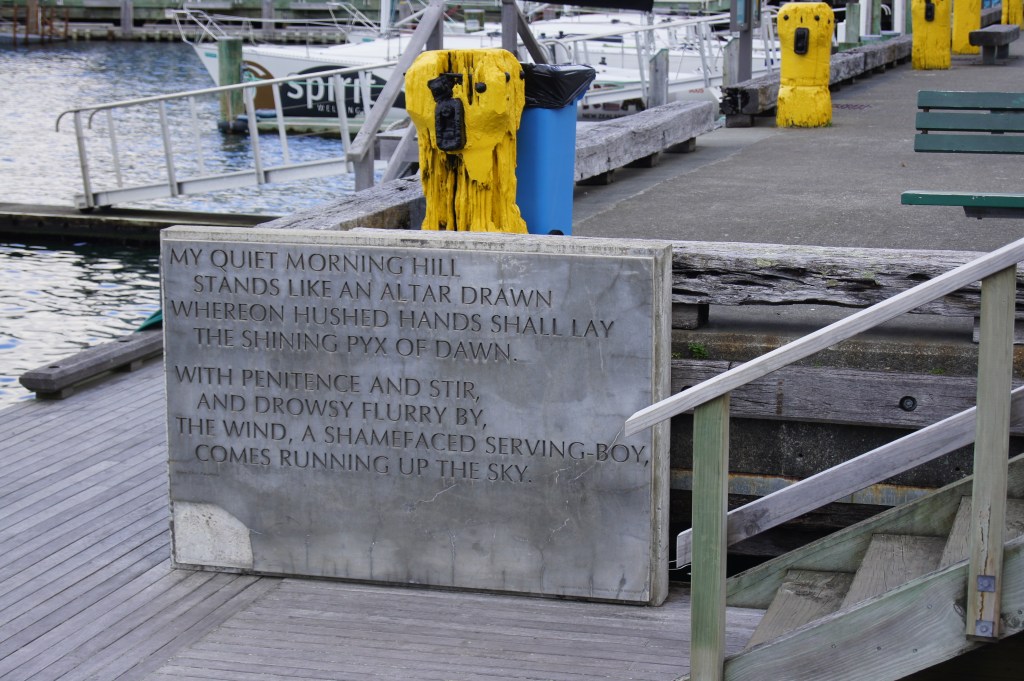
The following are a few shots from my business trip in 2011. I had some time to myself, so made a trek to Port Campbell National Park and the Great Ocean Road south of Melbourne to take in what’s called The Twelve Apostles – a set of limestone “stacks” just off the coast. For a small fee I took a helicopter ride to see them from the air. That same trip also included a small amount of time in Wellington, New Zealand, though there’s of course much more of that country to explore. By this time, I’d upped my camera game a bit.

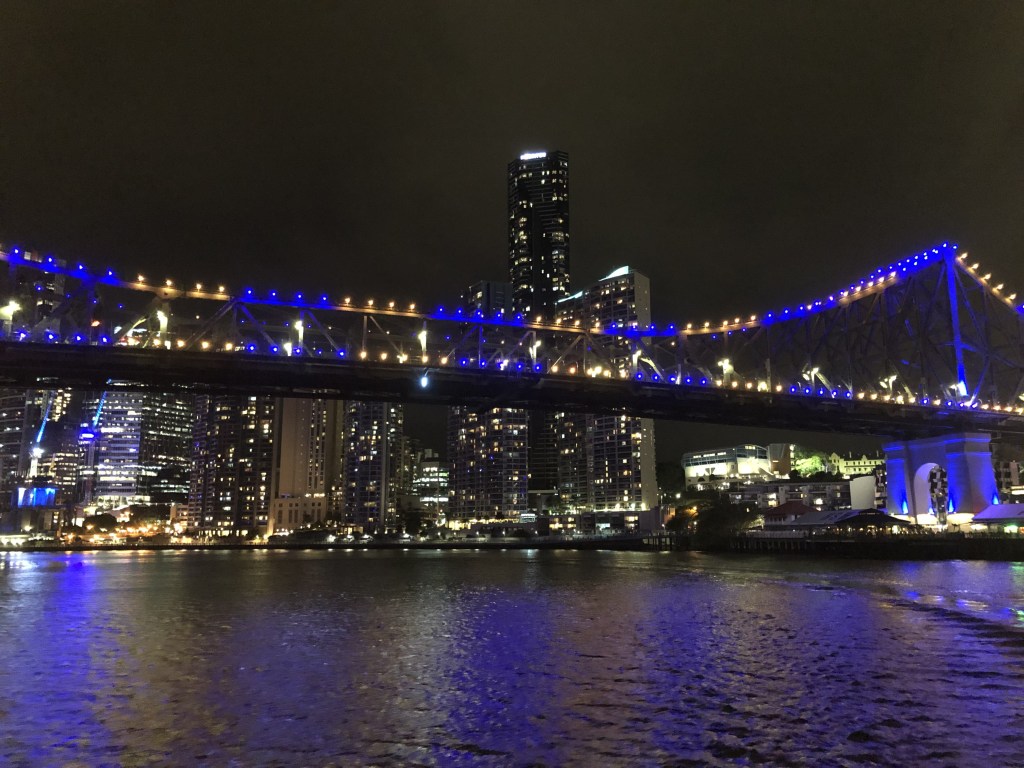
And the following are some shots from 2019, when a work-related trip took me to Brisbane.

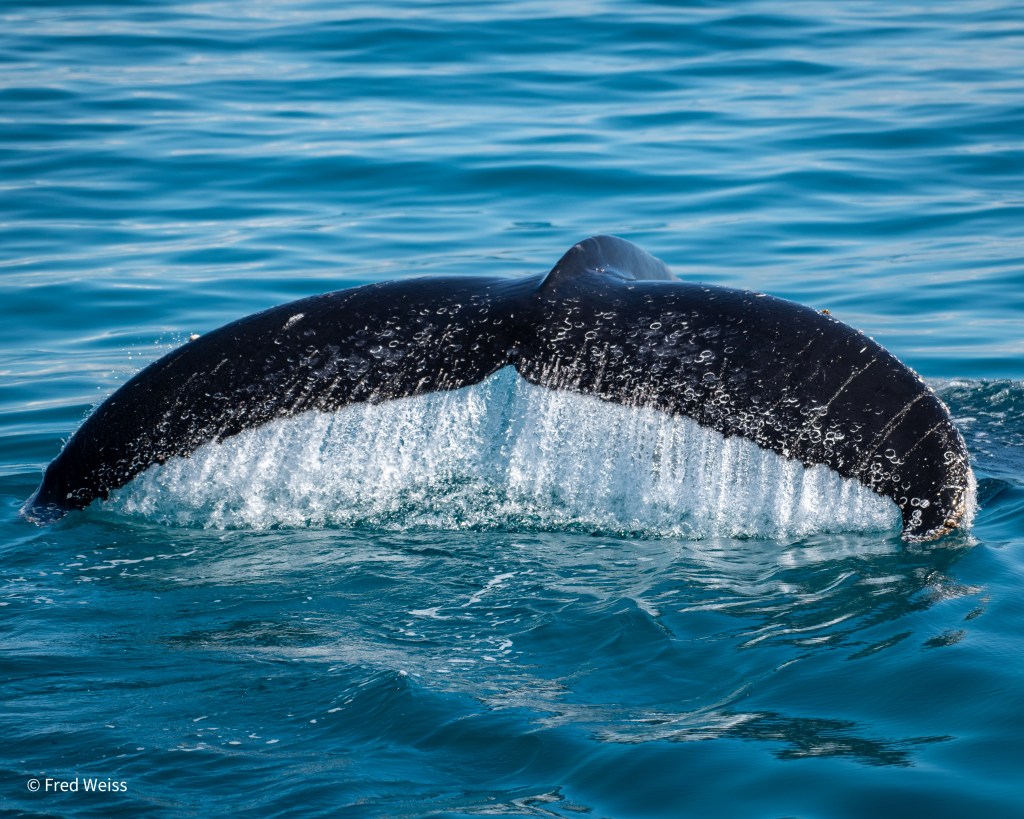
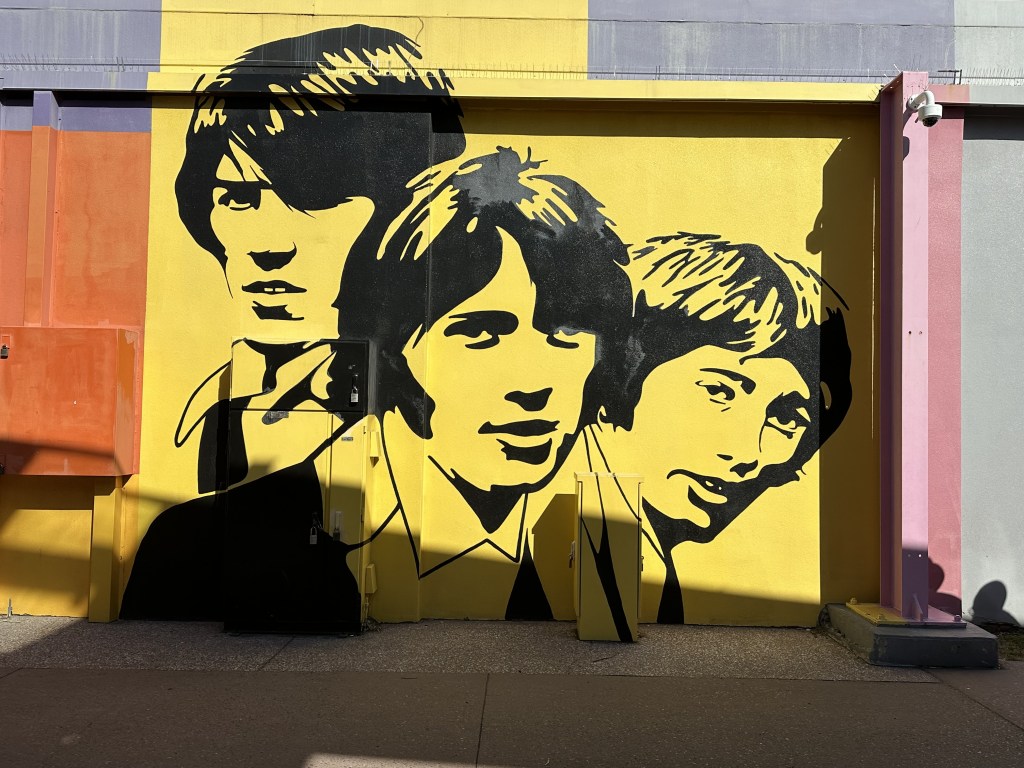
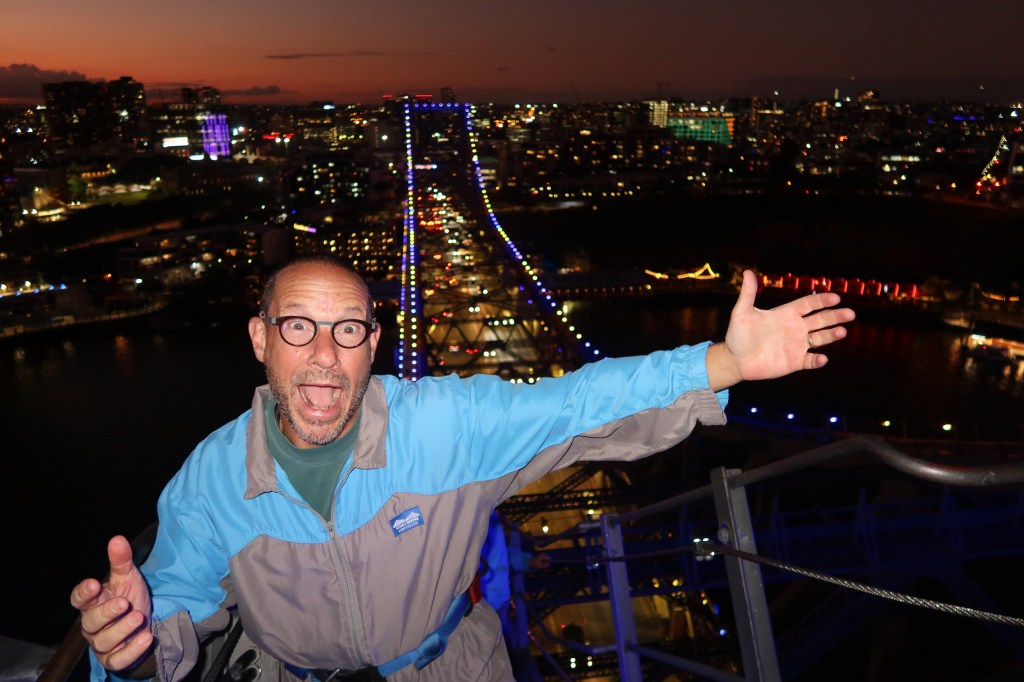
Finally, in August of 2023 I spent some time in Brisbane on the way to and from Papua New Guinea, which I’ve written about here. On that trip, I climbed the Story Bridge, held a koala, briefly visited The Bee Gees’ home town, and went on a whale watch. There are more photos if you follow those links above.

I have nothing but great memories of my trips to Australia – wonderful people, vast, delicious food and beer, exciting cities, gorgeous country and coasts and wildlife. Of all the continents outside of North America, I’ve only been to Europe more often.

But, yeah, I need to go back to see the Great Barrier Reef.

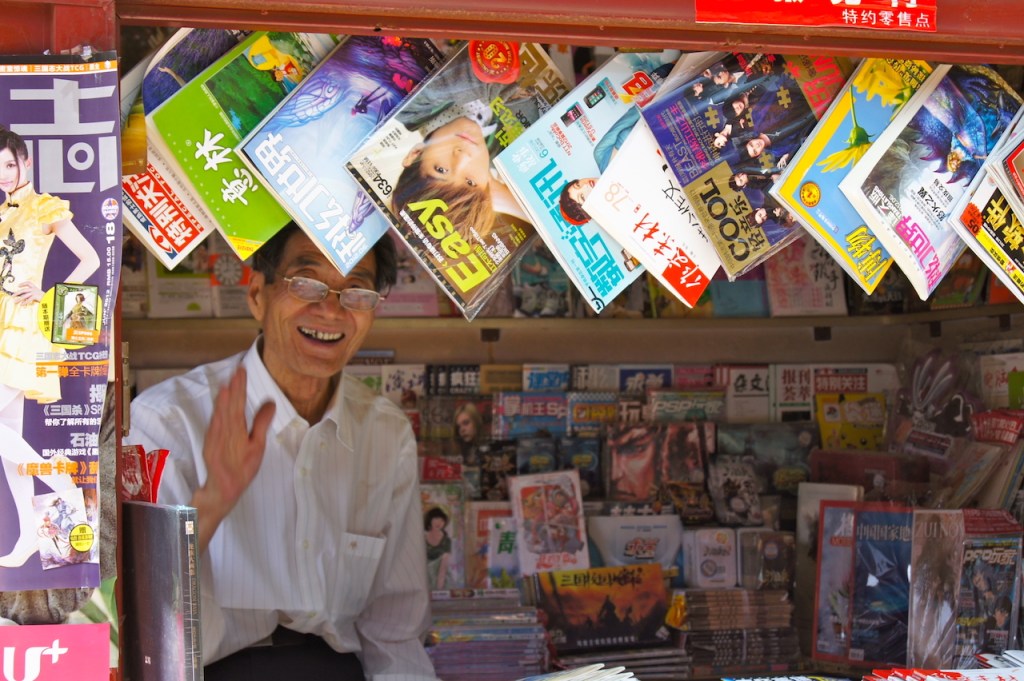
China (Beijing, Xian) – 2012

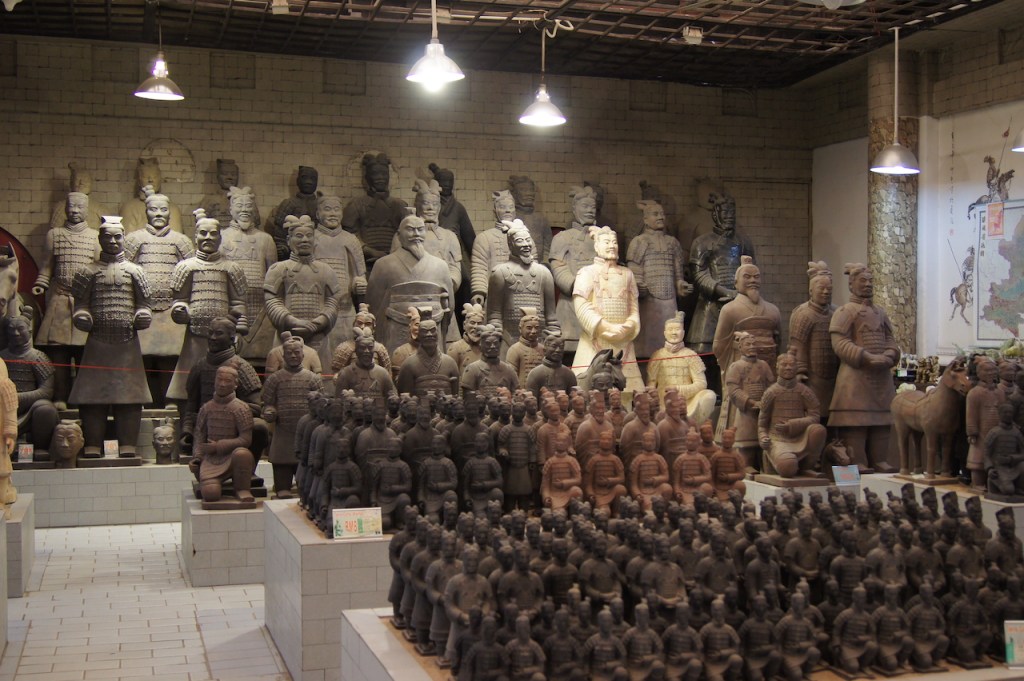
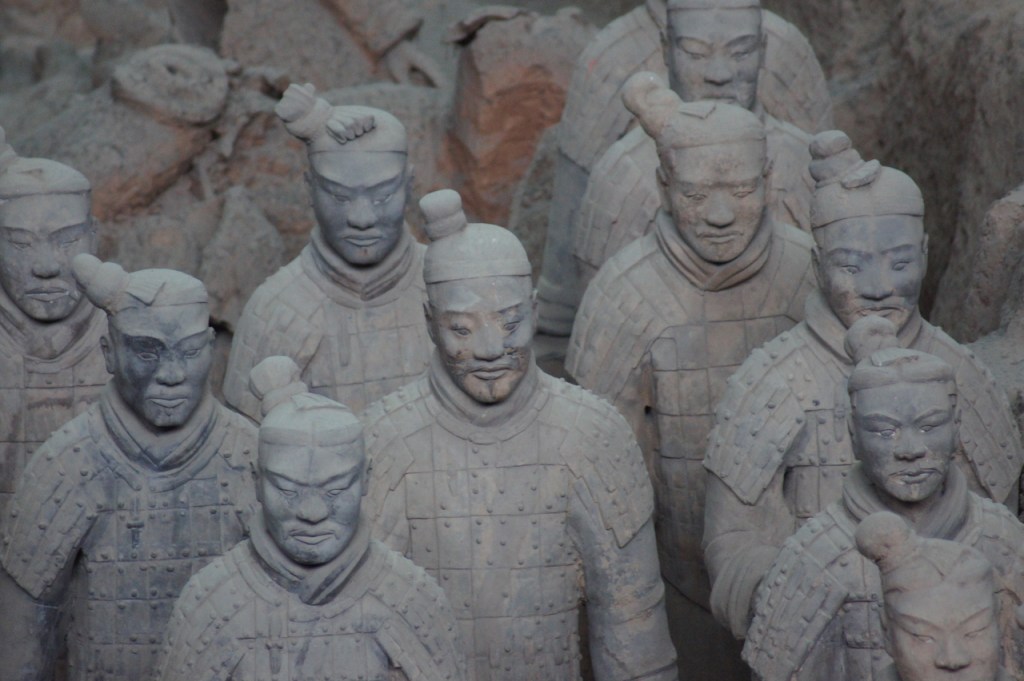
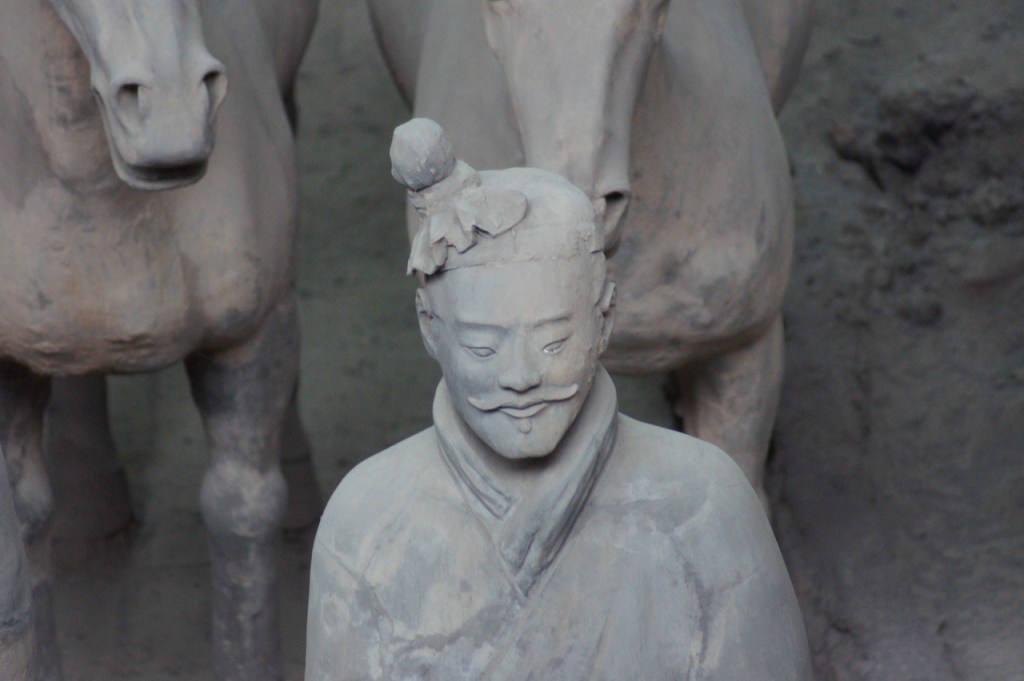
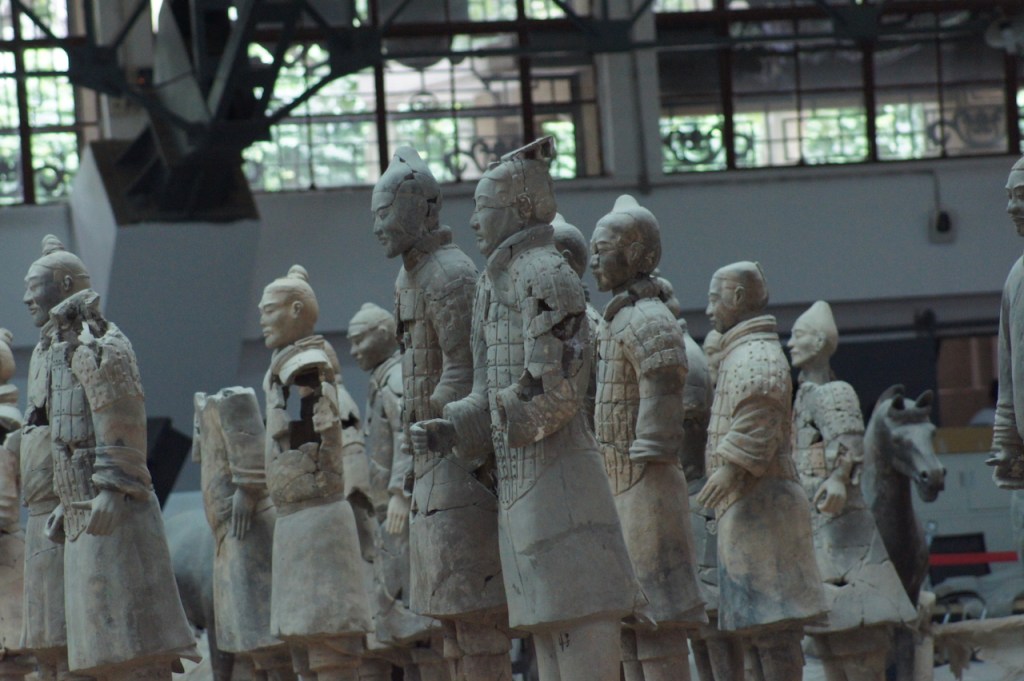
I was between jobs in early 2012 when I decided to book a trip to China, a place my eldest brother had been to, an which intrigued me for a number of reasons – its food (which I’d always loved, especially as a New Yorker), its history, the 2008 Olympics, and the amazing, stunning, awe-inspiring Terracotta Army.

So, while I booked the trip during my time-off between gigs and while looking for a job, once I’d booked the trip I ended-up getting a new job. There was no way I was going to cancel the trip, so I started my new job – worked two weeks – then took 10 days off to go to China.

I’d fly through Seattle (spending a night there), and then I’d spend three nights in Beijing and another three in Xian (where the Terracotta Army is), before returning home. This was a small group of 15 – I was the only single traveler.

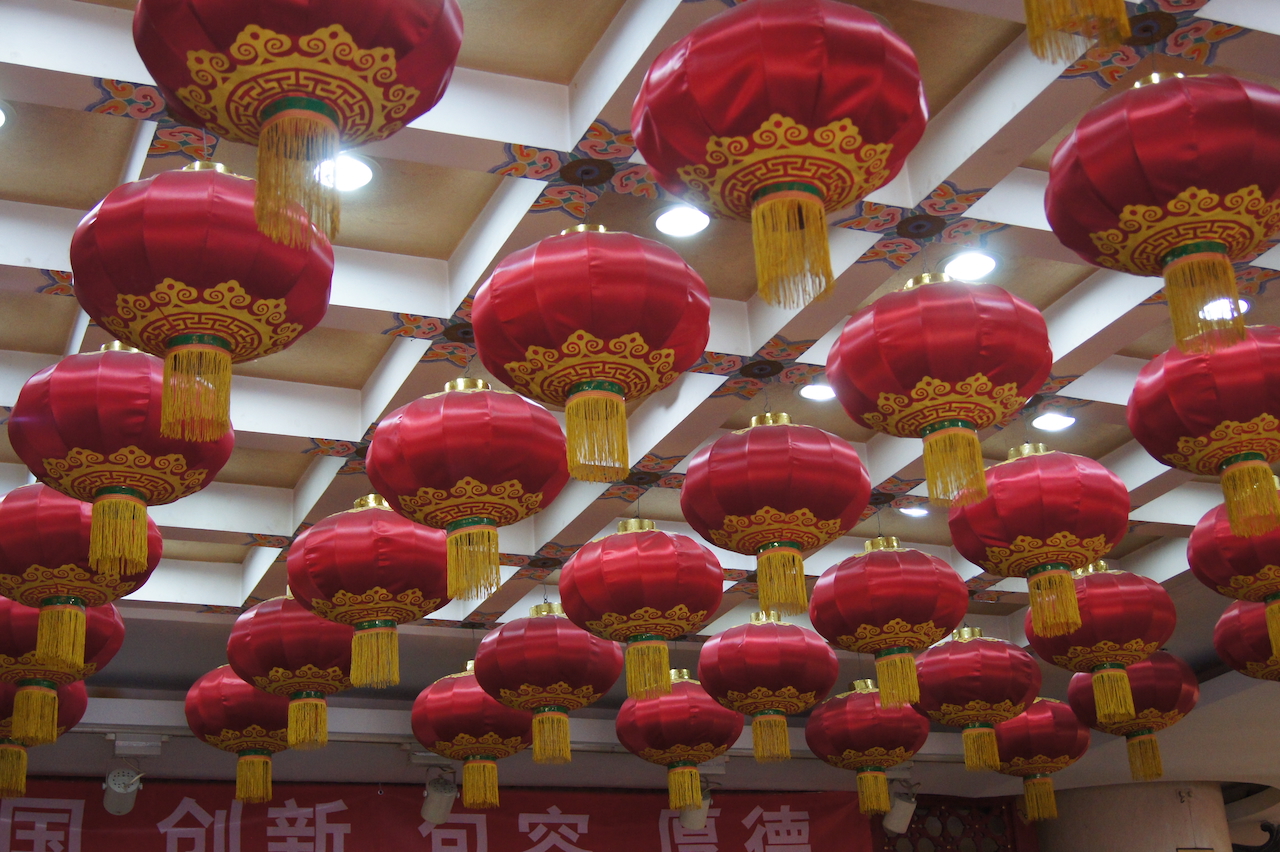
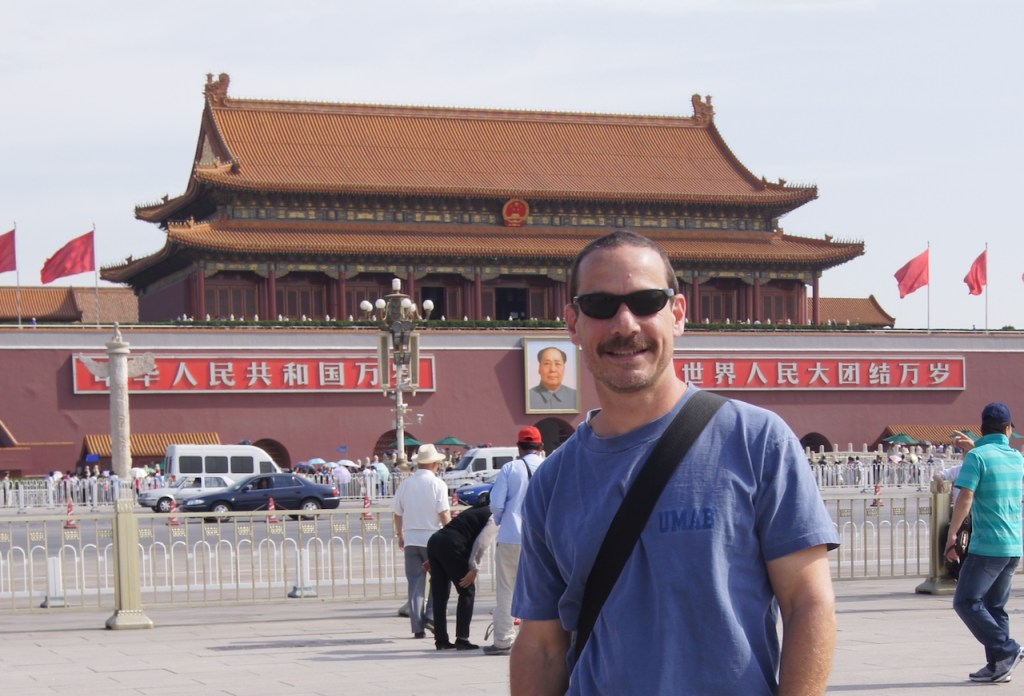
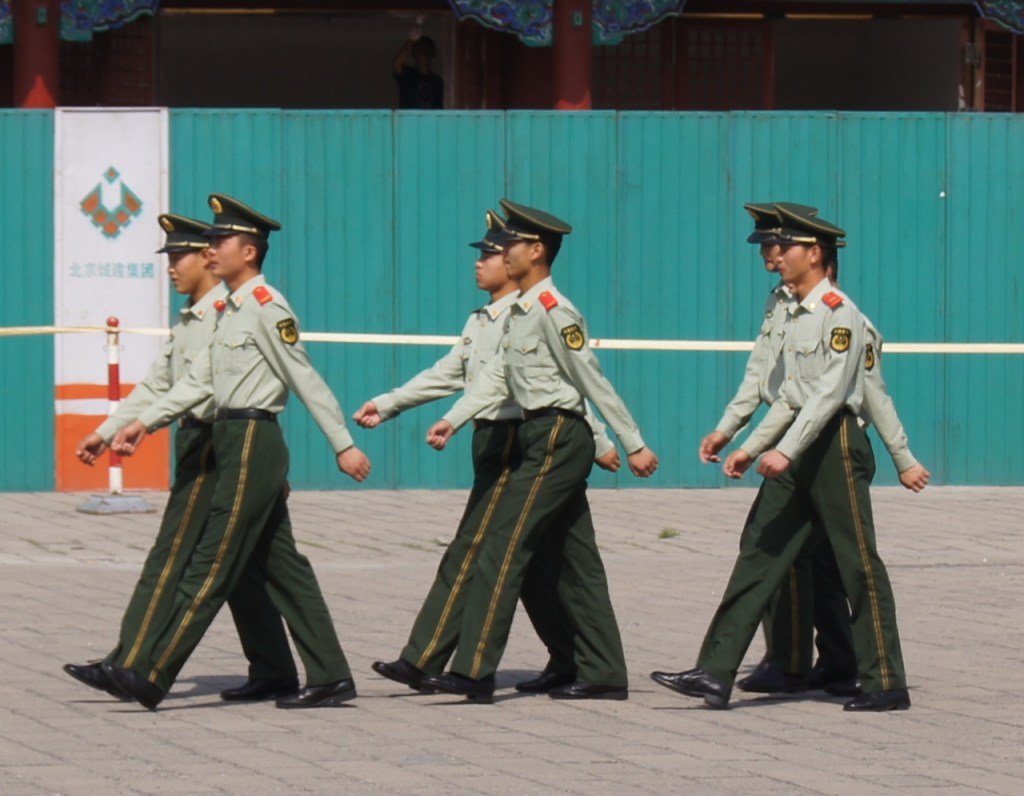
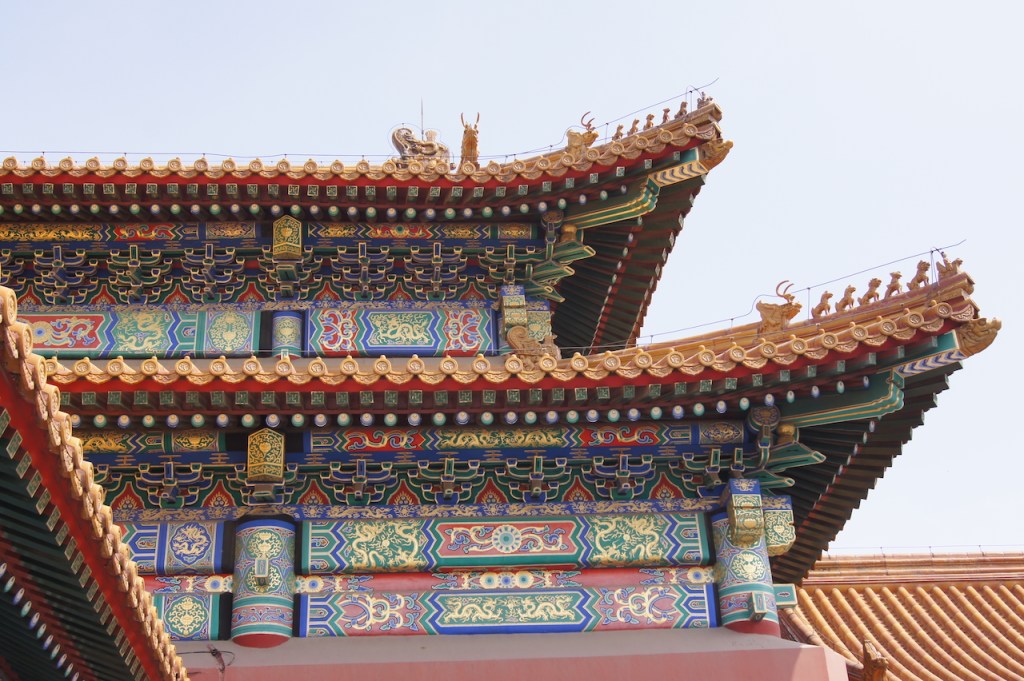
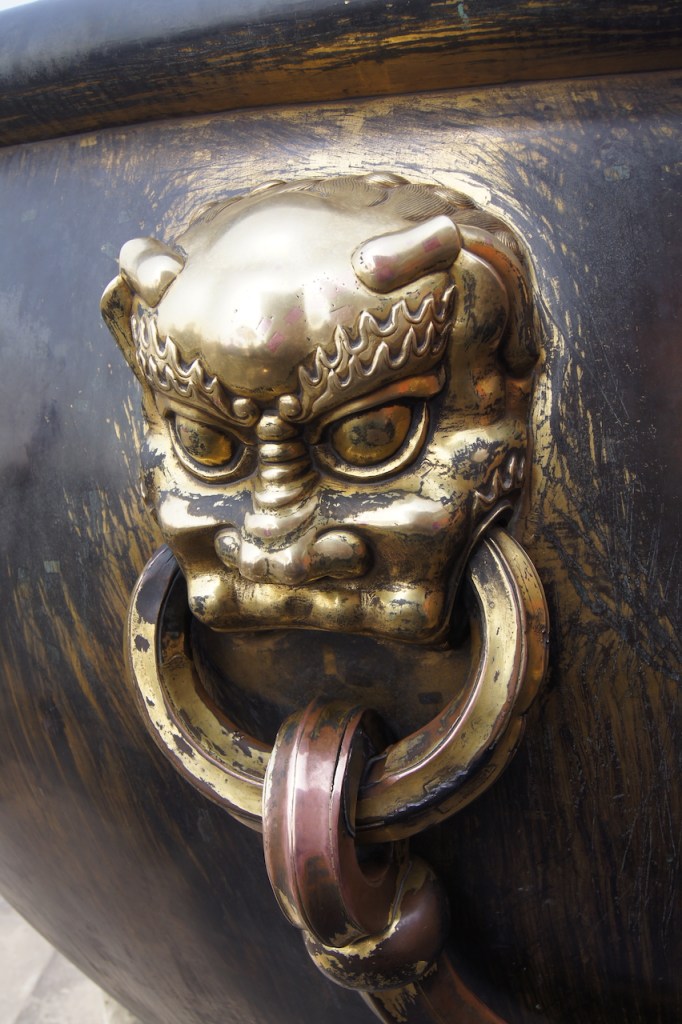
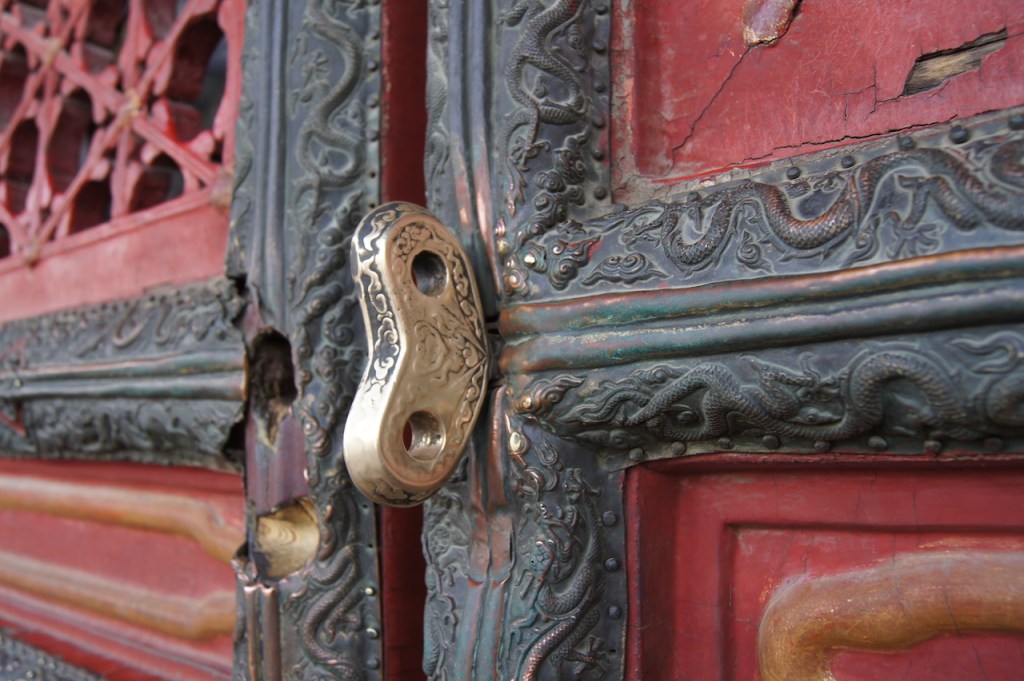
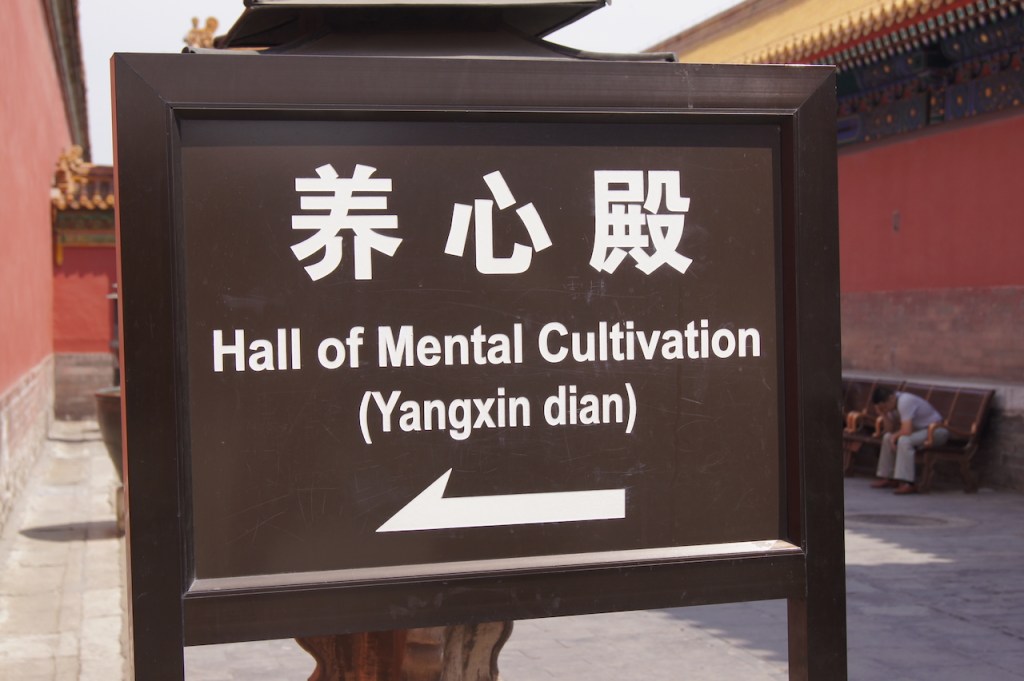
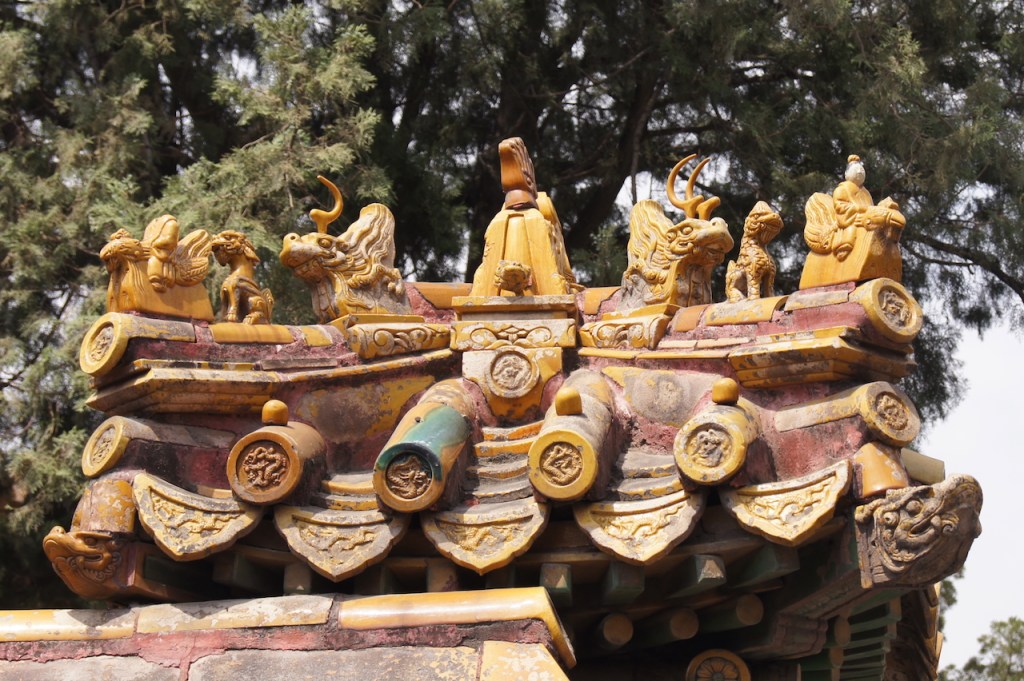
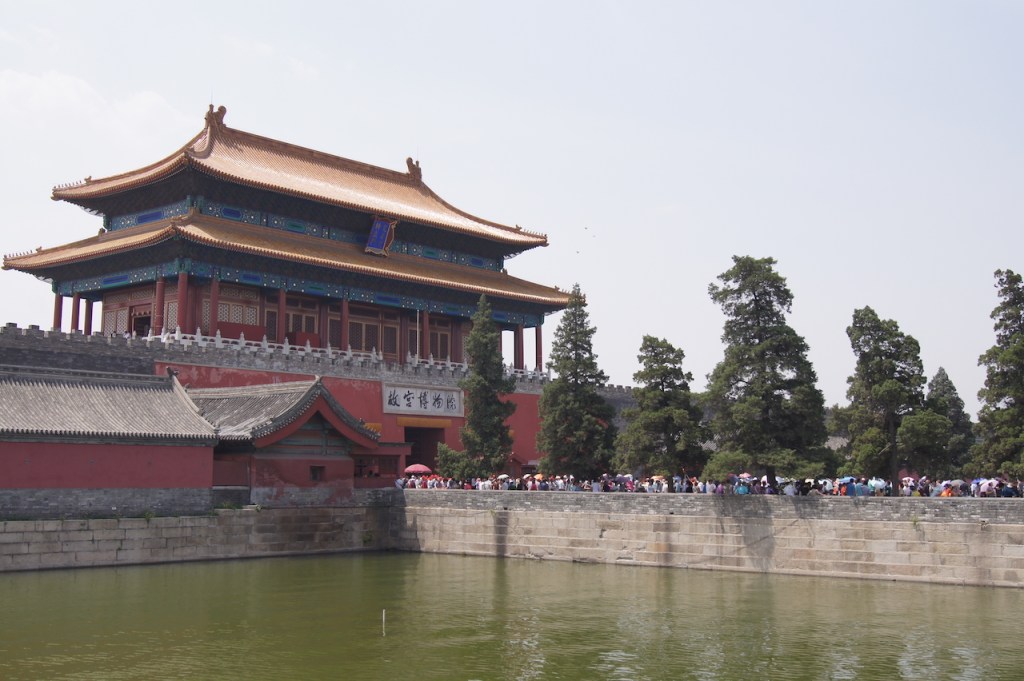
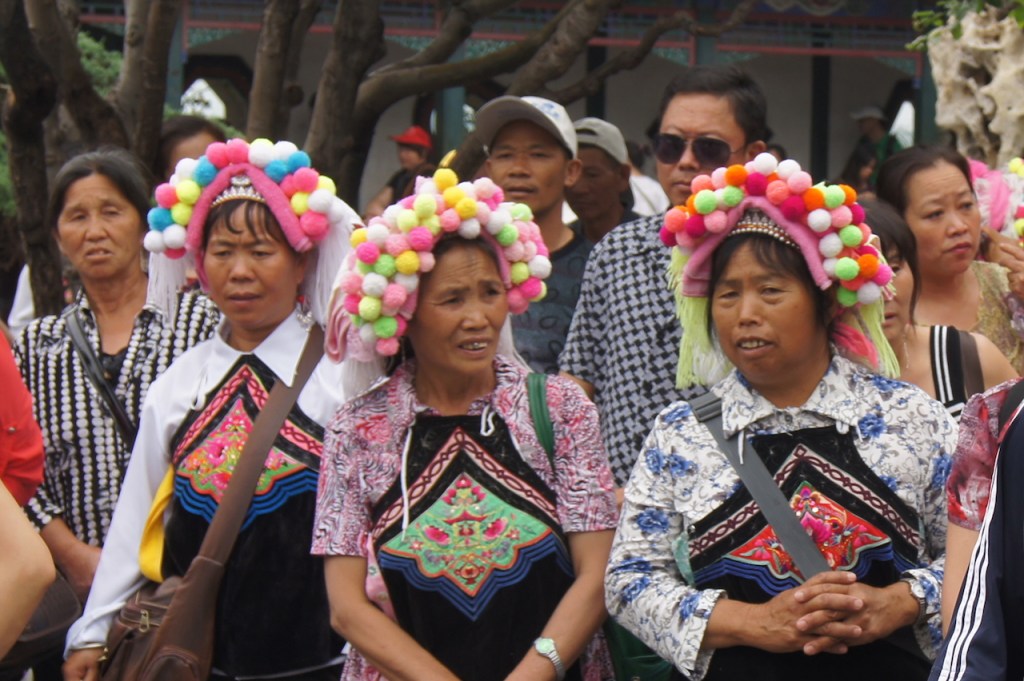
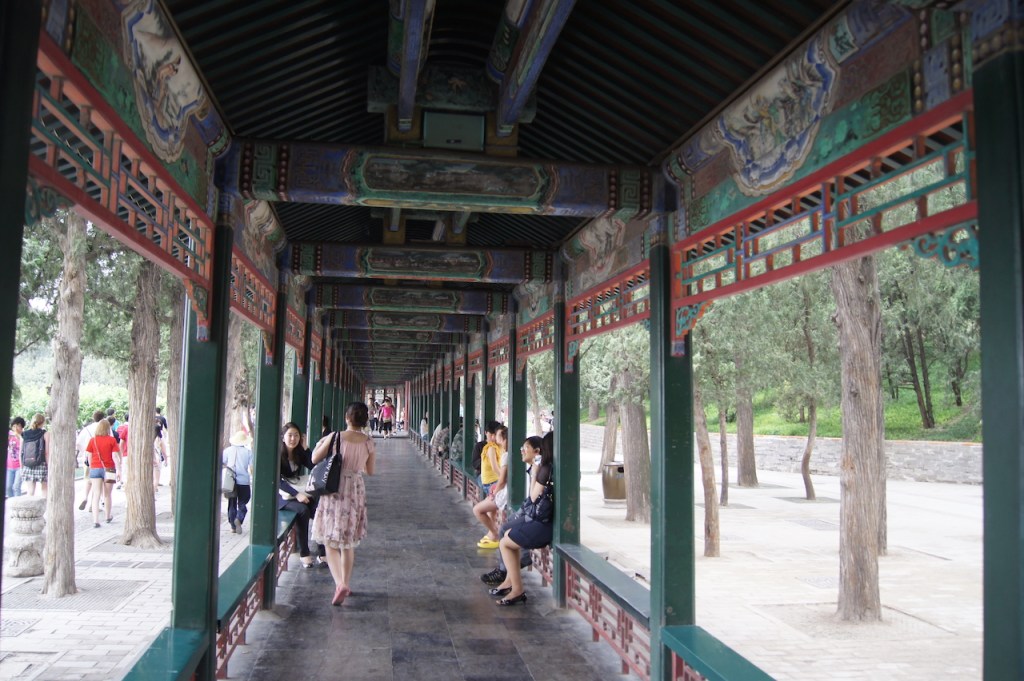
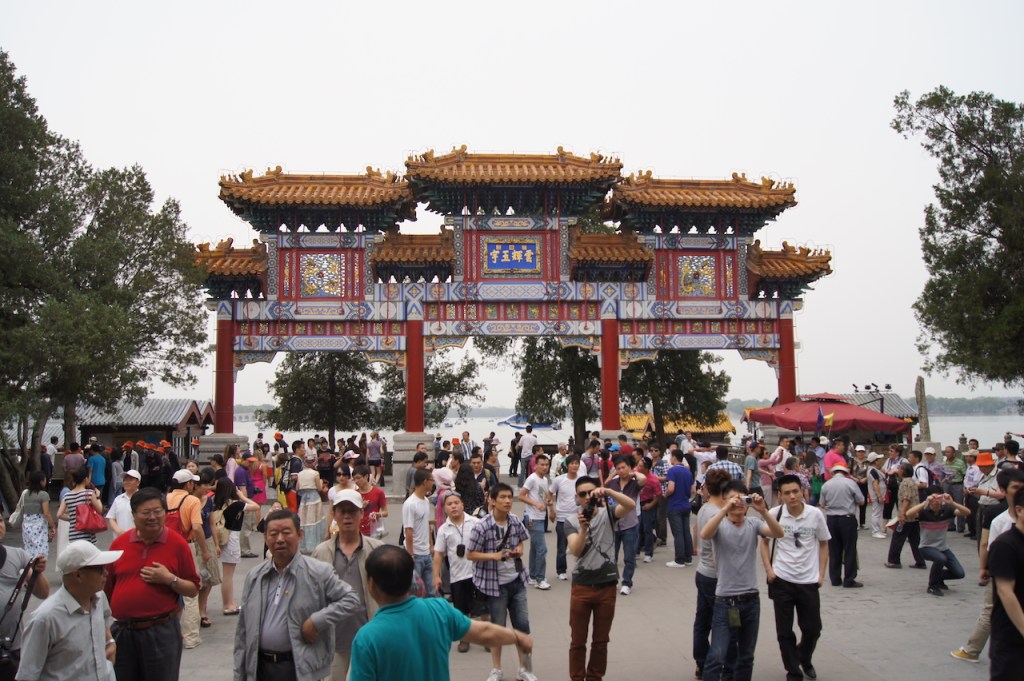
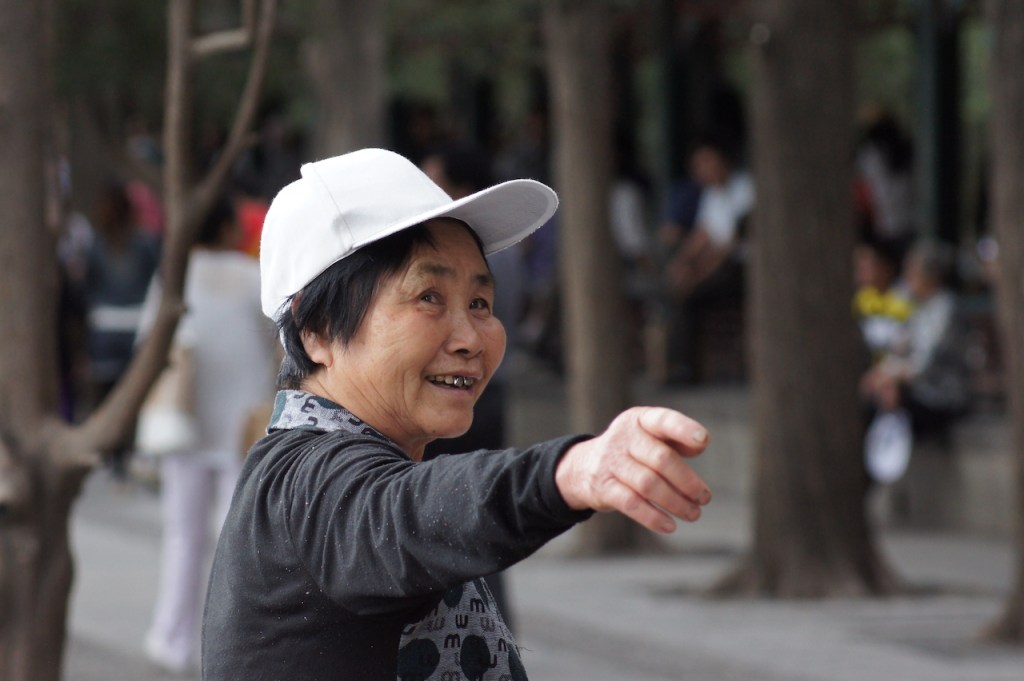
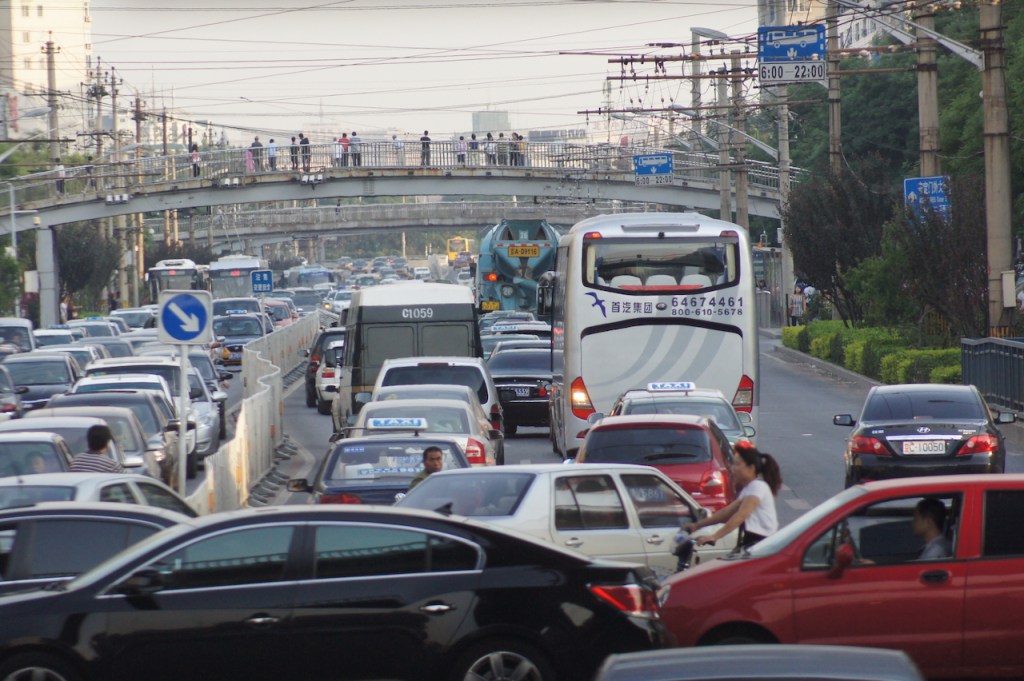
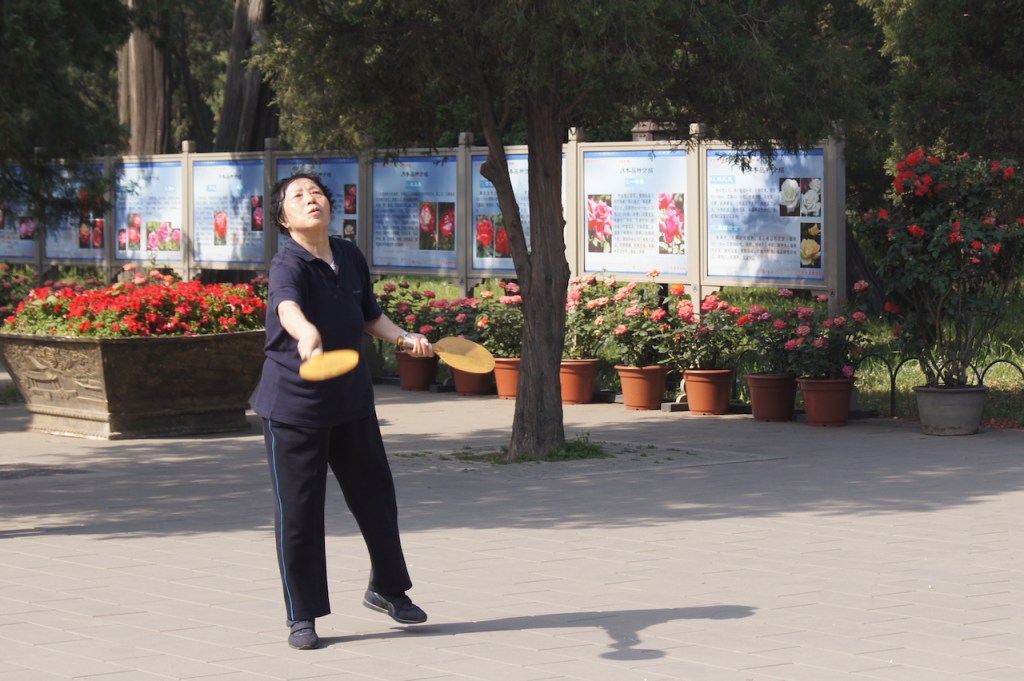
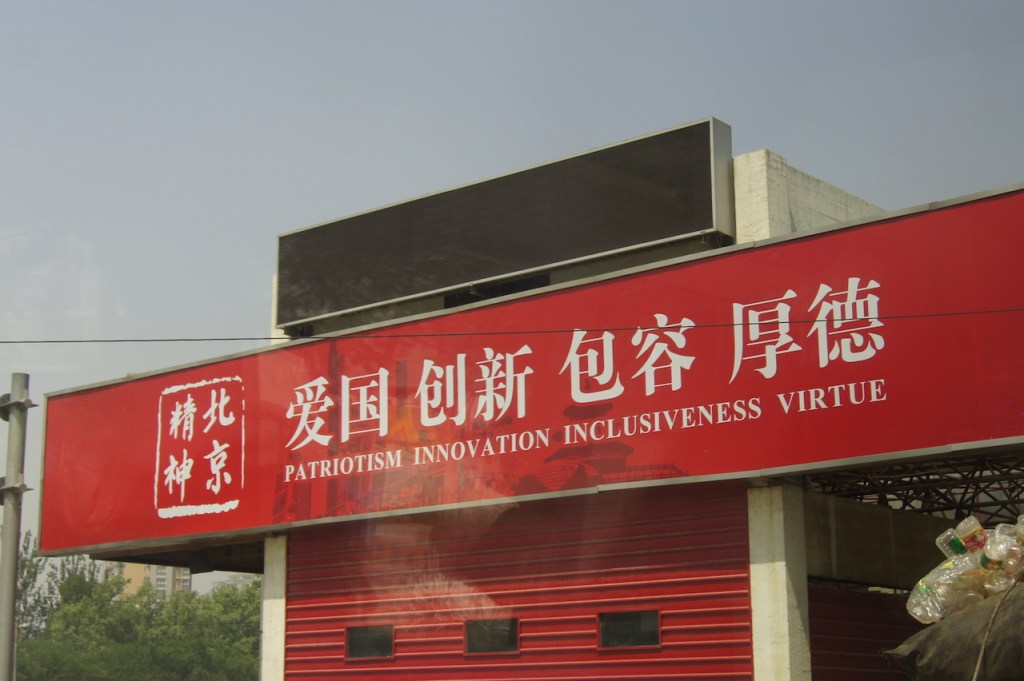
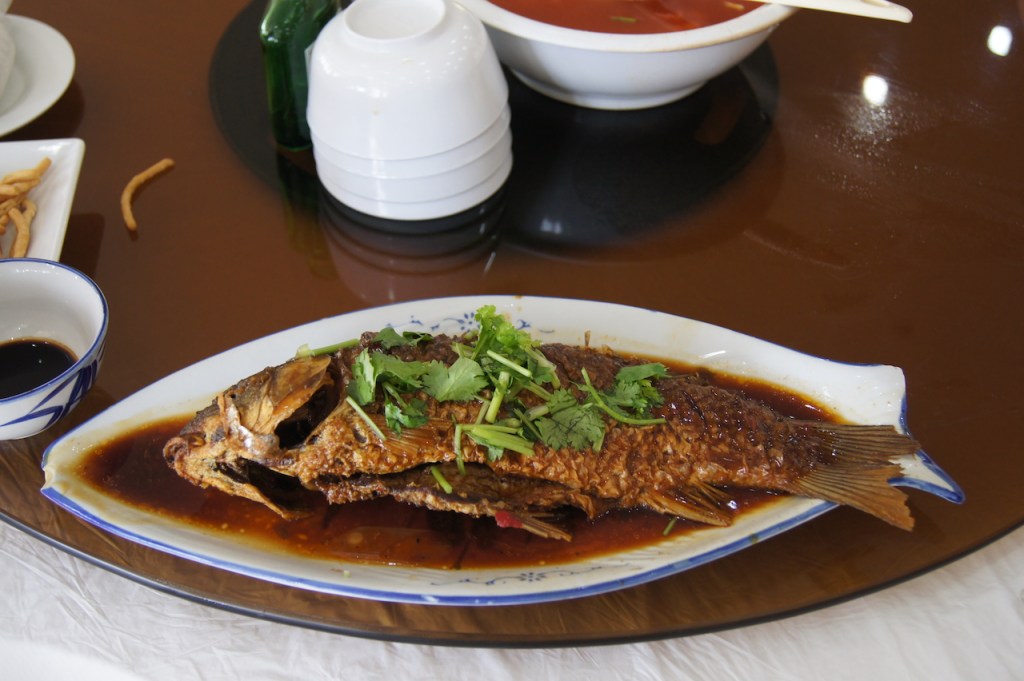
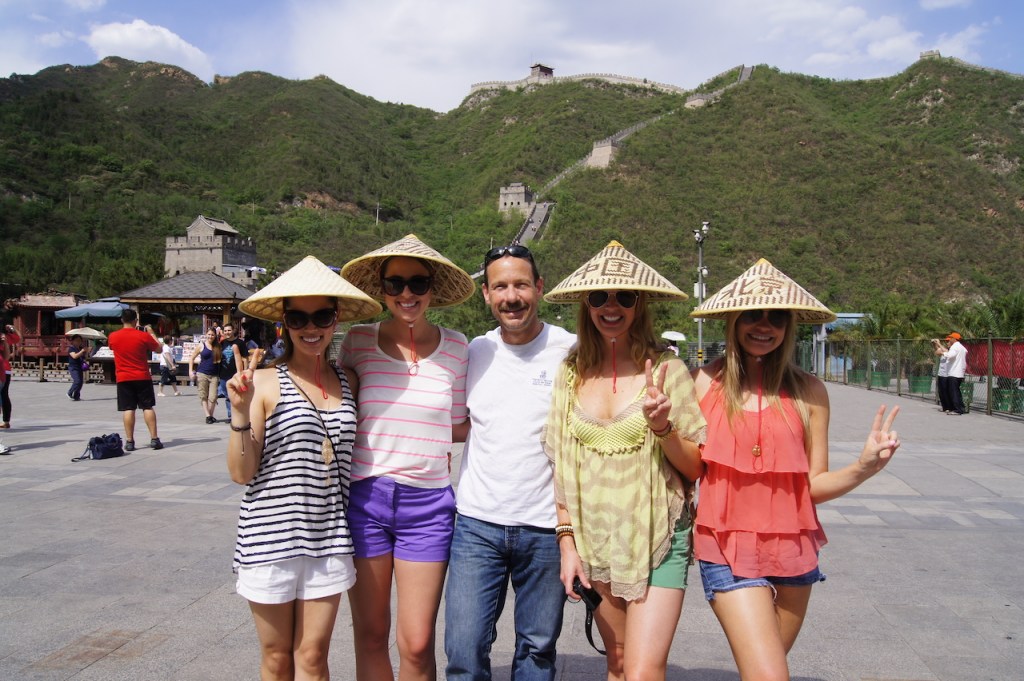
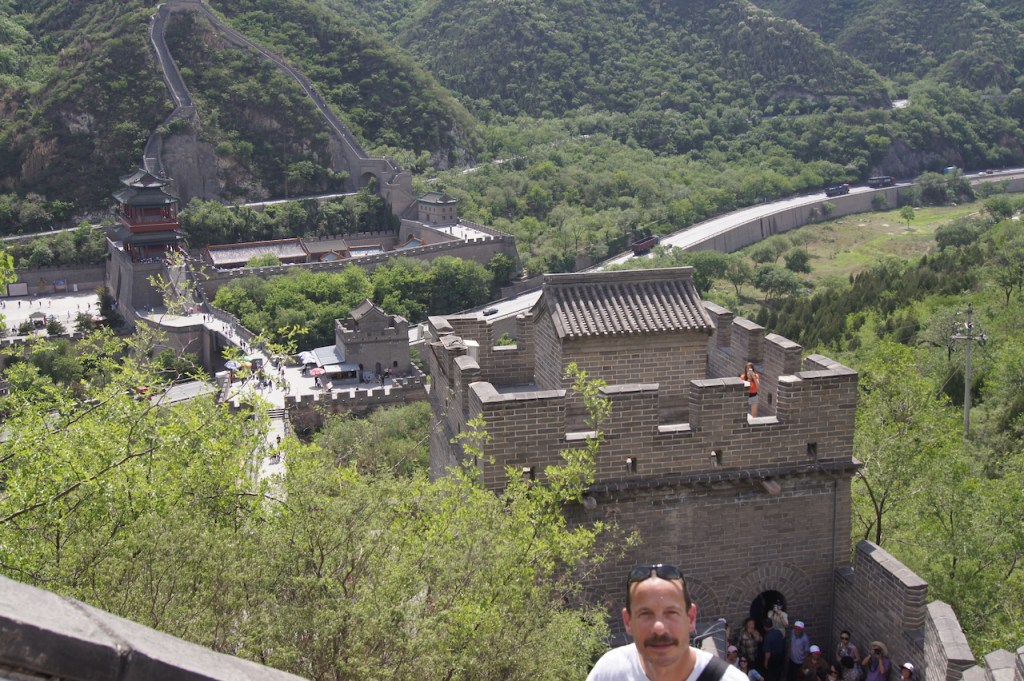
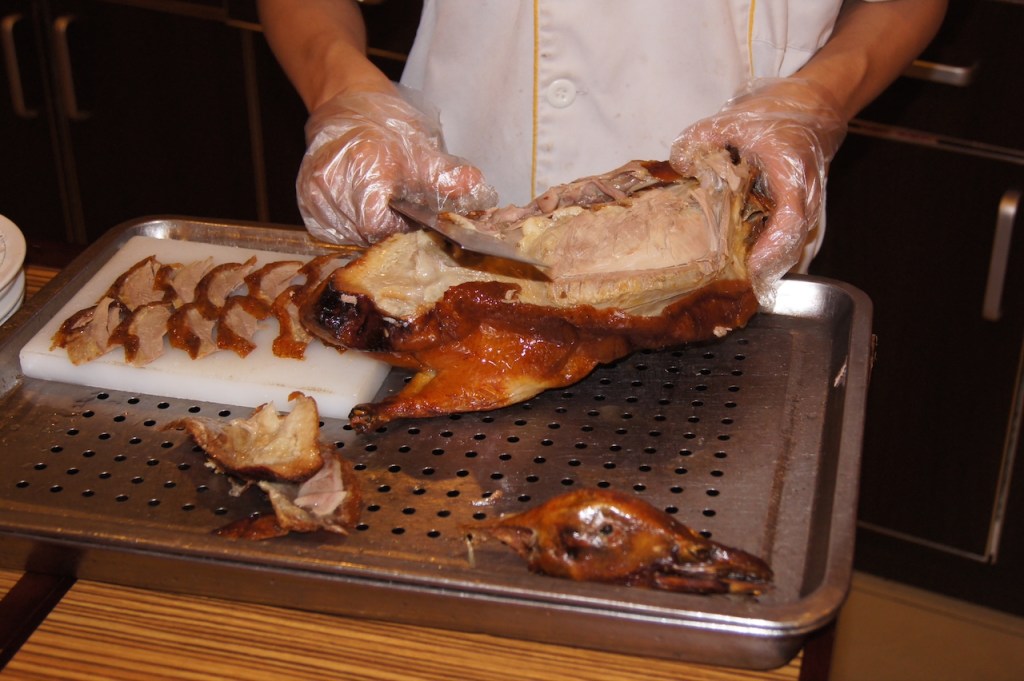
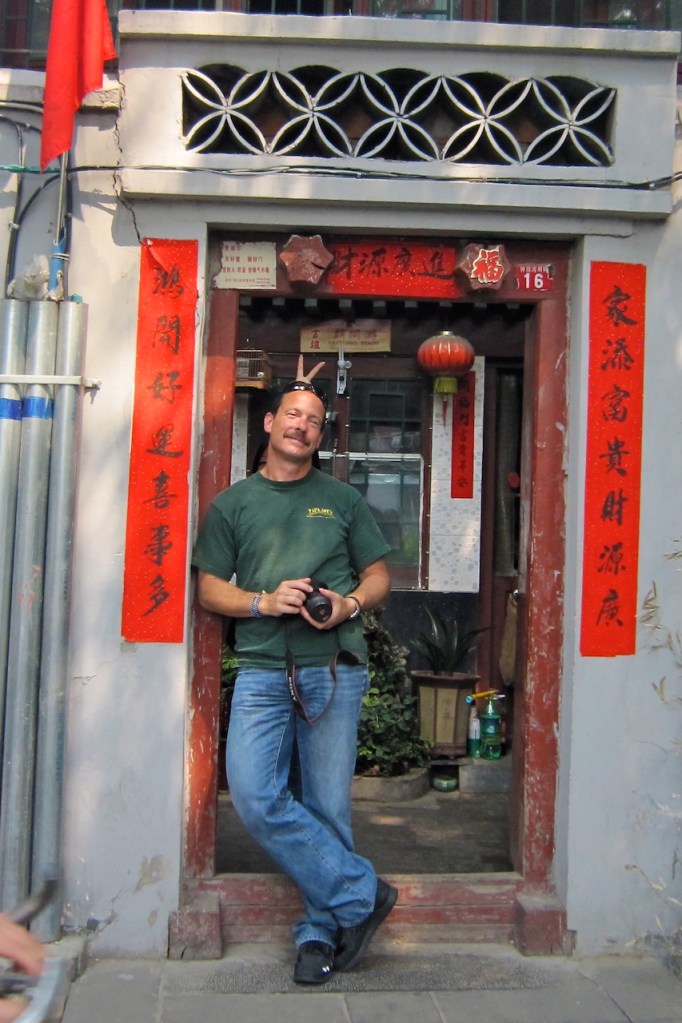
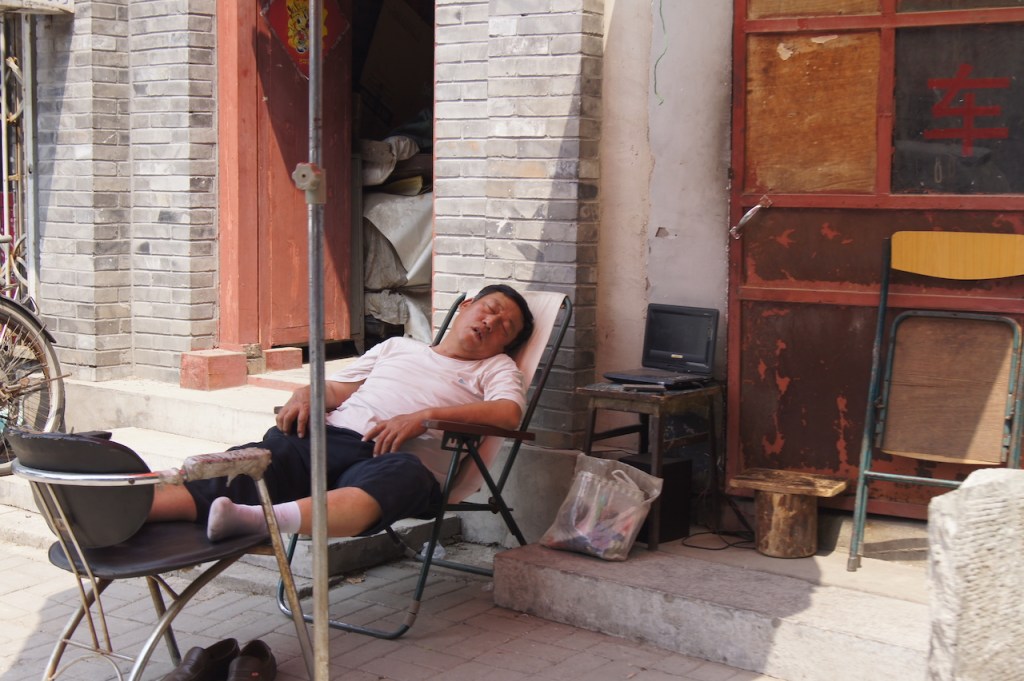
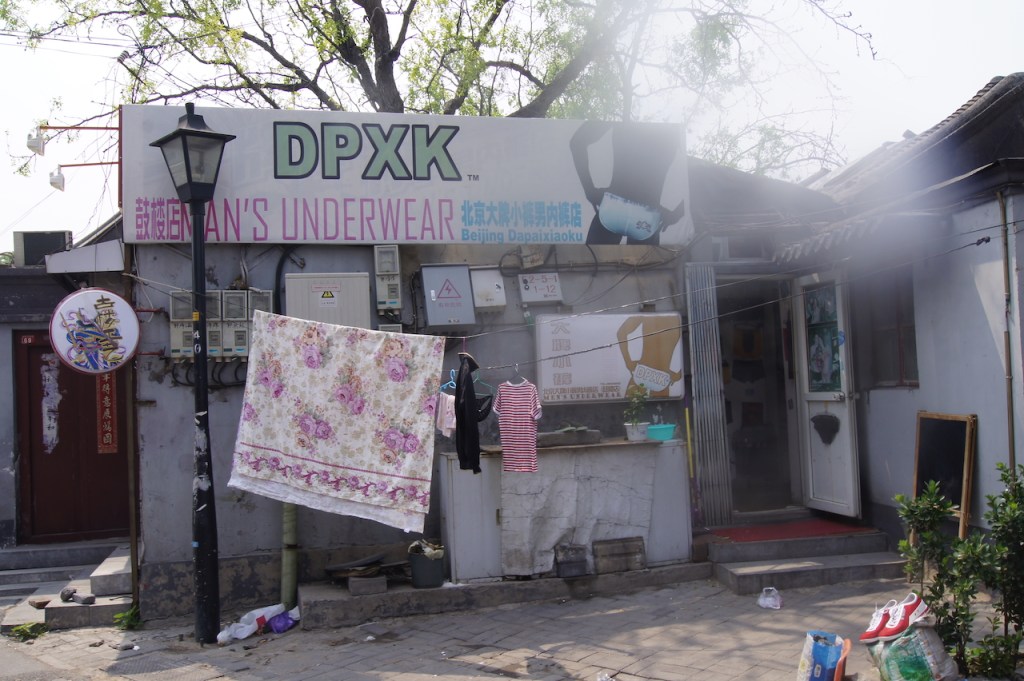
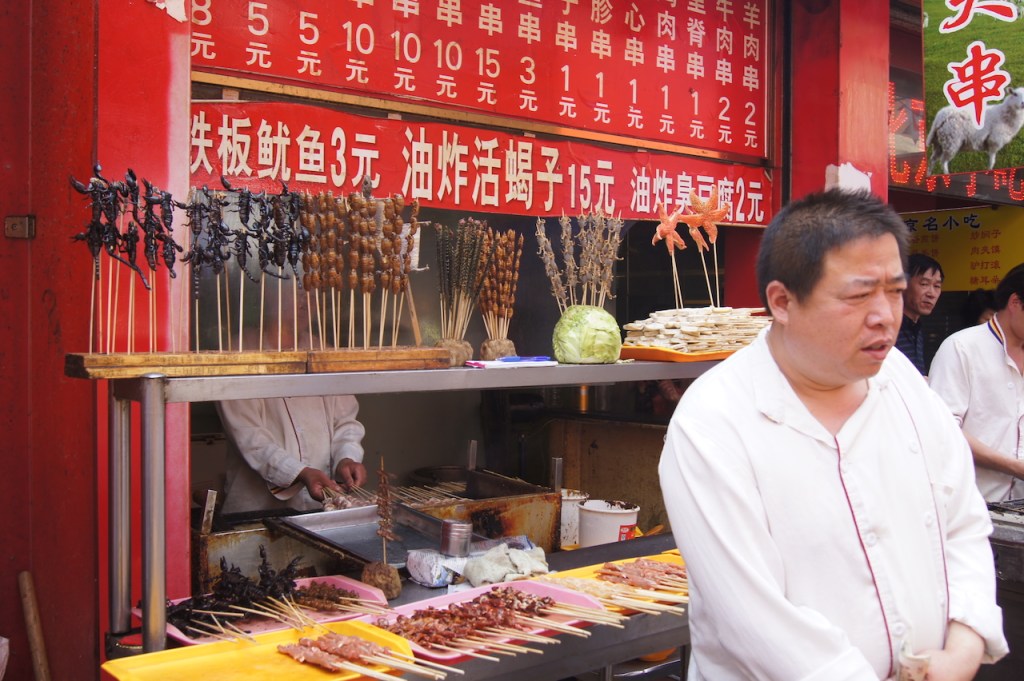
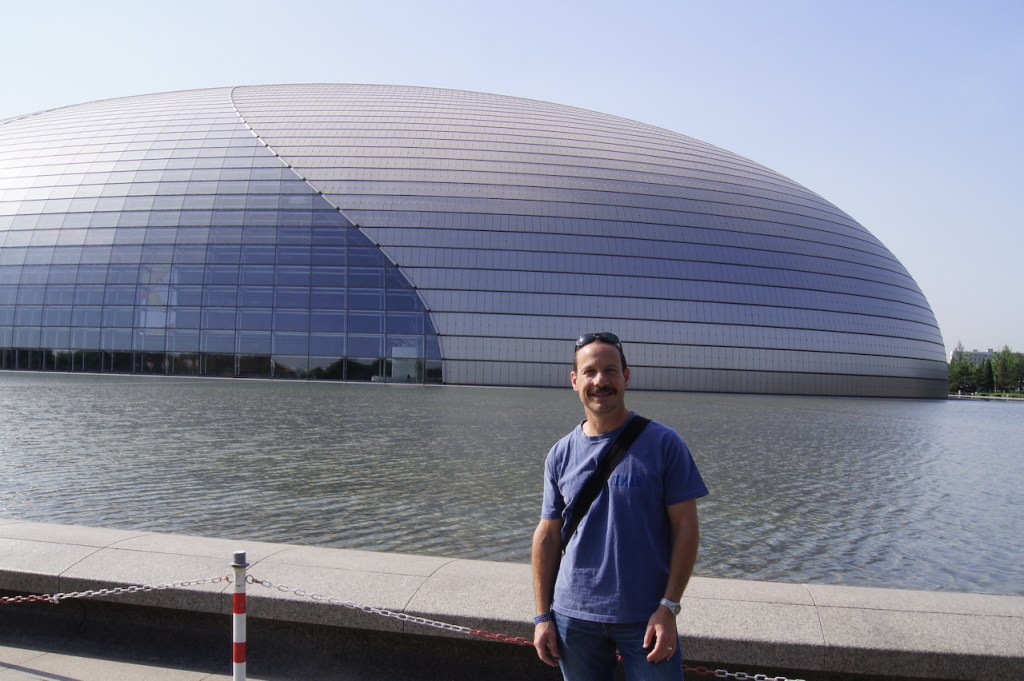
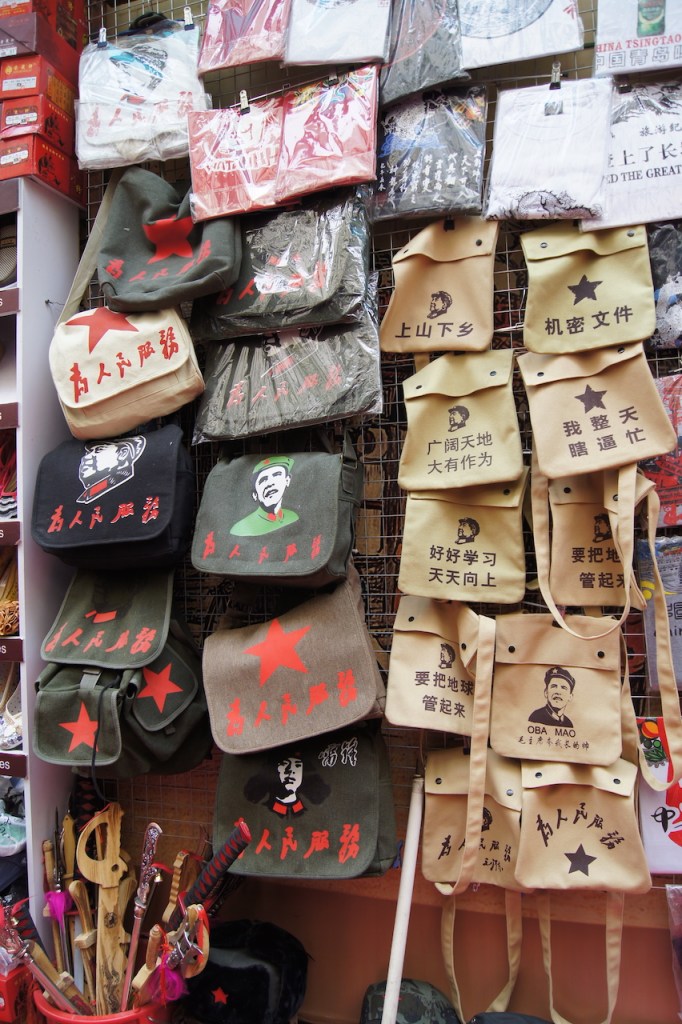
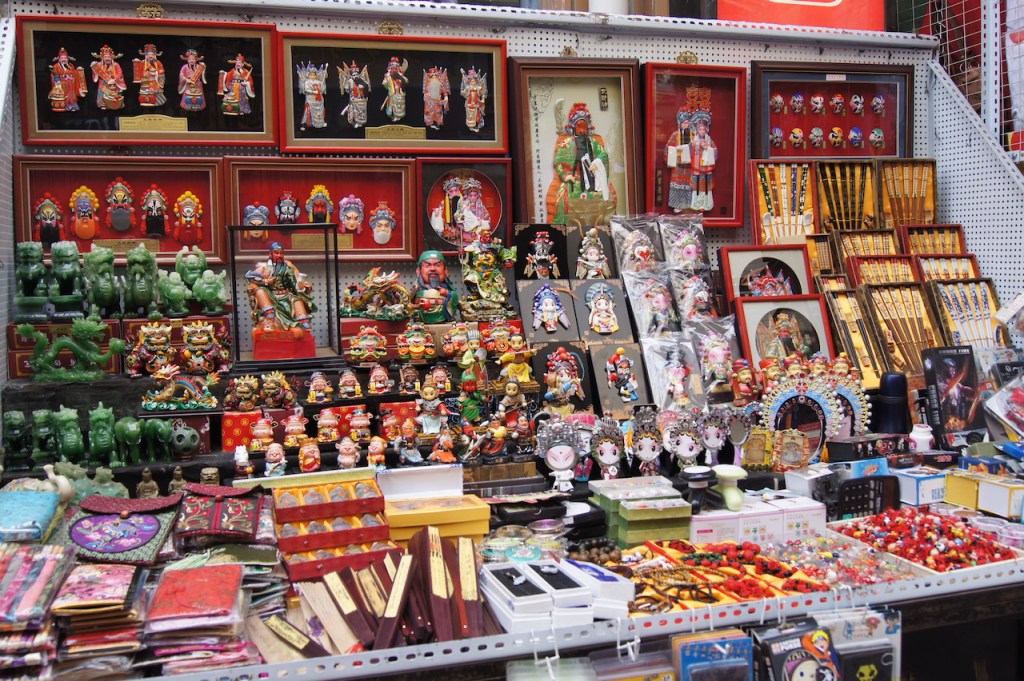
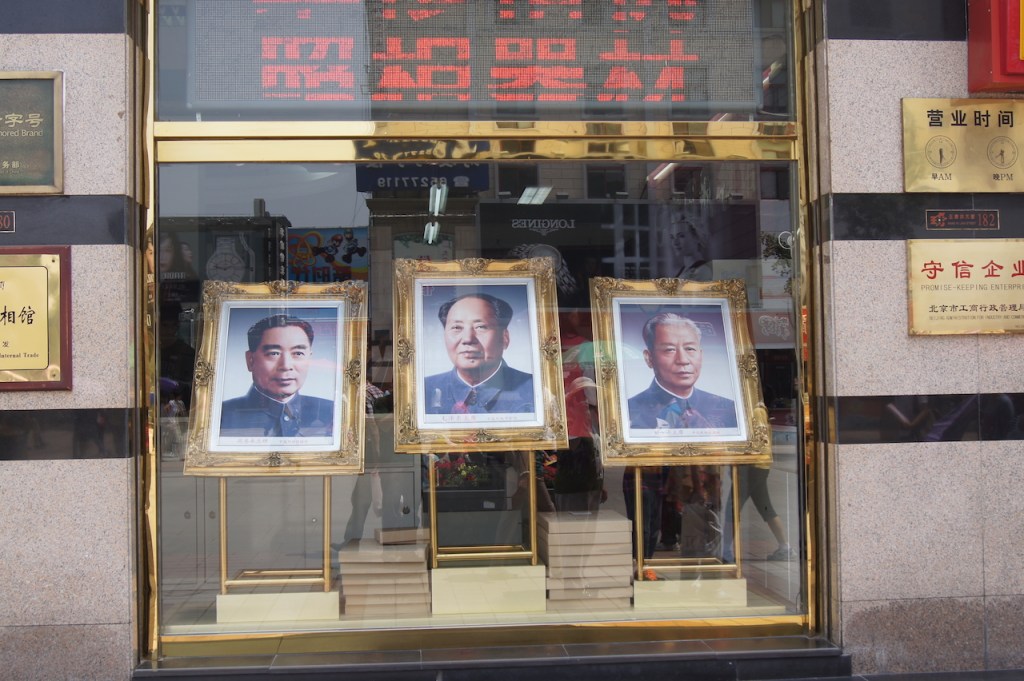
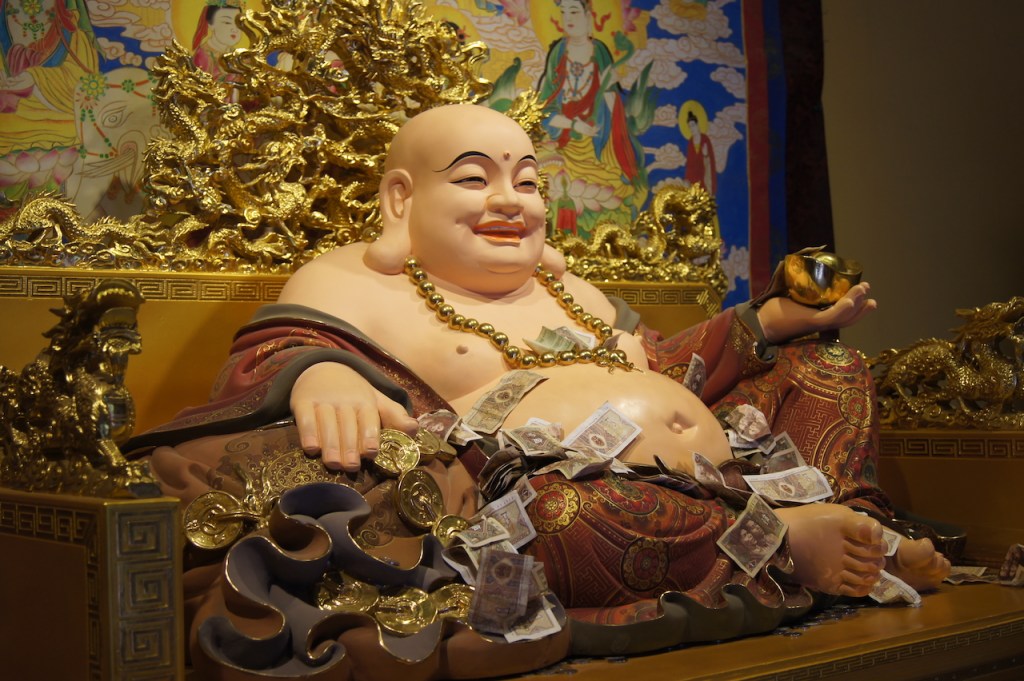
In Beijing, we got a chance to visit the Forbidden City, Tiananmen Square, Old Beijing, the Summer Palace, two facilities from the Olympics – the Bird’s Nest and Water Cube – the Temple of Heaven, Wangfujing Street, and pay a visit a Pearl Store, and see as Kung Fu Show. And, of course, we took a day trip to see the Great Wall (at Junogguan Pass).

[more text follows this photo gallery]

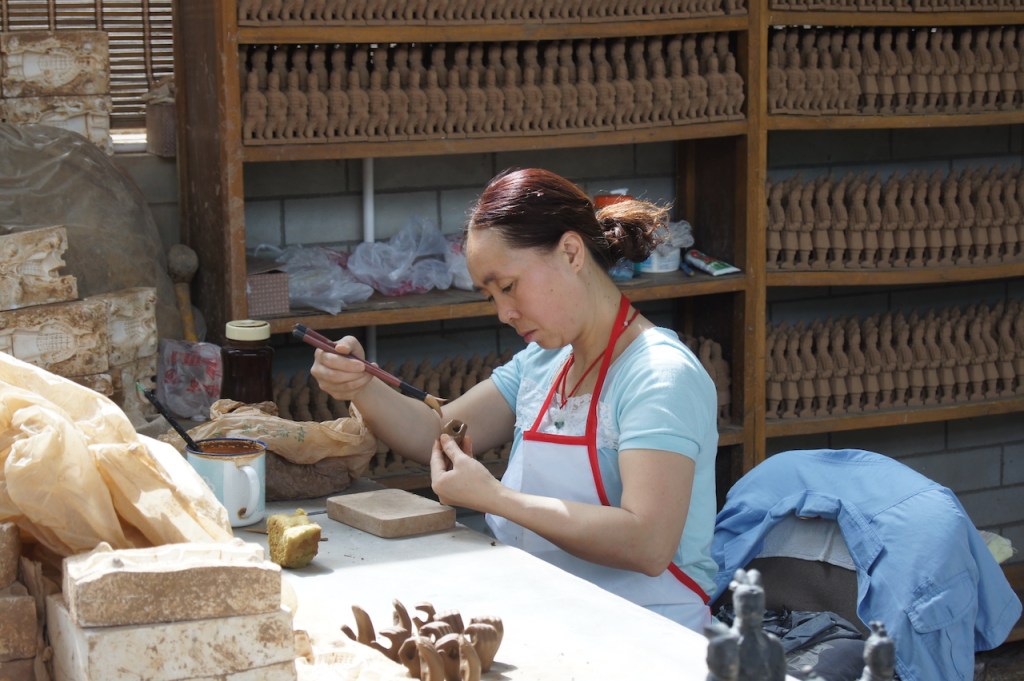
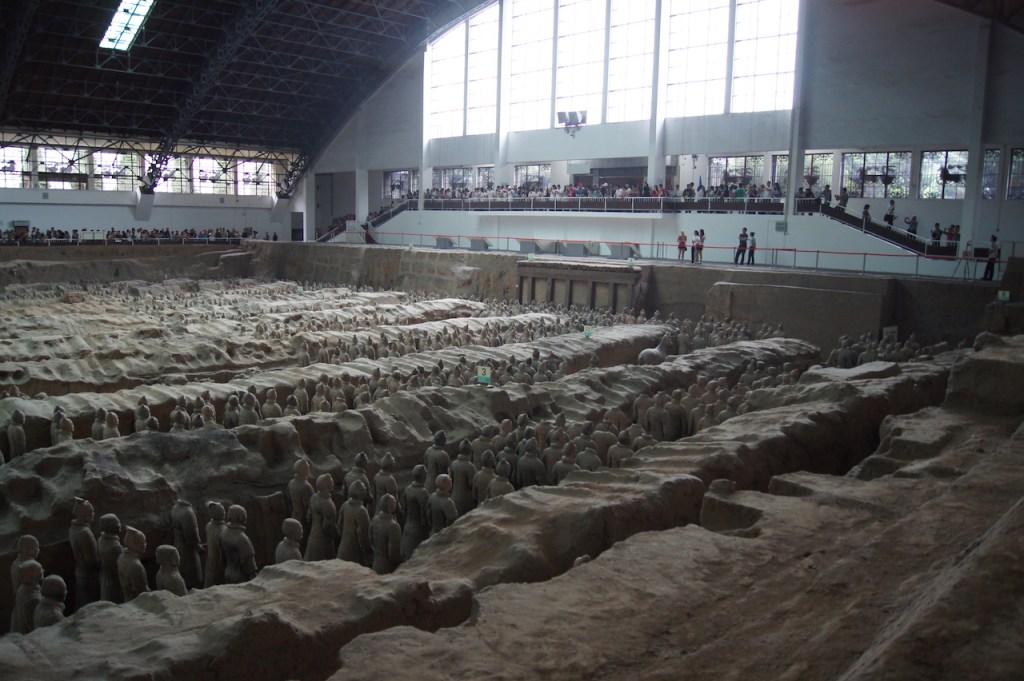
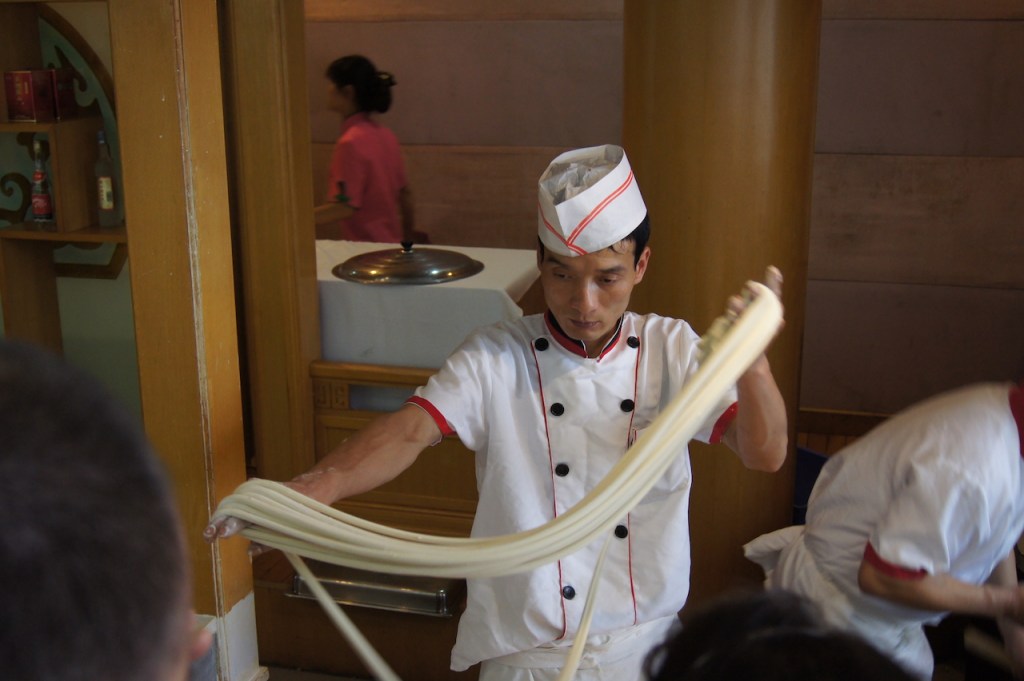
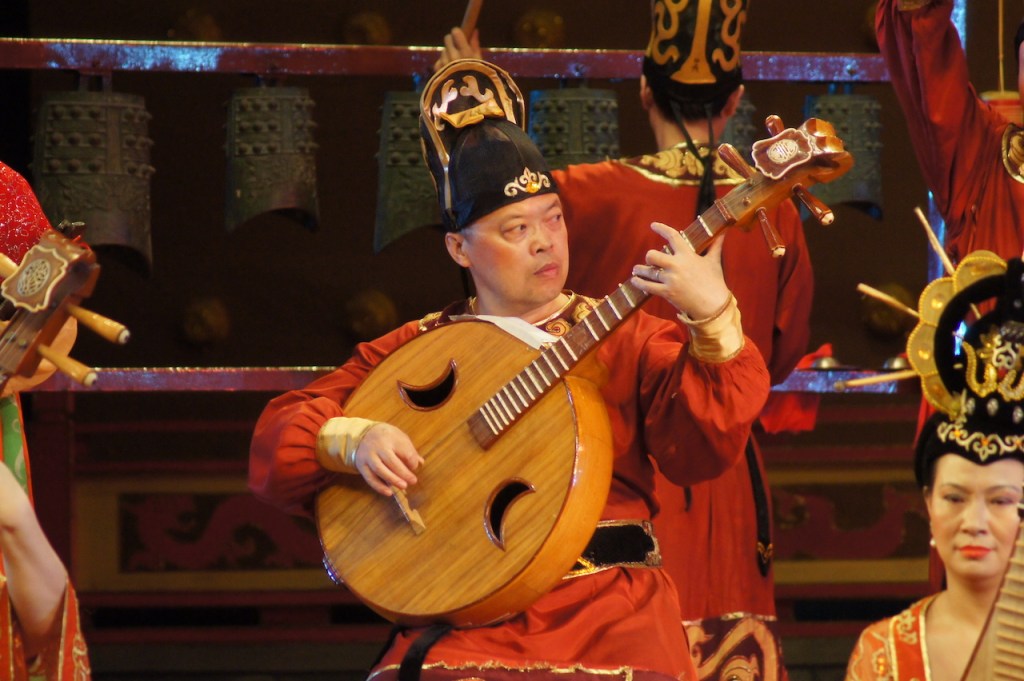
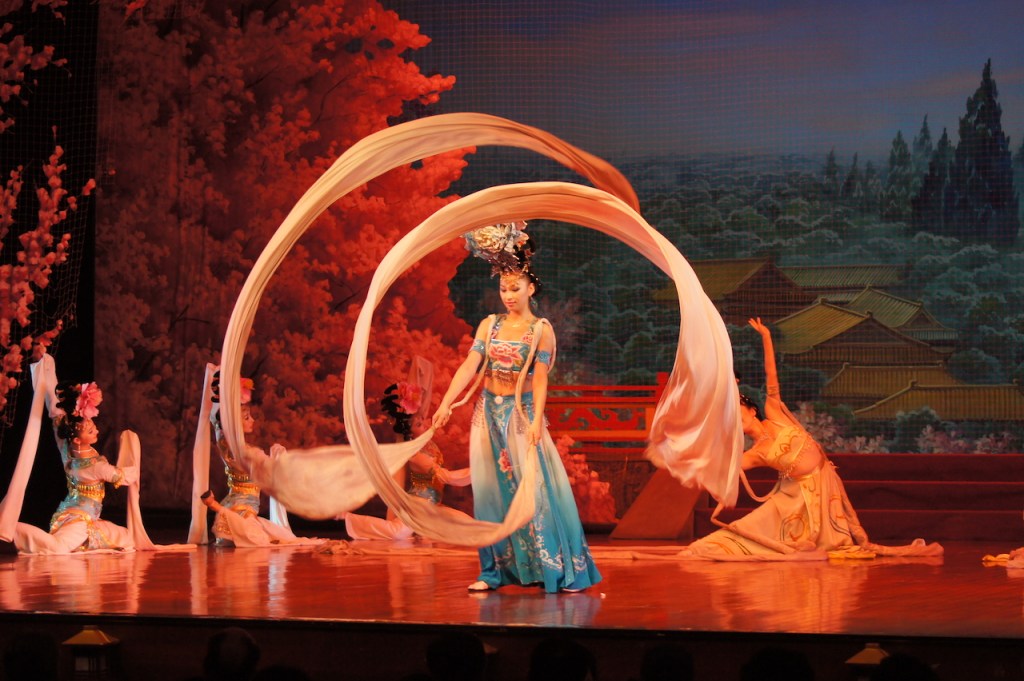
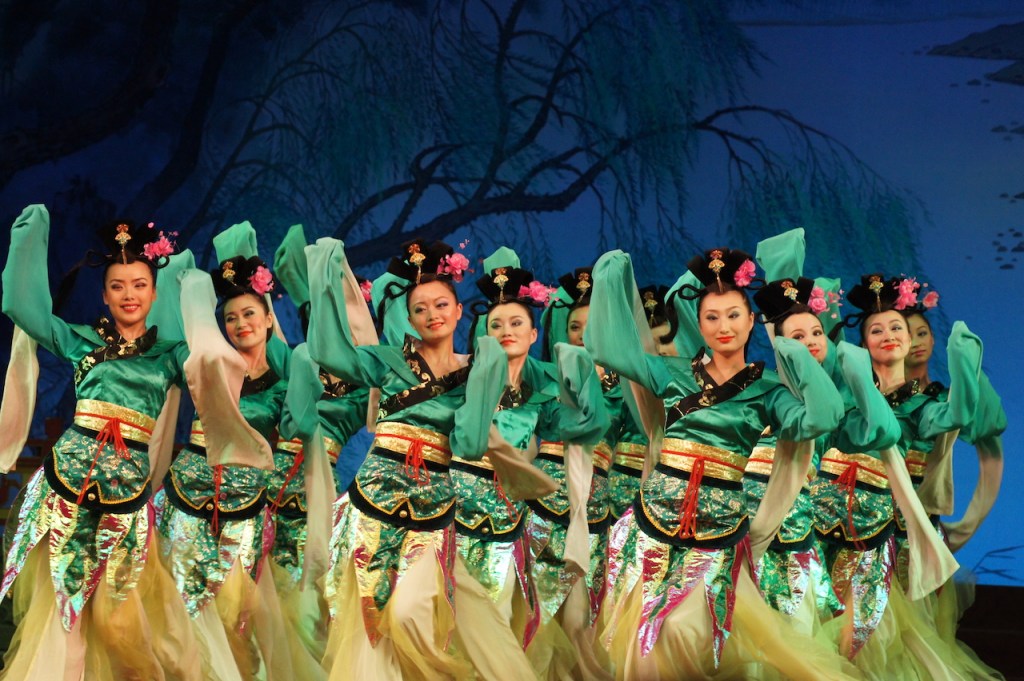
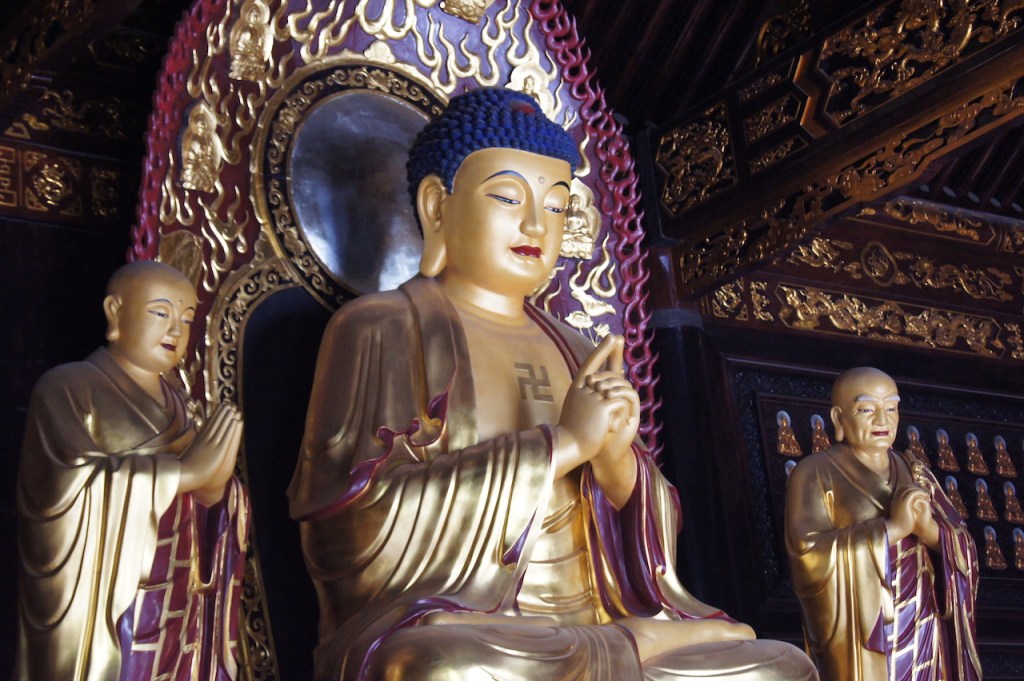
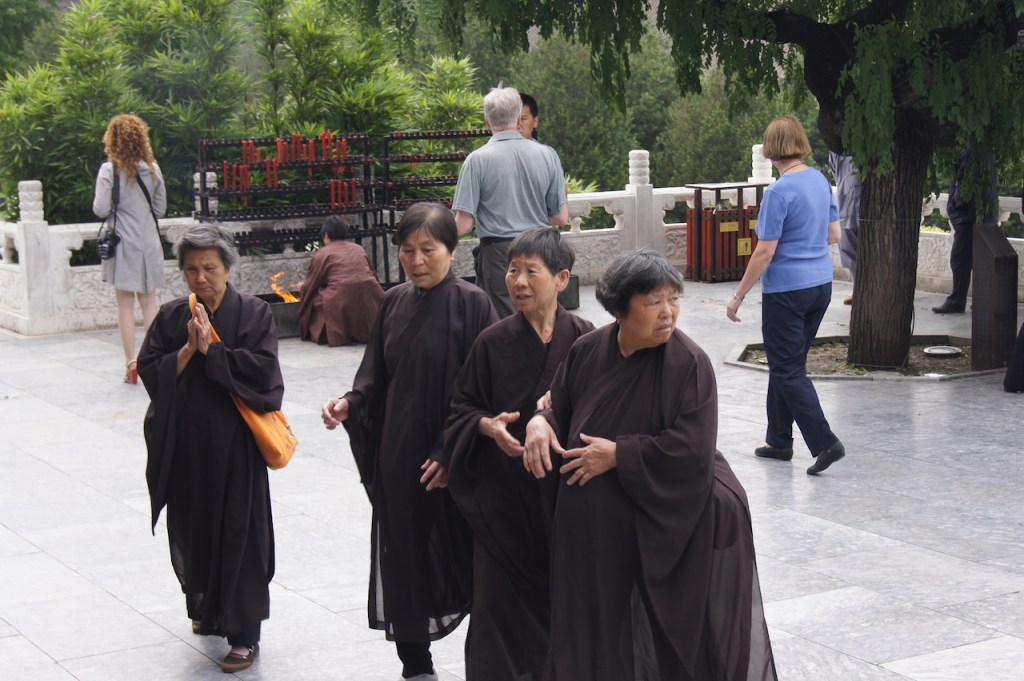
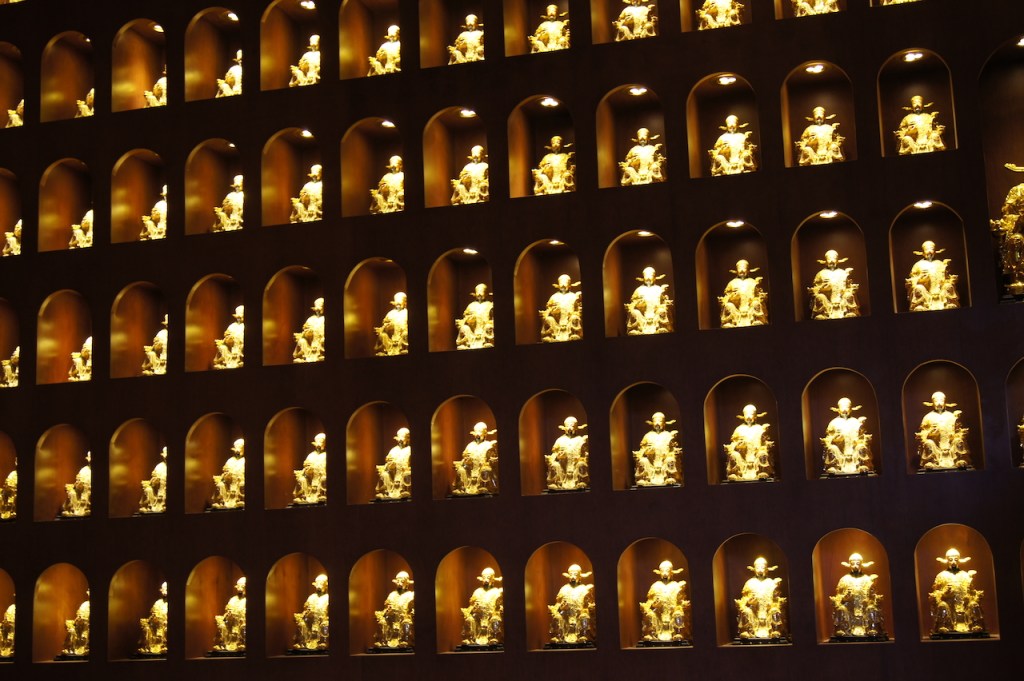
In Xian, we visited the Shaanxi Museum, the Big Wild Goose Pagoda (a highlight), Tang Paradise Park, the Qin Emperor Mausoleum, and a Tang Dynasty Dancing and Singing Show. And – of course – the Terracotta Army. From an email I wrote home the next morning:

“What’s overwhelming is many-fold – the scale for one: while we only saw 1,000 or so soldiers – and that sight alone was mind-blowing – scientists think that there are anywhere from 6,000 – 8,000 warriors overall, not including the horses and chariots. Then the fact that all the faces are different – that they may be images of real people – that someone made the choice to make them that way and not go the easy way out and make them all the same. That the whole complex had to be planned, designed, architected, engineered, built, with people in all those roles, and that everything needed to make them also had to be built – kilns, pits to make the terra cotta, living quarters, kitchens. That huge numbers of workers had made each and every soldier and put them in place, that those workers were probably treated terribly (mass graves have been found that are suspected to be worker graves). And, as I was taking pictures, I had to remind myself to step back away from the camera and periodically take the whole view in. I spent my hour walking around the whole viewing platform, as I think most people do.”

I wrote emails home almost daily, but rather than bore you with all those details, I’ll leave this excerpt here from my last night in Xian.

“A random drunk Chinese woman woke me up at 5 a.m. knocking on my door. Who knows how long she was knocking before I got out of bed, but when I approached the door I used the keyhole to see who it was. She spoke Chinese initially, when I asked who was there, she realized I only spoke English. Insisting she was at the right room, she said she’d never see me again if I didn’t open the door, told me she wasn’t feeling well, walked away from the door at one point, then came back and knocked again. When I threatened to call security, she finally left.”

Overall, this was a wonderful experience, and I’d love to return to China – both to see more of the country and to return to the Terracotta Army to see how much more they’ve uncovered.