It’s hard to predict what else you might see other than penguins when visiting the Antarctic. Sure, there’s a chance you’ll see whales and orcas and other birds, as well as seals. But there’s very limited wildlife in-and-around the continent. The only mammals are whales and seals. After that, it’s a handful of birds and that’s pretty much it. There are a few tiny, tiny insects, but they freeze in the winter and defrost themselves in the summer (how cool is that!?!?!). Oh, and there is zero vegetation except for some very limited lichen and moss in the summer time.
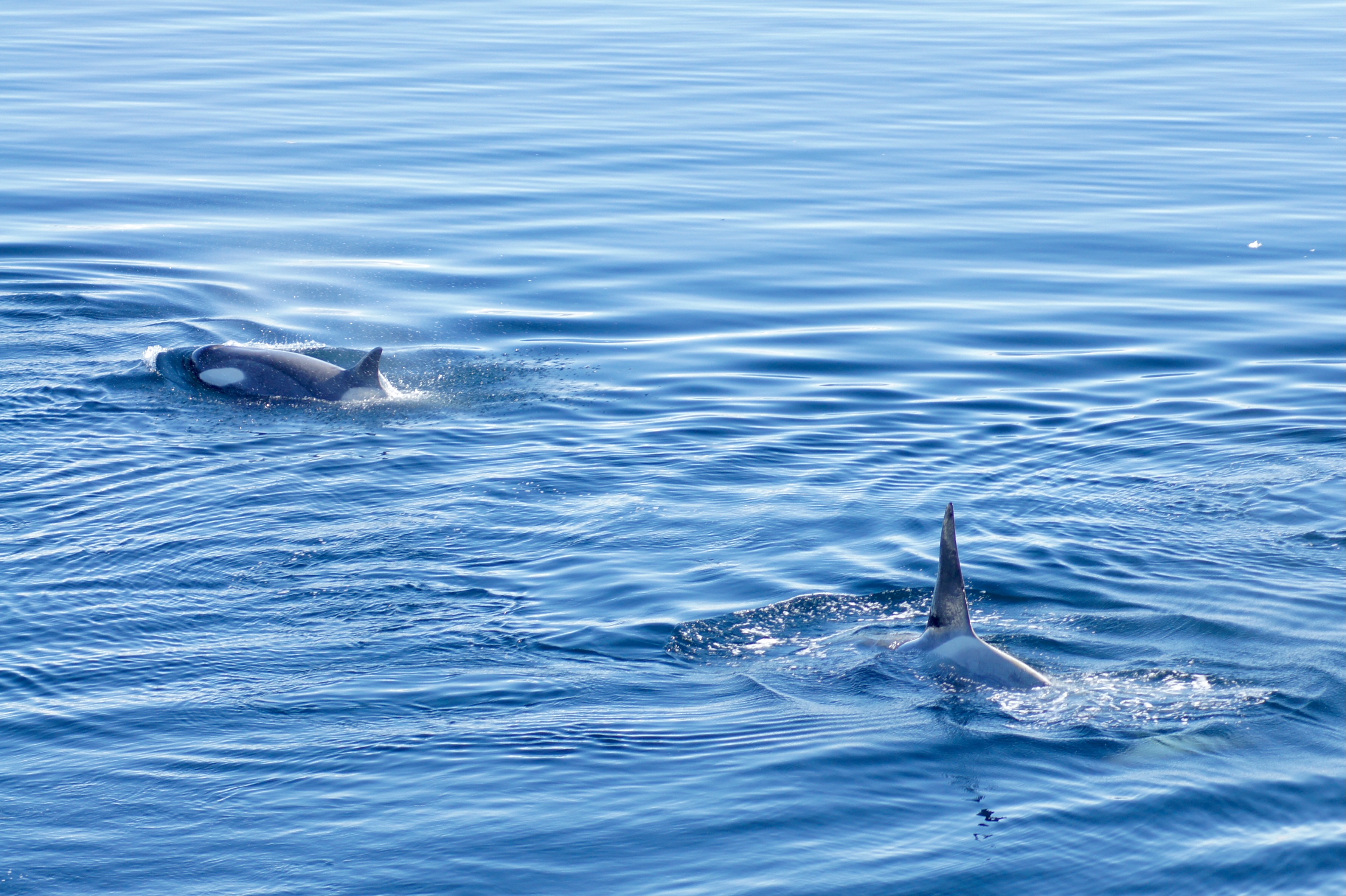
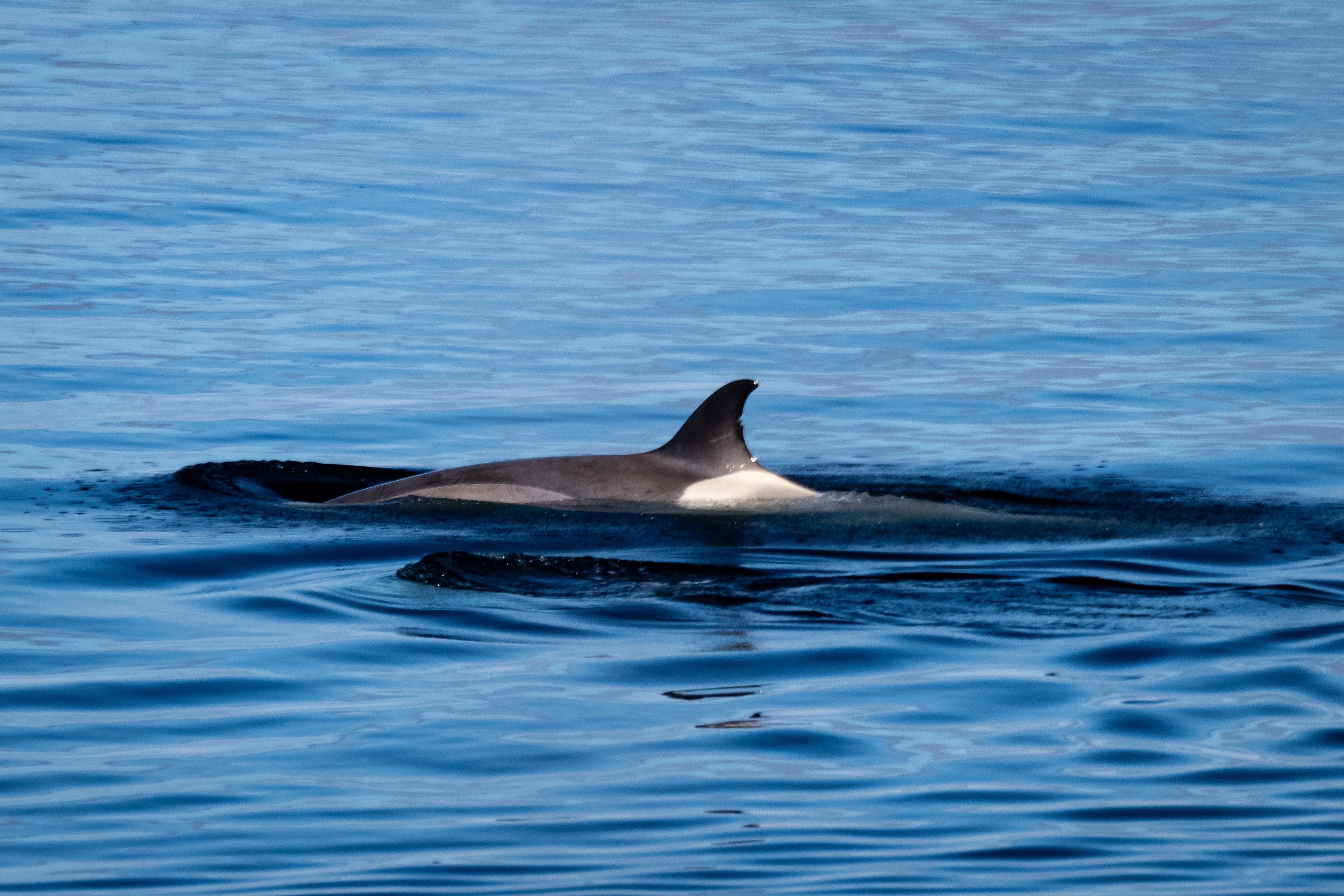
We had a few treats. One evening we got to see to a group (a “herd” or “pod” or “pack”)of 12 or so orcas (killer whales) swimming together in front of our ship. They must have been there for half an hour, and it seemed like everyone ran to the decks to watch. Our on-board A&K expert in whales, orcas, and the like hopped on the speaker and narrated for us while pod continued to swim. In the first pic below, the orca in the lower right of the photo could have been the big male of the pod, with a dorsal fin could have been 6′ tall. You read that right. Six. Feet. Tall.
Amazing to watch. Stunning to see.
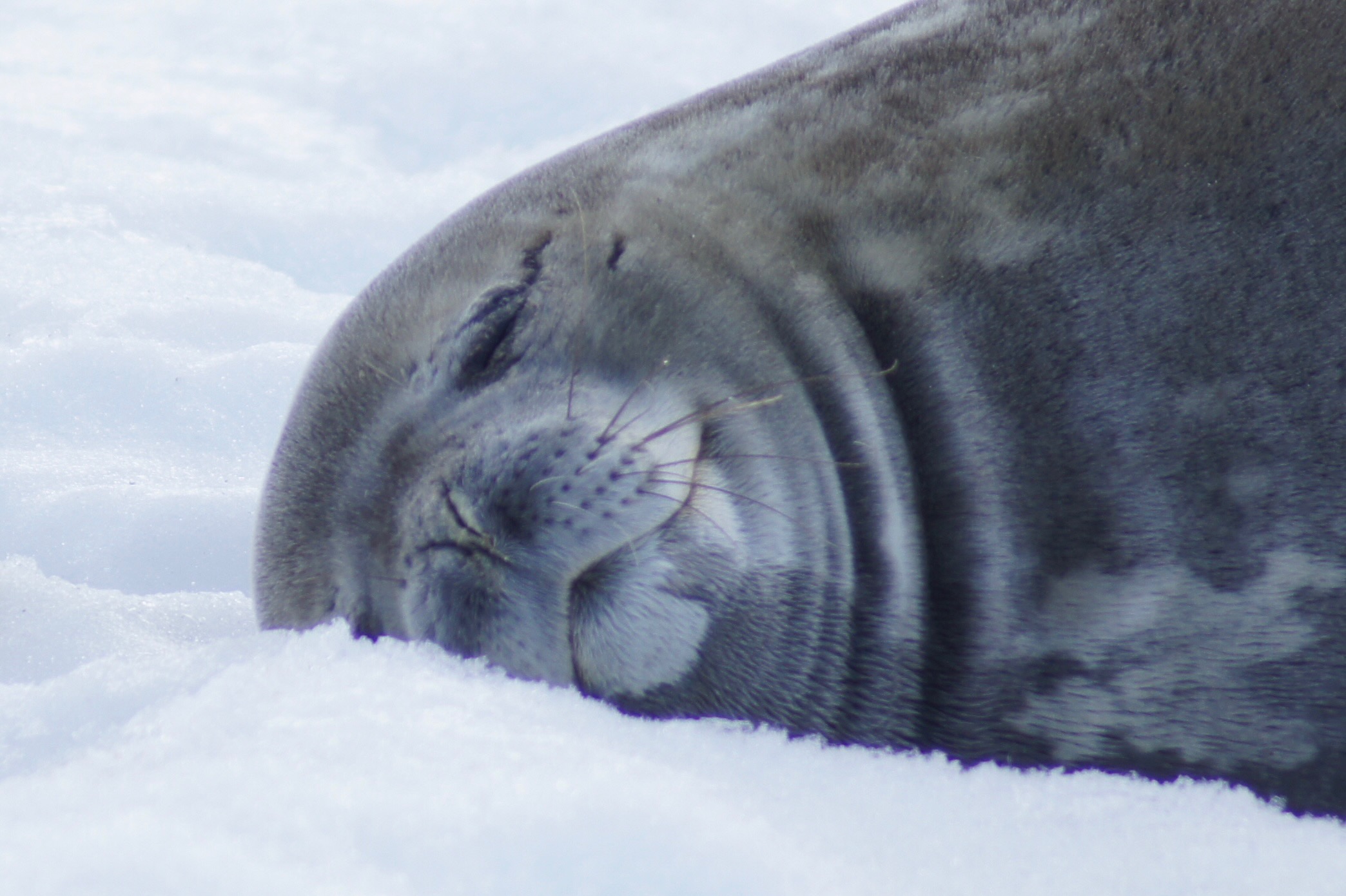
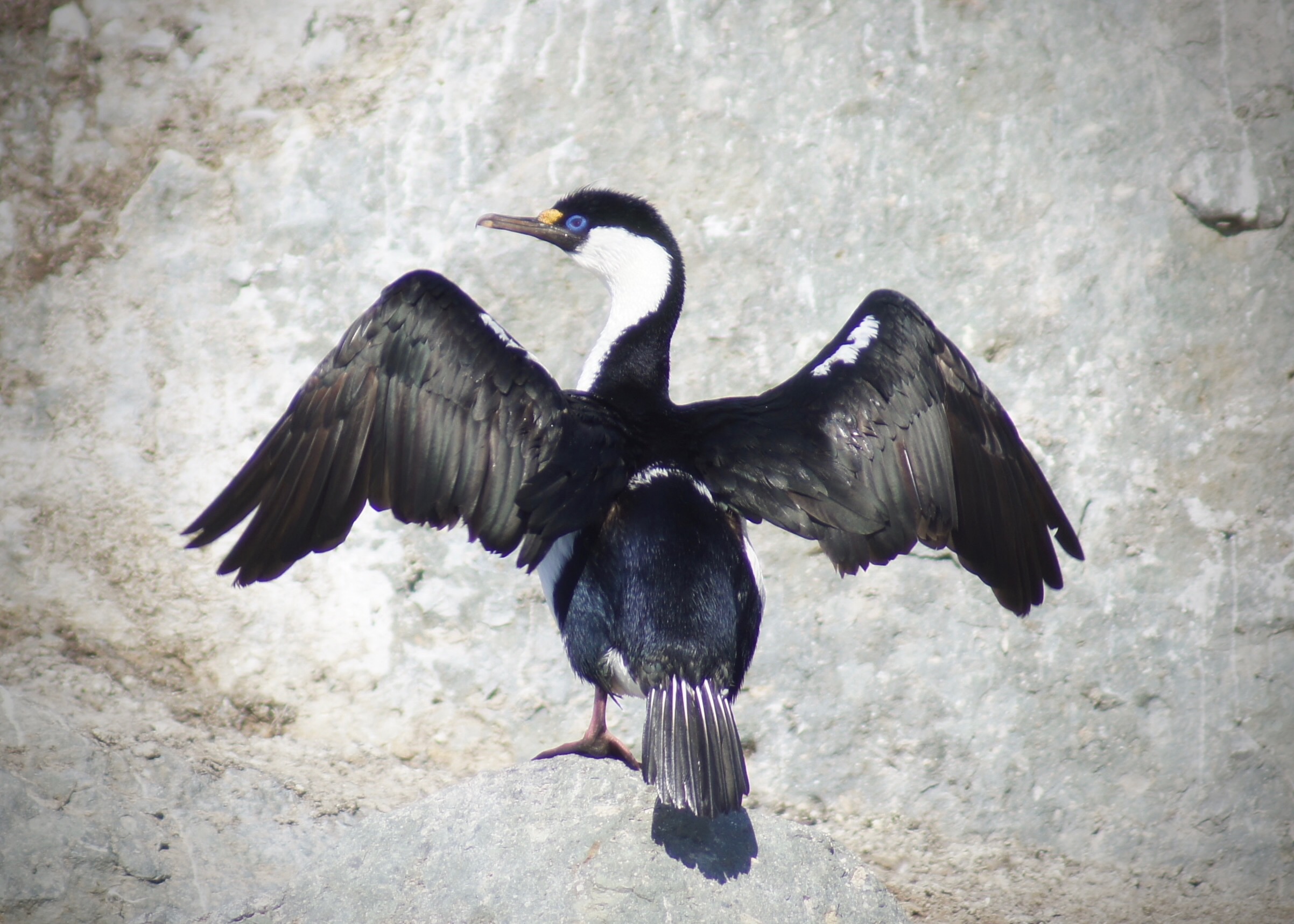
We saw a few Weddell Seals around. We couldn’t get very close, and most of the time they were pretty inactive, like this one comfortably napping. The bird is a blue-eyed cormorant.
SONY DSCSONY DSCSONY DSCSONY DSC
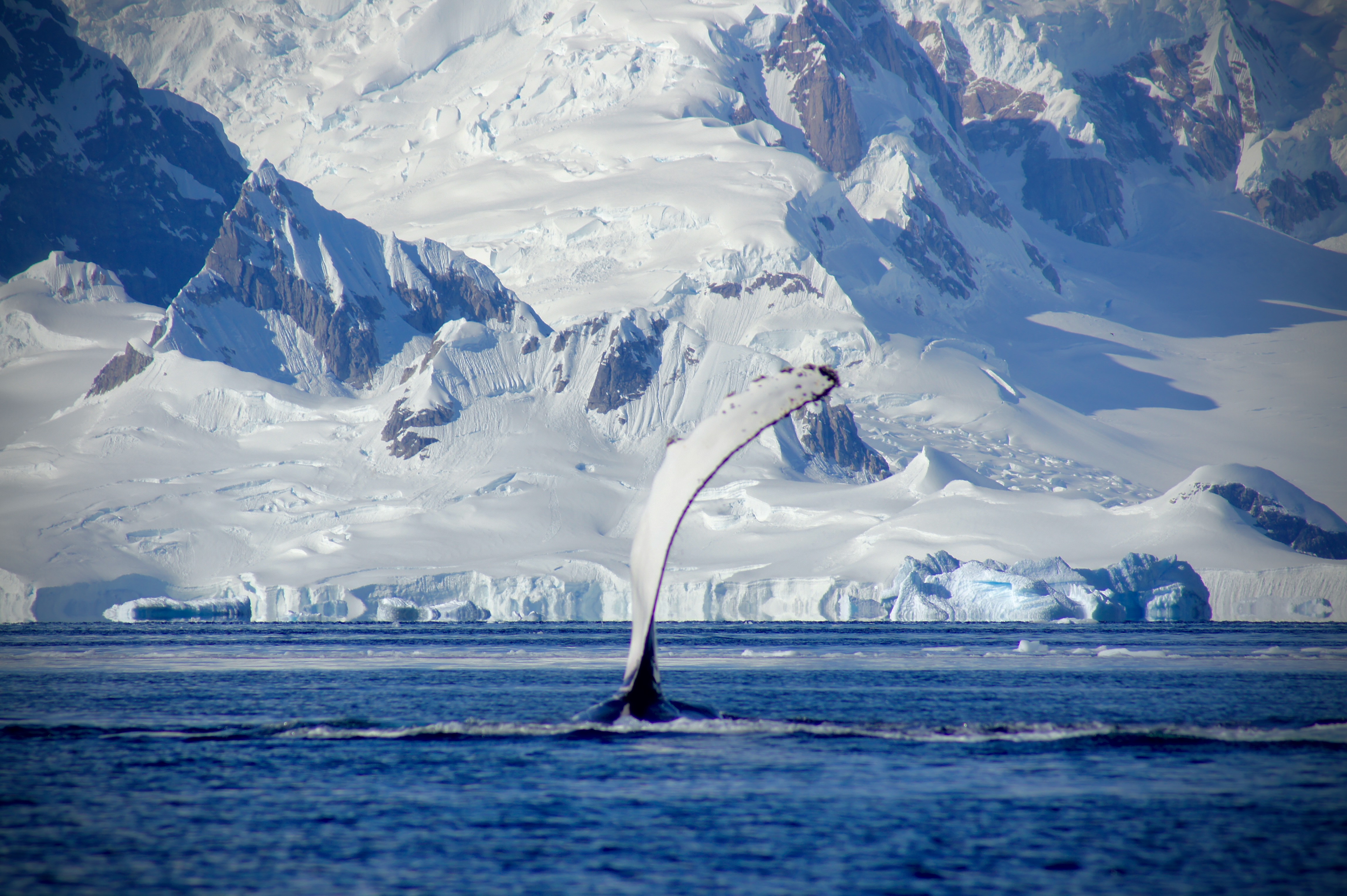
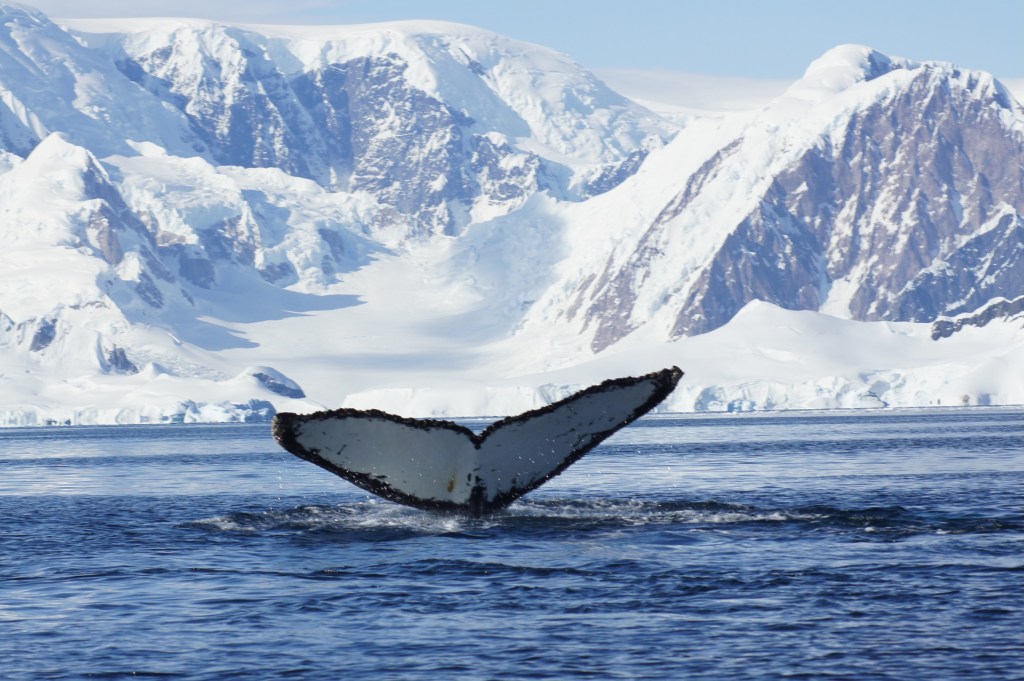
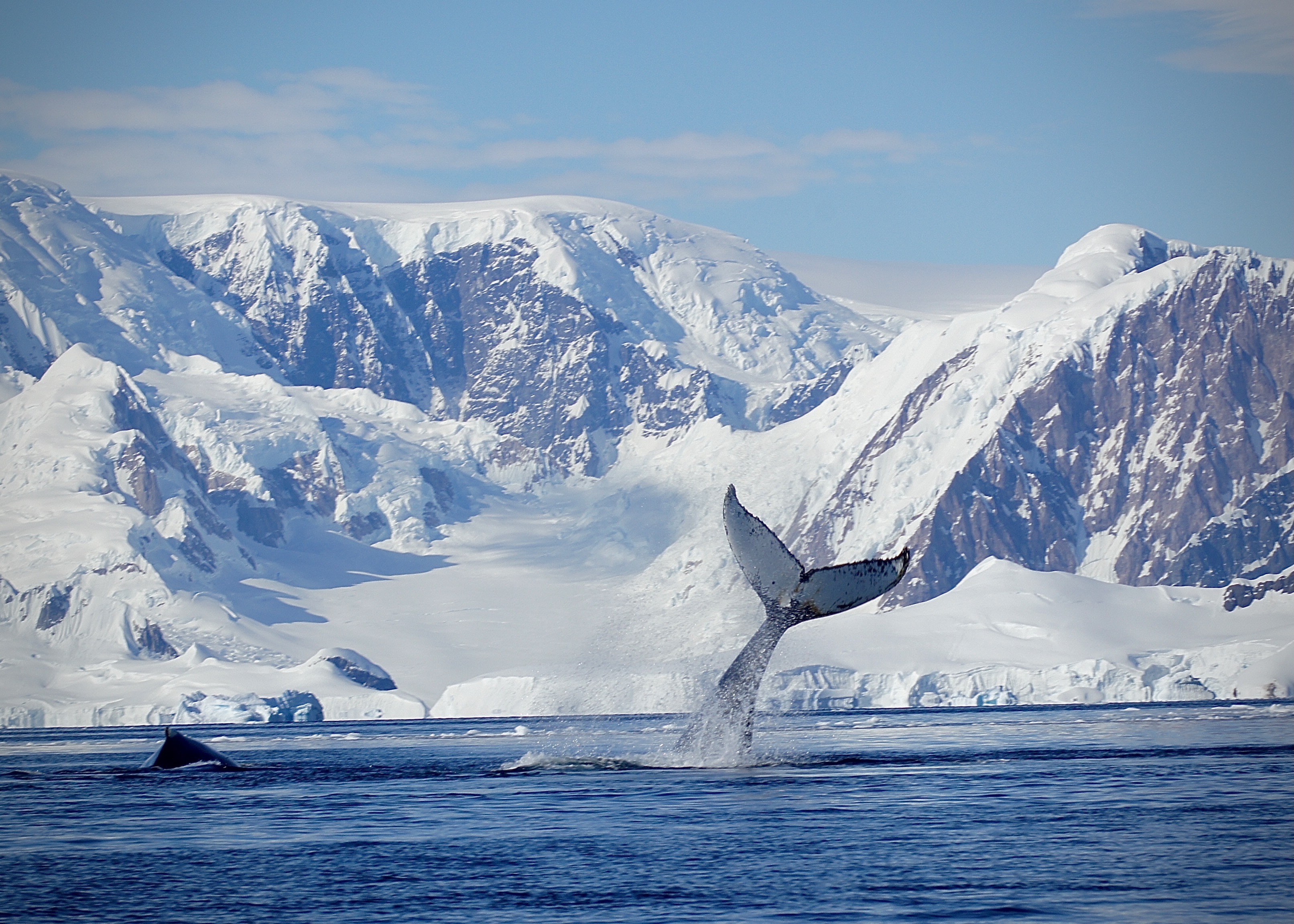
Another big treat was the number of humpback whales we saw, both from the ship and – in the case of these couple of photos – from our zodiac. This gal (or guy) put on a small show for us – no breaching, but a few fin and fluke flaps.
I think you can count as many as six orcas in this video (and you can hear the A&K naturalist over the loud-speaker).
My dad always loved the Panama Canal, even though he’d never been there. My wife and I decided that we’d like to take a cruise on a (relatively) small boat that would take us through the Canal and up the coasts of Panama and Costa Rica, which we did in January of 2014.
That year happened to be the 100th anniversary of the completion of the Canal – one of the candidates for the Eighth Wonder of the World.
Our tour company was Windstar Cruises, which specializes in four-masted sailboats that only fit about 150 people, allowing their ships to get into smaller places then the larger cruise ships. Our ship was the Wind Spirit.
I tried getting to Machu Picchu two times previously, with the hope that this – the third attempt – would be the charm.
Attempt #1 was in 2013. I made it to Lima, but had left DC with my wife having a broken foot and taking care of an elderly dog. My second morning in Lima, she called me with an urgent request for me to go home (the long version of the story is funnier and more interesting than this!), so I departed that evening – only having seen Lima.
My second attempt didn’t even have me boarding a plane. My company was in the midst of being sold, so I cancelled my trip to Peru to stay home for requisite meetings.
Well, you can imagine my eagerness and anticipation when – finally – I tried again in August of 2015, with this being the real deal.
Abercrombie & Kent was my tour company this trip, as it had been the prior two tries (in fact, the guide on trip #1 and trip #3 was the same guide – who remembered me in trip #3 from my trip #1 mis-adventure).
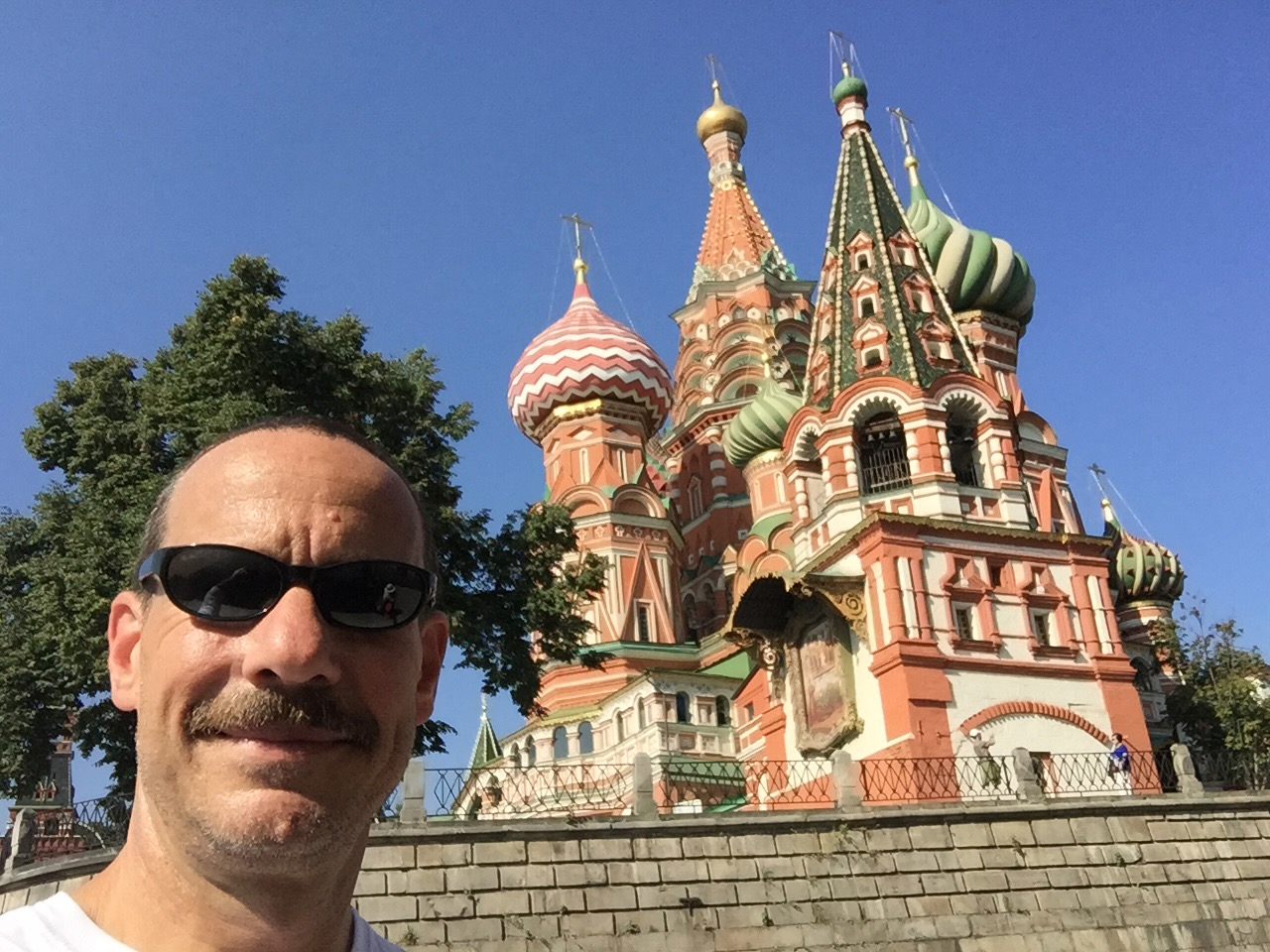
My trip to Russia in August 0f 2016 was, in some ways, a way to connect back to my grandparents’ homeland. Accept that – while they were from the “Kingdom of Russia,” three of the four of them were from Ukraine – in-and-around Kyiv (the fourth was from Poland). So, while Russia was still exciting and interesting it wasn’t quite what the familial trip I had wanted it to be. Who cares? I still got to see Moscow and St. Petersburg, including visiting some of my wife’s cousins who were ex-pats living in St. Petersburg.
This was another Abercrombie & Kent (A&K) trip, well worth the investment for the quality of accommodations, the tour guides, and the access we got.
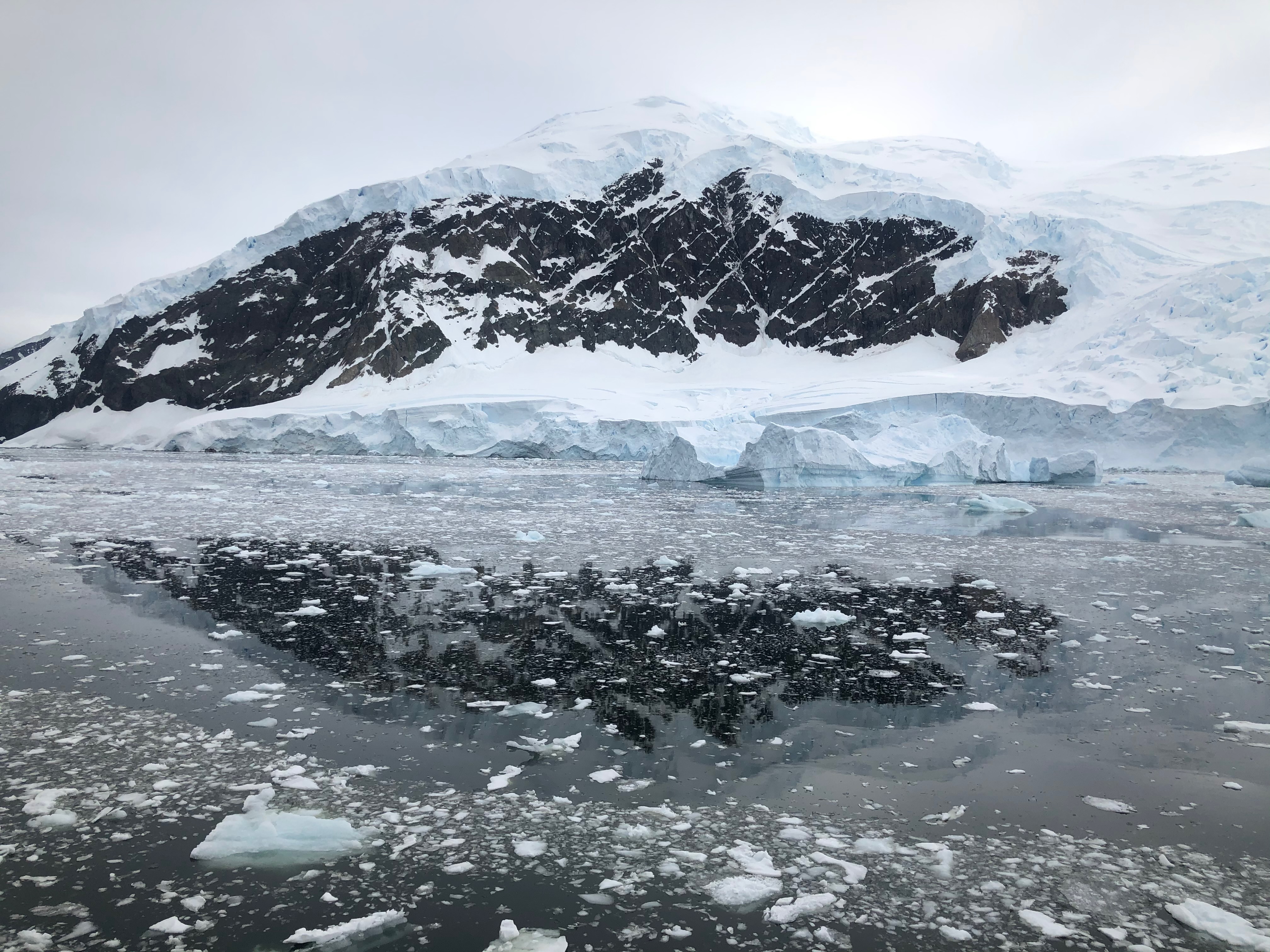
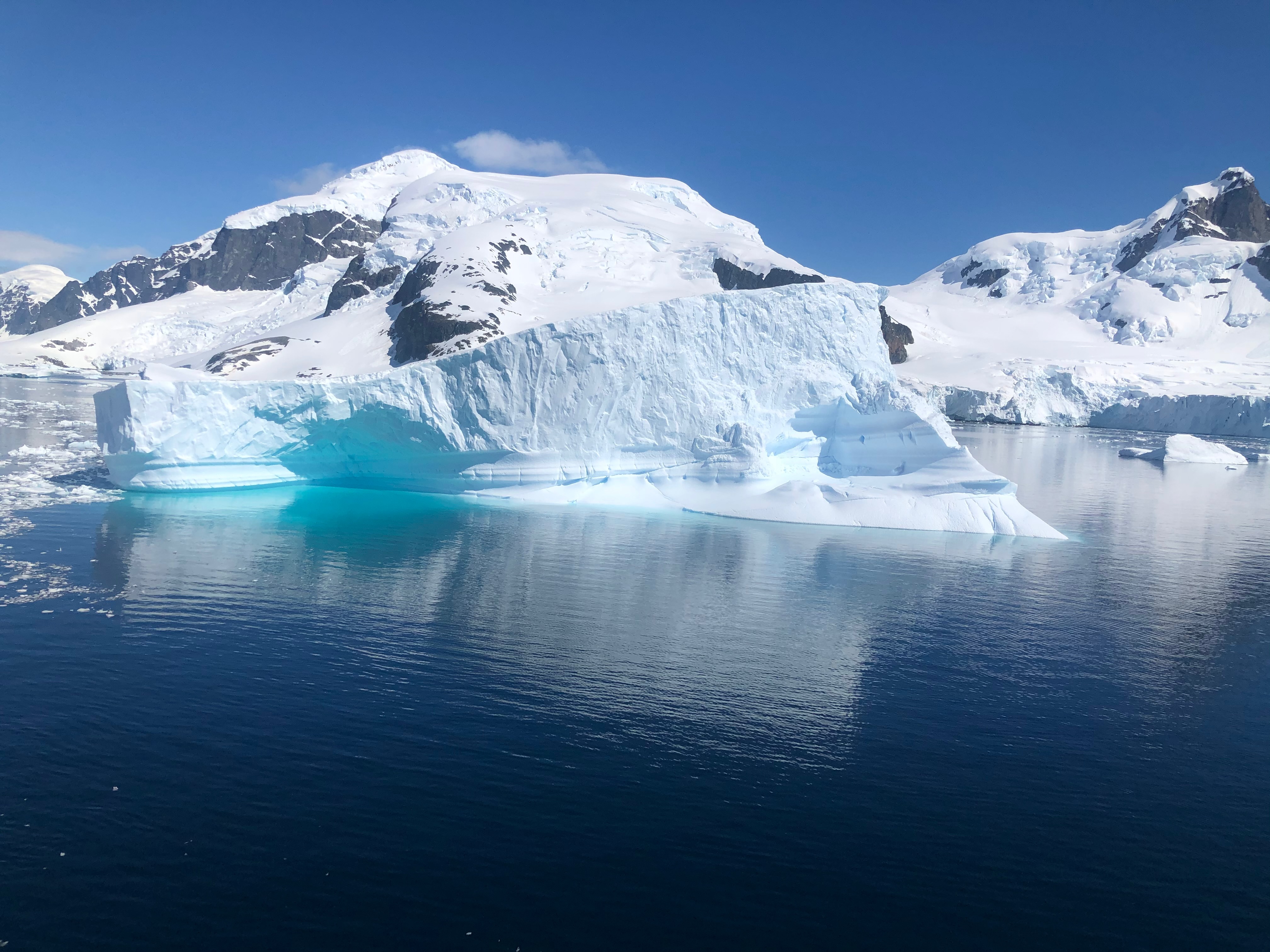
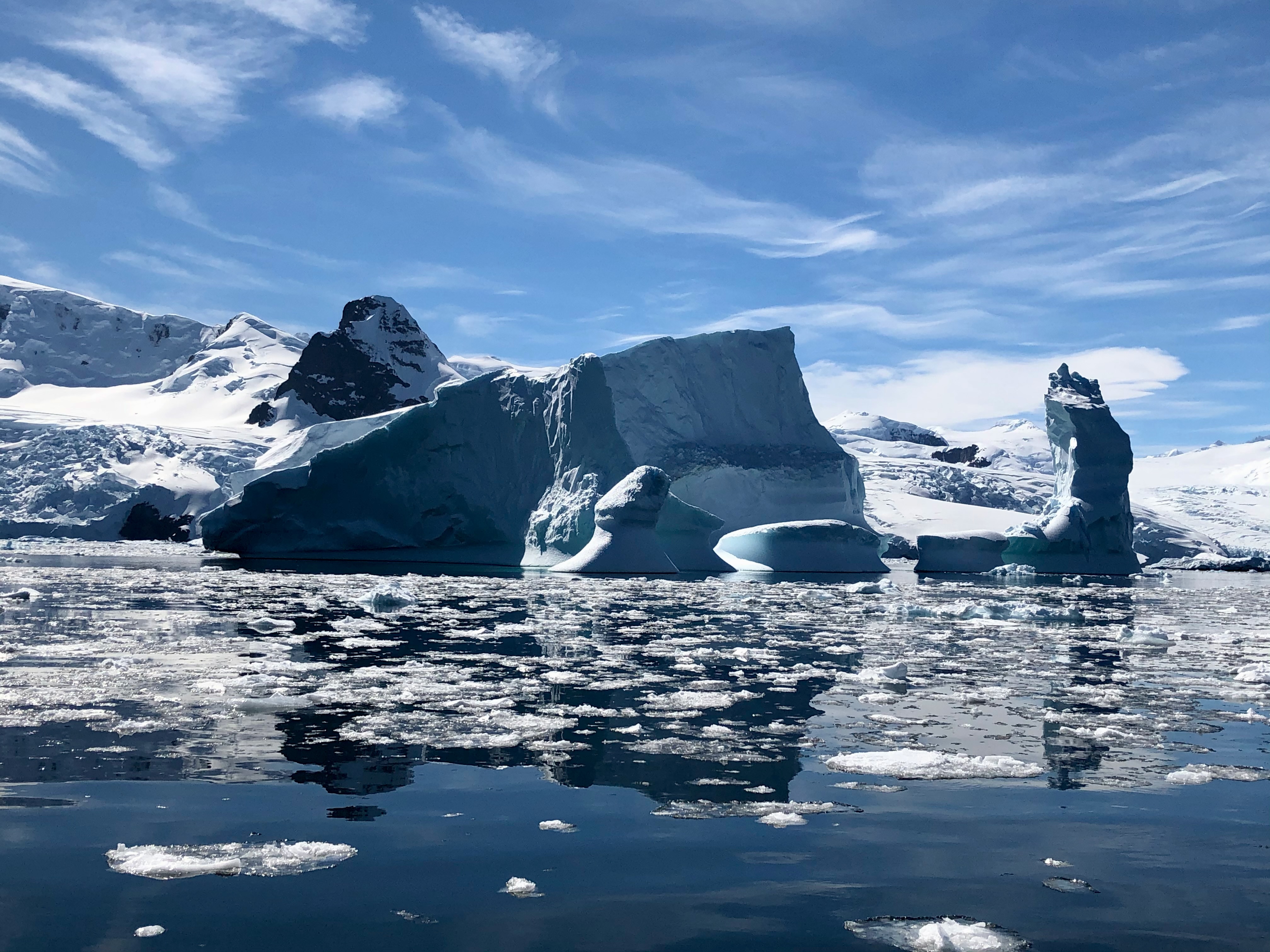
We lucked out with virtually no wind the whole time we were in and around the continent, which meant we would get reflections in the water like you see in some of the photos. In the depths of winter, we wouldn’t be able to see any of the mountains – they would be entirely covered by snow.
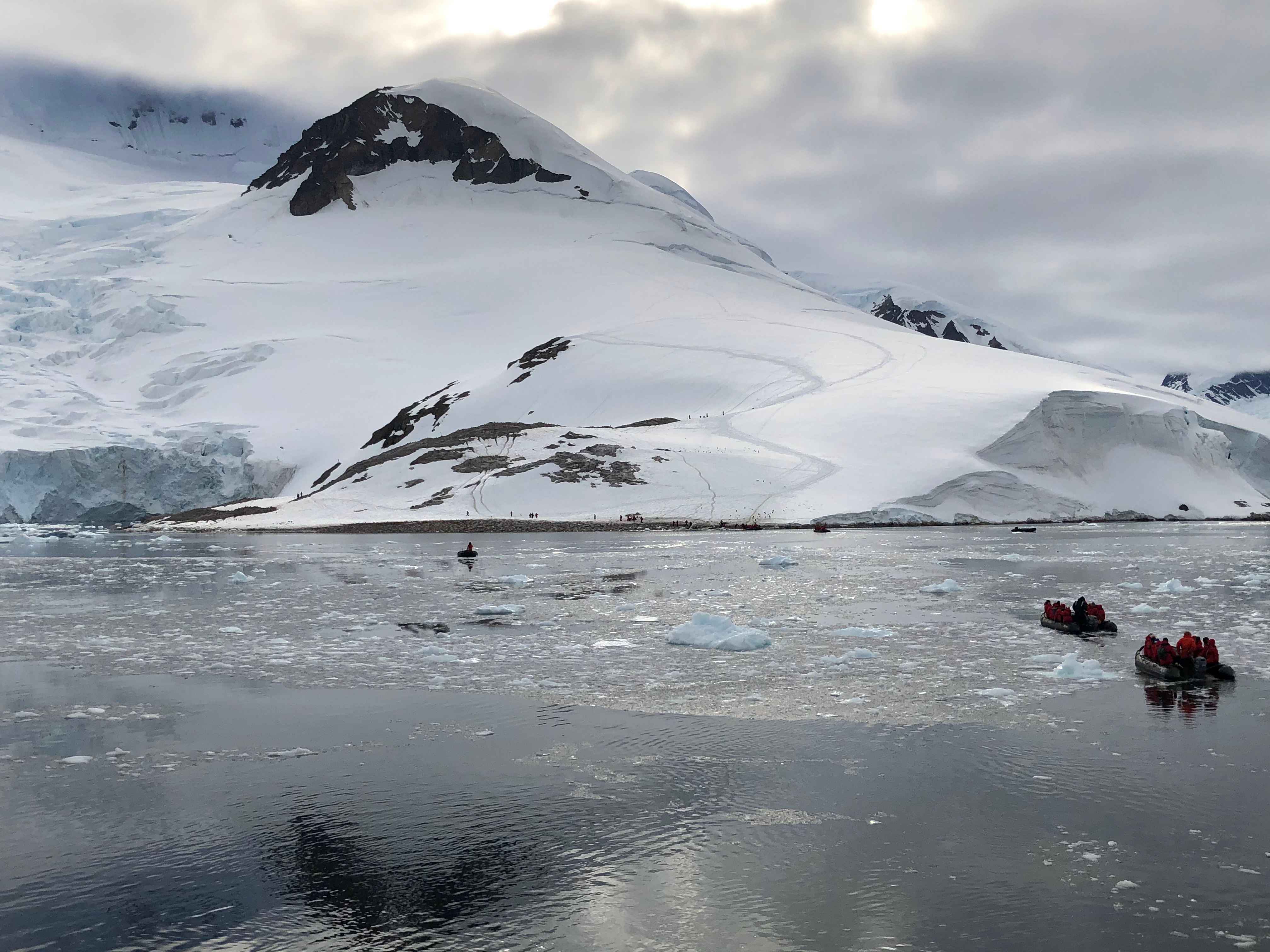
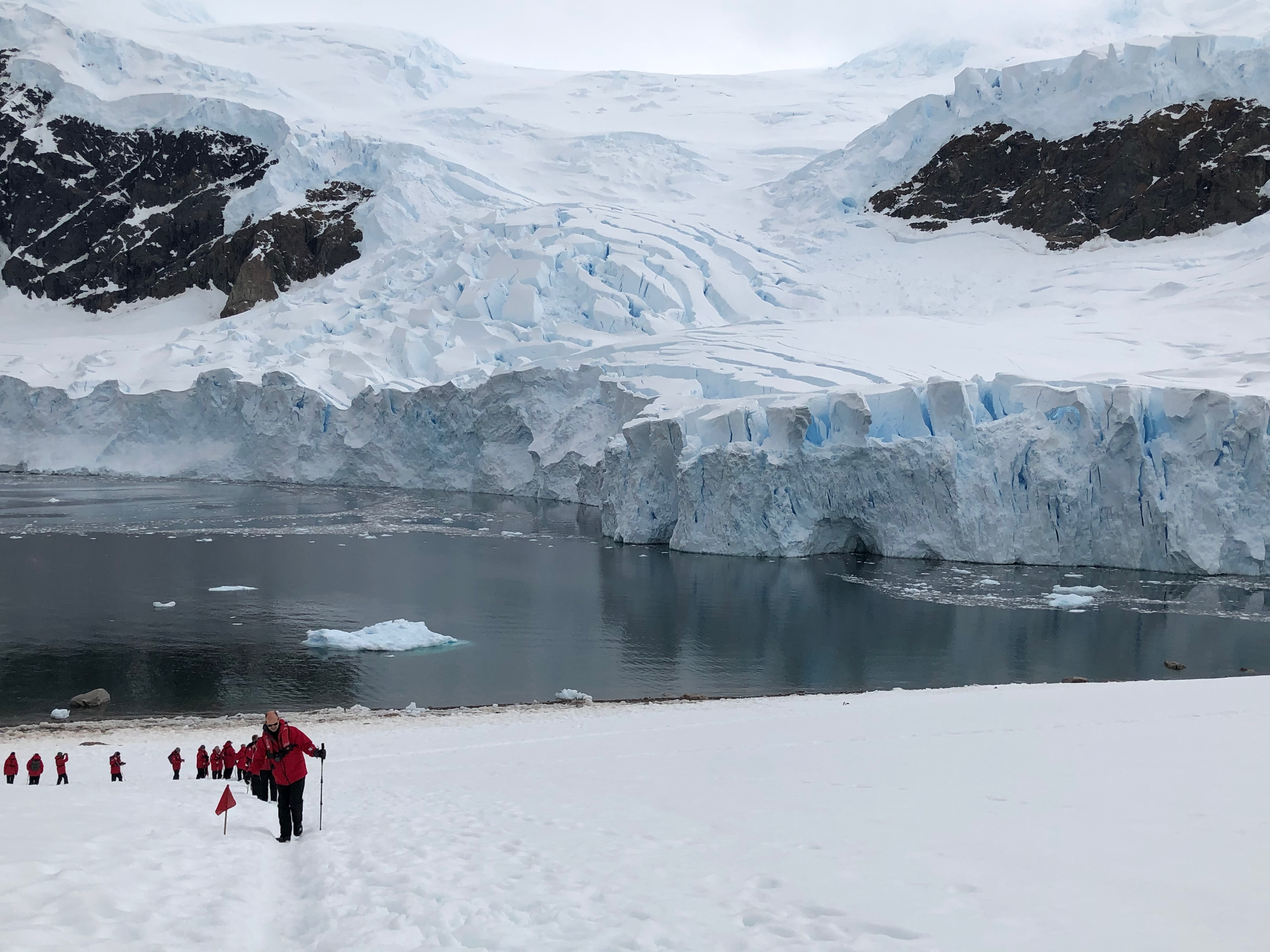
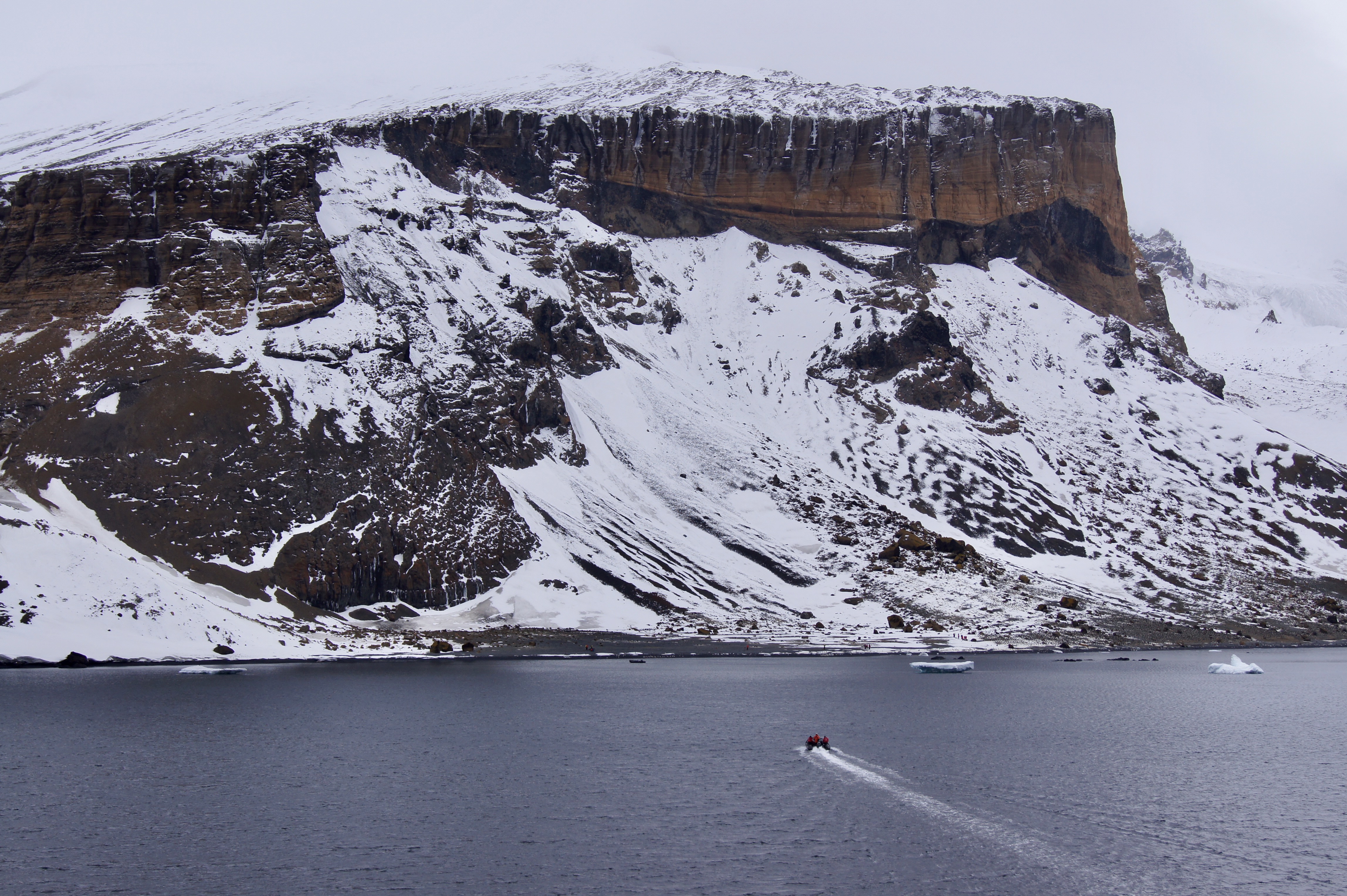
In the photo in the top right below, you can just barely make some of us out making a landing here and hiking up the side of this small mountain. The A&K expedition team, in arriving early, would create a path for us to walk on, as the snow cover be 2-3 feet in some places where we wanted to walk. They’d mark our path with red flags. We had to stay clear of penguins and seals.
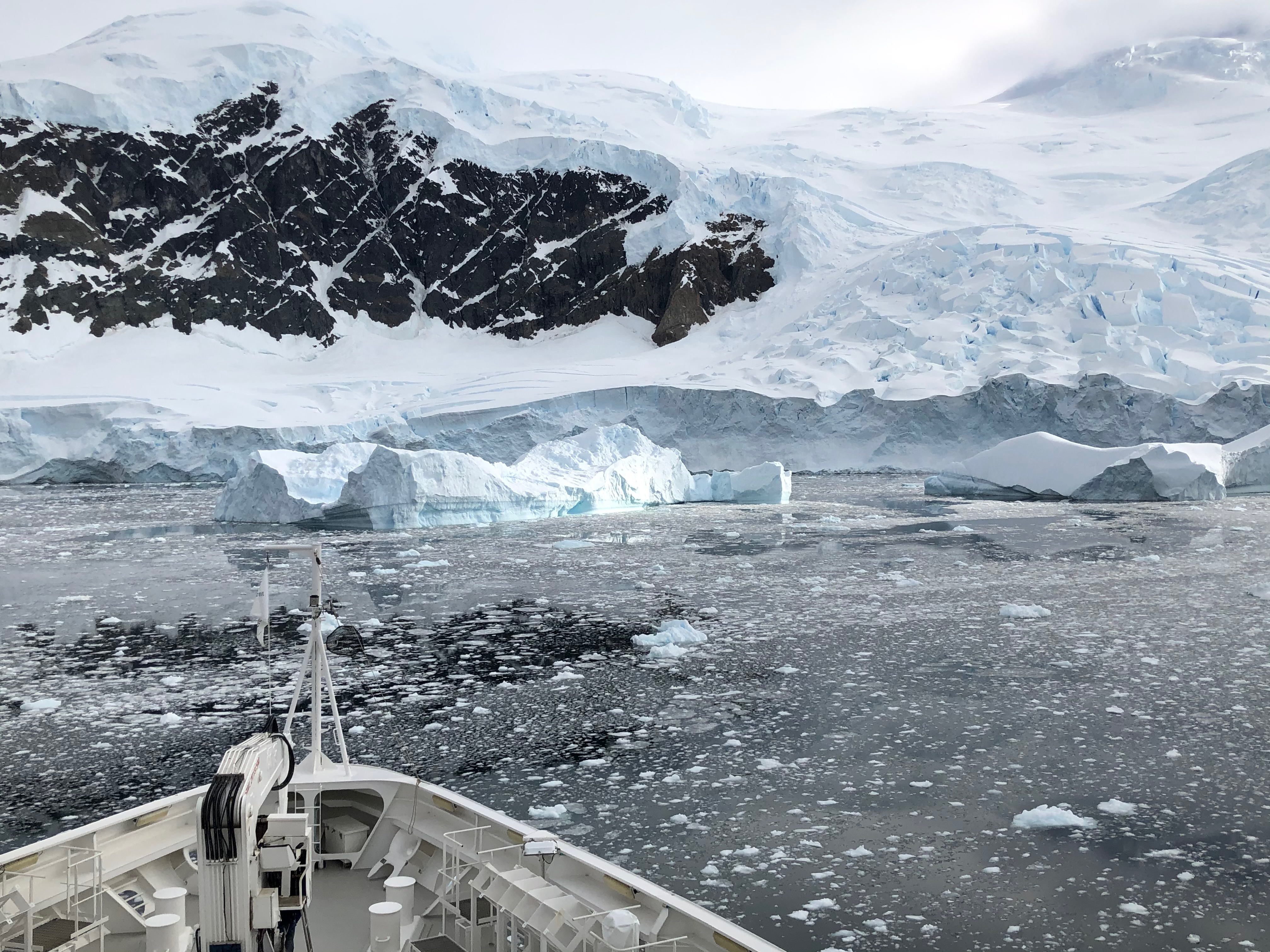
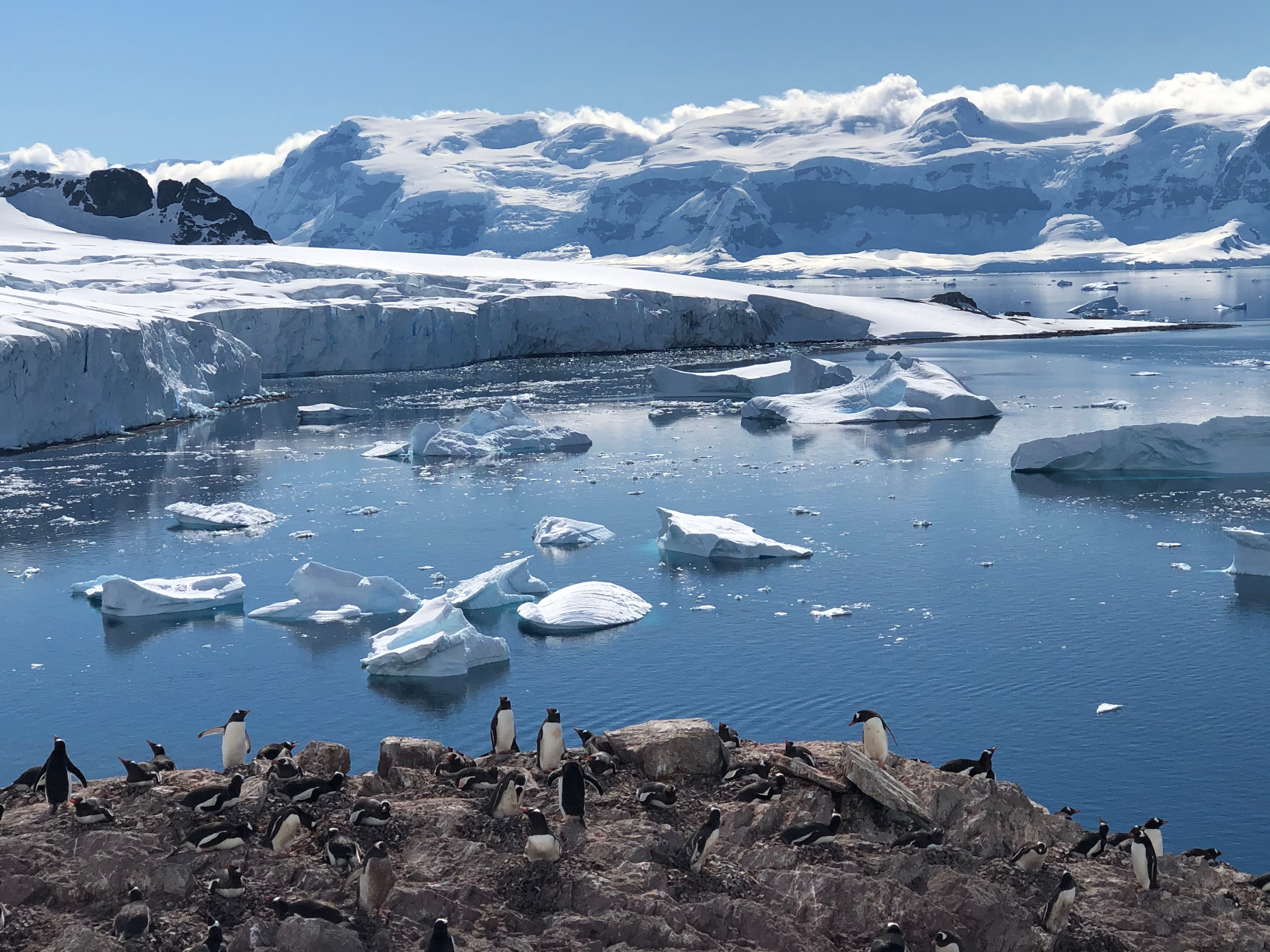
The frozen pieces in the water could be the remains of fresh water ice that has calved off the mountain or could be frozen sea water – sea ice. You can see – especially in the middle photo on the right – how the snow has just broken apart as it has gradually slid down the mountain over time.
The photo above gives another great view of the snow and ice and how it has broken up as it has slide down the mountain. It almost looks like a huge knife has been used to create massive slices in it. That little cave-like area in the middle right had a small bit calve-off while were there; the ice and snow falling into the water created a sequence of waves. Given a large enough calving, a tsunami can be created.
For about 4 of the 6 days we were in-and-around the continent, we had clear blue skies, no wind, and temps right around freezing; that was a killer combo for seeing amazing colors, mountains, and reflections in the water. Many of us got home from Antarctica with tans, and our expedition guides couldn’t believe how luck we’d been weather-wise.
We were left speechless any number of times by the beauty and the variation.
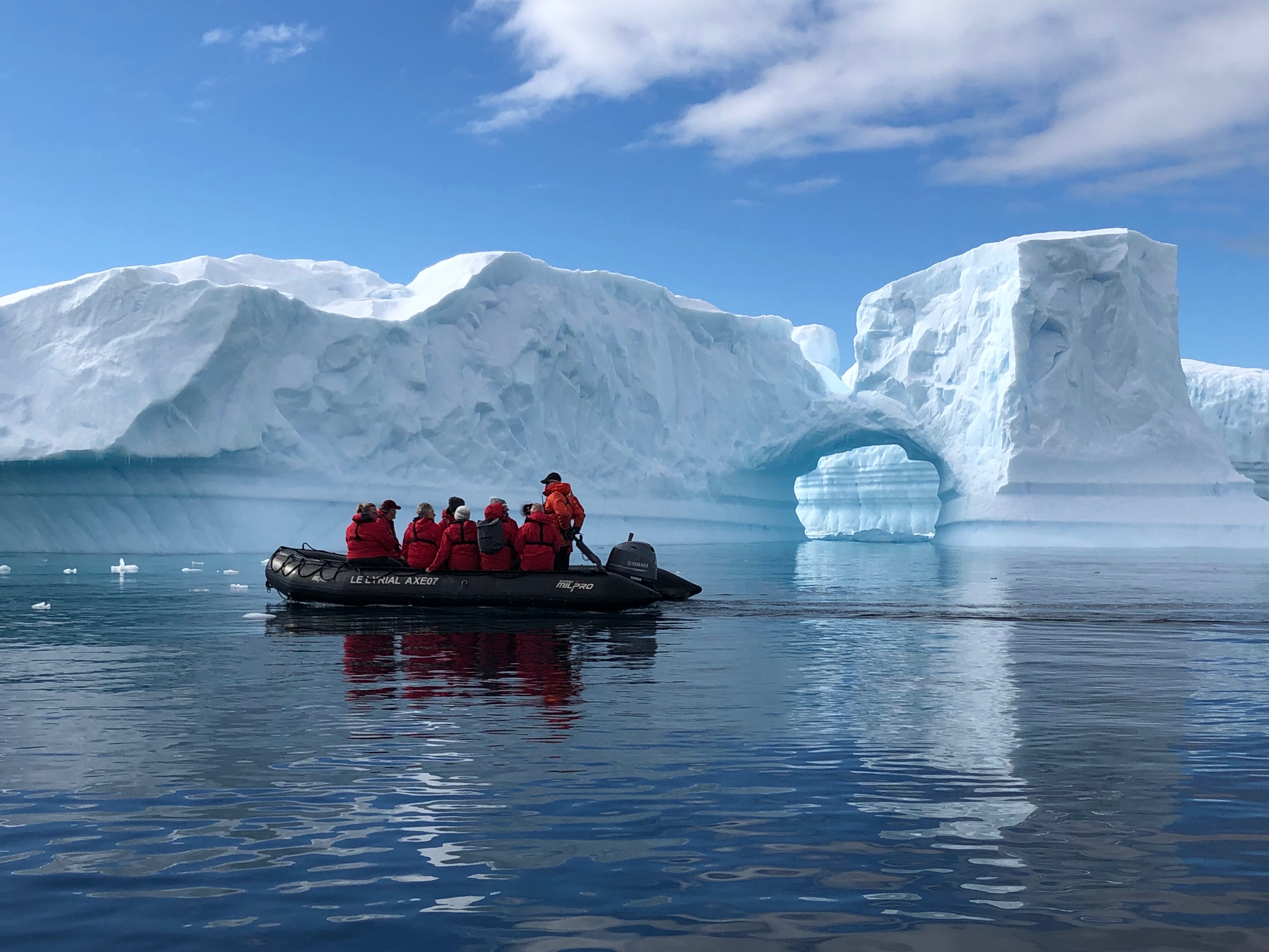
In the middle photo, below right, we were tempted to want to drive through the arch, but the tour guides kept us safe. You never know when something might collapse.
For the expedition guides, the ice always is amazing, as they never see the same combinations/configurations twice, no matter how often they’ve been.
Some of the ice looked like massive rock structures you might see in the desert of the southwestern US. Who know why or how it formed this way.
A short video that gives a view of the full horizon with mountains, snow, and the sea ice
After we made landfall at Brown Bluff, we were supposed to head to into the Antarctic Sound, but the weather and ice weren’t cooperating, so we headed to the Weddell Sea instead. This is where Ernest Shackleton’s ship, the Endurance, got stuck in the ice (um, that didn’t happen to us).
From the Weddell we headed back north toward the South Shetland Islands, including Telefon Bay and Deception Island.
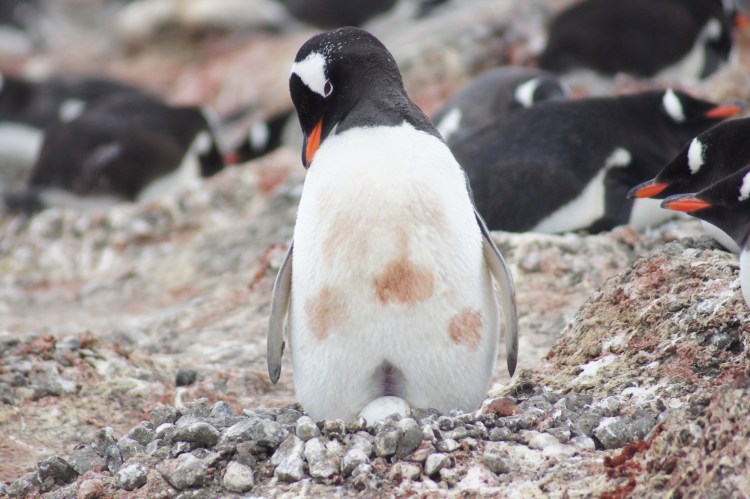
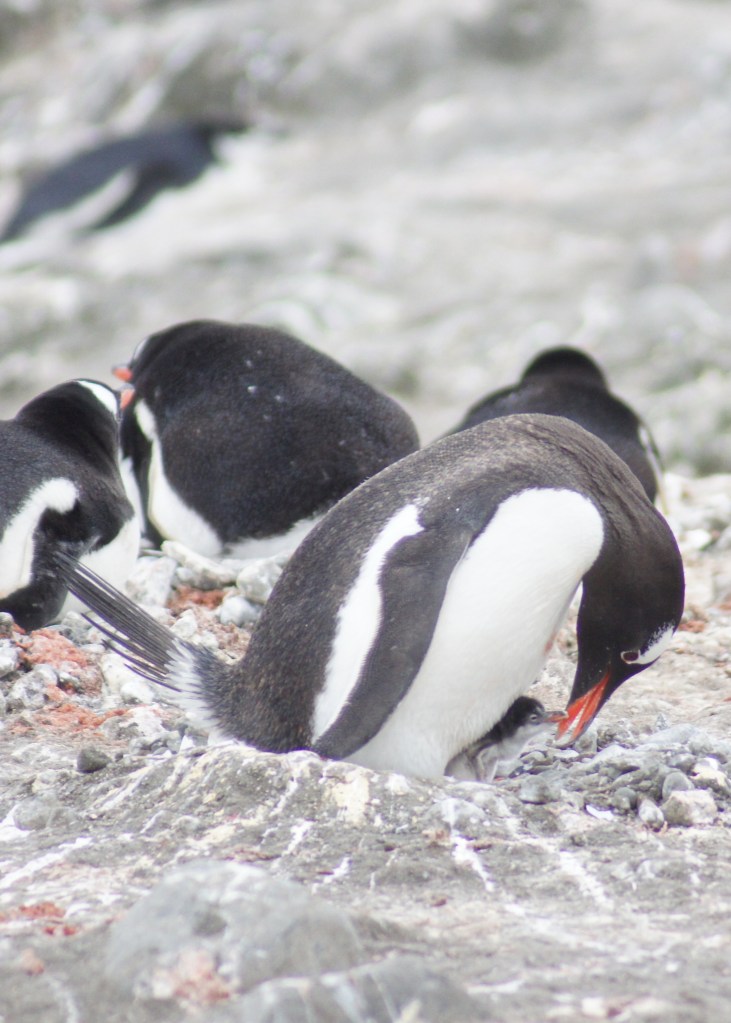
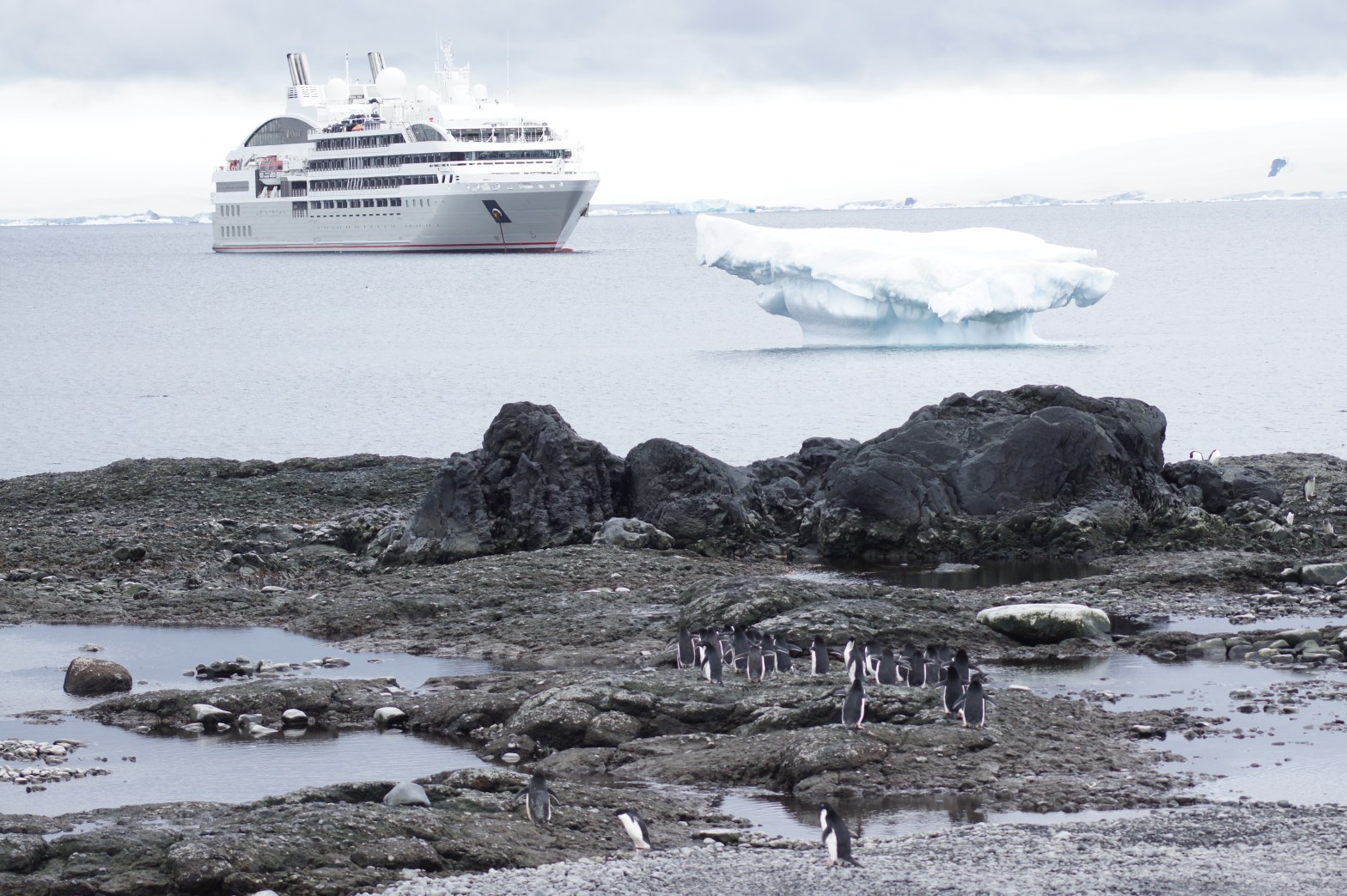
The first two dudes are the appropriately named Chinstrap penguins. They peacefully co-exist with the two other breeds we saw – Gentoos and Adelies. In the second photo, you can see the egg below this Gentoo, who also is stained by who knows what. They’re pretty fascinating to just sit and watch and watch and watch. Pretty clumsy on land, they’re amazing swimmers. If you look closely at the third photo you can see a chick underneath the Gentoo.
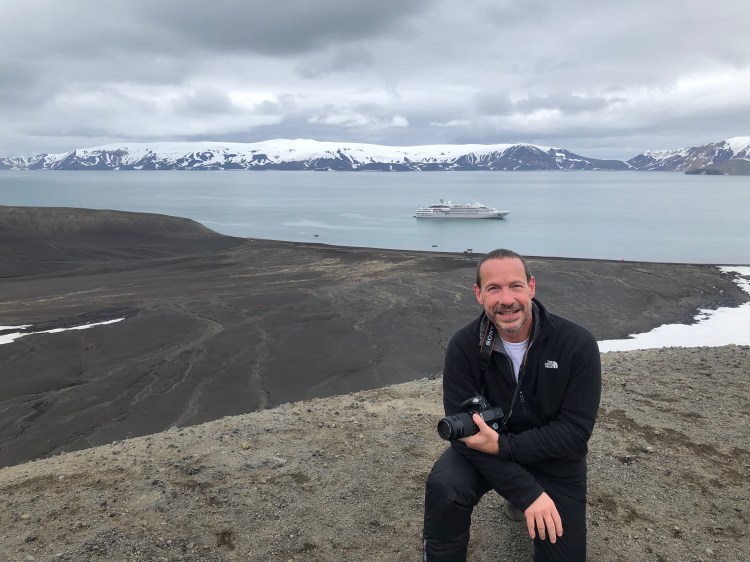
Deception Island was a landing spot for us; it’s a somewhat still active volcano, and is a caldera, which last had a dangerous eruption in 1969. It provided a great spot for us to hike. Temperature was around freezing, but given the hike, several of us took off our red coats to do the walk to the top.
Apparently there are restrictions on how many people can make landfall on an Antarctica site at any one time, and that number – I think – is 100. So, our group of 150 or so guests was divided into two groups. Each group would have two “landings” per day (assuming a landing was being made and, of course, schedule permitting) – one in the a.m. and one in the p.m. One group would go first in the morning, then return to the ship, and the other group would head-out. Then lunch, and then repeat in the afternoon, with the groups switching which one went first.
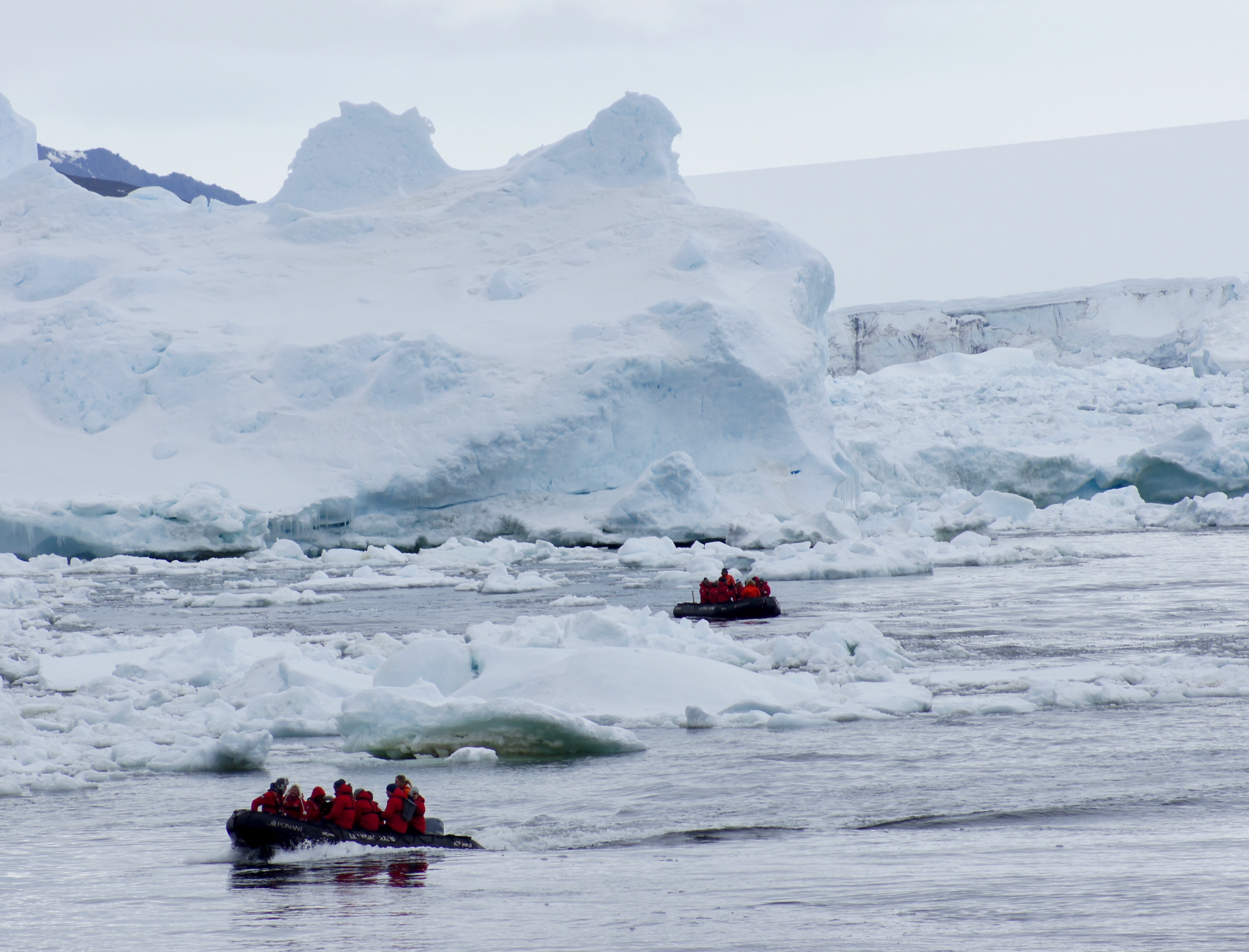
Prior to the first landing of the day, A&K team members went to the landing spot first – to scope it out, identify the best landing spot, and then mark what pathway we, as guests, would be allowed on. Each landing involved our putting on boots and pants (loaners from A&K), and our red-parkas (“gifts” from A&K), then waiting in line to – first- clean off our boot bottoms (so as not to bring bacteria onto the continent) and – then – load into our zodiacs (these sturdy little inflatable boats with 60-mph outboard motors, each of which held about eight passengers). Each zodiac was driven by one of the A&K team members.
Thus – on December 12, 2019, we would make our first landing on the frozen continent. Not only would we be touching ground, but we’d be seeing a big – really really big – like thousands -of penguins in a colony.
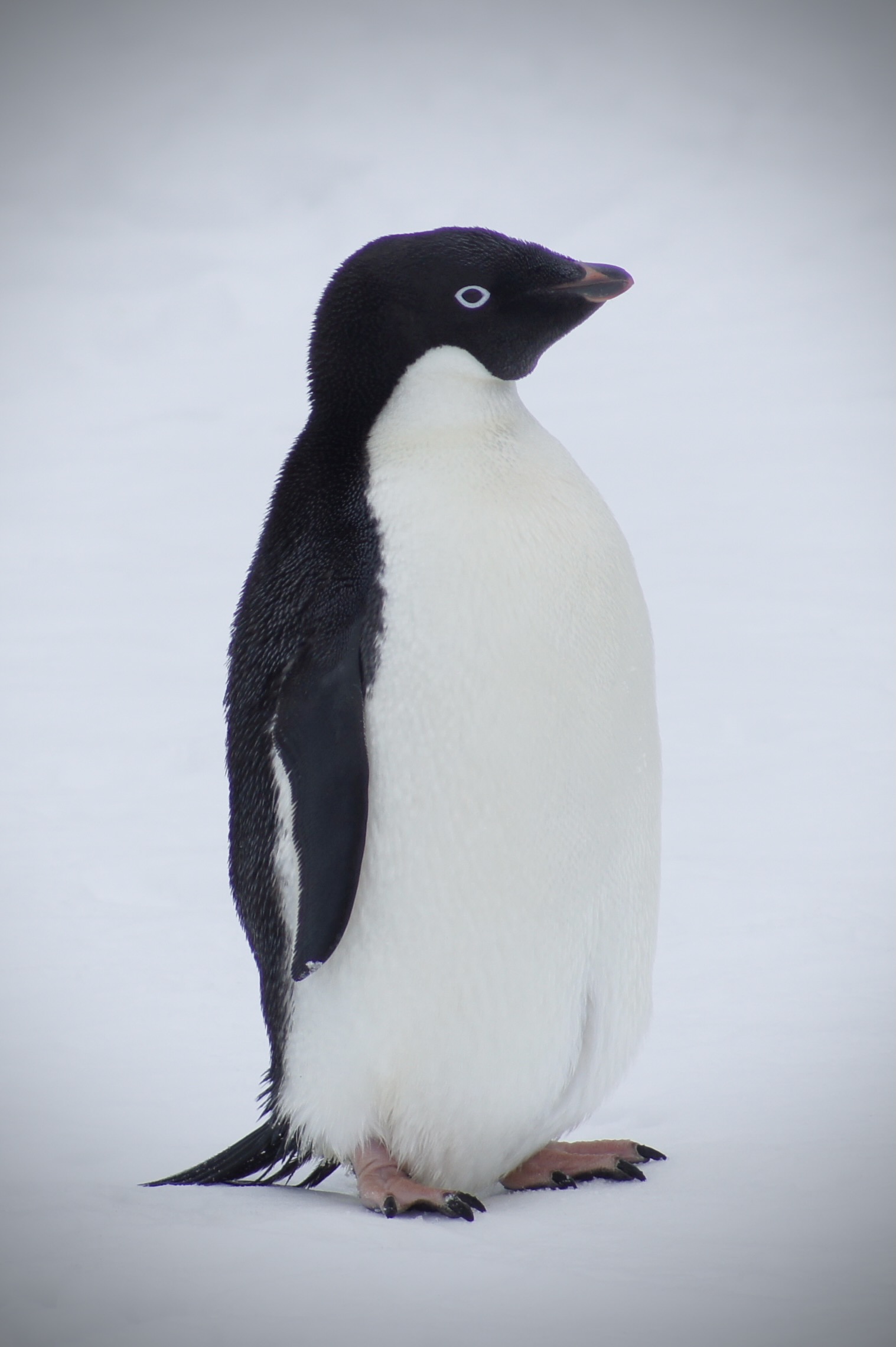
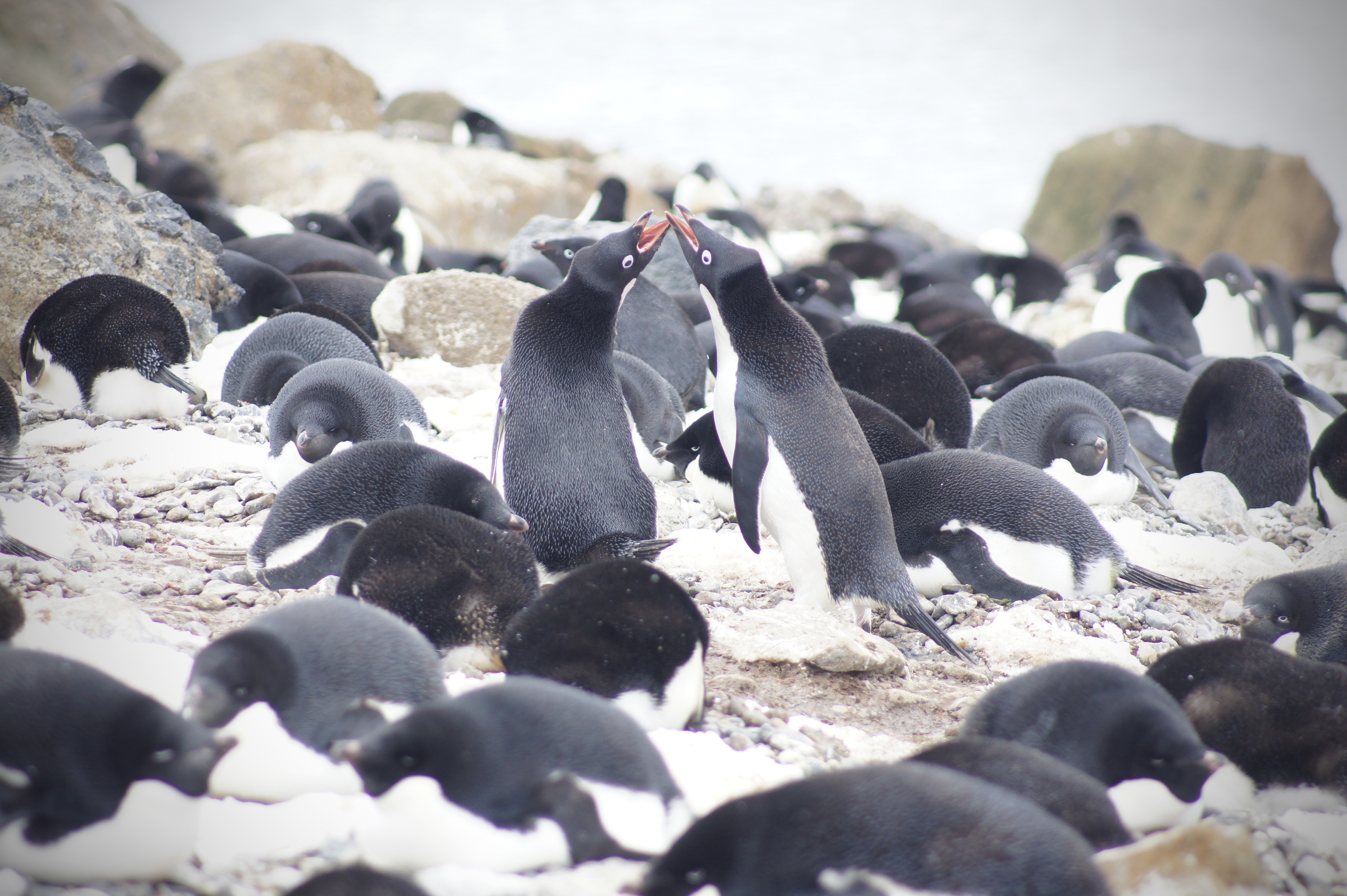
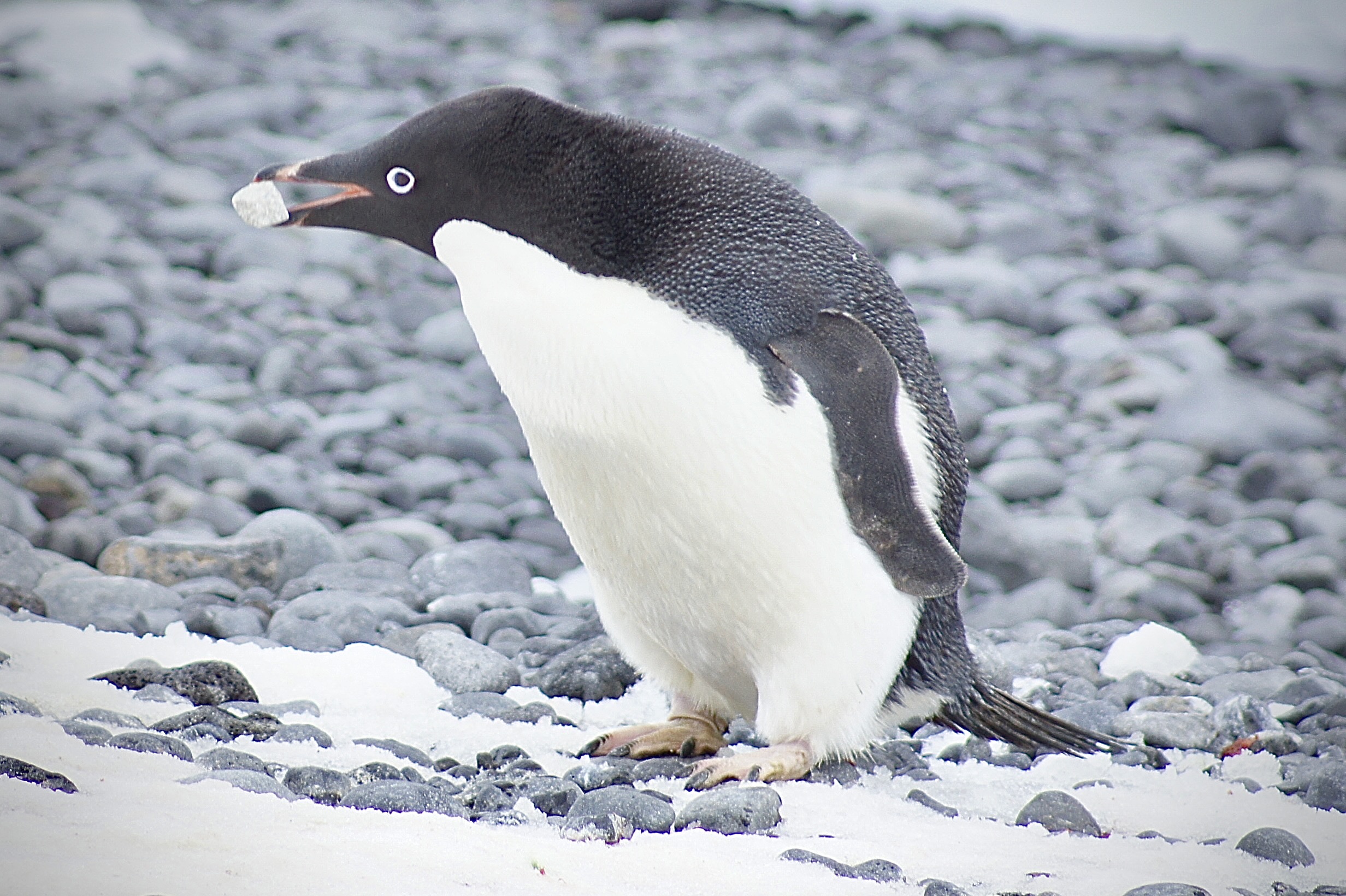
There are three main breeds of penguin that we’d see; the first one here is an Adelie. The second photo shows two Adelie penguins going through a dance before one of them moves off of their nest for the other to replace them. We hit the Antarctic while they were hatching, so we saw lots of eggs and chiklets. This colony would have 20,000 pairs or more of penguins. Lots of squawking. Lots of guano. Not the best smelling air if you were downwind.
The nests are comprised of a pile of rocks surrounding the eggs. So – penguins always are on the hunt for new rocks, and the effort to get them sometimes includes stealing them from another penguin nest. In the third photo, who knows if this Adelie has stolen this or not, but it sure has likely been stolen a few times over the years.
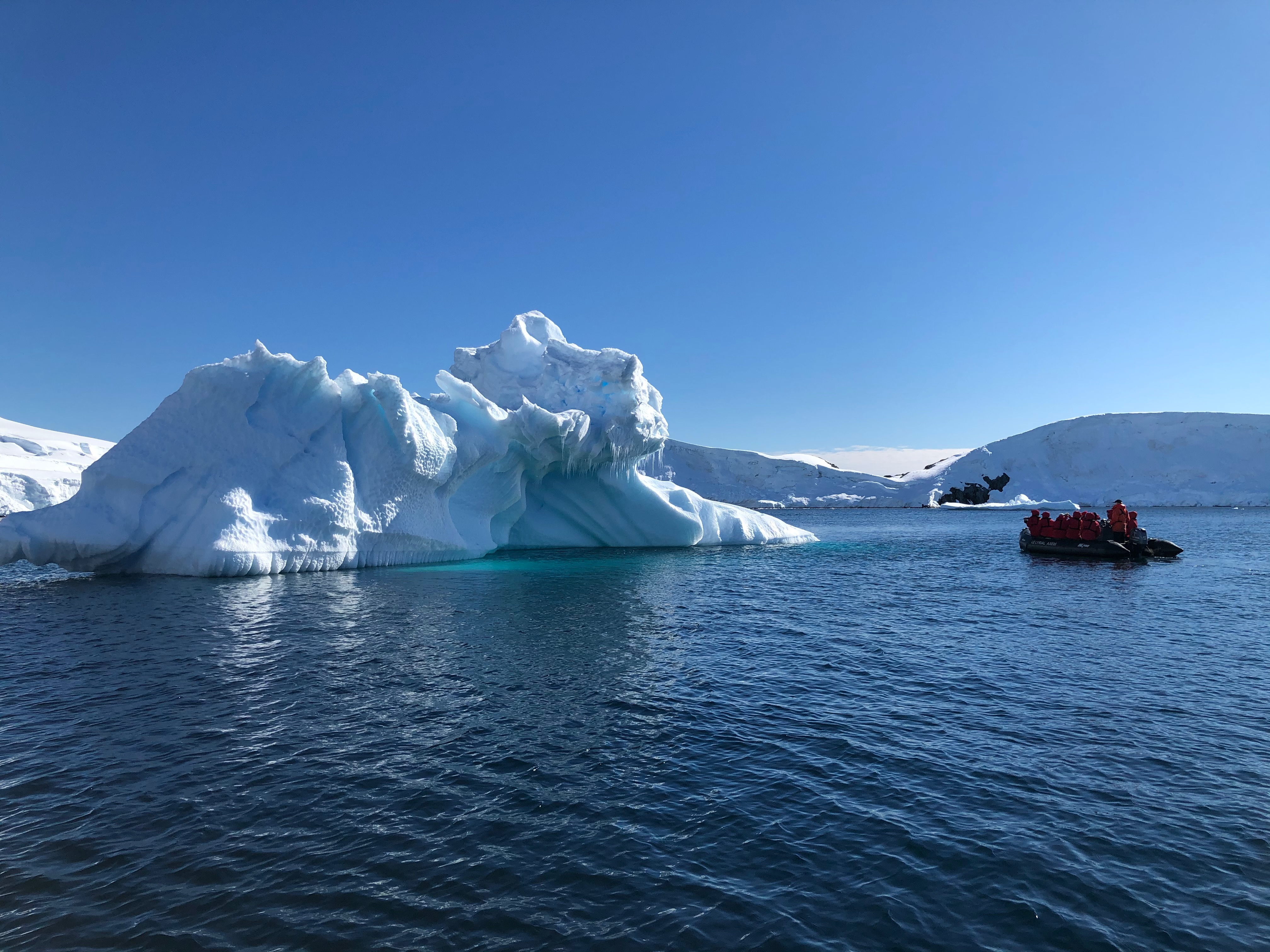
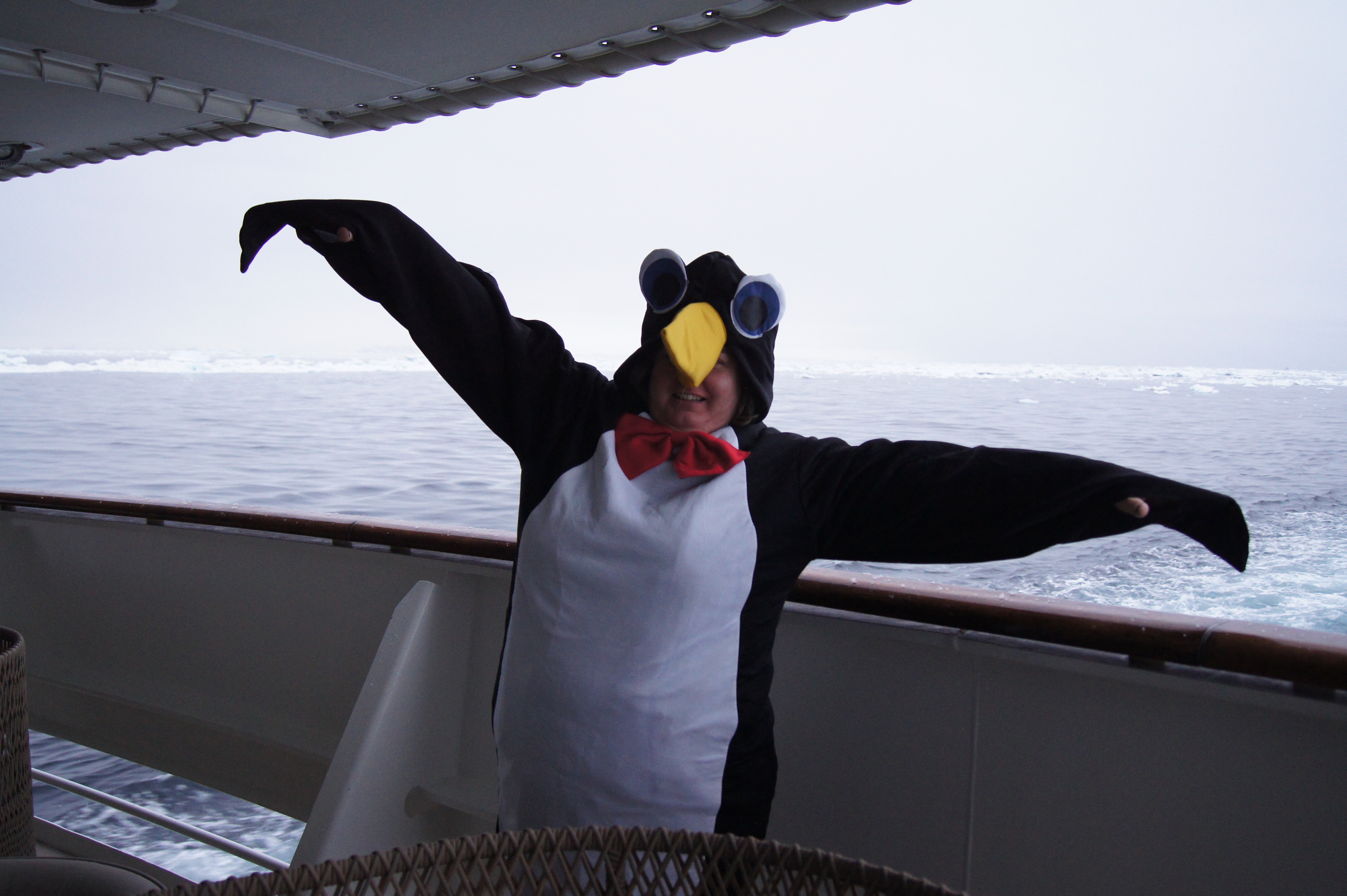
Part of the excitement being here was the ice, which was endless in its variation, and in a few of the pics you can see the ice below the surface. You obviously get the best sense of scale when you see the zodiacs alongside the ice formations. The boats themselves had six different air compartments, so if one was damaged, there were still five to keep it afloat. And, um, we had human penguins too. You can see one of the single travelers I hung around with, who had her own penguin suit. Alas, she never took it on shore.
And that’s Brown Bluff – the place we made our first landfall on the Antarctic Peninsula.
Made it to my seventh continent! I asked the reception desk for a Sharpie and some paper, but they offered to make this sign for me. Upon landing, I asked one of the tour staff to take a few pics of me. Someone else from the boat saw me with the sign, and asked if they could borrow it, but I readily gave it up at that point – I was done! Very emotional landing, after 3 1/2 days (DC to the Antarctica Peninsula) to get there (or 58 years, depending upon how you count it). Can you think of anywhere else in the world it takes that long to get to?
In Ushuaia, on December 9, 2019 we boarded our expedition cruise ship, “Le Lyrial,” from the French Ponant line. Overall, we had about 200 passengers on-board, all traveling with A&K. The ship had 4 decks with guest rooms, and carried about 150 guests, about a dozen A&K company staff, and the crew.
From Ushuaia, we’d be crossing Drake Passage – the body of water that separates the tip of South America from the Antarctic Peninsula. The journey is about 620 miles and the crossing took about 2 1/2 days. The question, always, is whether a ship will experience the “Drake Lake” or the “Drake Shake” – essentially, how turbulent will the current be while crossing.
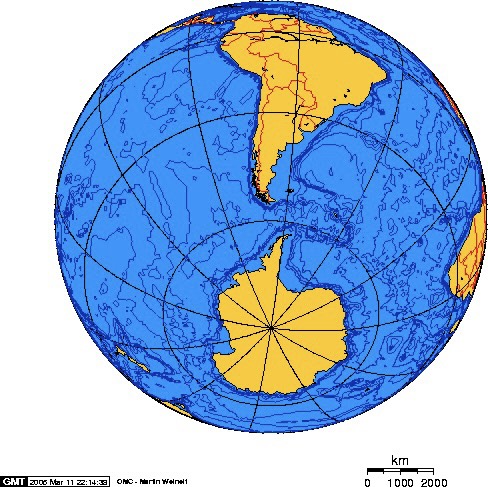
I’m fascinated by this image – the view “up” from the bottom of the earth, which shows the Antarctic continent and the flow of currents around it. You can see the tips of South America (middle left), Africa (top, slightly right of center), and Australia (bottom right). The colors reflect the relative water temperatues (temps around Antarctica are below freezing, the salinity of the water means it doesn’t freeze). The arrows reflect the water currents. The current around Antarctica is massive – named the Antarctic Circumpolar Current. In crossing the Drake Passage, we’d be entering the blue circle, where the water temperature is below freezing, but the water doesn’t freeze due to the level of salt.
Our crossing was kinda rough. There were a good number of folks on-board who spent the majority of the crossing locked in their cabins, suffering from sea sickness. I was lucky – only had a few hours of retching in my room. Otherwise, all good.
SONY DSC
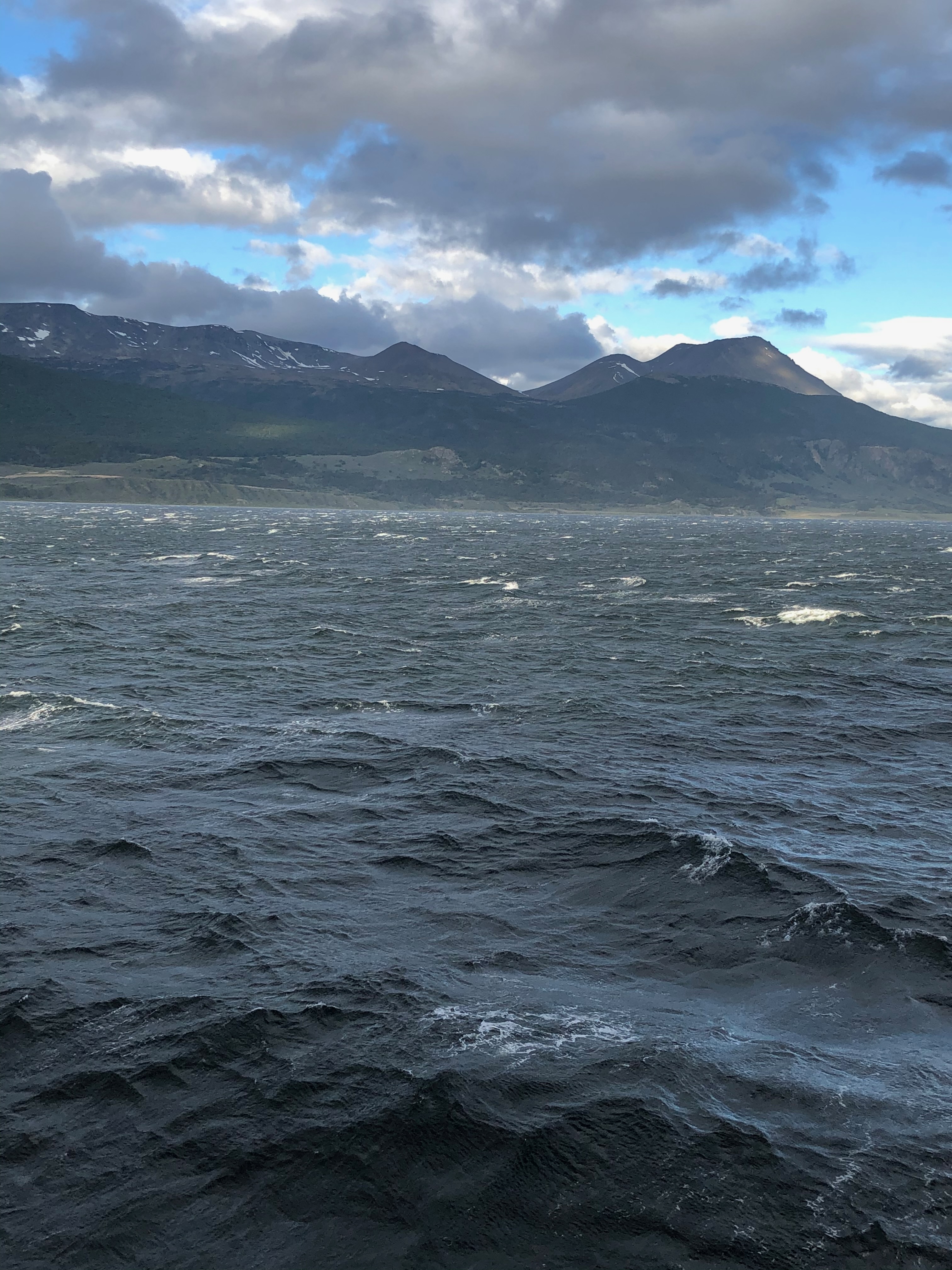
The first photo is an attempt to capture the swells we experienced – 20-25 foot seas with 35-40 foot swells on the way over.
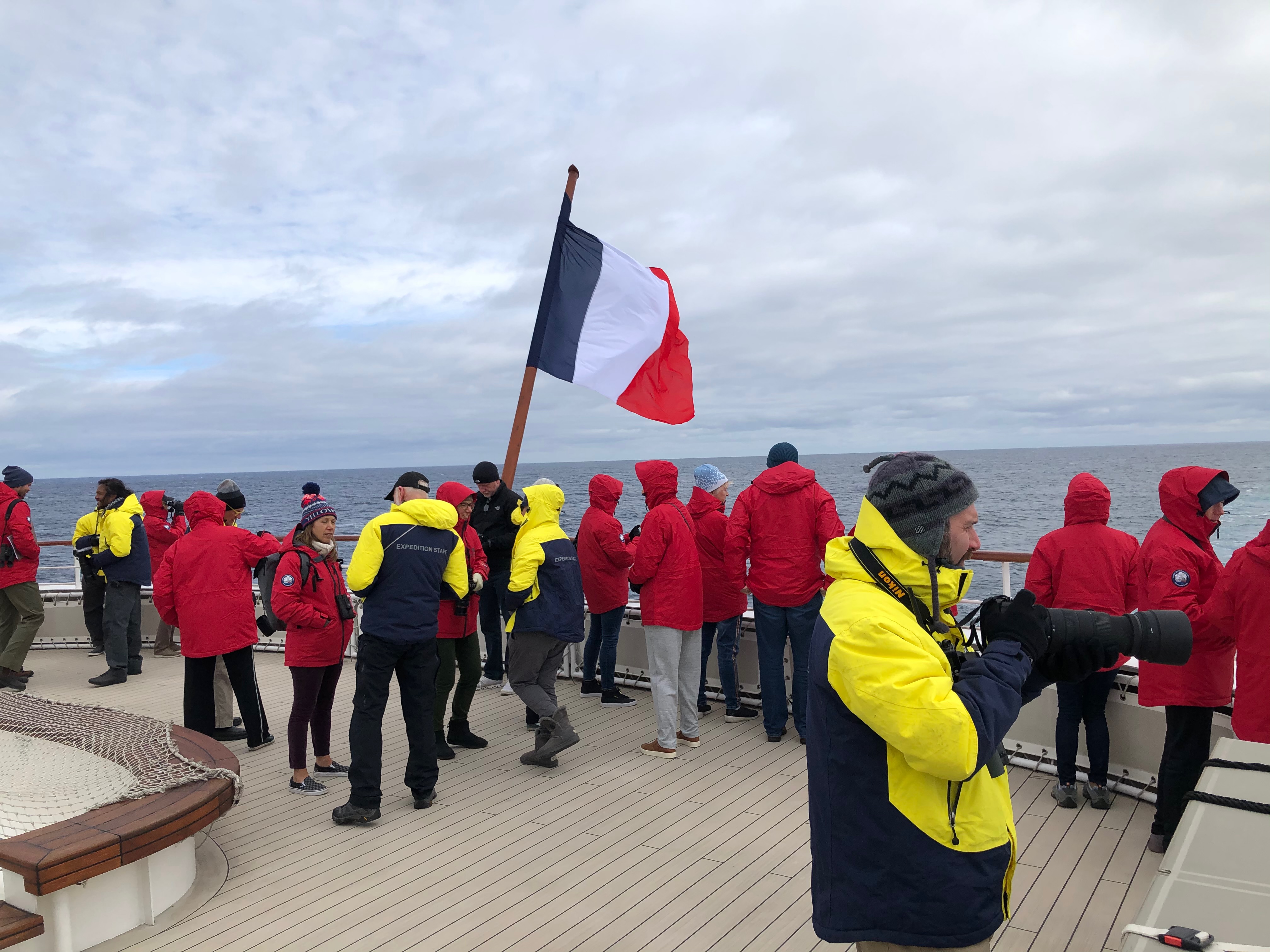
Photo two: A&K gave all the guests the red parkas you see here as well as a backpack, and lent us the waterproof pants and boots you’ll see in other photos. The yellow-coated folks are A&K staff. Among them were experts in mammals, birds, geology, and Antarctic history, along with naturalists with broader general knowledge. On-board, especially during the 2 1/2-day passage through the Drake, we had regular lectures on their areas of expertise to prep us for the visit. The guests overall were great – “no jerks” as they say, with folks mostly friendly and interested. What was funny was when something was spotted from the boat deck, and someone yelled it out: all the people on-deck would go to that side of the boat to see whatever it was. I called us the Antarctic Red-coated Lemmings when that happened.
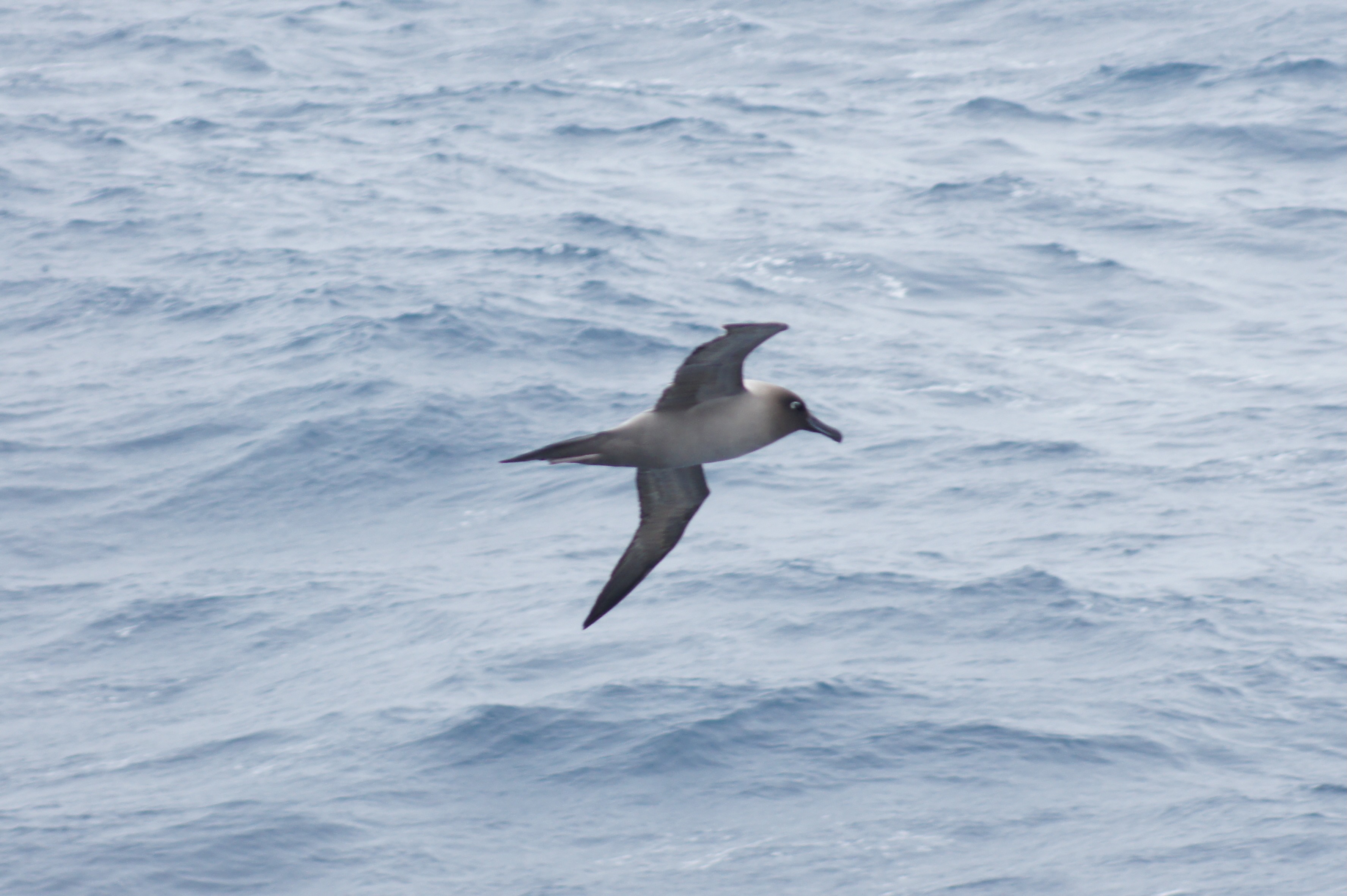
Photo three is of one on the seabirds we saw during the crossing (which is partly why the lectures were so helpful!). This is a light-mantled albatross. Who know I’d be interested in seabirds?
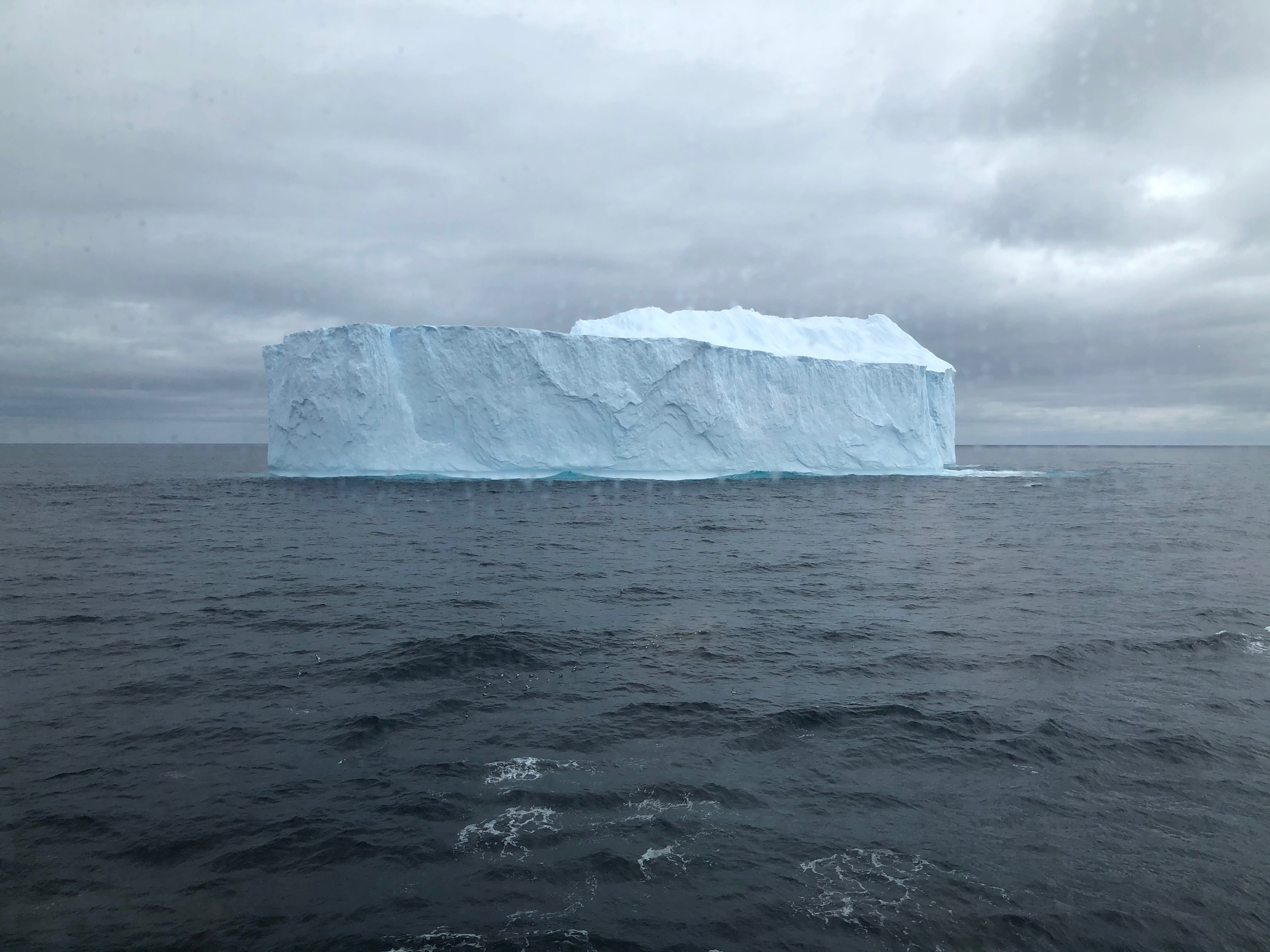
The final pic shows one of our first iceberg sightings. This picture was taken through the window of my stateroom, which was on the fourth deck. You’ll see other photos that give a sense of scale, but just know that this was massive. Massive. And what’s above water may only be 30% of its total size.
Video of the Drake Passage taken through the window of the boat’s second floor dining room during lunch time. You have to watch to the end (with sound on). This was taken by another guest on-board.
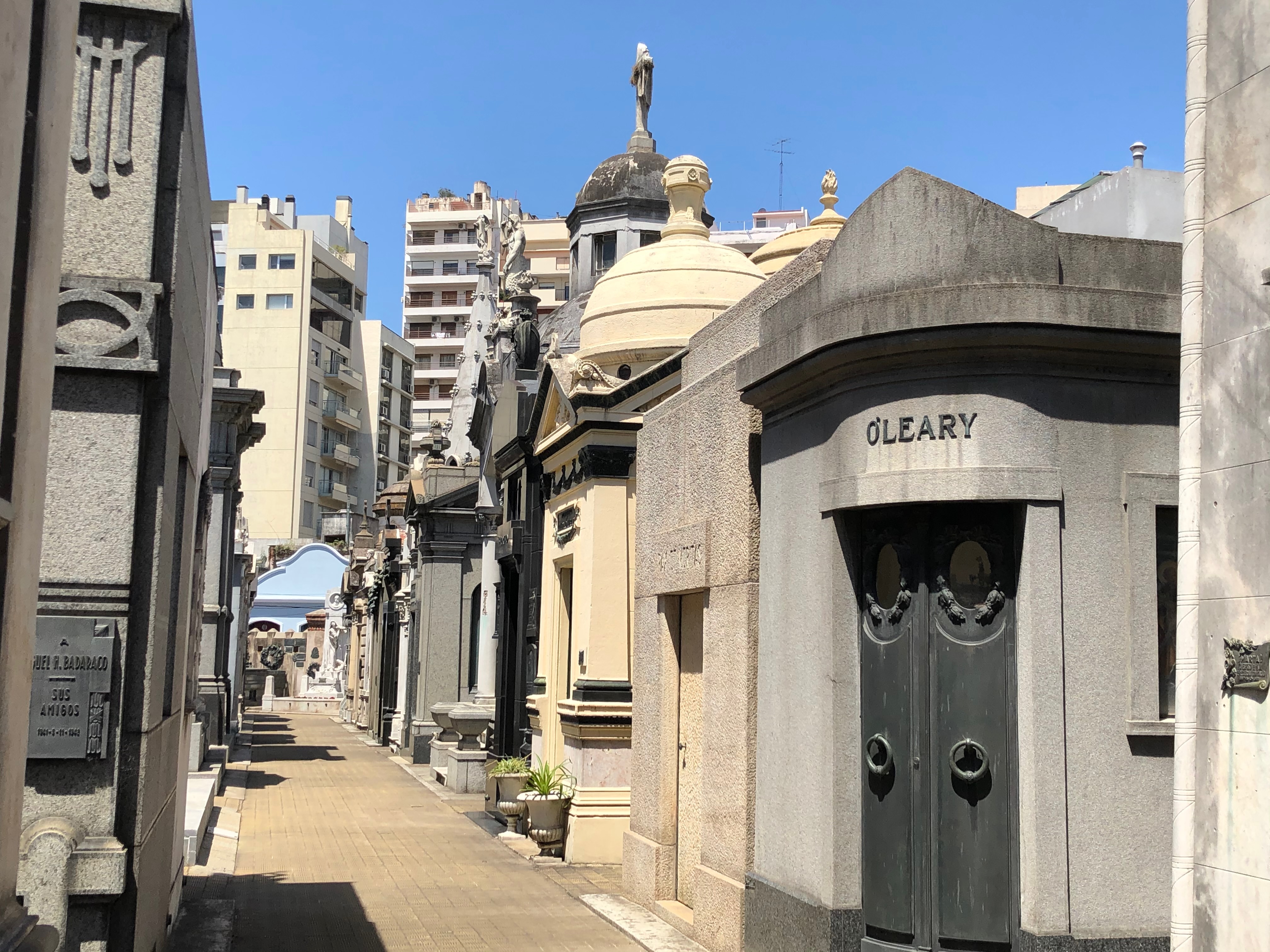
I spent my first day in Buenos Aires exploring on my own. The first photo shows the famous cemetery in Buenos Aires – The La Recoleta Cemetery – where Eva Peron and other either famous and/or fabulously wealthy are buried. These crypts house the dead, some above ground, some below, and it is jammed pack – with dead and tourists.
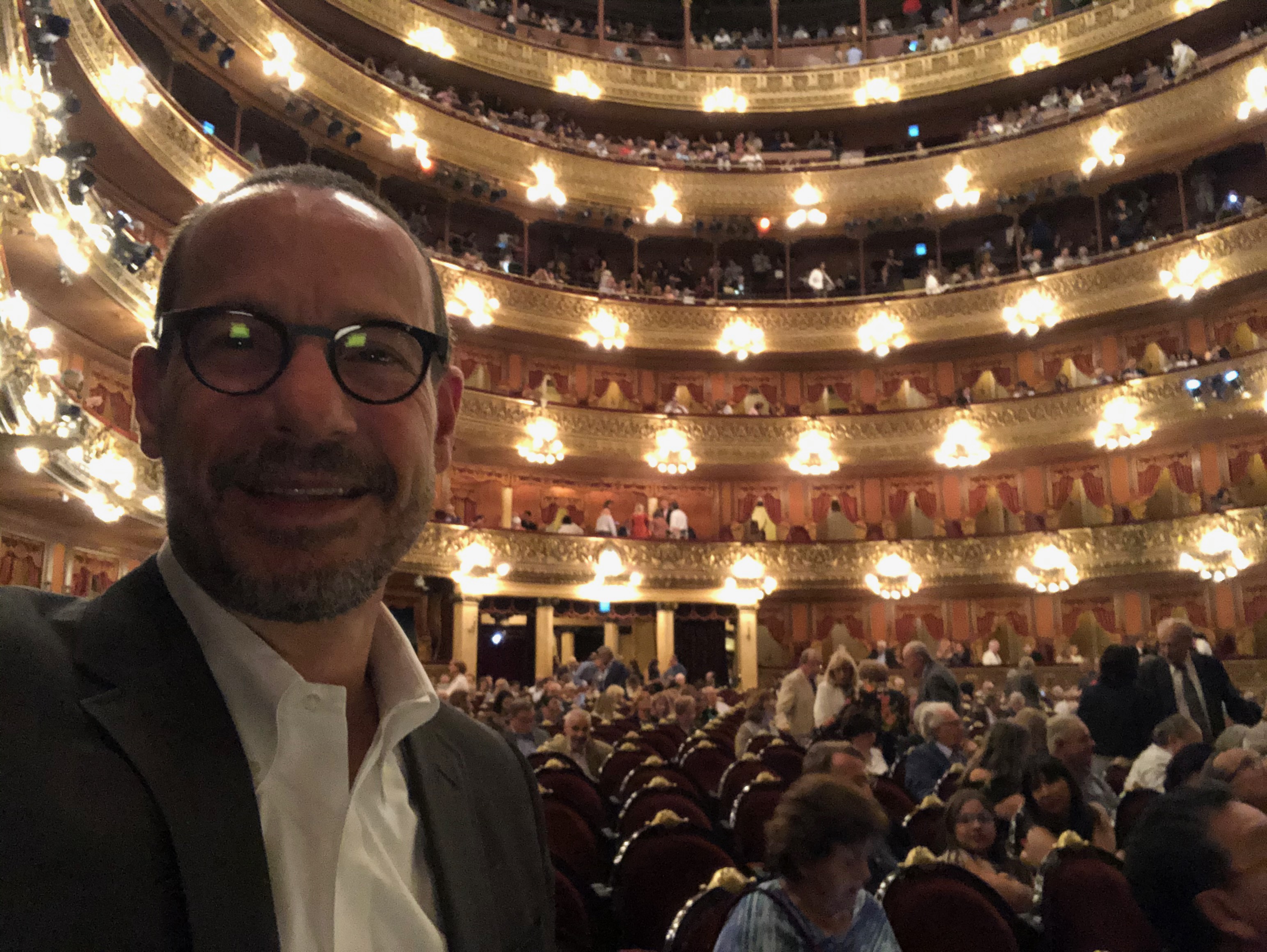
The second photo was taken at the Teatro Colon, the famous theater in Buenos Aires, where I spent US$85 (!) for a front-row orchestra seat to the opera.
What visit to Buenos Aires would be worth it without the tango? These two were demonstrating and busking outside a local restaurant.
SONY DSCSONY DSC
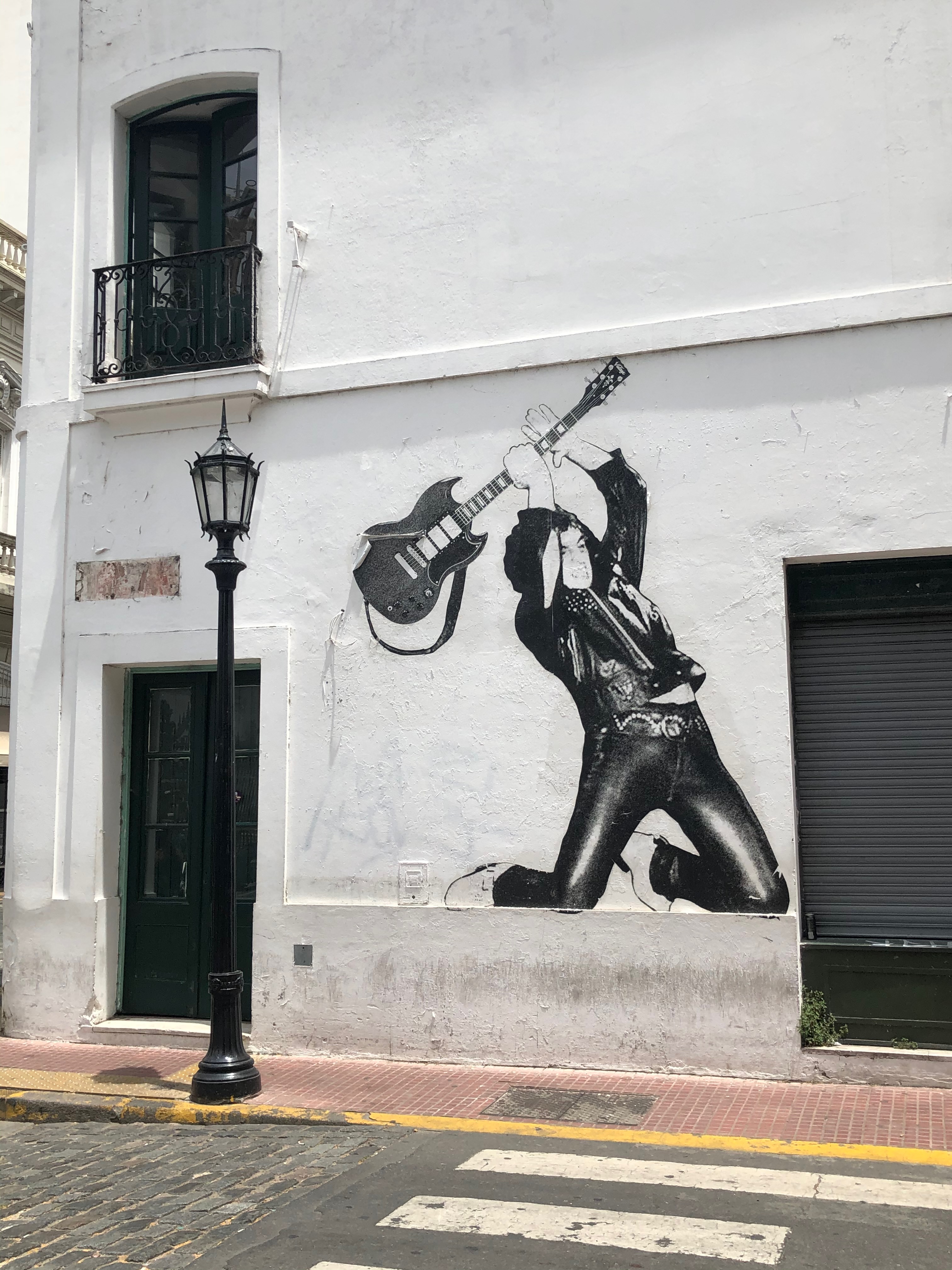
I spent a day walking around Buenos Aires, and came across a few examples of these larger than life-size paintings on the sides of buildings. Great fun.
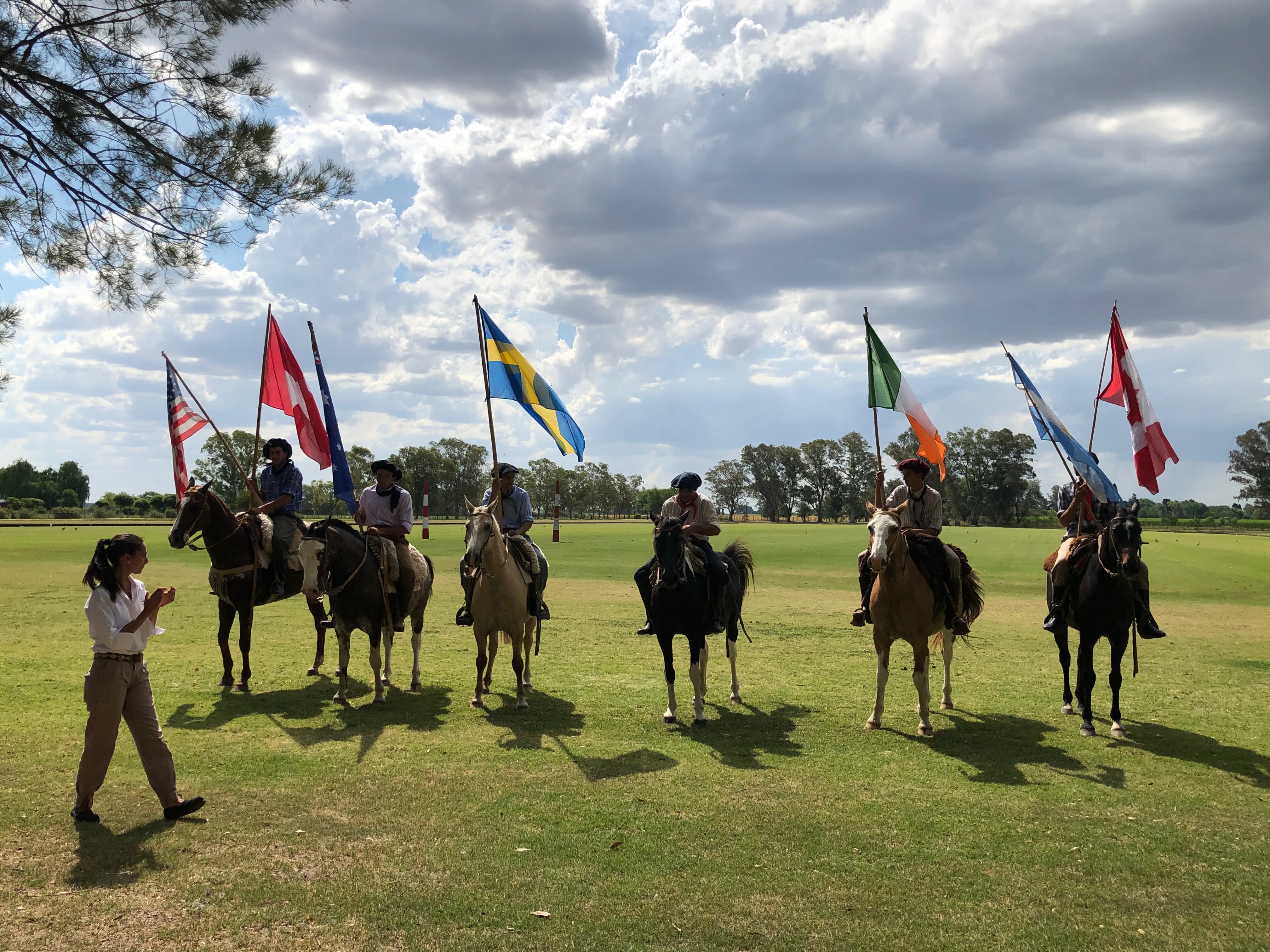
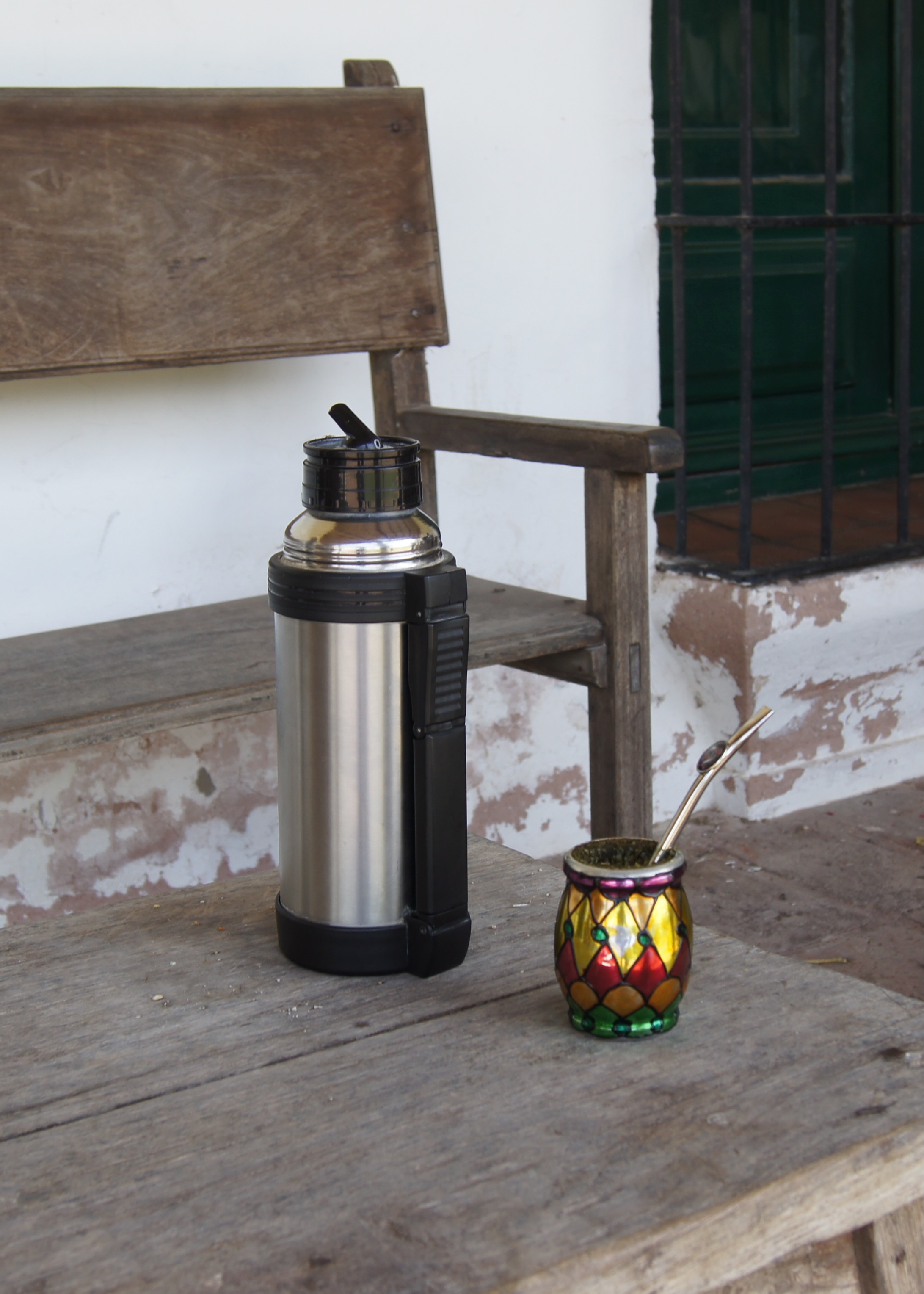
A&K offered a few day trips from Buenos Aires; I opted for a trip to the Argentine Pampas region and a visit to La Bamba de Areco, one of the oldest estancras (ranches) in Argentina. We got to see a cowboy and riding demonstration – amazing stuff – and where I captured this mate thermos and mug.
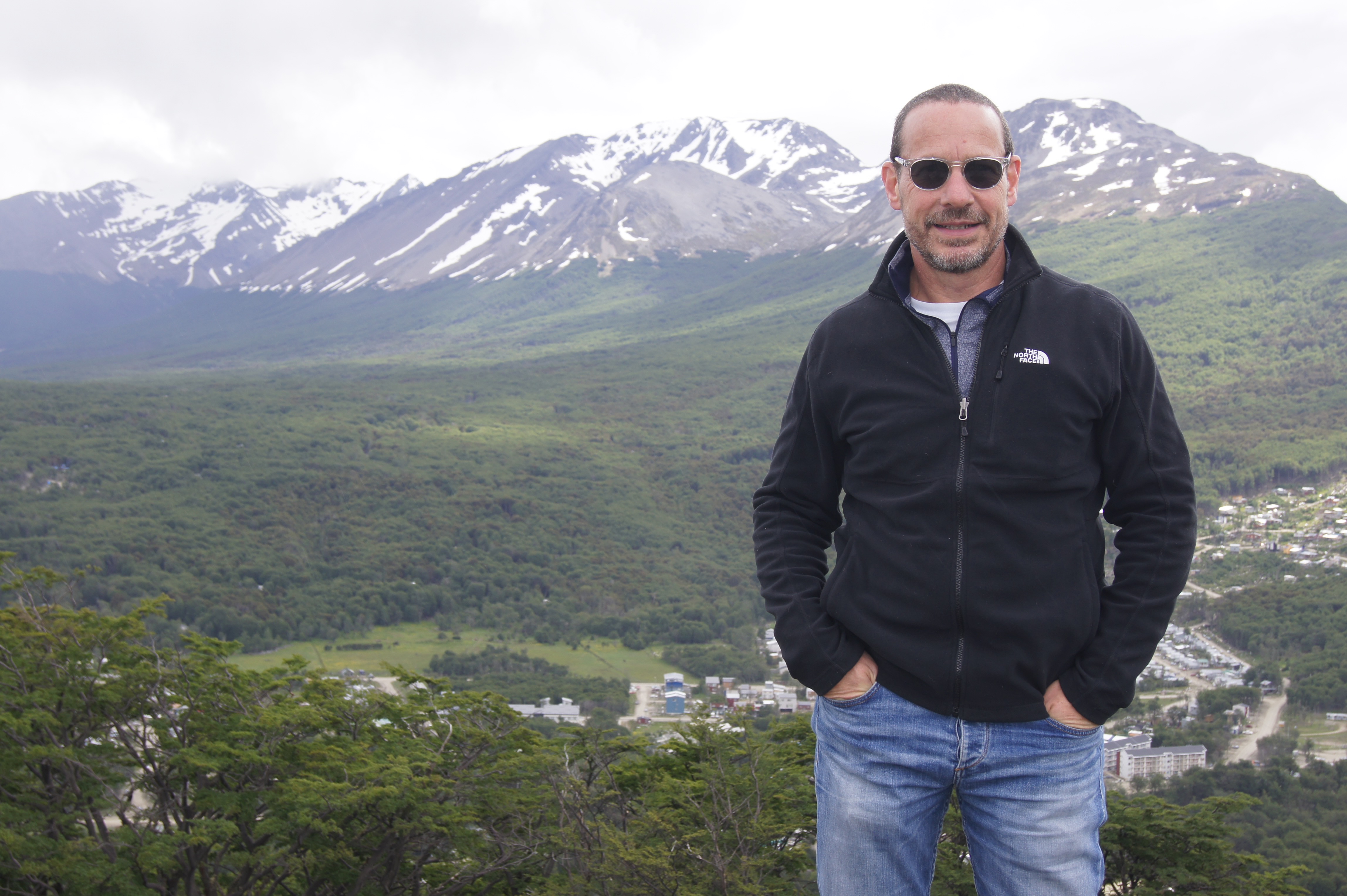
The day after, the entire A&K tour group caught a charter flight from Buenos Aires to Ushuaia, at the southern tip of Argentina and the capital of Tierra del Fuego Province. It’s the southernmost city in the world; this would be our take-off point for our cruise to Antarctica. After landing, we headed off to a local hotel for lunch, where I caught this pic of me and the Martial Mountain Range in the distance. After lunch, we headed for our ship.
A little orientation – and this is fun to look at on an actual globe if you own one. I flew to Buenos Aires first. I arrived a day early and spent that day by myself, then joined my tour group from Abercrombie & Kent (A&K) before spending one more day in Buenos Aires. From there we took a charter flight to Ushuaia, the southernmost city in Argentina – right at the tip of the continent. From there we would take a boat to the Antarctic Peninsula, that spit of land sticking out across from South America. That is the closest Antarctica is to any other continent.
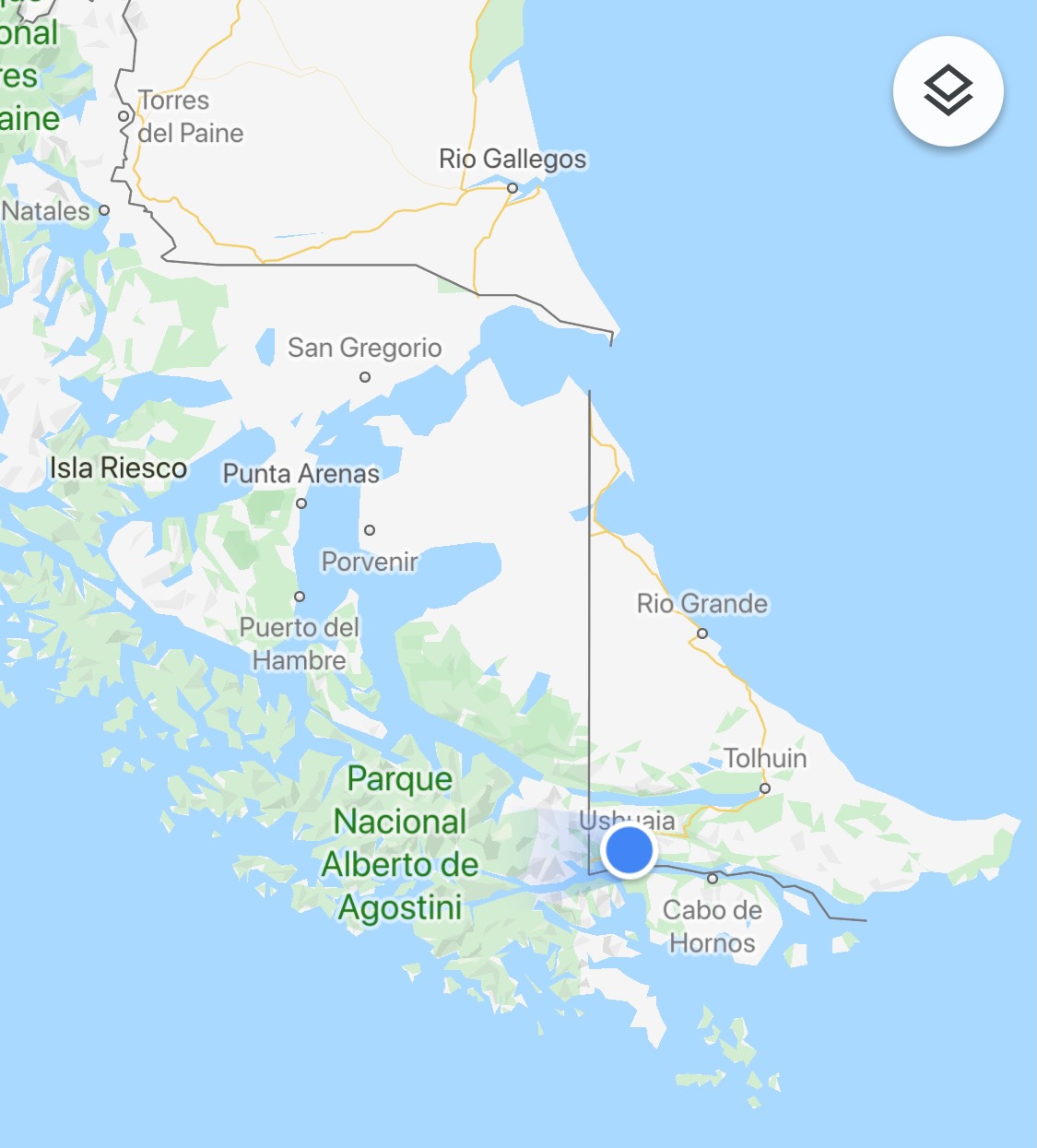
Taking a look at the middle map above, you can see where Ushuaia is – just on the edge of the Argentinan border, with Chile on the other side. Temp in Ushuaia was around 45 degrees, with snow in the mountains to the West. You can see the “Cabo de Hornos” – the Cape Horn. The border between the two countries that runs east/west just above the Cape runs through the Beagle Channel. We’d pick our ship up in Ushuaia, then journey through the Channel toward the Drake Passage, the water way between South America and Antarctica where the Atlantic and Pacific oceans meet, and churn.
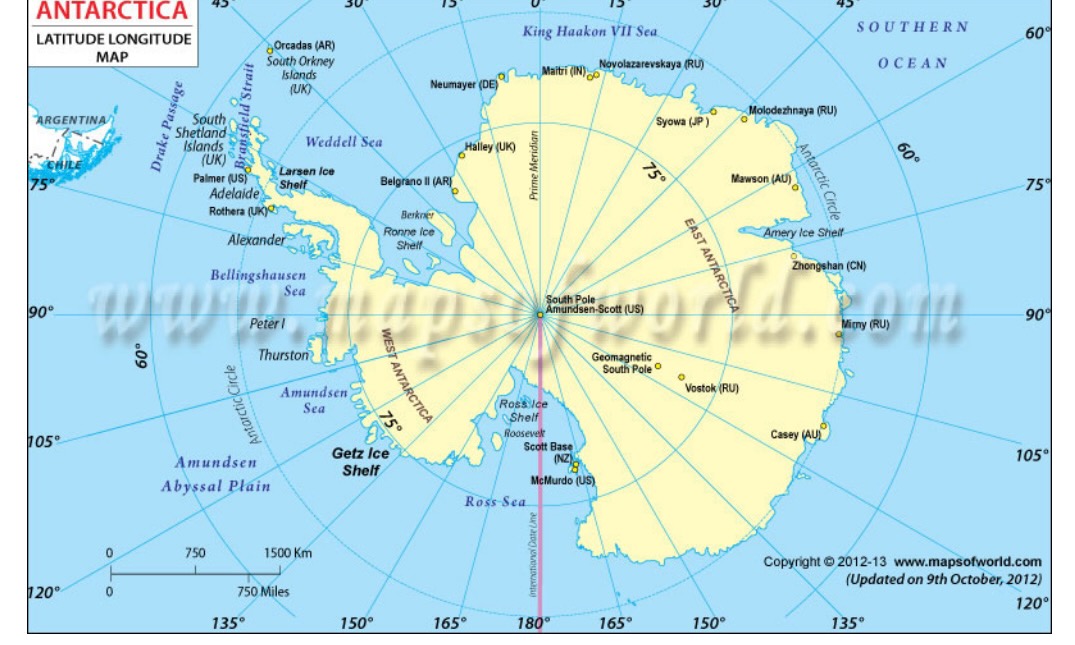
The map on the far right shows the Antarctic Peninsula we’d be visiting – in the upper left of the screen; you can see where the Drake Passage is marked just to the west of the Peninsula. Just to the East of the Peninsula is the Weddell Sea, which is where Ernest Shackleton’s boat – the Endurance – was trapped in the sea ice. The US research station – McMurdo – is in the bottom middle, with the South Pole being smack in the middle of the continent.






 Fred's Travel Blog