I was between jobs in early 2012 when I decided to book a trip to China, a place my eldest brother had been to, an which intrigued me for a number of reasons – its food (which I’d always loved, especially as a New Yorker), its history, the 2008 Olympics, and the amazing, stunning, awe-inspiring Terracotta Army.
So, while I booked the trip during my time-off between gigs and while looking for a job, once I’d booked the trip I ended-up getting a new job. There was no way I was going to cancel the trip, so I started my new job – worked two weeks – then took 10 days off to go to China.
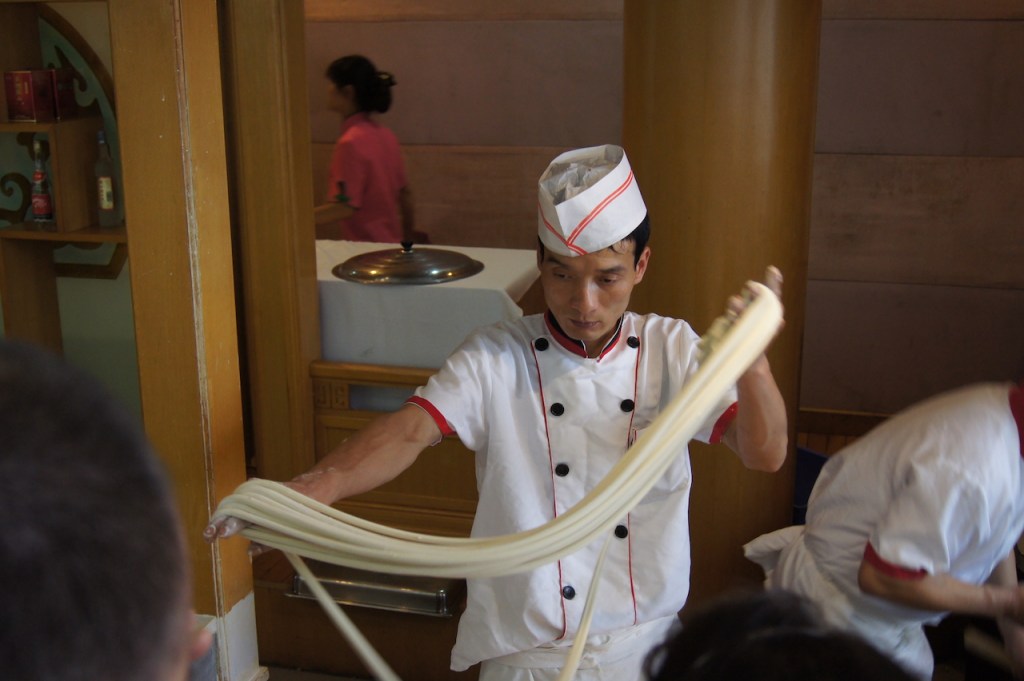
I’d fly through Seattle (spending a night there), and then I’d spend three nights in Beijing and another three in Xian (where the Terracotta Army is), before returning home. This was a small group of 15 – I was the only single traveler.
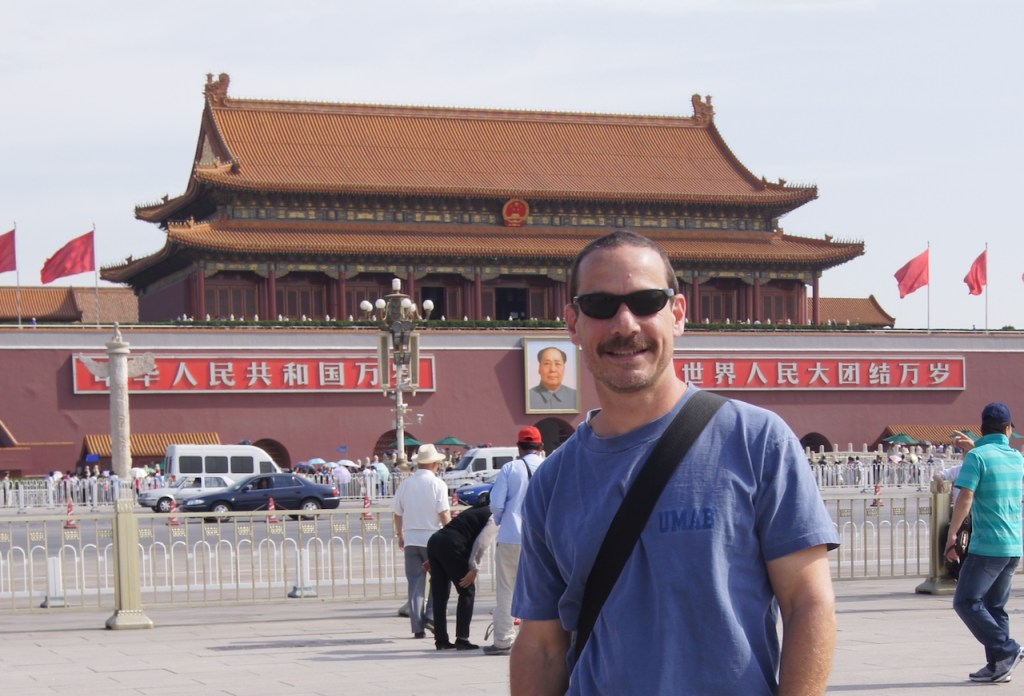
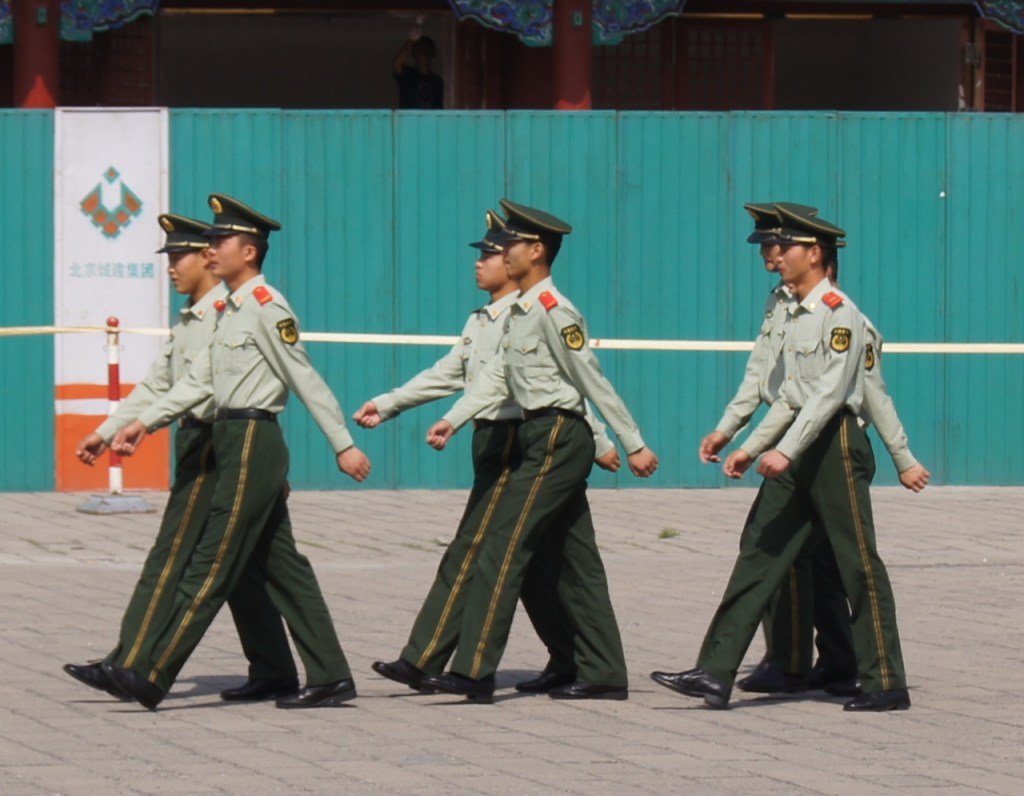
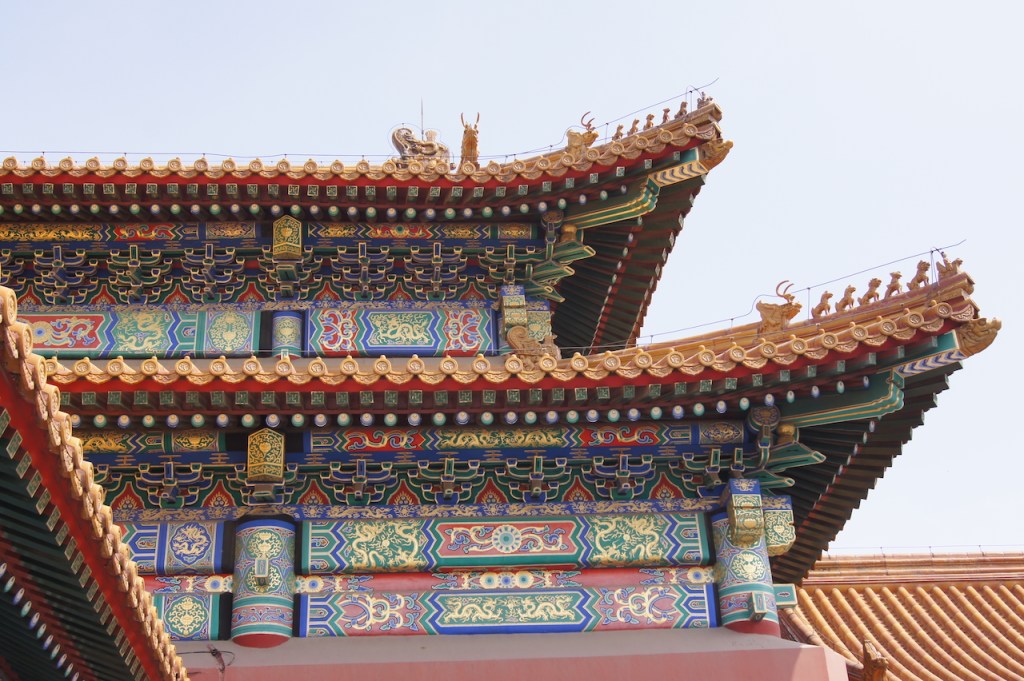
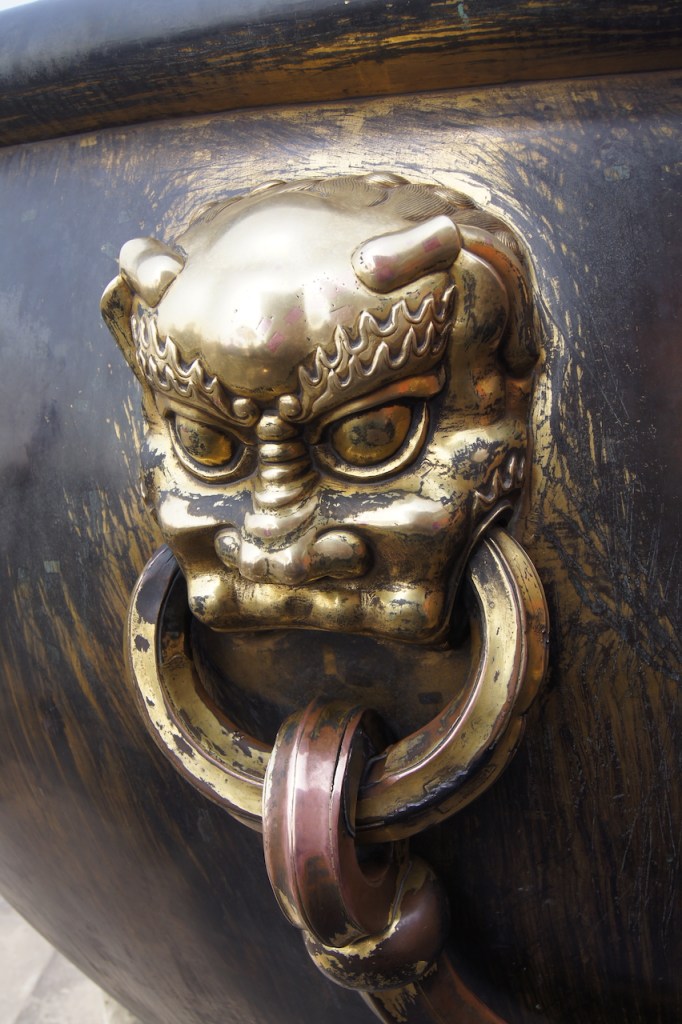
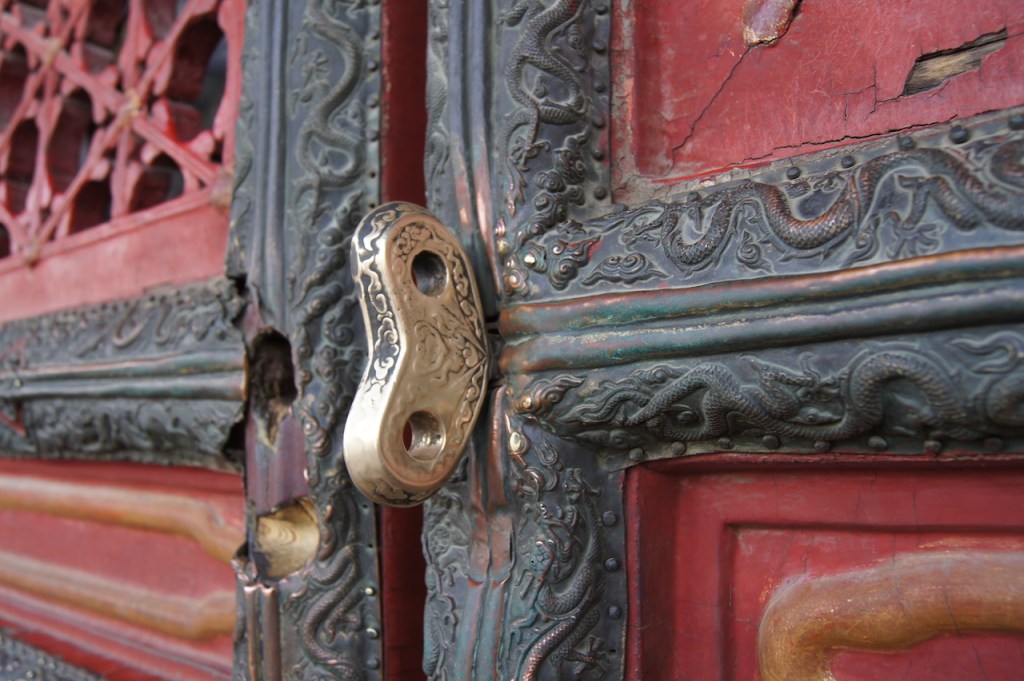
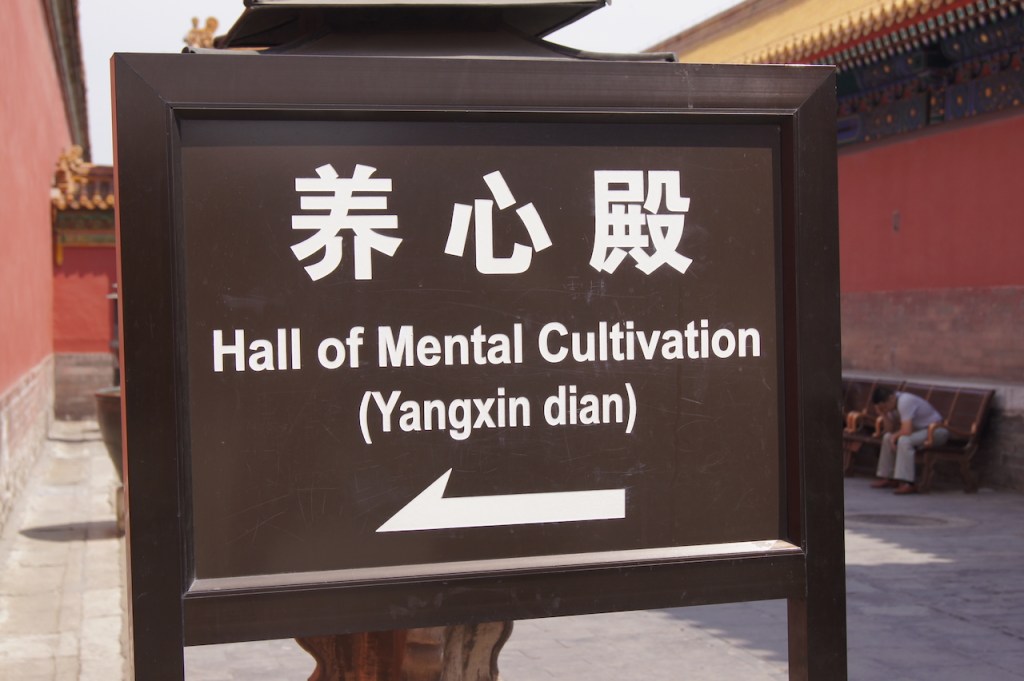
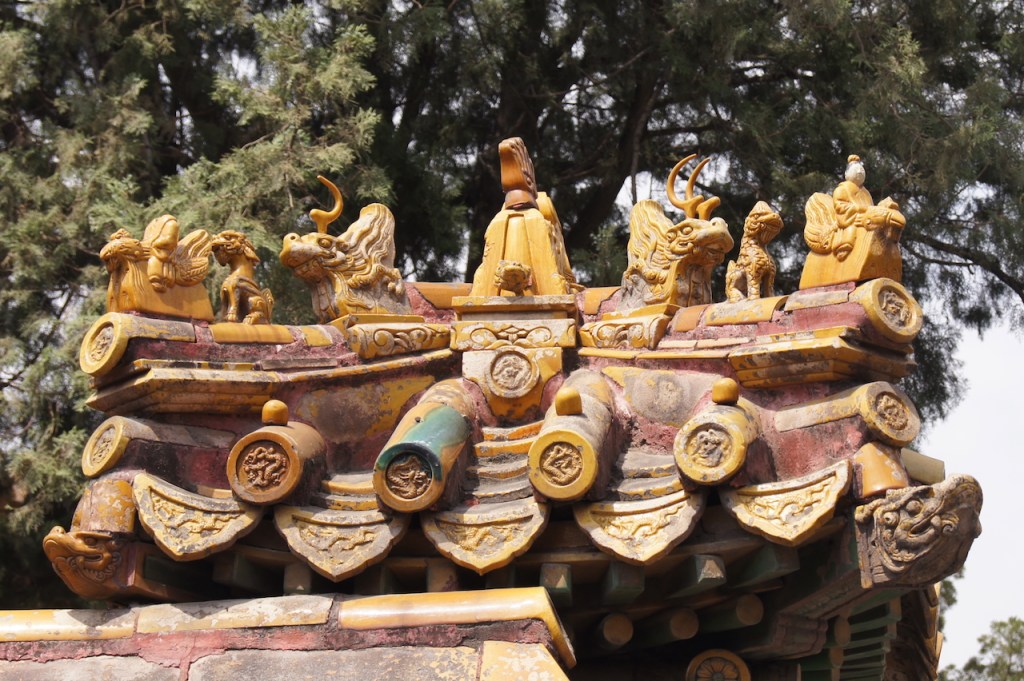
In Beijing, we got a chance to visit the Forbidden City, Tiananmen Square, Old Beijing, the Summer Palace, two facilities from the Olympics – the Bird’s Nest and Water Cube – the Temple of Heaven, Wangfujing Street, and pay a visit a Pearl Store, and see as Kung Fu Show. And, of course, we took a day trip to see the Great Wall (at Junogguan Pass).
[more text follows this photo gallery]


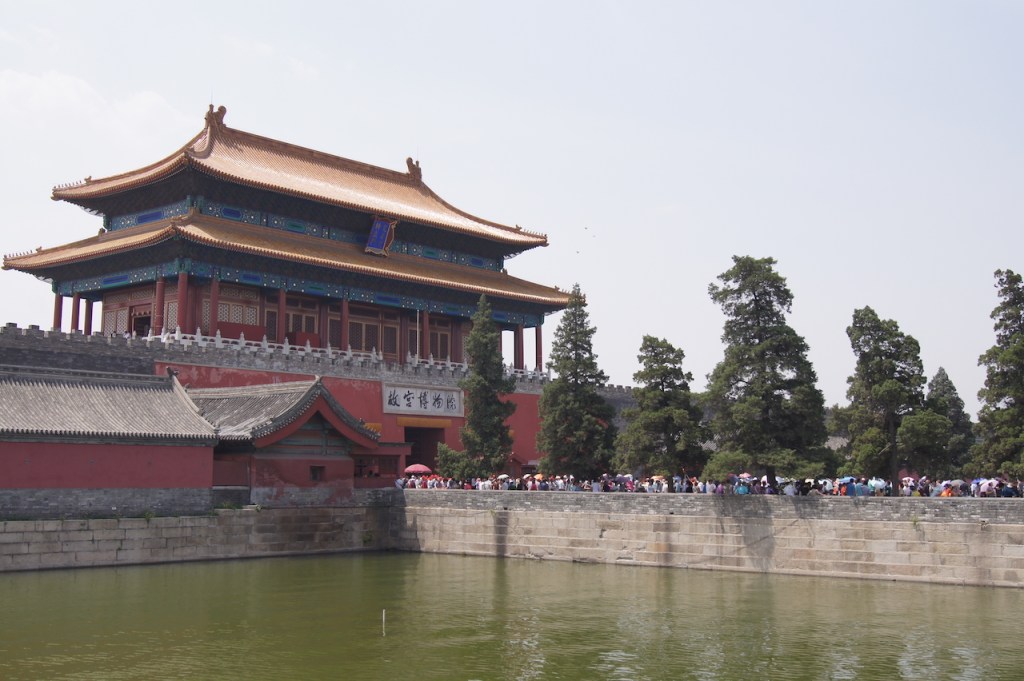

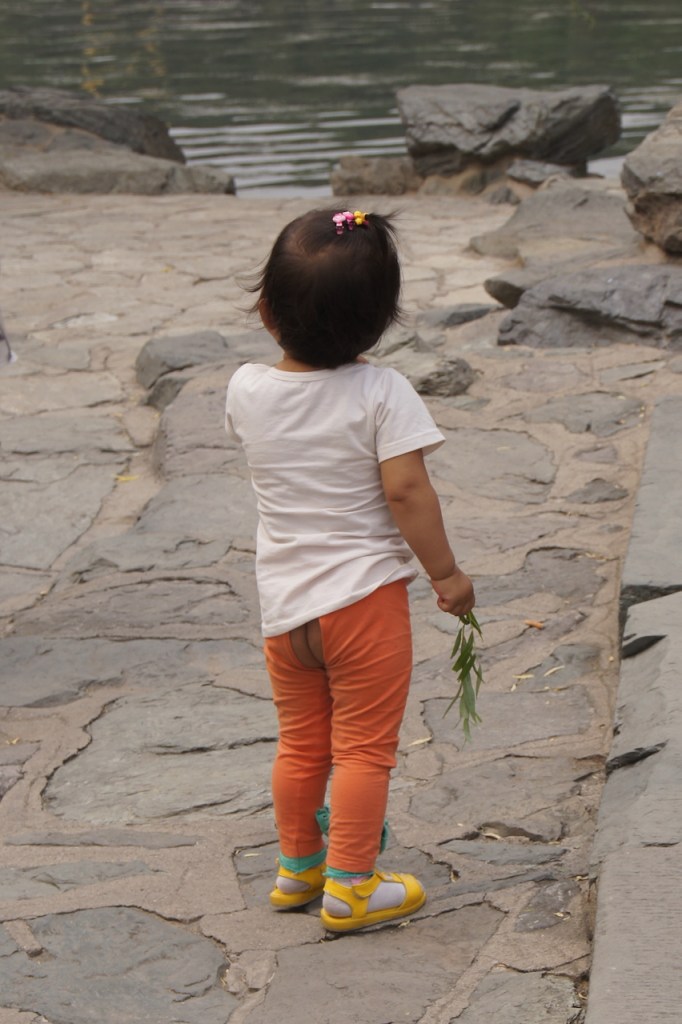
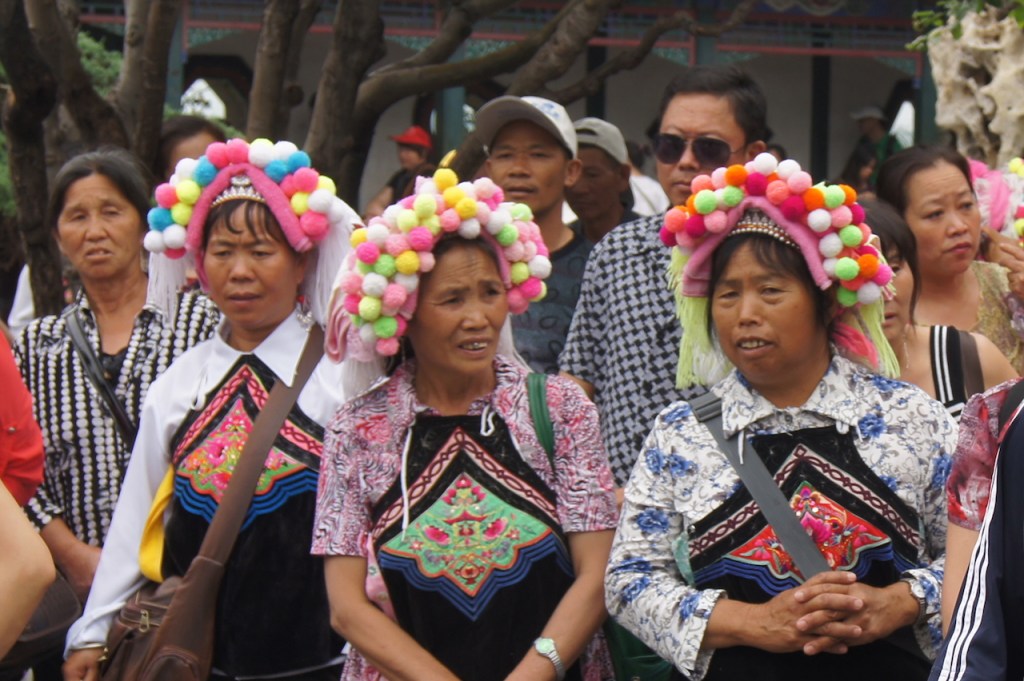
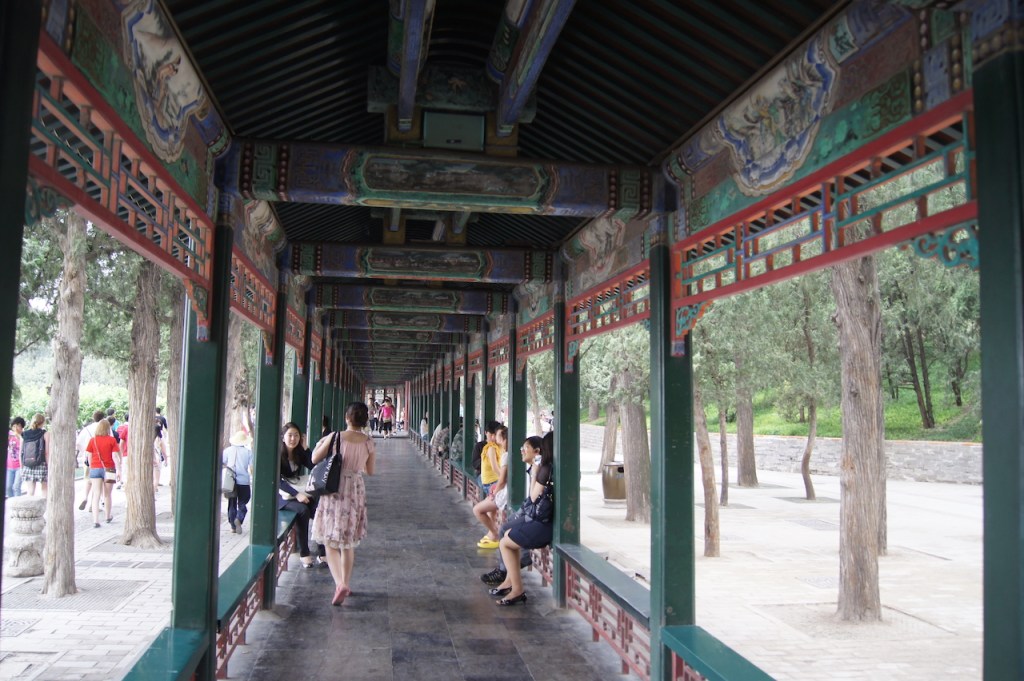
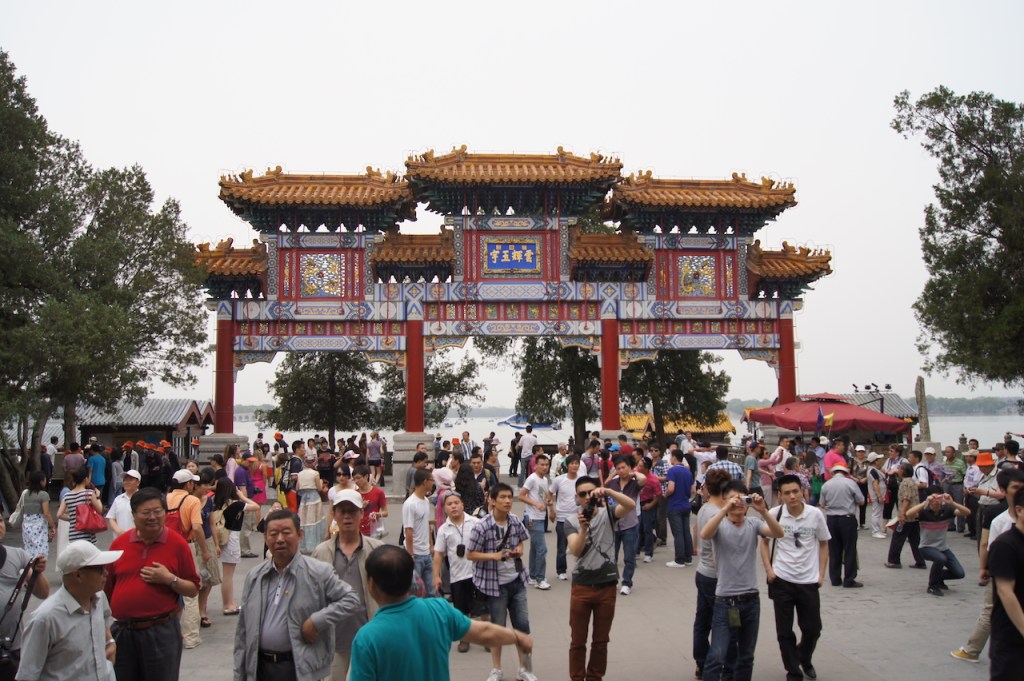
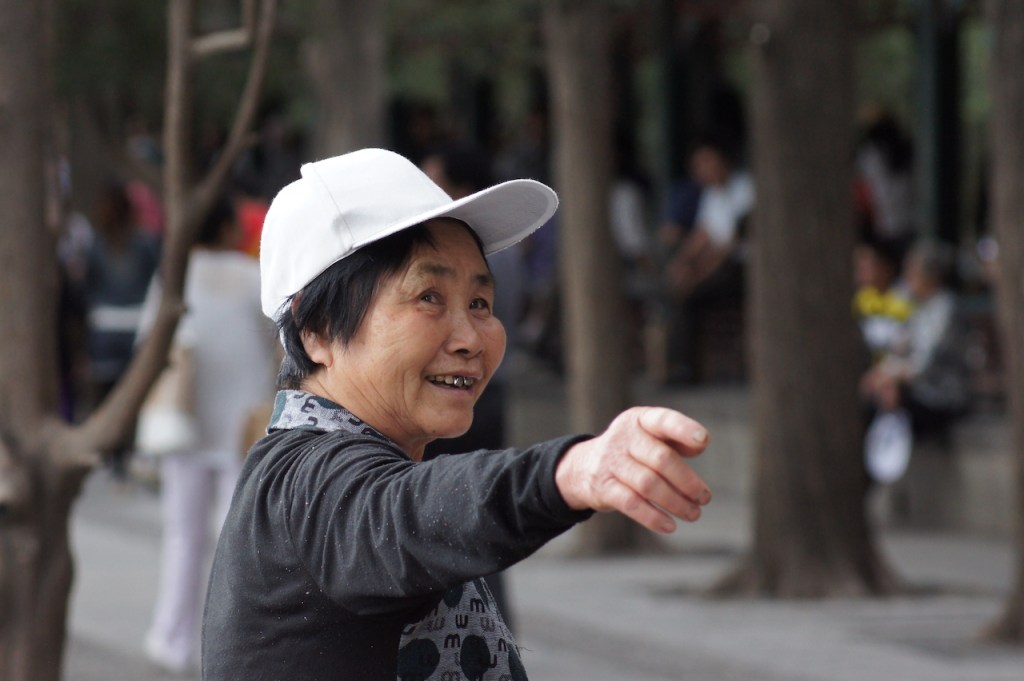
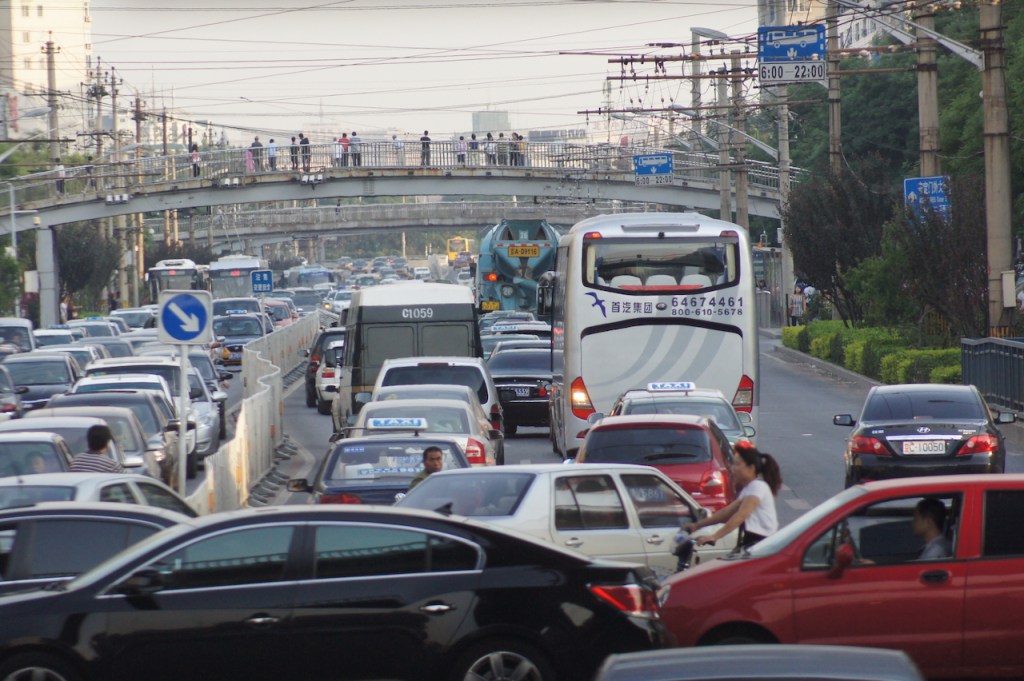

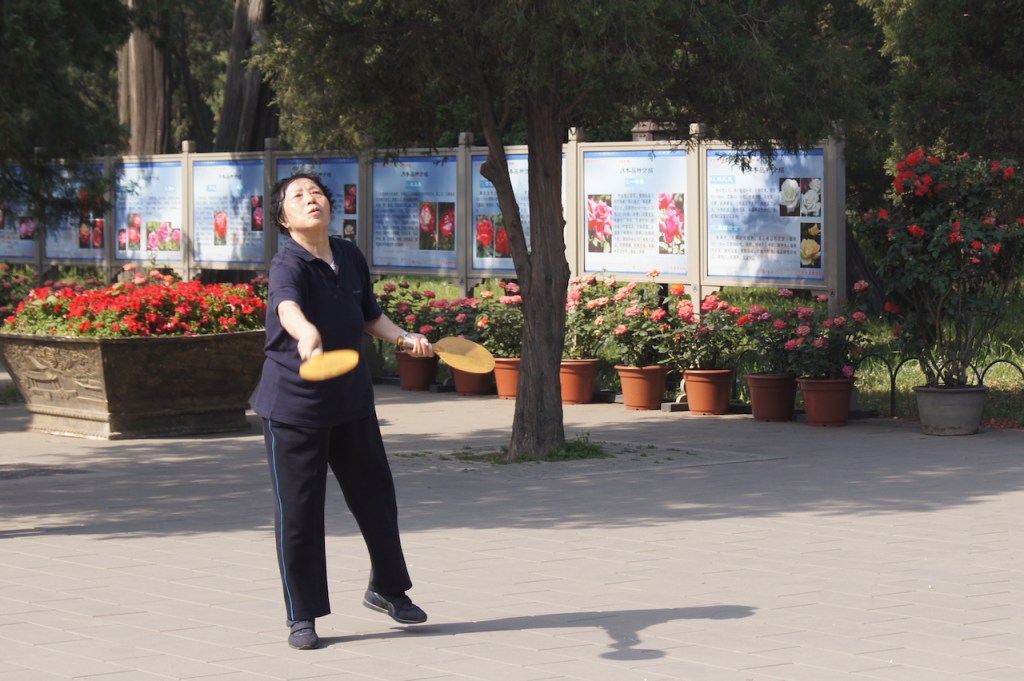

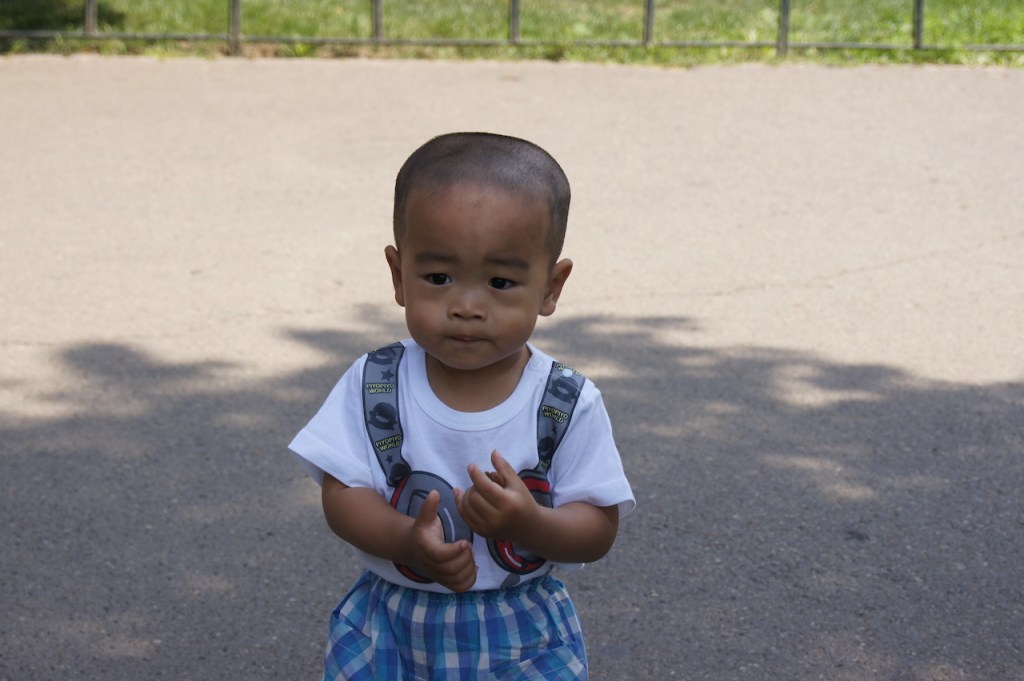

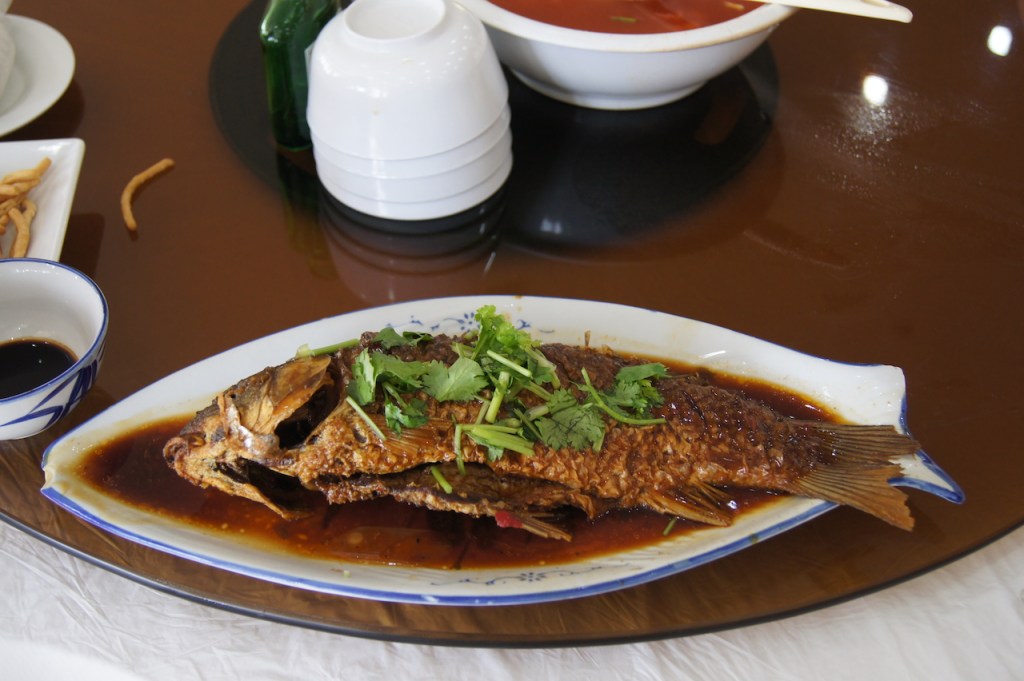


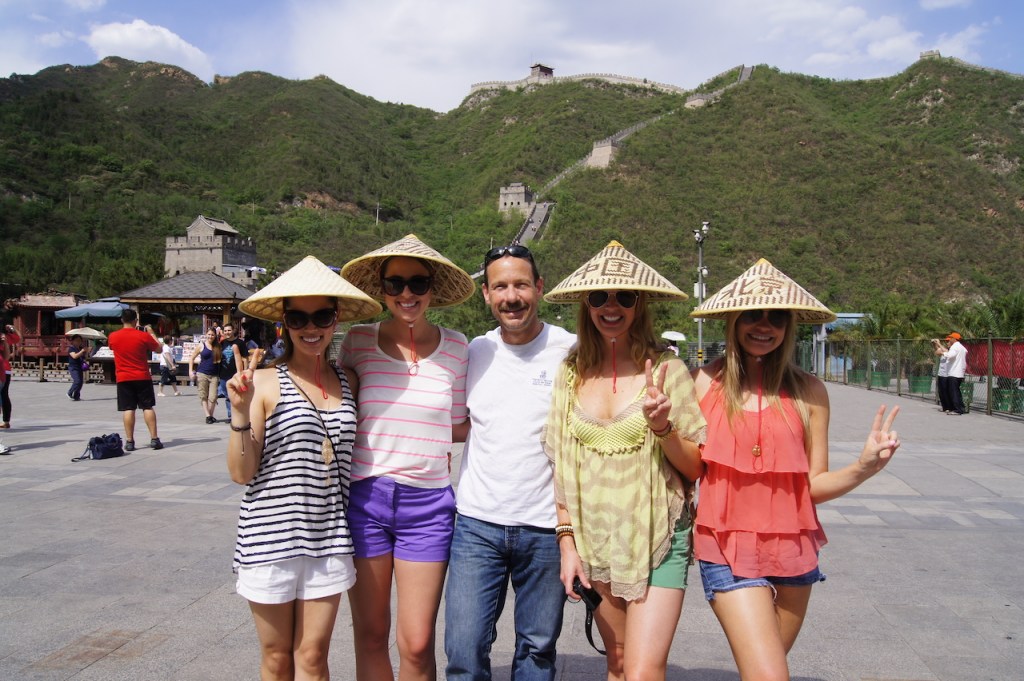
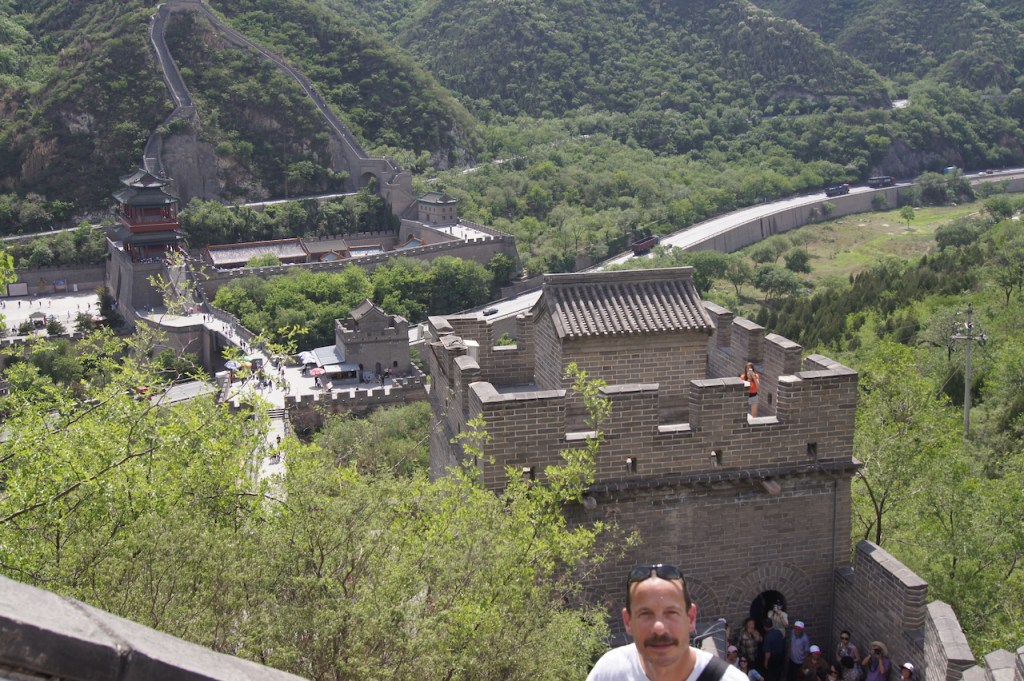
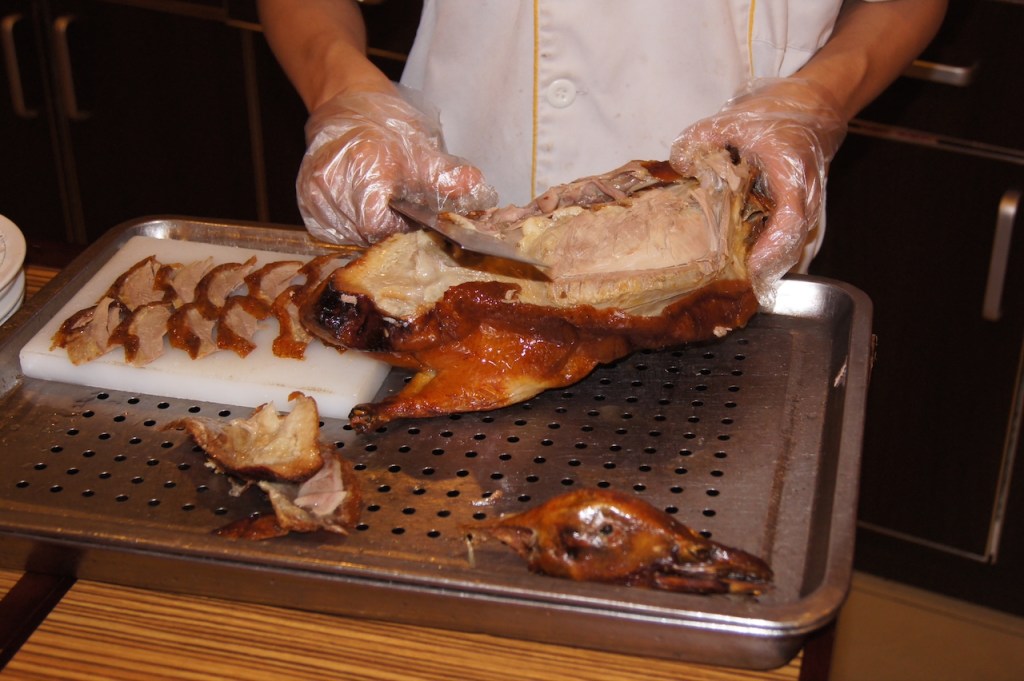
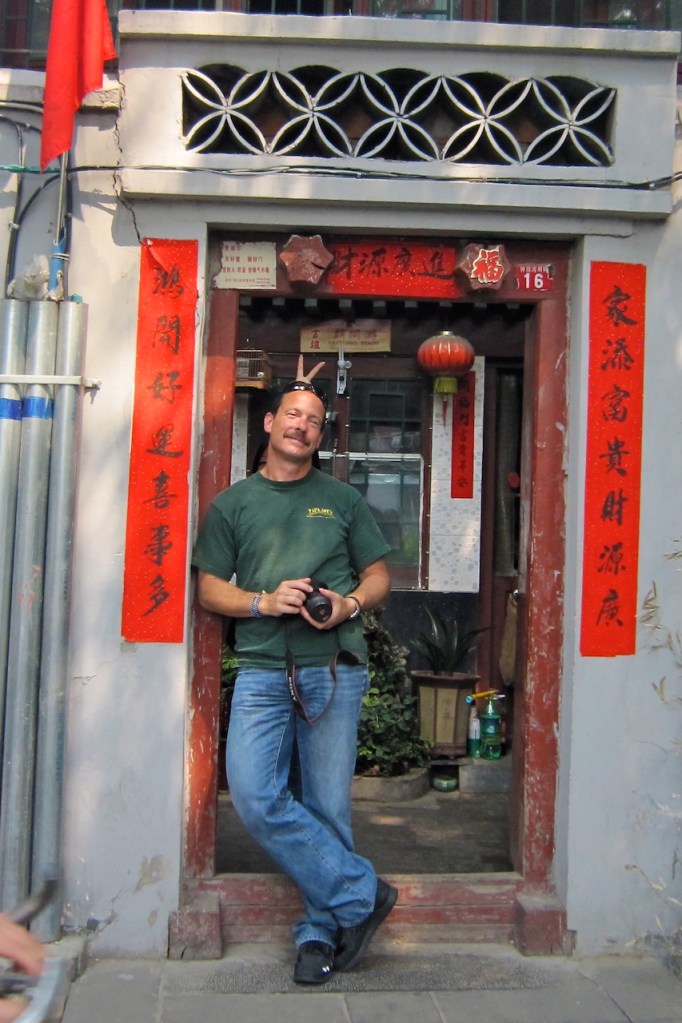
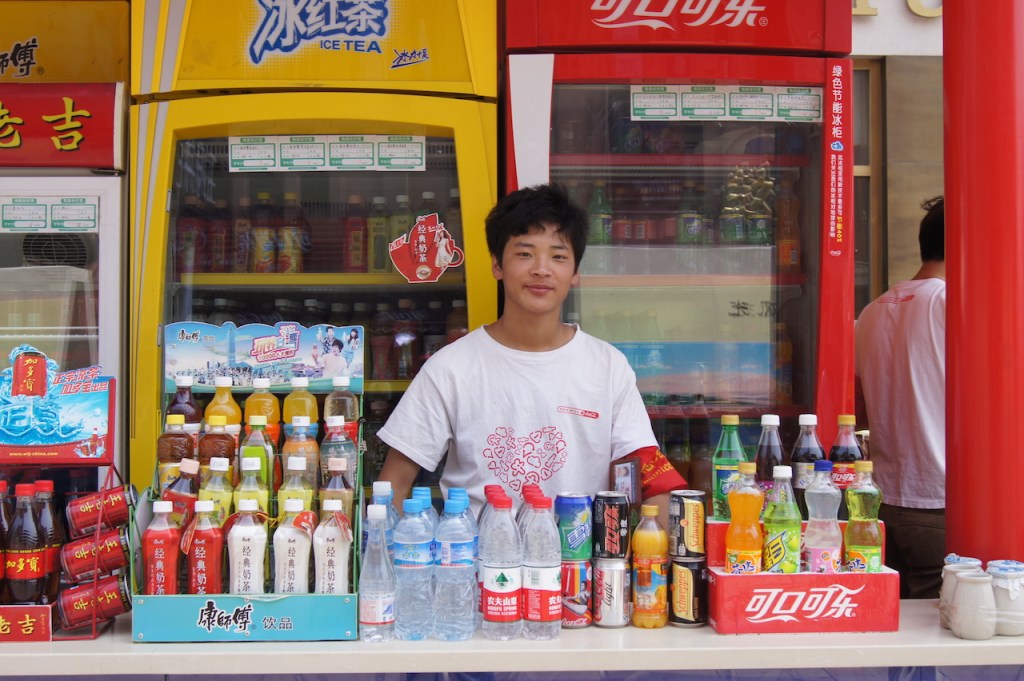
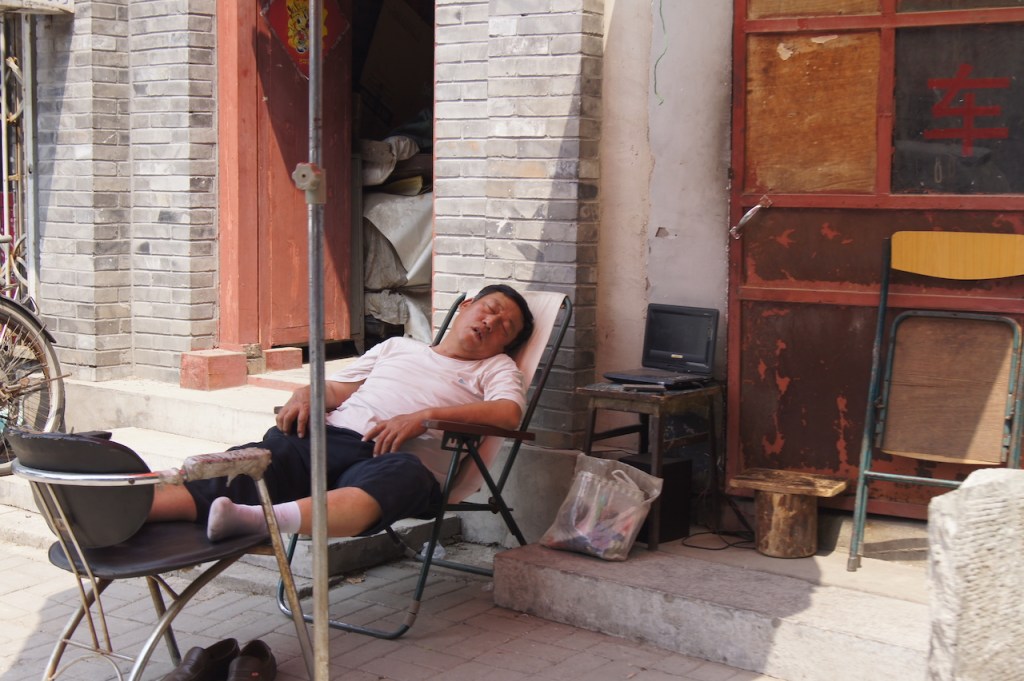
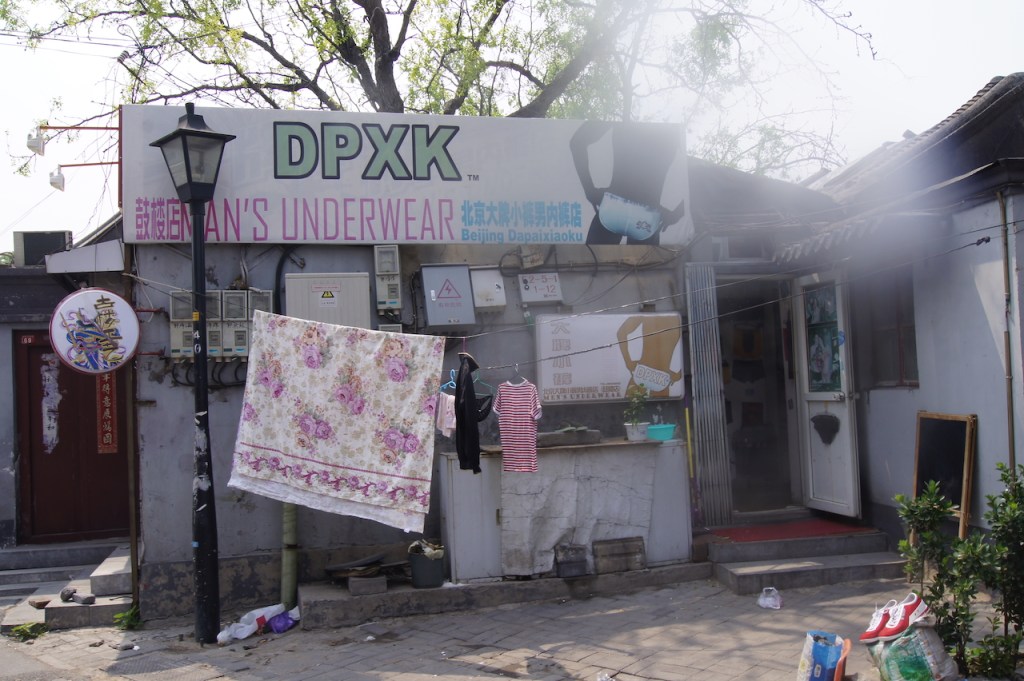
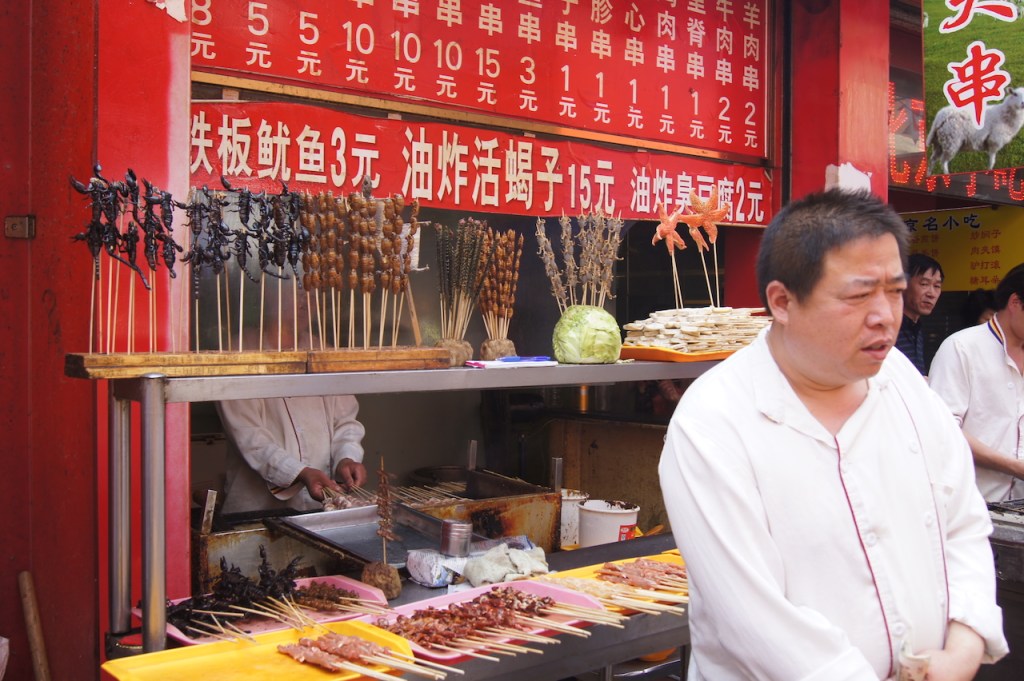
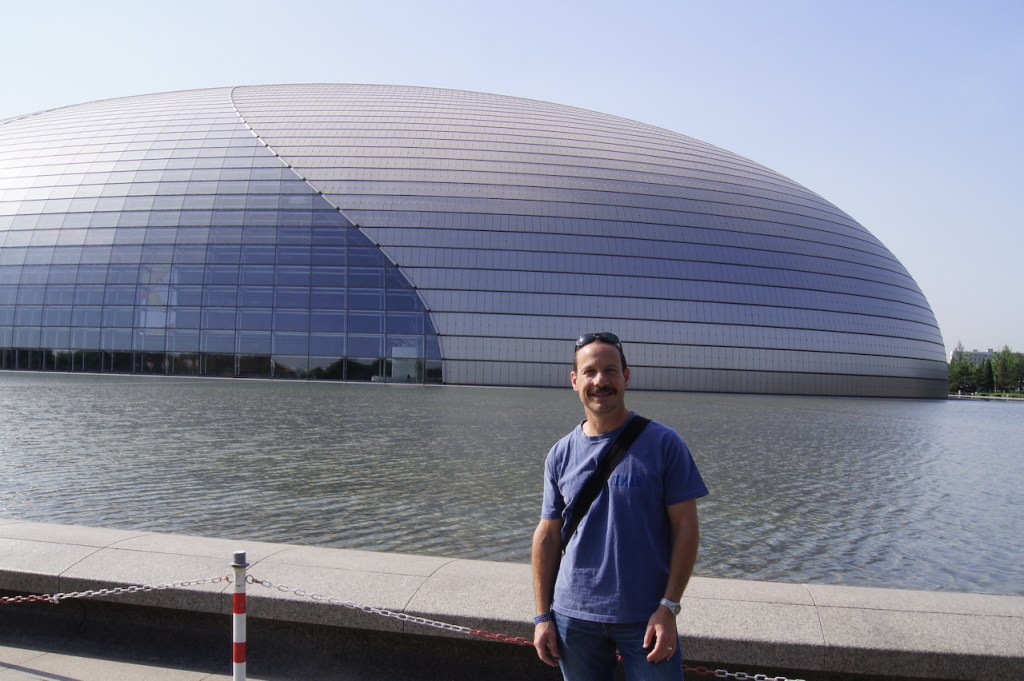

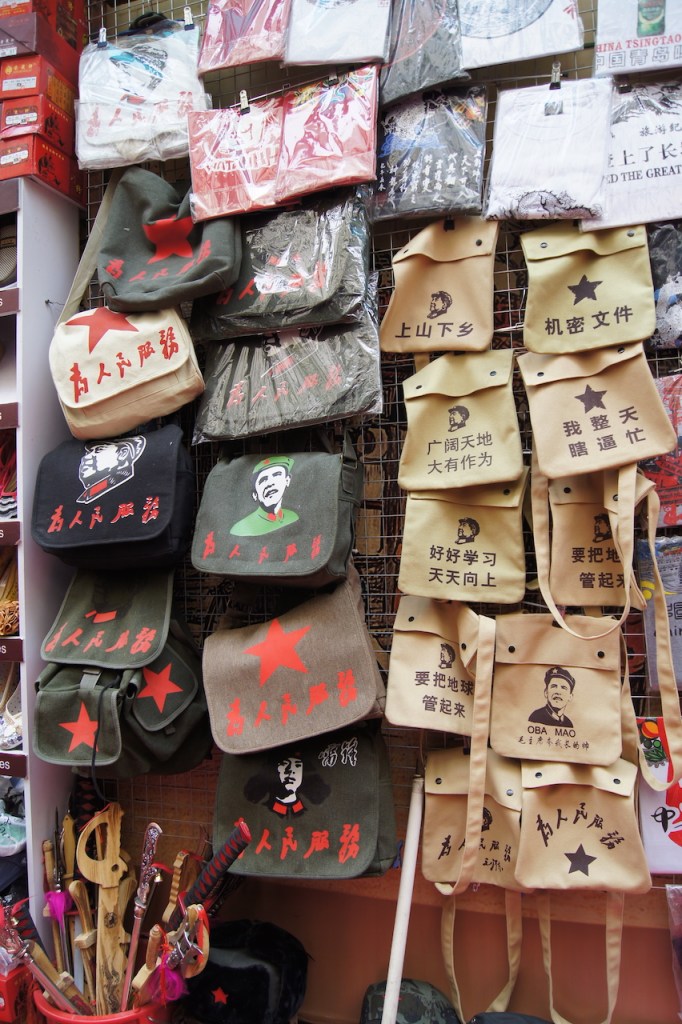
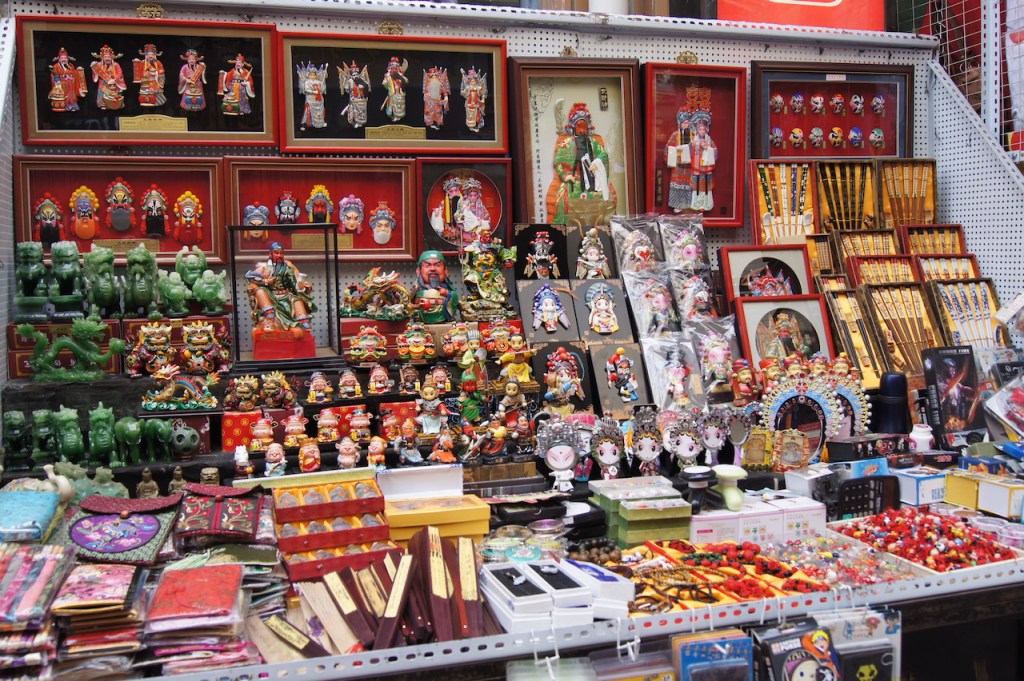
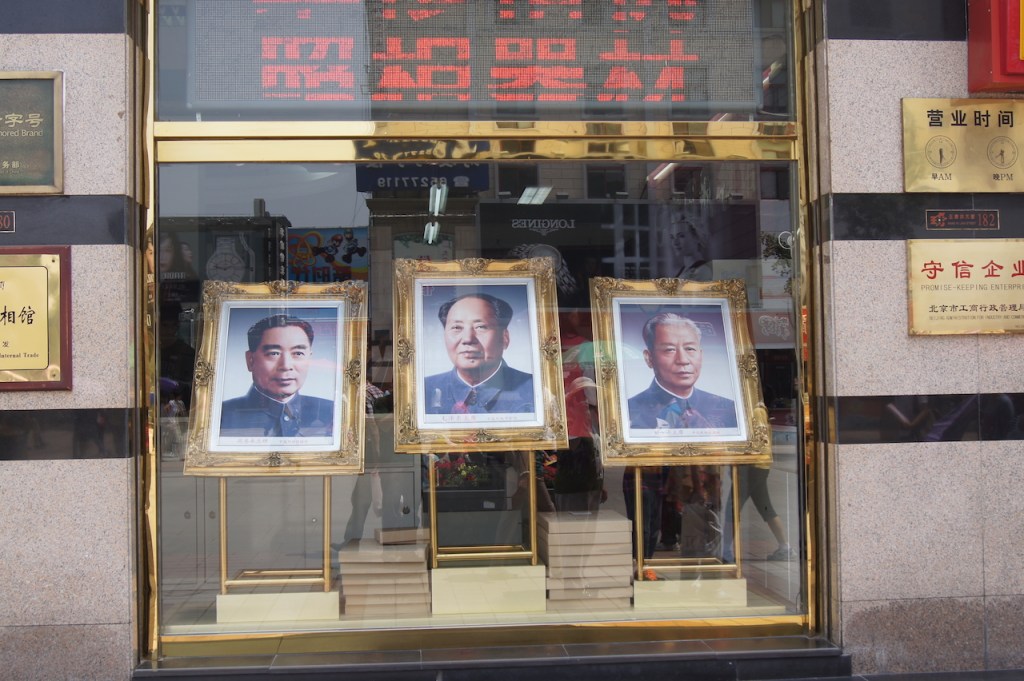
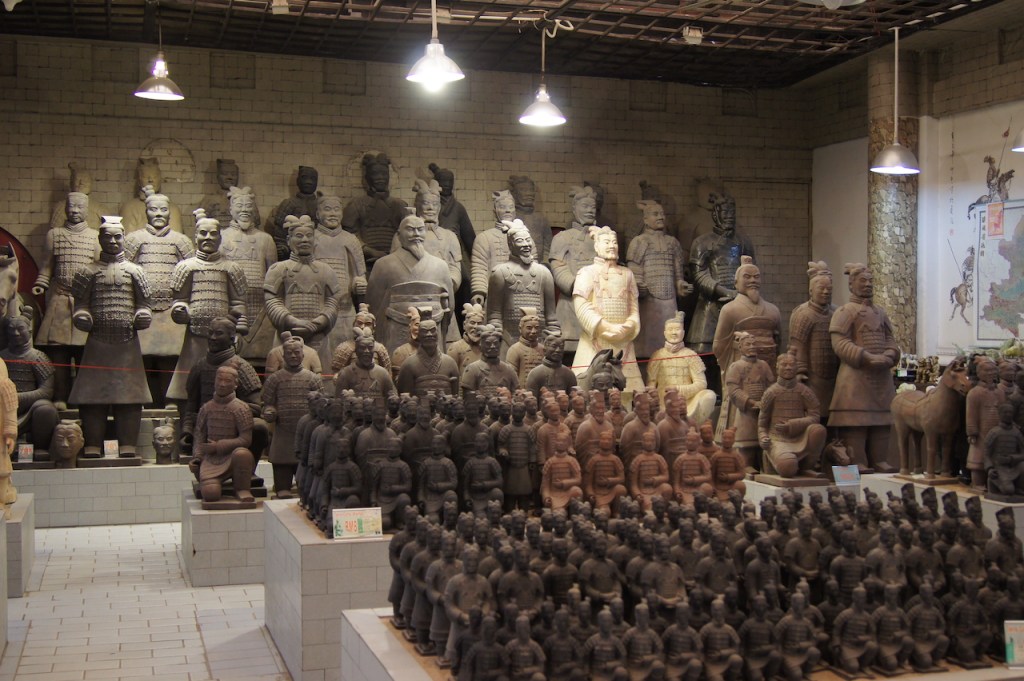
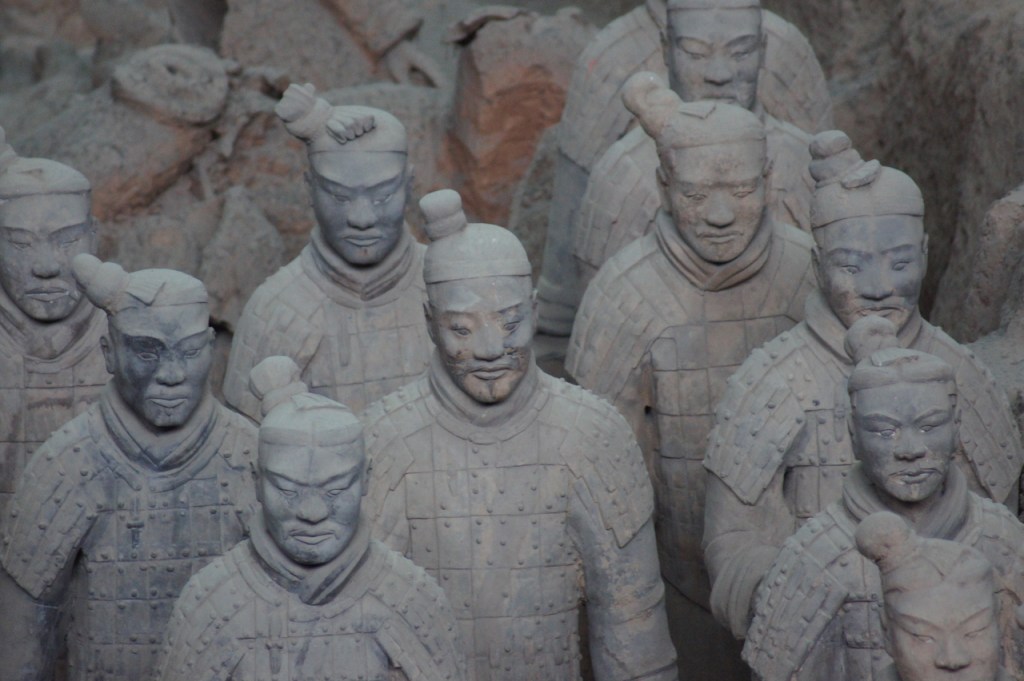
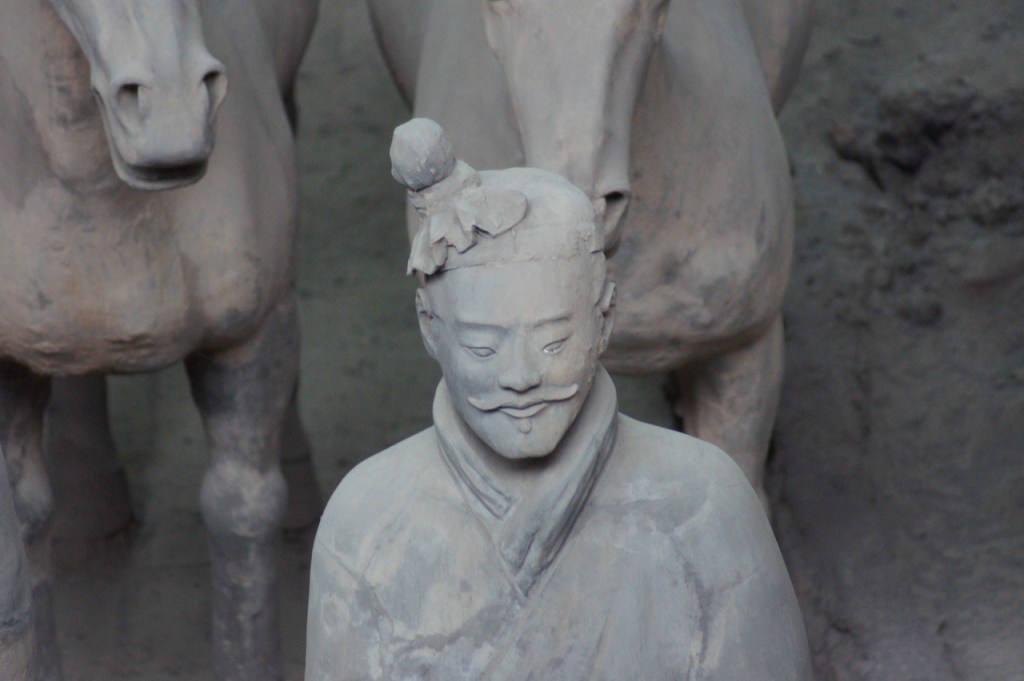
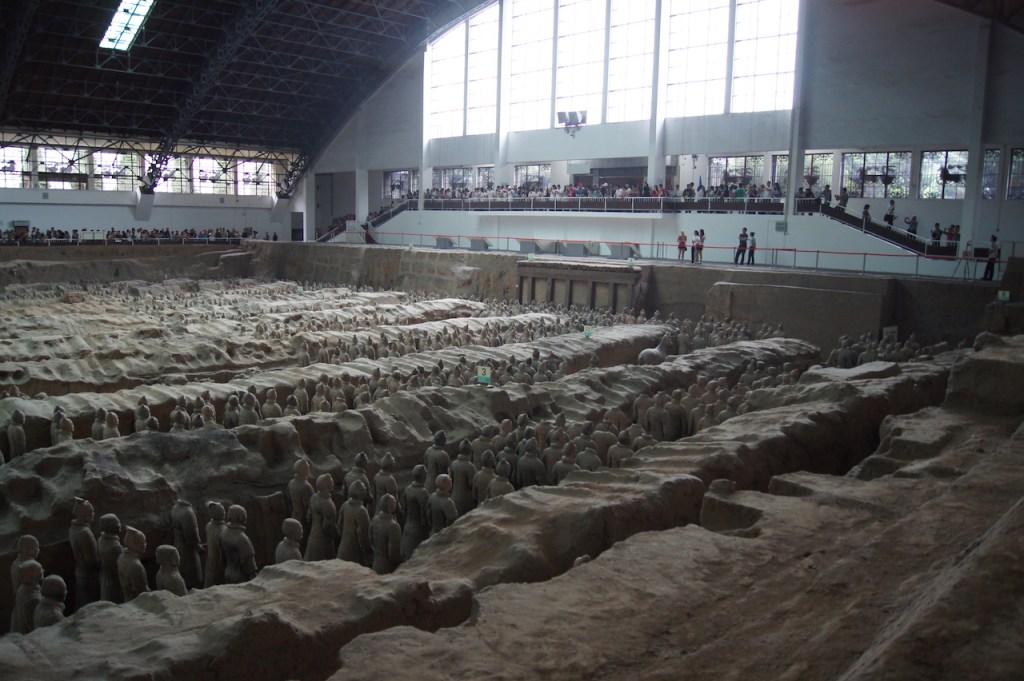
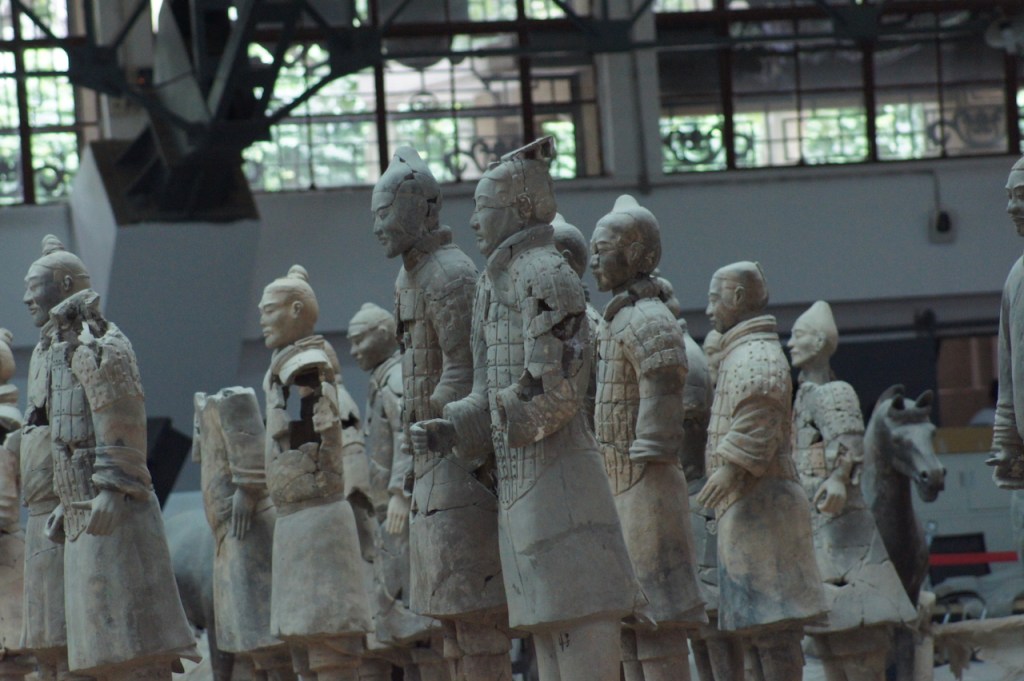
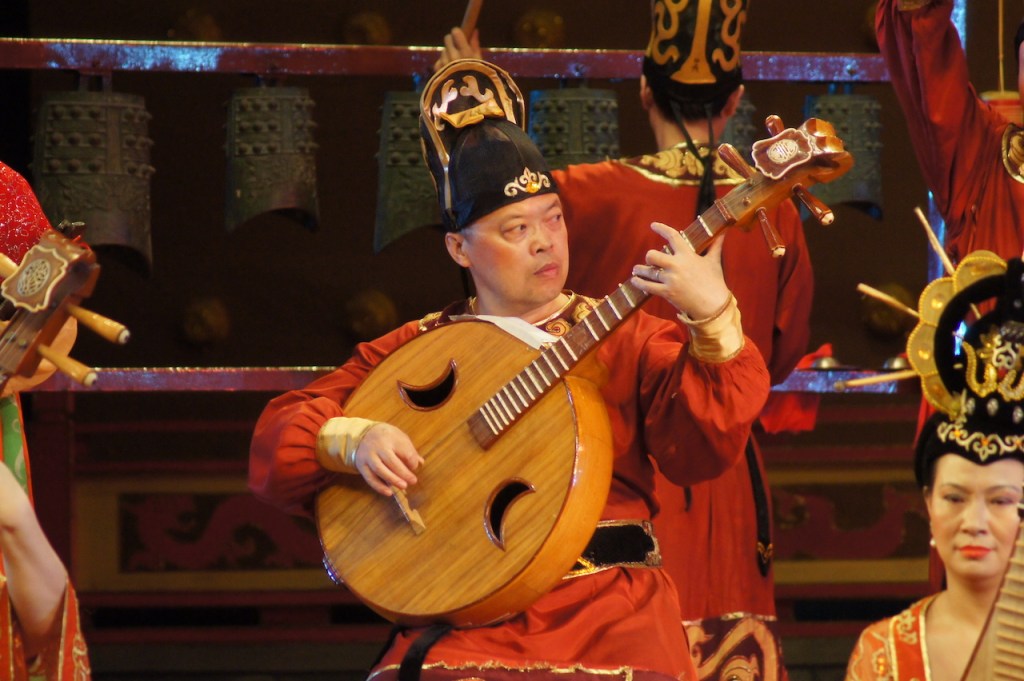
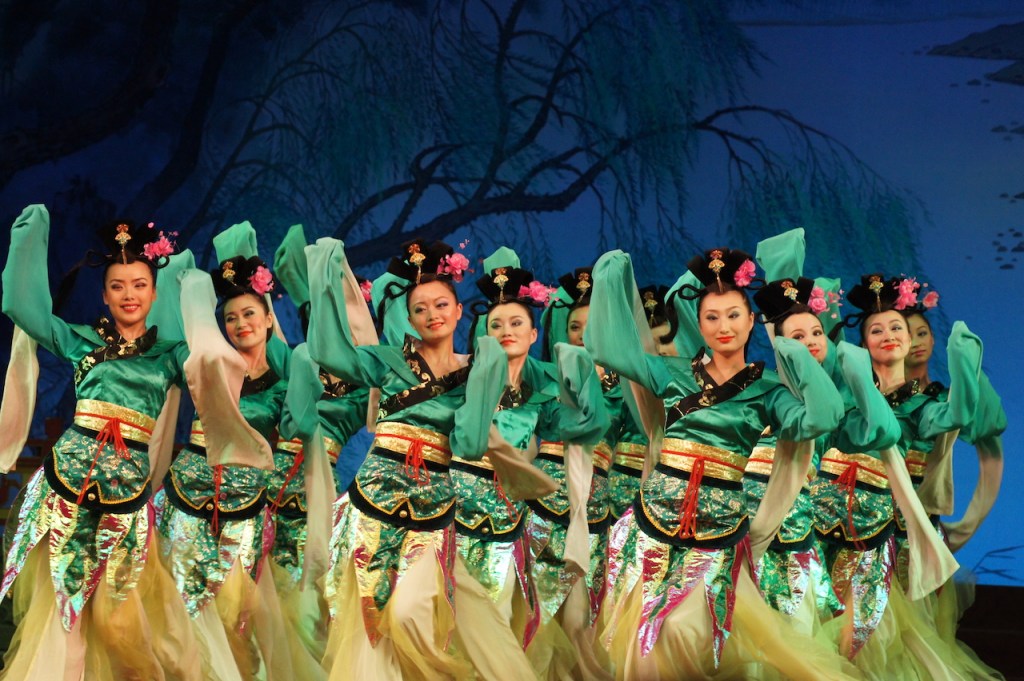
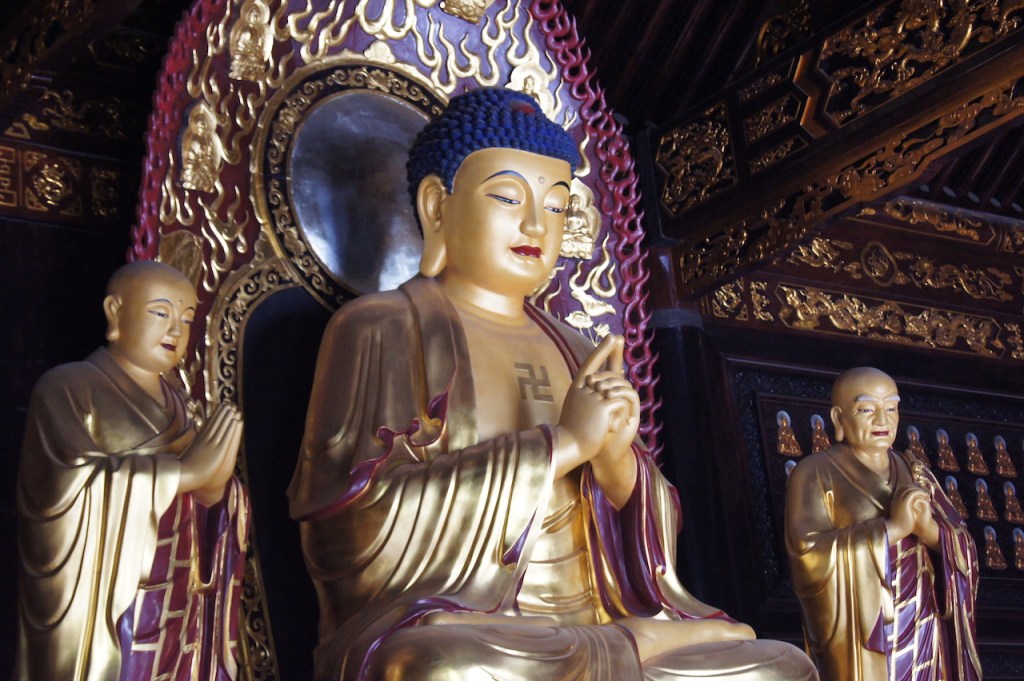
In Xian, we visited the Shaanxi Museum, the Big Wild Goose Pagoda (a highlight), Tang Paradise Park, the Qin Emperor Mausoleum, and a Tang Dynasty Dancing and Singing Show. And – of course – the Terracotta Army. From an email I wrote home the next morning:
“What’s overwhelming is many-fold – the scale for one: while we only saw 1,000 or so soldiers – and that sight alone was mind-blowing – scientists think that there are anywhere from 6,000 – 8,000 warriors overall, not including the horses and chariots. Then the fact that all the faces are different – that they may be images of real people – that someone made the choice to make them that way and not go the easy way out and make them all the same. That the whole complex had to be planned, designed, architected, engineered, built, with people in all those roles, and that everything needed to make them also had to be built – kilns, pits to make the terra cotta, living quarters, kitchens. That huge numbers of workers had made each and every soldier and put them in place, that those workers were probably treated terribly (mass graves have been found that are suspected to be worker graves). And, as I was taking pictures, I had to remind myself to step back away from the camera and periodically take the whole view in. I spent my hour walking around the whole viewing platform, as I think most people do.”
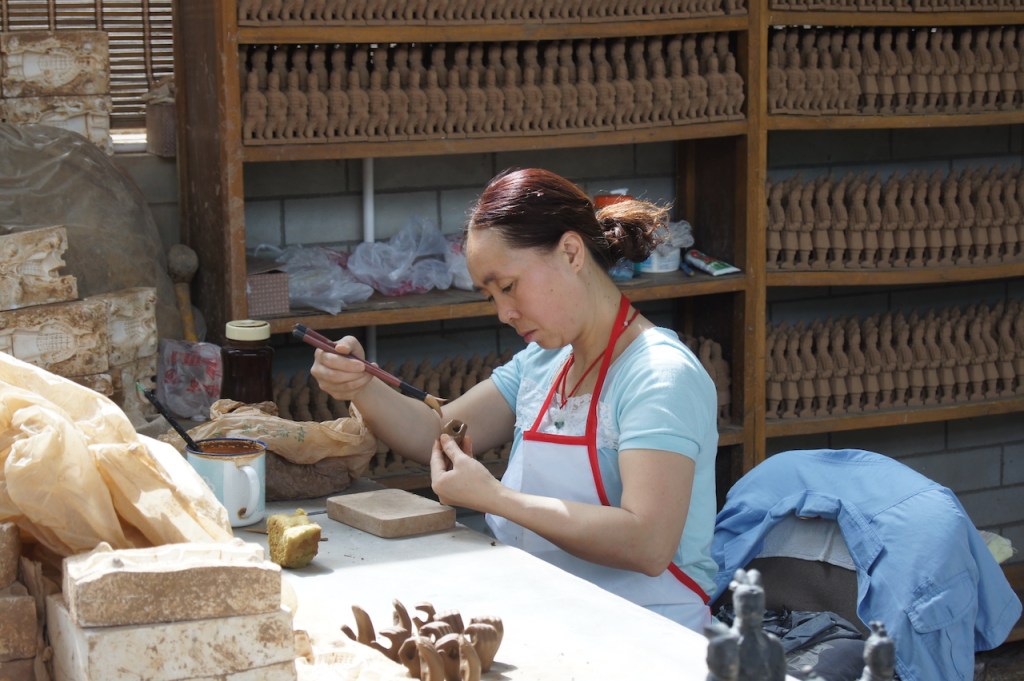



I wrote emails home almost daily, but rather than bore you with all those details, I’ll leave this excerpt here from my last night in Xian.
“A random drunk Chinese woman woke me up at 5 a.m. knocking on my door. Who knows how long she was knocking before I got out of bed, but when I approached the door I used the keyhole to see who it was. She spoke Chinese initially, when I asked who was there, she realized I only spoke English. Insisting she was at the right room, she said she’d never see me again if I didn’t open the door, told me she wasn’t feeling well, walked away from the door at one point, then came back and knocked again. When I threatened to call security, she finally left.”
Overall, this was a wonderful experience, and I’d love to return to China – both to see more of the country and to return to the Terracotta Army to see how much more they’ve uncovered.
 Fred's Travel Blog