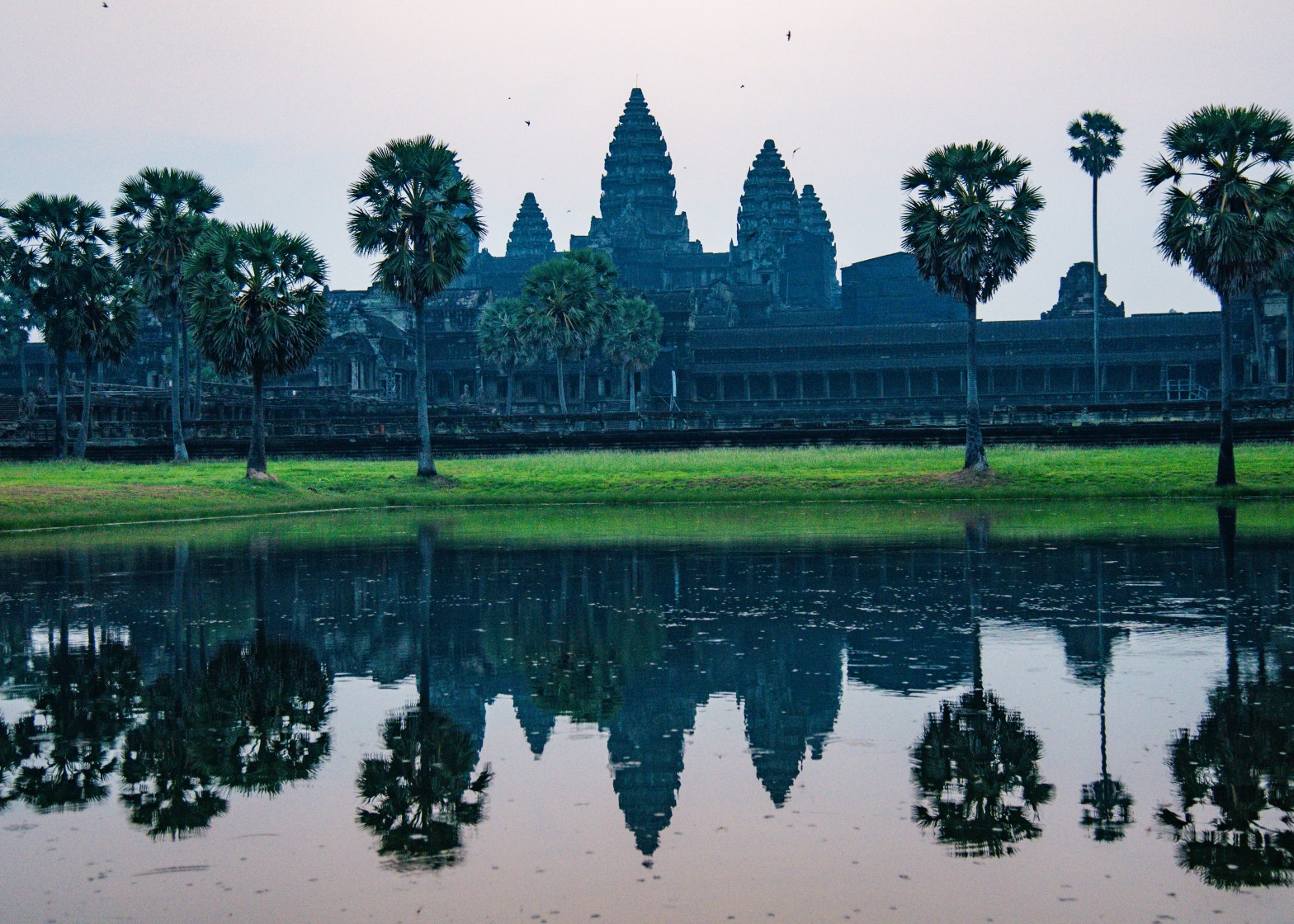
Cambodia. We arrived here on April 10th, and we spent that afternoon, all of the following day, and the morning of the third day exploring the temples in and around Siam Reap.
It’s a country of about 17m people; before Pol Pot’s “cultural revolution” and the killing fields (I re-watched the film on the flight over), it had a population of about 7m and by 1975 that had been reduced to 4m, with 2m of the dead coming directly from Pol Pot’s reign of terror. Today, about 50% of the population is below the age of 18. You can feel the youth.
Our guide believes he was born between 1975 and 1979 – he has no birth certificate. His early years were spent in a camp, and a woman who claimed to be his grandmother grabbed him out of it. He knows who his birth father is (a Cambodian), but not his birth mother (he suspects she was Chinese, tho he does not want to take a DNA test), and he doesn’t truly believe that the woman who claimed him was his grandmother, as our guide said he is the only dark-skinned member of “his” family. When the revolution ended, he was allowed to pick his name but his birthdate was assigned to him. In school, he got to choose the language he wanted to learn, and he chose English, as he liked the way it sounded. He said his generation is the last one to have arranged marriages, though that still probably exists among the hill tribes. His military service was mandatory – saying that he was essentially kidnapped.

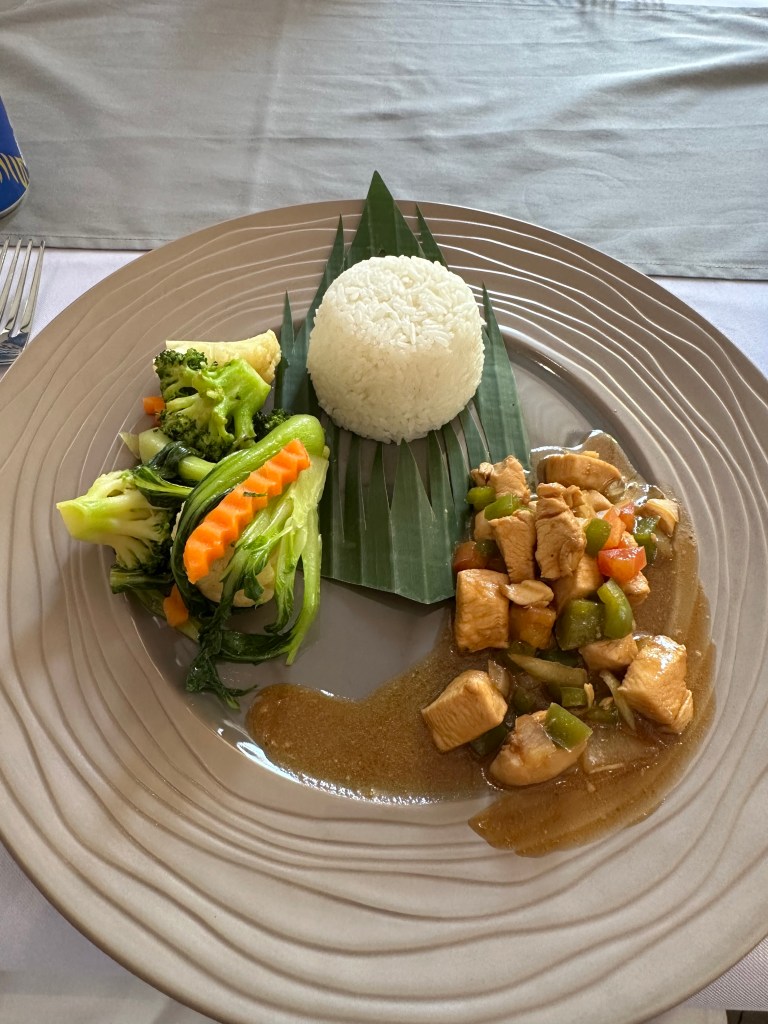

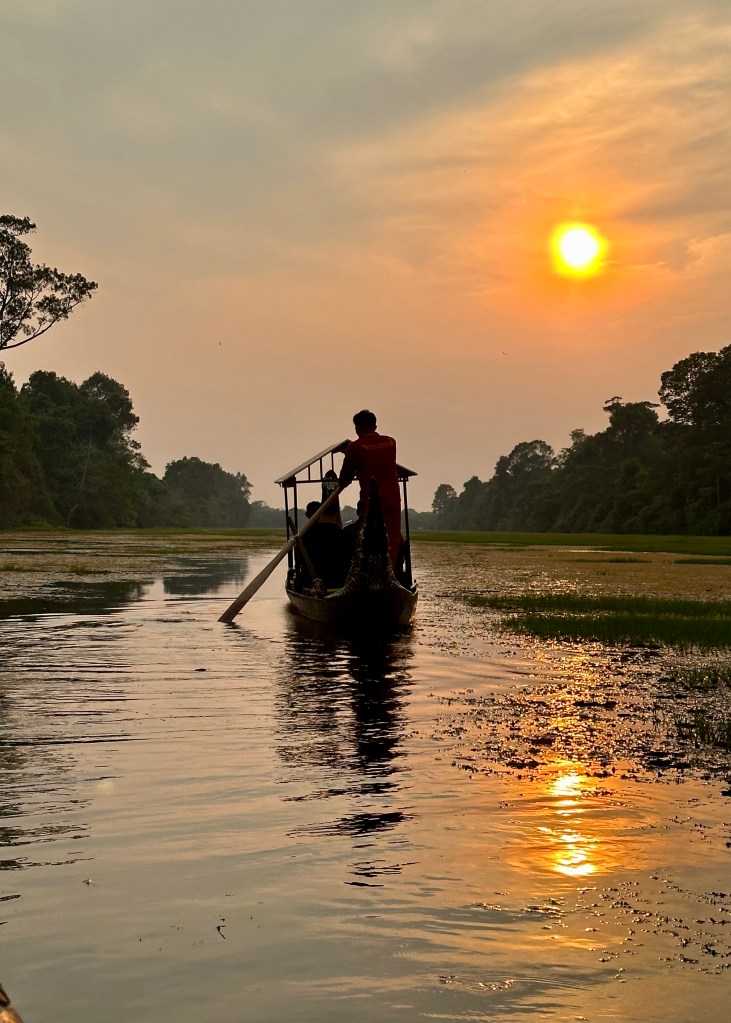
He has been a guide for more than 20 years, and told us stories of the early years, when he had to leave Cambodia to pick-up his groups in another country, strap US dollars on his body to bring money in (there were no ATMs) to pay for food, and transportation, and hotels, and travel 17 hours with his groups by un-air-conditioned pick-up trucks to cover 100 miles, since the roads were in such bad condition.
We spent our time in-and-around Siam Reap, which is nearby all of the Angkor temples, including the most famous, Angkor Wat. Angkor means “kingdom” or “city,” and it was the capital of the ancient Khmer Empire, which flourished from the 9th to 15th centuries. At its height, it’s estimated that it hosted as many as 1m people. The numerous temples that are nearby usually were built by a king to honor . . . himself!
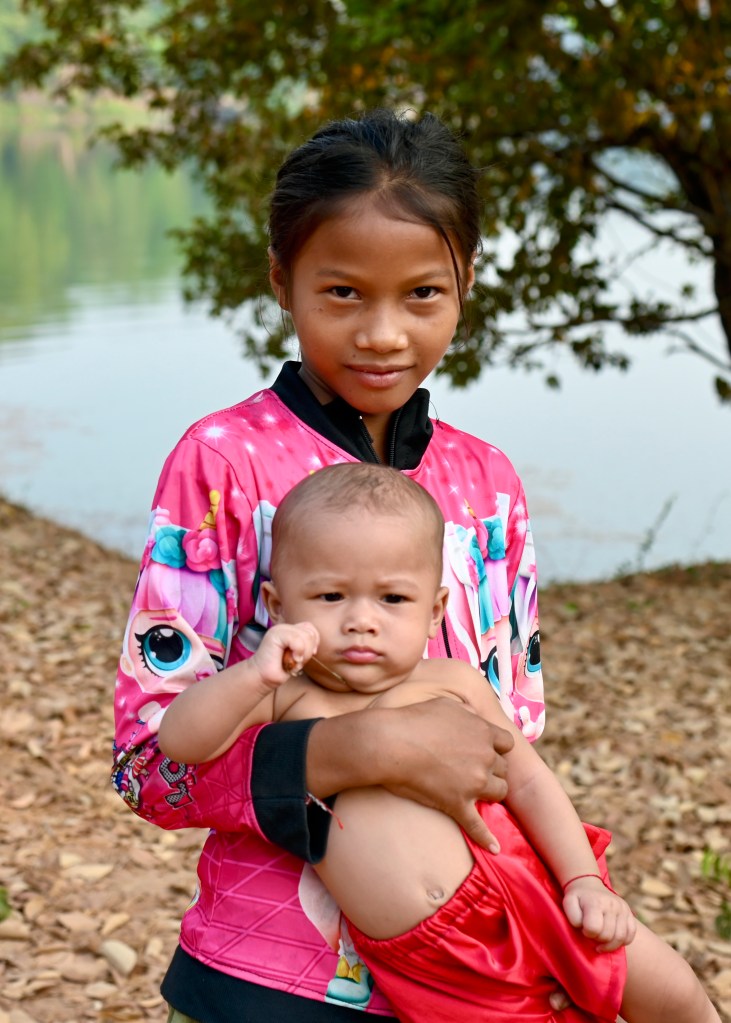
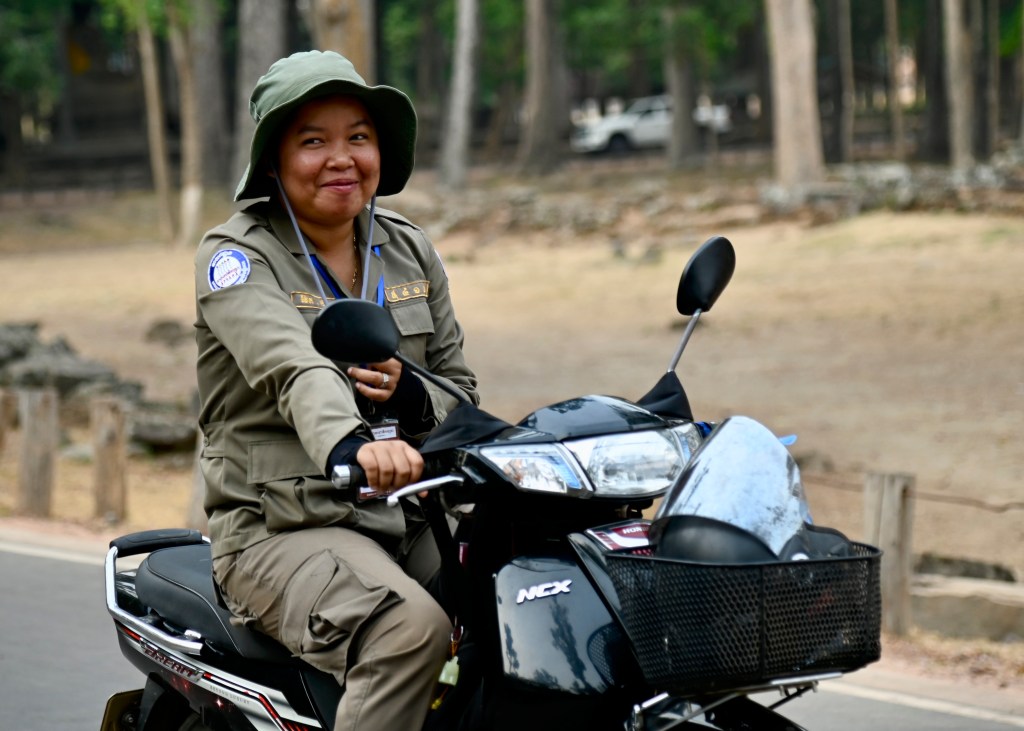
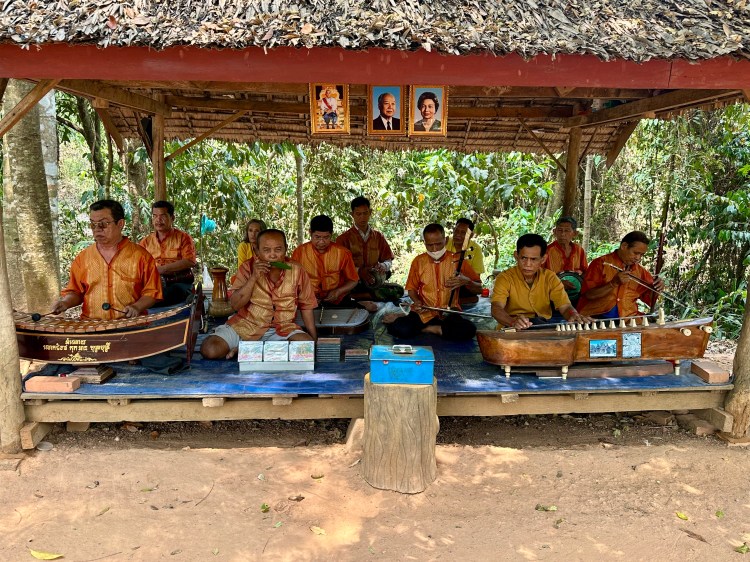
Siam Reap itself is the second largest city in the country, with about 250,000 people; Phnom Penh, the capital (which we did not visit), is the largest at about 2.3m. Of course, Cambodia was terribly bombed during the Vietnam War and today there are still 3m-4m unexploded bombs, which still kill and maim people, children especially. Today they claim 3-4 individuals per month, a tragedy, but much lower than in the past when it was 6-8 people per day. Clearing them is very time consuming and terribly expensive – around $350 for each cluster bomb, with larger bombs being more expensive to clear. We listened, outside one of the temples we visited, to a band made up of adults who had been injured – blinded, missing limbs – by unexploded ordinance (“UXO”).
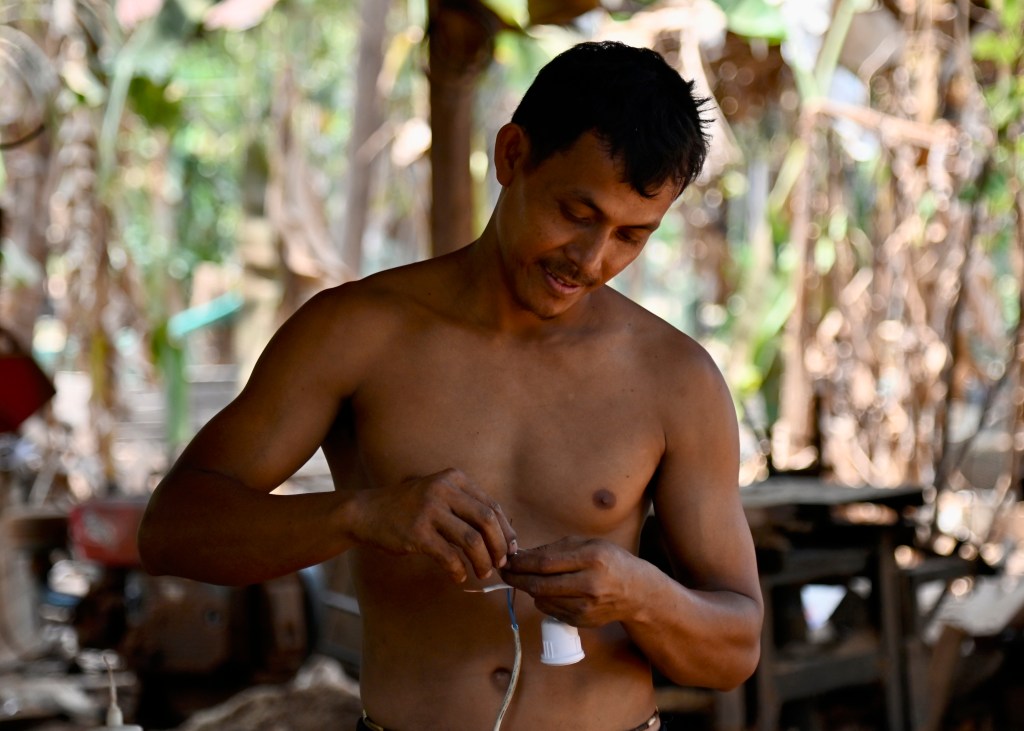
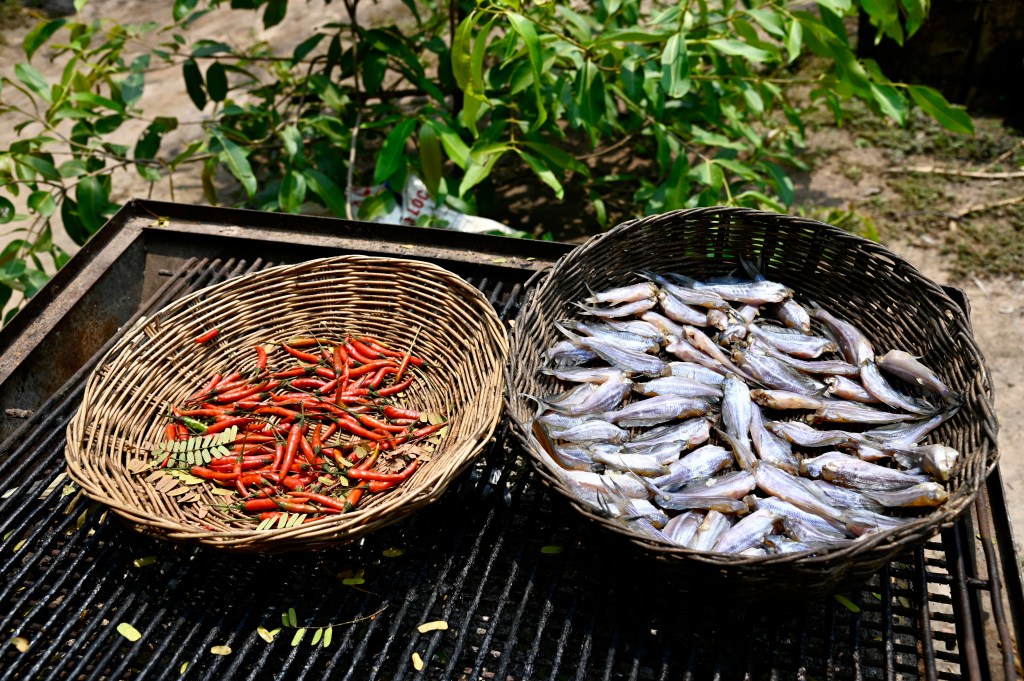
One of the other local issues faced by the people near Siam Reap is the lack of clean water and plumbing, even as close as 10km to the city center. That means no running water and no indoor bathrooms, which leads to disease among children and families. There are a number of non-profits focused on addressing that issue, and we visited one family that is getting relief from a NPO that provides wells, pumps, and filters to about 1,500 families; this one now has a well from which they extract clean water that they use for agriculture and cleaning, and which they then filter for drinking and cooking.
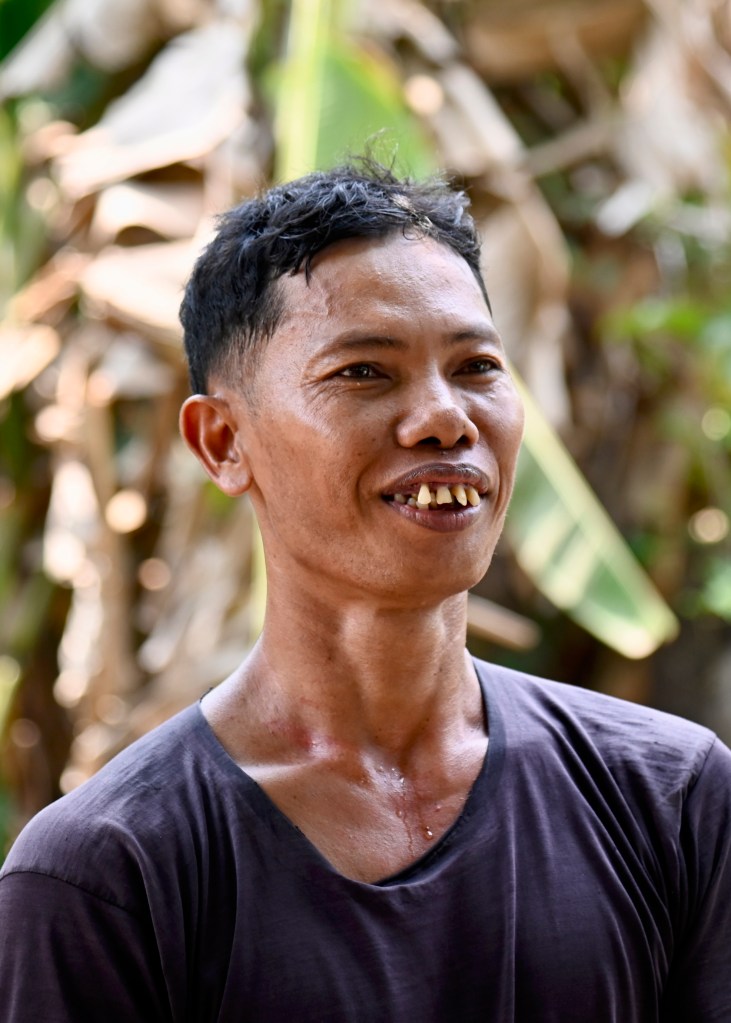
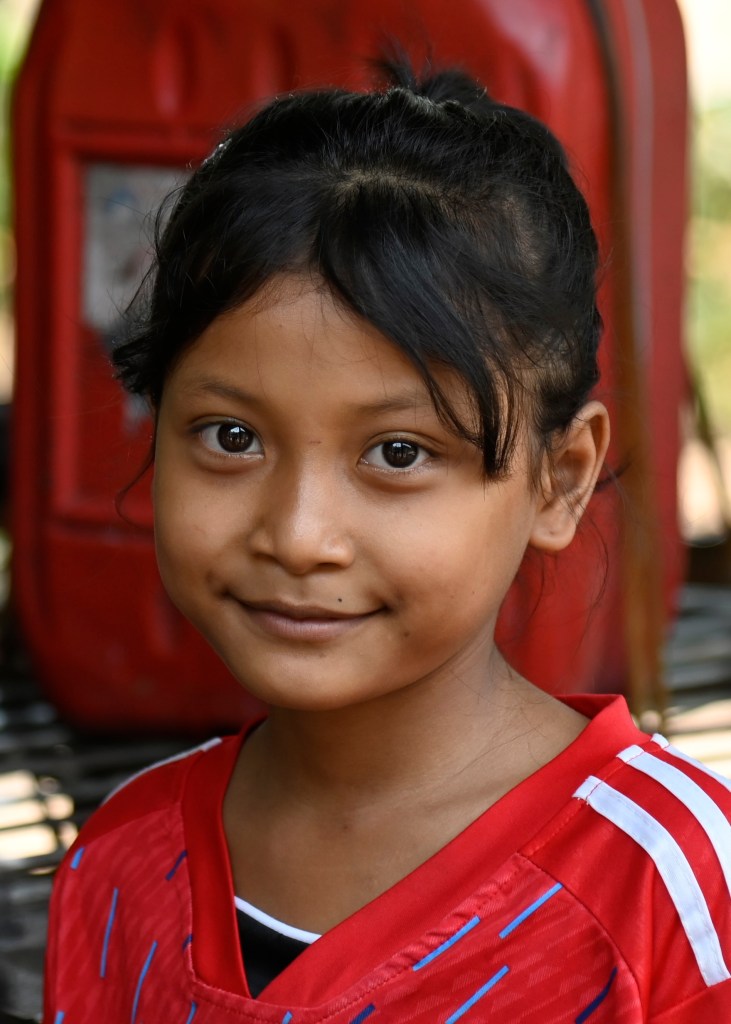
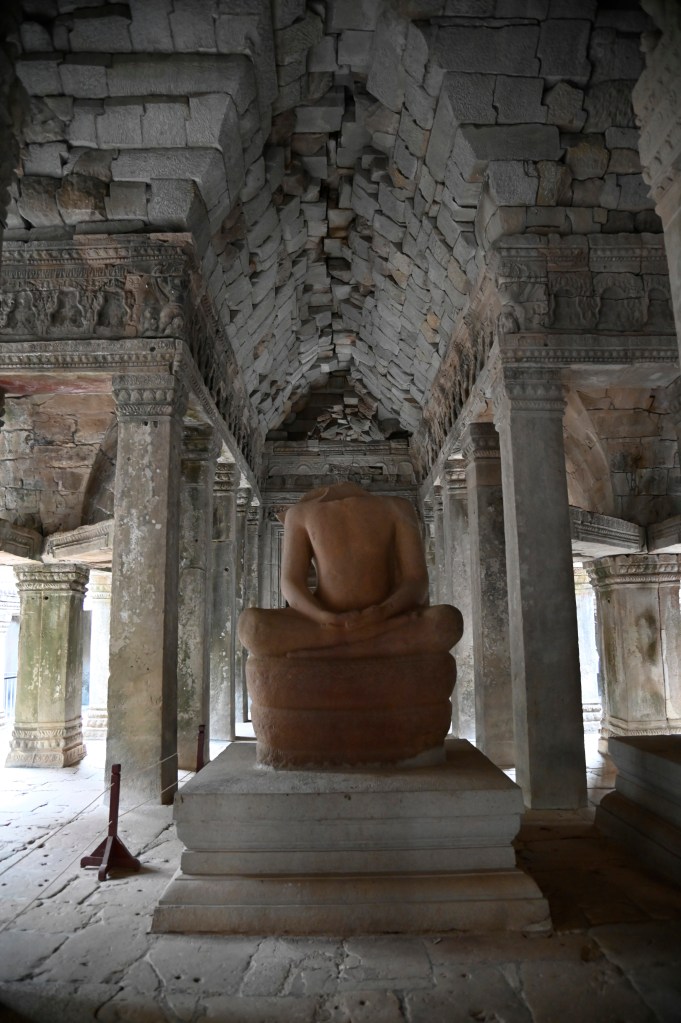
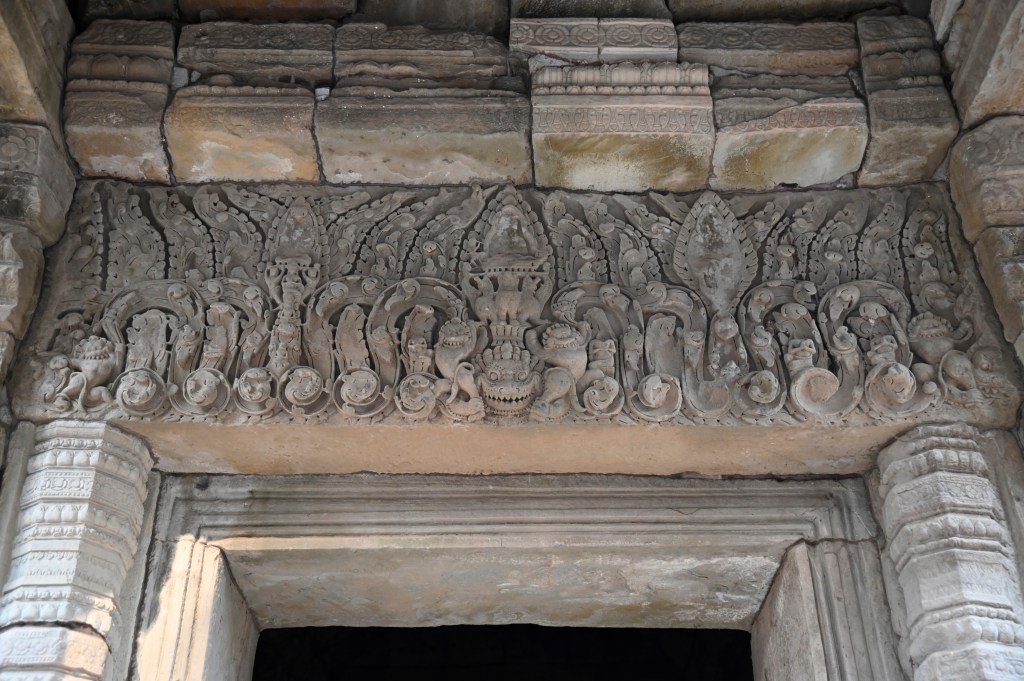
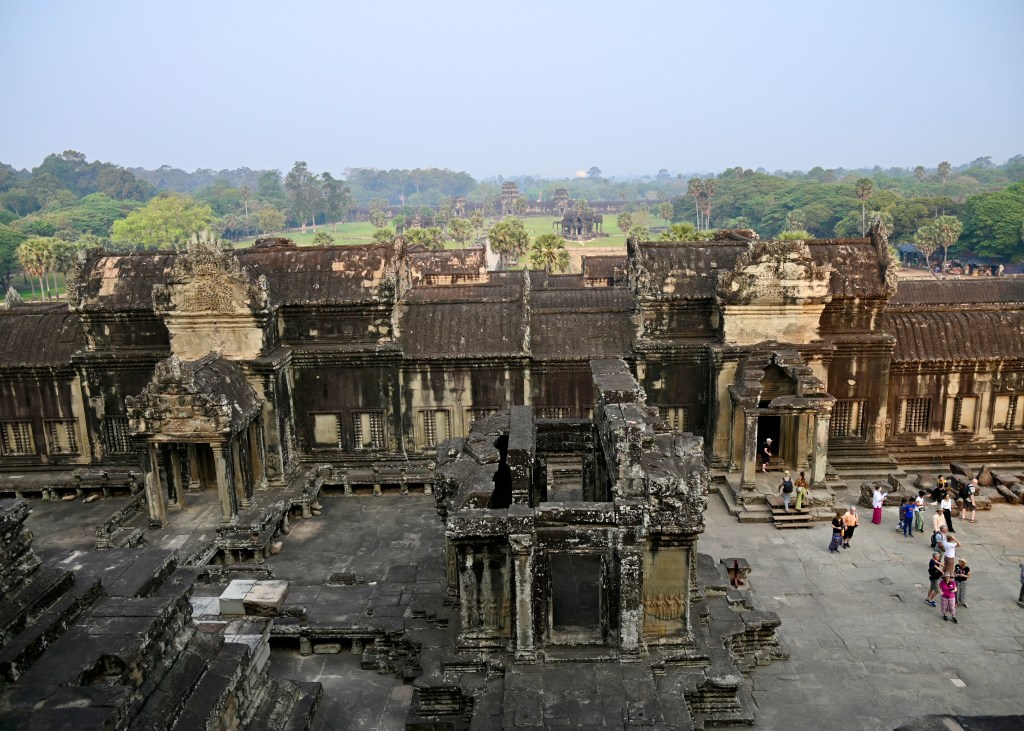
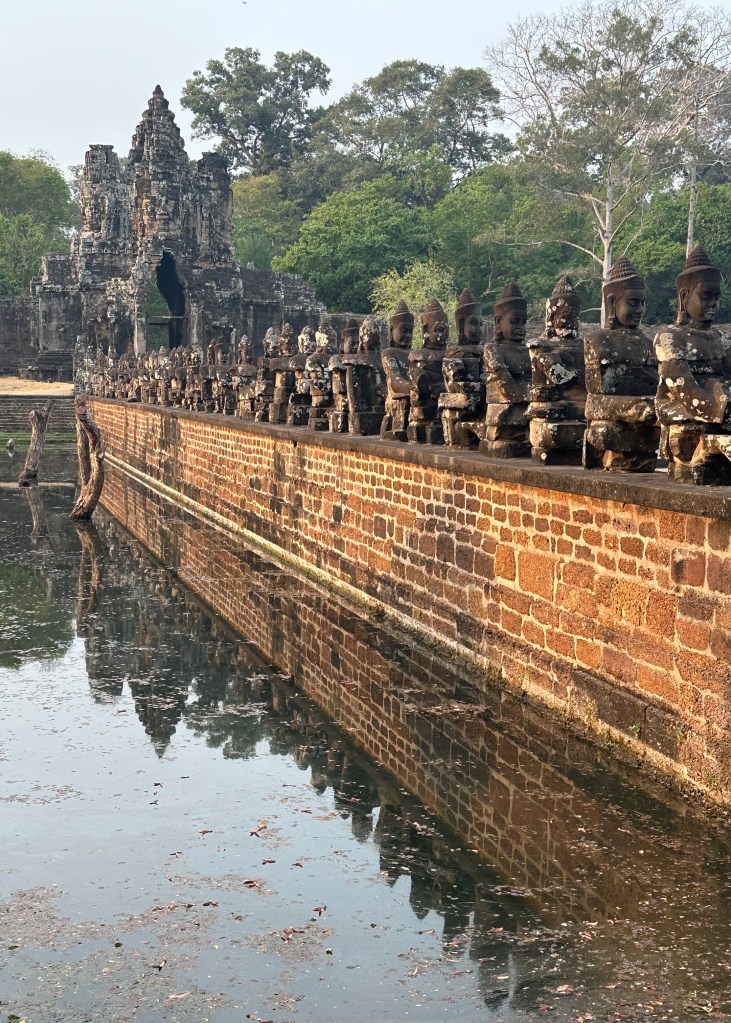
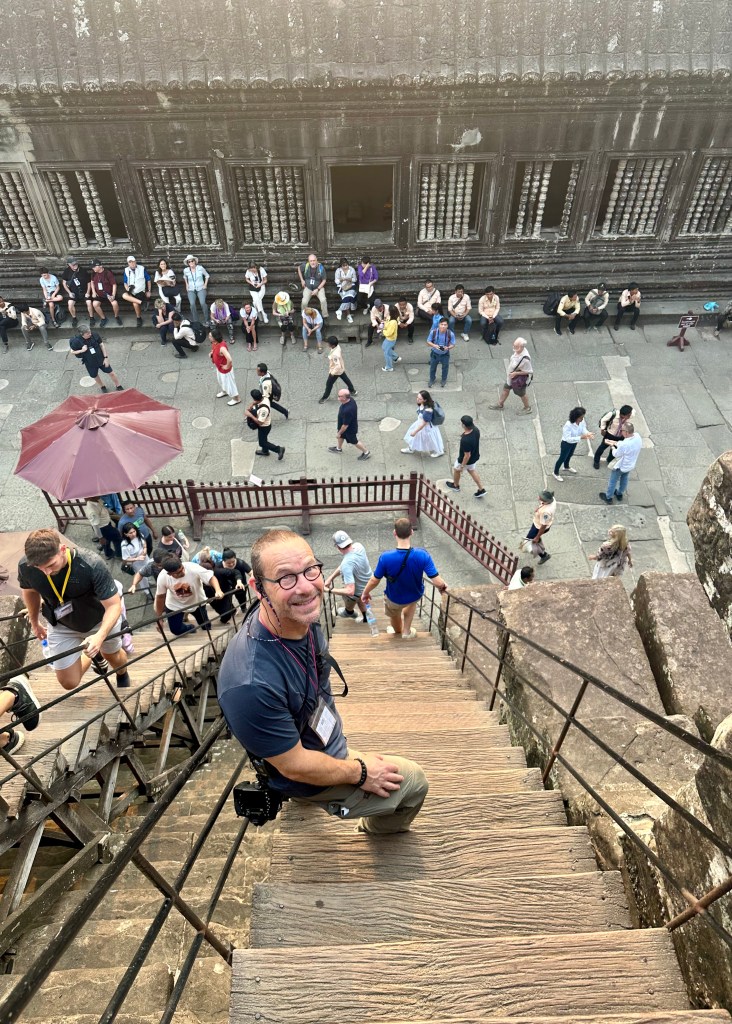
Over the course of our time in and around Siam Reap, we visited four temples: Angkor Ta Prohm (on our first day), Banteay Srei and Angkor Thom (on our second day), and – on our last day – Angkor Wat. Our guide told us that pre-COVID, the area could get as many as 10,000 – 12,000 tourists per day (lots of Chinese tourists, given its proximity), but now that number is down to about 2,500. Banteay Srei is quite small and, if the old crowds return, it is likely to be closed to avoid further damage.
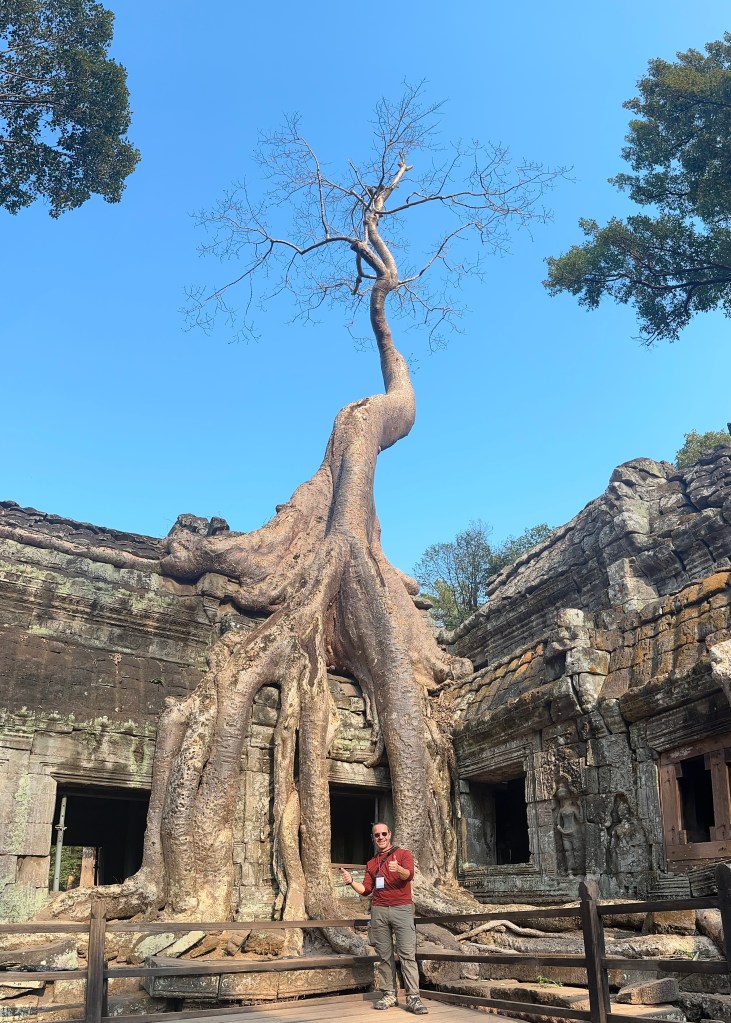
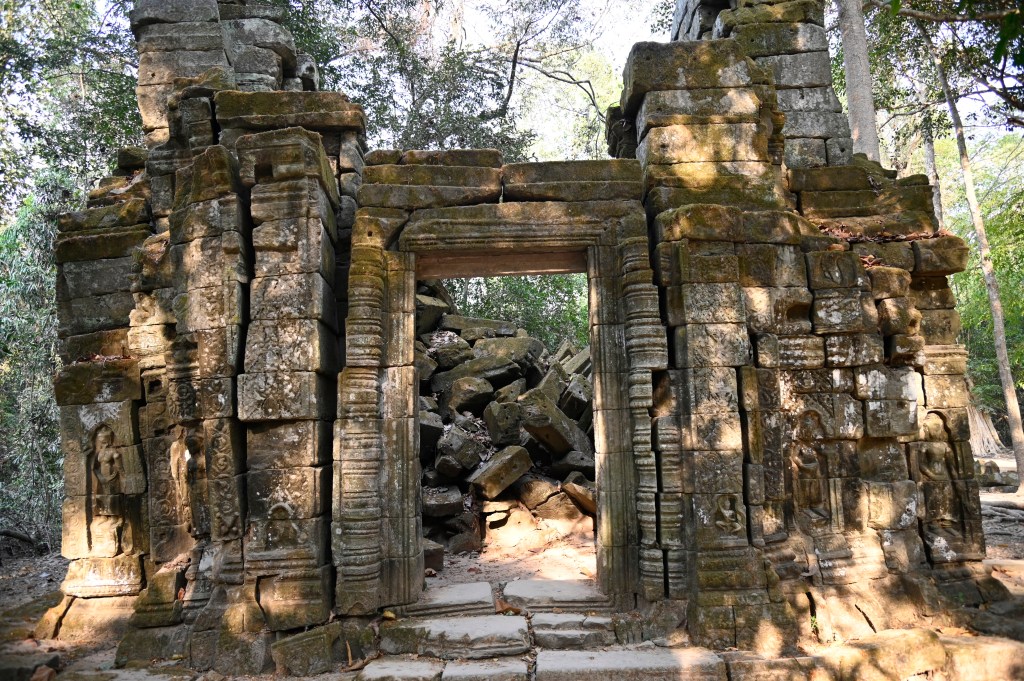
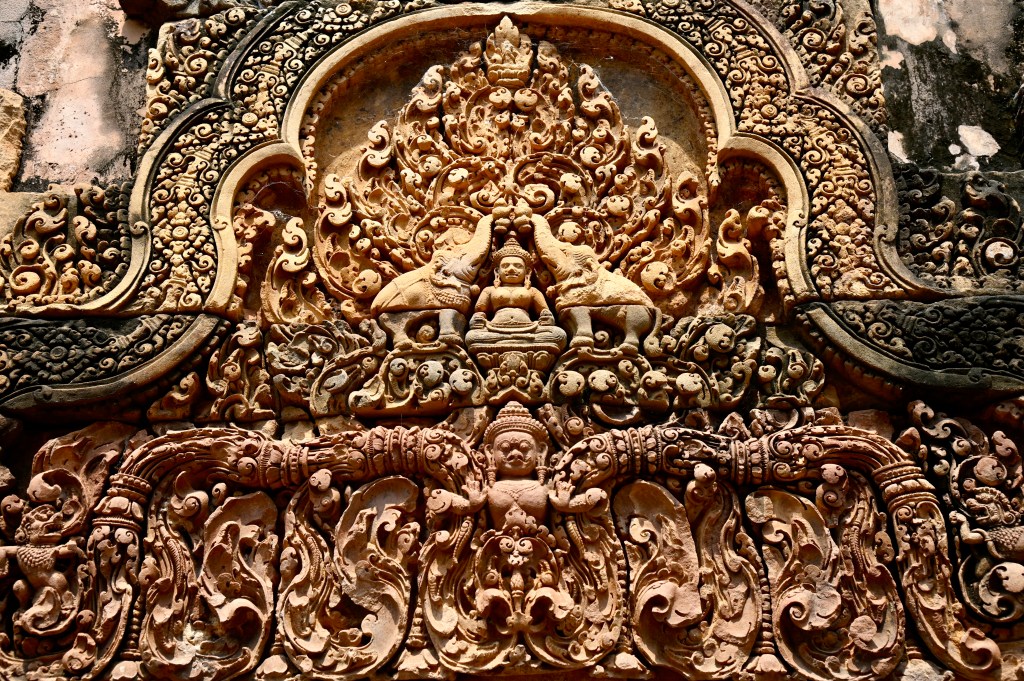
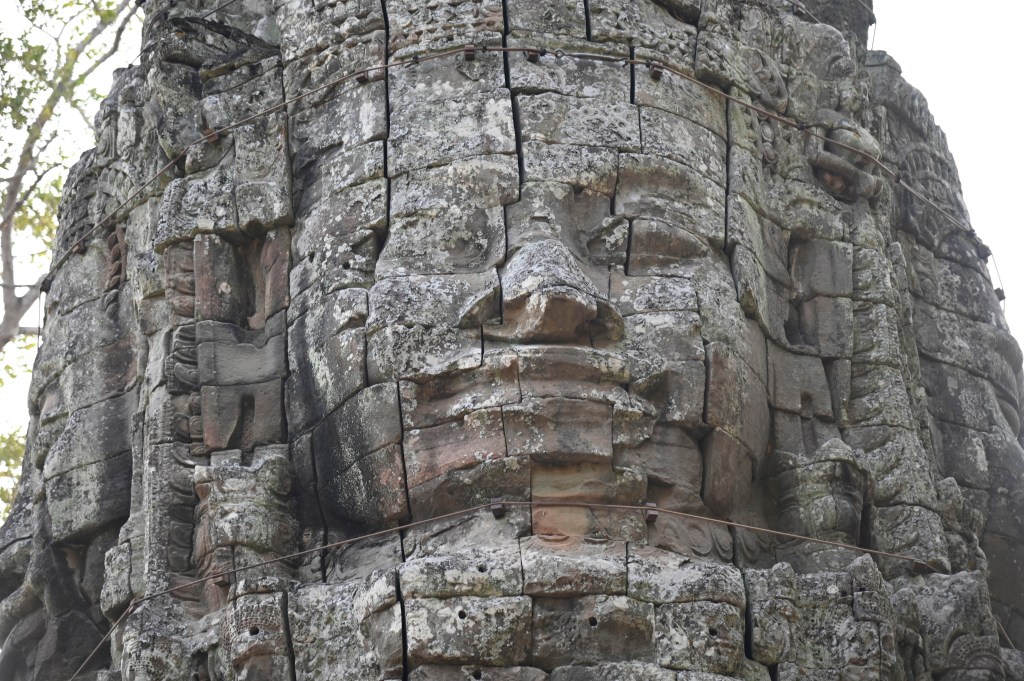
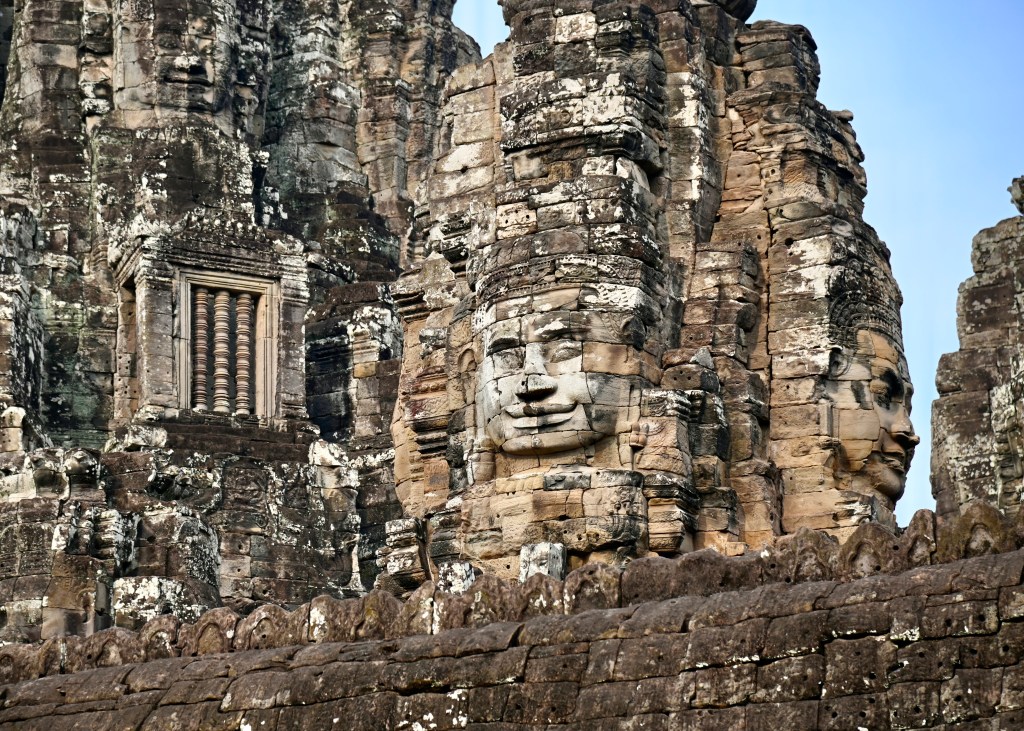
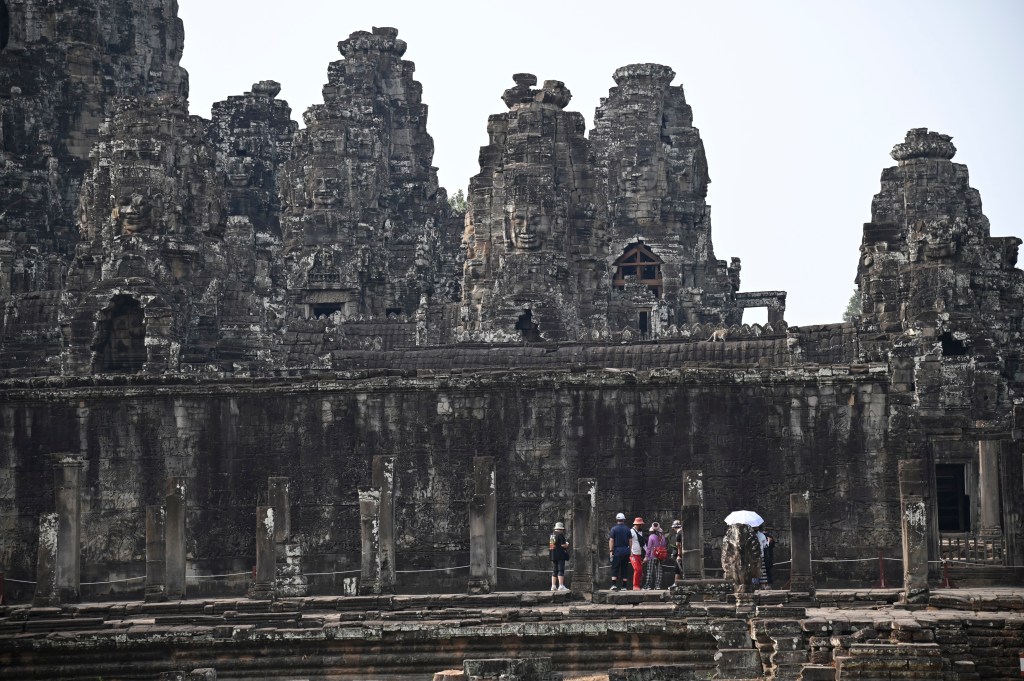
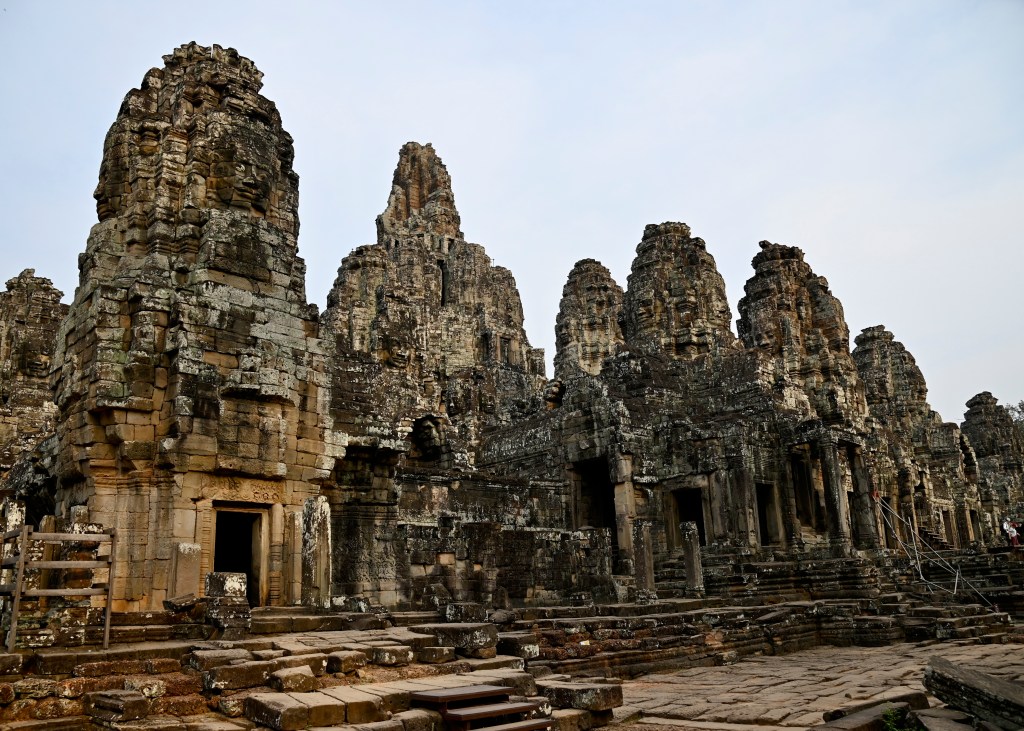
Ta Prohm is beautifully haunting because of the way in which fig and kapok trees have latched onto and twisted and grown to huge heights around its walls. Banteay Srei is also known as the “Citadel of Women,” due to its numerous and detailed carvings of feminine deities. Angkor Thom is quite famous because of the more than 170 faces built into the stone towers. We approached Angkor Wat by tuk tuk pre-dawn so we would be there at sunrise (though it was more cloudy than sunny). The crowds watching the temple from behind a moat reminded several of us of golf fans watching the Master’s from behind a water hazard.
I’d be remiss if I didn’t mention how darn hot and humid it has been during our entire visit to Vietnam, Cambodia, and our next stop. We purposefully and usually spend early afternoons after lunch not doing much to try and avoid the sun at its highest.

Our visit coincided with preparations for the New Year celebration, which meant we saw streamers and flags and signs going up around town for the 3-day celebration. When we visit our next destination, it’ll be during the celebration.
 Fred's Travel Blog
I love the way you captured images of people doing everyday things.
LikeLiked by 1 person