How could I visit Norway without going to see the fjords? I mean, it’s almost as if the country is more well-known for these deep, narrow, glacier-carved, sea inlets overlooked by towering cliffs than it’s being known for anything else! So I sought a day trip I could take from Oslo to see what I could see.
Conveniently, the trip I found – while long – would allow me to see a few things; fjords, of course, but also a journey on the Flam Railway and a visit to Bergen, the second largest city in Norway and home to a UNESCO World Cultural Heritage Site.
Of course, Norway has alot going for it other than fjords. Founded in 872 (yep, more than 1,150 years ago), it’s a country of about 5.6 million people. They’ve got universal healthcare, comprehensive social security, is ranked as the world’s “most democratic country,” was the first country in the world to pass gay and lesbian anti-discrimination laws, and it was the sixth country to legalize same sex marriage. Parents have forty-six weeks of paid parental leave. It has the sixth highest GDP per capita, is the world’s fifth largest oil exporter, the third largest gas exporter, and the second largest fish exporter after China. In 2025 it ranked seventh in the World Happiness Report (it was ranked first in 2017) and – perhaps more important that anything else – it has won more Winter Olympic medals (405) than any other country (the US is second with 330).
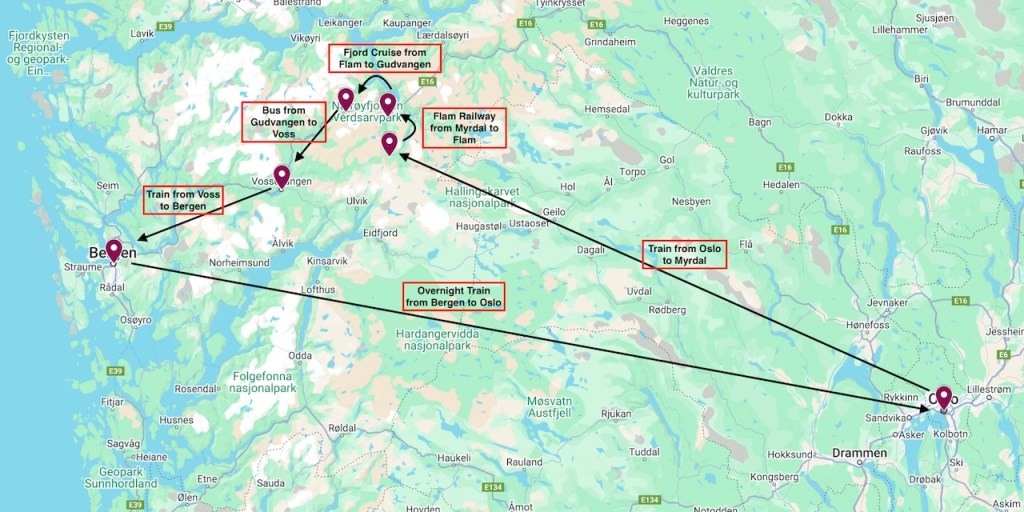
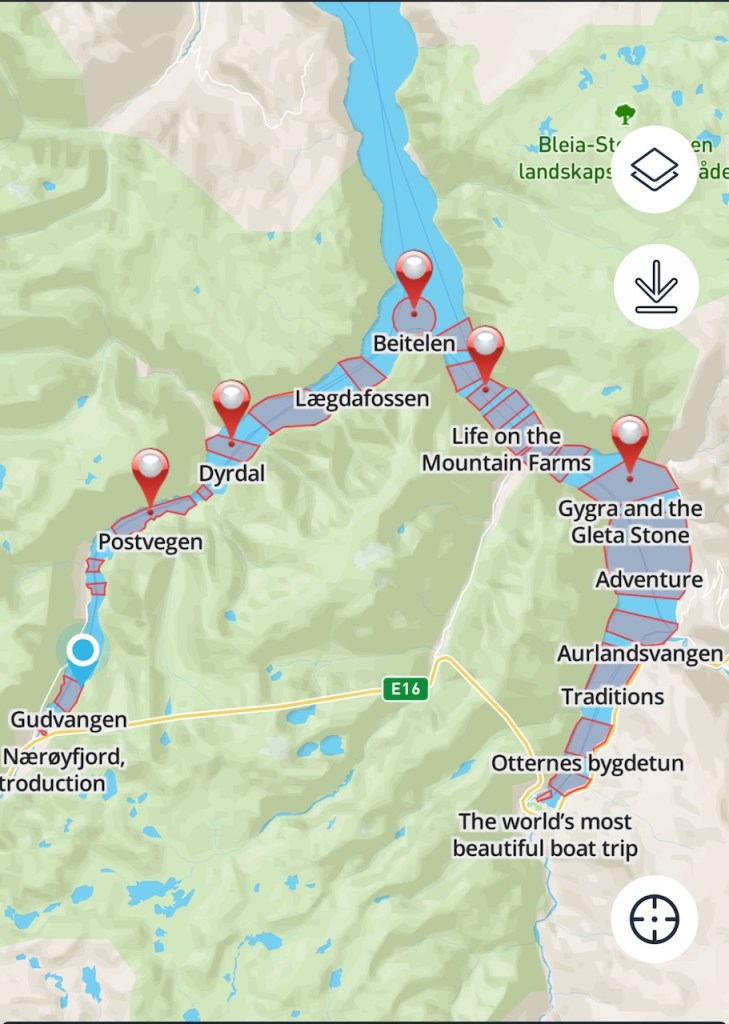
My “day” trip would include 1) an 8:25 a.m. train from Oslo to Myrdal (4 1/2 hours), 2) the Flam railway (50 minutes), 3) a cruise in the fjords (2 hours) to Gudvangen, 4) a bus ride to Voss (1 hour), 5) a train ride to Bergen (90 minutes) where I’d walk around and have dinner, and – finally – 6) an overnight train (in a sleeping car) from Bergen back to Oslo (7 1/2 hours), arriving at 6 a.m.
It was a great day.
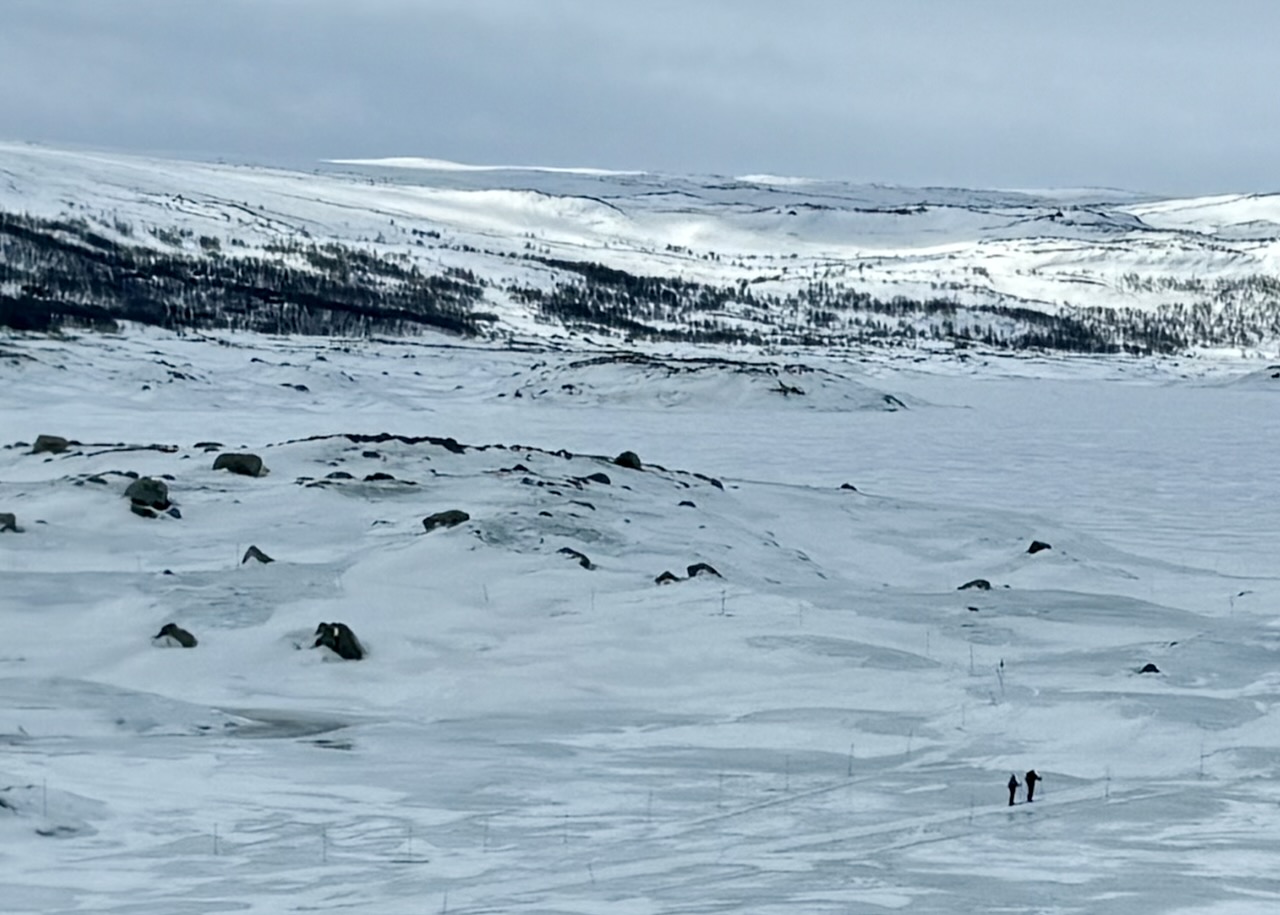
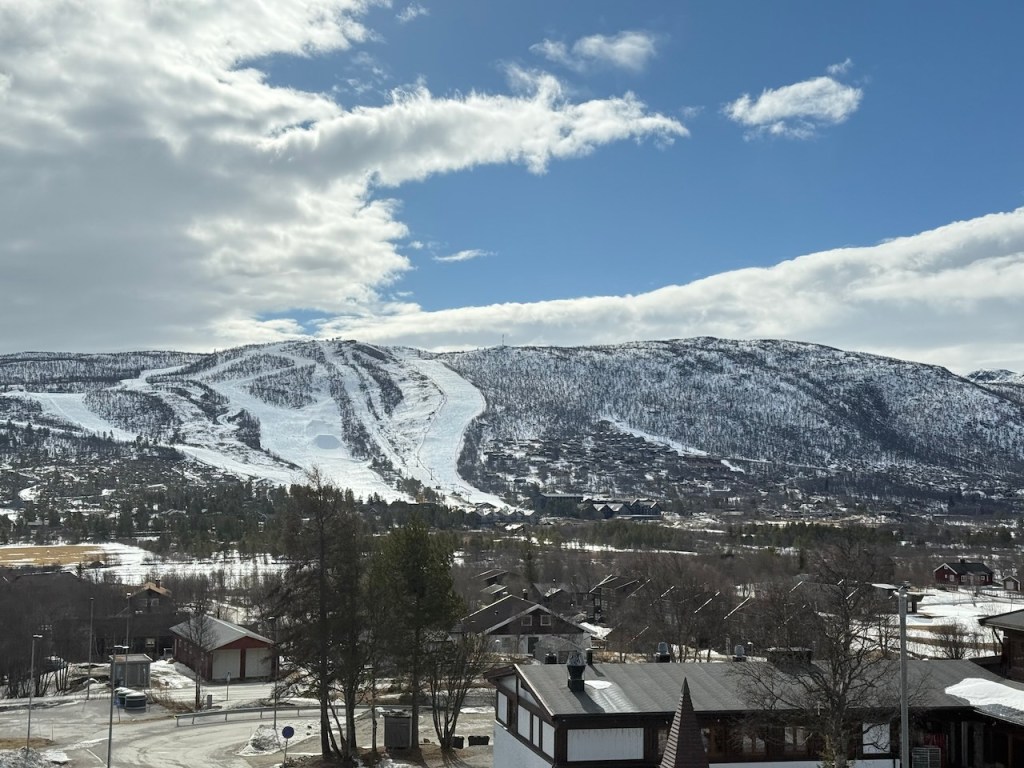
That first train trip – what a blast. The city-scape faded pretty quickly, leading to a landscape of woods and fields, without any snow. But that too faded away as we got a bit farther north and a bit higher in elevation (Myrdal, our destination, is at about 2,900 feet), leading to snowy landscapes. These two videos show these two perspectives (the picture at the top of this blog entry is from this part of the journey), and the picture following these shows one ski resort we passed by.
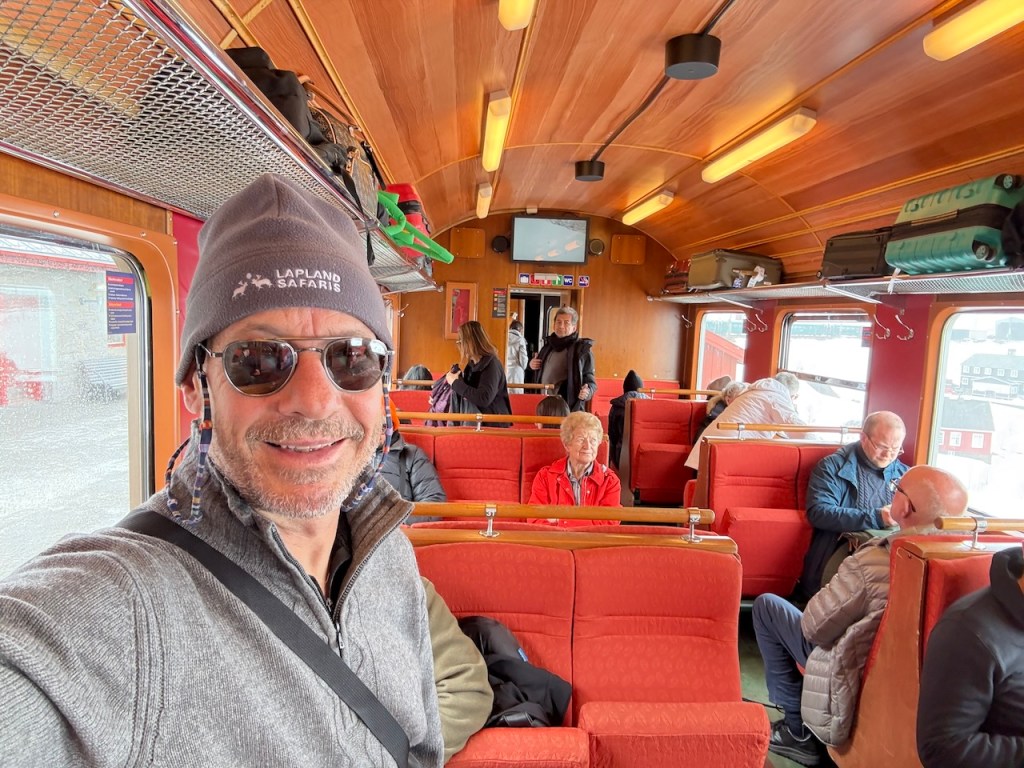
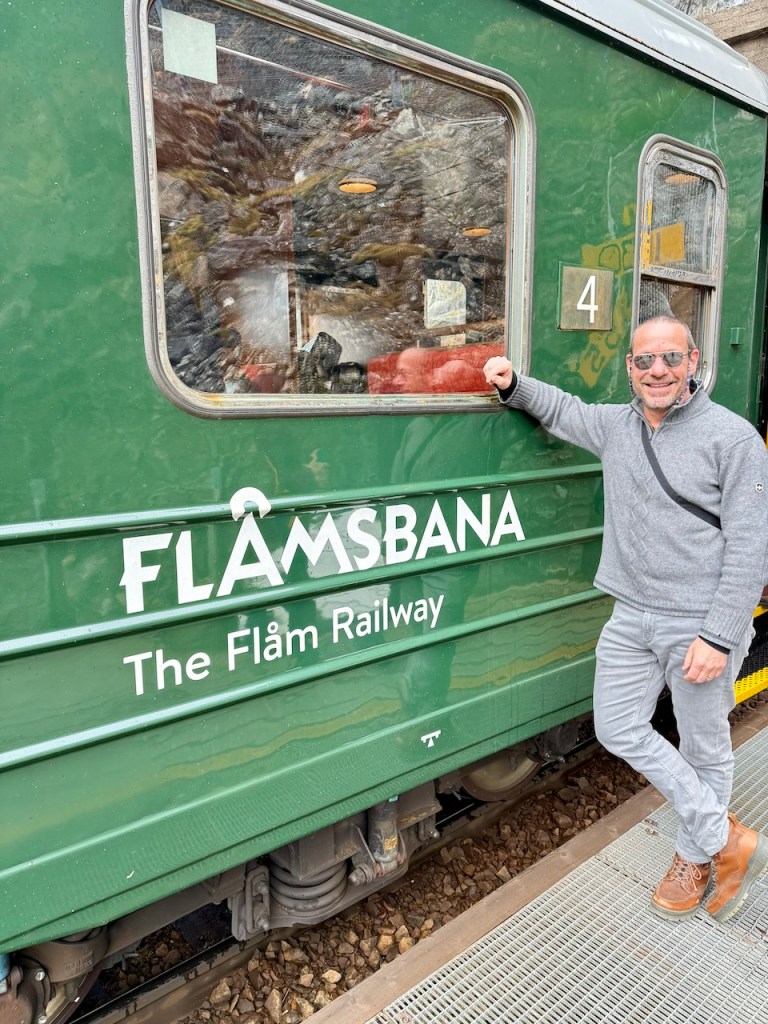
Once I arrived in Myrdal I only had to cross the platform from one train track to the other side where the Flam Railway awaited. This great old wooden train, multiple cars, had big windows on either side of each car, but only the windows at one end of the car I was on opened, by sliding it up and down. The first decision, then, was where to sit; unfortunately, the seats by the windows that open already were occupied. So, ok, left or right? I first sat on one side, but the women across the aisle said they heard the other side was better for the views, so I switched. But, you know what? It made no difference; everyone moved from side-to-side to get the views and take pictures. And the seats by the windows that opened – well, there were two young couples seated by both, all with Eastern European-accented English (one of the guys wore a New York Yankees cap), and they opened the windows and those of us who wanted to take pictures through them.
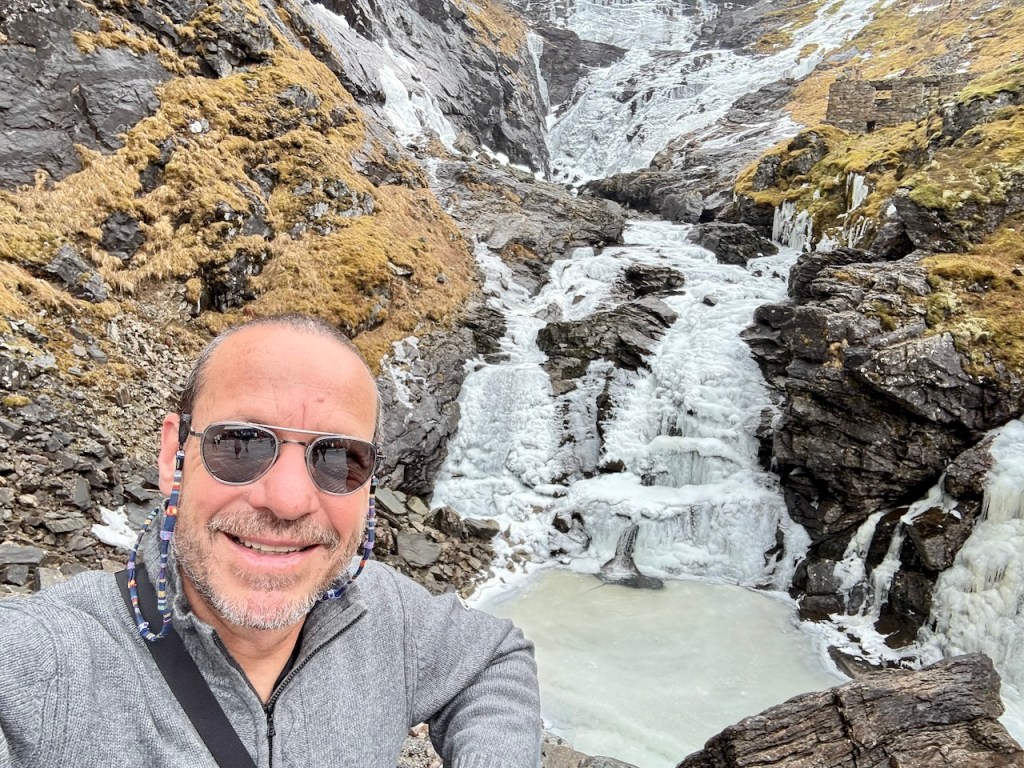
The Flam Railway is the steepest standard-gauge in Europe, and it winds around and through mountains and valleys, with spectacular views on both sides; we made one stop by a frozen waterfall, and we went over at least one bridge and through about 20 tunnels. Super fun and – at only 50 minutes – I only wish it lasted longer.
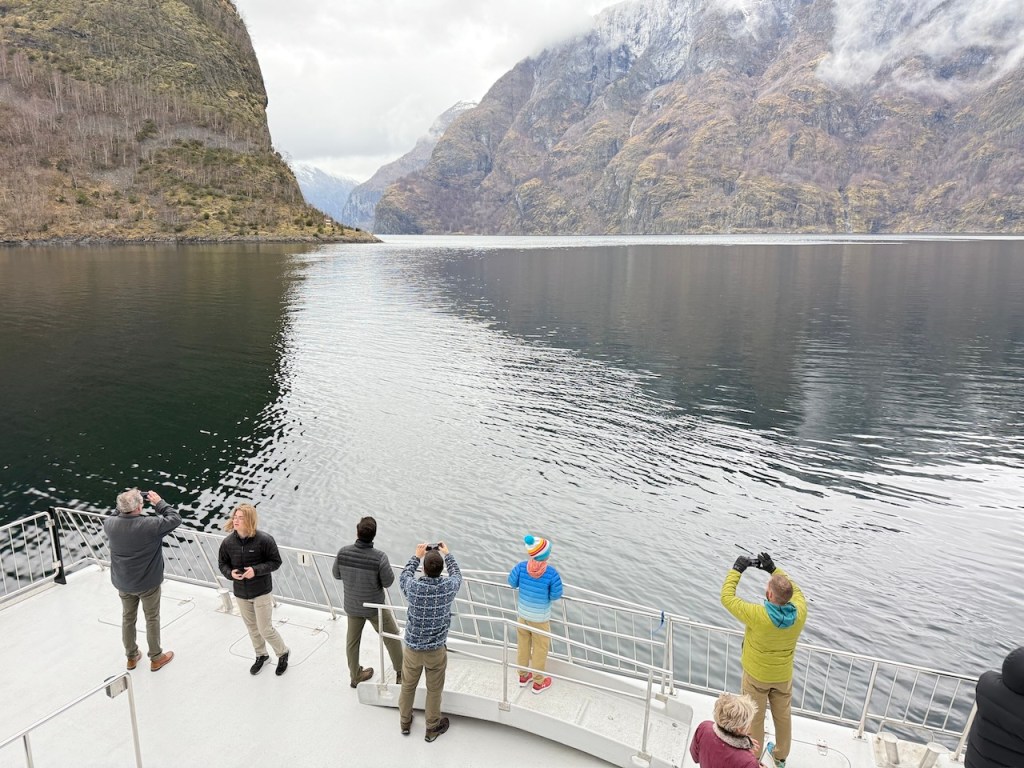
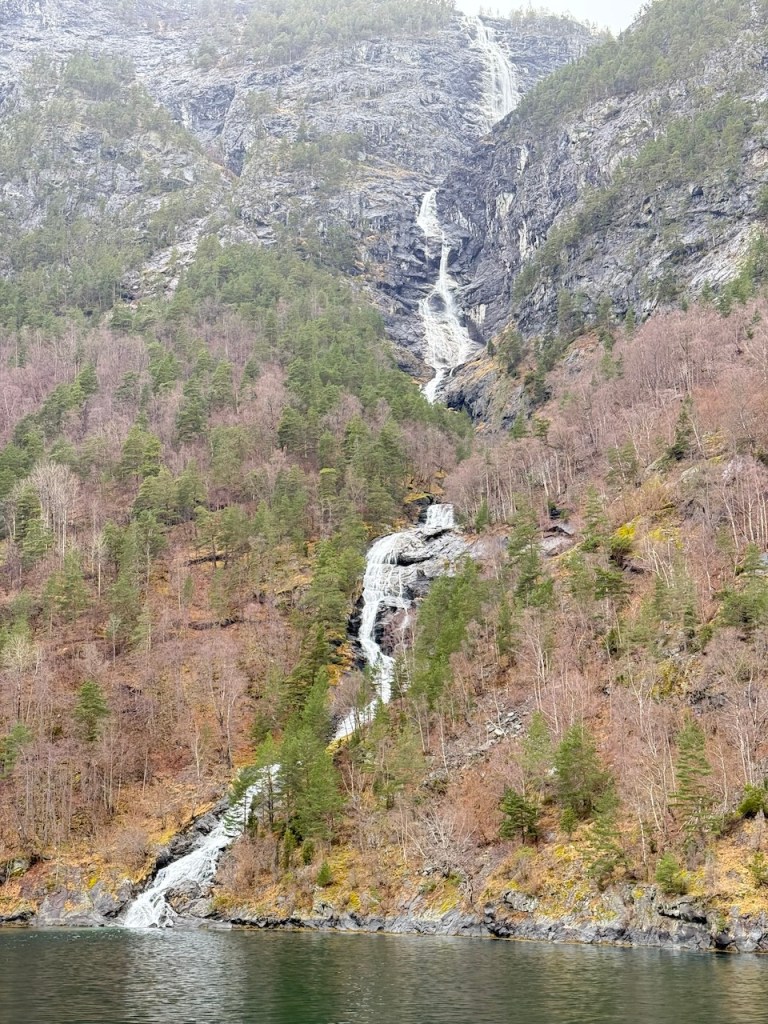
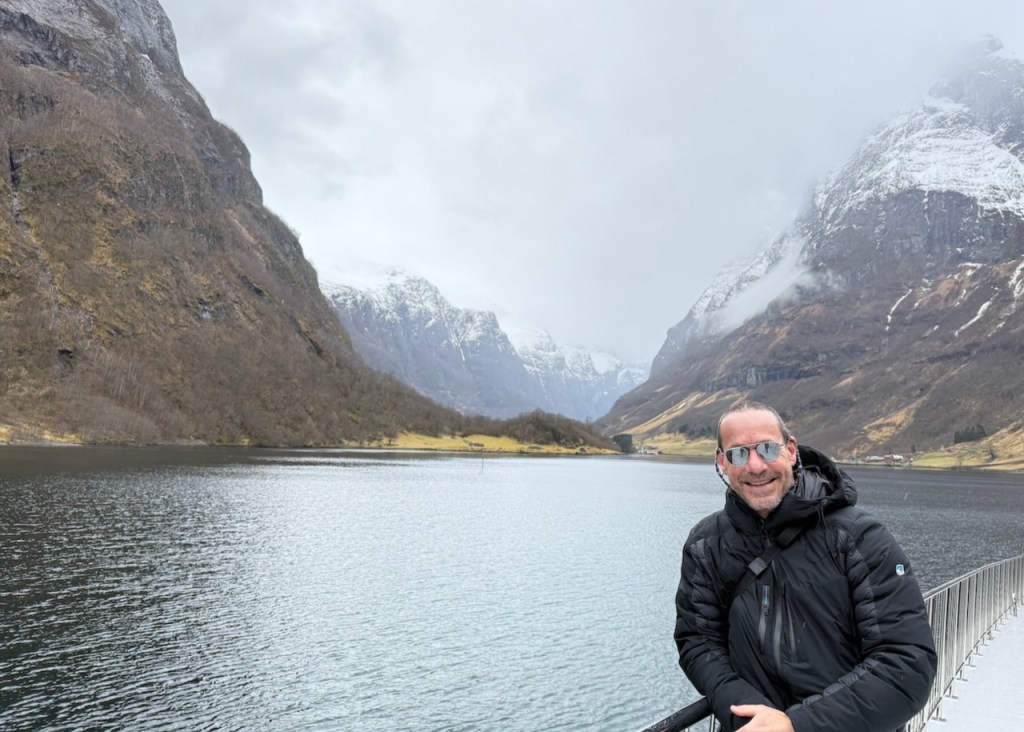
The next part of the journey was the ferry cruise. I arrived at the port of Flam right in the middle of the Aurlandsfjord, which reaches 3,156 below sea level and is about 1.2 miles wide at its widest. I had to wait a little bit for the ferry to depart, but once boarded there were two floors indoors and lots of outdoor space to wander around and watch the steep mountains on either side as we steered by. At one point we made a big left hand turn into the Naeroyfjord, a UNESCO World Heritage Site that National Geographic has ranked as the world’s number one natural heritage site. The weather was chilly with periodic sprinkles and some wind, but not so cold where I couldn’t stay on deck the majority of the time, along with lots of other cruisers, all angling for the best photos. Of course, the boat’s captain knows what we’re all there for, so he would slow down by neat sites – special cliffs, waterfalls, small buildings.

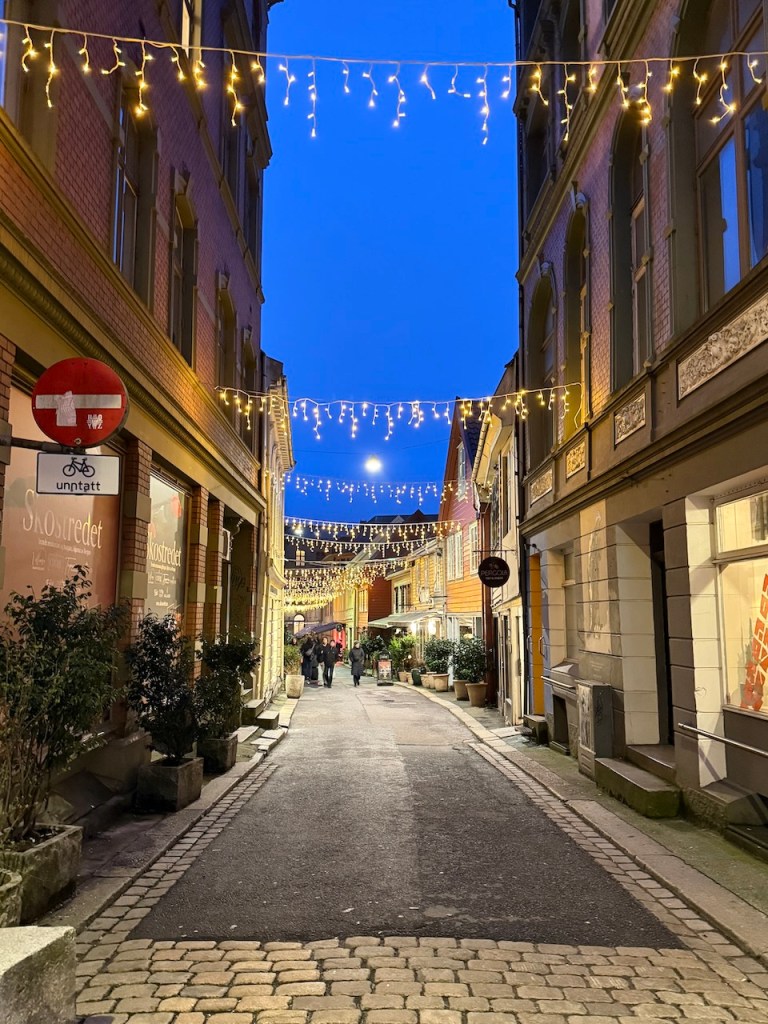
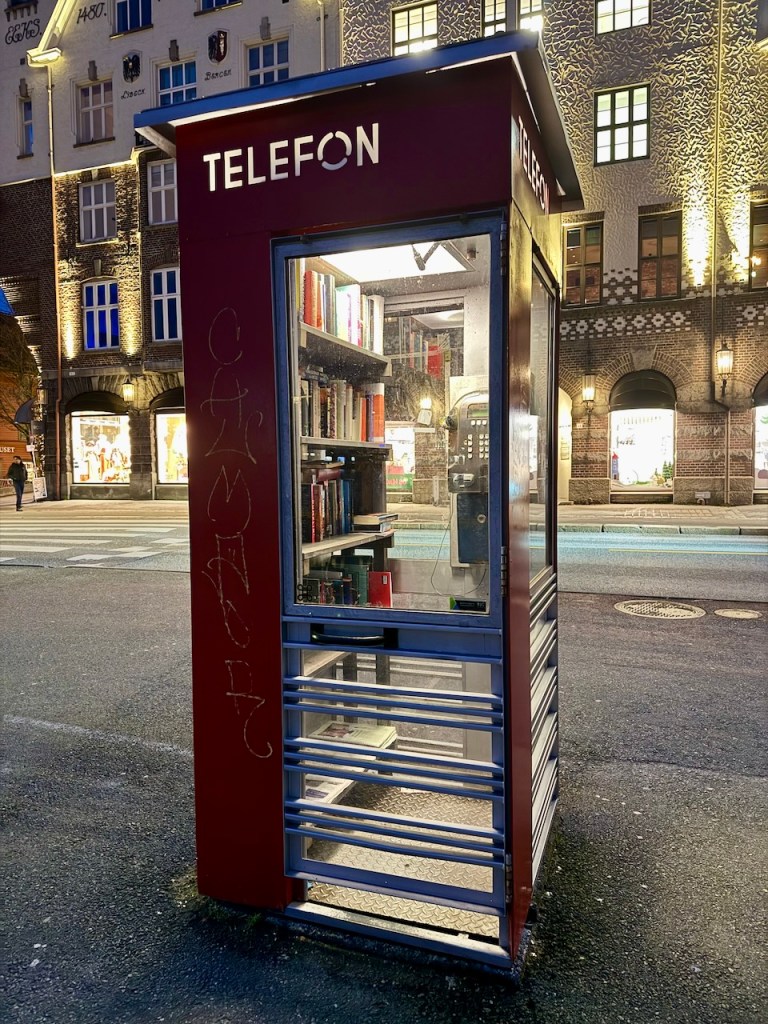
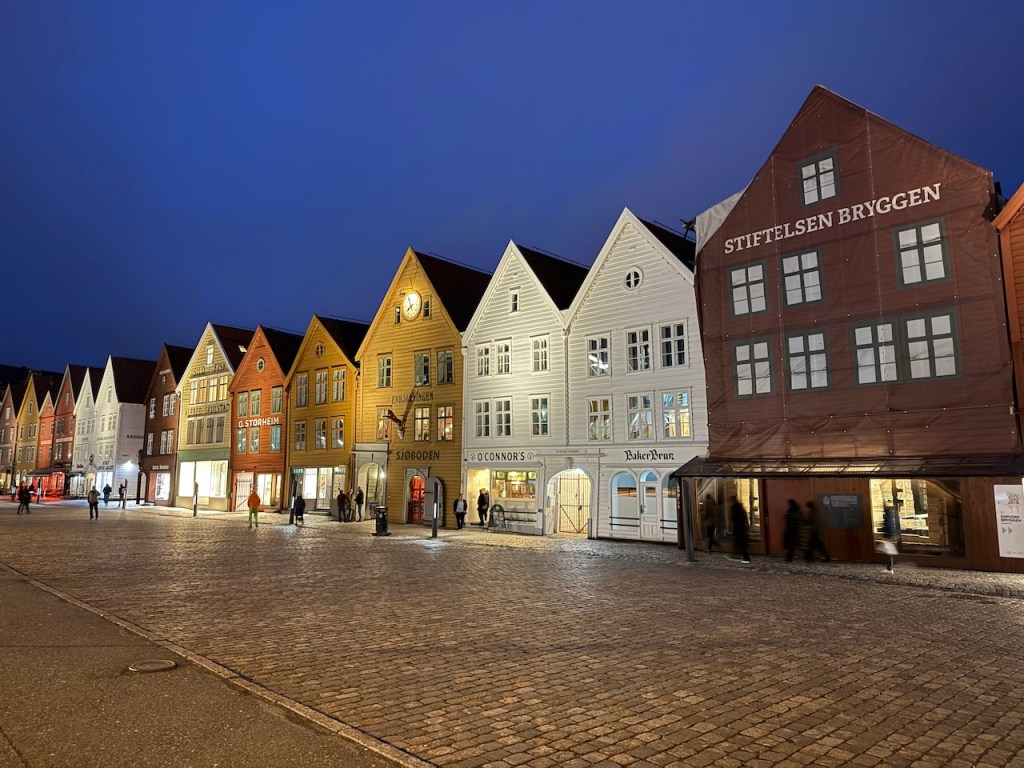
Then the bus and train to Bergen, where I had to time to wander the waterfront and have dinner before getting into my sleeping car for the overnight train-ride to Oslo. Bergen was a really pleasant surprise – super picturesque (it’s surrounded by mountains), easily walkable, lots of good pubs and restaurants and shops and sights to be seen. Trading started there in the 1020’s, and it became a major port for merchants and markets in Central and Northern Europe into the late 18th century. Some of the oldest trade buildings still survive and are beautifully maintained.
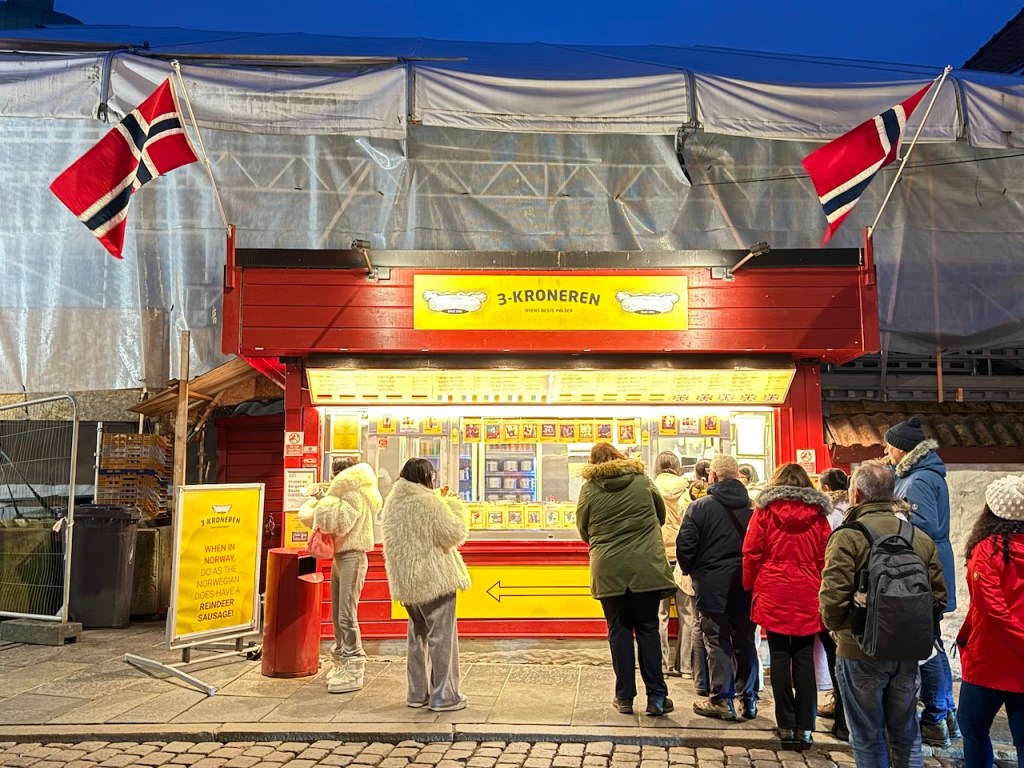
Dinner at a local joint and from there it was a small sleeper car for the journey back to Oslo.
 Fred's Travel Blog