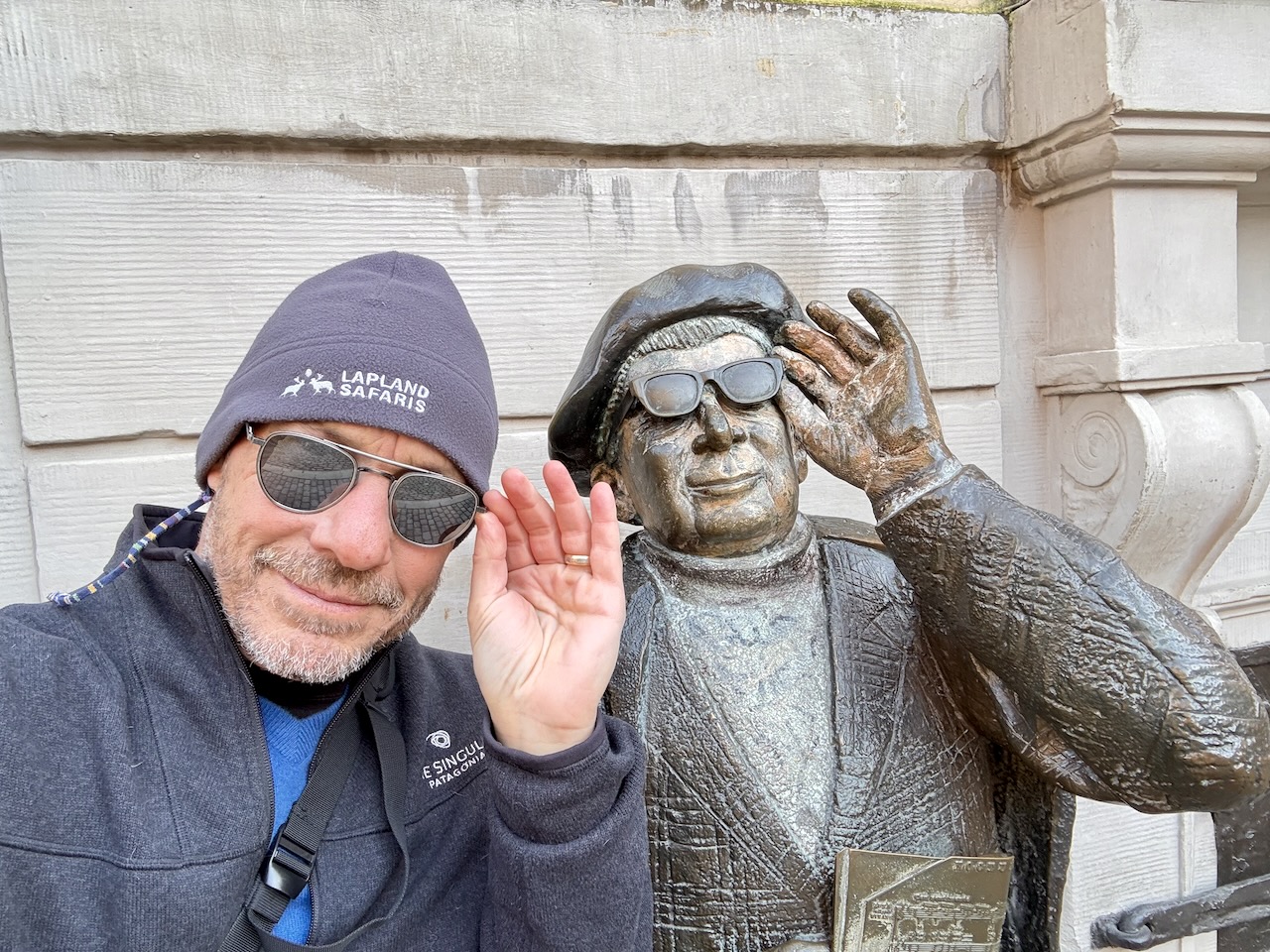
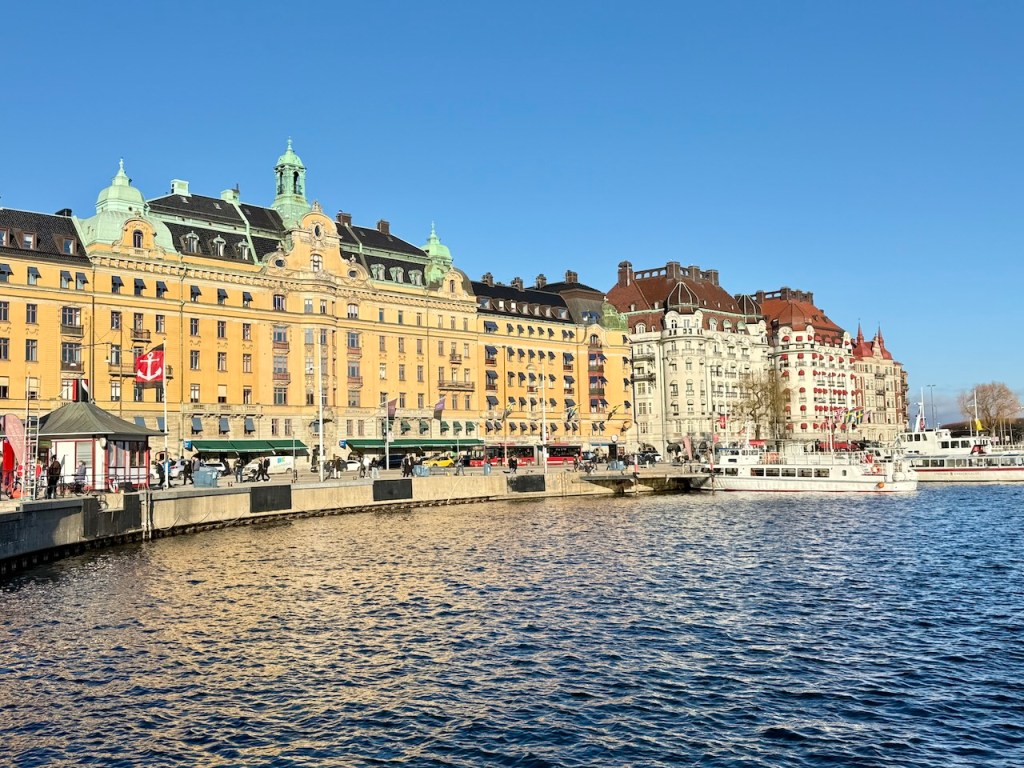
If I was ever surprised by a city and how much it had to offer – by its city-scape and architecture and atmosphere and museums and food – it was Stockholm. Who knows what I was expecting – perhaps something that felt old and a bit dusty and cold – but I certainly wasn’t expecting a place as inviting and warm as Stockholm.
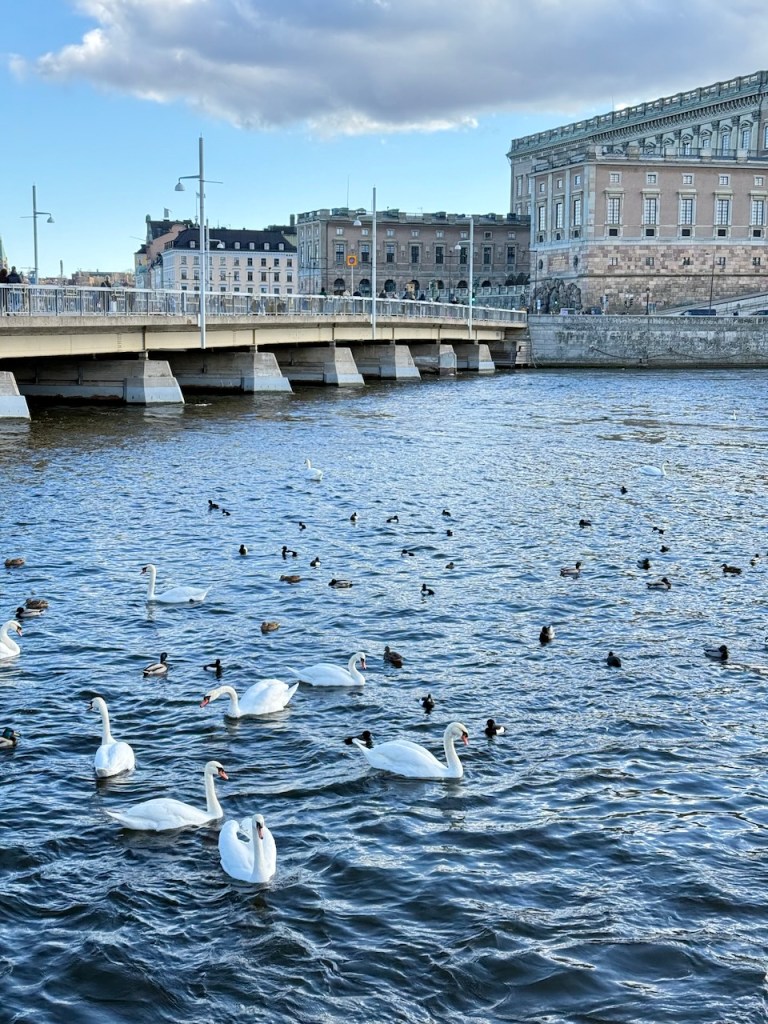
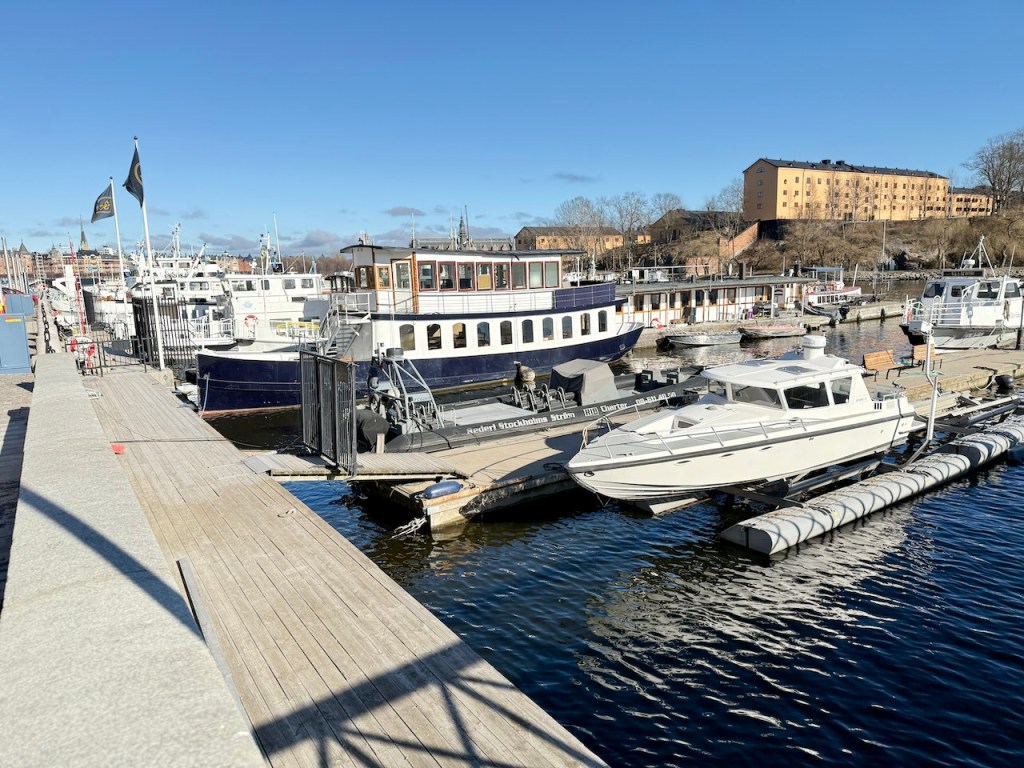
We spent the morning into the early afternoon traveling from Swedish Lapland to Stockholm – long bus ride to the airport, about a 90-minute flight, and then about a 45-minute ride into the city, which has anywhere from 1m to 2.2m people depending upon the geography you’re including. The city sits on and among fourteen islands within an archipelago of over 30,000 islands that stretches to the Baltic Sea, which gives Stockholm a beautiful waterfront setting and many bridges as the city spreads across those islands (according to Wikipedia, 30% of the city is made up of waterways and another 30% are parks and green space). It’s the capital of the country and is its financial center, it’s where the prime minister and the king have official residences, and it dates back to at least 1252, when it begins to be mentioned in Norse sagas. Overall, it looks and feels like an old European city – lots of grand 19th and 20th century buildings, with modern ones throughout. And it is incredibly safe.
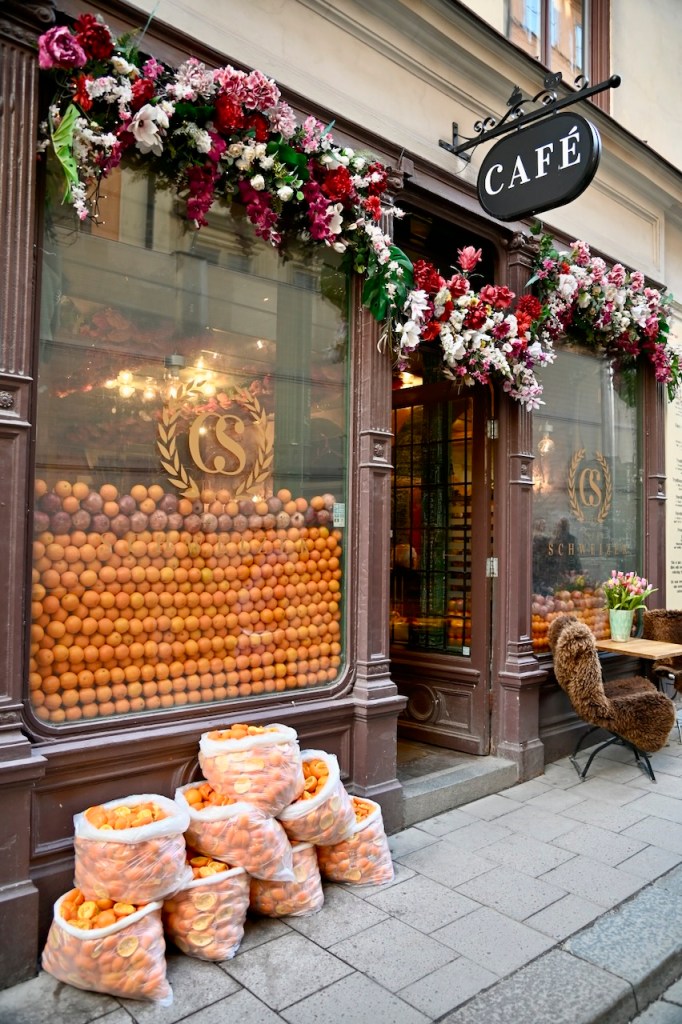
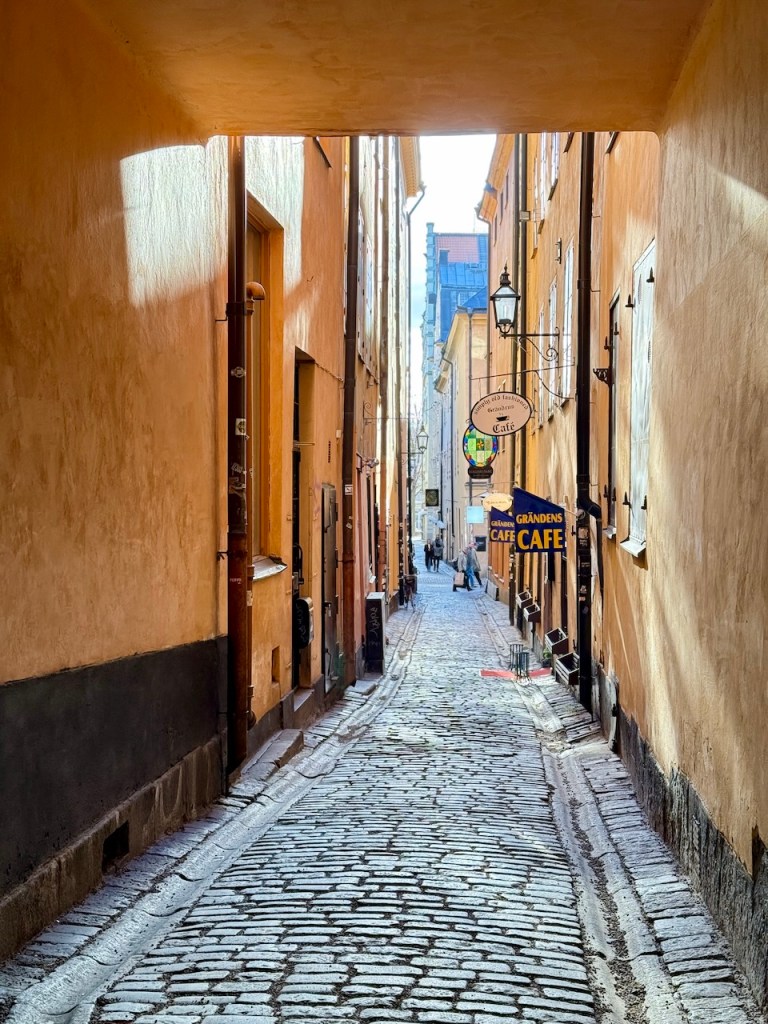
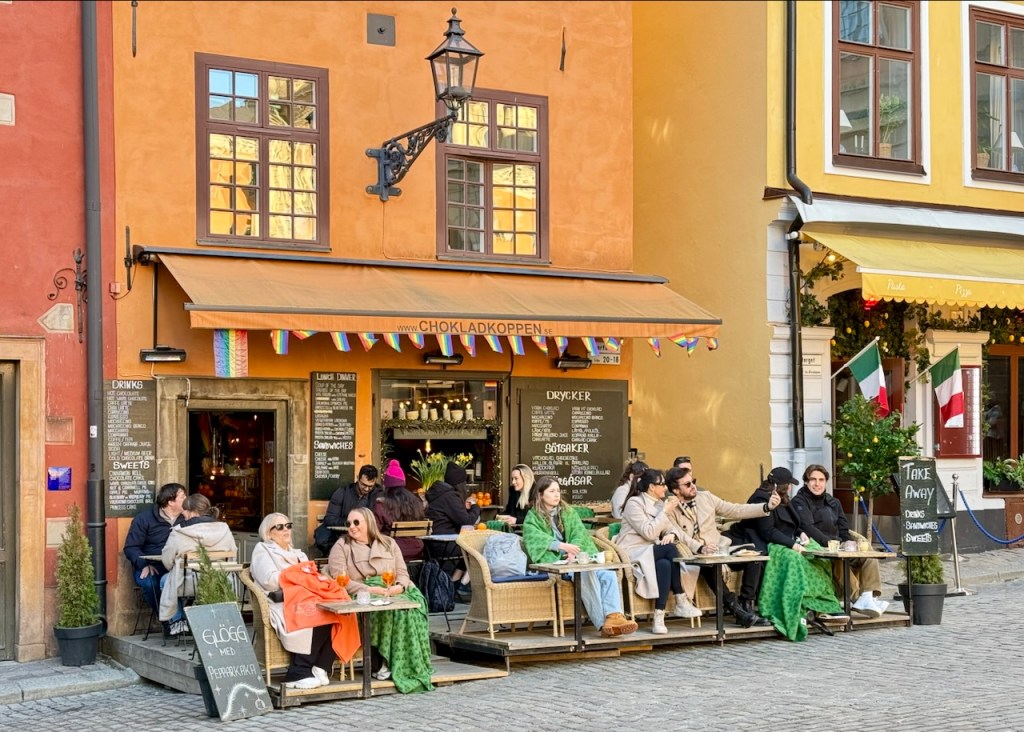
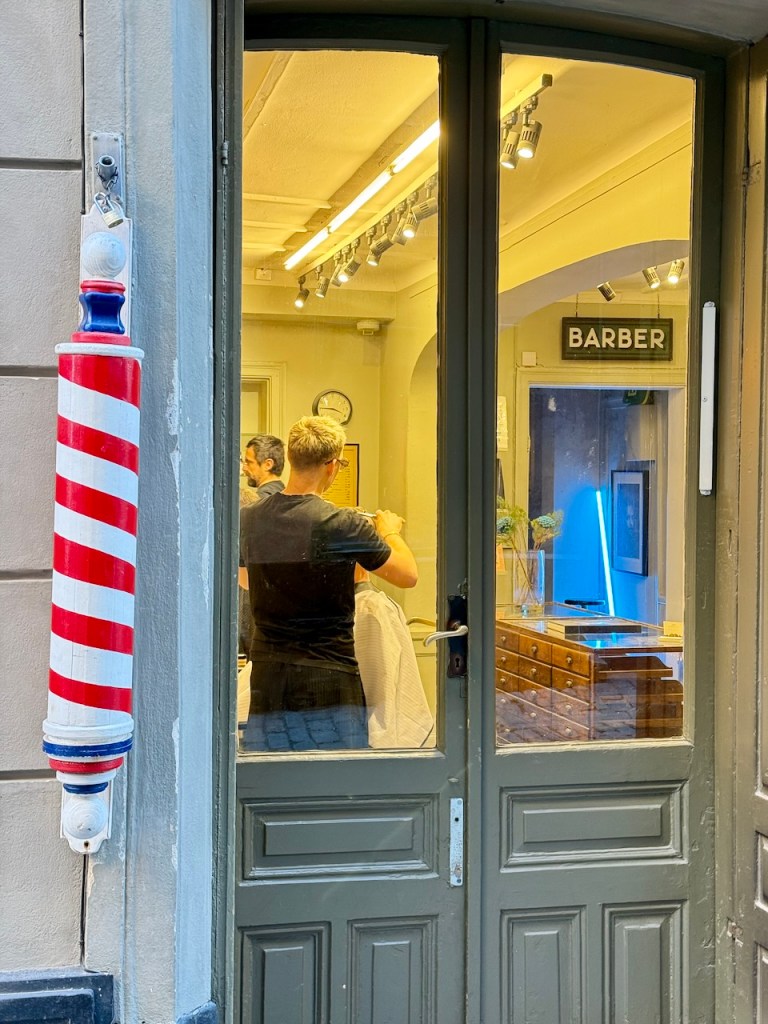
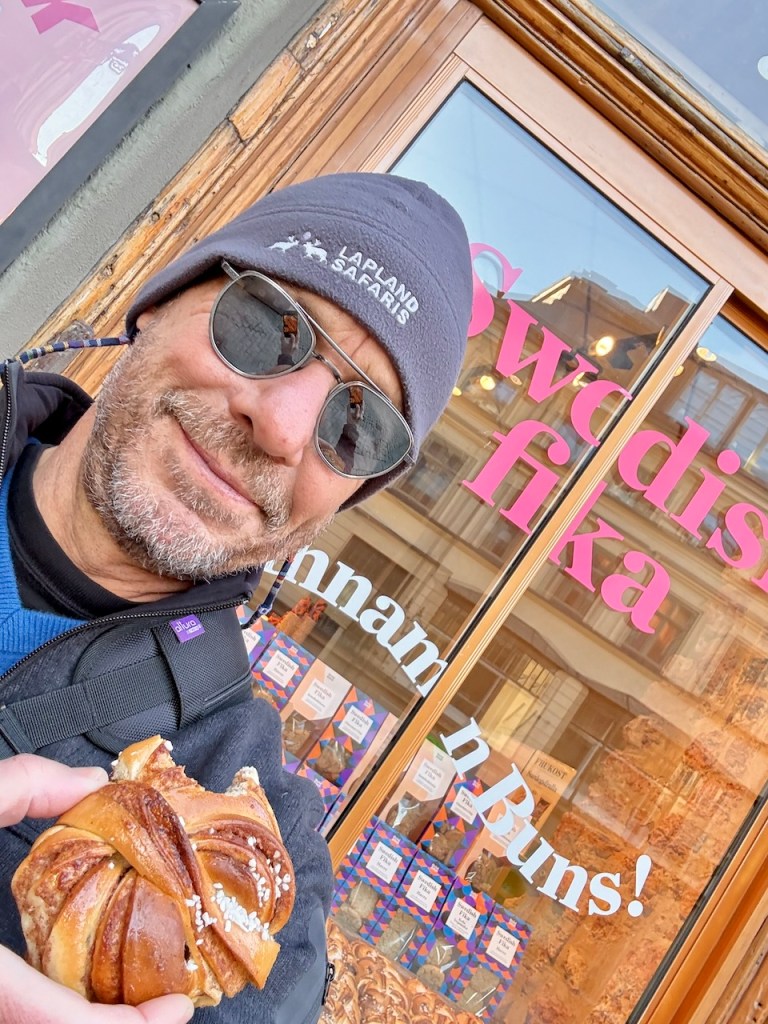
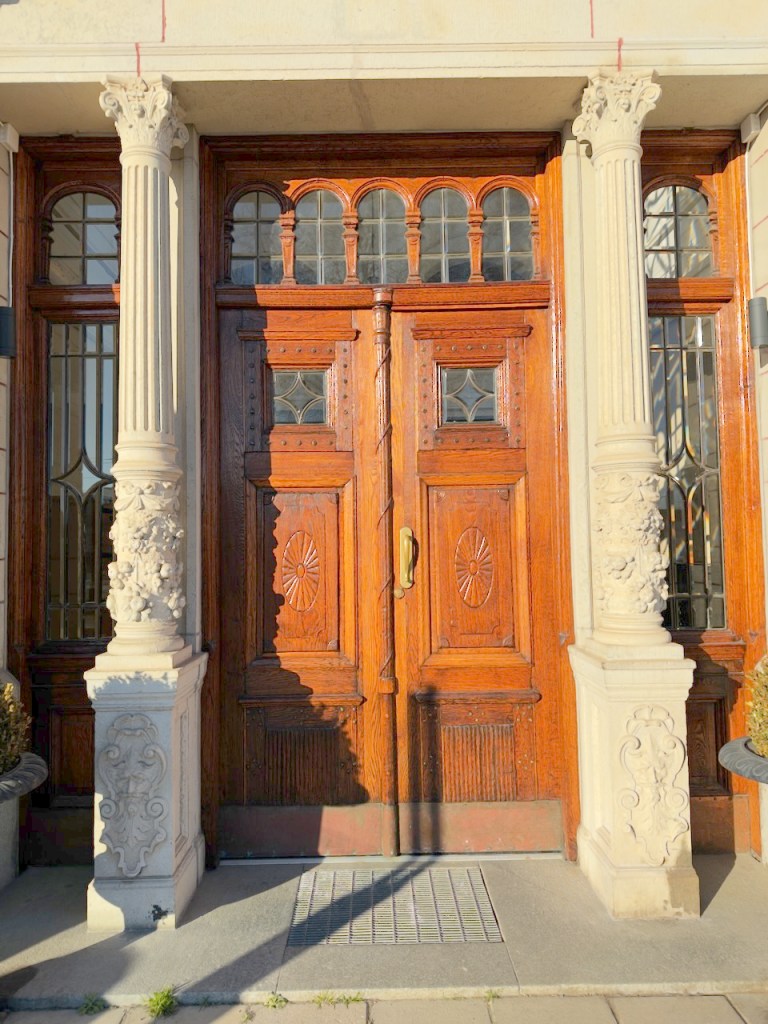
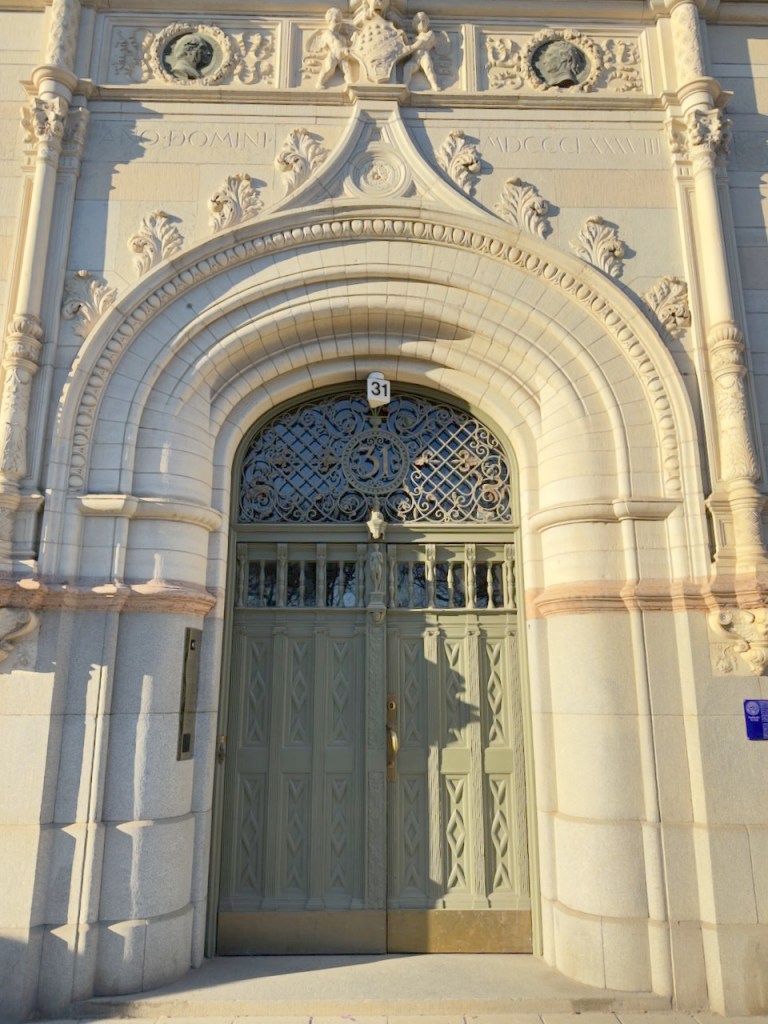
Our time there started with a short walking tour of the oldest part of the city – about 800 years old – the Gamla Stan, which sits on one of the central islands. This old neighborhood now has lots of small retail shops, restaurants, and bars on the ground floors of the three-, four-, and five-story buildings. Some have good quality clothing, ceramics, jewelry (I bought a bracelet and t-shirt, both with Viking imagery), and the like; some have lots of tourist tchotchke – t-shirts, trinkets, and all the usual stuff (including, maybe, the stuff I got). Narrow streets and alleys, beautiful doorways, sidewalk cafes, old city squares, and tourists. Lots. Of. Tourists.


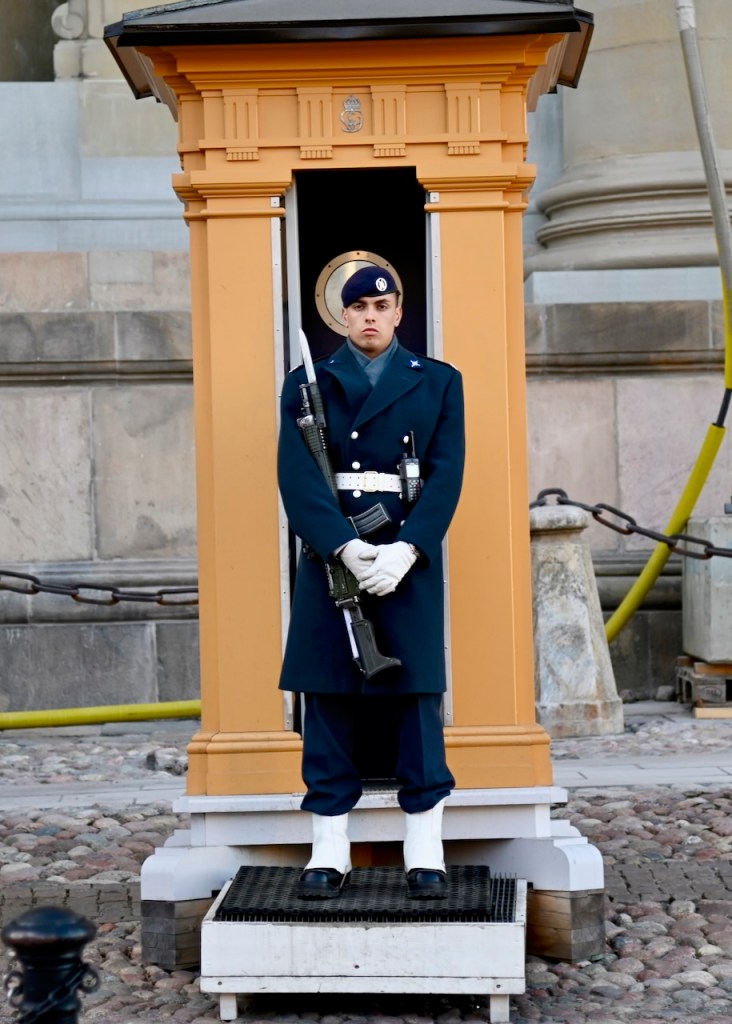
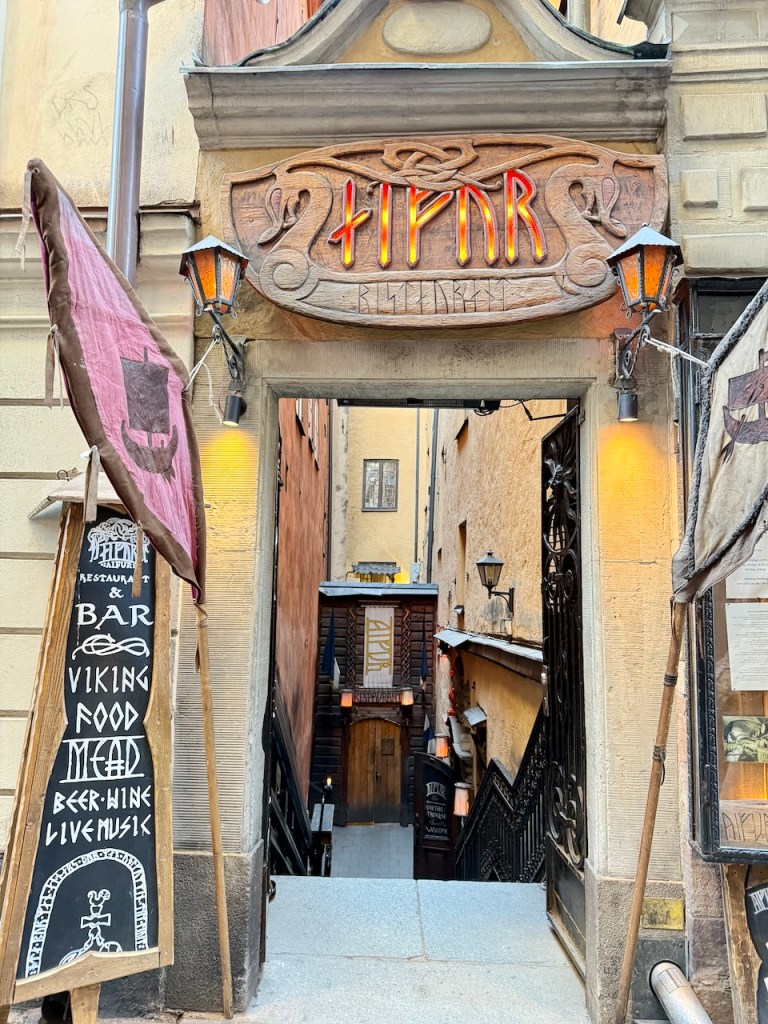

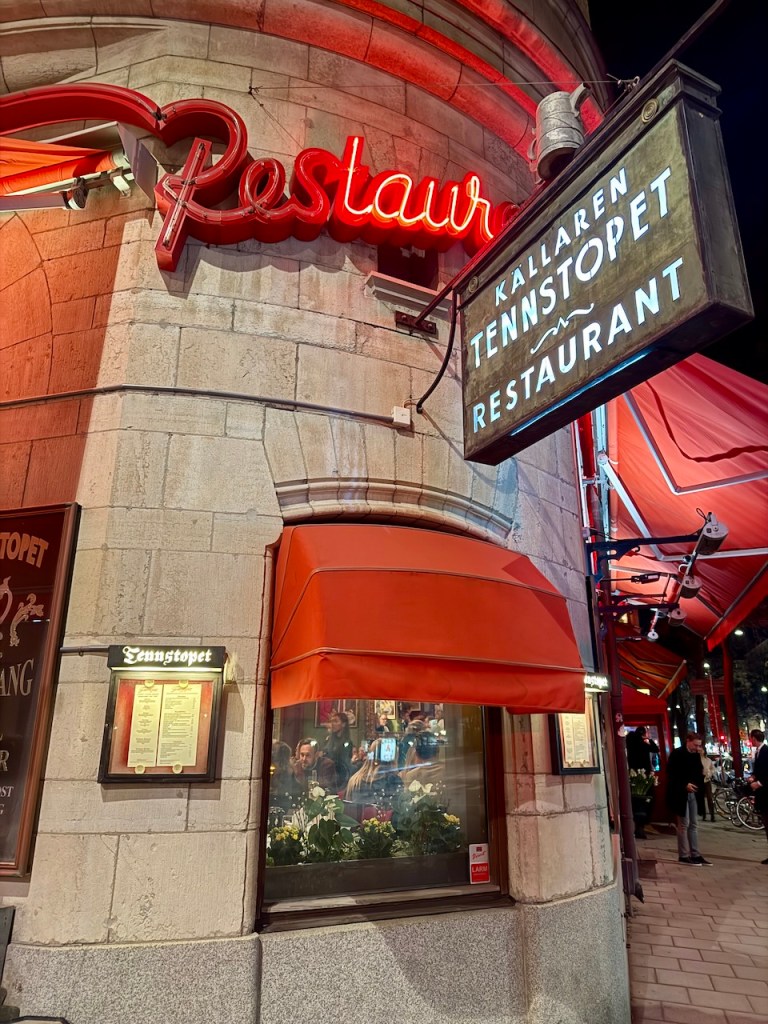
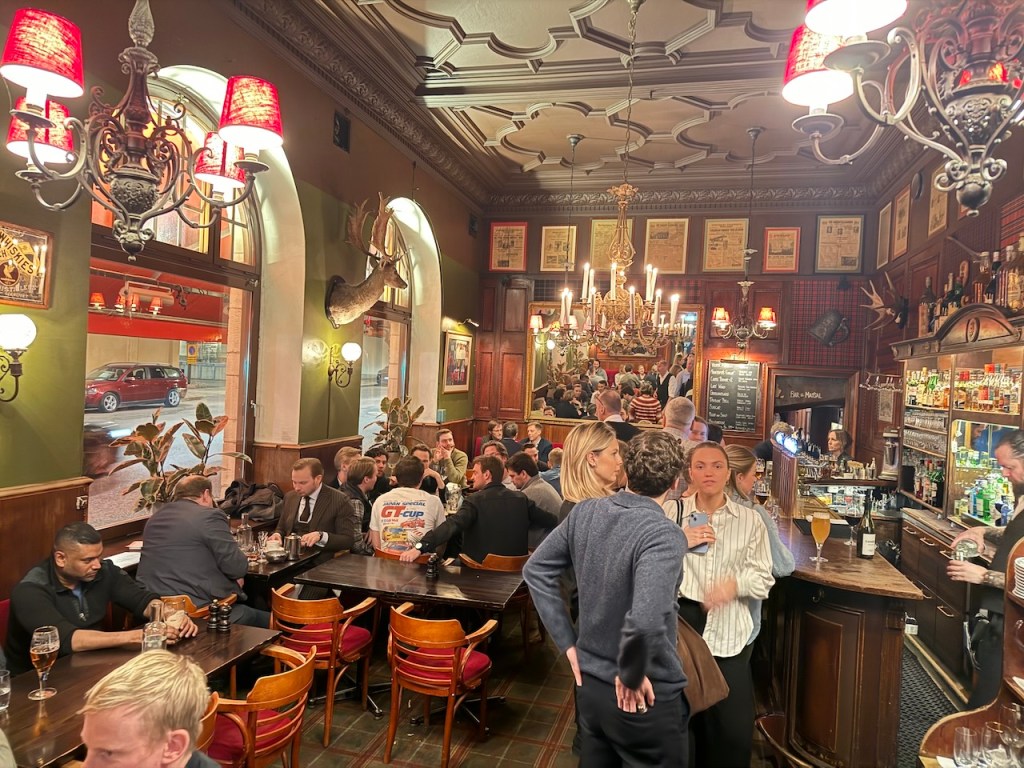
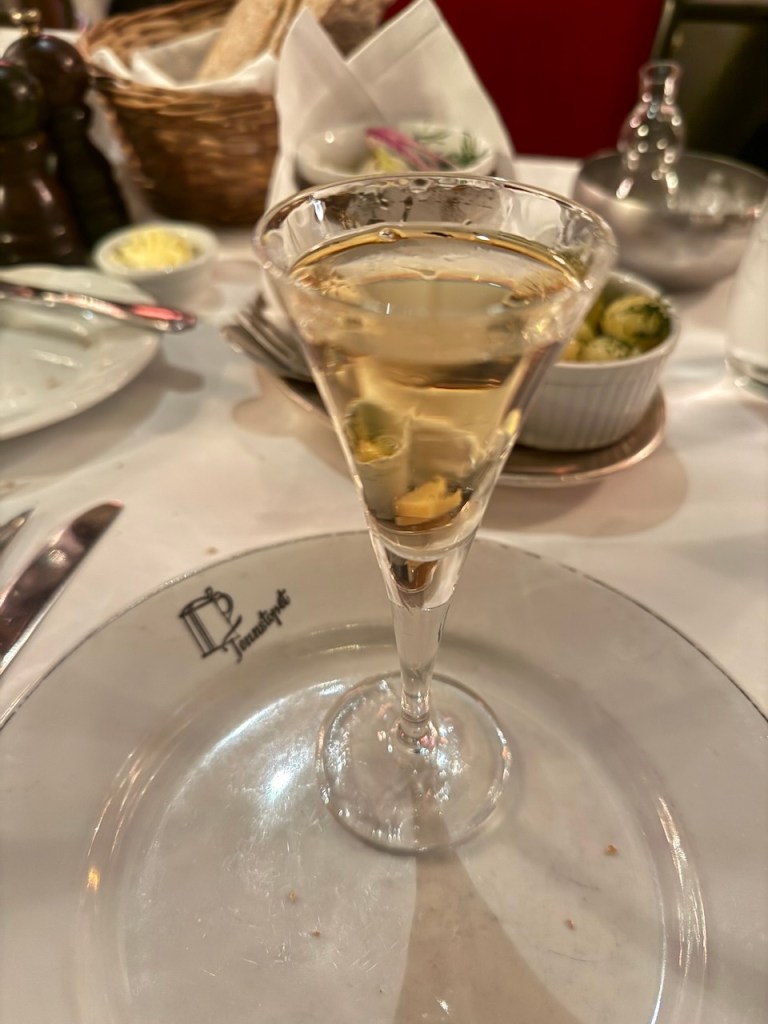
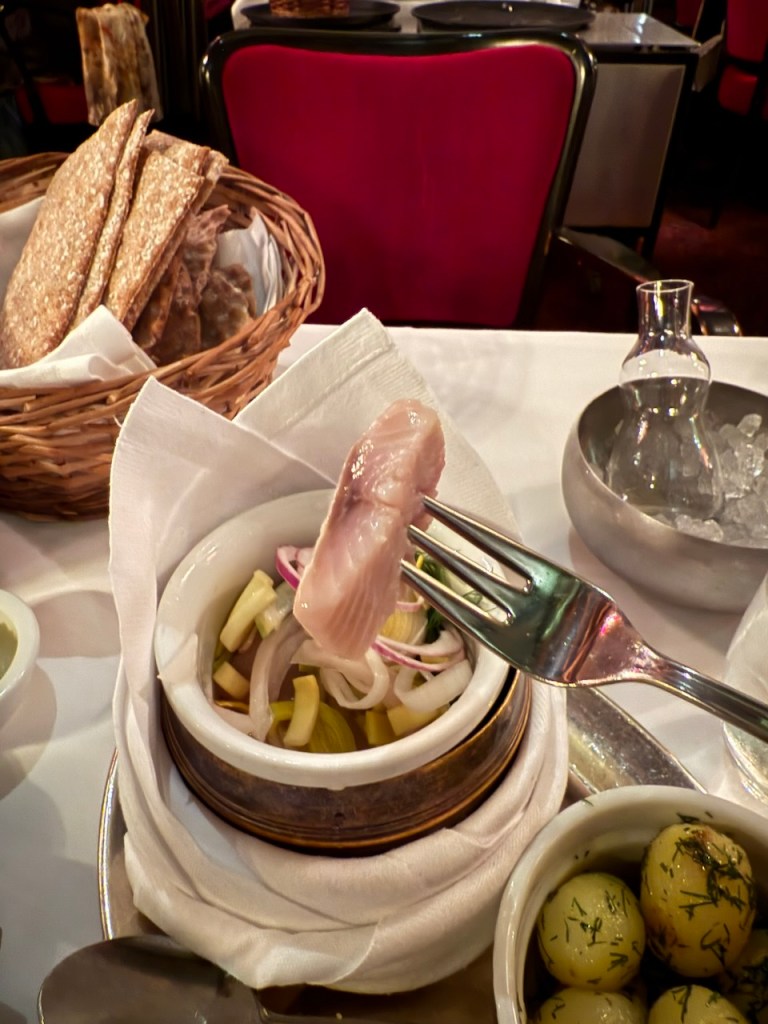
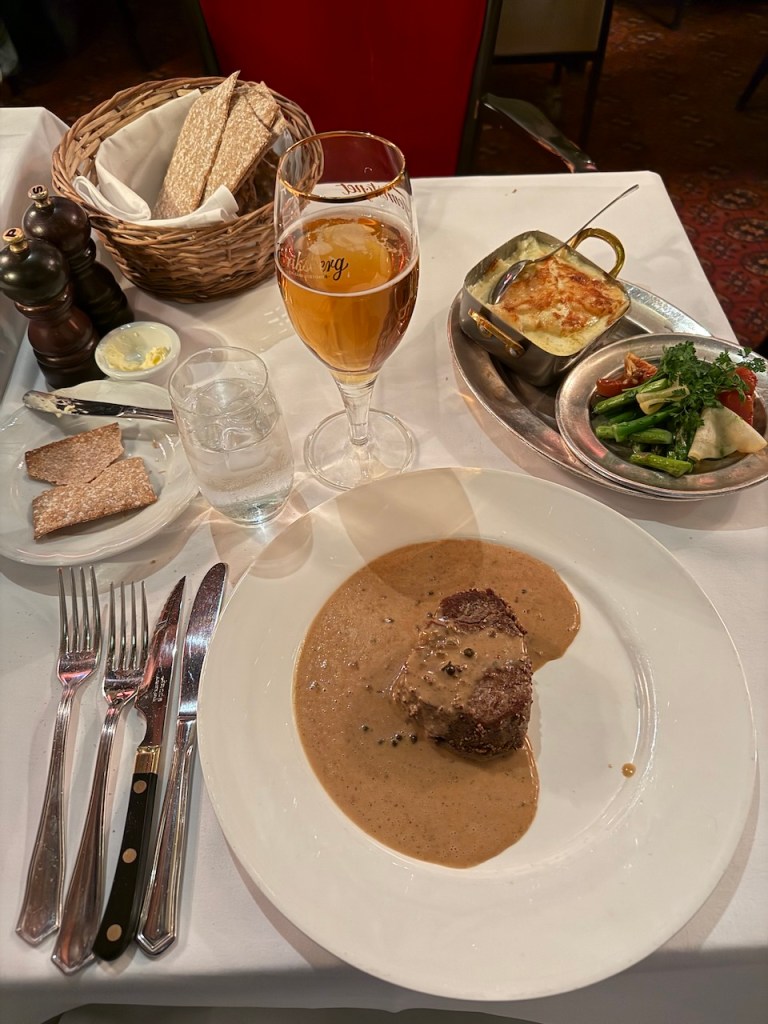
For dinner, I’d learned somehow about an old school restaurant with traditional Swedish food, so decided to take a 40-minute walk through the city to the Tennstopet Restaurant. It was a great joint – super service, and – while a small menu – had a selection of things I really wanted. I started with a vodka at the bar, then was seated in the dining room; I’d read that I just had to have the “S.O.S” as an appetizer – herring, cheese, and butter. When it arrived, I asked the waitress “how do I eat this?”; she explained that I should just take a little of each, but that I MUST have a schnapps with it. So I did! That was followed by the pepper steak flambé, prepared table side. Just a great evening, and I couldn’t recommend this place enough.
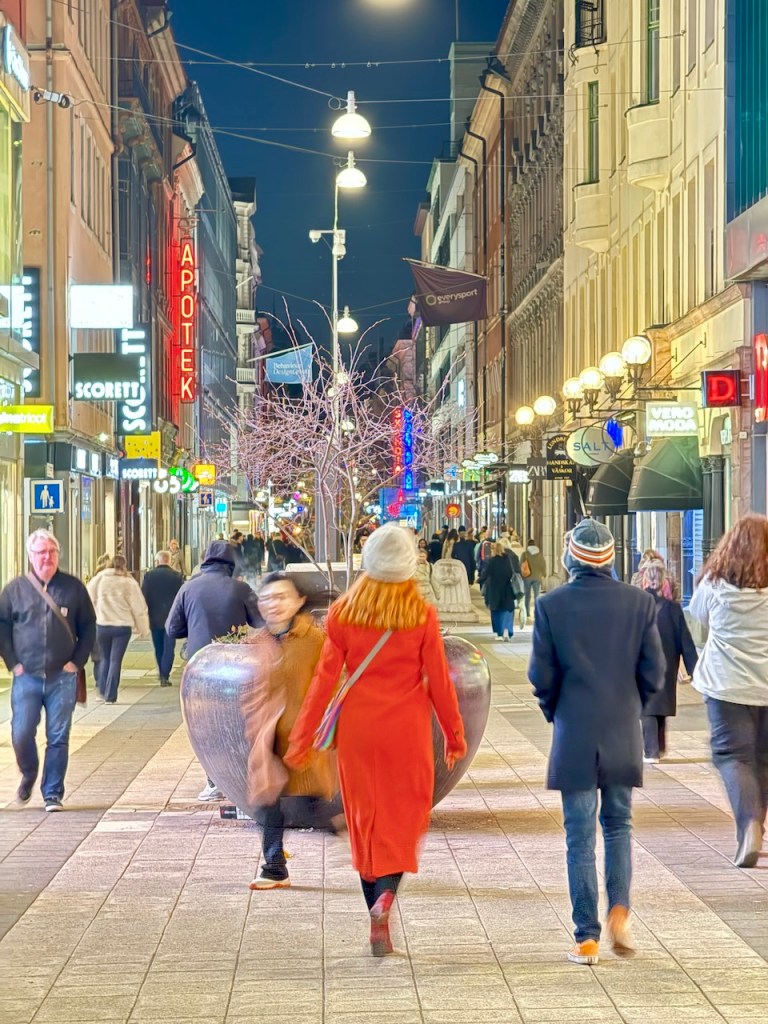

On day nine we continued a tour of Stockholm. It’s just a beautiful and beautifully situated city. There’s also an amazing number of museums and parks (with cherry blossoms, tho we were too early to see them).
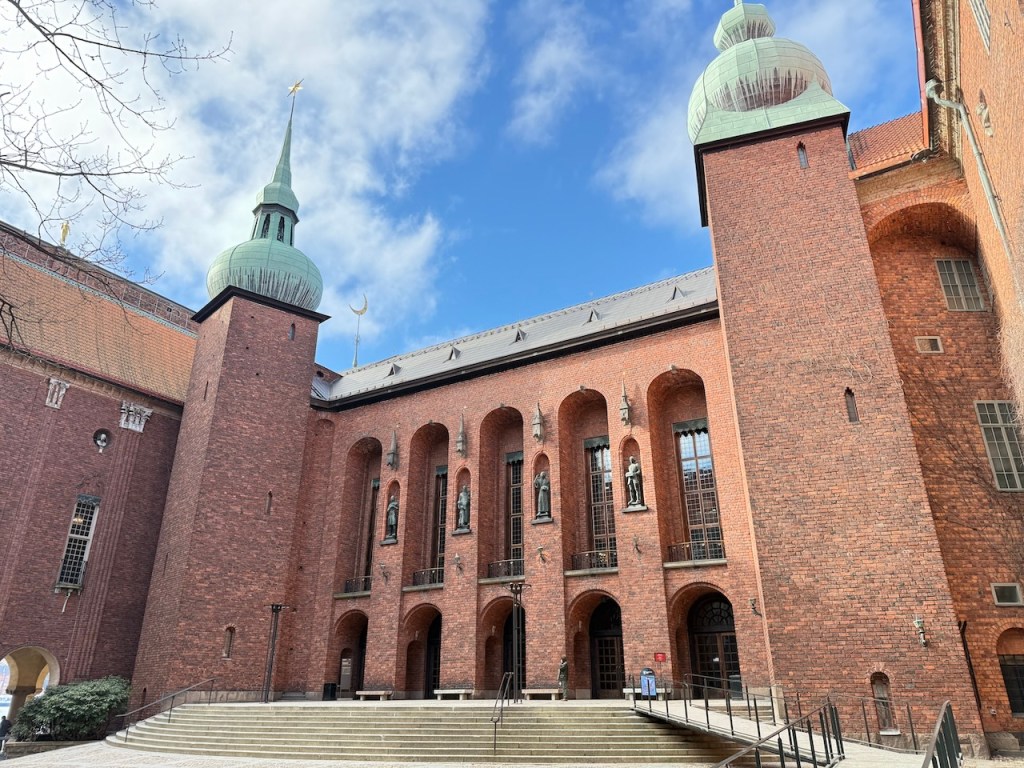
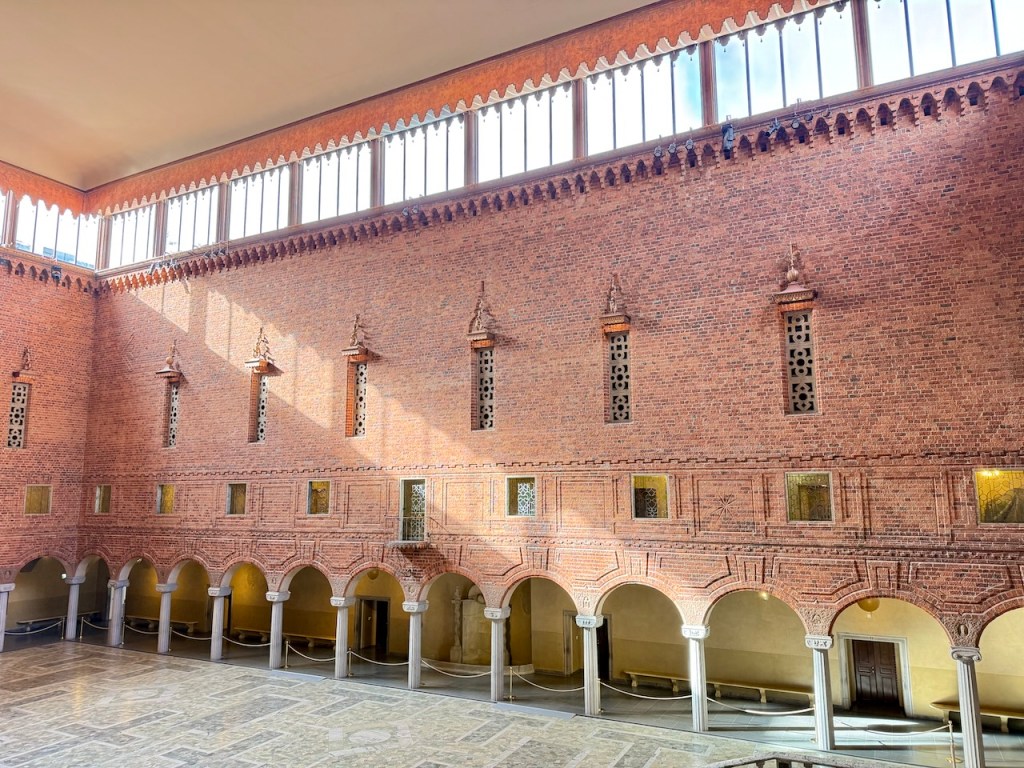
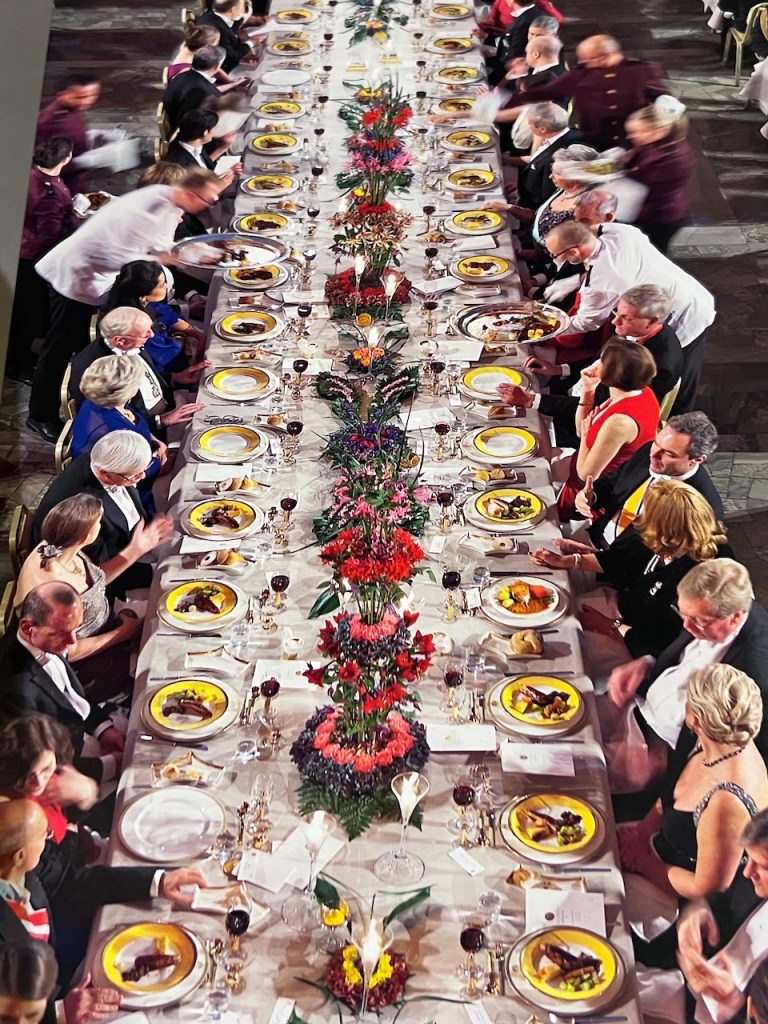
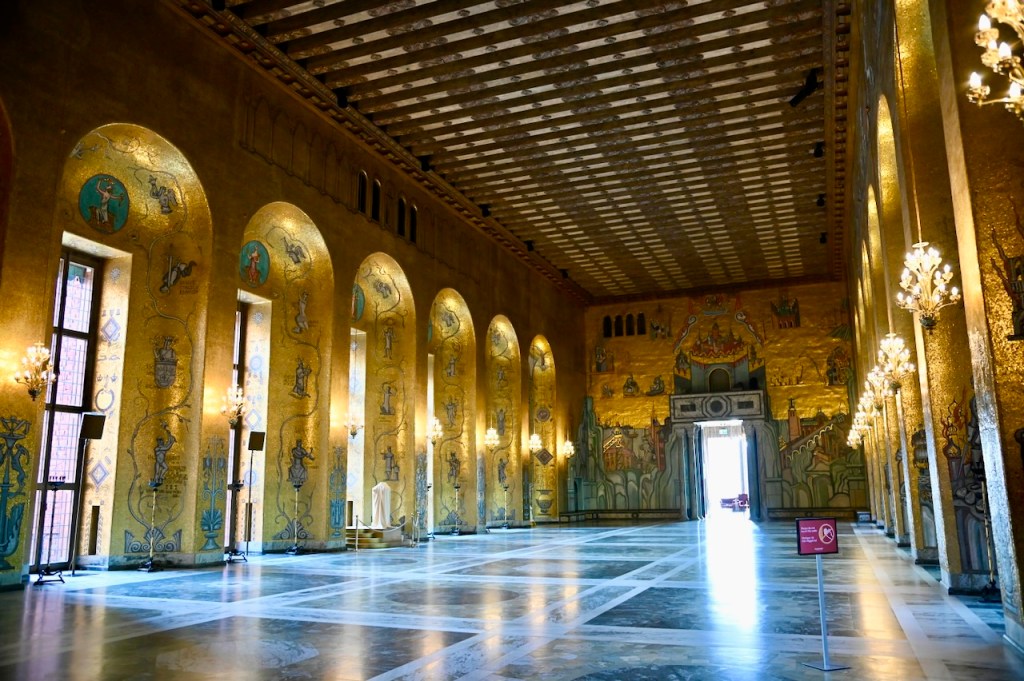
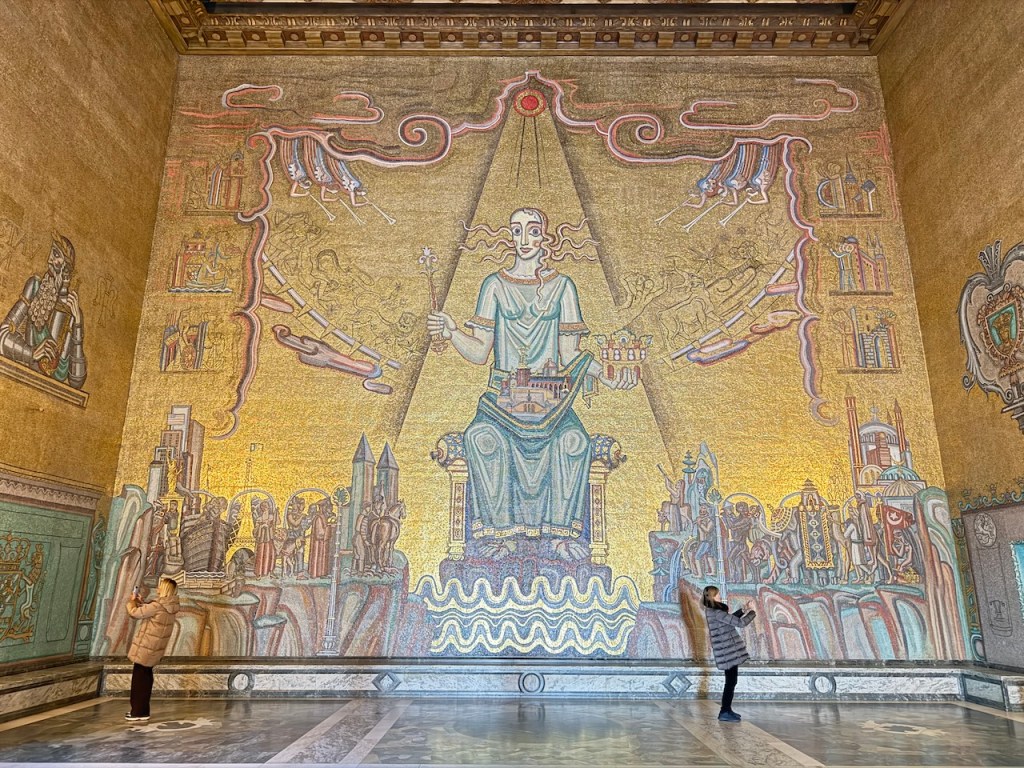
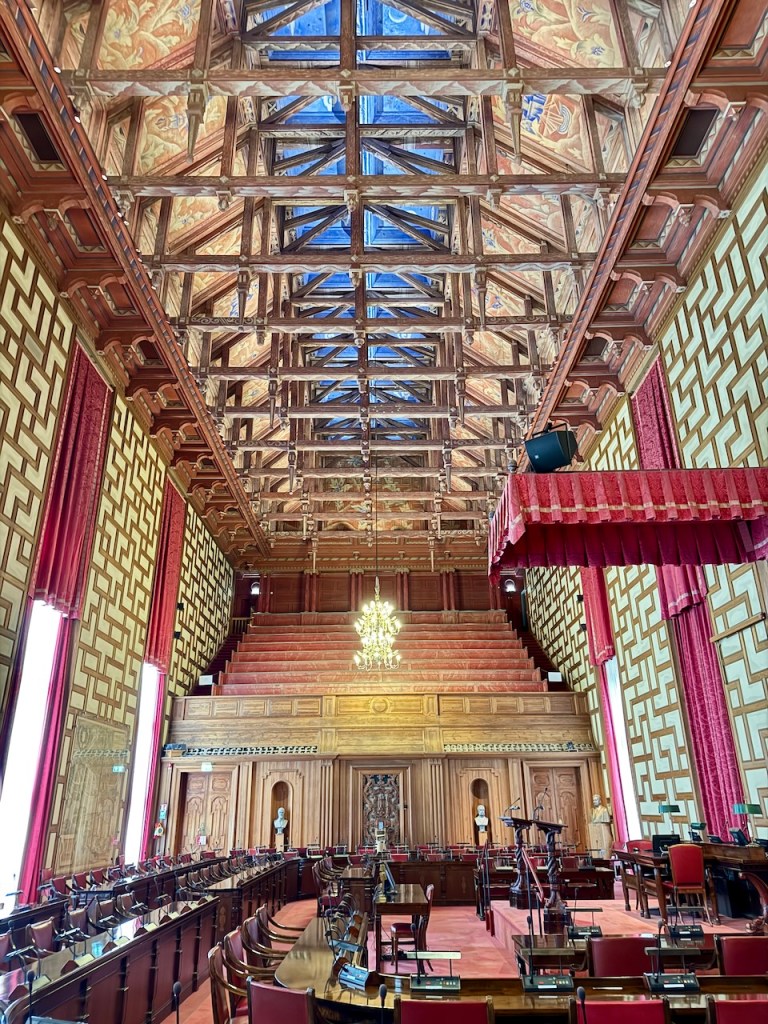
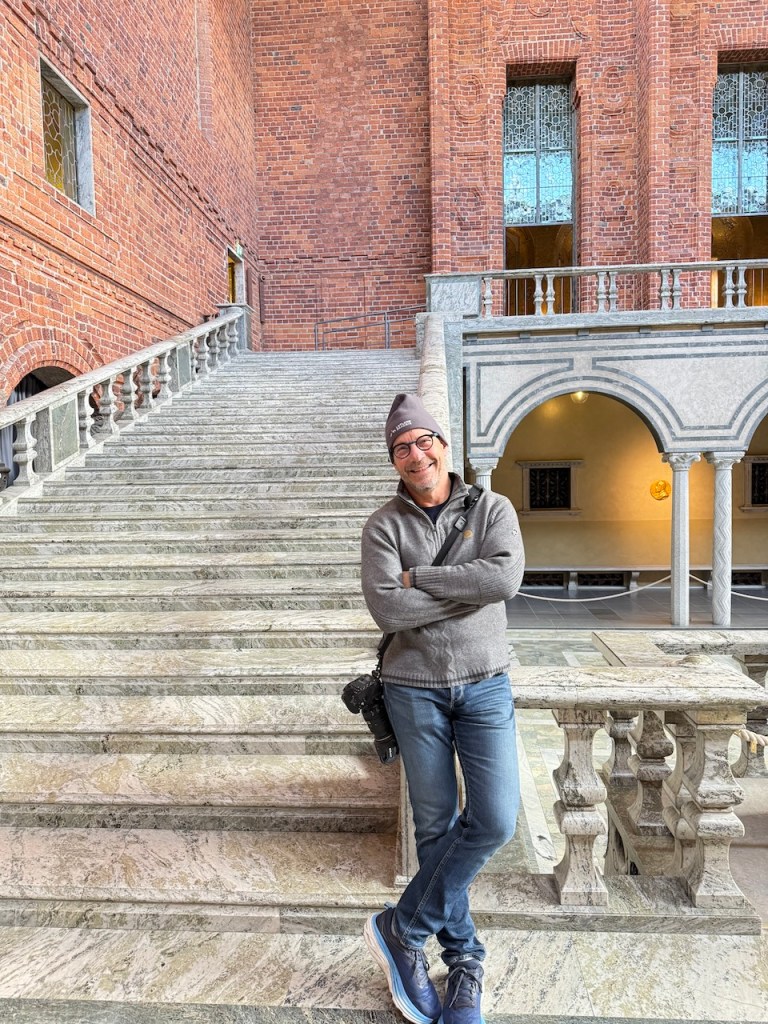
Our tour included three primary things – City Hall, which is where the Nobel dinner and dance are held (most of the Nobel Prices are handed out in Stockholm; only the Peace Prize is handed out in Oslo). It of course sits on one of the islands and, while it was completed in 1923, it is designed to look much older and built of 9 million bricks. The organ in the main hall has more than 10,000 pipes, making it the largest in Scandinavia, and one of the halls has a spectacular set of mosaics – more than 18 million tiles – that depict moments from Swedish history. (And, for those wondering, City Hall is NOT where Patti Smith performed on behalf of Bob Dylan’s Nobel Prize acceptance – that was at a different location in the city).
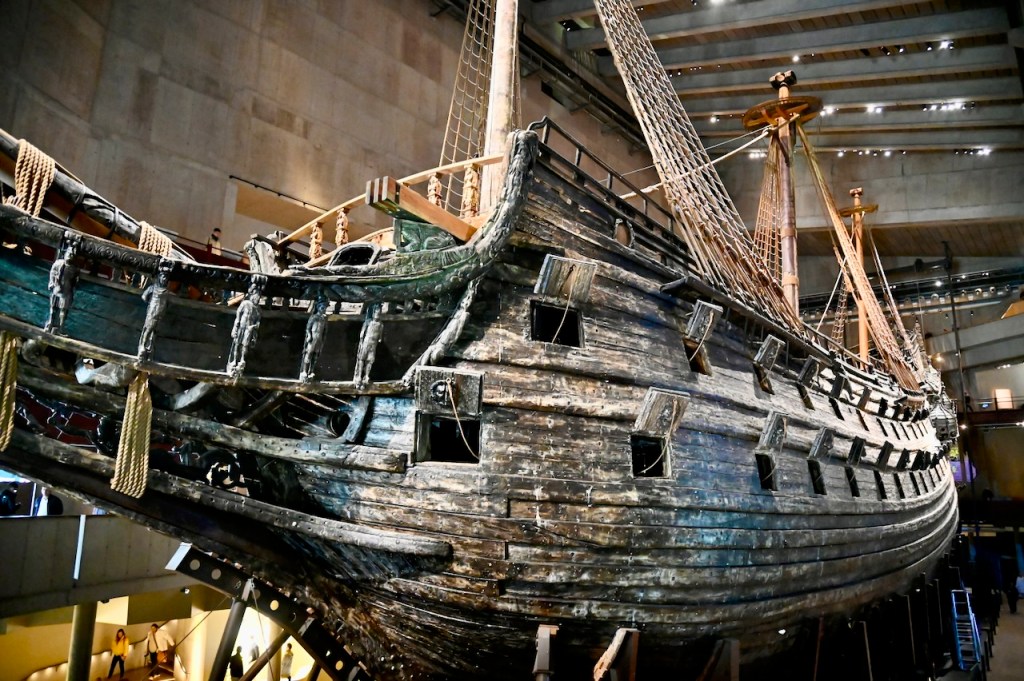
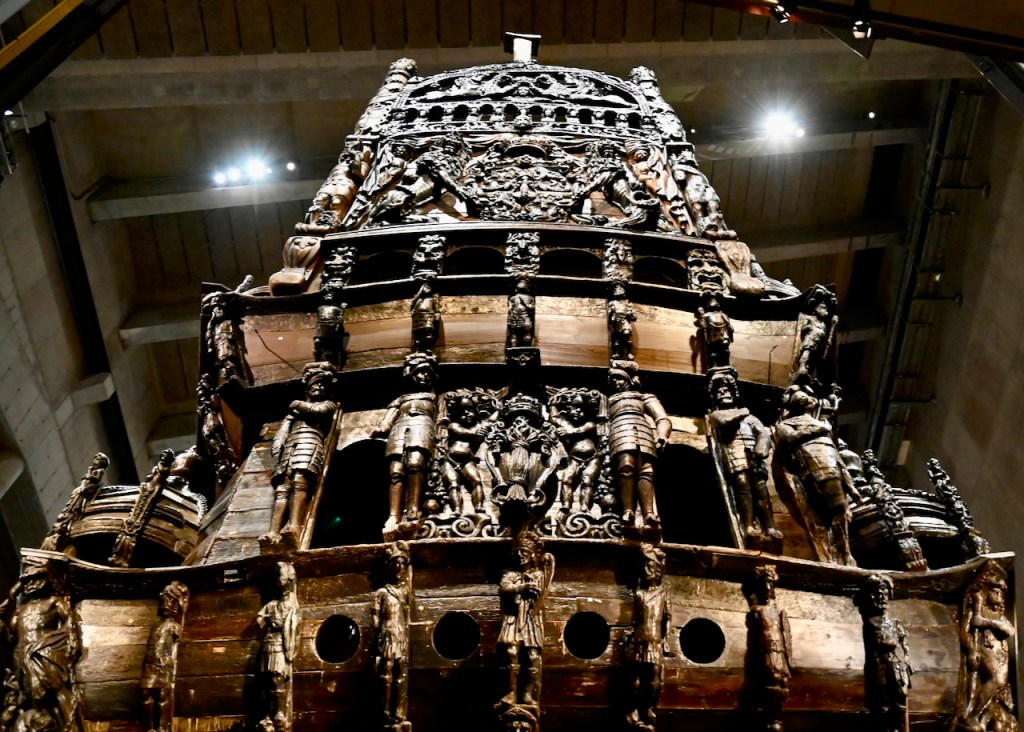
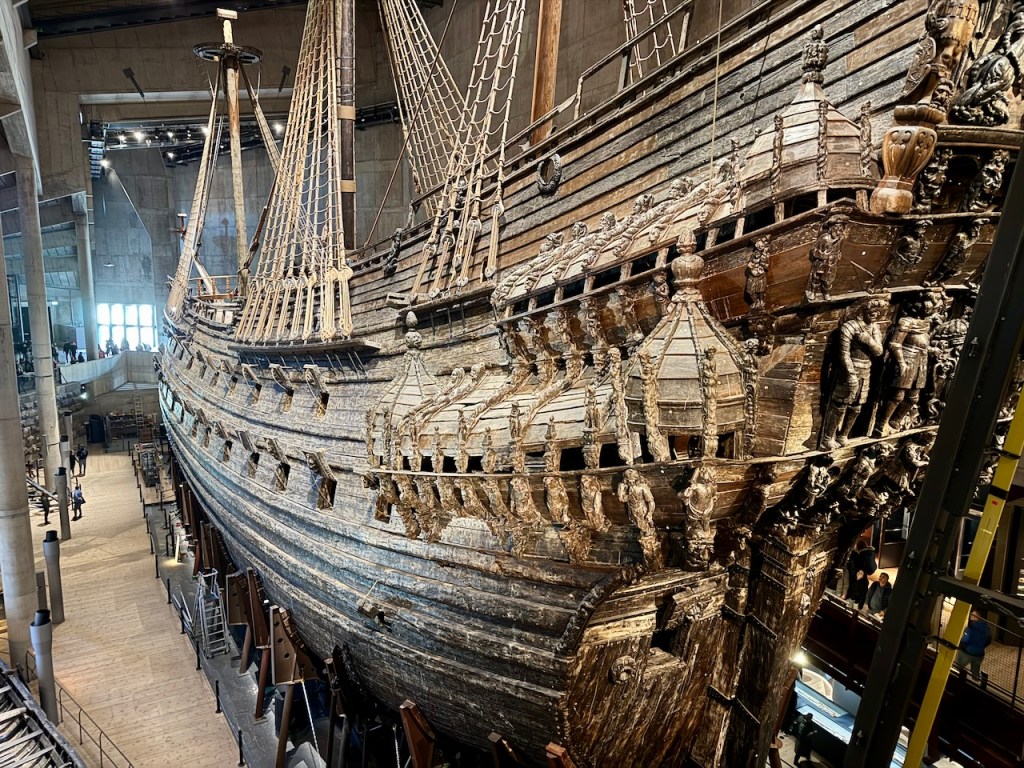
And then we went to see the Vasa, an old Swedish ship. In the late 1620’s, the king of Sweden, Gustav Adolphus, wanted to show-off to the world how wealthy a country Sweden was and how powerful a monarch he was, so he commissioned the building of a warship to be named after Gustav I – Gustav Vasa – a former monarch. To make the ship even more impressive, the king had an extra deck added on the top that included an extra set of cannons; the total cost to build the ship was estimated to be equivalent to about 3%-5% of the country’s GDP at the time. In 1628, on the Vasa’s maiden voyage in Stockholm Harbor, with the king and hundreds if not thousands of spectators in attendance, the ship sank into the mud of the Harbor bottom. Fifteen minutes into the voyage! Can you imagine the crowd’s reaction? It turns out it was top-heavy and two strong winds blew it over. At first, its masts could be seen above the harbor’s water-line, but the king – embarrassed by the site – ordered them cut off the ship. The Vasa sat on the Harbor floor for 300 years before the technology existed, in 1961, to bring it to the surface and, now, with 98% of the ship intact, it is an amazing thing to be seen – the best preserved 17th century ship in the world. It is hard to give it due justice in pictures.
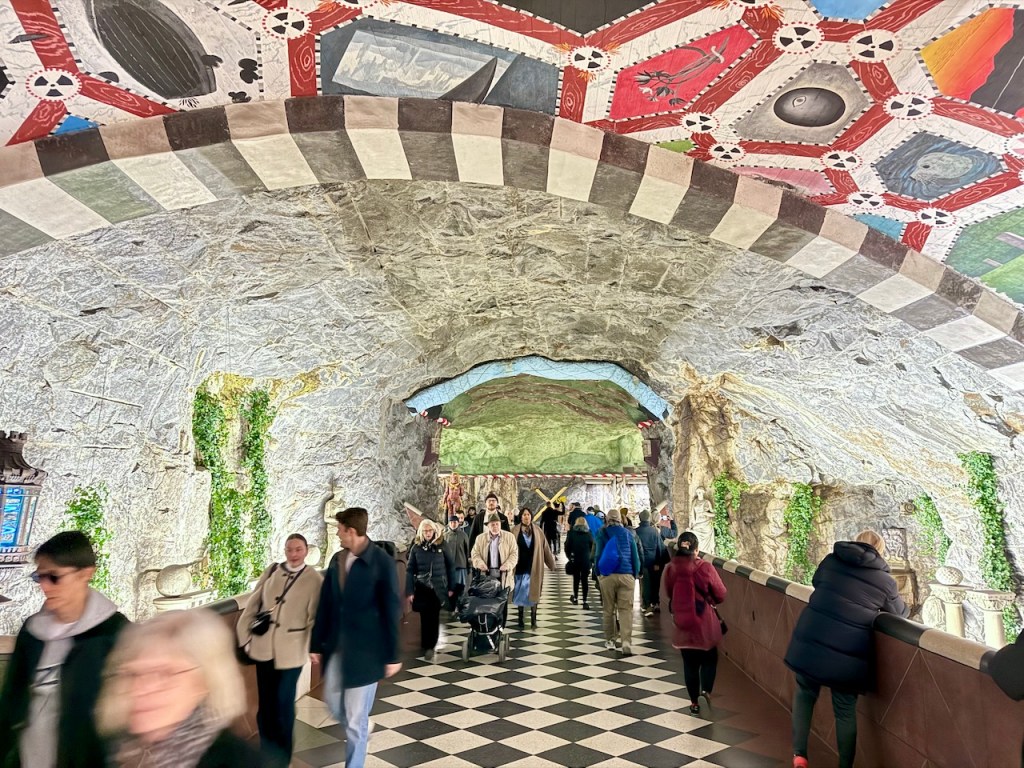
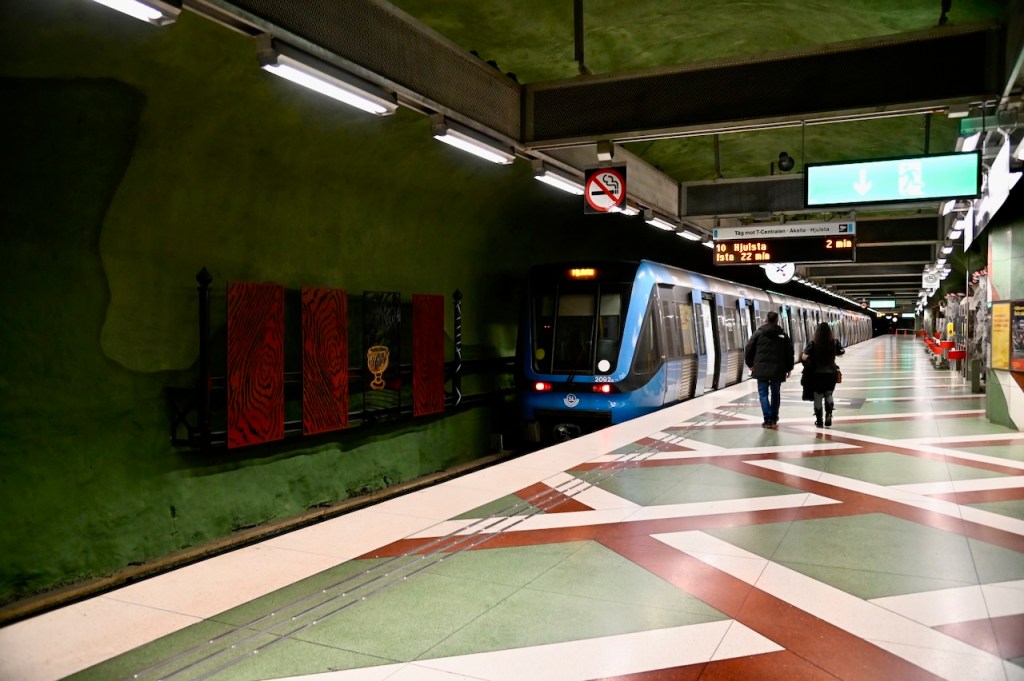
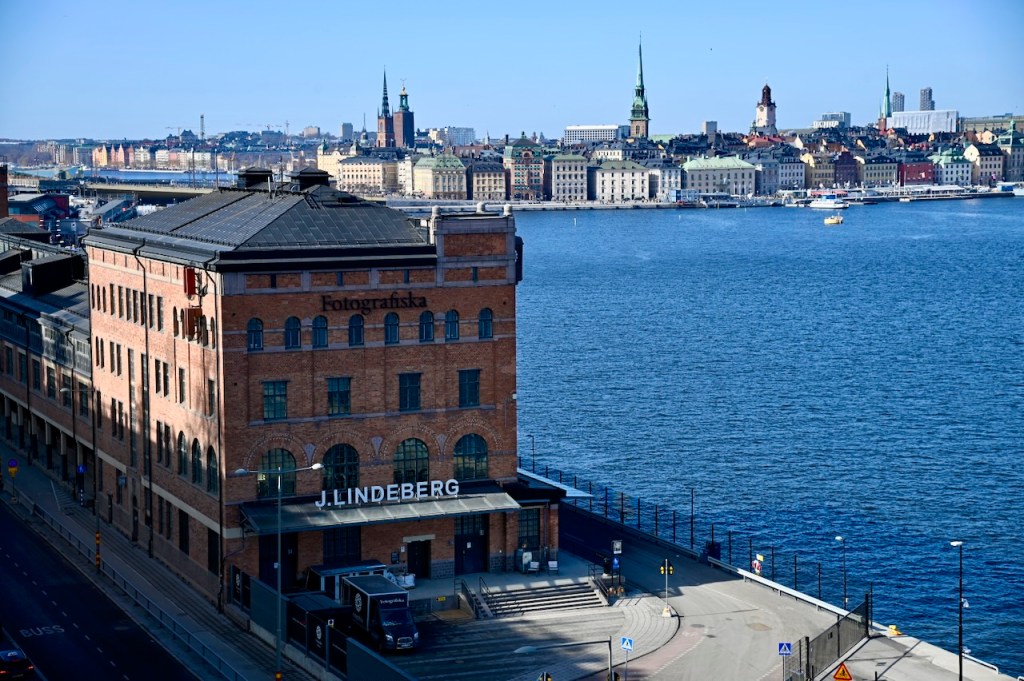
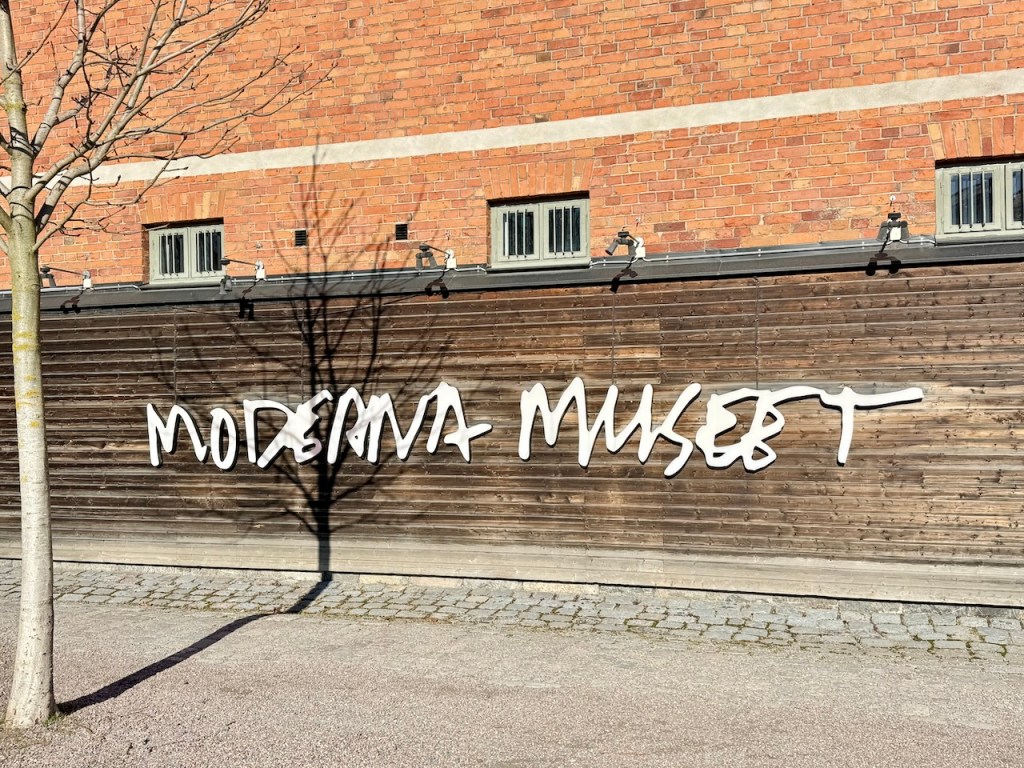
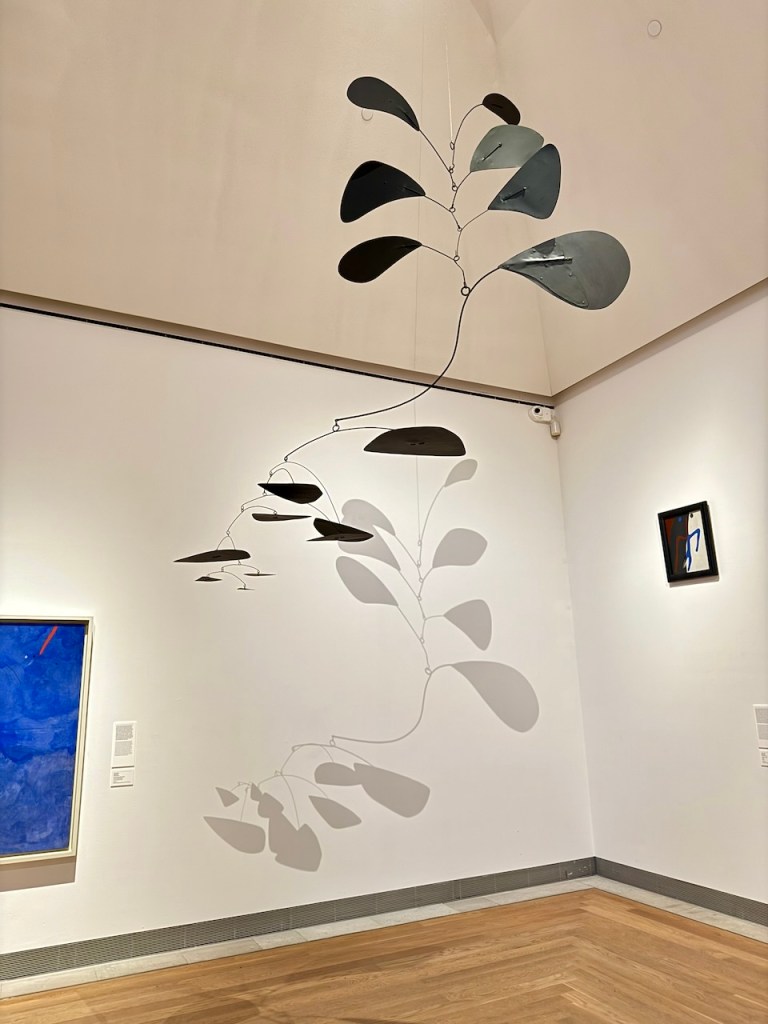
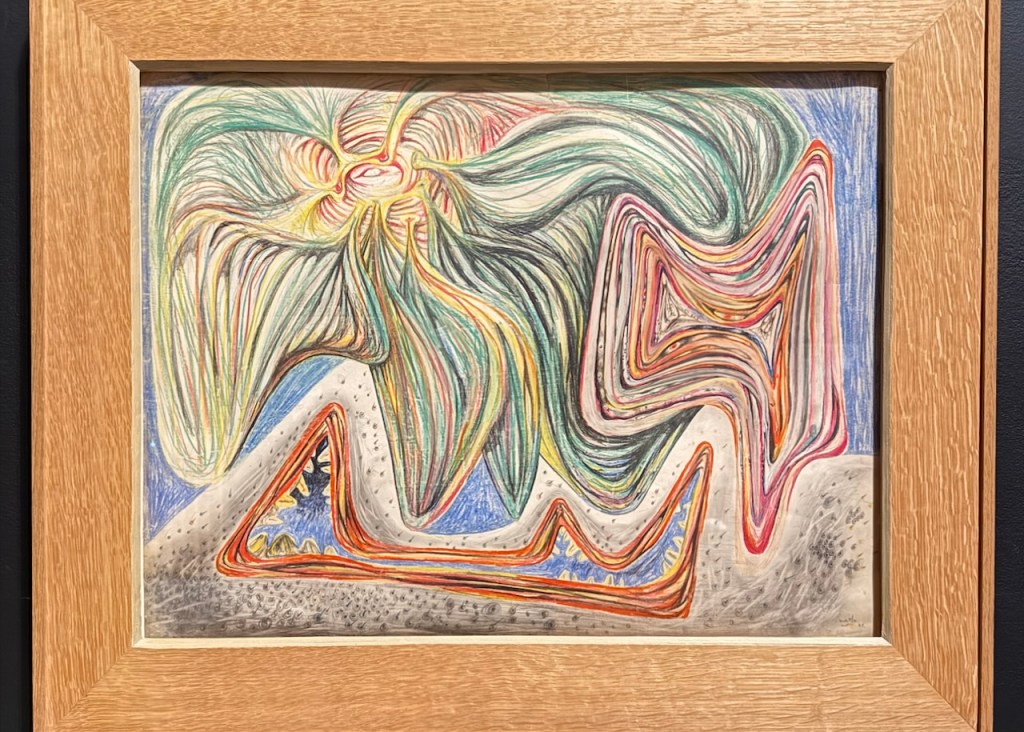
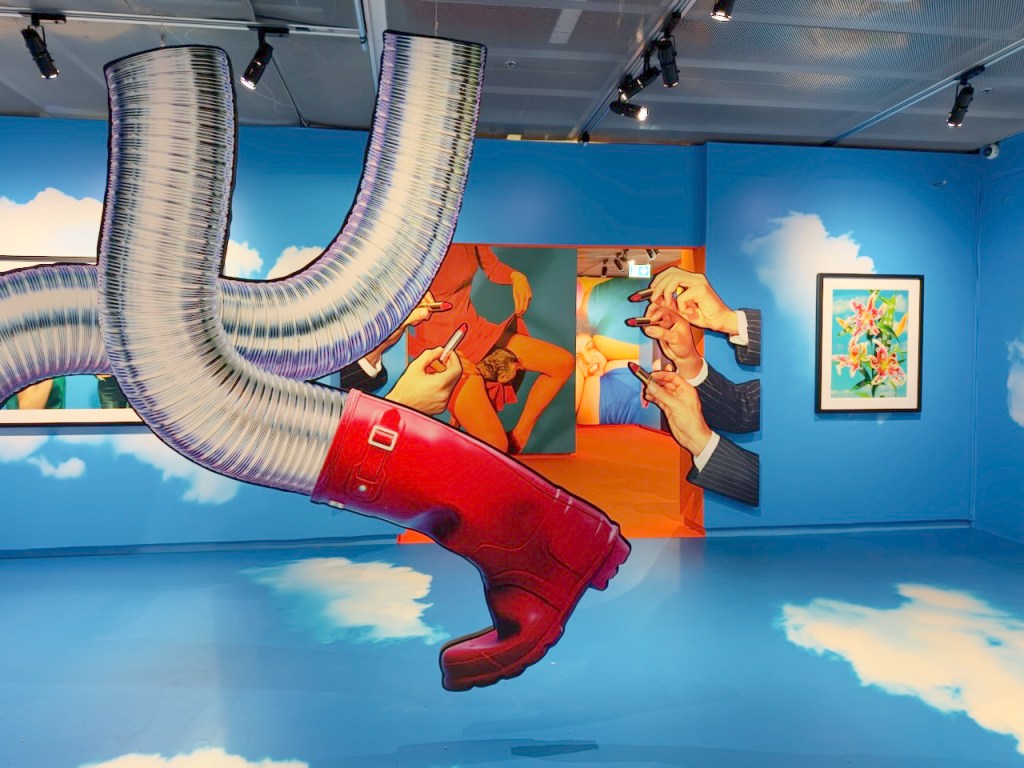
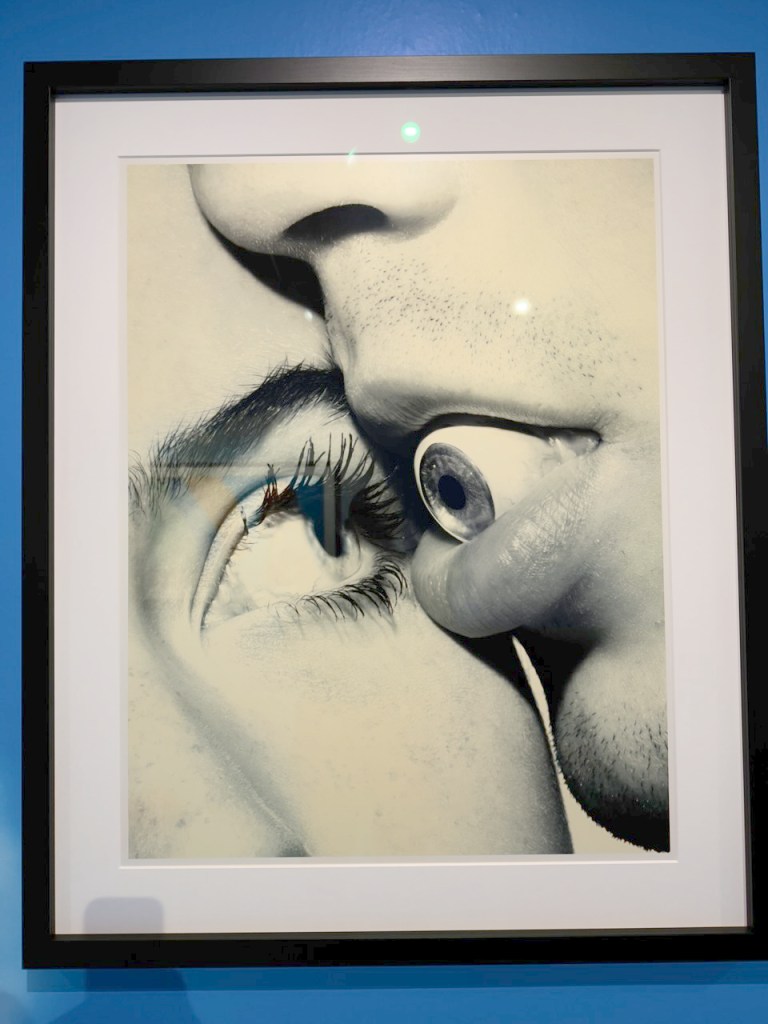
We got a chance to check out one of the metro stops, as Stockholm has decked out its stations, and, with the rest of the afternoon to myself, I walked around a bit and visited the Modern Art Museum (think Picasso, Braques, Calder, Miro), figuring I’d save the Abba Museum for another visit on another day. I also paid a quick visit to the Photography Museum. And I also learned about two fascinating laws in Stockholm; the first says that no dog can be left at home for more than five hours – which means you see a lot of dogs out and about; the second law is a “freedom to roam” – it gives permission for anyone and everyone to be able to enjoy nature, even if its on private land.

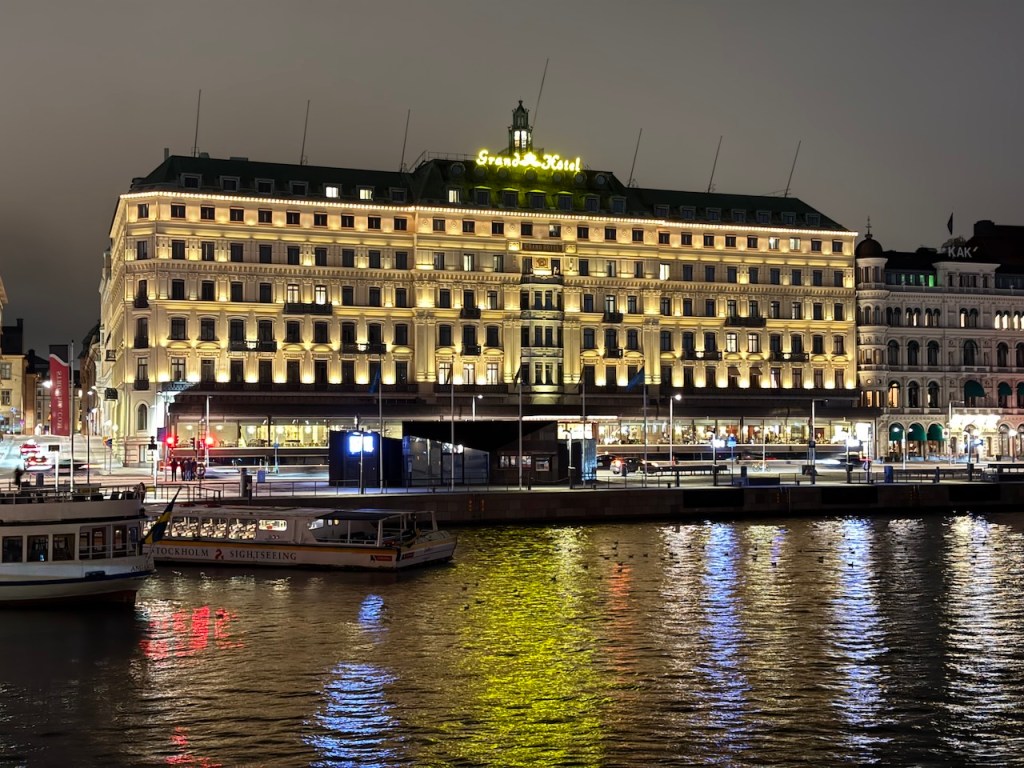
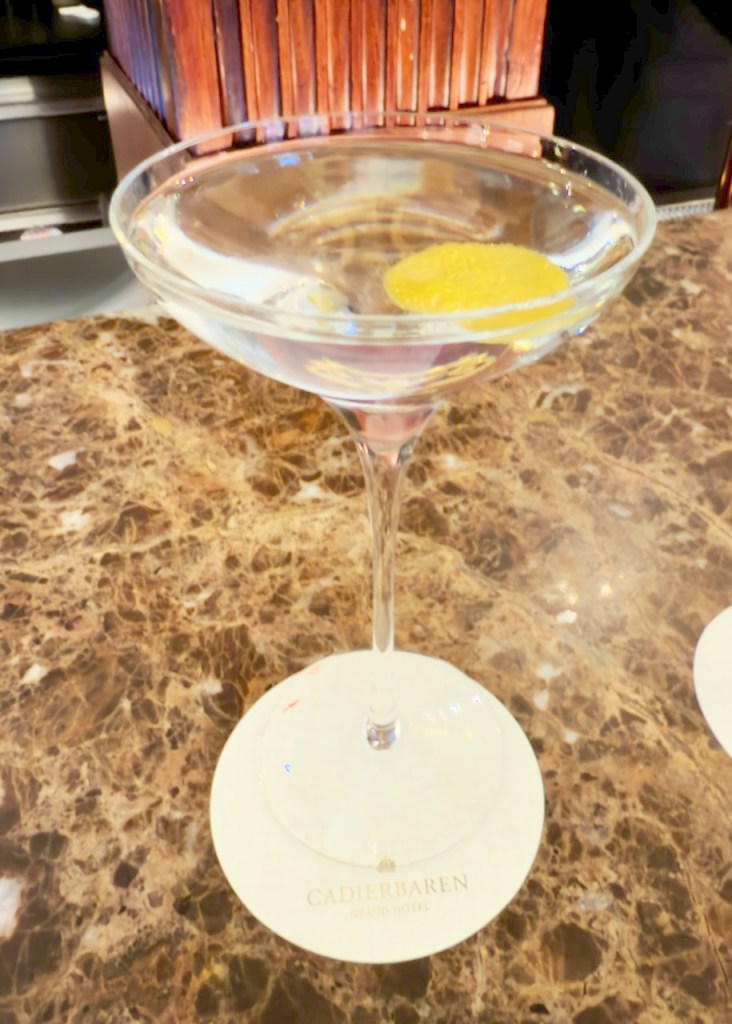
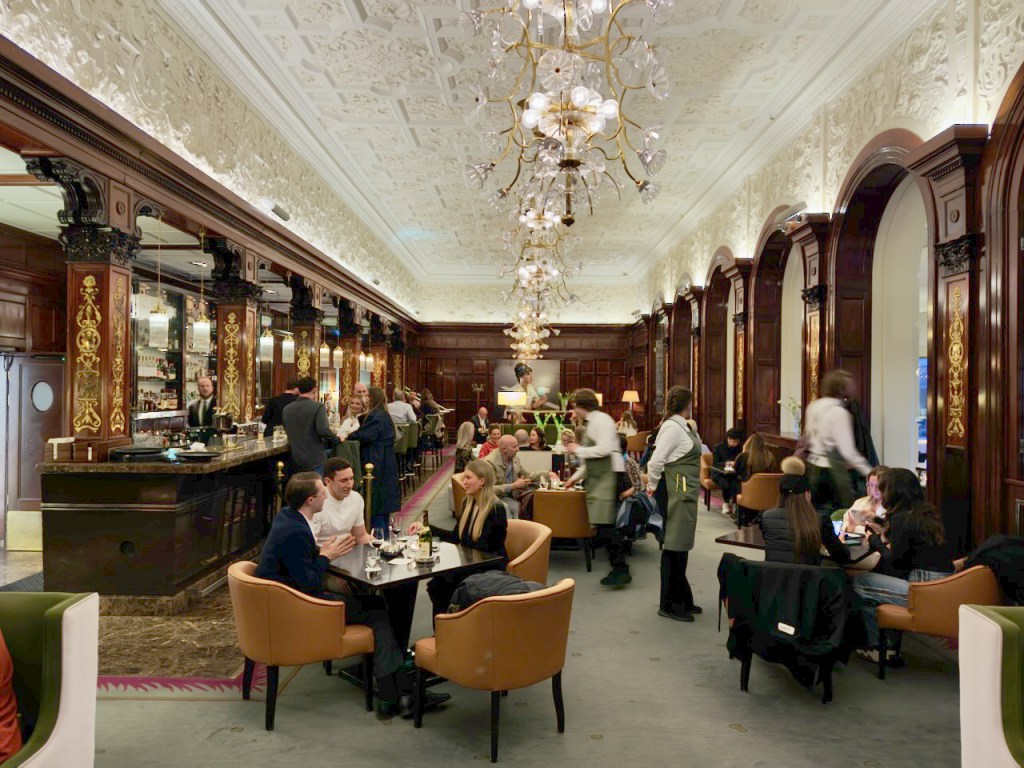
My day finished up at our hotel’s bar, the Grand Hotel’s Cadier Bar, where I enjoyed some of the best martini’s I’d ever had.
 Fred's Travel Blog